Canker Sore vs Cold Sore: Symptoms and Causes

If you've ever had a painful sore in or around your mouth, you know how confusing it can be. Is it a canker sore or a cold sore?
They sound similar, but they are very different and treating the wrong one won't help.
I've been there too. That stinging spot on my lip had me second-guessing myself for days.
In this blog, I'll cover what canker sore vs cold sore really means, how to tell them apart, what causes each one, and when to see a doctor.
I've spent time researching and fact-checking this information so you get clear, reliable answers not guesswork.
What Is a Canker Sore?
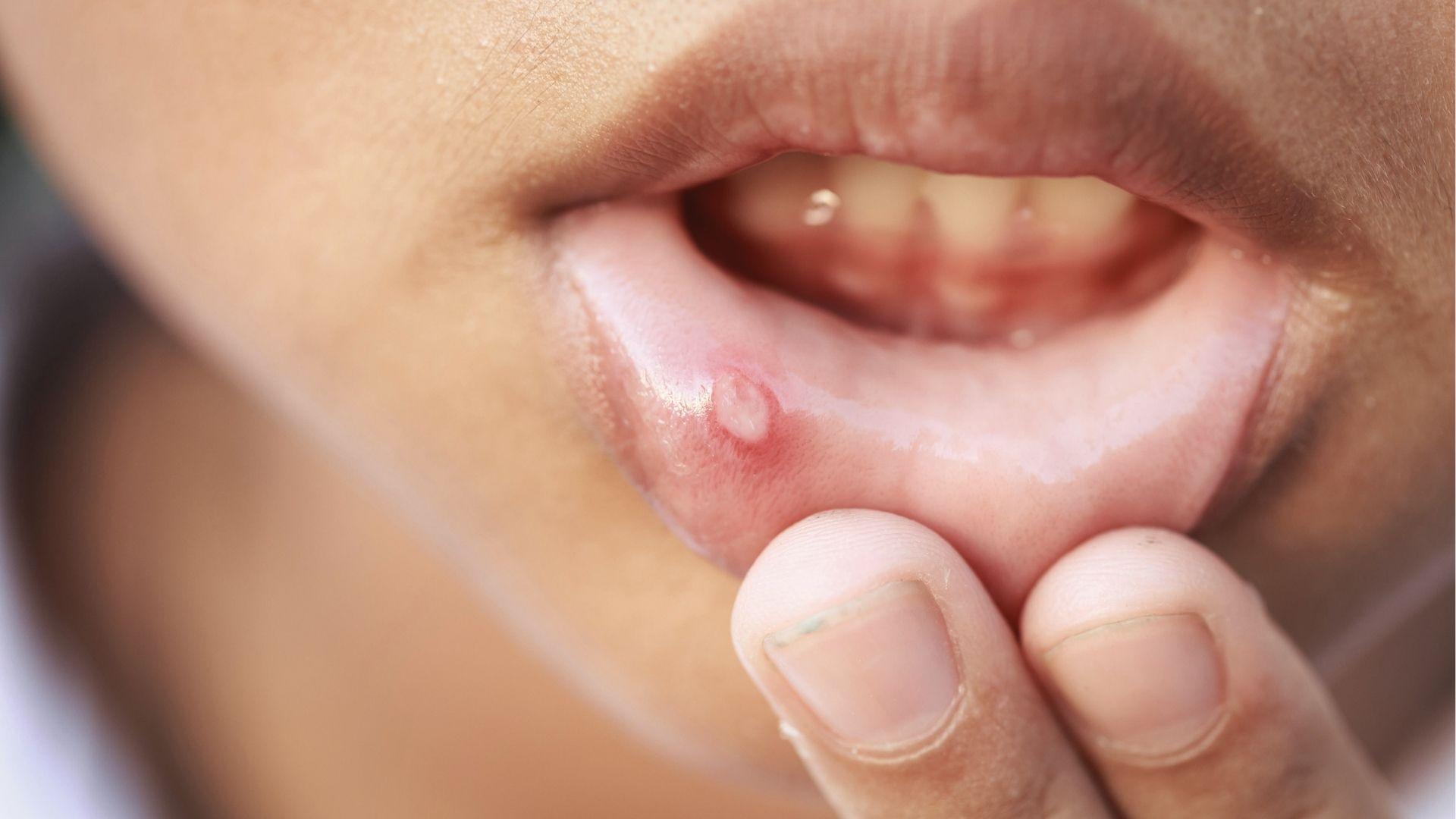
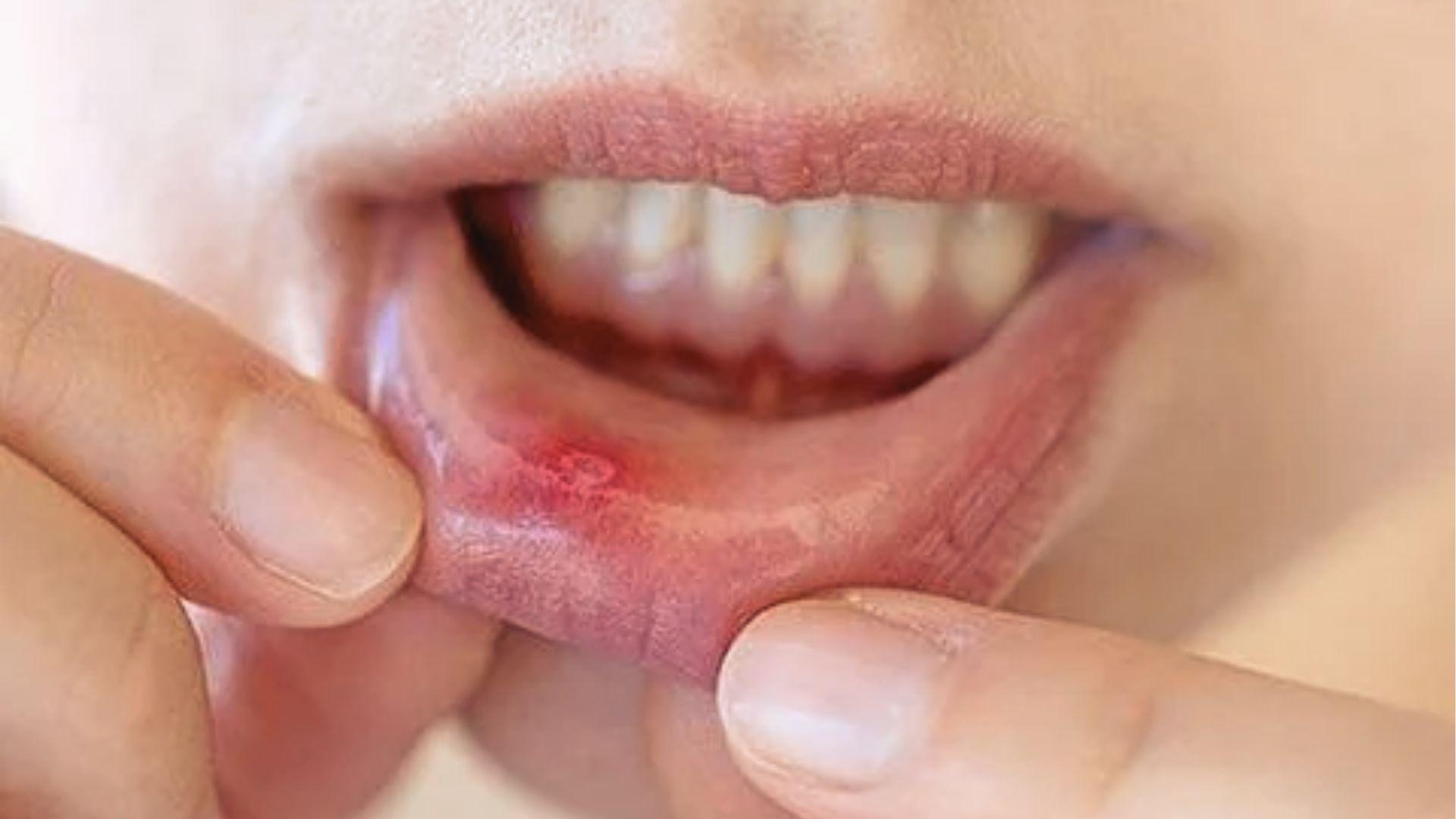
A canker sore is a small, painful ulcer that forms inside the mouth. It can appear on the inner cheeks, tongue, gums, or soft tissue near the throat.
Unlike cold sores, canker sores are not caused by a virus and are not contagious. They usually have a white or yellowish center with a red border.
Most canker sores heal on their own within one to two weeks.
They are more common than people think, and many factors like stress, minor injuries, or low nutrient levels can bring them on without warning.
What Is a Cold Sore?

A cold sore is a small, fluid-filled blister that forms on or around the lips. It is caused by the herpes simplex virus, most commonly HSV-1.
Once this virus enters the body, it stays there permanently and can reactivate at any time. Cold sores are highly contagious and spread through direct contact like kissing or sharing utensils.
Before a blister appears, most people feel itching, tingling, or burning around the lip area.
The blister eventually breaks, crusts over, and heals within seven to ten days. Stress, illness, and sun exposure are common triggers for recurring outbreaks.
Canker Sore vs Cold Sore Comparison: Key Differences at a Glance

A look at how these two sores differ across every major category.
Appearance and Physical Characteristics
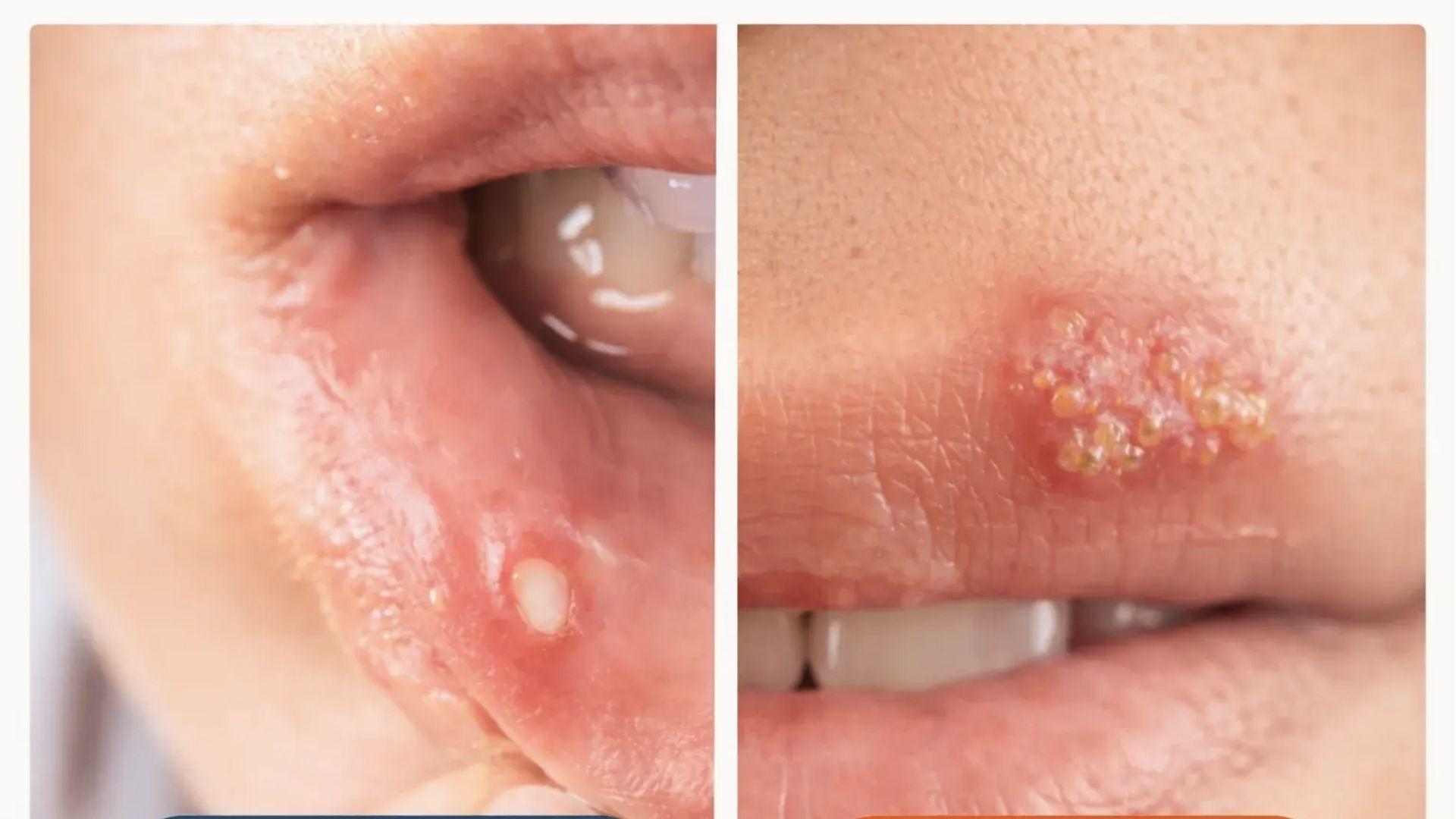
Canker sores are small, round ulcers with a white or yellowish center and a red border. They are open sores, not blisters.
Cold sores start as small fluid-filled blisters that cluster together. They often crust over as they heal and look more raised than canker sores.
Location Inside vs Outside the Mouth
This is one of the clearest ways to tell them apart. Canker sores almost always appear inside the mouth on the inner cheeks, tongue, gums, or the soft tissue near the throat.
Cold sores appear on the outside of the mouth, typically on or around the lips, and sometimes on the chin or nose.
Causes and Triggers
Canker sores are triggered by stress, minor injuries, certain foods, or vitamin deficiencies. They are not caused by a virus.
Cold sores are caused by the herpes simplex virus (HSV-1 or HSV-2). Once you have this virus, it stays in your body and can reactivate due to stress, illness, or sun exposure.
Symptoms and Warning Signs
Canker sores cause a burning or tingling sensation before they appear, then sharp pain once they form.
Cold sores often begin with itching, burning, or tingling around the lip before any blister is visible. That early tingling stage with cold sores is known as the prodrome phase.
Contagious vs Non-Contagious
Canker sores are not contagious. You cannot spread them through kissing or sharing food. Cold sores are highly contagious, especially when blisters are active.
The virus can spread through direct skin contact, kissing, or sharing items like cups and lip balm.
What Causes Canker Sores and Cold Sores?
Understanding the root causes can help you prevent outbreaks and manage them better over time.
| Category | Canker Sore Causes | Cold Sore Causes |
| Primary Cause | No single cause multiple triggers | Herpes simplex virus (HSV-1 or HSV-2) |
| Stress | High stress and emotional pressure trigger outbreaks | Stress weakens immunity and reactivates the virus |
| Physical Injury | Cheek biting, rough brushing, sharp foods, dental work, or braces | Not applicable |
| Nutrition | Low B12, iron, folate, or zinc levels increase risk | Not a direct cause |
| Food Triggers | Citrus, tomatoes, strawberries, chocolate, and spicy foods | Not applicable |
| Virus | Not caused by a virus | Caused by HSV-1 (oral) or HSV-2 (genital, can affect oral area) |
| Sun Exposure | Not a known trigger | UV rays weaken lip skin and trigger outbreaks |
| Illness | Not directly linked | A weakened immune system allows the virus to reactivate |
| Hormonal Changes | Not a primary trigger | Menstruation, pregnancy, or hormonal therapy can trigger outbreaks |
| Contagious | No | Yes spreads through direct contact |
Understanding these triggers can help you take the right steps early and reduce how often outbreaks occur.
Canker Sore vs Cold Sore Symptoms: How to Tell the Difference

Knowing the exact symptoms for each sore type makes identification much faster and more accurate.
Early Warning Signs
Both types give early signals before they fully appear. With canker sores, you may feel a mild tingling or burning in a spot inside your mouth.
With cold sores, the warning signs are usually stronger itching, tingling, or a tight, sensitive feeling around the lips, often a day or two before any blister shows up.
Symptoms of a Canker Sore
Once it forms, a canker sore causes noticeable pain, especially when eating acidic or spicy food. The sore is open, shallow, and stays inside the mouth.
You may also notice swollen lymph nodes if the sore is large or if you get them frequently.
Symptoms of a Cold Sore
Cold sores start as small, fluid-filled blisters. They are often red and inflamed around the base. As the blister breaks, it oozes fluid and forms a crust.
The area feels sore, tight, and sometimes itchy throughout the healing process.
Blisters vs Ulcers
This is the simplest way to tell them apart at a glance. Cold sores are blisters raised, fluid-filled, and clustered.
Canker sores are ulcers flat, open, and crater-like. If it is a blister outside your mouth, it is very likely a cold sore. If it is an open sore inside your mouth, it is more likely a canker sore.
Can You Have Both at the Same Time?
Yes, it is possible. Since they have different causes, you can experience a canker sore and a cold sore at the same time.
This can feel especially uncomfortable, but both are treated separately based on their individual cause.
Tips to Prevent Canker Sores and Cold Sores
Small habit changes can make a real difference in how often these sores appear and how severe they are.
- Avoid trigger foods like citrus, spicy dishes, and crunchy snacks that irritate mouth tissue.
- Use a soft-bristled toothbrush and rinse with saltwater to keep your mouth clean.
- Apply SPF lip balm before going outside to lower the risk of cold sore outbreaks.
- Eat foods rich in B12, iron, zinc, and folate, and get consistent sleep to support immunity.
- Avoid close contact, shared utensils, and lip products when a cold sore is active.
Conclusion
Sorting out a canker sore vs cold sore used to confuse me too until I learned the two key things: location and cause.
Canker sores form inside the mouth and are not contagious. Cold sores form outside and are caused by a virus.
Once you know the difference, you can act faster. If your sore keeps coming back or lingers too long, please see a doctor.
Drop a comment below and share your experience. It might help someone else going through the same thing.
Frequently Asked Questions
What is the main canker sore vs cold sore difference?
A canker sore is a non-contagious ulcer that forms inside the mouth. A cold sore is a contagious blister caused by the herpes simplex virus and appears outside the mouth, usually on or around the lips.
Is a canker sore contagious?
No, canker sores are not contagious at all. They cannot be passed through kissing, sharing food, or any form of contact. Cold sores, by contrast, are contagious and spread easily through direct skin-to-skin contact.
Can cold sores appear inside the mouth?
Cold sores typically appear on the outer lip and skin around the mouth. In rare cases, HSV can cause sores inside the mouth, but this is more common in people with weakened immune systems or during an initial HSV infection.
What causes recurring canker sores?
Recurring canker sores are often linked to stress, nutritional deficiencies, hormonal changes, or food sensitivities. If outbreaks happen frequently, a doctor can help identify whether an underlying condition like a vitamin deficiency or immune issue is involved.
How long do cold sores and canker sores last?
Cold sores usually heal within seven to ten days. Canker sores typically clear up in one to two weeks. Larger sores of either type may take a bit longer. If a sore has not healed after two weeks, consult a doctor.