What to Do After You Pop a Pimple?

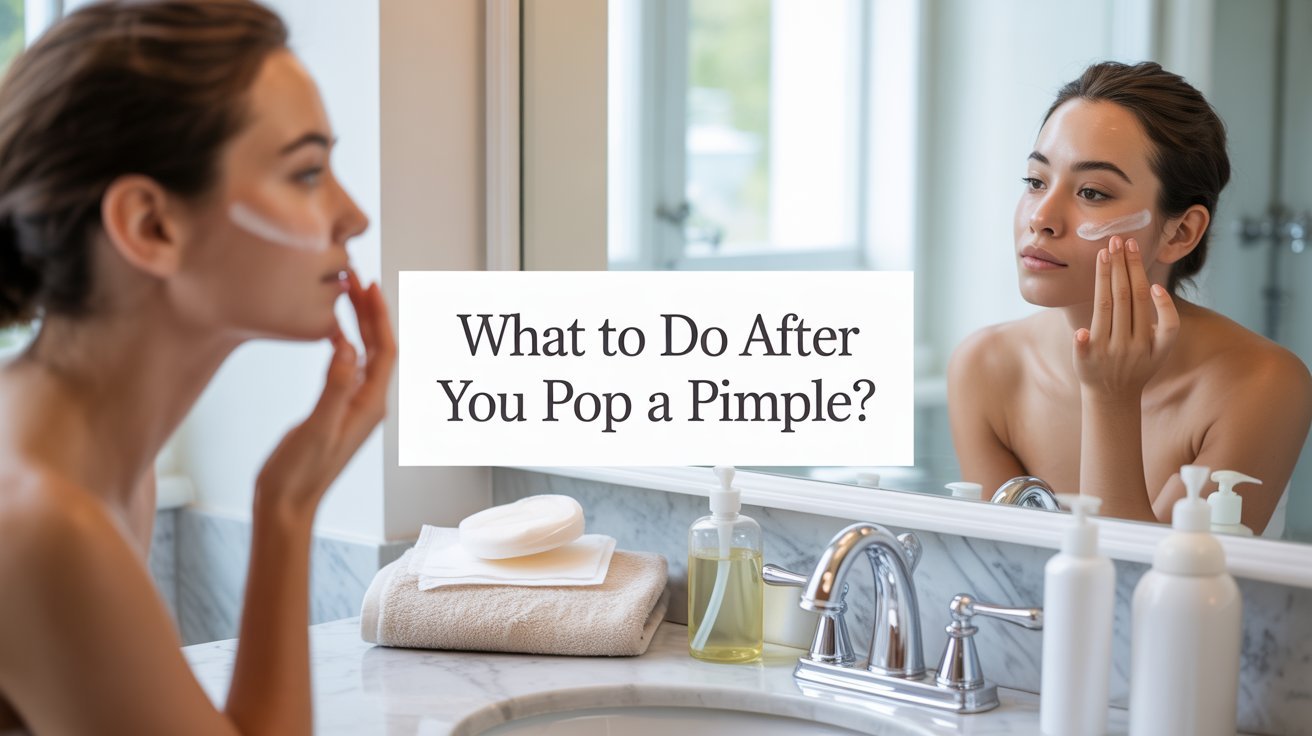
I know you’ve been there. You popped a pimple and now you’re worried about what comes next.
What to do after you pop a pimple matters more than you think. The right steps can prevent infection, reduce scarring, and speed up healing.
I’ve dealt with this myself many times. Through research and experience, I’ve learned what actually works. This guide shares proven methods that dermatologists recommend.
You’ll learn how to clean the area properly, reduce swelling, protect the wound, and avoid common mistakes. I’ll also cover when you should see a doctor.
Let’s help your skin heal the right way.
Understanding What Happens When You Pop a Pimple
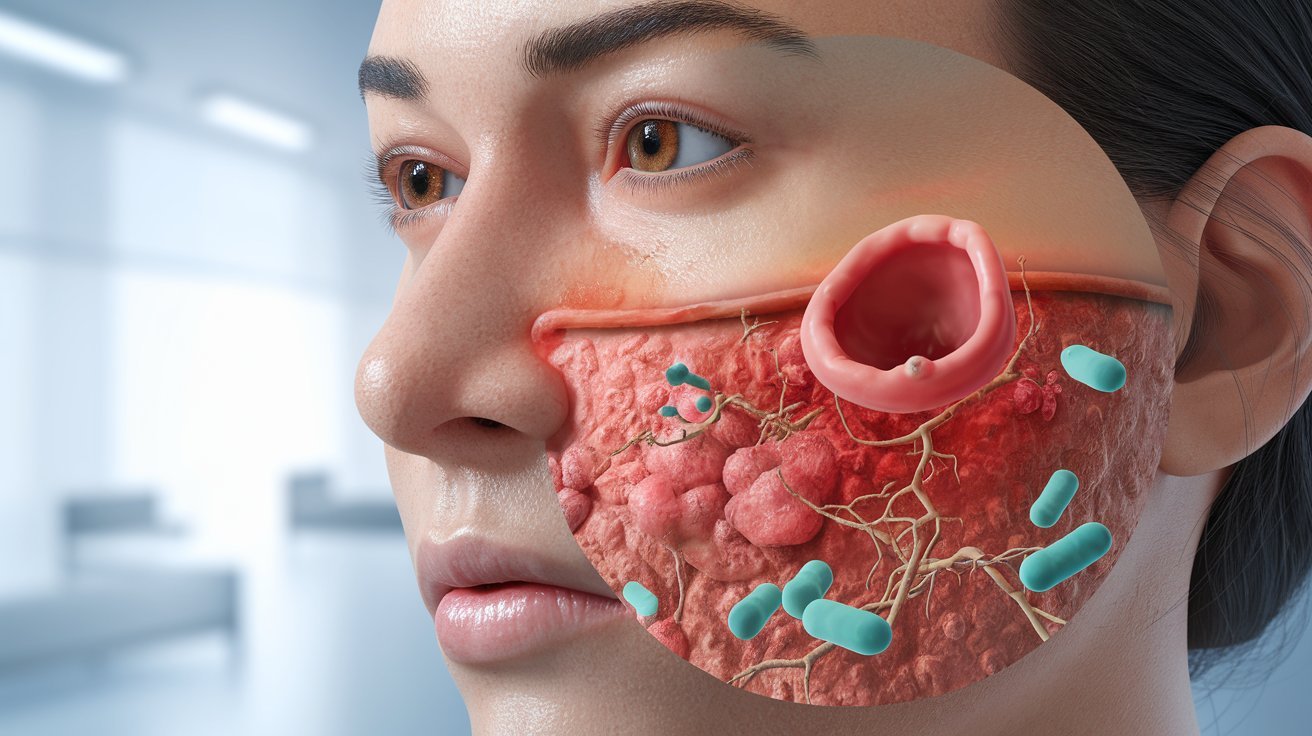
Popping a pimple creates an open wound on your face. Your skin’s protective barrier breaks instantly.
Bacteria from your hands and the air can enter the opening. This causes an infection risk and makes the spot worse.
The trauma triggers excess pigment production. These dark marks can last for months. Deep
squeezing damages tissue beneath the surface, creating permanent scars or pits.
Treat a popped pimple like any small injury. It needs protection, cleanliness, and gentle care to heal properly.
Step-by-Step Care After Popping a Pimple
Follow these steps immediately after popping a pimple. Proper care in the first hours makes a big difference in healing.
Step 1. Cleanse the Area Gently
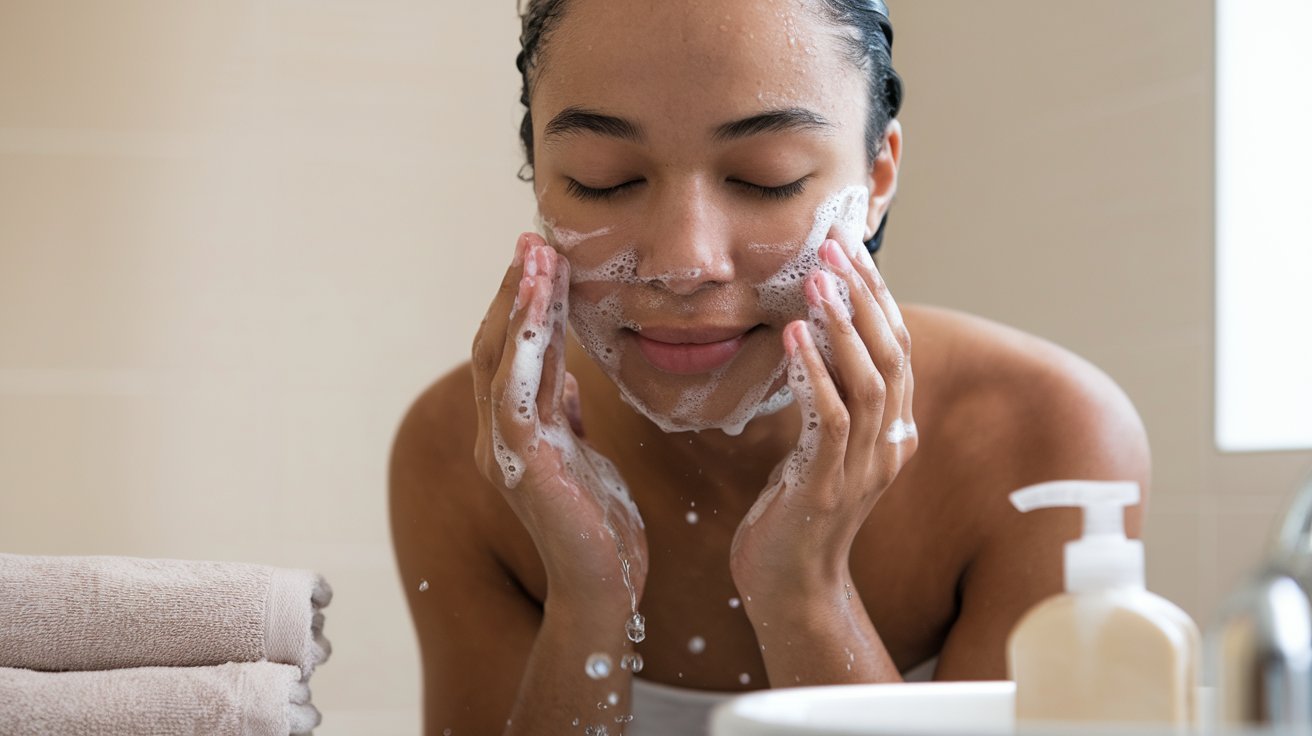
Wash your hands first with soap and water. Then clean the affected area with a mild face wash. I prefer gentle, fragrance-free cleansers that won’t sting.
Antiseptic wipes work too if you’re not at home. Just make sure they’re alcohol-free to avoid excessive drying.
Don’t scrub or rub the area. Pat it dry with a clean towel. Rough treatment will make the inflammation worse.
Step 2. Apply a Soothing Treatment
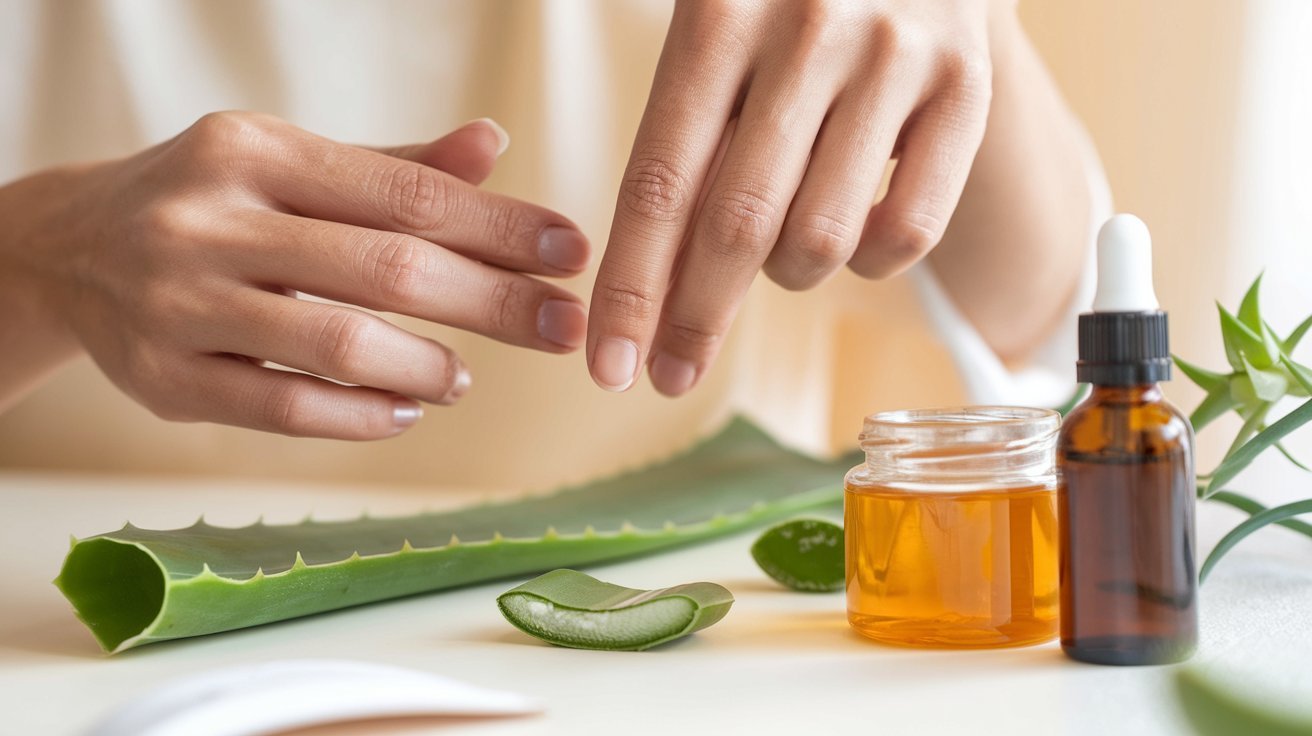
Put a thin layer of antibiotic ointment over the wound. Neosporin, Aquaphor, or plain Vaseline all work well. These create a protective barrier and keep the area moist.
If you prefer natural options, try pure aloe vera gel or raw honey. Both have antibacterial properties. Tea tree oil works too, but dilute it first as it’s very strong.
Skip any exfoliating products for now. No AHAs, BHAs, or acids. Your skin needs time to close up before using active ingredients.
Step 3. Reduce Redness and Swelling
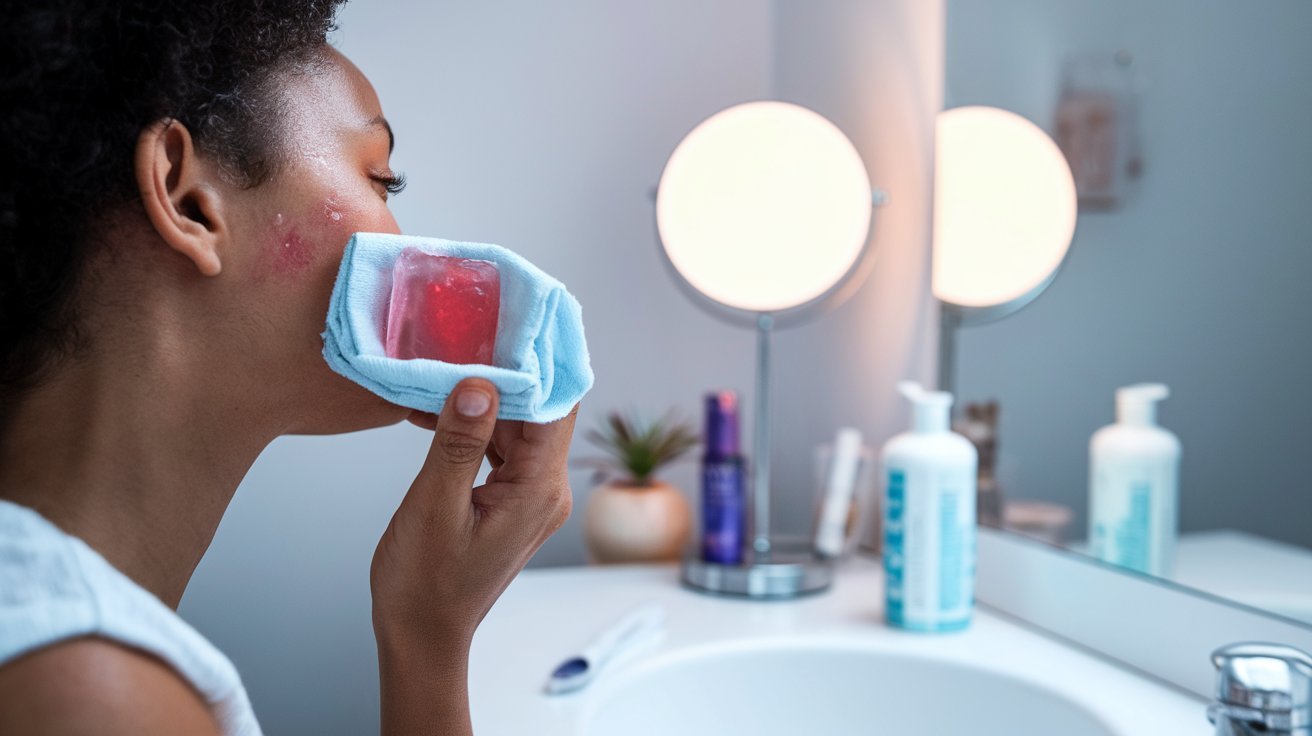
Grab an ice cube and wrap it in a soft, clean cloth. Hold it against the area for 2-3 minutes. The cold reduces blood flow and calms inflammation.
You can repeat this several times throughout the day. Just don’t apply ice directly to skin.
For stubborn swelling, a small amount of hydrocortisone cream helps. Use it sparingly and only for a day or two.
Step 4. Protect With a Hydrocolloid Patch
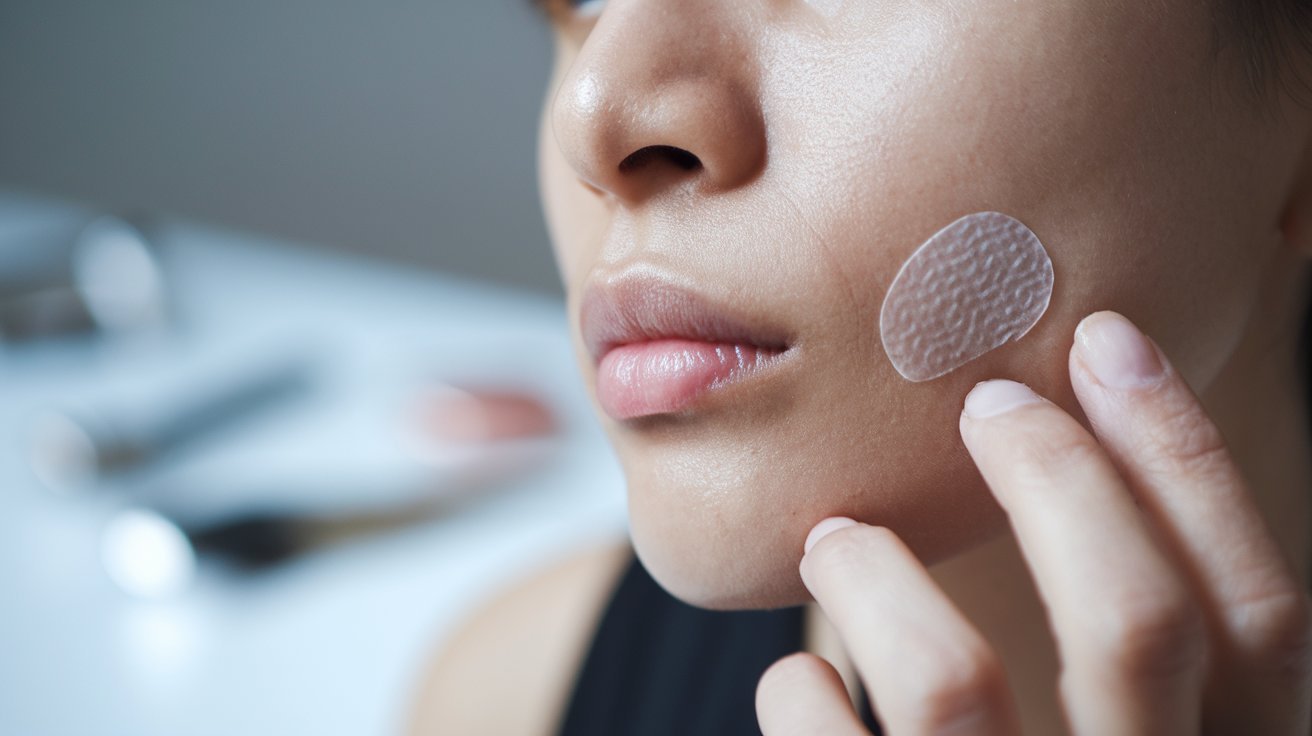
These patches are my favorite aftercare tool. They stick over the spot and absorb fluid while keeping bacteria out.
Hydrocolloid patches create a sealed environment. This helps skin heal faster. They also prevent you from touching or picking at the area.
Apply one to clean, dry skin. Leave it on for several hours or overnight. Change it when it turns white and swollen.
Step 5. Keep the Area Hydrated
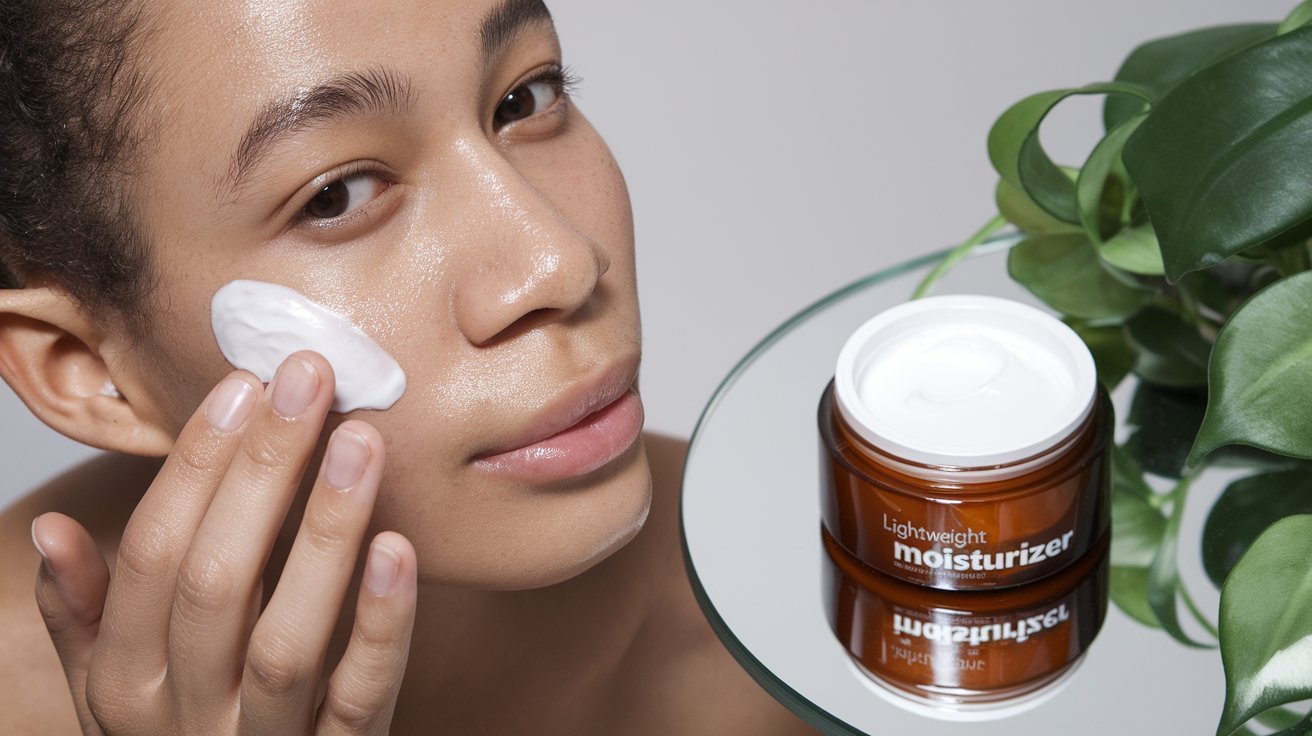
Once the initial wound closes (usually 24-48 hours), apply a light moisturizer. Choose non-comedogenic formulas that won’t clog your pores.
Dry skin heals more slowly. A good moisturizer supports your skin’s natural repair process.
Avoid overdoing benzoyl peroxide or other drying treatments right after popping. Give your skin a few days to recover first.
What to Avoid After Popping a Pimple
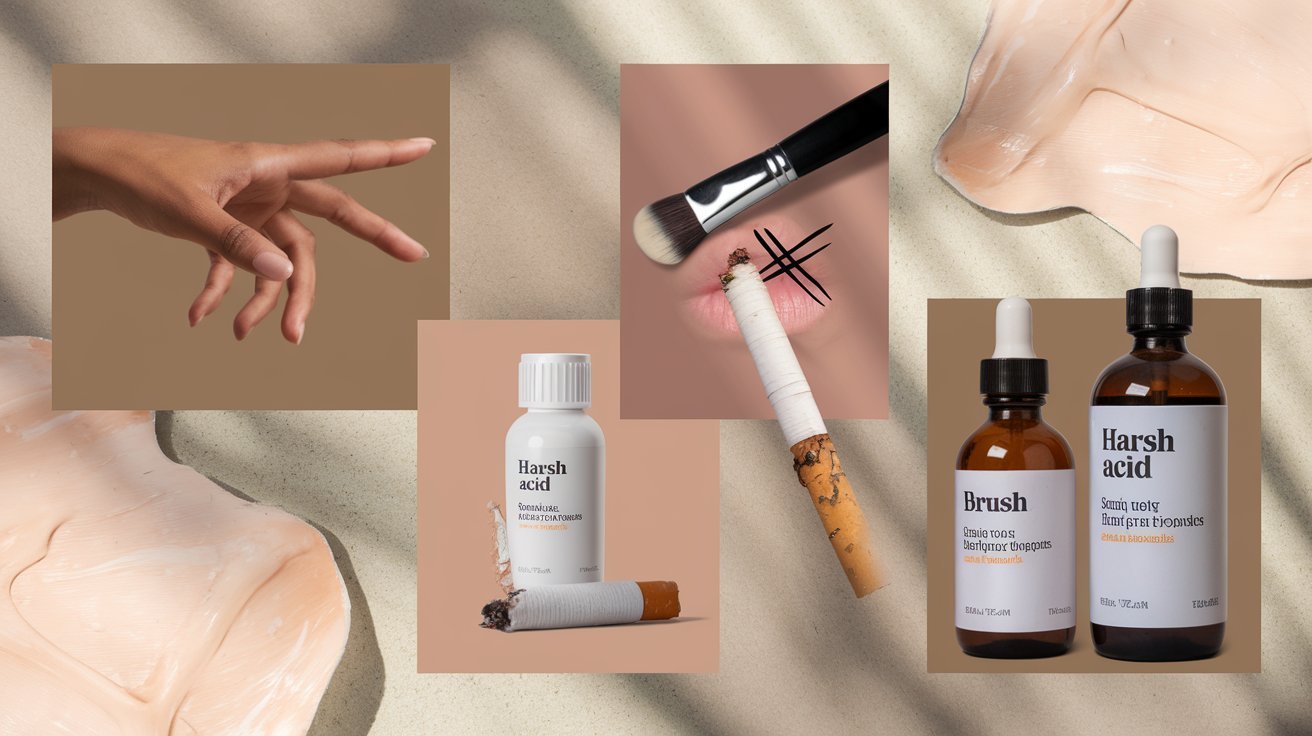
Certain actions will make things worse. Here’s what not to do while your skin heals.
Don’t Touch the Area
Keep your hands away from your face. Every touch transfers bacteria and oils. I know it’s tempting to check the spot, but resist.
Picking at scabs or peeling skin will definitely cause scarring. Let it heal on its own.
Skip Makeup on Open Skin
Foundation and concealer trap bacteria in the wound. Wait until the area fully closes before covering it with makeup.
If you must use makeup, apply it around the spot rather than directly on it. Choose clean brushes and replace them regularly.
Hold Off on Strong Actives
Retinoids, glycolic acid, and salicylic acid are too harsh for freshly popped skin. These ingredients can burn damaged tissue.
Wait at least 3-5 days before reintroducing active ingredients. Start slowly when you do.
Avoid Smoking
Smoking reduces blood flow to your skin. This slows down healing significantly. If you smoke or vape, try to cut back while your skin repairs itself.
When to Seek Professional Help
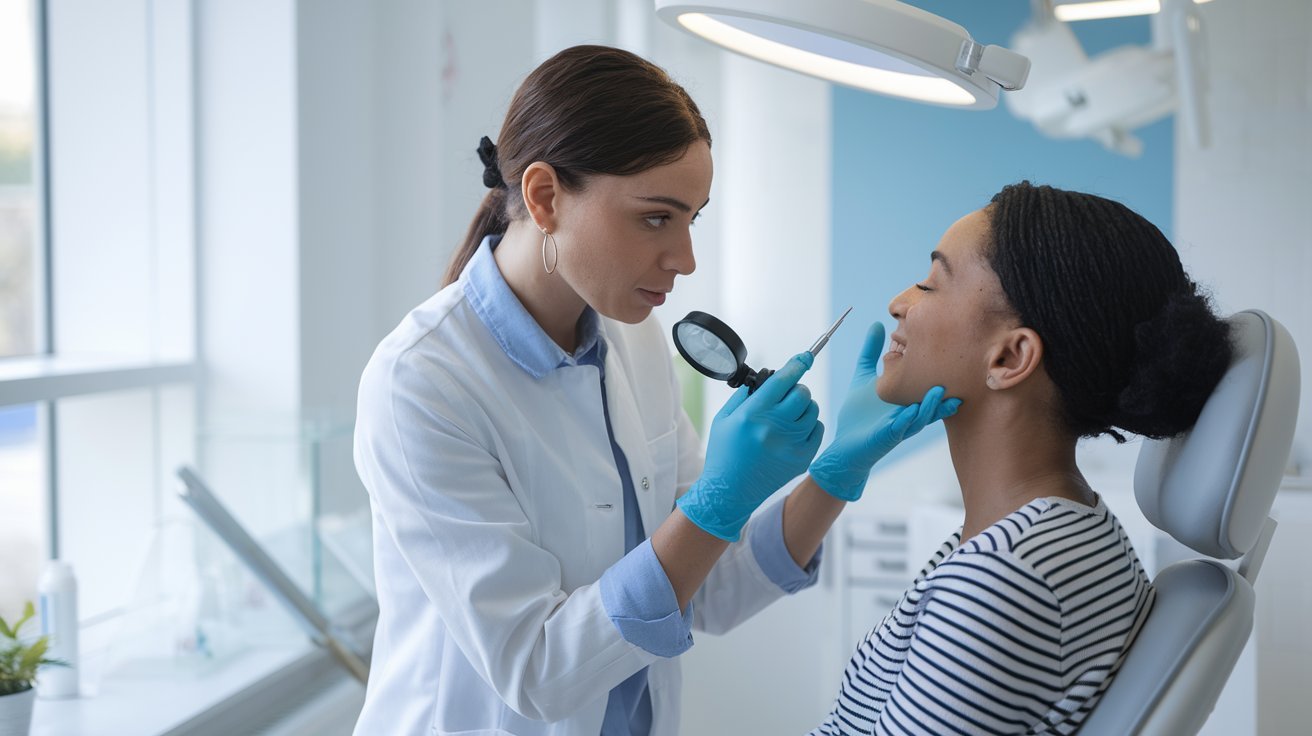
Sometimes home care isn’t enough. Watch for these warning signs.
Infection Symptoms
See a doctor if you notice increased redness spreading beyond the original spot. Warmth, throbbing pain, or pus that smells bad all signal infection.
Swelling that gets worse after 48 hours needs medical attention. Don’t wait on this.
Lasting Pigmentation
Dark spots that stick around for more than 3 months might need professional treatment. A dermatologist can prescribe stronger fading products.
Deep scars or pitting won’t improve on their own. Medical procedures can help smooth them out.
Frequent Breakouts
If you find yourself constantly popping pimples, something’s wrong with your skin routine. A dermatologist can identify the root cause.
They’ll prescribe medications or treatments that actually prevent breakouts. This is better than dealing with individual pimples.
Tips to Prevent Future Breakouts
- Clean your face twice daily with a gentle cleanser. Morning and night, no exceptions. This removes oil, dirt, and bacteria before they cause problems.
- Check all your skincare and makeup labels. Look for “non-comedogenic” on every product. These formulas won’t block your pores.
- Stop touching your face during the day. I had to train myself out of this habit. Rest your chin on your hand? That’s transferring bacteria.
- Build a consistent acne routine and stick with it. Products need 6-8 weeks to show results. Switching too often prevents anything from working.
- Wash your pillowcases weekly in hot water. Clean your phone screen daily with disinfectant wipes. Both collect oil and bacteria that transfer to your face.
Expert Advice: Healing Without Scarring
Smart aftercare minimizes lasting damage. Here’s how to help your skin recover completely.
Practice Patience
Your skin needs time to heal properly. Trying to speed up the process usually backfires. Most popped pimples heal within 7-14 days if you leave them alone.
Scabs protect the healing tissue underneath. Let them fall off naturally. Picking them off guarantees a scar.
Use Brightening Products Later
After the wound has completely healed, you can address any dark spots. Niacinamide and vitamin C both help fade hyperpigmentation.
Apply these products consistently for several weeks. Results take time, but they do work.
Consider Professional Treatments
Old scars that won’t fade might need stronger intervention. Chemical peels can smooth uneven texture and lighten dark spots.
Microneedling stimulates collagen production in scarred areas. This helps fill in depressed scars over time.
Laser therapy targets specific types of scarring. A dermatologist can recommend the right treatment for your skin type.
Conclusion
I’ve had my fair share of pimples and have had to learn these lessons the hard way. Permanent damage can be avoided with proper aftercare.
The three main things to consider after getting a pimple are cleanliness, protection, and patience. When you properly support your skin, it can heal itself.
The next time it occurs, begin by following these steps. When there are no scars left behind, your future self will appreciate it.
Do you have any effective aftercare advice? Leave a comment below with them. Tell me what works best for your skin’s healing process
Frequently Asked Questions
How long does a popped pimple take to heal?
Most popped pimples heal within 3-7 days with proper care. Deep or infected spots may take up to two weeks. The timeline depends on how damaged the tissue is.
Can I put makeup on a popped pimple?
Wait until the open wound closes completely before applying makeup. This usually takes 24-48 hours. Makeup on open skin can cause infection and delay healing.
What’s the best ointment for a popped pimple?
Antibiotic ointments like Neosporin work well for preventing infection. Plain petroleum jelly (Vaseline) or Aquaphor also protects the wound effectively. Choose fragrance-free options.
Will my popped pimple leave a scar?
Not always. Proper aftercare greatly reduces scarring risk. Shallow pops that don’t damage deep tissue usually heal without marks. Deep squeezing and picking increase scar likelihood significantly.
Should I pop my pimples or leave them alone?
Leave them alone whenever possible. Your skin heals better when pimples resolve naturally. If you do pop one accidentally, follow proper aftercare steps immediately to minimize damage.