How Often Should You Get a Facial in Your 30s?


Your 30s bring real changes to your skin. Collagen slows down. Cell turnover drops. Fine lines start showing up. I’ve been there myself, trying to figure out the right skincare routine.
This article answers one big question: how often should you get a facial in your 30s?
I’ll walk you through the ideal timing based on your skin type, the best treatments for this decade, and practical tips to keep your skin healthy.
You’ll learn when to book professional facials and how to support results at home. My goal is to help you build a routine that actually works for your changing skin needs.
Why Your 30s Are a Crucial Decade for Skincare?
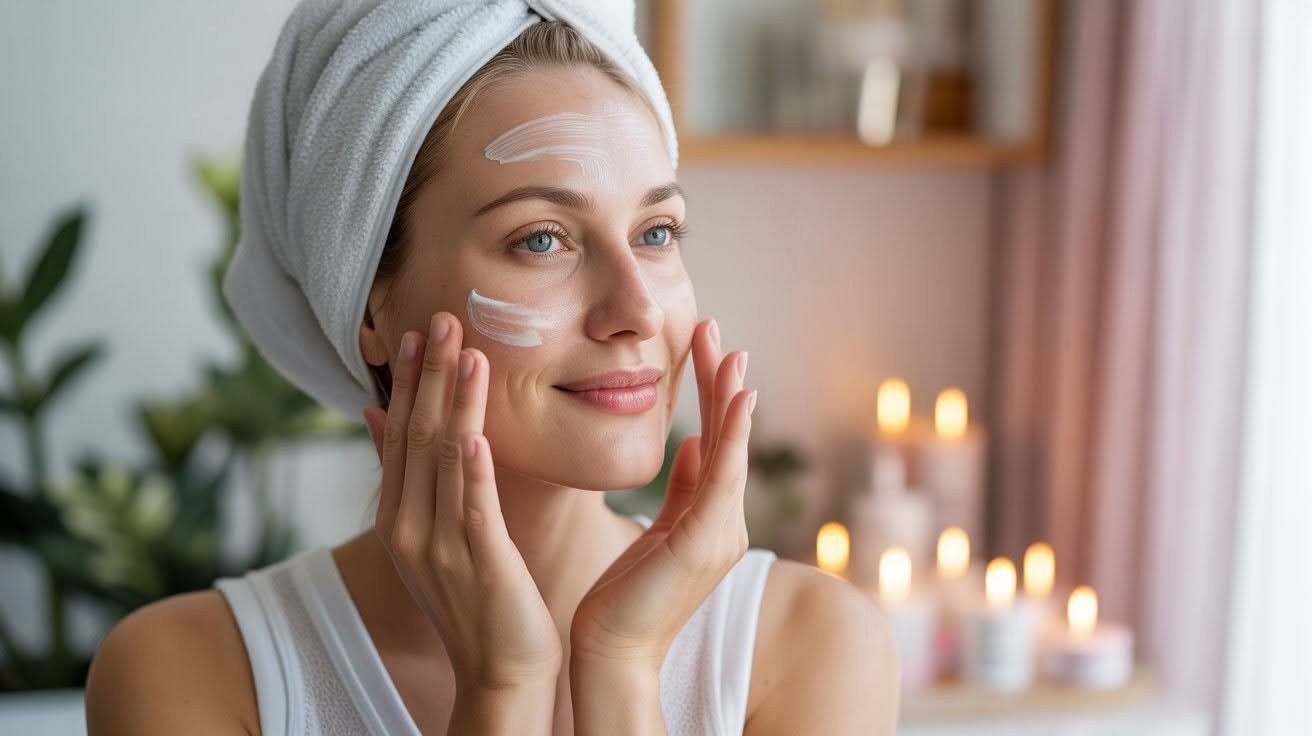
Your skin changes more in your 30s than you might expect. This decade marks a turning point where prevention becomes just as important as treatment. Your body produces less collagen starting in your late 20s and early 30s.
Cell renewal that once happened every 28 days now takes longer, sometimes up to 40 days. This slowdown shows up as dullness, early fine lines, and uneven skin tone.
Small wrinkles around your eyes and mouth start to settle in. Your pores may look larger. Dark spots from past sun exposure become more visible. Stress takes a bigger toll now. Late nights that didn’t show much before now leave dark circles and puffiness.
Work stress and busy schedules impact your skin through higher cortisol levels that break down collagen faster.
Professional facials help counter these effects by giving your skin the deep clean and nourishment it can’t get from daily products alone.
How Often Should You Get a Facial in Your 30s?

Regular facials make a real difference in your 30s. But the right timing depends on several factors.
The Ideal Frequency
Most skin experts recommend getting a facial every 4 to 6 weeks. This matches your skin’s natural regeneration cycle of 28 to 40 days. Consistent care helps maintain hydration levels and keeps your skin elastic and radiant. Think of it like going to the dentist. Regular visits prevent bigger problems later.
Spacing facials too far apart means you’re always playing catch-up. Your skin builds up dead cells, congestion, and dullness between treatments.
Monthly facials also let your esthetician track changes in your skin over time and adjust treatments as needed.
Adjusting Frequency Based on Skin Type
Oily or acne-prone skin: Visit every 3 to 4 weeks. This helps control breakouts and prevents pore congestion. Oily skin produces more sebum, which can trap bacteria and dead cells.
Dry or sensitive skin: Schedule facials every 6 to 8 weeks. Choose gentle, hydrating treatments. Your skin needs more recovery time between sessions to avoid irritation.
Combination skin: Stick to every 4 to 6 weeks. Look for balanced treatments that address different zones. Your T-zone and cheeks need different attention.
Your skin type can change with seasons, hormones, or stress levels. Stay flexible and communicate with your skincare professional about what you’re noticing at home.
Types of Facials Best for Your 30s
Not all facials serve the same purpose. Choose treatments that address your specific concerns in this decade.
Hydrating and Brightening Facials
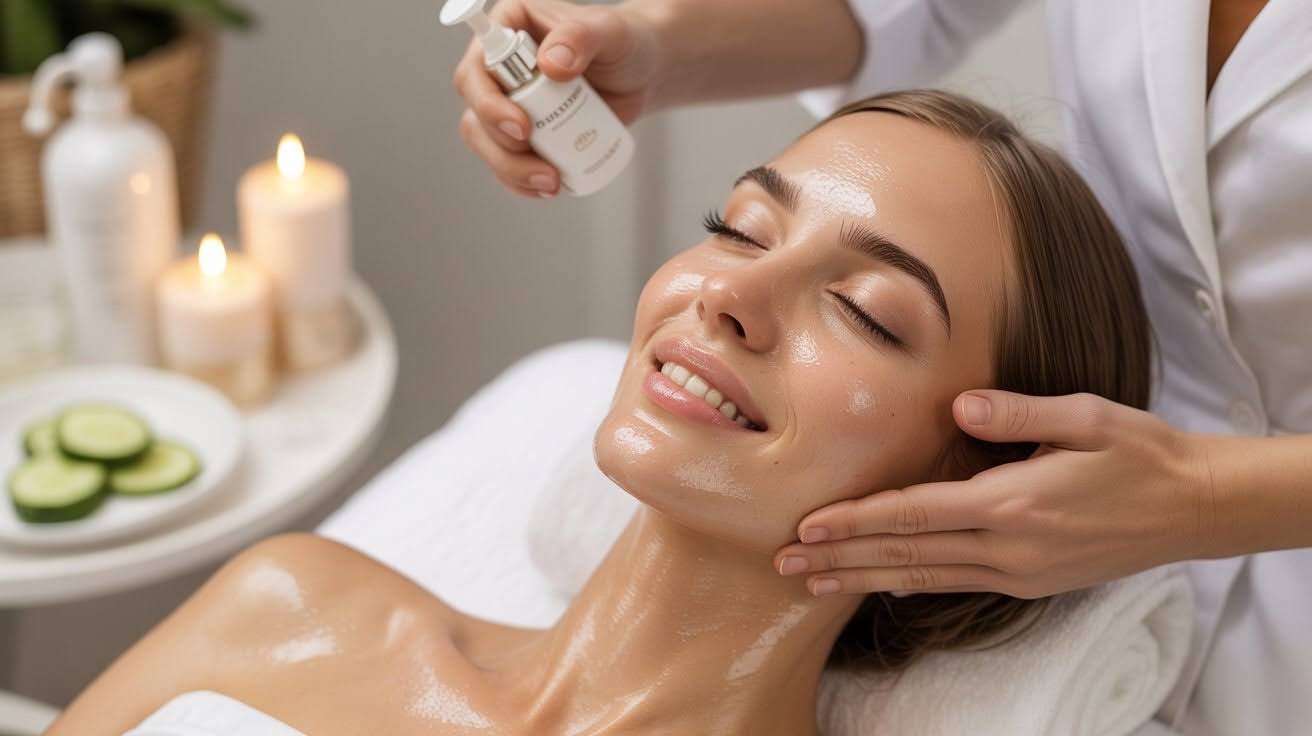
These treatments bring back your natural glow and prevent dullness from slower cell turnover. Hydrating facials plump up your skin and smooth fine lines.
Look for facials with hyaluronic acid, which holds up to 1000 times its weight in water. Vitamin C serums brighten dark spots and protect against free radical damage.
Niacinamide calms redness and improves skin texture. Many hydrating facials include facial massage techniques that boost circulation and help products absorb better.
Anti-Aging and Collagen-Boosting Treatments
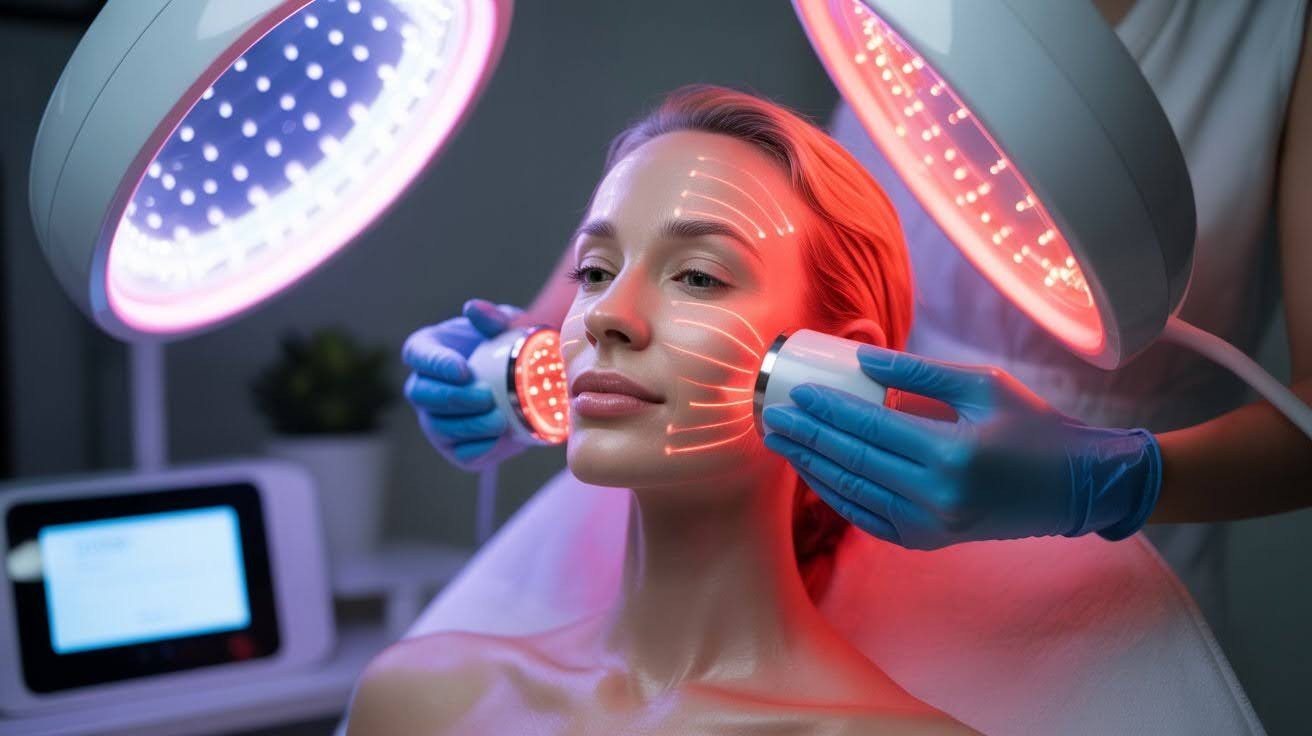
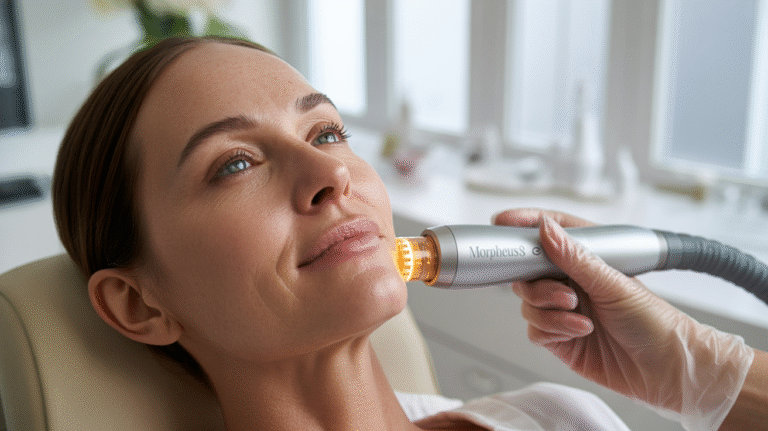
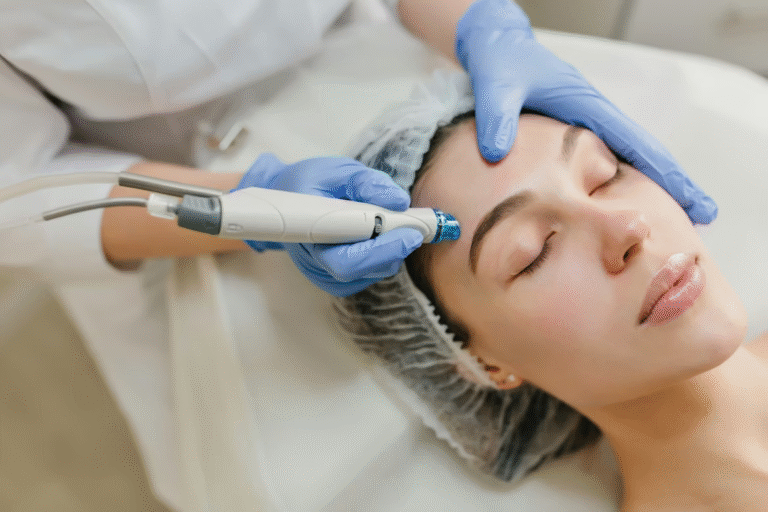
LED light therapy stimulates collagen production. Microcurrent facials tone and firm facial muscles. These treatments target the early signs of aging before they become deeper wrinkles.
Red light therapy penetrates deep into skin layers to boost cellular activity. Blue light kills acne-causing bacteria.
Microcurrent technology works like a workout for your face, sending tiny electrical currents to facial muscles. Radiofrequency facials heat the deeper layers of skin to trigger new collagen production.
Exfoliating or Chemical Peel Facials
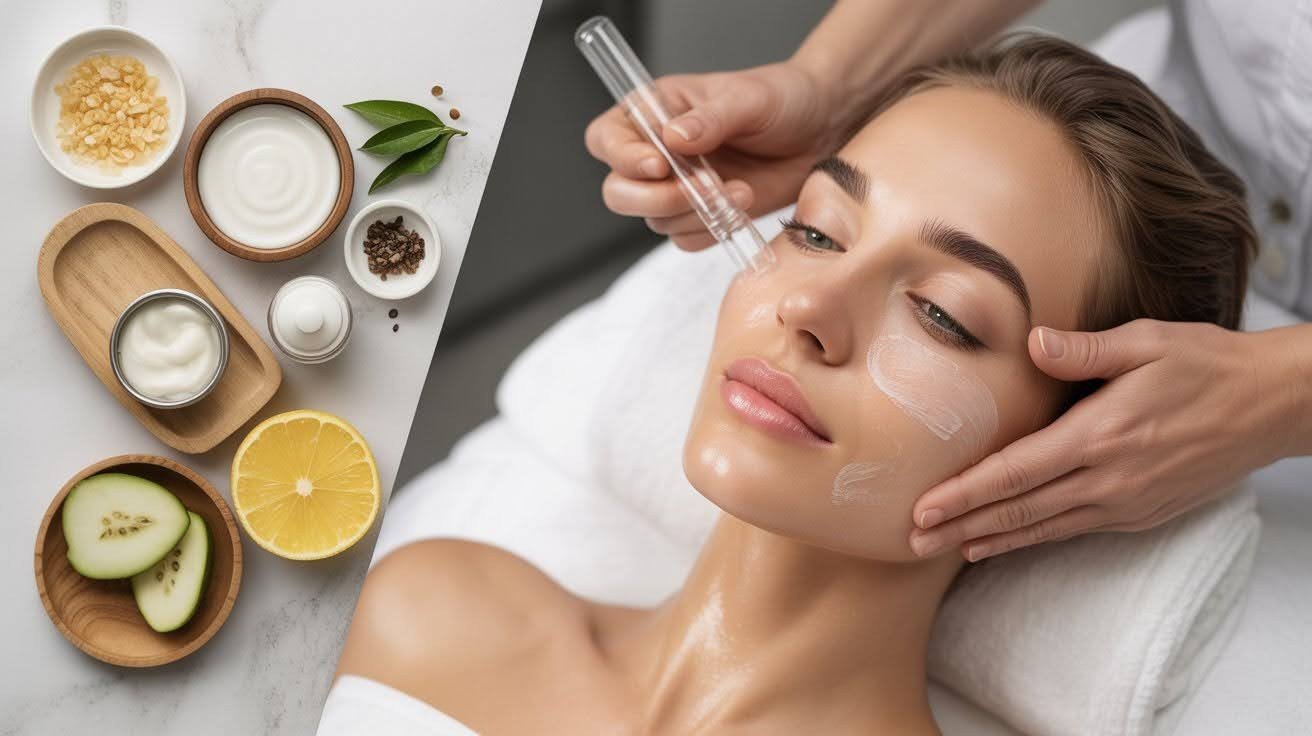
Mild chemical peels remove dead skin cells and improve texture. They fade early pigmentation and speed up cell turnover that has slowed down. Glycolic acid peels work well for most skin types.
Lactic acid is gentler and better for sensitive skin. Salicylic acid targets oily, acne-prone skin by getting deep into pores. Enzyme peels offer a gentler alternative using natural fruit enzymes to dissolve dead skin without irritation.
Signs You Might Need a Facial Sooner
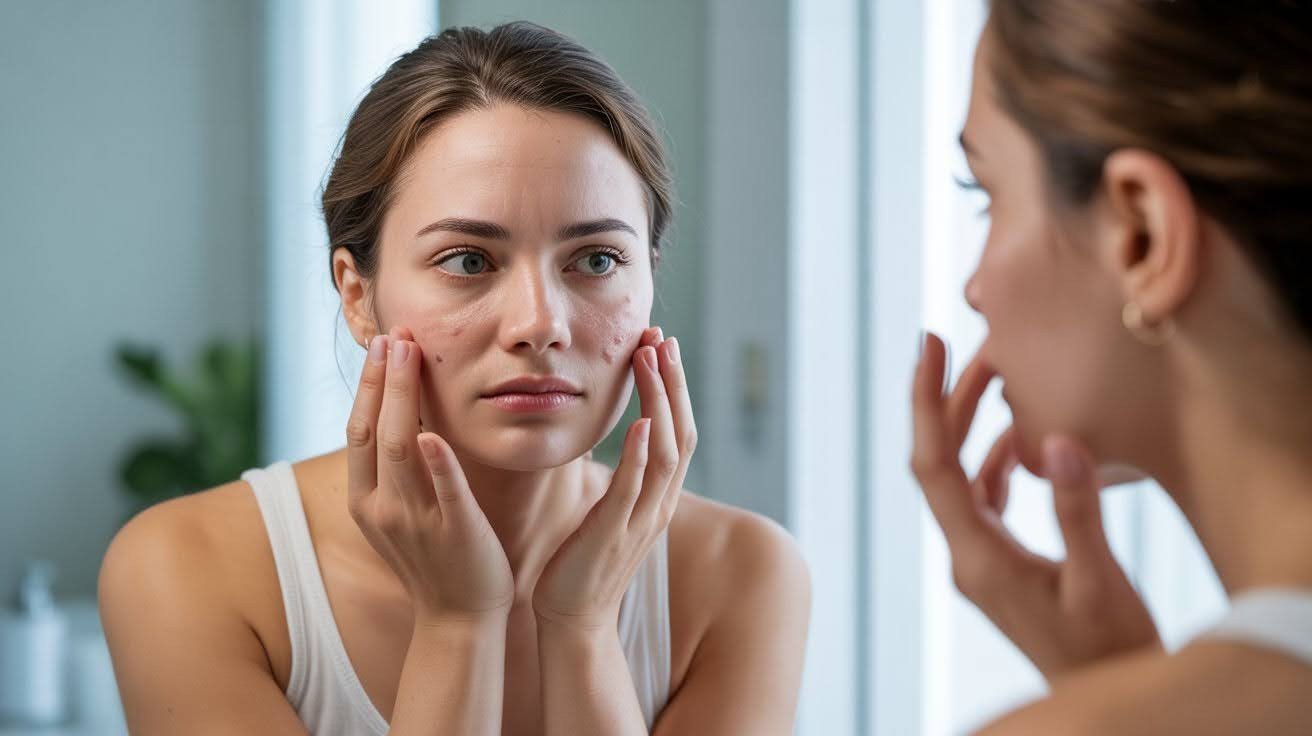
Persistent dullness that your regular products can’t fix. Dry patches that won’t go away. Increased congestion or more frequent breakouts. Stress affects your skin balance. Hormonal changes causing new issues. If you notice these signs, book a facial before your usual schedule. Sometimes your skin needs extra support.
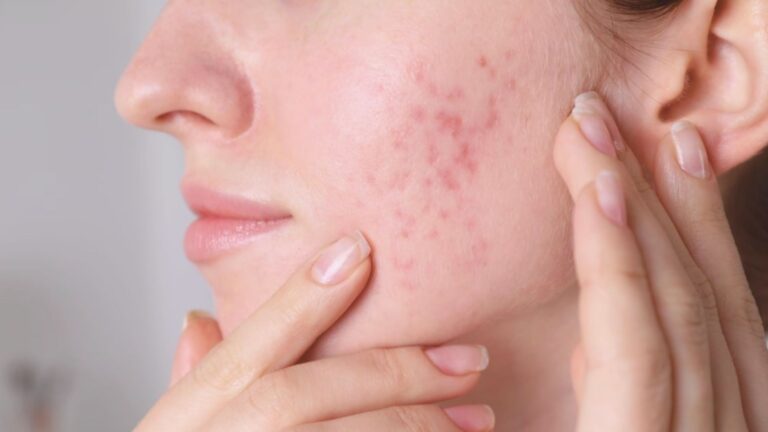
Sudden texture changes mean your skin needs attention. Small bumps that won’t clear up might need professional extraction. Redness or sensitivity that lasts more than a few days requires expert assessment.
Before big events like weddings or important presentations, schedule a facial two weeks ahead. This gives your skin time to settle after treatment while still looking fresh for your event.
After vacation, especially to sunny destinations, your skin might need recovery. A post-travel facial rehydrates and repairs sun exposure damage.
Expert Tips for Maintaining Skin Health in Your 30s
Small daily habits add up to big results.
Here’s what actually works:
- Drink plenty of water and follow a consistent morning and night routine
- Wear SPF daily, even on cloudy days and indoors
- Don’t over-exfoliate and give your skin 4 to 6 weeks between strong treatments
- Use silk or satin pillowcases and wash them weekly to prevent bacteria buildup
- Remove makeup thoroughly every night with double cleansing
- Get enough sleep and manage stress through exercise or meditation
- Watch your sugar intake and eat foods rich in antioxidants and healthy fats
Conclusion
Getting facials in your 30s isn’t about vanity. It’s about caring for skin going through real changes. I struggled with dullness and early fine lines until I started regular facials every 4 to 6 weeks.
That’s how often you should get a facial in your 30s for lasting results. Listen to what your skin tells you.
Work with a professional who understands your concerns. Consistency beats expensive products every time. Start these habits now and your future self will thank you.
What’s your biggest skin concern? Drop a comment below.
Frequently Asked Questions
Can I get facials more often than every 4 weeks?
Yes, but only for gentle treatments. Hydrating facials work every 3 weeks. Chemical peels need 6 to 8 weeks between sessions.
Will skipping facials for months hurt my skin?
Your skin won’t get damaged, but you’ll lose progress. Long gaps mean starting over with congestion and dullness each time.
Are expensive facials worth it in your 30s?
Not always. A skilled esthetician with quality products matters more than high prices. Focus on what targets your specific concerns.
Can facials replace my daily skincare routine?
No. Facials are deep maintenance while daily care is upkeep. You need both for healthy skin in your 30s.
How long do facial results last?
Results last 4 to 6 weeks. Some effects show immediately while others build over multiple sessions.