Does Under Eye Filler Migrate?

Does under eye filler migrate? This question keeps so many people up at night, and I completely get why. The fear of filler moving where it shouldn’t is real.
I’m here to give you straight answers based on medical research and real cases. You’ll learn exactly what migration looks like, the warning signs your filler has moved, and why it happens in the first place.
I’ll walk you through prevention steps that actually work. Plus, I’ll explain what to do if migration occurs. This guide covers treatment options, when to worry, and how to choose the right injector.
You deserve honest information you can trust. Let’s talk about this openly.
What Is Under Eye Filler Migration?
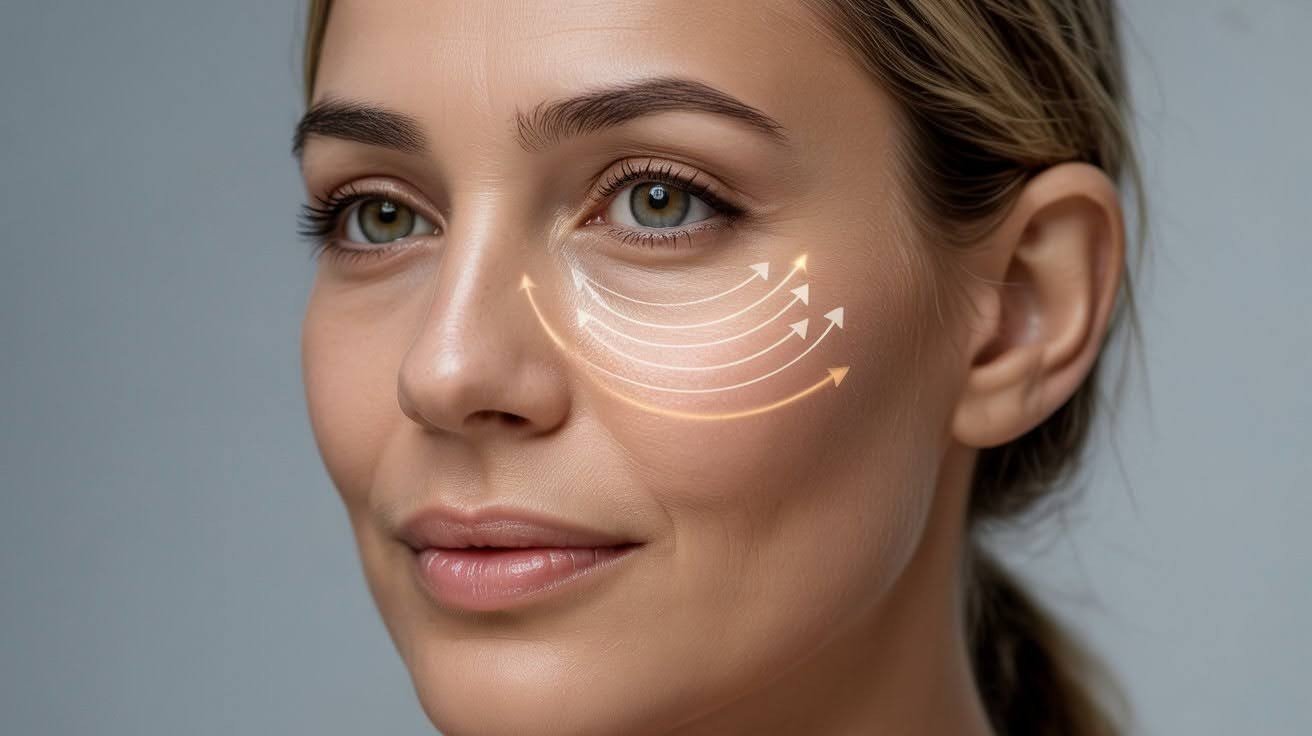
Migration happens when dermal filler moves from where it was originally placed under your eyes to surrounding tissue areas.
Under eye filler migration means the product shifts away from the injection site. The filler can travel through tissue planes gradually over weeks or months.
The under eye area has thin skin with less structure to hold filler in place. This creates pathways for filler to travel. If filler enters the wrong plane, it can spread. Some people have looser tissue, which makes migration more likely.
Medical journals like the Journal of the American Academy of Dermatology have documented cases showing hyaluronic acid fillers can move in some patients.
The evidence is clear: migration is real but not inevitable.
Can Under Eye Fillers Actually Migrate?
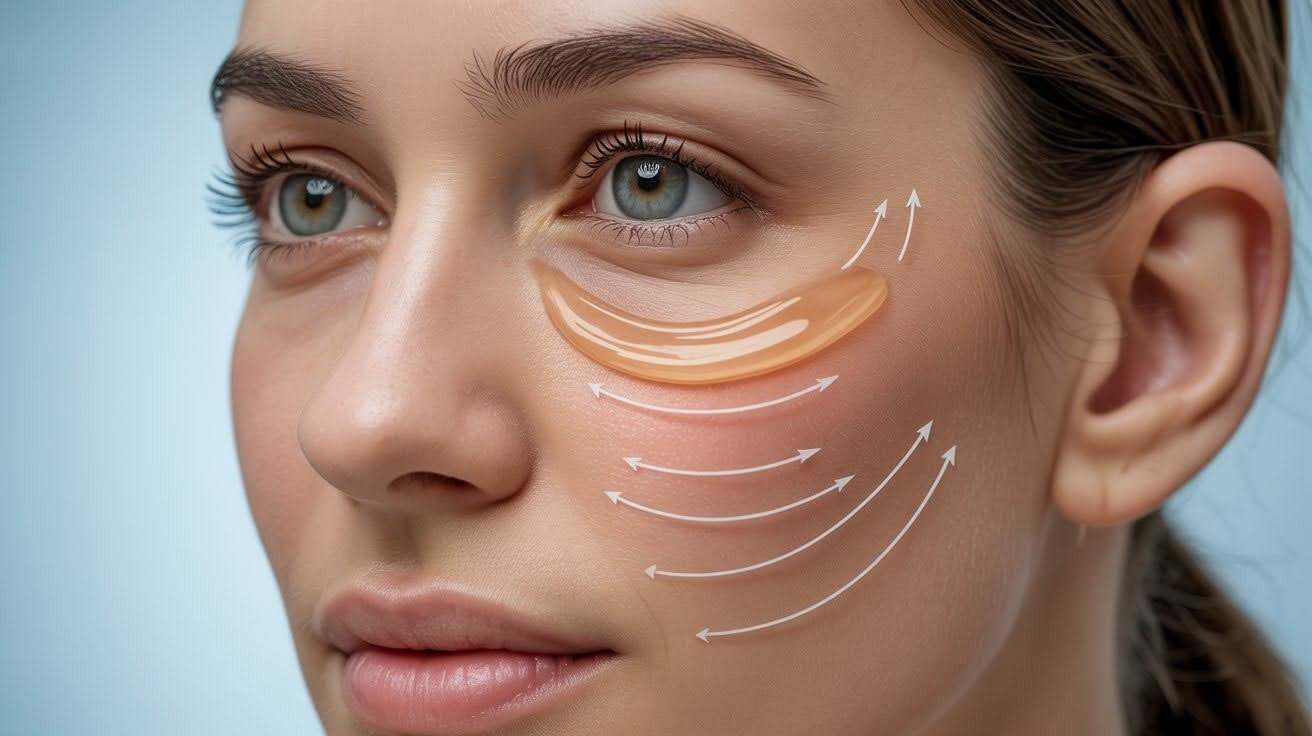
The JAAD Case Reports documented multiple migration incidents. One report showed filler moving from the tear trough to the lower eyelid. Another case involved product spreading to the cheek area.
Doctors found that injection depth mattered tremendously. This doesn’t mean fillers are unsafe. It means technique and placement are critical factors.
Gravity pulls on everything, including filler. Your facial muscles never stop moving. This movement can push filler along tissue planes.
Think of your face like layers of fabric. Filler sits between these layers. When muscles contract, they can squeeze the product sideways or downward.
Low viscosity fillers spread more easily because they’re thinner and flow through tissue faster. Hyaluronic acid fillers with high cohesivity stay put better. Permanent fillers carry different risks since they can’t be dissolved if problems occur.
Signs Your Under Eye Filler Might Have Migrated

Recognizing migration early allows for prompt treatment and prevents complications from developing further.
Asymmetry or Uneven Puffiness:
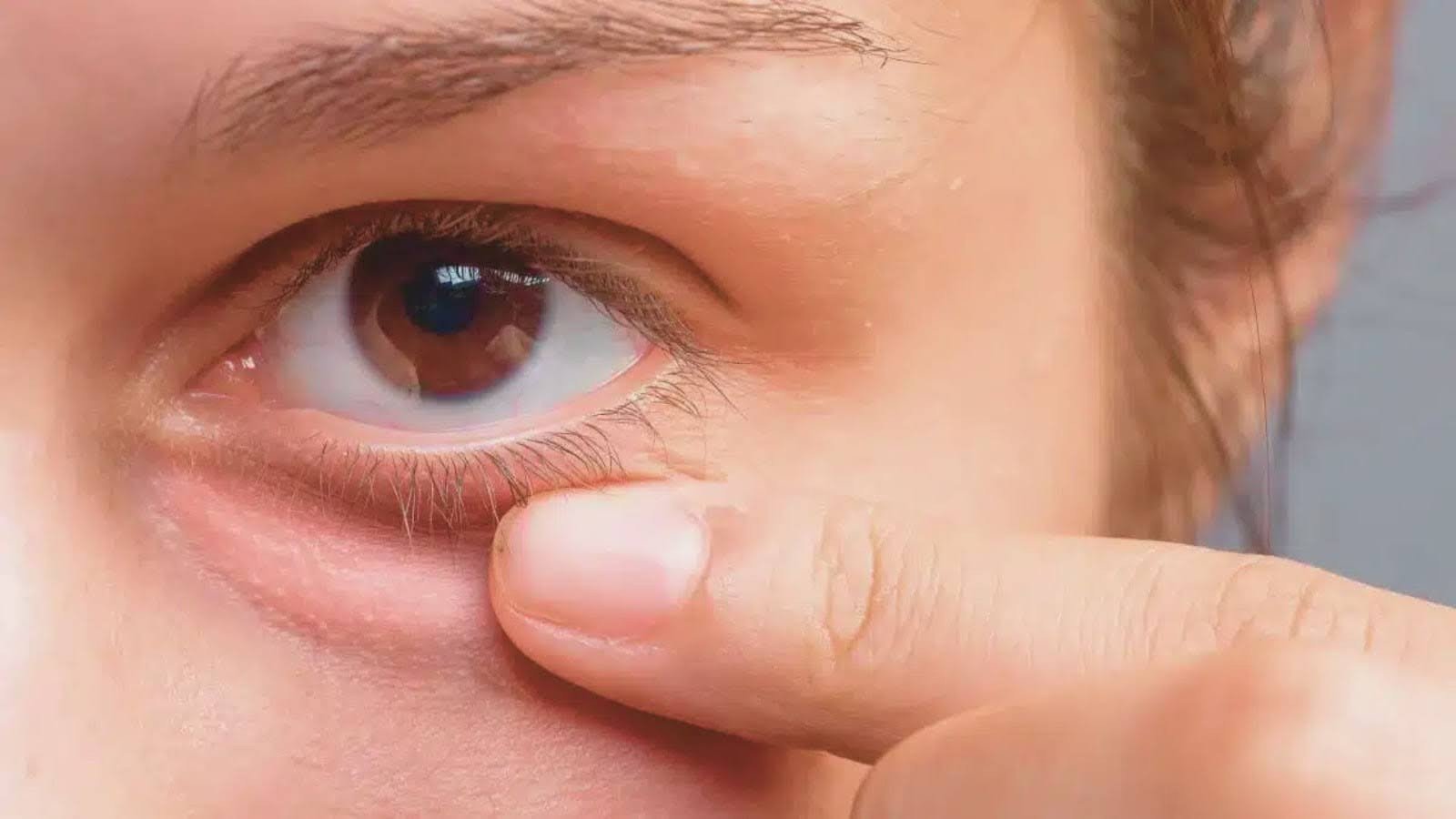
One side looks different from the other. You notice puffiness where there wasn’t any before.
The swelling doesn’t match your original treatment area. Take photos regularly after treatment. This helps you spot subtle changes.
Lumps, Bumps, or Irregular Texture:
You feel something under your skin that wasn’t there initially. These bumps might be visible or just palpable.
The texture feels different from the surrounding skin. Don’t ignore these changes.
Blue Tint (Tyndall Effect):
A bluish discoloration appears under your skin. It happens when filler sits too close to the surface.
Light scatters differently, creating that blue-gray hue.
Vision Changes: When It’s an Emergency:
Any vision problems require immediate medical attention. Blurred vision, vision loss, or severe eye pain are red flags.
If you experience sudden blindness or extreme pain, call 911. These emergencies are rare but serious.
What Causes Under Eye Filler Migration?
Multiple factors contribute to migration, ranging from injection technique to your daily habits after treatment.
Overfilling or Poor Injection Technique
Using too much product creates pressure in the tissue. Inexperienced injectors might place filler in the wrong plane.
Injecting too quickly doesn’t allow proper product placement. Some practitioners don’t understand facial anatomy well enough.
Wrong Filler Type or Viscosity
Not all fillers work well under the eyes. Others are too thin and spread too easily.
Your injector should choose products specifically formulated for this area. This reduces migration risk significantly.
Excessive Rubbing or Pressure Post-Treatment
Touching your face constantly can move filler around. Sleeping face-down puts pressure on the treatment area.
Wearing tight goggles or applying heavy pressure during facials also causes issues. Be gentle with the area.
Natural Tissue Movement and Aging
Your face moves constantly throughout the day. The compartments that hold filler become less defined as we age.
Collagen breakdown changes how filler integrates with tissue. Gravity works against us more as facial support weakens.
Potential Complications of Filler Migration
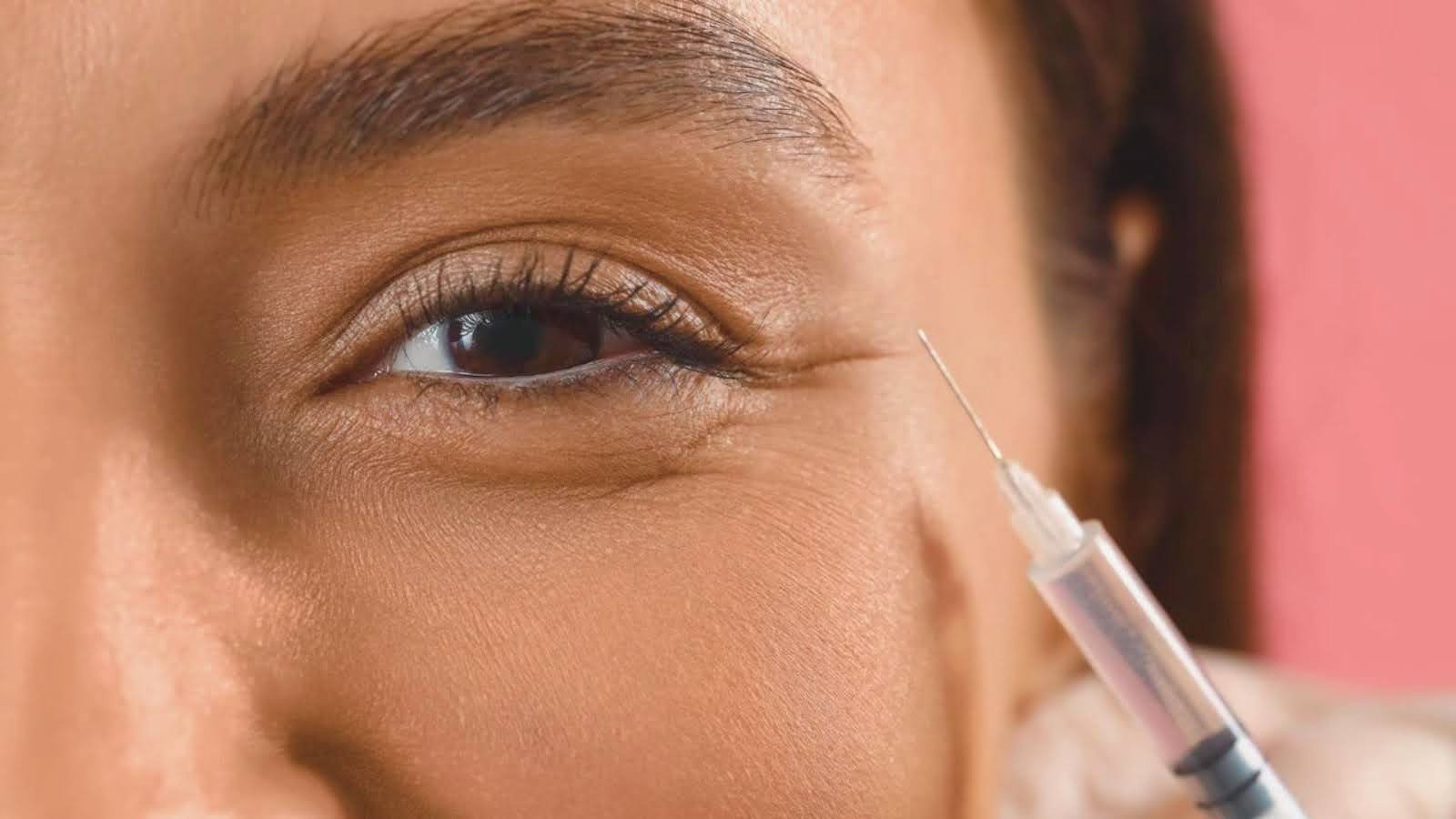
While migration itself is concerning, it can lead to more serious complications that require medical intervention.
Infection and Inflammation
Migrated filler can trigger inflammatory responses. Redness, warmth, and swelling that worsens over time signal infection.
If you develop fever or intense pain, seek medical care immediately.
Vascular Compromise or Necrosis
This is the most serious complication. Filler can block blood vessels if it enters them.
Tissue necrosis means skin death from lack of blood flow. This medical emergency requires hyaluronidase injection within hours.
Allergic Reactions
True allergic reactions to hyaluronic acid are rare. Symptoms include itching, hives, and swelling beyond the injection site.
Always tell your injector about any known allergies.
Prolonged Swelling or Discomfort
Some migration causes ongoing puffiness that won’t resolve. This isn’t normal healing.
Don’t accept this as your new normal. Seek treatment to dissolve or reposition the filler.
What to Do if Your Under Eye Filler Has Migrated
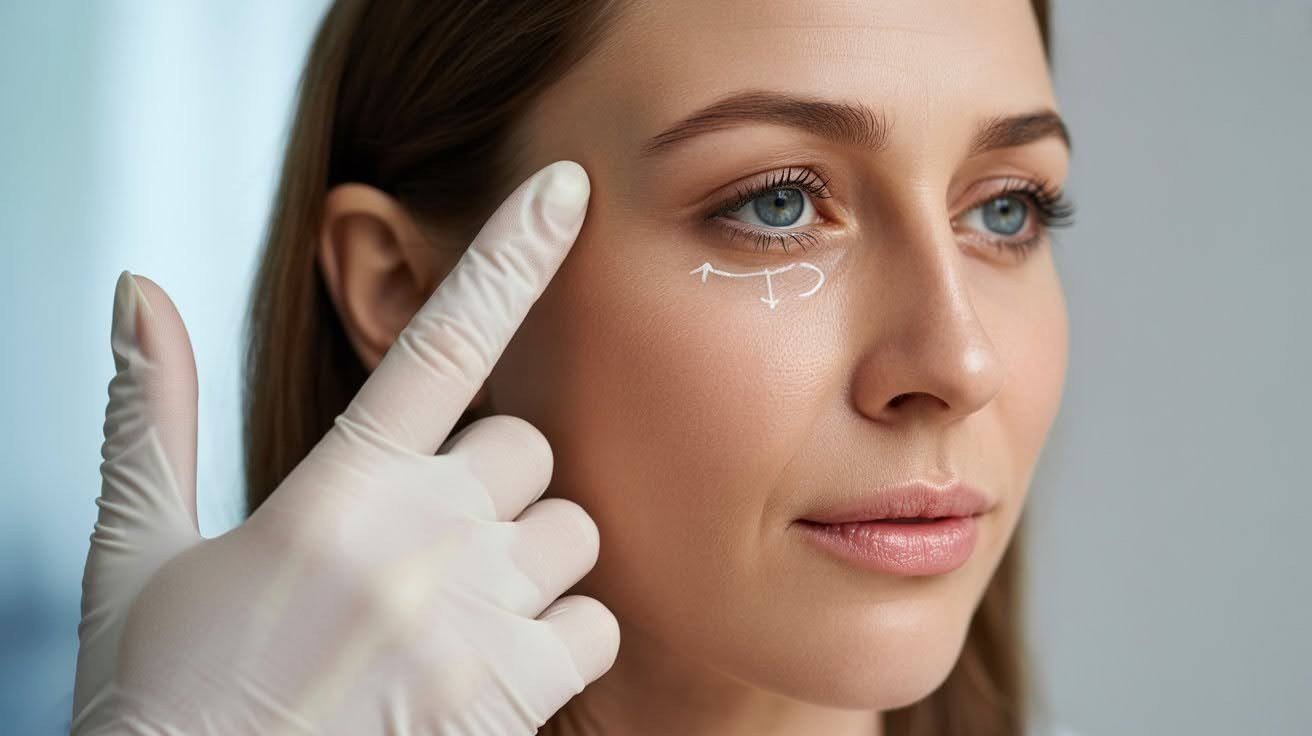
Reach out to your injector if you notice any changes from your original results. Contact them immediately for vision changes, severe pain, skin color changes, or rapidly increasing swelling.
Some injectors recommend gentle massage for minor migration, but this can make things worse if done incorrectly. Medical correction with hyaluronidase is more reliable. It dissolves the filler in a controlled way.
Hyaluronidase breaks down hyaluronic acid fillers. Your injector injects it where the filler has migrated, and the product dissolves within hours to days. This only works for HA fillers.
Sudden vision loss, severe pain that doesn’t respond to medication, or skin turning white, gray, or purple indicates vascular compromise. These are emergencies that need immediate care. Call 911 if you experience these symptoms.
How to Prevent Under Eye Filler Migration
Prevention starts before your appointment and continues through proper aftercare and long-term maintenance of results.
- Choose an experienced injector who specializes in facial aesthetics. Ask how many tear trough treatments they do monthly and check their credentials.
- Select hyaluronic acid fillers with appropriate viscosity for the thin under eye area. Avoid permanent fillers under the eyes.
- Follow your injector’s aftercare instructions exactly. Avoid touching or rubbing the area for at least 24 hours.
- Sleep elevated on your back for the first few nights after treatment to reduce pressure on the area.
- Schedule follow-up visits at two weeks minimum. Building a relationship with your injector improves long-term results.
Conclusion
I get it. Asking does under eye filler migrate is smart, not paranoid. I’ve seen friends stress over this exact question before their appointments.
Here’s what I’ve learned: migration is preventable when you choose the right injector and follow aftercare seriously. Don’t skip those follow-up visits.
If something feels off afterward, trust that feeling. Reach out to your provider right away. Your face deserves that attention.
Have questions or want to share your own filler experience? Drop a comment below. I’d love to hear from you.
Frequently Asked Questions
How Long Does It Take for an Under Eye Filler to Migrate?
Migration can happen within weeks or take several months. It depends on filler type, placement technique, and your facial anatomy.
Can You Fix Migrated Under Eye Filler Without Dissolving It?
Gentle massage might help in some cases, but dissolving with hyaluronidase is the most reliable solution.
Does Everyone Experience Under Eye Filler Migration?
No, many people have stable results for months or years. Proper technique and aftercare reduce your risk significantly.
Will My Under Eye Filler Keep Migrating Once It Starts?
Not always. Sometimes filler settles and stays put. Poor placement may cause continued movement until dissolved.
How Can I Tell the Difference Between Swelling and Migration?
Normal swelling improves within two weeks. Migration appears as new puffiness in uninjected areas after initial healing.