17 Ways to Get Rid of Sleep Lines: Your Complete Guide

It can be annoying to wake up with wrinkles on your face. Although those pillow lines may disappear quickly at first, they may persist for a longer period of time.
I have also wondered why my face appears folded when I look in the mirror. I’ll show you 17 tried-and-true methods to remove sleep lines in this guide.
What causes these creases, how to make them disappear quickly, and above all how to prevent them from appearing will all be covered.
We’ll go over effective skincare, the best pillowcases and sleeping positions, quick morning fixes, and when it makes sense to get professional assistance.
Research in dermatology and actual outcomes support these techniques.
What Are Sleep Lines & Why Do They Happen?
Sleep lines form when your face presses against your pillow for hours. The constant pressure and friction create temporary folds that can become more visible over time.
When you sleep on your side or stomach, your face gets squished for 6-8 hours. The weight of your head folds your skin against the pillow. Cotton pillowcases create more drag than smooth fabrics. Blood flow decreases to compressed areas, making your skin less bouncy.
After age 30, collagen production declines by about 1% each year. Your skin loses its ability to snap back. Thinner, drier skin folds more easily.
Side sleepers and stomach sleepers get sleep lines more often. Dry skin shows them more because hydrated skin is plumper. Genetics also play a role.
Do Sleep Lines Go Away on Their Own?
Most sleep lines fade within a few hours after waking up. Your skin gradually returns to its normal state as circulation improves.
Fresh sleep lines are just surface indentations. When you’re young, these creases usually disappear by mid-morning. Long-term wrinkles are carved into the deeper dermis layer where collagen fibers have been repeatedly damaged.
Sleeping in the same position night after night creates the same folds repeatedly. After years of this, the collagen fibers get permanently damaged. Most people start seeing this in their 30s and 40s.
Well-hydrated skin plumps back up faster. Younger skin rebounds in 30 minutes to an hour, while older skin might need 2-4 hours.
17 Effective Ways to Get Rid of Sleep Lines (Fast + Long-Term)
Here are practical methods that work. Some give you quick relief in the morning, while others prevent sleep lines from forming in the first place.
1. Splash Your Face With Cold Water in the Morning

Cold water causes your blood vessels to constrict and then dilate. This increases circulation to your face and helps wake up your skin.
The temperature shock also reduces any puffiness. Swollen skin makes creases look deeper than they are.
Splash your face 10-15 times with cold tap water. Pat dry gently instead of rubbing.
This is my go-to first step every morning. It takes 30 seconds and makes a noticeable difference.
2. Smooth On a Hydrating Moisturizer
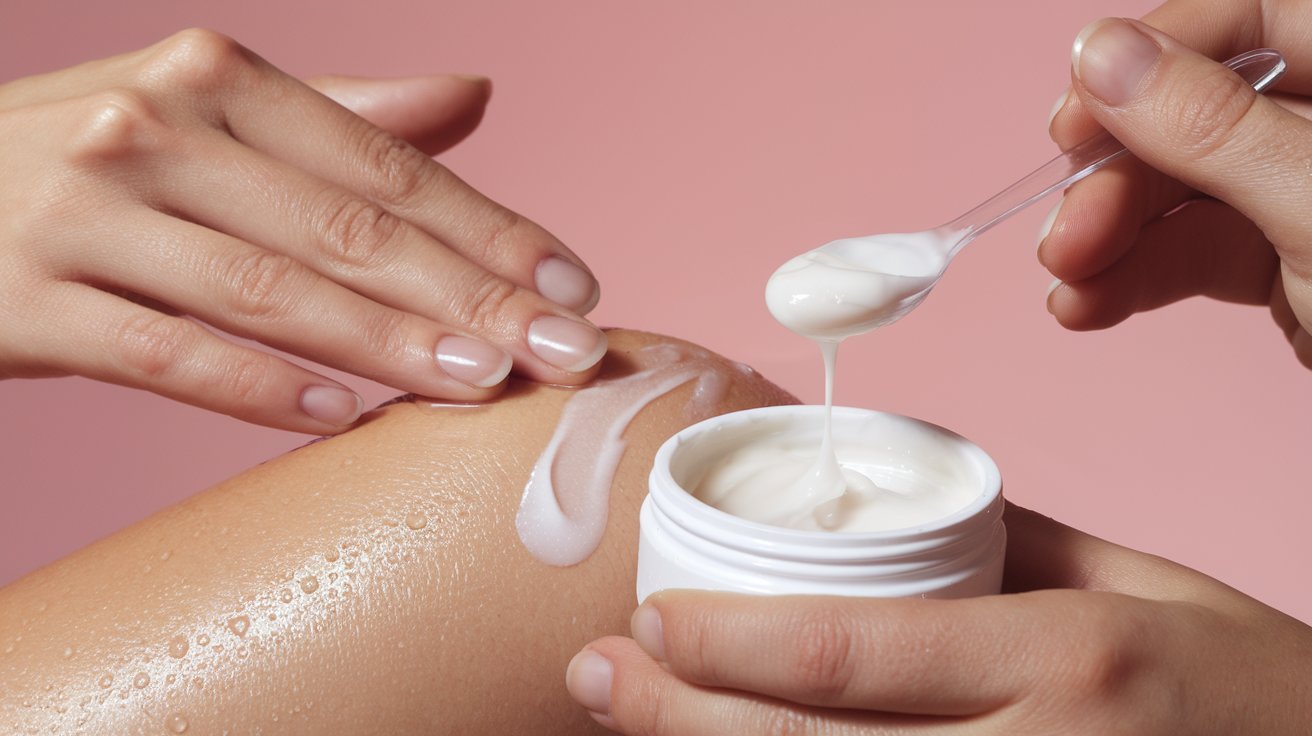
Hyaluronic acid draws moisture into your skin. It can hold up to 1,000 times its weight in water.
Glycerin forms a protective layer that locks in hydration. It also softens the appearance of fine lines.
Ceramides repair your skin barrier. They help your skin hold onto moisture throughout the day.
Apply moisturizer to damp skin for better absorption. Press it in gently with your fingertips.
3. Try a Gentle Face Massage
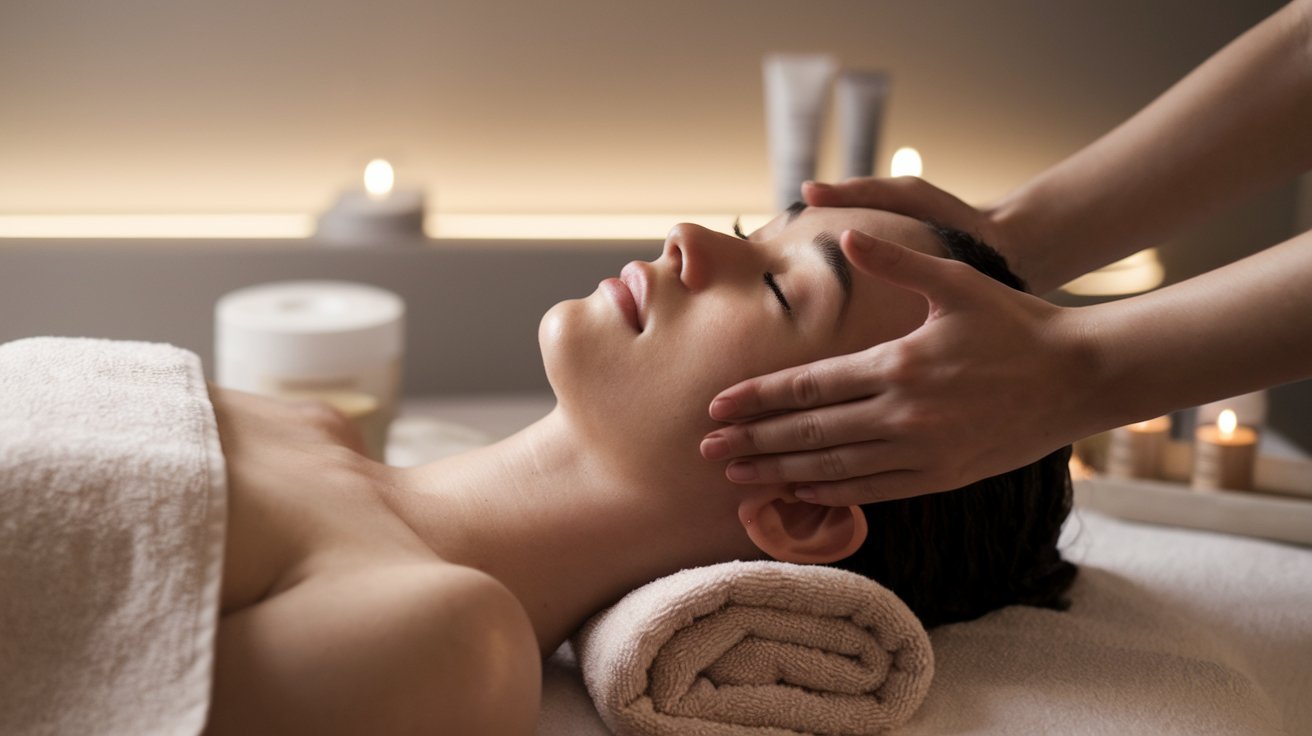
Massaging your face stimulates blood flow to the compressed areas. This brings fresh oxygen and nutrients to help your skin recover.
Use your fingertips to apply light pressure in upward motions. Start from your chin and work toward your forehead.
Focus on the areas where you see creases. Spend 1-2 minutes on each section.
This also helps relax any muscle tension from sleeping. Your facial muscles can hold positions during sleep that contribute to creasing.
4. Use a Jade Roller, Gua Sha, or Face Roller

Face rollers and gua sha tools help reduce puffiness mechanically. They push excess fluid away from your face.
Keep your tool in the fridge overnight. The cold temperature adds an extra depuffing effect.
Roll or scrape in outward motions following your lymphatic drainage paths. Go from the center of your face toward your hairline and down your neck.
Use light pressure and a facial oil or serum for smooth gliding. Spend 3-5 minutes on your whole face.
5. Apply a Warm Compress for Stubborn Lines
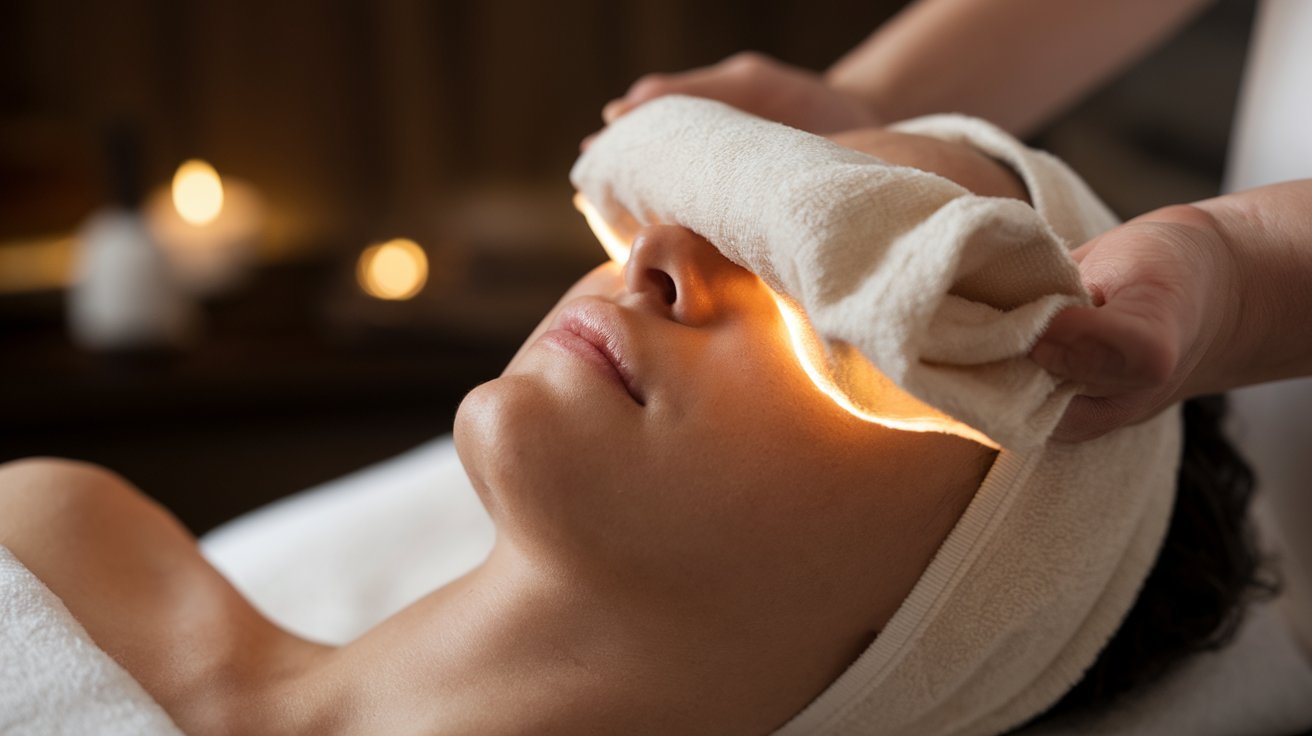
Heat softens the tissue and increases blood flow. This helps your skin relax out of its compressed position.
Soak a clean washcloth in warm (not hot) water. Wring it out and place it on your face for 2-3 minutes.
The warmth also opens your pores slightly. This makes it easier for moisturizers to penetrate.
Use this method for deeper creases that aren’t responding to cold water alone.
6. Switch to a Silk or Satin Pillowcase

Silk and satin create much less friction than cotton. Your skin can slide across the surface instead of getting tugged and folded.
These smooth fabrics also absorb less moisture from your skin. Cotton pillowcases can actually pull hydration out of your face overnight.
Silk is temperature-regulating too. It stays cooler in summer and warmer in winter.
Wash your silk pillowcase weekly. This keeps it clean and maintains its smooth texture.
7. Train Yourself to Sleep on Your Back

Back sleeping eliminates face-to-pillow contact completely. Your face stays open to the air all night.
This is the single most effective way to prevent sleep lines. Nothing touches your face to create pressure.
Start by placing a pillow under your knees. This takes pressure off your lower back and makes back sleeping more comfortable.
It takes time to adjust if you’re used to sleeping. Be patient with yourself during the transition.
8. Use Support Pillows to Maintain Back Sleeping
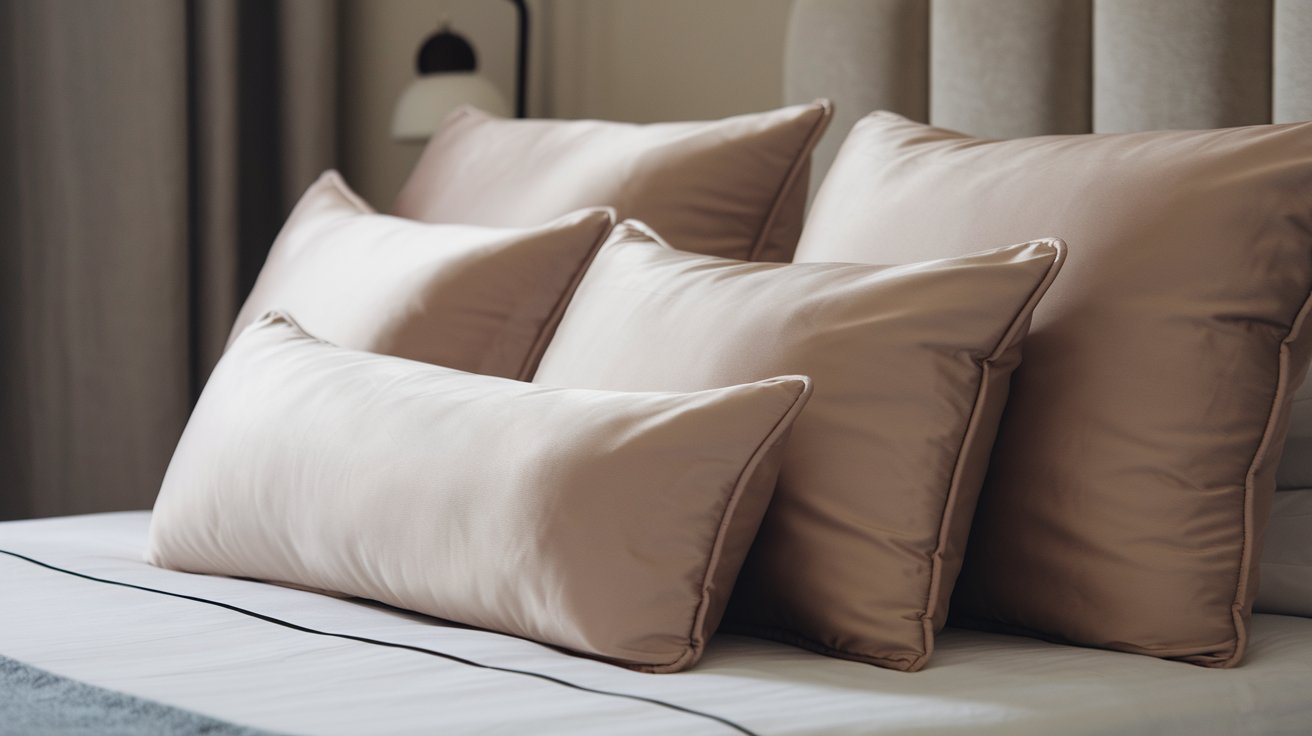
Body pillows on each side can keep you from rolling over during sleep. They act as barriers.
A thin pillow under your head keeps your neck aligned without pushing your chin to your chest. Your face should feel neutral.
Some people use a pregnancy pillow even if they’re not pregnant. The U-shape provides support on all sides.
You can also try a foam wedge that elevates your upper body slightly. This position can help with acid reflux too.
9. Adjust Your Pillow Height and Firmness

A pillow that’s too high pushes your head forward. This creates compression folds in your neck and chin area.
Extra firm pillows don’t give enough. Your face has nowhere to go except fold against the hard surface.
Try a medium-support pillow that lets your head sink in slightly. Your neck should stay in a neutral line with your spine.
You might need to experiment with different heights. The right pillow keeps your head level, not tilted up or down.
10. Choose Memory Foam or Contoured Pillows
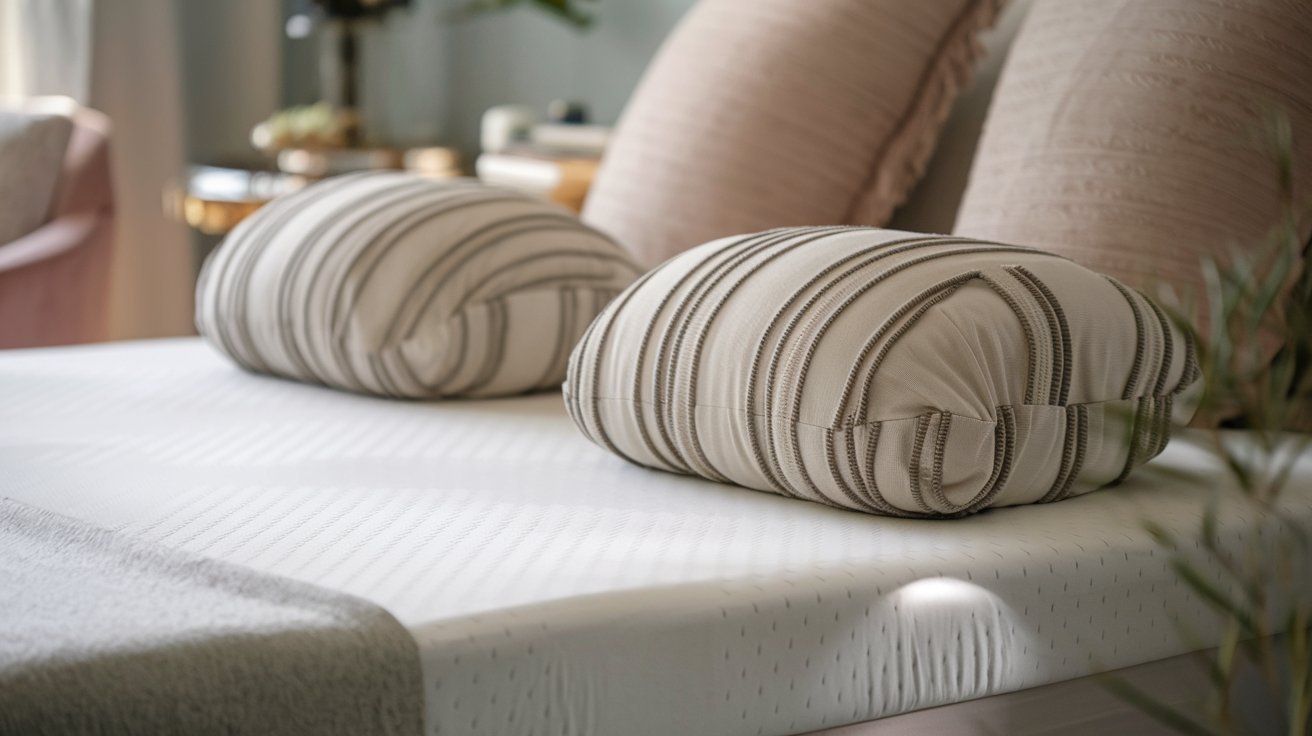
Memory foam distributes pressure evenly. Instead of creating one deep pressure point, it spreads the weight across a larger area.
Contoured pillows have a curved shape that supports your neck. The center dip cradles your head while keeping your face elevated.
These pillows help maintain back sleeping position. The shape naturally discourages you from rolling to your side.
Replace memory foam pillows every 2-3 years. They lose their support over time.
11. Keep Skin Hydrated Overnight

Apply a richer moisturizer or night cream before bed. Nighttime is when your skin does most of its repair work.
Look for ingredients like peptides, niacinamide, and ceramides. These support your skin’s natural renewal process.
A hydrating sheet mask once or twice a week gives an extra boost. Leave it on for 15-20 minutes before bed.
Drink water throughout the day. Internal hydration shows up in your skin by nighttime.
12. Add a Retinol or Collagen-Boosting Serum
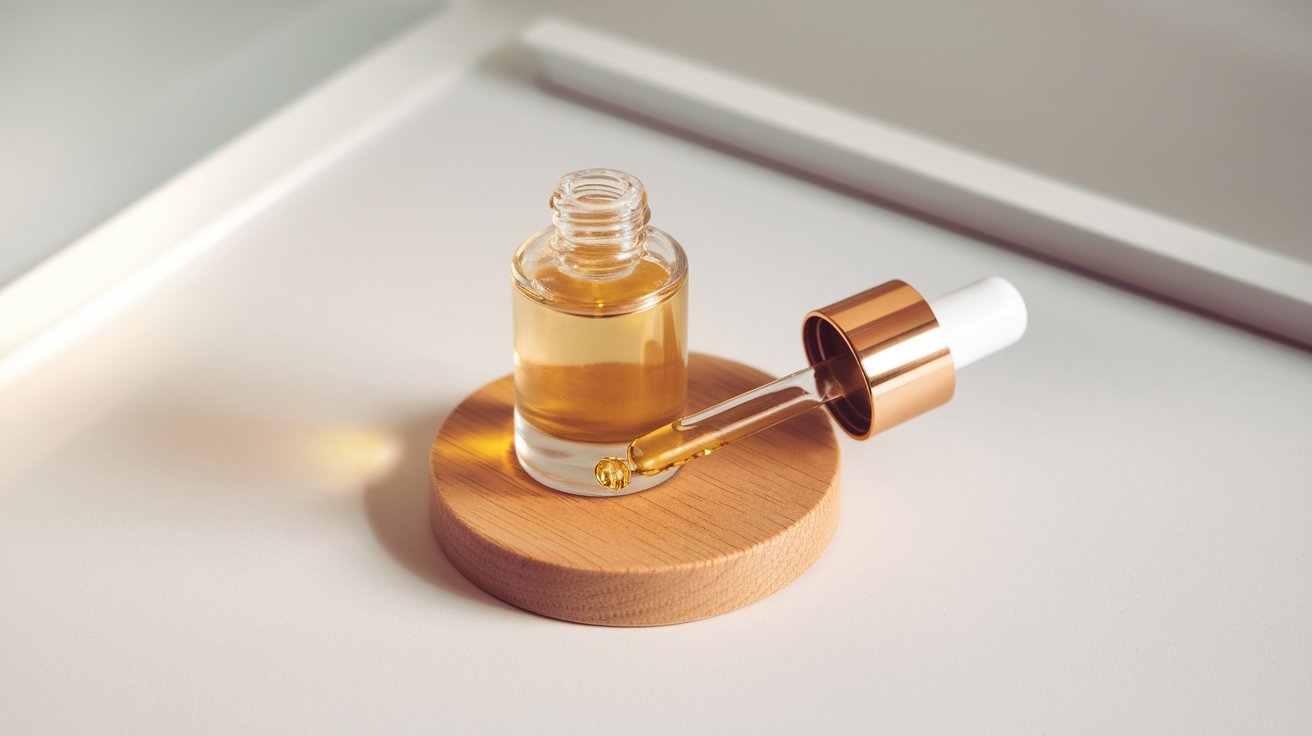
Retinol increases cell turnover and stimulates collagen production. This makes your skin more resilient to pressure over time.
Start with a low concentration (0.25% or 0.5%) if you’re new to retinol. Use it 2-3 times per week at first.
Apply it after cleansing but before moisturizer. Give it a few minutes to absorb.
Collagen-boosting peptides are a gentler alternative. They send signals to your skin cells to produce more collagen.
Results take 8-12 weeks to become visible. This is a long-term prevention strategy.
13. Avoid Sleeping With Makeup On
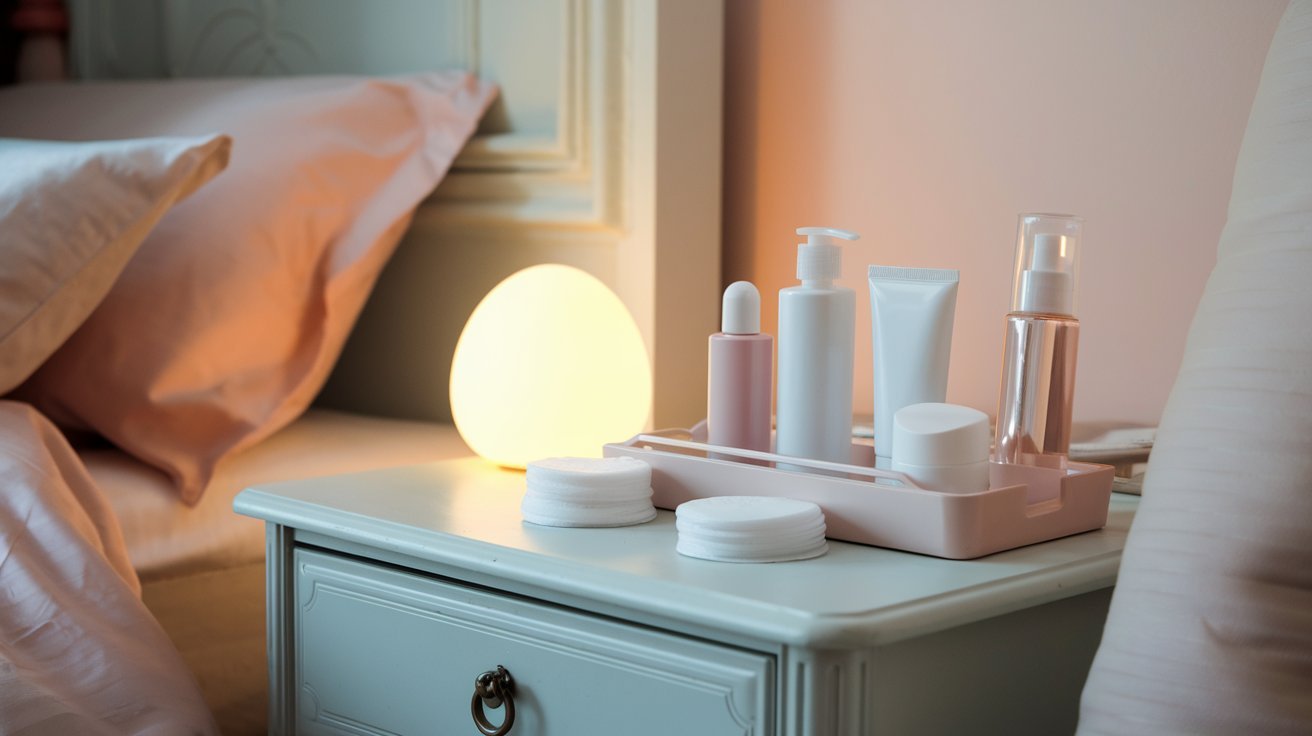
Makeup mixed with pillow friction creates more drag on your skin. This intensifies the creasing effect.
Residual products can also clog your pores. This prevents your skin from breathing and repairing itself overnight.
Cleanse thoroughly before bed every night. Use a gentle cleanser that removes all traces without stripping your skin.
Even if you’re exhausted, take two minutes to wash your face. Your morning self will thank you.
14. Stay Hydrated During the Day

Dehydrated skin lacks plumpness. It folds and creases more easily under pressure.
Aim for 8 glasses of water daily. More if you exercise or live in a dry climate.
Eat water-rich foods too. Cucumbers, watermelon, oranges, and leafy greens all contribute to your hydration.
You’ll notice your skin looks plumper and bounces back faster when you’re well-hydrated.
15. Reduce Alcohol and Salt Before Bed

Alcohol dehydrates your entire body, including your skin. It also causes inflammation and puffiness.
High sodium intake makes you retain water in your face. This creates puffiness that makes sleep lines look deeper.
Limit cocktails to earlier in the evening. Give your body time to process the alcohol before sleep.
Watch your salt intake at dinner. Skip the late-night chips or salty snacks.
16. Maintain a Consistent Sleep Routine

Good sleep quality means you move less during the night. You spend less time grinding your face into the pillow.
Go to bed and wake up at the same time every day. This regulates your sleep cycles.
Create a relaxing bedtime routine. Turn off screens an hour before bed and dim the lights.
Better sleep also supports your skin’s natural repair processes. Your body produces more collagen during deep sleep.
17. Consider Professional Treatments
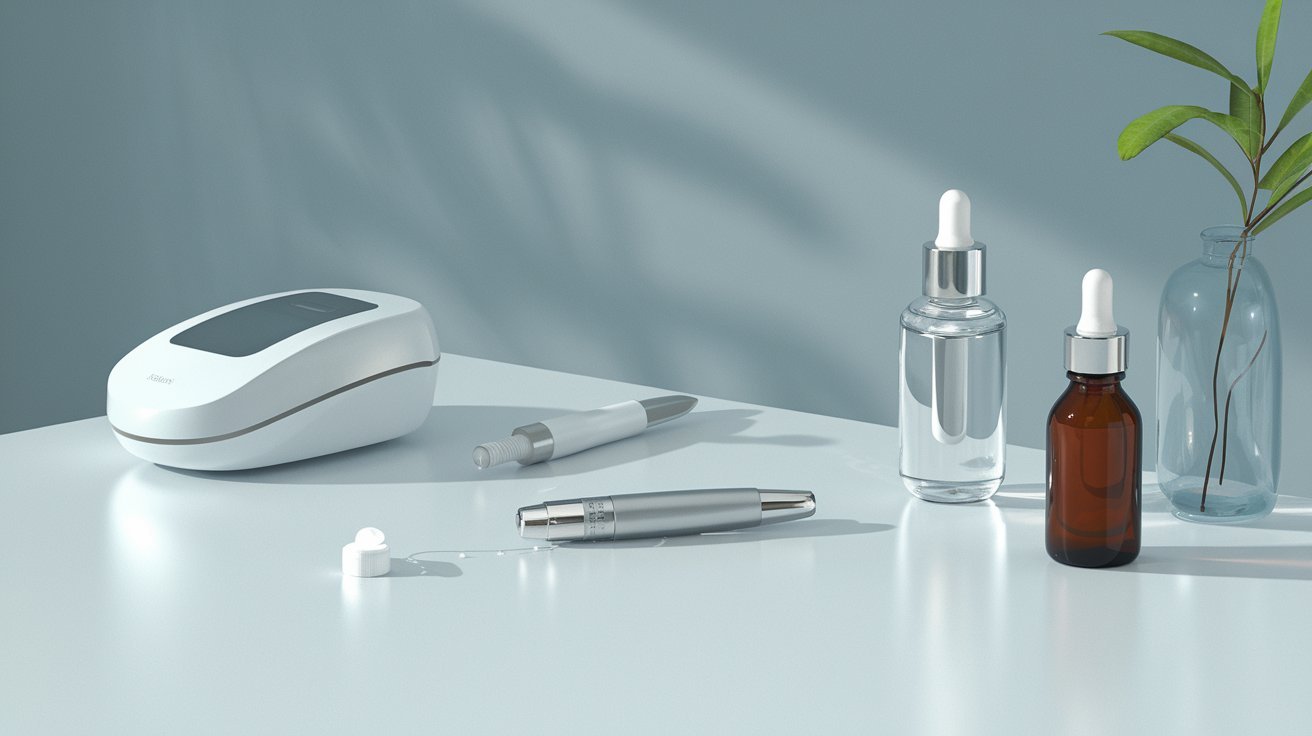
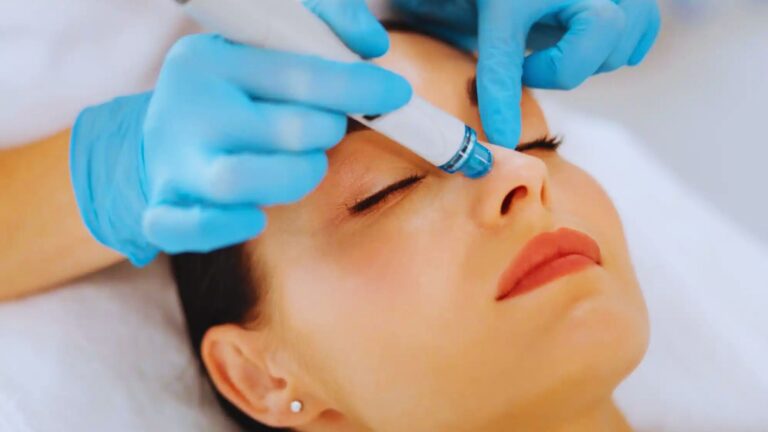
Microneedling creates tiny injuries that trigger collagen production. This can help fill in established sleep lines.
Chemical peels remove the top layer of damaged skin. They reveal fresher, smoother skin underneath.
Laser treatments stimulate collagen deep in the dermis. Results develop over several months.
Injectable fillers can plump up areas where volume loss makes sleep lines worse. This is usually for deeper, permanent creases.
Talk to a dermatologist about which option makes sense for your skin. Professional treatments work best when combined with good daily habits.
Prevention Tips to Keep Sleep Lines From Coming Back
Consistency matters more than perfection. Small daily actions add up over time to protect your skin.
- Cleanse your face gently every evening, apply a hydrating serum while skin is damp, and follow with a night cream that supports overnight repair
- Wash your pillowcases at least once a week with hot water and gentle detergent to remove dead skin cells, oils, and bacteria
- Wear sunscreen every day, even indoors, as UV damage is the number one cause of collagen breakdown
- Eat foods rich in vitamin C, vitamin E, and omega-3 fatty acids to support collagen production and maintain skin elasticity
- Get regular exercise, avoid smoking, and consider supplements like collagen peptides or hyaluronic acid to improve skin resilience
When to See a Dermatologist
Most sleep lines are harmless and manageable at home. But sometimes professional help makes sense.
If your sleep lines still look the same by afternoon, they might be more than temporary creases. Lines that stay visible all day need attention. A dermatologist can examine your skin and assess how deep the creases go.
Skin that feels noticeably thinner has lost collagen. Multiple fine lines appearing close together signal collagen depletion. If your skin takes longer to bounce back when you pinch it, that’s another sign.
Prescription retinoids, light therapy, radiofrequency treatments, and microcurrent facials can all help stimulate collagen production. Your dermatologist will recommend what’s appropriate for your skin type.
Conclusion
Every morning when I woke up, I had deep pillow creases across my cheek. I was so troubled by it that I changed my habits.
For me, the biggest change was switching to a silk pillowcase and practicing back sleeping.Everyone experiences sleep lines, but they don’t have to last a lifetime.
Add preventative techniques gradually after mastering the quick morning fixes. If you take regular care of your skin, it will react.
Which suggestion are you going to try first? Please share this with someone in need or leave a comment below.
Frequently Asked Questions
Can sleep lines turn into permanent wrinkles?
Yes, repeated pressure in the same spot over many years can damage collagen fibers. This eventually creates fixed wrinkles that don’t fade. Prevention is easier than reversal.
How long does it take to see results from changing sleeping positions?
Most people notice fewer sleep lines within 1-2 weeks of consistent back sleeping. Existing deep creases may take 2-3 months to soften as your skin repairs itself.
Do silk pillowcases really work for preventing sleep lines?
Yes, silk reduces friction significantly compared to cotton. This means less tugging and folding of your skin during sleep. Many people see improvement within days of switching.
At what age should I start worrying about sleep lines?
Start prevention habits in your late 20s or early 30s when collagen production begins declining. But it’s never too late to make changes that help your skin.
Can retinol completely eliminate existing sleep lines?
Retinol can soften and reduce the appearance of sleep lines by building collagen over time. It works best on newer lines and as prevention for future ones.