Can You Reuse Hard Wax? Safety & Skin Health Risks

Hard wax is a popular product for do-it-yourself hair removal, as it works well, and is less irritating to the skin.
However, I’m commonly asked: can you reuse hard wax? The quick answer is no, and I’ll explain why.
In this article, I’ll share the actual dangers of reusing wax: everything from hygiene concerns to skin health concerns, along with better methods for saving money without risking your skin.
I have been home-waxing for many years, and I’ve made the mistakes so you don’t have to. Believe me when I say that those few dollars you might save are NOT worth the potential irritation and infection.
You’ll learn how reusing hard wax can be harmful and to avoid wax waste, along with the right alternatives to achieve the desired results safely and effectively.
Why This Matters for Your Skin
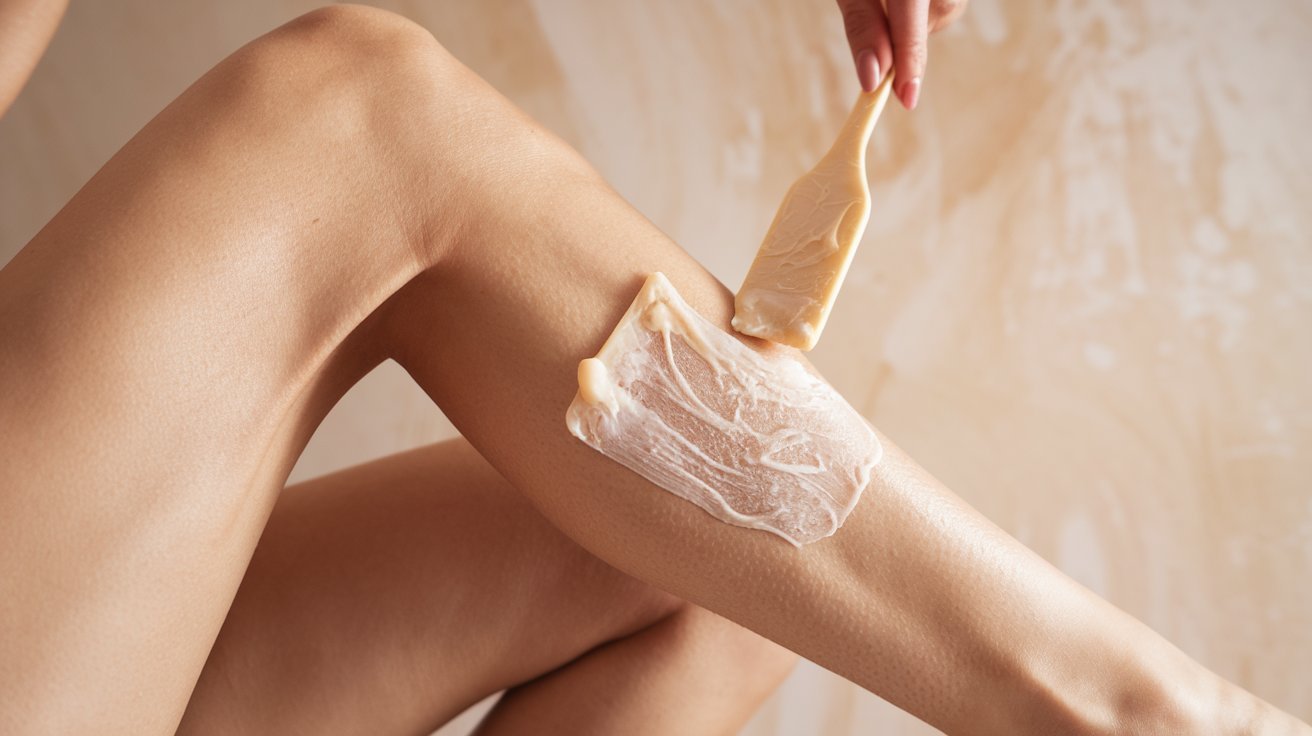
Waxing seems straightforward, but small decisions can have big impacts on your skin health.
Reusing wax might look like a smart money-saving trick, but it comes with real consequences. Your skin is your body’s largest organ, and it needs protection.
When you apply contaminated wax to freshly opened pores, you’re inviting bacteria in. I want you to understand the science behind why fresh wax matters. This isn’t about being wasteful or spending more money than necessary.
It’s about keeping your skin safe, infection-free, and healthy. The information ahead will help you make informed choices that protect your skin without breaking your budget.
What Is Hard Wax and How Does It Work?
Hard wax melts onto skin, grabs hair at the root, and pulls away without strips or cloth.
Understanding Hard Wax Beads
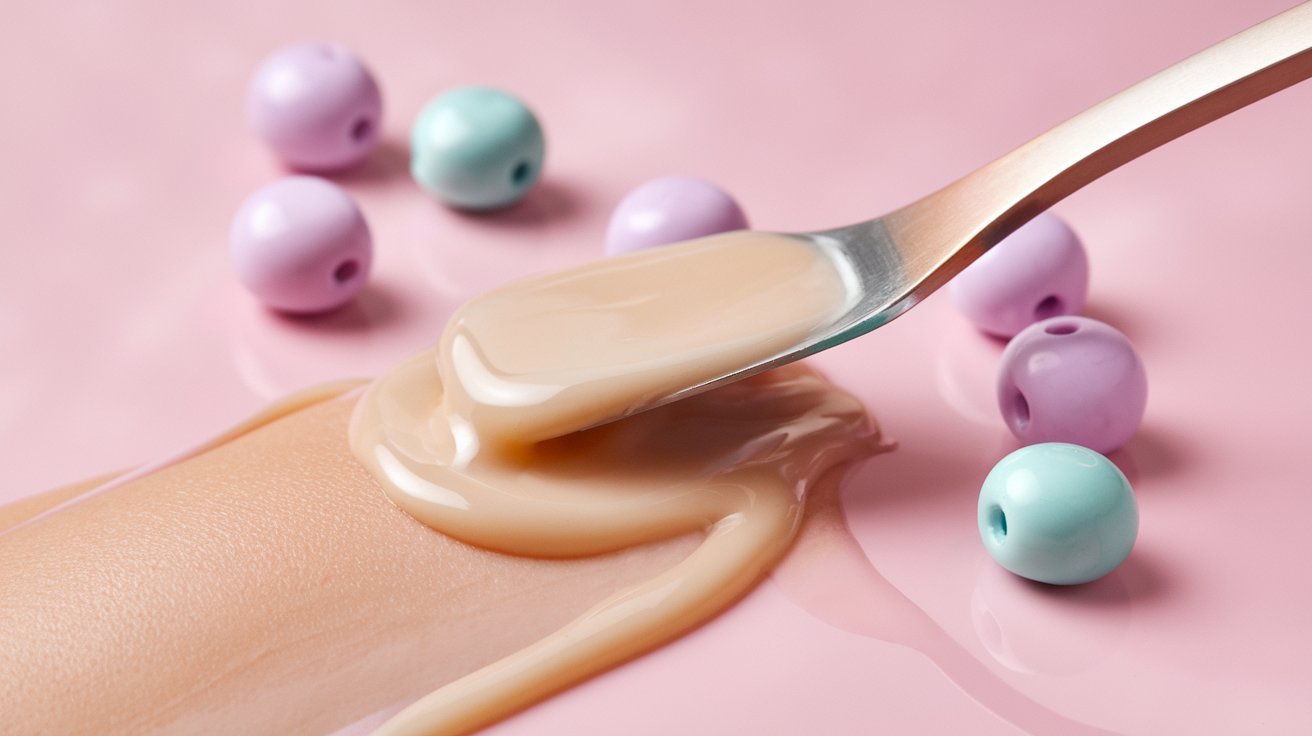
Hard wax contains resins, natural waxes, and oils that work together.
When you heat the beads, they turn into a thick liquid. You apply it to your skin and let it cool for a few seconds. The wax hardens around the hair shaft.
Here’s what makes it special: it grips the hair, not your skin. That’s why it works so well on sensitive areas like your face, underarms, and bikini line.
Soft wax is different. It needs a strip to pull off and sticks to both hair and skin. Hard wax only sticks to hair, which means less irritation and less pain.
The formula lets the wax contract as it cools. This creates a firm grip on even short hairs. You can pull it off with your hands once it sets.
Why People Consider Reusing Hard Wax
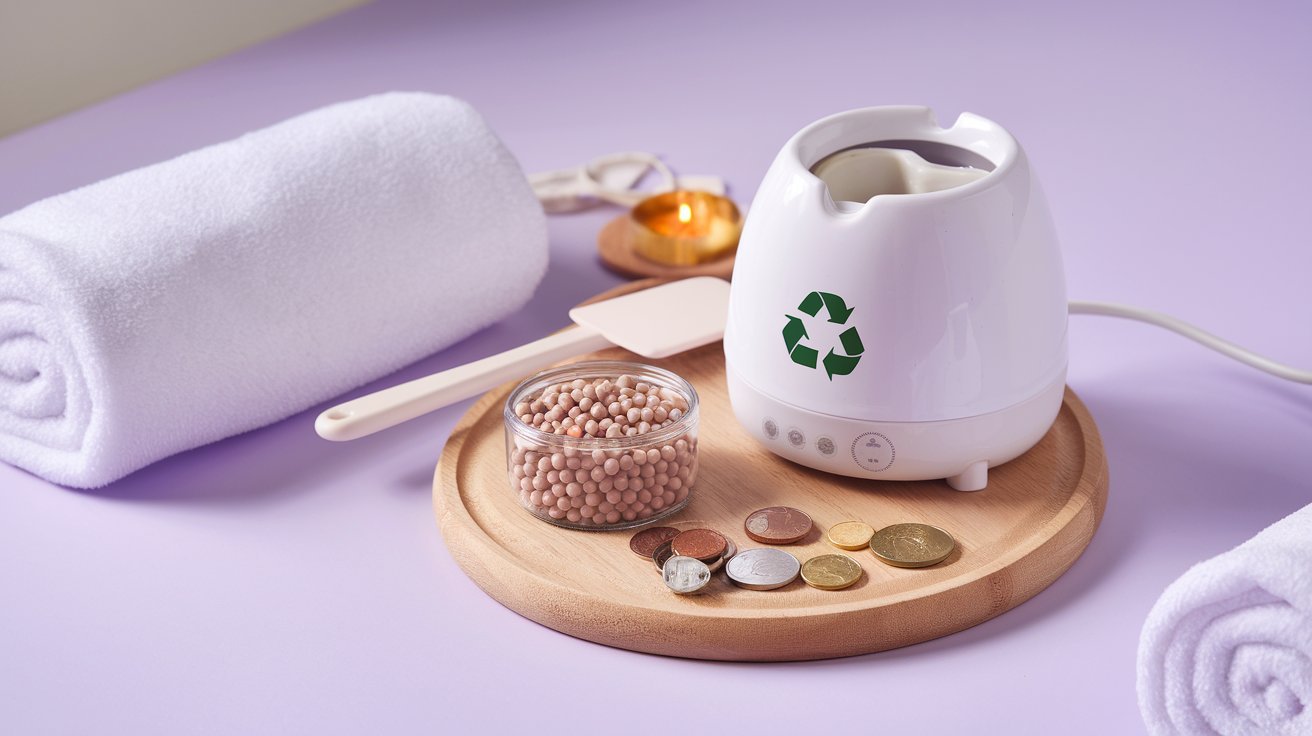
Cost savings and eco-friendly intentions lead many people to consider reusing their wax.
Common Reasons:
Let’s be honest. Wax isn’t free, and buying it regularly adds up.
Many people think reusing wax will save money. If you’re waxing every few weeks, those costs feel significant.
Others want to reduce waste. Throwing away used wax feels wasteful, especially if you’re trying to be more environmentally conscious.
Then there’s a dangerous myth: some believe reheating wax kills bacteria. This isn’t true, but it’s a common misconception that puts people at risk.
These reasons sound logical at first. But the reality is very different, and the risks far outweigh any benefits.
Is It Safe to Reuse Hard Wax?
No, reusing hard wax is not safe due to contamination and infection risks that reheating cannot eliminate.
The Hygiene Dilemma
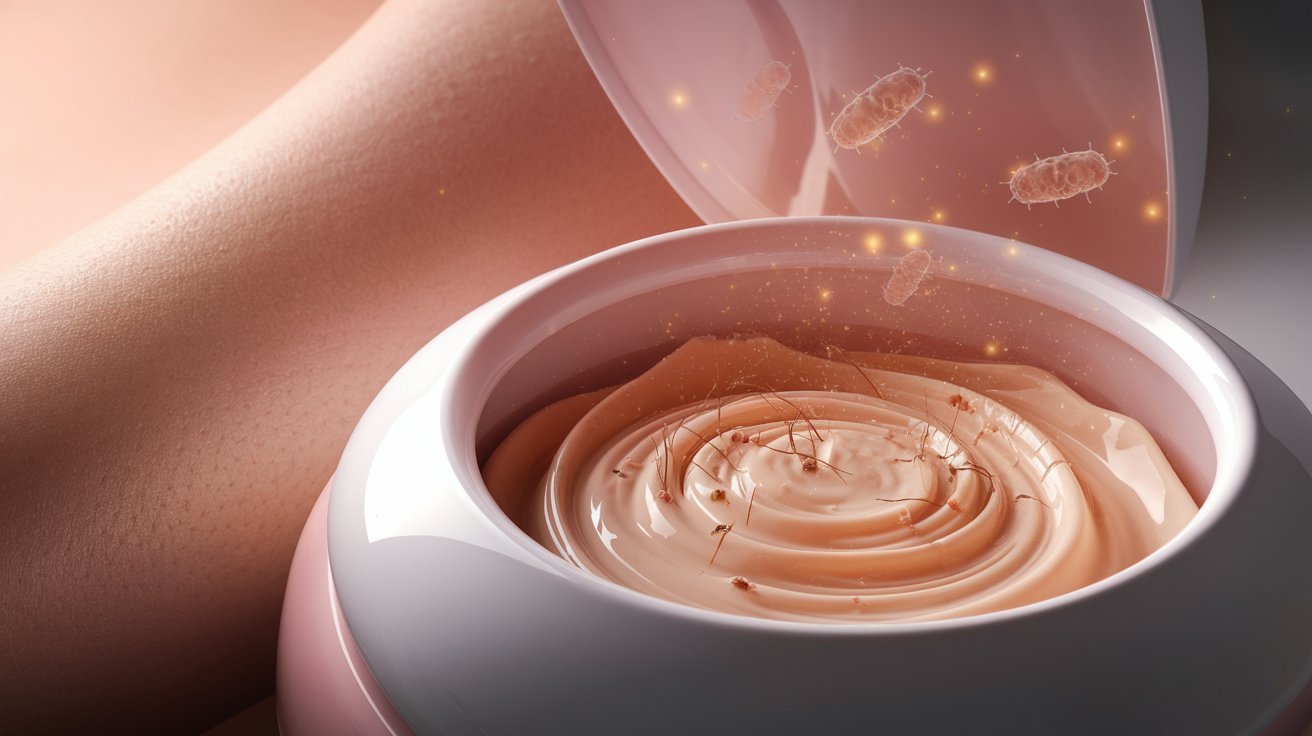
Once wax touches your skin, it picks up bacteria, dead skin cells, and body oils. Used wax is contaminated.
When you reheat it, those contaminants don’t disappear. They stay in the wax, ready to transfer back onto your skin.
Wax warmers don’t get hot enough to sterilize. They heat wax to around 130-150°F. Medical-grade sterilization requires temperatures above 250°F.
Reusing contaminated wax can cause infections, rashes, and breakouts. Bacteria multiply in the warm environment, then spread onto freshly waxed, open pores.
What Experts Say
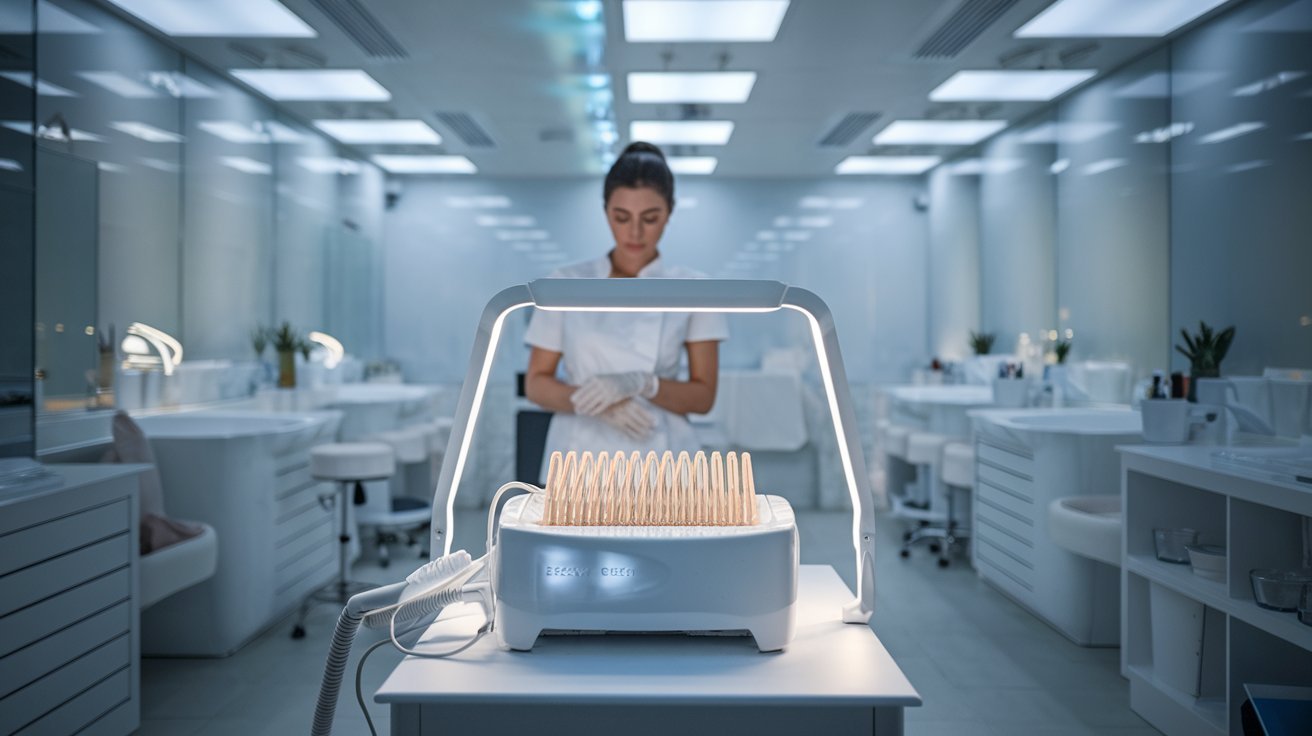
Estheticians are clear: never reuse wax. That’s standard practice in every professional salon.
The same rule applies when you’re waxing yourself at home. Dermatologists warn against reusing wax because your skin sheds bacteria constantly.
Professional salons use fresh wax for every client. Single-use policies exist for a reason.
Fresh wax equals safer waxing.
Health Risks of Reusing Hard Wax
Reusing wax leads to infections, skin irritation, allergic reactions, and poor hair removal results.
1. Bacterial and Fungal Infections
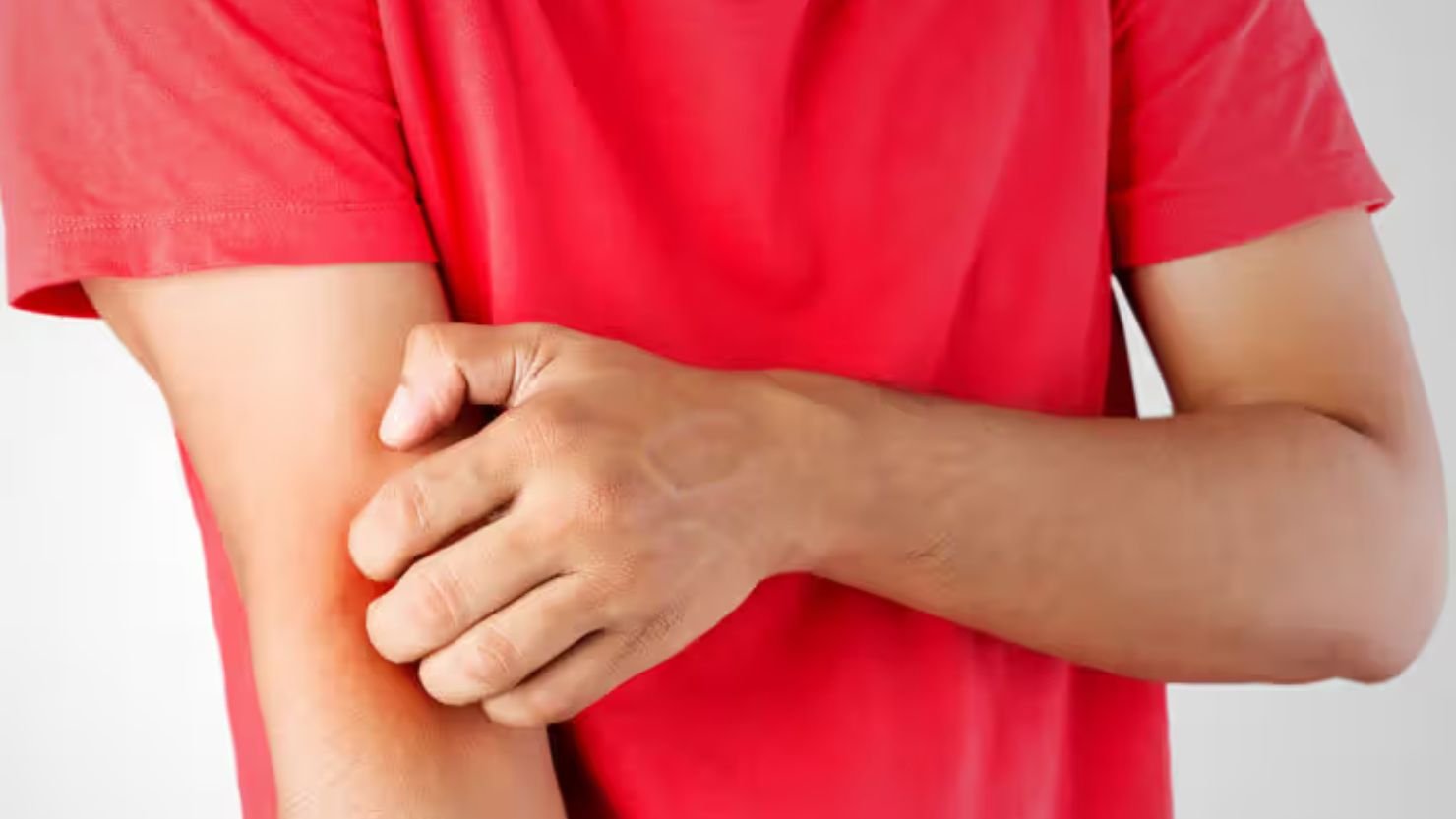
Your skin naturally hosts bacteria that transfer into wax on contact. Reheating creates a warm breeding ground where bacteria thrive and then spread directly onto vulnerable skin with open pores.
Common infections include folliculitis, staph infections, and fungal rashes that require medical treatment.
2. Skin Irritation and Allergic Reactions
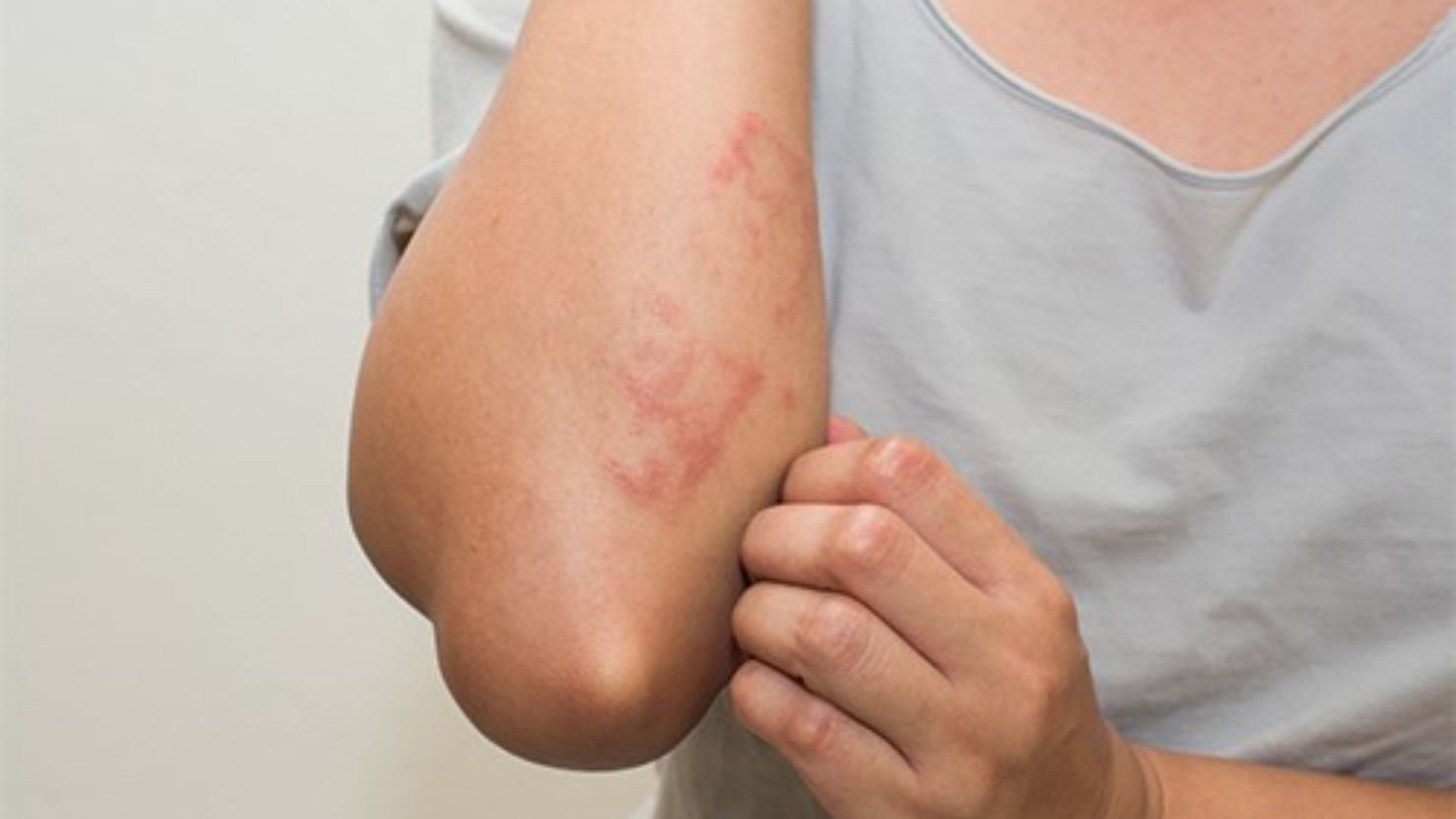
Used wax changes composition after the first heating cycle, breaking down and becoming harsher on your skin.
Watch for persistent redness lasting more than 24 hours, bumps, rash, or unusual sensitivity. Stop waxing immediately if you see these symptoms.
3. Reduced Effectiveness
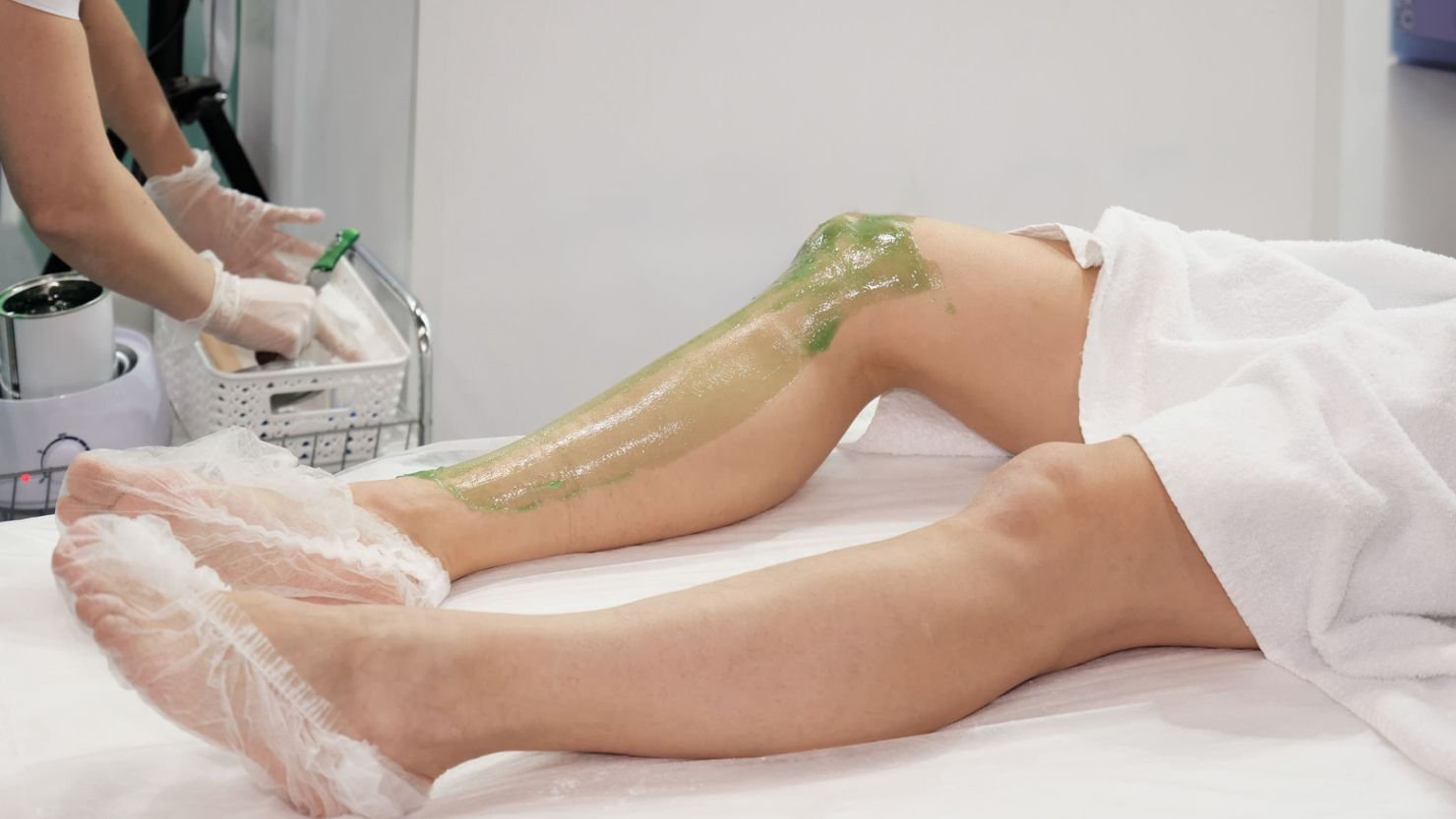
Reheated wax loses its grip strength as polymers and resins break down, becoming less elastic and adhesive.
You’ll go over the same area multiple times, causing more irritation and sensitivity. Fresh wax removes hair cleanly in one application.
How to Minimize Waste Without Reusing Wax
Control portions, invest in quality tools, and buy in bulk to reduce waste while maintaining hygiene standards.
1. Portion Control and Measurement
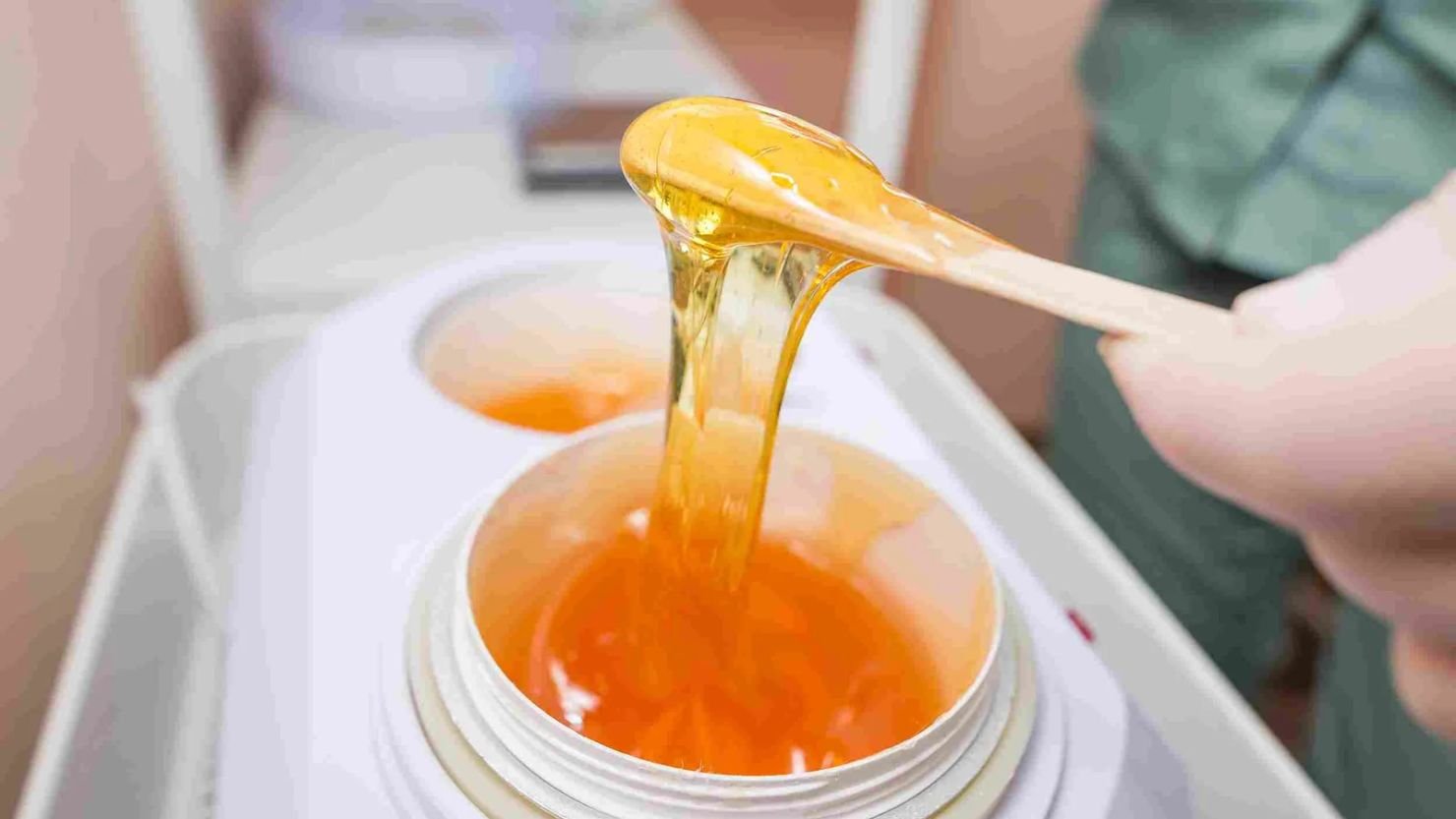
Melt only what you need for each session. Small areas need less wax than full legs. Measure your wax beads before melting, and you’ll quickly learn the right amounts for different areas.
2. Invest in Quality Wax Kits
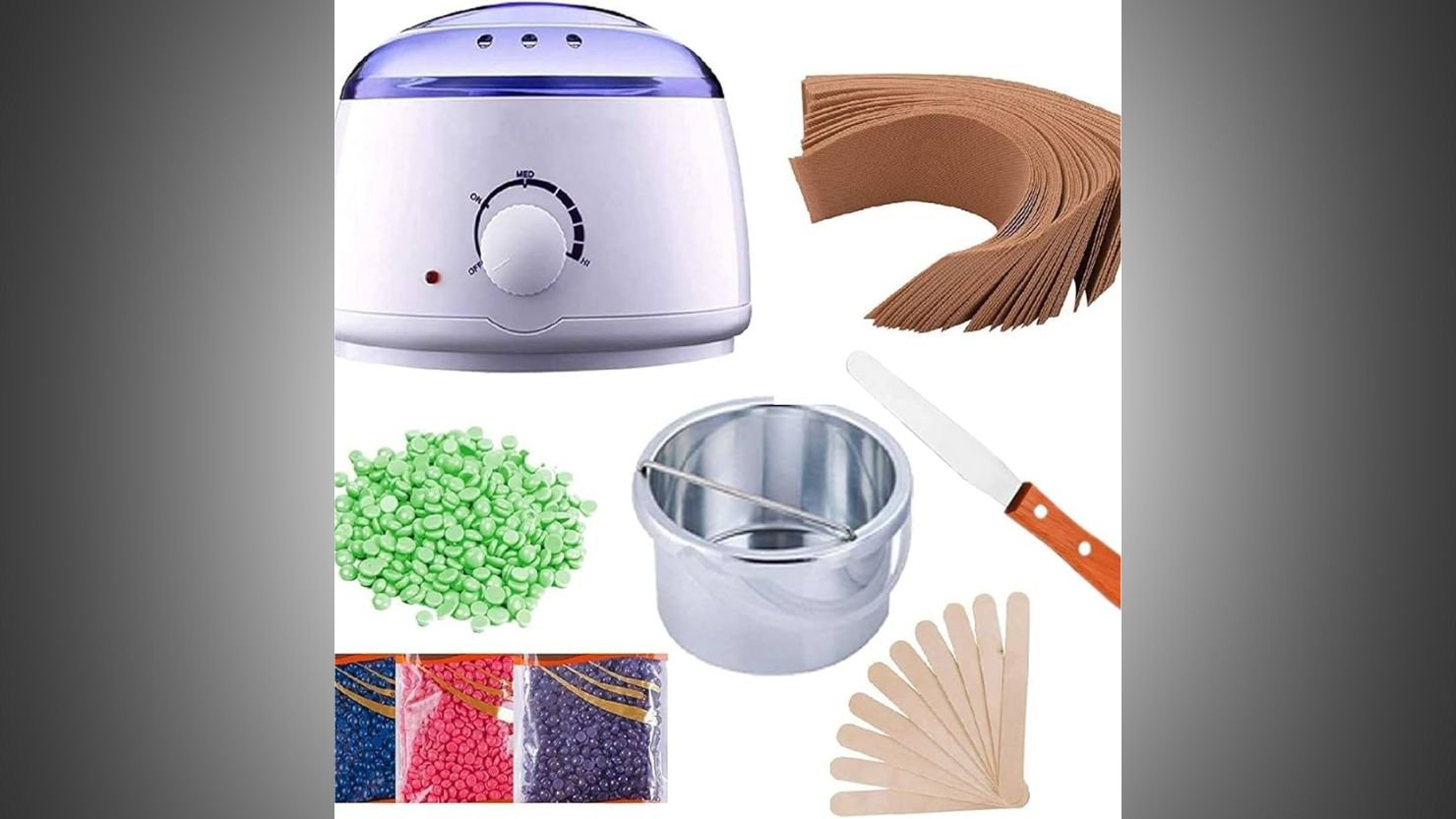
Good wax warmers heat evenly and maintain consistent temperatures. Precision tools like different-sized applicator sticks help you apply the right amount without waste.
3. Bulk Buying Instead of Reusing
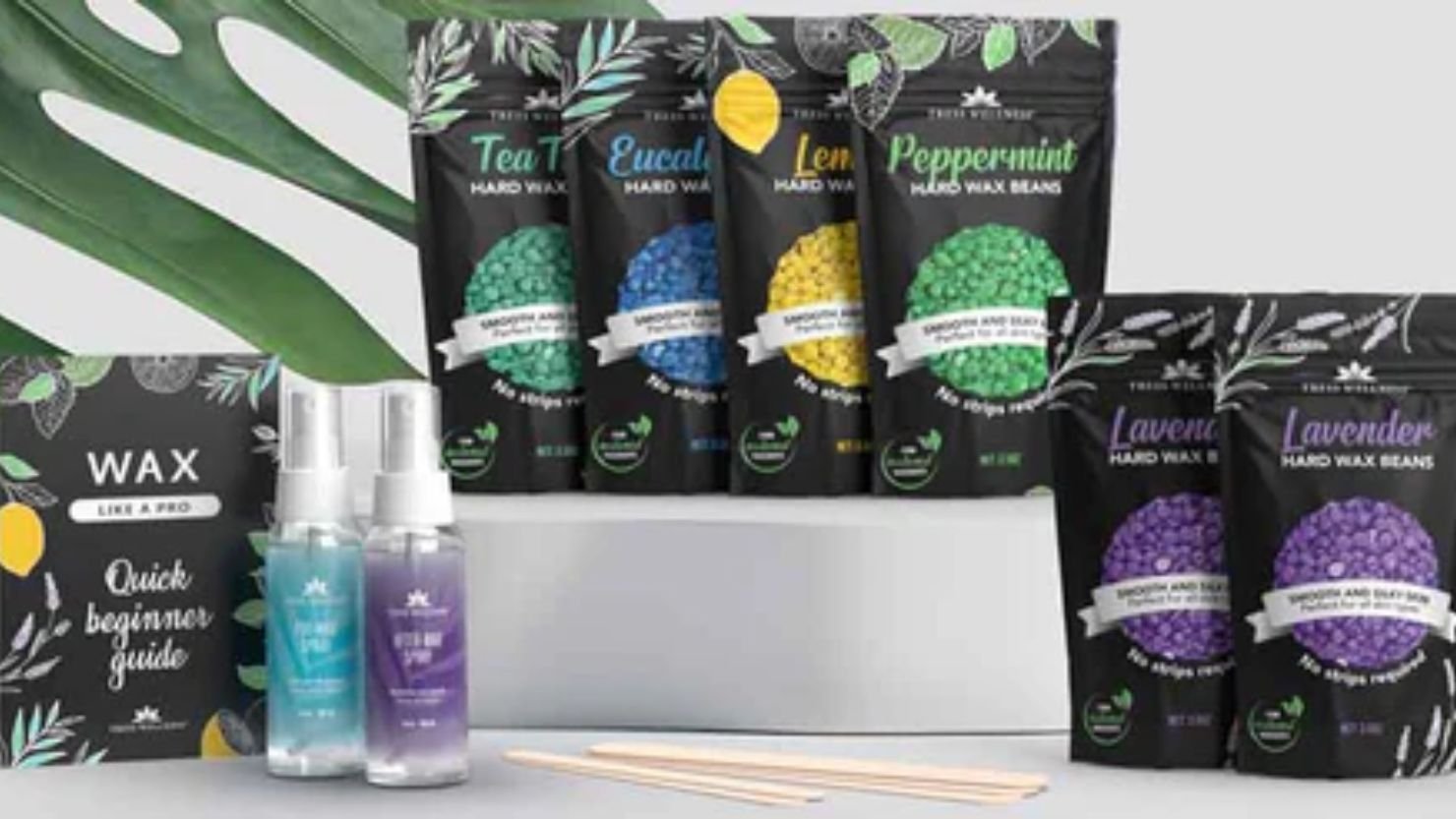
Buying wax in larger quantities lowers the per-use cost. You still use fresh wax every time while saving money overall and keeping your skin safe.
Safe Waxing Practices for Healthy Skin
Proper preparation and aftercare routines prevent irritation and infection while improving waxing results.
Before Waxing
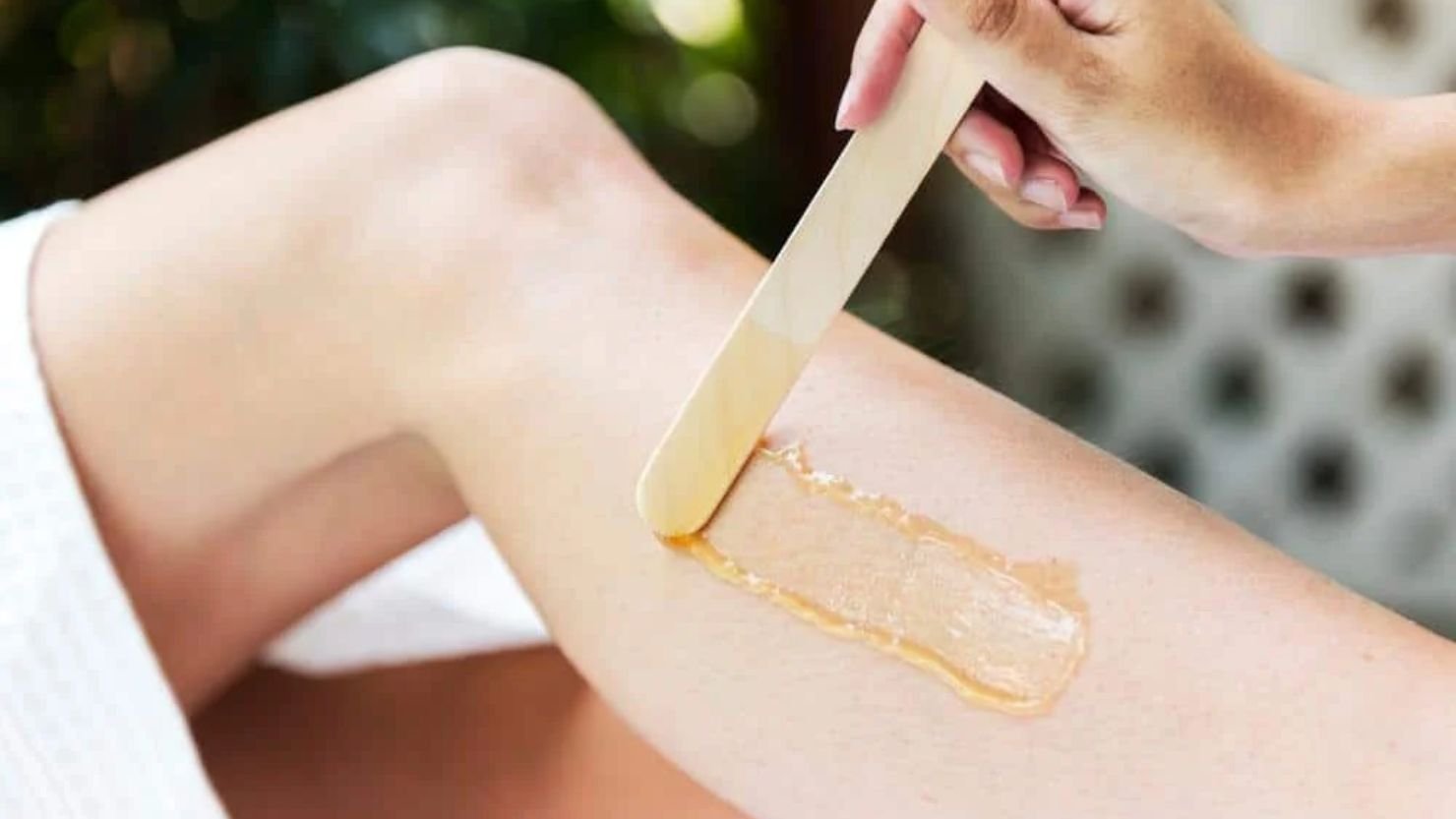
Start with clean skin. Wash the area with gentle soap and warm water.
Exfoliate a day or two before waxing. Use a mild scrub to remove dead skin cells. This helps prevent ingrown hairs and lets wax grip hair better.
Avoid lotions, oils, or moisturizers before waxing. These create a barrier that stops wax from adhering properly. Your skin should be completely dry before you apply wax.
After Waxing
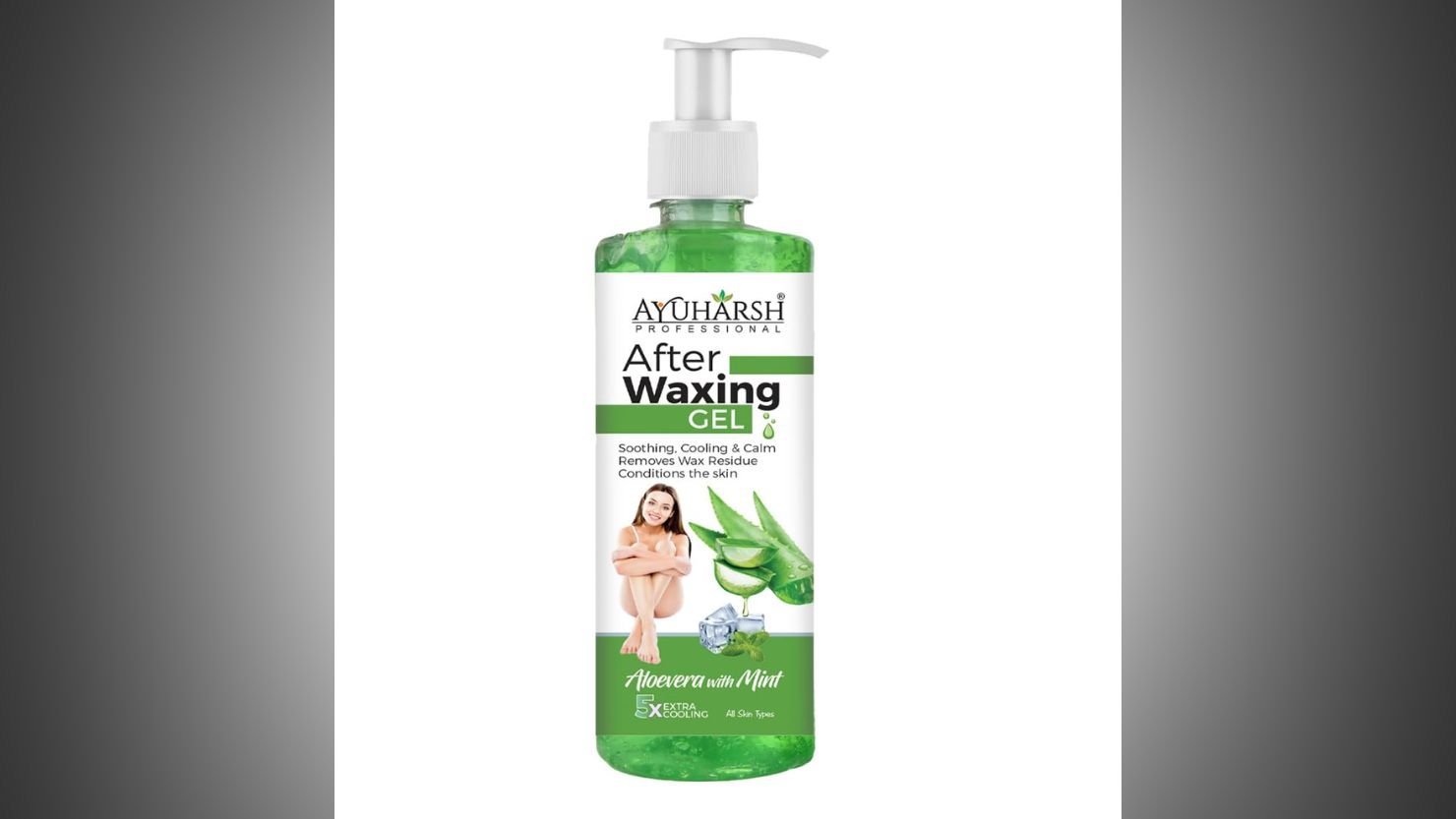
Your pores are open and sensitive right after waxing. Treat your skin gently.
Apply aloe vera gel or a specialized post-wax lotion to soothe irritation and reduce redness.
Keep the area clean for at least 24 hours. Avoid touching the waxed area with dirty hands.
Skip the gym, hot baths, and tight clothing for a day. Sweat and friction can irritate freshly waxed skin. Wait at least a few hours before applying heavy creams or perfumed products.
Alternatives to Reusing Hard Wax
Pre-made strips, recyclable packaging, and natural aftercare products offer eco-friendly options without compromising safety.
Eco-Friendly and Cost-Effective Options
Pre-made wax strips: are convenient and disposable. You use them once and throw them away. No heating required, no waste calculation needed.
Recyclable packaging options: let you buy refills instead of completely new kits. Some brands offer refillable wax containers that reduce overall waste.
Sustainable brands: prioritize natural ingredients and minimal packaging. Look for companies that align with eco-friendly practices.
Natural aftercare products: like organic aloe vera or witch hazel work just as well as chemical alternatives. They’re better for the environment and gentle on your skin.
You can maintain a sustainable waxing routine without reusing contaminated wax. The key is choosing products that align with both your values and your skin health needs.
Conclusion
Can you reuse hard wax? The answer is no. It’s not worth the risk of contamination, skin irritation, and less-than-great results, just to save a couple of dollars.
I’ve learned this lesson the hard way. I reused wax once, to save money, and got a horrible rash that took weeks to go away. The treatment cost more than the original wax. Since then, I always use fresh wax every time, and my skin has remained clear and healthy.
Your skin is worth more than contaminated wax. The cost of treating infection and/or breakouts is higher than two bags of wax chips.
Use fresh wax each time you perform a wax service. Trust me, your skin will love you for it. If you have any questions or like to share your waxing tip, please drop a comment below! I would love to hear from you!
Frequently Asked Questions
Can I reuse hard wax on myself if I’m the only person using it?
No, even when you’re the only user, bacteria from your skin contaminates the wax. Reheating doesn’t kill bacteria, so you risk reinfecting yourself with each use and causing irritation or breakouts.
How many times can hard wax be heated safely?
Hard wax should only be heated once and used immediately. Multiple heating cycles break down the formula, reducing effectiveness and increasing the risk of skin irritation from degraded ingredients.
What should I do with leftover melted wax?
Throw it away. Don’t try to save it for later sessions. The small amount you save isn’t worth the health risks of contaminated wax touching your skin again.
Does freezing used wax kill bacteria?
No, freezing only pauses bacterial growth. It doesn’t kill bacteria or sterilize the wax. Once thawed and reheated, the bacteria become active again and pose the same infection risks.
Are there any situations where reusing wax is acceptable?
No safe situation exists for reusing hard wax. Professional salons never reuse wax, and you shouldn’t either. Fresh wax is the only hygienic option for safe hair removal.