How Long Are Lips Swollen After Filler?

Getting lip fillers is exciting, but let’s be honest. The swelling part can make you nervous. I totally understand that feeling.
How long are lips swollen after filler? This is the question everyone asks, and I’m here to give you real answers.
In this post, I’ll share the complete swelling timeline based on trusted medical information. You’ll learn what causes the puffiness, how many days it takes to go down, and simple tricks to heal faster.
We’ll go through day-by-day changes, aftercare tips that actually work, and red flags to watch for.
By the end, you’ll feel prepared and confident about what happens after your treatment.
What Causes Lip Swelling After Filler?
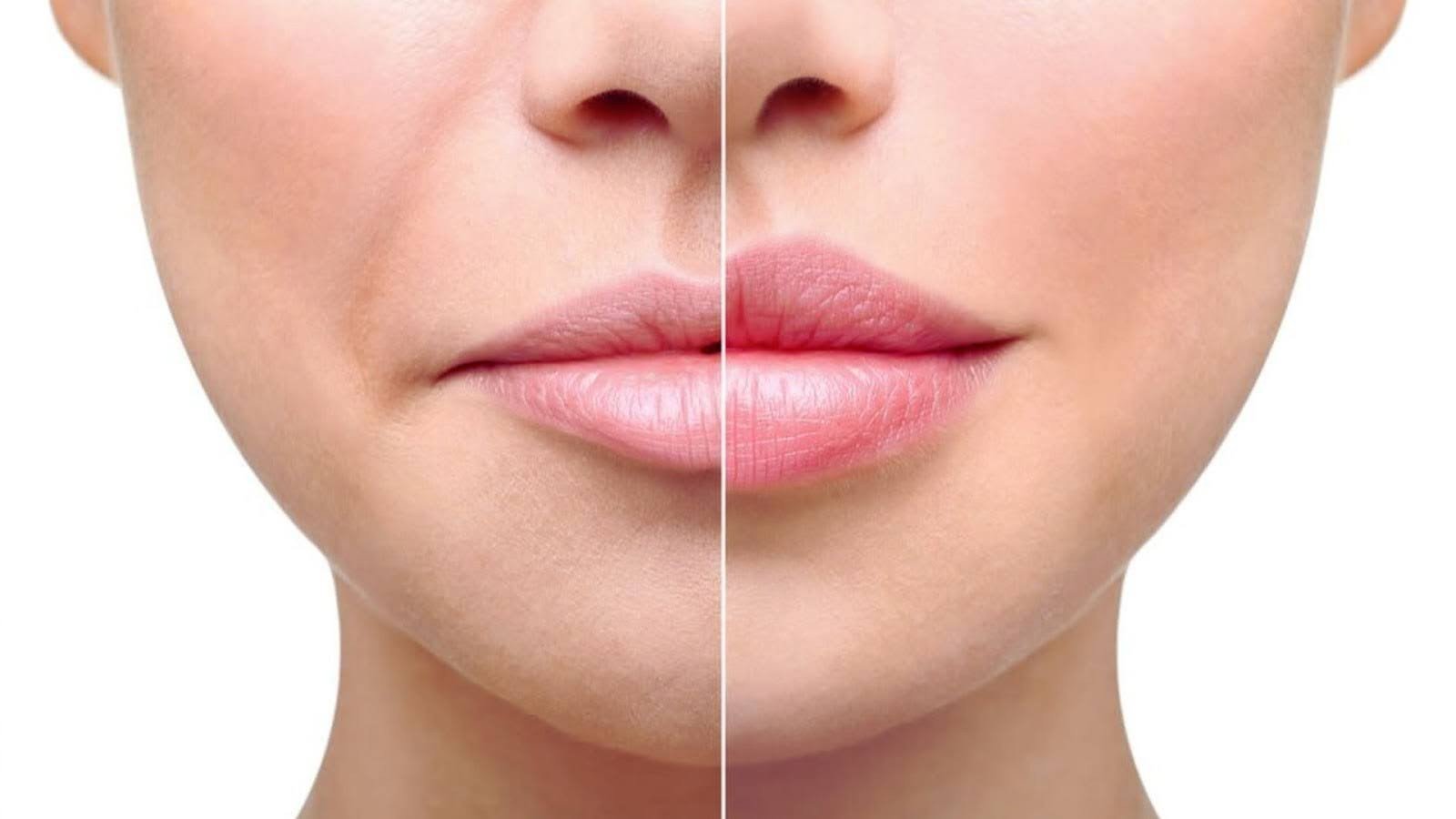
Swelling after lip fillers is completely normal. Your body is simply responding to the treatment.
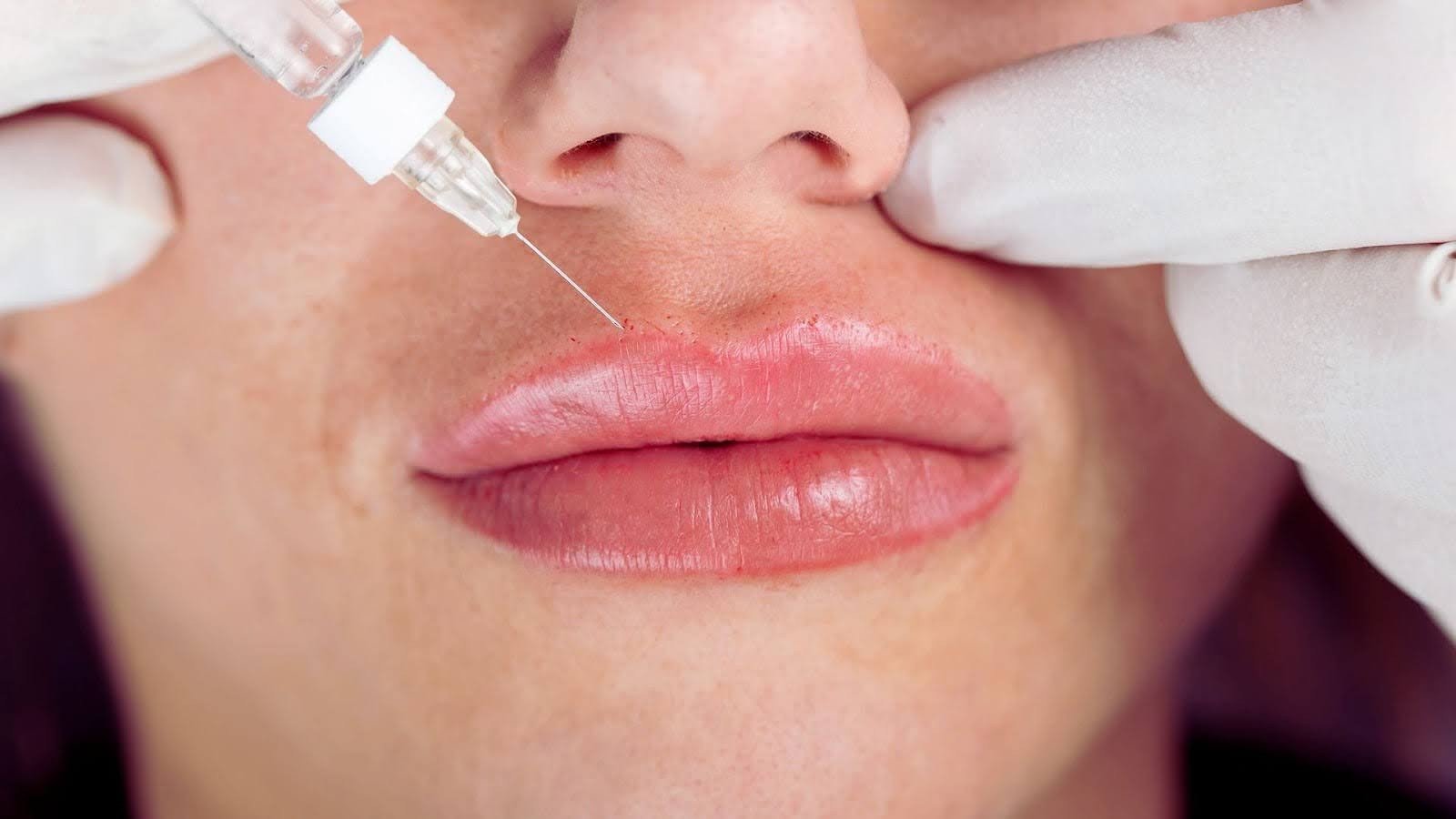
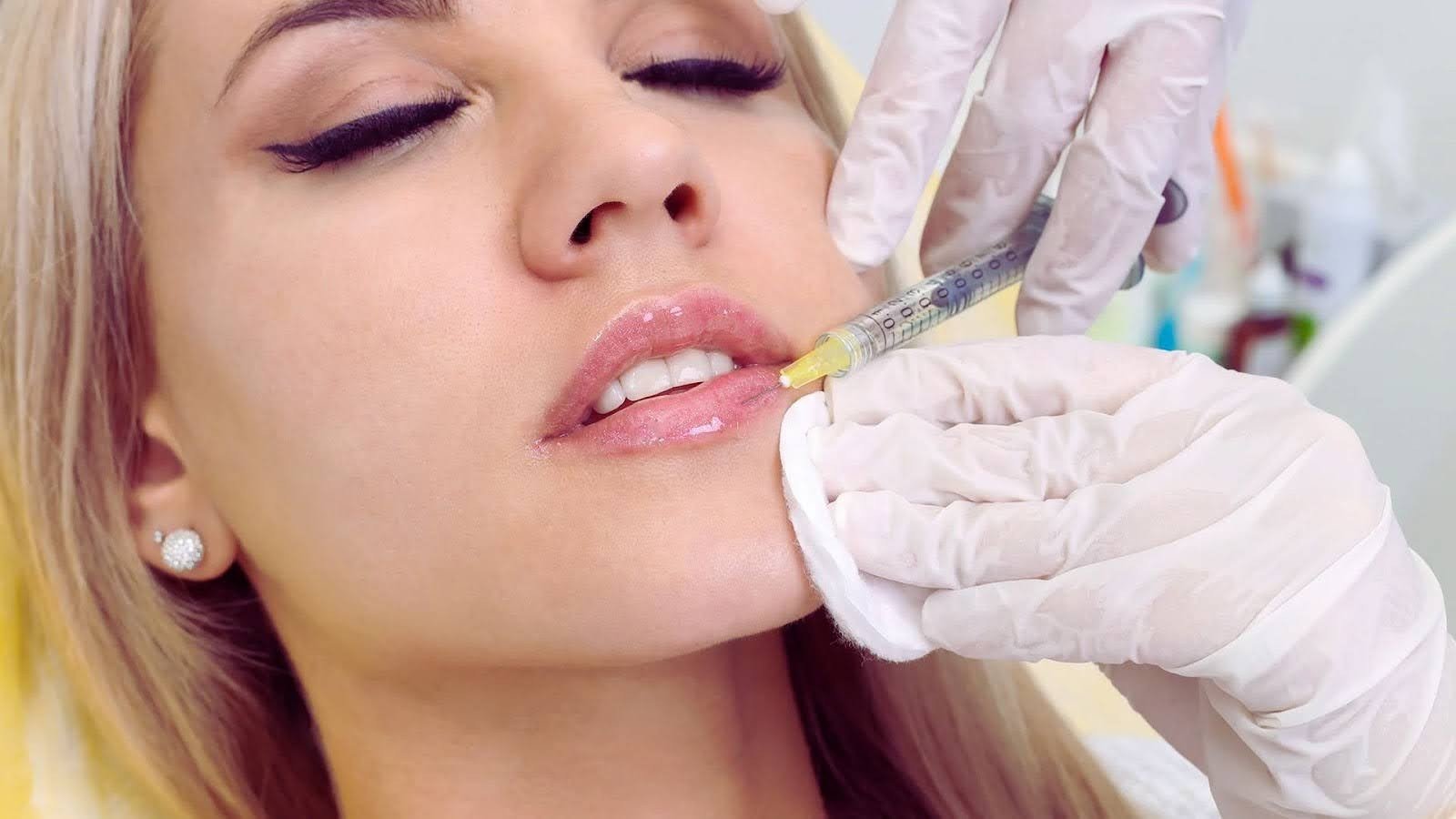
When the needle enters your lips, it creates tiny punctures in the delicate tissue. Your body sends fluid to the area to start healing.
The lips have lots of blood vessels and nerve endings, which makes them extra sensitive. Most lip fillers contain hyaluronic acid, which loves water. It attracts and holds moisture in your lips. In the first few days, it can hold a bit too much water, leading to temporary extra plumpness.
Not everyone swells the same amount. Your skin type, metabolism, and the type of filler used all affect swelling duration.
Thicker formulas may cause more puffiness initially. Your age and overall health also influence how quickly you bounce back.
Typical Lip Filler Swelling Timeline
Let me break down what you can expect day by day.
Day 0: Immediate Swelling
Right after your appointment, you’ll notice puffiness. Your lips will feel fuller than the final result. There’s mild tenderness when you touch them. Some people describe a tight or firm feeling.
Don’t panic if they look bigger than you wanted. This is temporary. Your lips are reacting to the treatment. Take photos now so you can track your progress.
Days 1 to 2: Peak Swelling
This is when swelling hits its maximum. Your lips will look their most swollen during this time. They may feel quite firm or even hard. Some unevenness is normal at this stage.
One side might look bigger than the other. You might have some discomfort, though it shouldn’t be severe. This is the toughest part of recovery, but it passes quickly.
Days 3 to 4: Swelling Starts to Reduce
You’ll start to see real improvement now. The puffiness begins going down noticeably. Bruising may appear if you’re prone to it. The lips still feel tender but less so than before.
This is when gentle care matters most. Keep up with cold compresses. Avoid anything that might irritate the area. Stay away from spicy foods and hot drinks. Your patience is about to pay off.
Days 5 to 7: Near Normal Size
By the end of the first week, swelling is mostly gone. Your lips are close to their final size and shape. You can start to see the actual results of your filler.
The firmness has softened significantly. Most people feel comfortable going about their normal activities. Light makeup application is usually fine at this point. You’re almost there.
Weeks 2 to 4: Final Results
Minor residual swelling may stick around for a few weeks. It’s subtle and most people won’t notice it but you. The filler continues to settle and integrate with your tissue. By week two, you’ll have a good sense of your final look.
Your provider may schedule a follow-up around this time. They can assess if you need any touch-ups. Small adjustments are common and nothing to worry about.
How Long Swelling Lasts: Factors to Consider
Several things influence your personal healing timeline.
Filler Type and Volume:
Thicker fillers take longer to settle. If your injector uses a denser formula, expect a bit more swelling time. The amount of filler also matters. More volume means more initial puffiness.
Someone getting subtle enhancement will have less swelling than someone getting dramatic volume. Ask your provider what they used so you know what to expect.
Aftercare and Lifestyle:
How you care for your lips makes a huge difference. Following aftercare instructions speeds up healing. Cold compresses in the first 48 hours help a lot. Staying hydrated keeps your body functioning well.
Avoiding alcohol and heat is crucial. Both can increase swelling and slow recovery. If you skip aftercare steps, your swelling may last longer than average.
Personal Healing Rate:
Your body has its own healing schedule. Younger people often heal faster. Those with faster metabolism tend to recover quicker. If you have sensitive skin, you might swell more initially.
Previous filler experiences can give you clues. Did you swell a lot last time? You probably will again. Everyone is different, and that’s okay.
Tips to Reduce Lip Swelling Quickly
Here’s what actually helps with recovery:
- Wrap ice packs in a clean cloth and hold them gently against your lips for 10 minutes at a time. Take 10-minute breaks between applications throughout the first day and night.
- Drink at least eight glasses of water daily. Your body needs fluids to heal properly and flush out inflammation. Skip sugary drinks and caffeine in the first few days.
- Take it easy for at least 48 hours. Skip the gym, running, and intense workouts as exercise increases blood flow and can worsen swelling.
- Stay away from saunas, hot yoga, and steam rooms for the first week. Heat exposure can increase puffiness and slow down healing.
- Sleep with your head raised using an extra pillow or two. This prevents fluid from pooling in your face overnight and reduces morning puffiness.
- Keep your lips moisturized with fragrance-free lip balms. Look for simple ingredients like petroleum jelly or coconut oil and reapply throughout the day.
- Avoid exfoliants, lip scrubs, and products with harsh chemicals or strong scents. Your lips need gentle care right now to heal properly.
When to Seek Medical Advice
Most swelling is normal, but sometimes problems arise. Call your provider immediately if you notice severe pain that doesn’t improve with over-the-counter medication, prolonged asymmetry beyond two weeks, or white and pale areas on your lips.
These could mean blocked blood flow and need immediate attention. Signs of infection include increasing redness, warmth, pus, or fever.
Trust your instincts. If something feels wrong, reach out to your injector right away.
Most providers schedule a check-in around two weeks after treatment to assess your results and address any concerns. Don’t skip this appointment even if you feel fine.
It’s an important part of getting the best results and making sure you’re healing well.
Conclusion
I know waiting for swelling to go down can test your patience. I’ve watched friends obsess over their reflection hourly after treatment.
But here’s the truth: how long are lips swollen after filler varies for everyone, typically 7 to 14 days. The key is caring for yourself properly.
Stay hydrated, use those cold compresses, and avoid heat. Your lips will settle beautifully. Give them time to heal. Trust the process and trust your body.
Got questions or want to share your own filler experience? Drop a comment below. I’d love to hear your story.
Frequently Asked Questions
Is it normal for one lip to be more swollen than the other?
Yes, uneven swelling is normal due to different blood flow patterns. It evens out within 3 to 5 days.
Can I wear lipstick while my lips are swollen?
Wait 24 hours, then use gentle products. Avoid harsh chemicals and remove makeup carefully with a mild cleanser.
Does drinking alcohol make lip swelling worse?
Yes. Alcohol thins blood and increases inflammation. Skip it for at least 48 hours, ideally the full first week.
Will my lips swell again after the initial recovery?
Minor swelling can return with heat or salty foods. It’s temporary and won’t match initial post-treatment puffiness.
How can I tell if swelling is normal or a complication?
Normal swelling improves daily. Concerning swelling worsens over time with pain or color changes. Contact your injector if unsure.