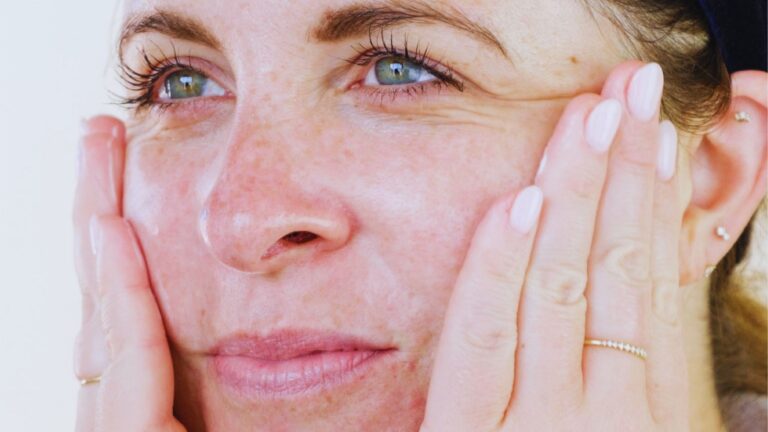
Radio Frequency Ruined My Face: What You Need to Know


Did you search “radio frequency ruined my face” and now you’re scared? I get it. When a treatment goes wrong, you feel helpless and worried.
I’m here to help you fix this.
In this guide, I’ll explain what RF treatments actually do to your skin. You’ll see what can go wrong and why it happens. I’ll show you the warning signs of damage, both right away and long term. Most importantly, I’ll give you real solutions to repair your face.
I’ve spent hours researching cases and checking expert advice. You can trust this information.
Let’s figure this out together.
What Is Radio Frequency Skin Treatment?
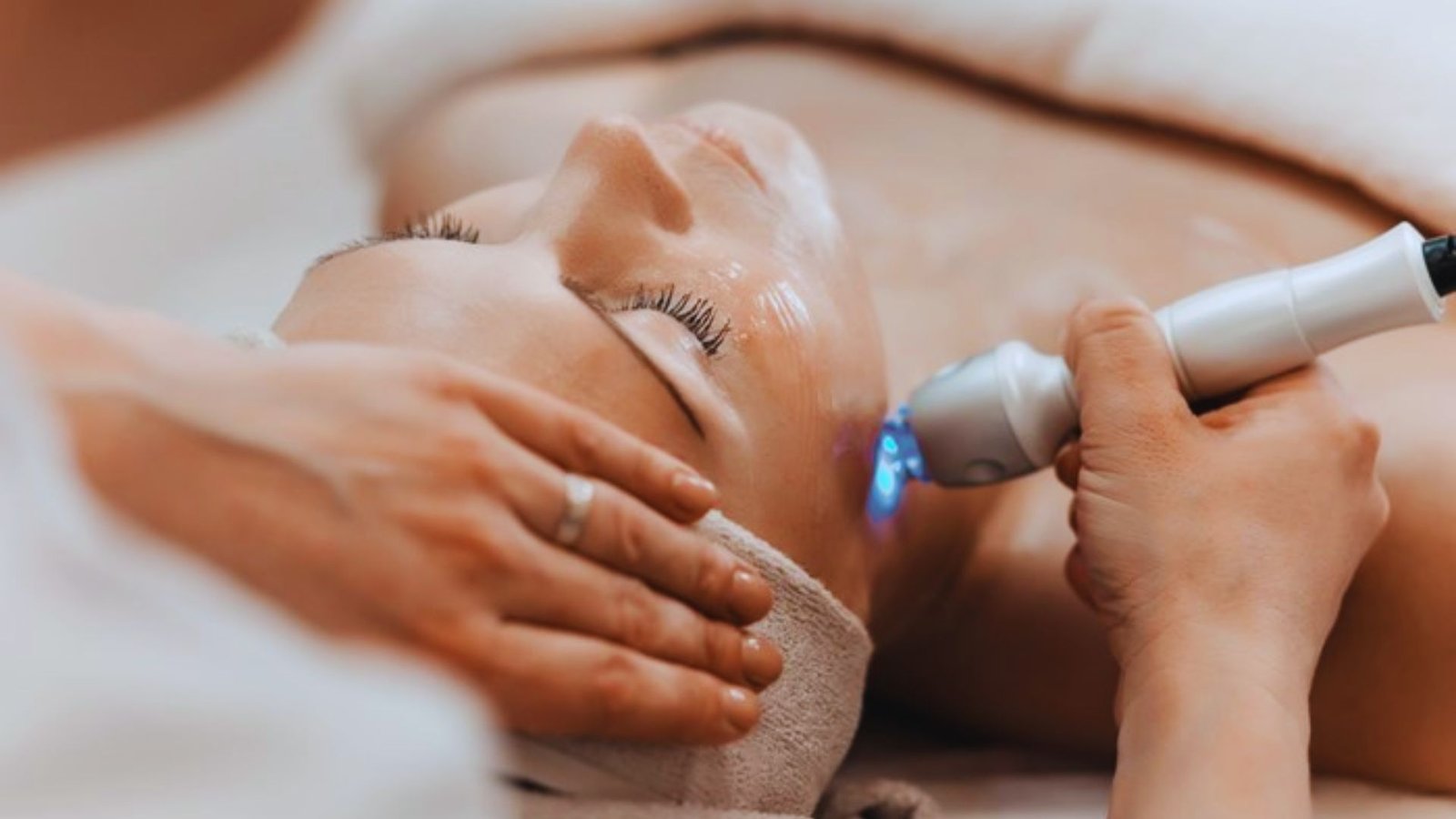
Radio frequency treatments use heat energy to improve your skin. Many people choose them because they don’t involve surgery or needles.
RF devices send electromagnetic energy deep into your skin. This energy heats up the inner layers without burning the surface.
The heat triggers your body to make more collagen and elastin. These proteins keep skin firm and smooth. Your skin starts to regenerate naturally. The process takes a few weeks to show full results.
RF treatments help with skin tightening, reducing wrinkles, smoothing body contours, lifting sagging skin, and improving texture.
People love RF because it works without cutting or downtime. You can return to normal activities right away. It offers results similar to a facelift but much gentler.
Can Radio Frequency Ruin Your Face?
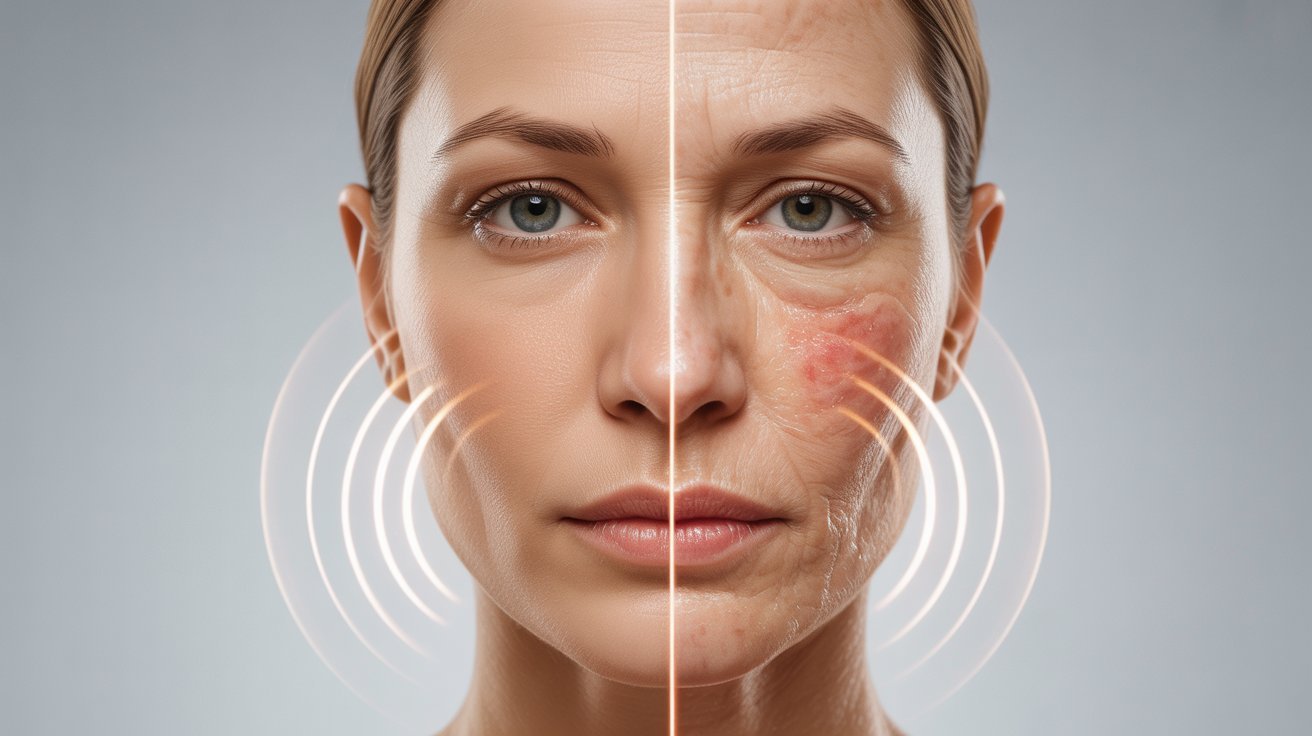
Yes, RF treatments can damage your face when done incorrectly. The risks are real but not common.
RF works by creating controlled thermal damage. Your skin heals itself and becomes tighter. Normal side effects like redness, swelling, and mild peeling go away within a few days.
Real damage happens when the heat goes too deep or stays too long in one spot. Some people lose too much facial fat. Their cheeks become hollow and sunken.
Burns and blisters can form if the device gets too hot. The skin may turn darker or lighter in patches. Uneven texture, scarring, and permanent changes can occur from severe complications.
Signs Your RF Treatment Went Wrong

Knowing what’s normal and what’s not can save your skin.
Immediate Symptoms:
Watch for these warning signs right after treatment:
Severe redness that doesn’t fade after a few hours Intense swelling that gets worse instead of better Sharp or burning pain that feels unbearable Blistering or open wounds on the skin White or gray patches where the device touched
Call your practitioner immediately if you notice any of these.
Long-Term Symptoms:
Some problems show up weeks or months later:
Skin texture becomes bumpy or uneven Hollow areas appear where fat disappeared Face looks more saggy than before Dark or light spots that won’t fade Scars that change the shape of your face No improvement after three or four sessions
These signs mean something went seriously wrong during your treatment.
Causes of RF Treatment Complications

Understanding why problems happen helps you avoid them.
Practitioner-Related Factors
The person doing your treatment matters most. Inexperienced providers make mistakes with device settings. They might use too much heat or hold the probe too long in one spot.
Poor consultation is a red flag. Good practitioners assess your skin type and medical history first. They explain realistic results and possible risks.
Some providers rush through treatments to see more clients. This leads to sloppy technique and uneven results.
Device-Related Factors
Old RF machines don’t work properly. They may overheat without warning. Low-quality devices from unknown brands lack safety features.
Unapproved devices haven’t passed safety testing. They can malfunction and cause burns. A broken or poorly maintained probe delivers uneven heat.
Patient-Related Factors
Your skin type affects how you react to RF. Darker skin tones have higher risk for pigmentation changes. Sensitive skin may burn more easily.
Pre-existing conditions like rosacea or eczema can get worse. Active acne or infections make complications more likely.
Unrealistic expectations also cause problems. Wanting dramatic results leads providers to use settings that are too aggressive.
Prevention: How to Protect Your Face

Taking these steps before treatment can save you from disaster.
Choosing a Qualified Practitioner
Only see a board-certified dermatologist or licensed aesthetician. Check their credentials online. Read reviews from real patients.
Ask how many RF treatments they’ve performed. Request before and after photos of their work. A good provider answers all questions without rushing you.
Schedule a consultation before booking treatment. Walk away if they pressure you or make big promises.
Equipment and Safety Checks
Ask what RF device they use. Look it up to confirm FDA approval. The treatment room should be clean and professional.
Check that the device looks well-maintained. Ask when it was last serviced. Safety features like temperature sensors should work properly.
Don’t be afraid to ask questions about the equipment. Good practitioners appreciate informed patients.
Pre- and Post-Treatment Care
Request a patch test before full treatment. This shows how your skin will react. Wait 24 hours to see if problems develop.
Stay hydrated in the days before treatment. Drink plenty of water and moisturize daily. Avoid sun exposure for at least two weeks before.
After treatment, protect your skin from the sun. Use gentle cleanser and fragrance-free moisturizer. Don’t use harsh products or exfoliants for several days.
What to Do If Radio Frequency Ruined Your Face
Don’t panic. You have options to fix the damage.
- Contact your practitioner right away and document everything with photos. Take pictures daily to track changes.
- See a dermatologist if your practitioner doesn’t respond. Get a second opinion and create a treatment plan.
- Stop all harsh skincare products. Use only gentle, healing ingredients and keep the area clean and protected.
- Dermal fillers can replace lost facial volume. They fill in hollow areas and results show immediately.
- Fat transfer uses your own body fat to rebuild sunken areas. This provides permanent results but requires a minor procedure.
- PRP and PRF therapy helps heal damaged skin. These treatments work well for texture problems and mild scarring.
- Laser treatments, chemical peels, or microneedling can fix pigmentation and scars. Severe cases may need surgical revision from a qualified plastic surgeon.
Conclusion
If you searched “radio frequency ruined my face” because you’re scared right now, I get it. Your concerns are valid and you’re not overreacting.
The good news is that most damage can be repaired with proper medical care.
I’ve seen too many people skip research and regret it later. Please don’t make that mistake. Find a qualified dermatologist who listens to your concerns and creates a real treatment plan.
Have you dealt with RF complications? Drop a comment below and share what helped you heal. Your story might save someone else’s face.
Frequently Asked Questions
How long does it take for RF damage to show?
Some damage like burns appears right away. Other issues like fat loss or texture changes can take weeks or even months to show up.
Can RF treatment permanently damage my face?
Yes, severe cases can cause lasting damage. Fat loss, scars, and skin color changes may be permanent without professional repair treatments.
Is radio frequency safe for all skin types?
RF works for most people but riskier for darker skin. Sensitive skin or certain health conditions require extra caution or complete avoidance.
How much does it cost to fix RF damage?
Minor fixes cost a few hundred dollars. Major repairs with fillers, lasers, or surgery can cost several thousand dollars depending on severity.
Should I try at-home RF devices?
Home devices are safer but less effective. They can still burn your skin if you use them wrong or too often.