Is Dip Powder Bad for Your Nails? 7 Tips

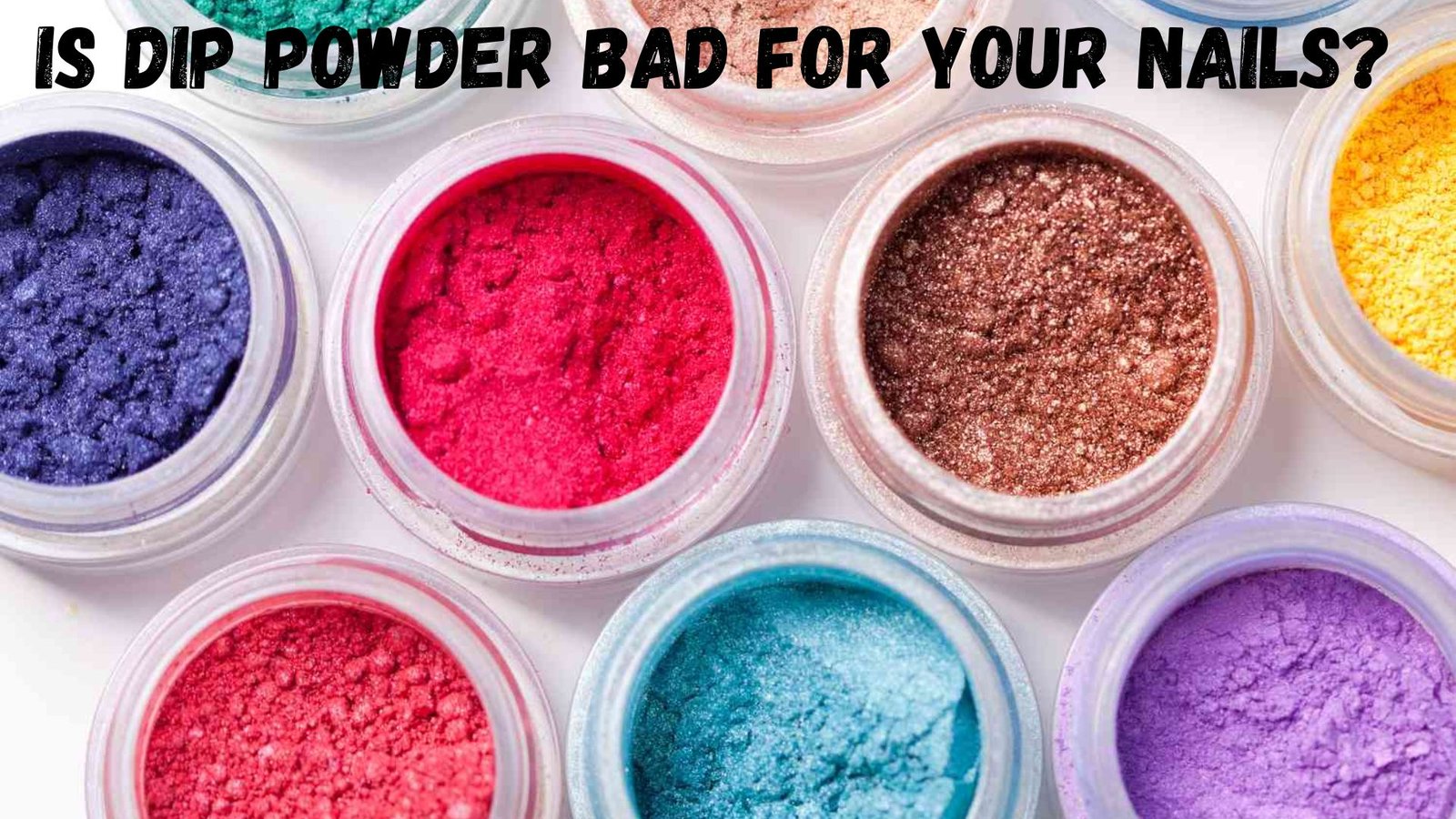
I get it. You want pretty nails that last, but you’re worried that dip powder is bad for your nails. The truth? Dip powder itself won’t ruin your nails.
The real problem is how it’s applied and removed.In this blog, I’ll show you exactly what causes damage and what doesn’t.
You’ll learn what dip powder actually is, why people think it’s harmful, and how to keep your nails healthy while wearing it. I’ll also share practical tips I’ve learned from my own experience.
Trust me, I’ve been there. I’ve seen the horror stories and done the research. Let’s clear this up once and for all.
What Exactly Is Dip Powder?
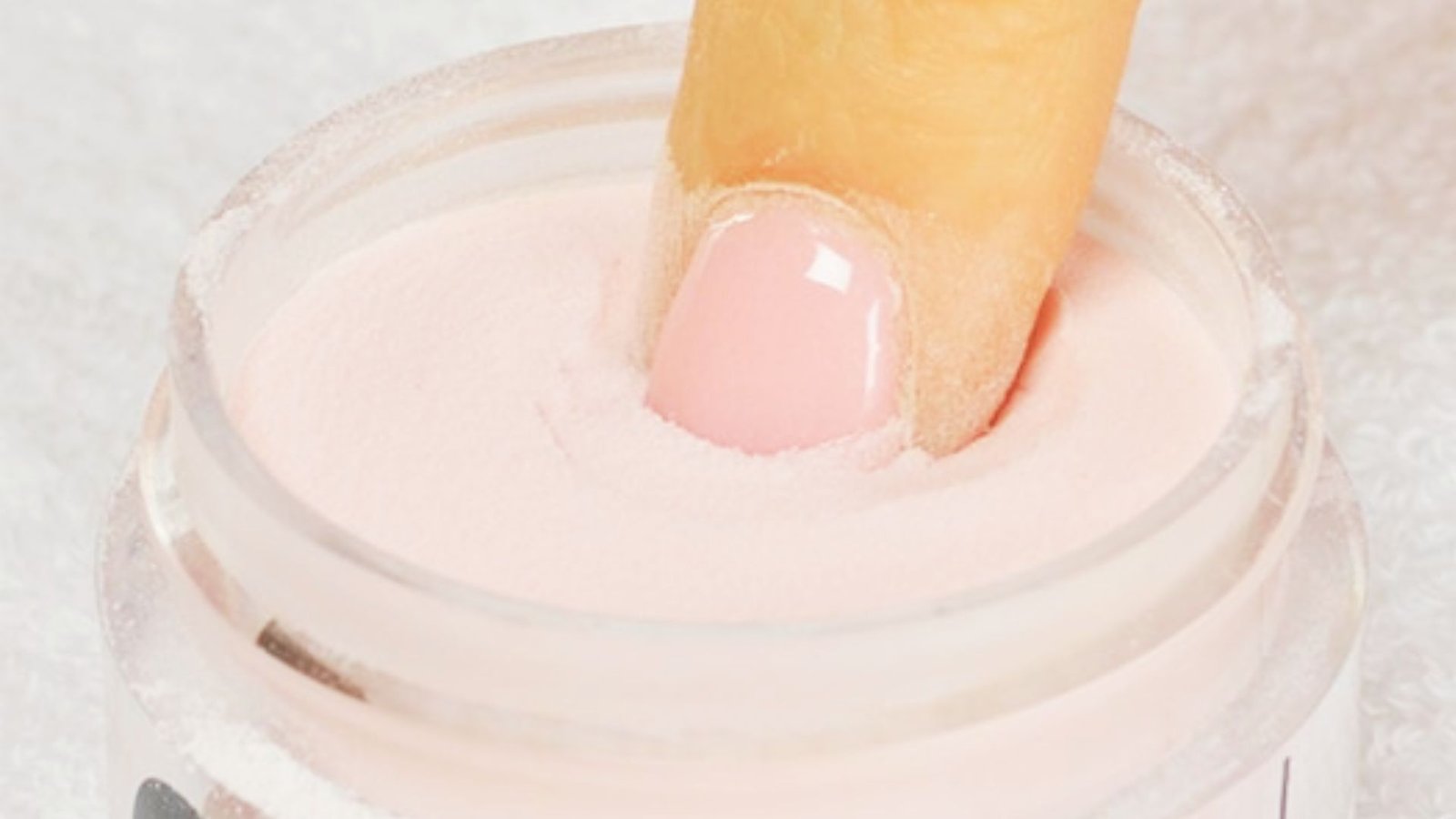
Dip powder is an acrylic-based nail system that creates long-lasting color without UV light exposure.
Dip powder works through a simple layering process. Your nail tech applies a base coat, then dips your nail into colored powder several times. An activator seals it, and a top coat adds shine. No UV lamp needed.
Most dip powders contain acrylic-based ingredients. Quality brands add helpful nutrients like calcium, vitamin E, and keratin.
Cheap powders often contain harsh chemicals that dry out your nails. Good quality powders actually support nail health. Read the ingredient list and look for vitamin-enriched options.
Is Dip Powder Bad for Your Nails? The Real Truth
Dip powder is safe when applied and removed correctly, and it actually protects your natural nails from damage.
Dip powder does not damage your nail plate. When applied properly, it creates a protective layer that shields your nails from daily stress.
Many people with weak nails find they grow longer than ever before.
The confusion comes from bad application or removal. The real culprit is usually the removal method, not the product itself. Most damaged nails came from peeling, picking, or harsh removal.
When Dip Powder Can Hurt Your Nails
Damage happens from improper removal, cheap products, and skipping moisture care after your manicure is done.
Peeling or scraping off dip powder takes layers of your natural nail with it. Do this enough times and your nails become paper-thin.
Over-filing thins your natural nails and makes them weak. Proper soaking takes time but saves your nails from damage.
Cheap brands contain harsh chemicals that make your nails brittle. Invest in good quality powder.
Acetone dries out your nails. If you don’t moisturize after removal, your nails become brittle and crack easily. Hydration is not optional.
How Dip Powder Can Actually Support Nail Health
Quality dip powder strengthens nails with added vitamins and creates a protective shield that encourages healthy growth.
Good dip powders include nutrients your nails need. Calcium makes them stronger. Keratin reinforces the structure. Vitamin E nourishes the nail bed.
Dip powder creates a hard shell over your natural nails. This barrier absorbs daily wear and tear. Your nails aren’t constantly breaking, so they can finally grow.
Gel manicures require UV light. Dip powder skips this entirely. No UV lamp needed.
7 Tips to Keep Dip Powder Nails Healthy
Follow these seven simple practices to protect your nails and make your dip powder manicures work for you.
Never Peel or Pick Off Dip Powder
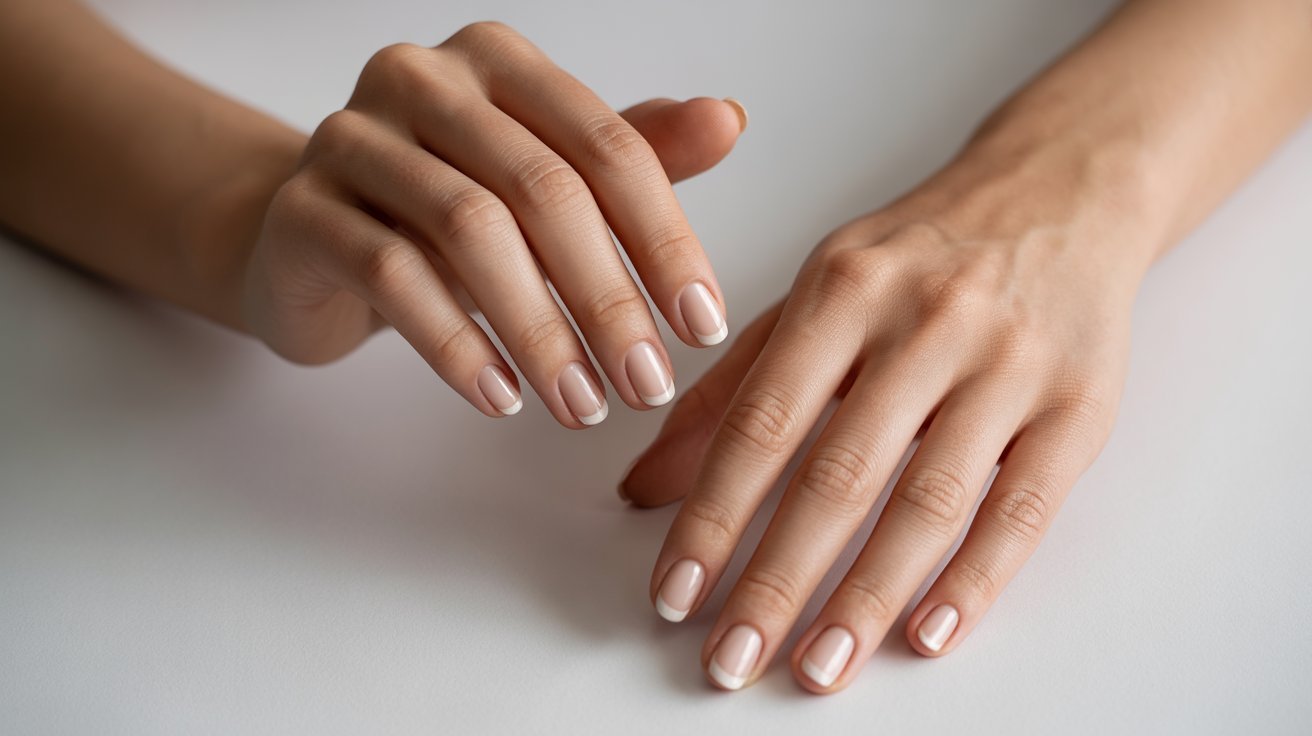
This is the fastest way to destroy your nails. When you peel off dip powder, you rip away layers of your natural nail.
I know it’s tempting. That lifted edge seems easy to grab. But resist the urge. Every single time you peel, you cause real damage.
Book a proper removal appointment. Or buy acetone and do it right at home. Your nails will stay healthy and strong.
Stick to High-Quality, Non-Harsh Powders
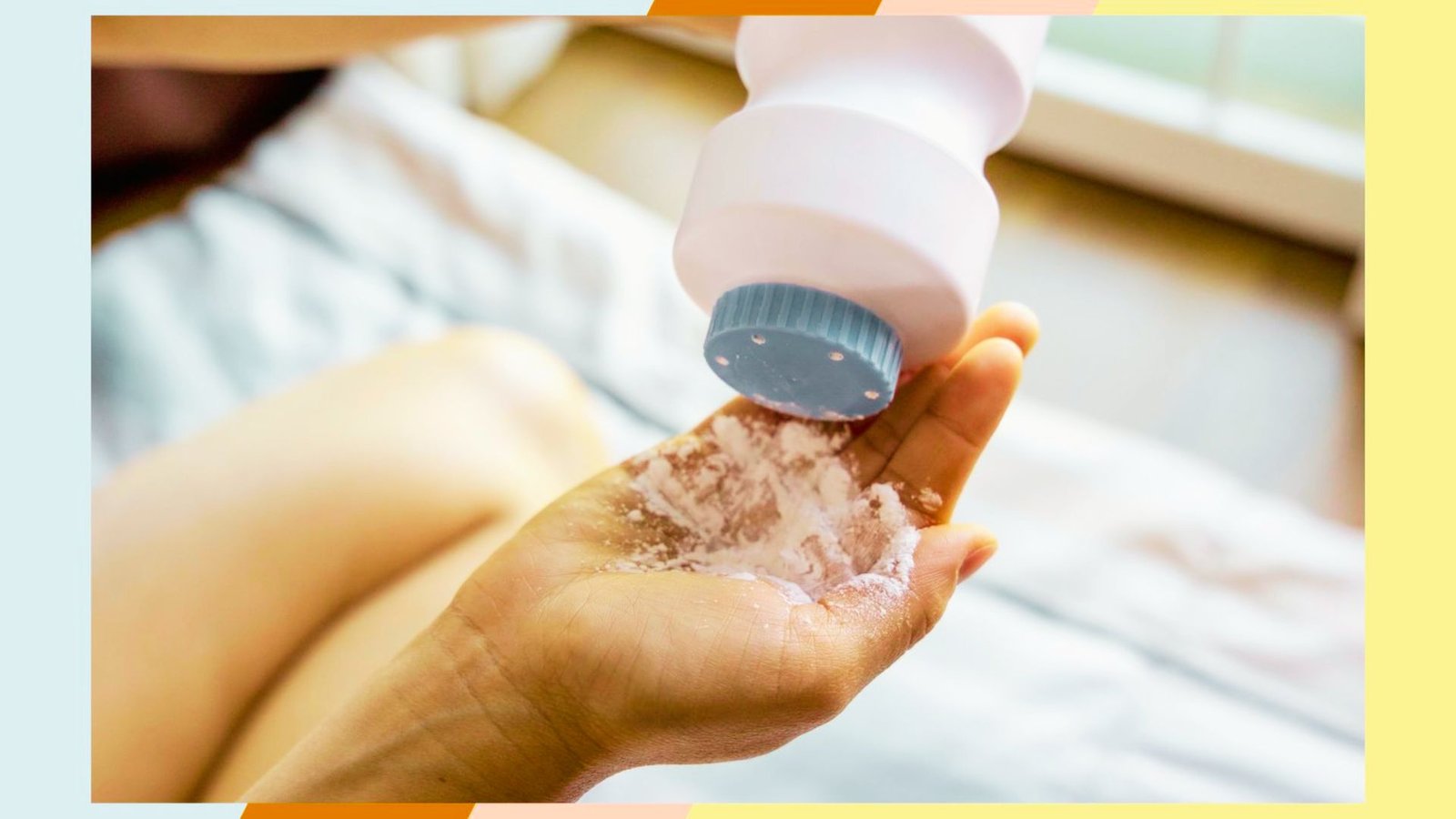
Quality matters more than price. Good powders contain vitamins and gentle ingredients.
Read reviews before buying. Ask your nail tech what brands they use. Look for powders with calcium, vitamin E, and keratin.
Cheap powders might save money now but cost you in nail health later. Make the investment.
Prep Nails Gently, Avoid Heavy Filing
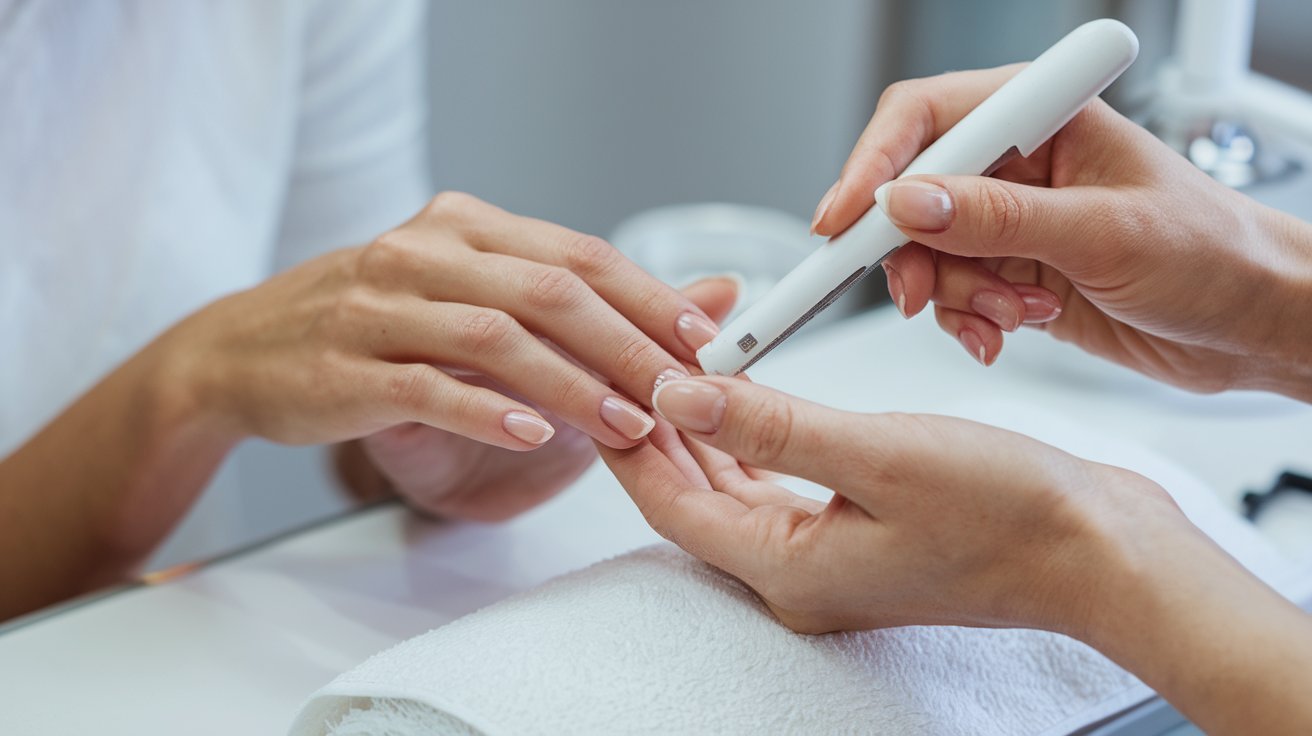
Light buffing is all you need. Your nail surface should be slightly textured, not thin.
Tell your tech to be gentle. Watch what they’re doing. Aggressive filing is never necessary for good adhesion.
If your nails feel hot during filing, that’s too much. Speak up and ask them to stop.
Use Proper Acetone Soak-Off Techniques
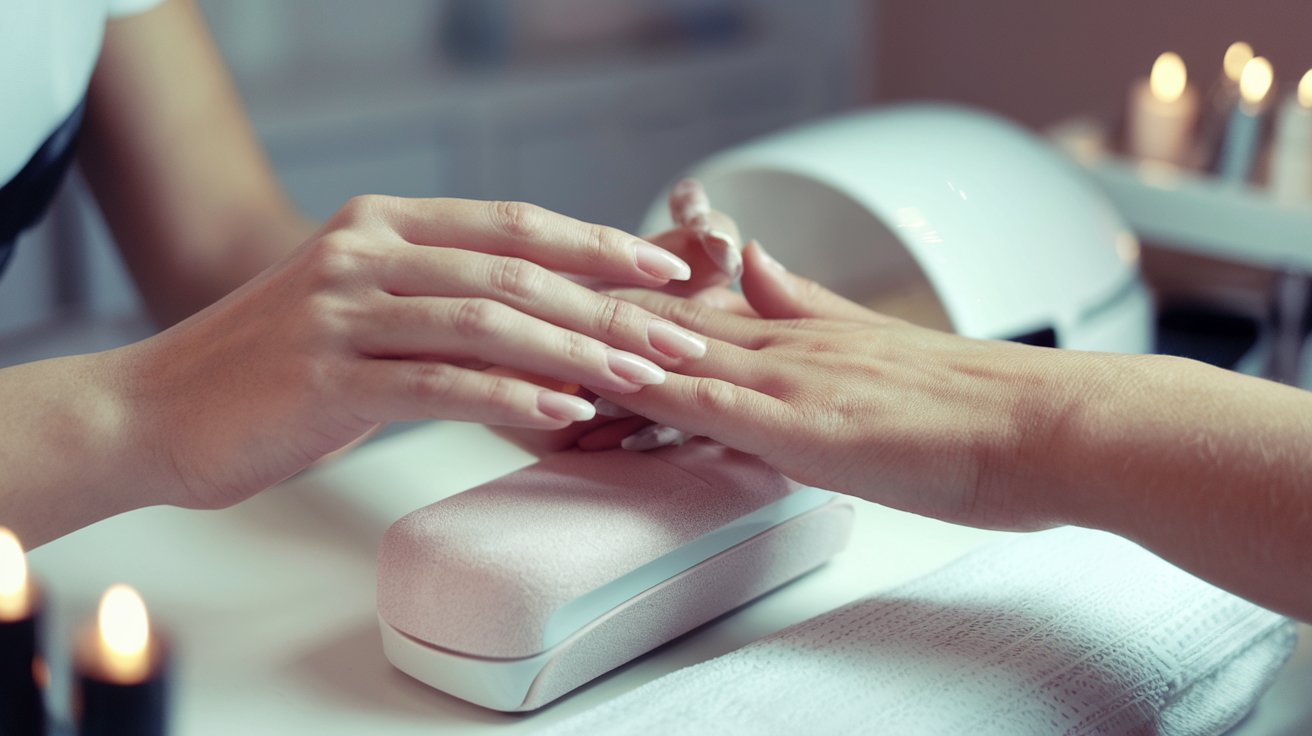
Soak, don’t scrape. Wrap each nail in acetone-soaked cotton and foil. Wait 15 to 20 minutes.
The powder should slide off easily. If it doesn’t, soak longer. Never force it.
Use pure acetone, not nail polish remover. It works faster and requires less scrubbing.
Hydrate Daily With Cuticle Oil & Hand Cream
Apply cuticle oil every single day. Twice a day is even better.
I keep cuticle oil on my nightstand. I apply it before bed without fail. My nails and cuticles stay healthy and flexible.
Hand cream matters too. Keep your hands moisturized, especially after washing.
Give Your Nails a Break Between Sets
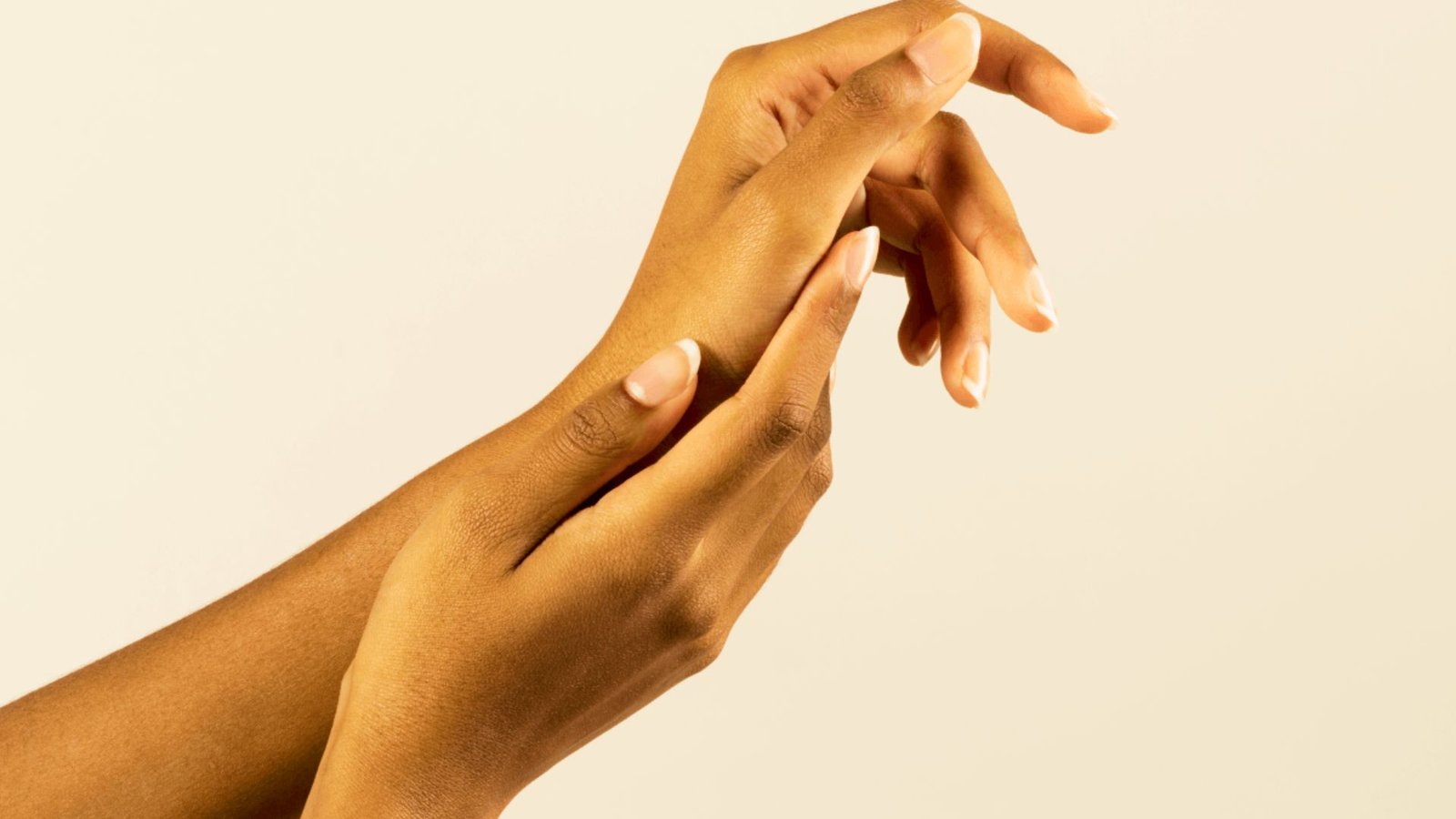
Let your nails breathe sometimes. Take a week or two off between manicures.
During breaks, use a strengthening treatment. Apply cuticle oil more often. Let your natural nails recover and rebuild.
I take breaks every three to four months. My nails stay strong because they get rest time.
Use Strengthening Serums After Removal
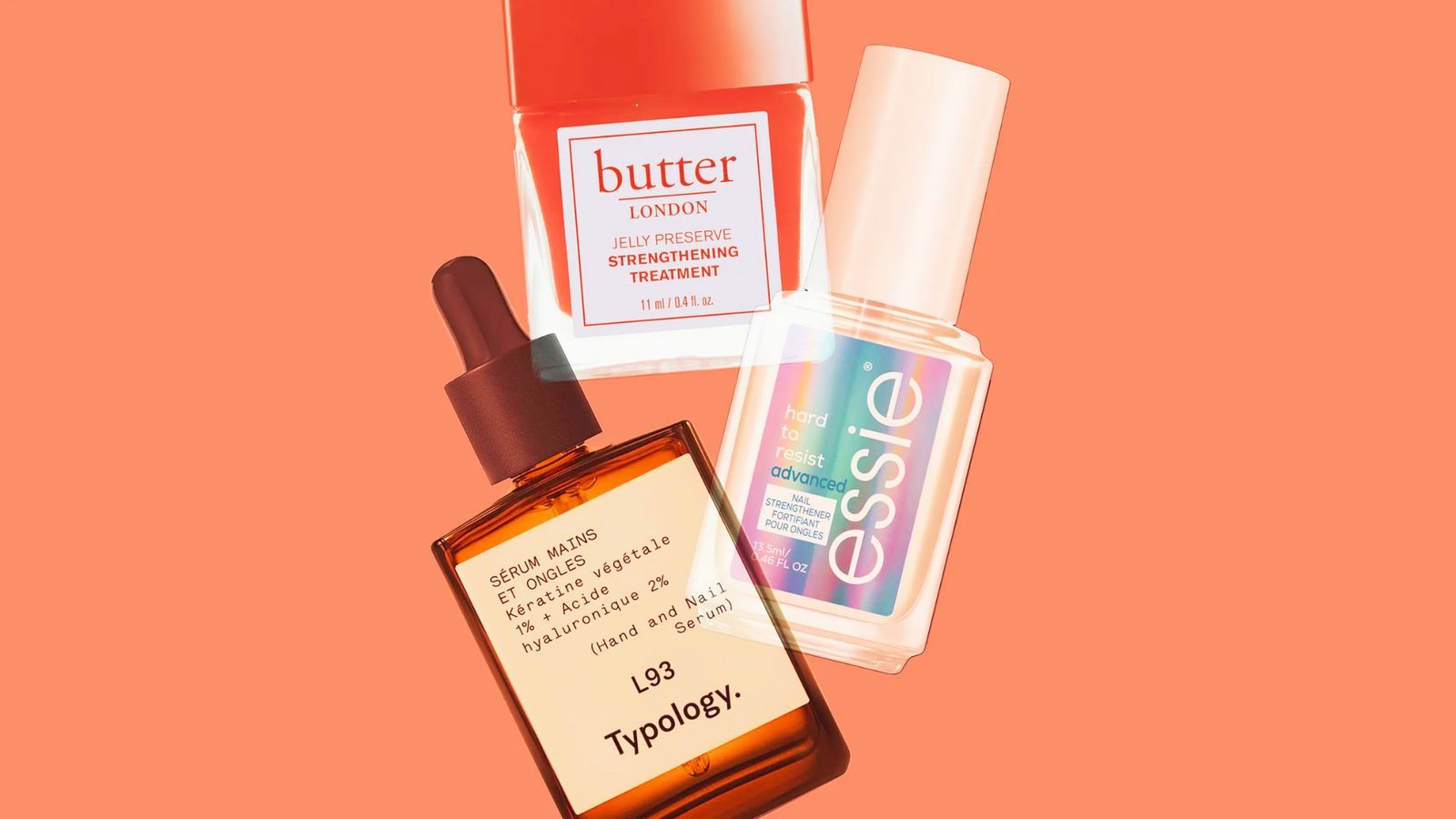
Right after removal, your nails are vulnerable. They need extra support.
Apply a nail strengthener or protein treatment. Use it daily for at least a week. This helps rebuild any minor damage and prevents breakage.
These serums really work. I noticed less peeling and splitting once I started using them regularly.
Comparing Dip Powder to Other Nail Systems
Dip powder compares favorably to gel and acrylic when you look at safety and long-term nail health.
| Feature | Dip Powder | Gel | Acrylic |
| Durability | 2-3 weeks | 2-3 weeks | 3-4 weeks |
| UV Exposure | None | Yes, required to cure | None |
| Fumes/Smell | Minimal | None | Strong, harsh |
| Application | Base coat + powder dip | Brush-on gel + UV lamp | Liquid monomer + powder |
| Removal Process | Acetone soak | Acetone soak | Heavy filing + acetone |
| Damage Risk | Low (if removed properly) | Low (if removed properly) | Higher (aggressive filing) |
Signs Your Nails Need Better Care
Watch for thinning, splitting, or dryness as signals that your nail care routine needs immediate improvement and adjustments.
Thinning or Pain
Thin nails bend easily. They hurt when you press on them. This usually means over-filing.
Stop getting manicures immediately if you feel pain. Let your nails recover fully. It can take months for them to thicken again.
When you resume manicures, insist on gentle prep. No heavy filing. Ever.
Splitting or Peeling
Nails that split down the middle or peel in layers are damaged. This almost always comes from picking off polish or dip powder.
Stop the bad habit now. Use proper removal methods only. Apply nail strengthener during the healing period.
It takes patience but your nails will recover. Mine did after I stopped peeling my gel polish.
Dryness or White Spots
White spots often signal dehydration. Acetone strips moisture from your nails.
Dry, brittle nails break easily. The texture feels rough instead of smooth.
The fix is simple. Hydrate more. Use cuticle oil multiple times daily. Apply hand cream after every wash. Your nails will bounce back within weeks.
Conclusion
I’ve worn dip powder for years and my nails are healthier than ever. The secret? Proper technique and daily moisture care. Is dip powder bad for your nails? Not if you treat them right.
Choose quality products. Remove carefully. Hydrate constantly. Your nails can look beautiful and stay strong at the same time.
Ready to try dip powder the right way? Start with these tips today. Got questions or your own experiences?
Drop a comment below. Let’s help each other keep our nails healthy and gorgeous.
Frequently Asked Questions
Does dip powder make your nails weaker?
No, dip powder does not weaken nails when applied correctly. Damage comes from improper removal or over-filing. The powder itself protects your natural nails from daily stress.
How long should I keep dip powder on my nails?
Dip powder typically lasts two to three weeks. Don’t wear the same set longer than four weeks. Your nails need proper care between applications to stay healthy.
Can I do dip powder at home safely?
Yes, you can do dip powder at home if you follow proper techniques. Use quality products, prep gently, and remove correctly with acetone soaking.
Why are my nails peeling after dip powder?
Peeling happens when you pick off dip powder instead of soaking it off. Each time you peel, you remove layers of your natural nail. Always use acetone soak-off methods.
Should I take breaks between dip powder manicures?
Taking occasional breaks helps your nails recover. Give your nails one to two weeks off every few months. Use strengthening treatments and hydrate daily with cuticle oil.