What Is Liquid aGel Nails?

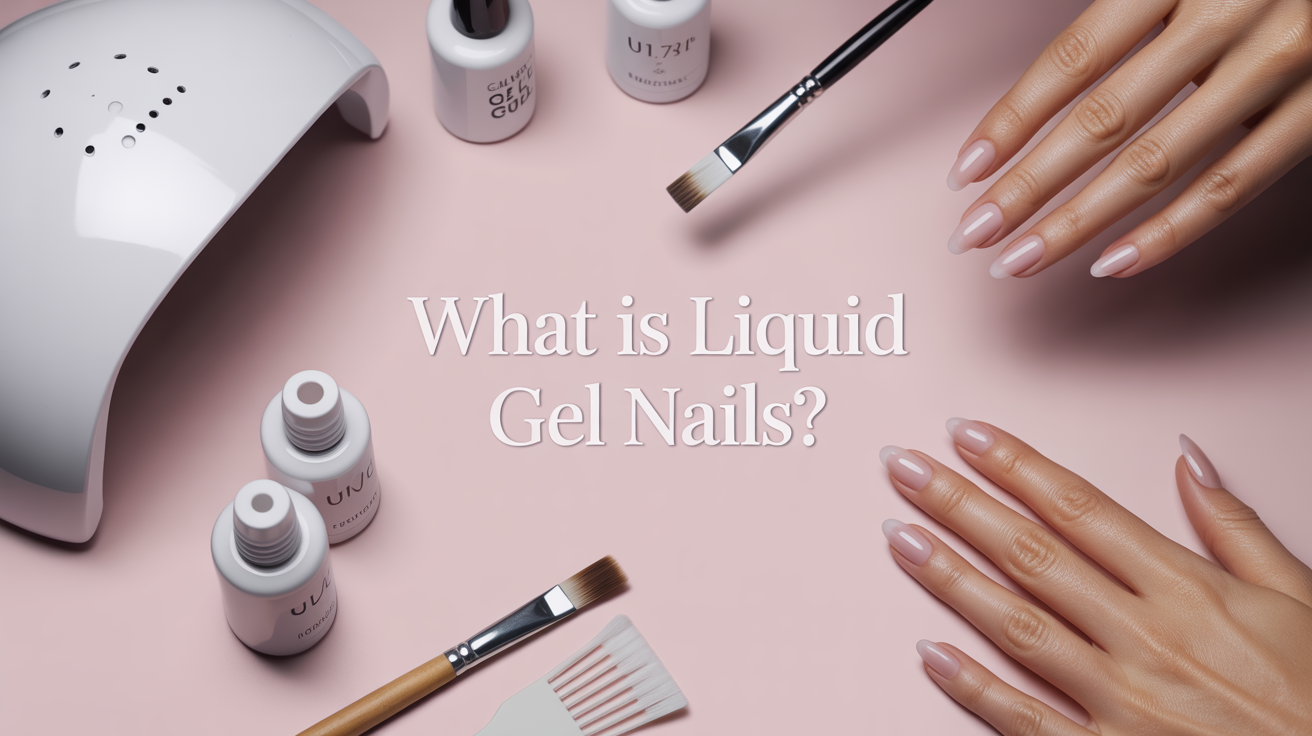
You’ve likely heard about liquid gel nails and questioned if they’re for you. I know I sat in the salon so unsure and overwhelmed by all the options.
This guide will break down liquid gel and hard gel as simply as possible.
You will learn how they work and what distinguishes them as options for your nails, including which option best suits your lifestyle. Plus, I will share the pros and cons of each from experience.
I will not use technical jargon simply explaining the differences. By the end of this, you should be able to explain confidently which option for your next manicure you might want to choose.
Let’s get your questions answered.
Understanding Gel Nail Systems
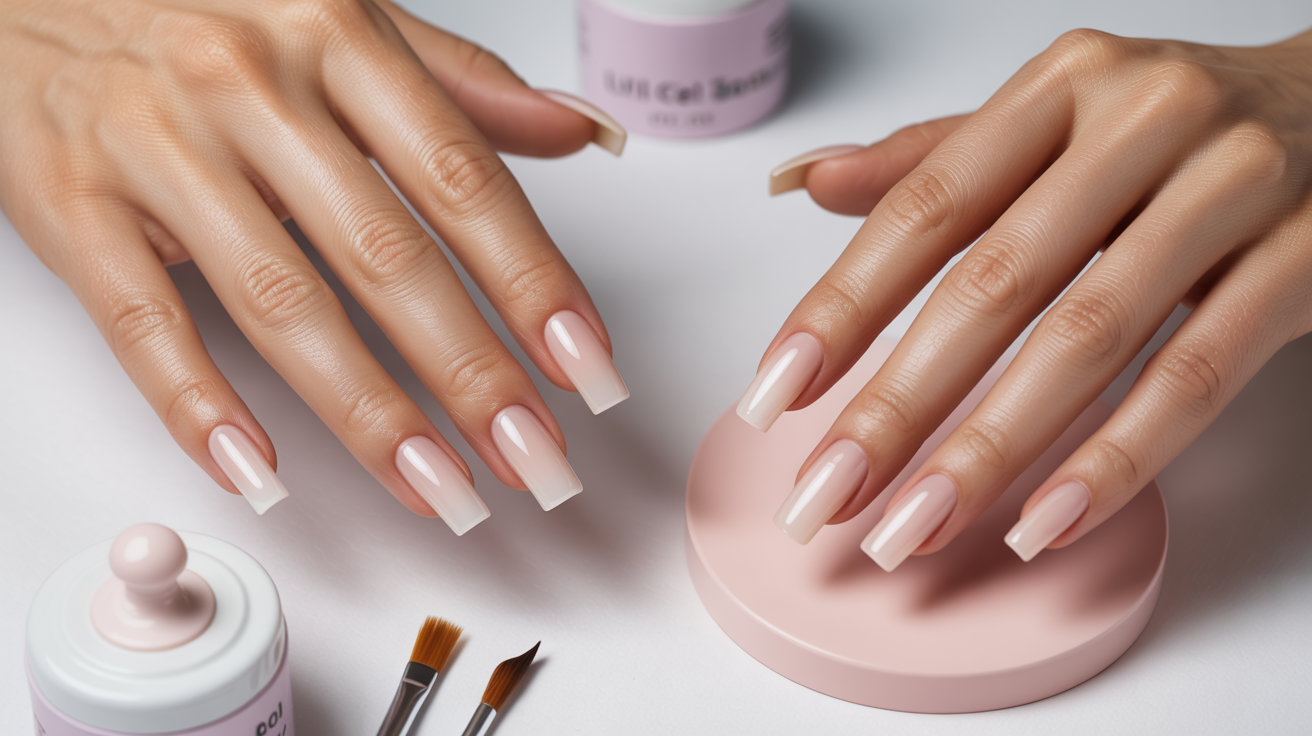
Modern gel systems offer different benefits depending on your needs. Liquid gel and hard gel serve different purposes in nail enhancement.
Liquid gel provides flexibility and a natural appearance, making it perfect for overlays. Hard gel offers rigid structure for longer extensions.
Knowing these differences helps you choose the right system for your lifestyle and nail goals.
What Are Liquid Gel Nails?
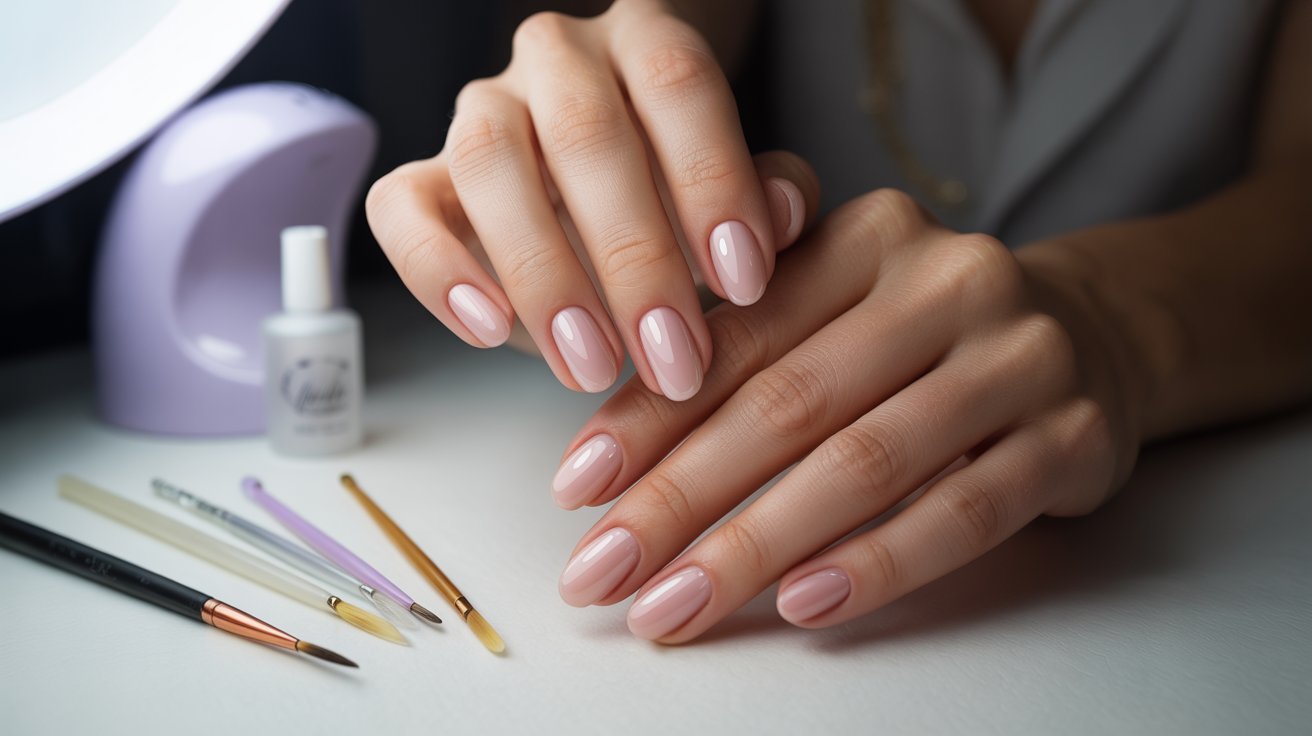
Liquid gel offers a flexible, glossy finish that works great for natural nail reinforcement and subtle styling.
Definition and Basic Composition
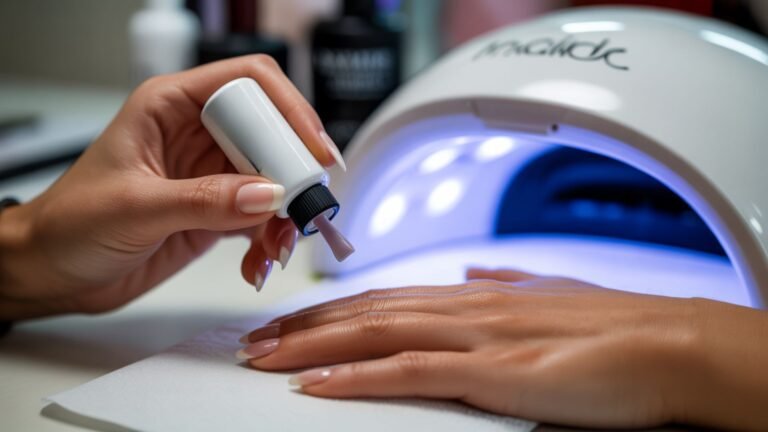
Liquid gel starts as a fluid formula that flows smoothly onto your nails. The consistency is similar to thick polish but with more body. When exposed to UV or LED light, the liquid transforms into a solid, durable coating. This process is called curing.
The formula contains oligomers and photoinitiators. These ingredients react to light and harden the gel. The result is a strong but flexible nail enhancement.
Key Features of Liquid Gel
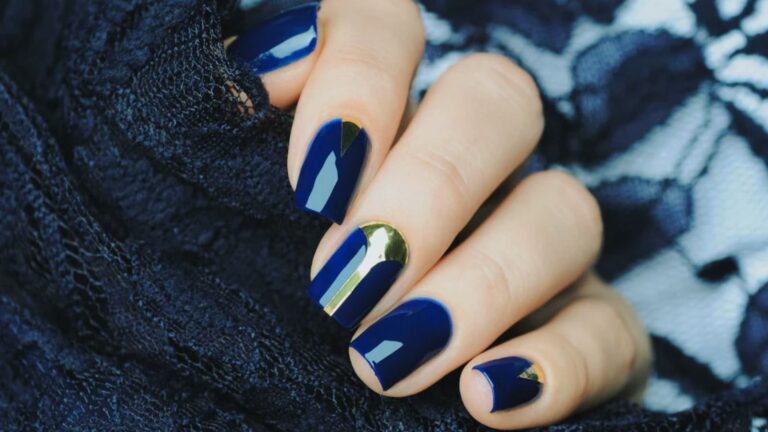
Liquid gel bends with your natural nail instead of staying completely rigid. This flexibility prevents cracking when you accidentally bump your nails. The finish is incredibly glossy, almost like glass.
The overlay looks natural and blends well with your nail bed. Most applications last 2 to 3 weeks without chipping. The thin layers feel lightweight and comfortable.
How Liquid Gel Nails Are Applied
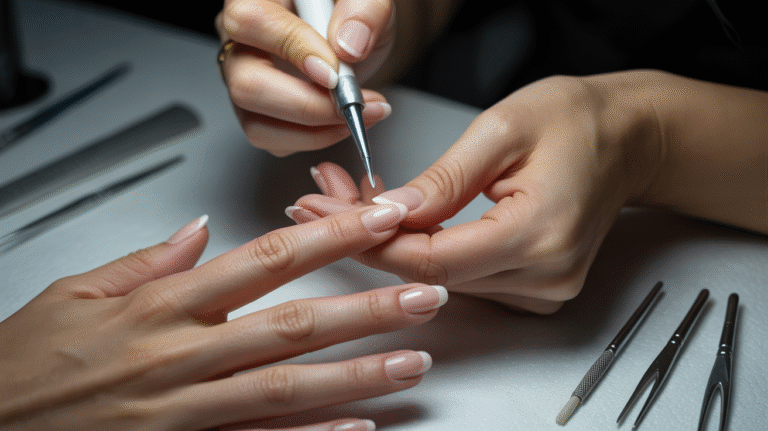
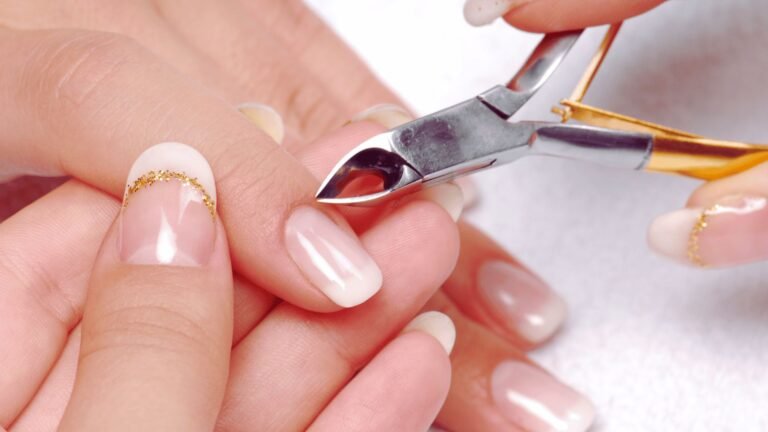
Your nail tech starts by prepping your nails. This includes filing, buffing, and cleaning the surface. A thin base layer goes on first and gets cured under the lamp.
Multiple gel layers follow, with each one cured separately. You can add color at this stage if you want. A top coat seals everything and adds extra shine. After the final cure, your tech wipes away the sticky residue layer.
When to Choose Liquid Gel Nails
Pick liquid gel when you want to strengthen your natural nails without adding much length. It’s perfect if you need a flexible manicure that resists chips. The formula works well for reinforcement or short extensions up to half an inch.
I recommend it for people who type a lot or use their hands constantly. The flexibility means less breakage during daily activities.
What Is Hard Gel?
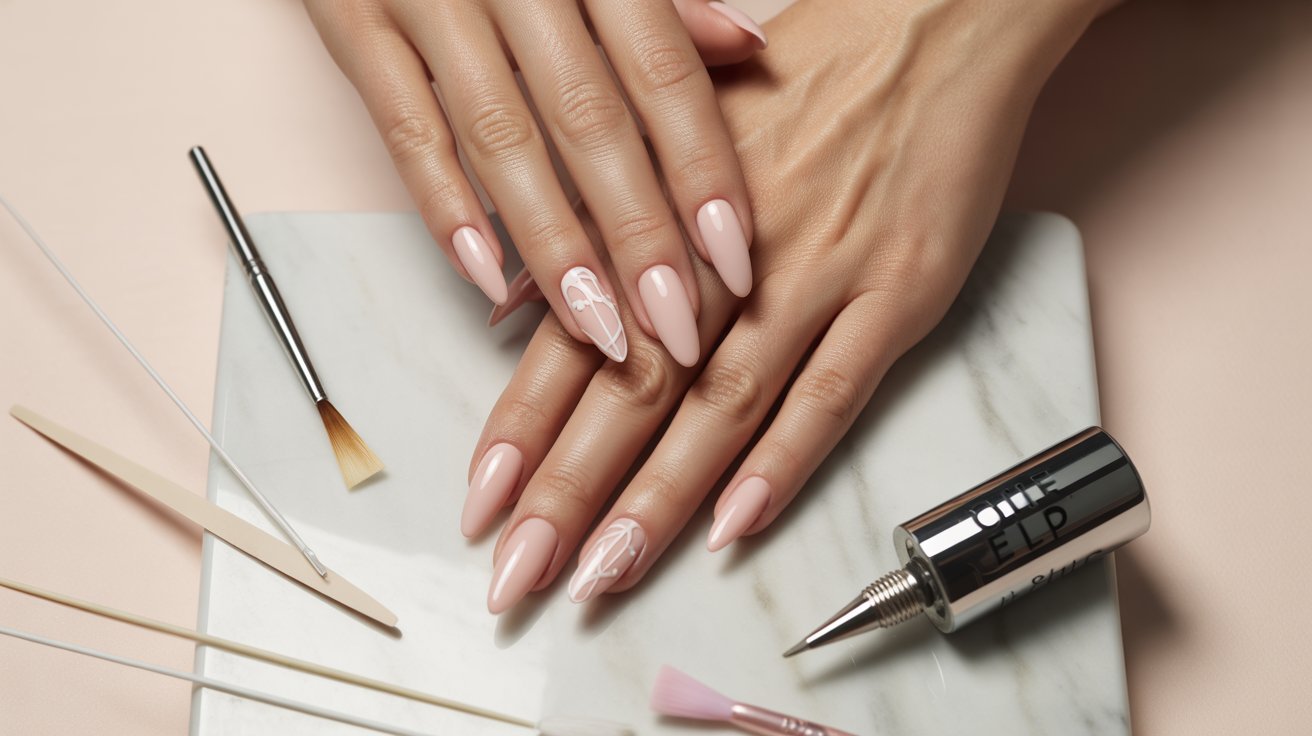
Hard gel provides maximum strength and structure, making it the go-to choice for long, sculpted nail designs.
Definition and Characteristics
Hard gel is a thick, sturdy formula designed for building structure. Unlike its liquid counterpart, this gel cannot be soaked off with acetone. You need to file it down completely for removal.
The texture is noticeably thicker and holds its shape during application. Once cured, it creates a rigid surface that doesn’t bend easily.
How Hard Gel Is Applied
Your nail tech uses forms or tips to create the foundation. These provide the structure for building length. The gel is applied in layers, with each layer cured under the lamp.
The layering process allows the tech to sculpt and shape your nails precisely. Multiple applications create the desired thickness and strength.
Strengths of Hard Gel
Hard gel is incredibly durable and resists breaking. It’s excellent for creating long extensions that need structural support. The rigid formula maintains nail shapes beautifully, even with dramatic designs.
You can achieve stiletto, coffin, or almond shapes that stay perfect for weeks. The strength is unmatched compared to softer gel formulas.
When Hard Gel Is the Better Option
Choose hard gel if you want nails longer than an inch. It’s ideal when you need rigid enhancements that won’t flex. People who want sculpted, statement nails should go with this option.
If you’re hard on your hands but want long nails, hard gel holds up better. The extra strength prevents snapping and breaking.
Liquid Gel Nails vs Hard Gel: Key Differences
Understanding these differences helps you pick the right gel system for your specific needs and preferences.
| Feature | Liquid Gel | Hard Gel |
| Flexibility | Bends and flexes with natural nail movement | Rigid and provides maximum structural support |
| Thickness | Thinner, lighter applications | Thicker, more noticeable layers |
| Appearance | Natural and subtle | More dramatic and visible |
| Best For | Natural overlays, short extensions (under 0.5 inch) | Long extensions, sculpted designs |
| Removal | Can be soaked off with acetone (soft types) | Must be filed off completely |
| Durability | Lasts 2-3 weeks, maintains flexibility | Lasts 2-3 weeks, stays strong on long nails |
| Weight | Lightweight and barely noticeable | Heavier feel, especially with length |
| Comfort | Very comfortable for daily wear | Substantial feel, some find it heavier |
| Sculpting | Limited length-building ability | Excellent for dramatic extensions |
| Maintenance | May need more frequent upkeep for active lifestyles | Holds up better to high-impact activities |
How Liquid Gel Compares to Other Popular Nail Systems
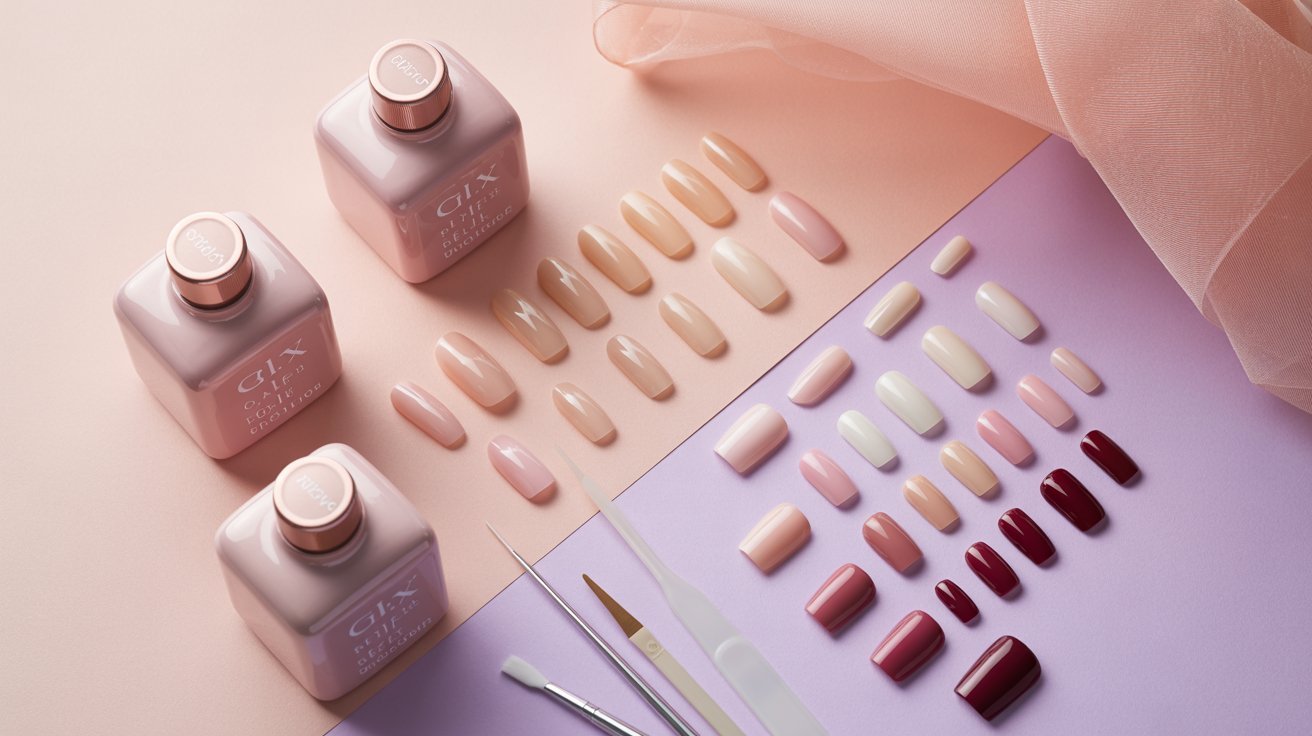
Knowing how liquid gel stacks up against other systems helps you make informed choices.
Liquid Gel vs Gel-X
Gel-X uses full-cover soft gel tips that are pre-shaped. The application is faster than traditional building methods. These tips soak off easily with acetone, just like soft gel.
Gel-X creates uniform extensions quickly. Liquid gel offers more customization during application. Both provide a natural look.
Liquid Gel vs Soft Gel
Soft gel is more flexible and fully soakable in all formulations. It’s designed primarily for overlay and adding color. The formula provides less structure than liquid gel.
Soft gel is great for polish-like applications. Liquid gel bridges the gap between soft gel and hard gel.
Liquid Gel vs Gel Polish
Gel polish adds color but provides no structural support. You can’t build nails or add length with it. The formula is much thinner than liquid gel.
Gel polish works on natural nails only. Liquid gel strengthens and reinforces while adding shine.
Pros and Cons of Liquid Gel Nails
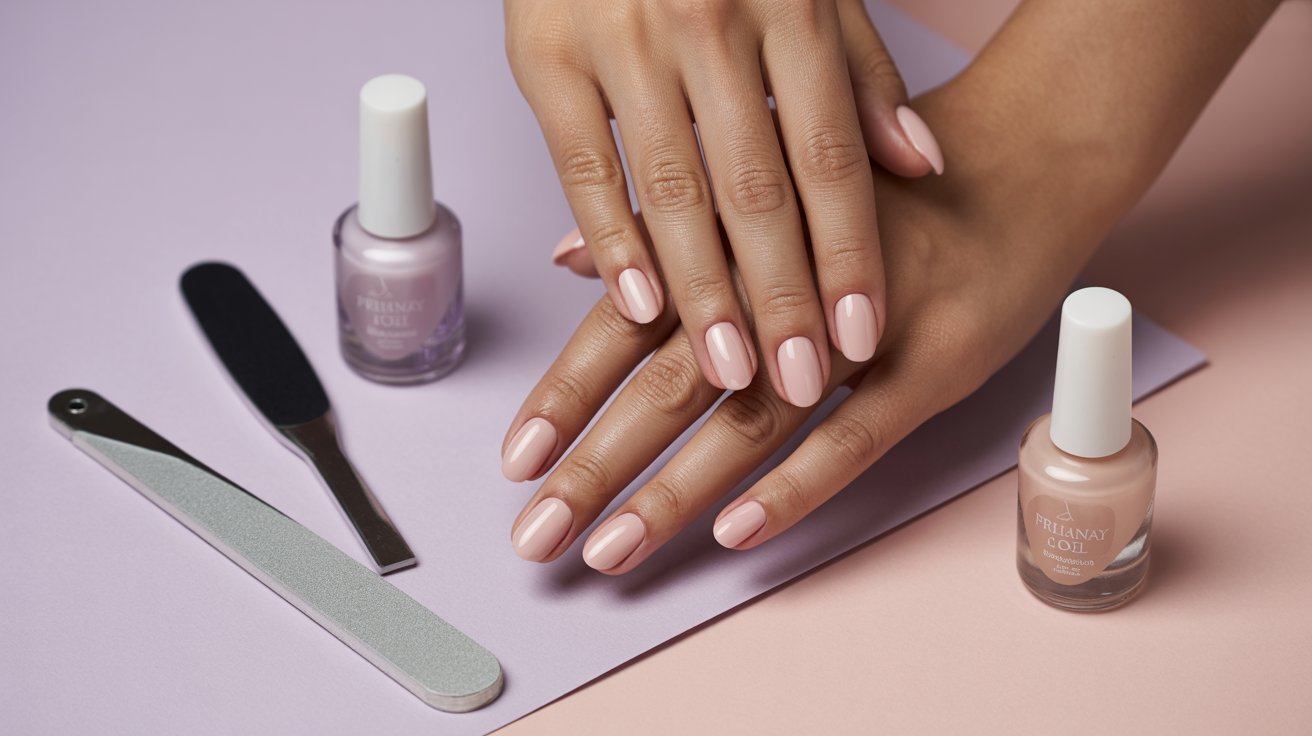
Weighing the advantages and disadvantages helps you decide if liquid gel fits your needs.
Pros
Liquid gel is flexible, shiny, and looks natural on your nails. When removed correctly, it causes less damage than harsher systems. The formula is great for building nail strength and creating overlays.
I find it perfect for everyday wear. It holds up well to typing and regular activities.
Cons
Liquid gel isn’t ideal for extensions longer than half an inch. If you have a high-impact lifestyle, you might need more frequent maintenance. The flexibility that makes it comfortable also means it’s less suitable for extreme length.
Active jobs or sports might cause more wear. You’ll need touch-ups sooner.
Pros and Cons of Hard Gel
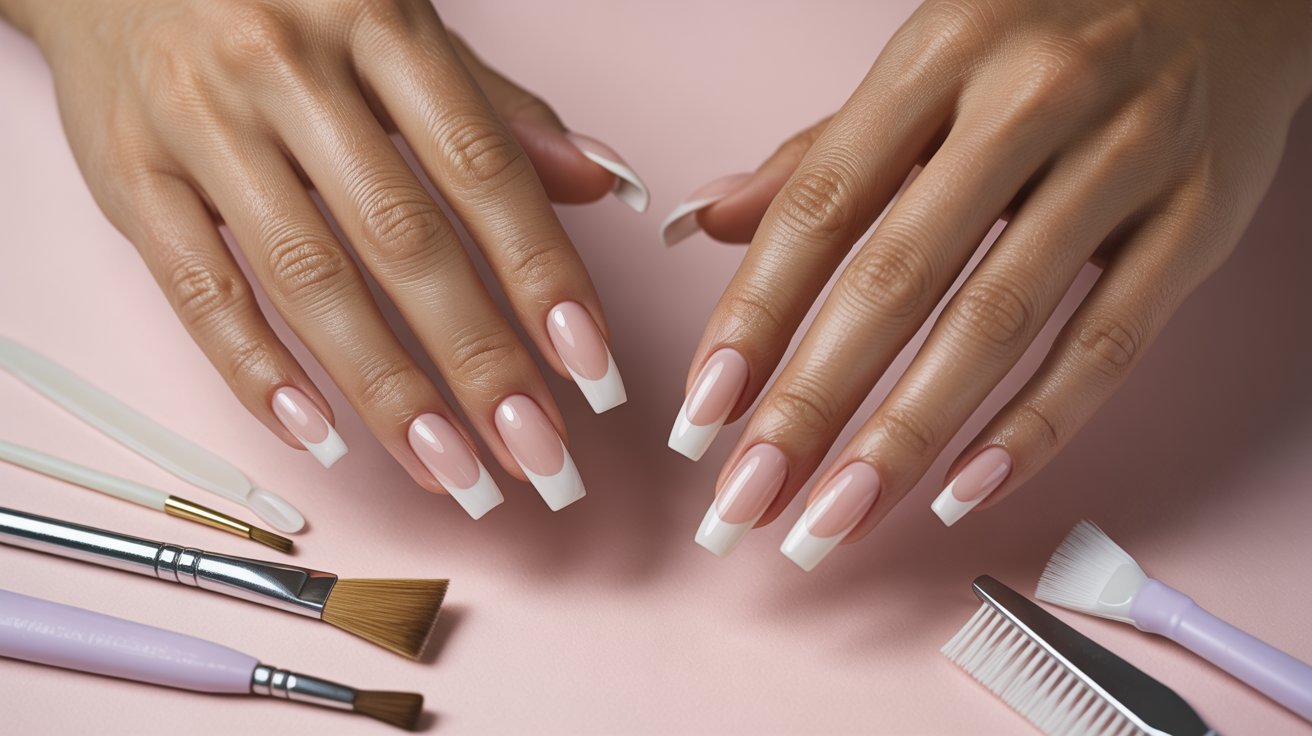
Consider these factors when deciding if hard gel matches your nail goals.
Pros
Hard gel is excellent for sculpting longer nails that need structure. The formula is very strong and durable. You can create dramatic shapes that last for weeks.
The strength means fewer breaks. Your nails stay perfect longer.
Cons
Hard gel cannot be soaked off like softer formulas. Removal requires complete filing, which takes time. The feel is slightly heavier than liquid gel, especially with length.
Some people find the weight uncomfortable. Removal requires a skilled technician.
Which Should You Choose?
Your lifestyle, nail goals, and personal preferences determine the best option for you.
Best Option for Natural Nails
Go with liquid gel if you want to strengthen your natural nails. The thin, flexible formula reinforces without adding bulk. It looks subtle and professional.
Natural nail wearers benefit from the added protection. Your nails grow stronger underneath.
Best Option for Long Extensions
Choose hard gel for lengths over one inch. The rigid structure supports dramatic designs. You can create bold shapes that stay intact.
Long nail lovers need the extra strength. Hard gel delivers lasting results.
Best for Beginners vs Advanced Users
Beginners often find liquid gel easier to manage. The thinner formula is more forgiving during application. Advanced users can handle both but might prefer hard gel for complex sculpting.
Start with liquid gel to learn techniques. Progress to hard gel for advanced designs.
Lifestyle and Nail Health Considerations
Active lifestyles do better with hard gel for long nails. Office workers and typists prefer liquid gel’s flexibility. Consider your daily activities when choosing.
Nail health matters too. If your nails are weak, start with liquid gel overlays. Build up to hard gel as they strengthen.
Conclusion
Both liquid gel and hard gel have their place in nail care. Liquid gel gives you flexibility and a natural look. Hard gel provides strength for longer lengths. I personally switch between them based on what I’m doing that month.
Think about your daily routine and what you want from your nails. A good nail tech can guide you based on your nail condition. Try both systems to see which one you love. Drop a comment below and tell me which gel system you prefer!
Frequently Asked Questions
Can I switch between liquid gel and hard gel?
Yes, you can switch between both systems anytime. Just make sure each previous application is properly removed first.
How long does each type last?
Both liquid gel and hard gel typically last 2 to 3 weeks. Your lifestyle and nail growth rate affect how long they stay perfect.
Is one option more damaging than the other?
Neither system is inherently damaging when applied and removed correctly. Hard gel requires more filing during removal, so always go to a trained professional.
Can I do liquid gel at home?
You can apply liquid gel at home with the right tools and practice. You’ll need a UV or LED lamp and proper products to get started.
Which option costs more?
Hard gel usually costs more due to the sculpting process and time involved. Liquid gel applications are generally quicker and slightly less expensive.