Does Botox Dissolve? Understanding How It Wears Off

You’ve probably heard about Botox. It’s one of the most talked-about treatments out there, used for everything from smoothing wrinkles to treating medical conditions.
But here’s a question you might be wondering: Does Botox actually dissolve in your body?
If you’re thinking about getting Botox or you’ve already had it done, you’re likely curious about what happens next.
How long will your results last? Where does Botox go? This blog will help you understand how Botox wears off over time, where it travels in your system, and what your body does with it after the effects fade.
What is Botox?
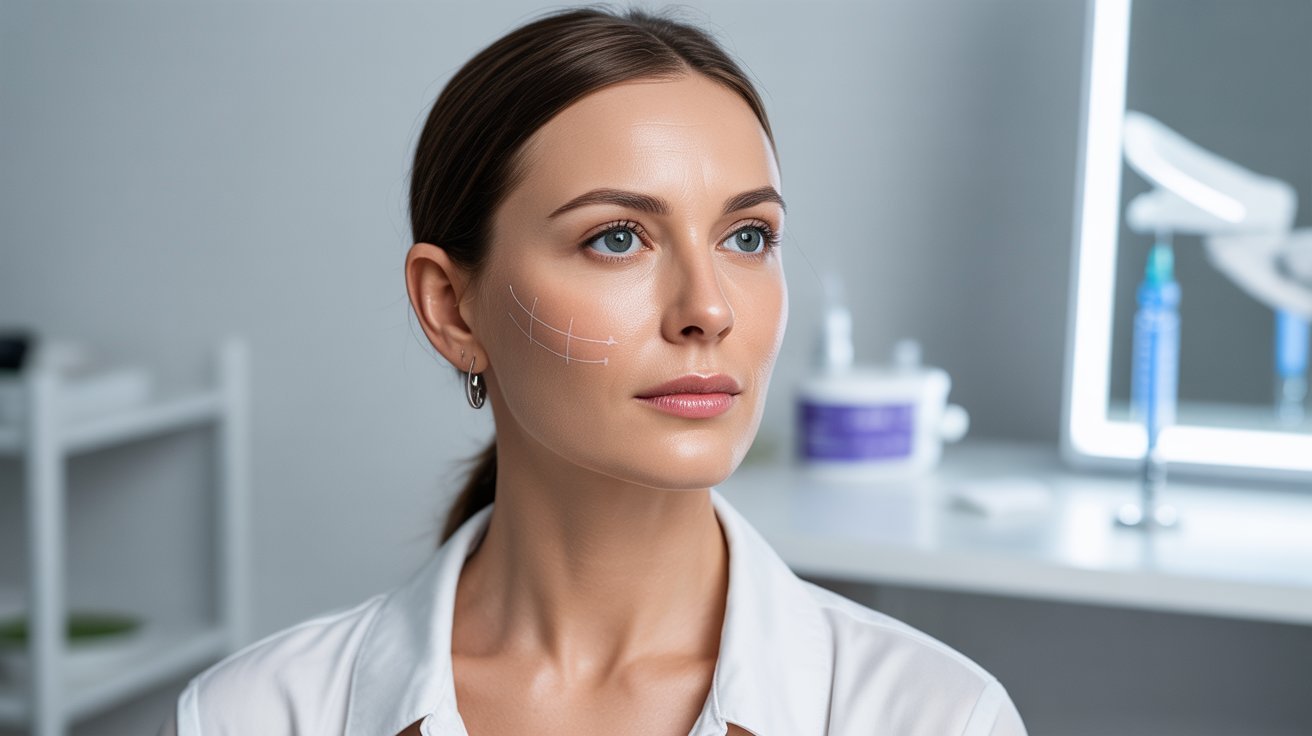
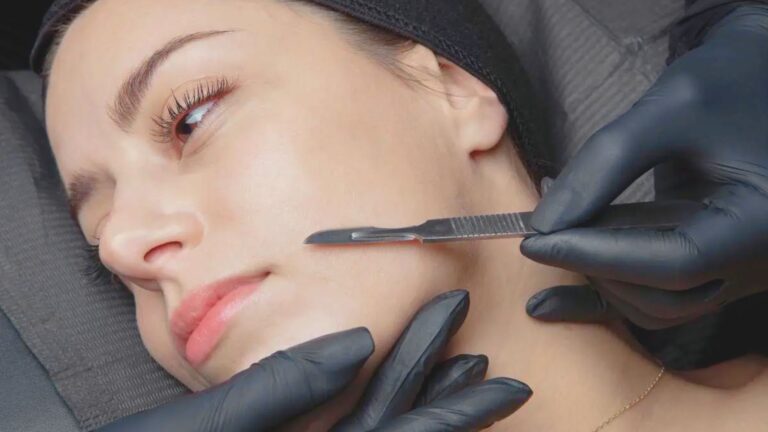
Botox is a treatment that uses a purified protein to temporarily relax muscles. Doctors inject it into specific areas to achieve different results, depending on what you need.
Botox for Cosmetic Use
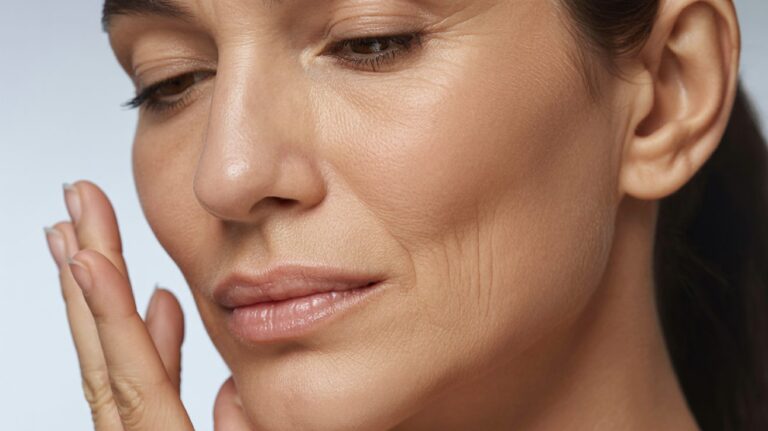
Most people know Botox for its cosmetic benefits. When injected into facial muscles, it smooths out wrinkles that form from repeated expressions.
Think forehead lines, frown lines between your eyebrows, and crow’s feet around your eyes.
The best part? It’s non-surgical and gives you a more youthful look without going under the knife. The results are temporary, though, which means you’ll need touch-ups to maintain your appearance.
Botox for Medical Use
Botox isn’t just about looks. Doctors also use it to treat various medical conditions. If you suffer from chronic migraines, excessive sweating, or an overactive bladder, Botox might be part of your treatment plan.
Medical Botox works differently than cosmetic Botox. The dosages are often higher, and the effects can last longer depending on the condition being treated. Your doctor will adjust the treatment based on your specific needs.
How Botox Works in the Body
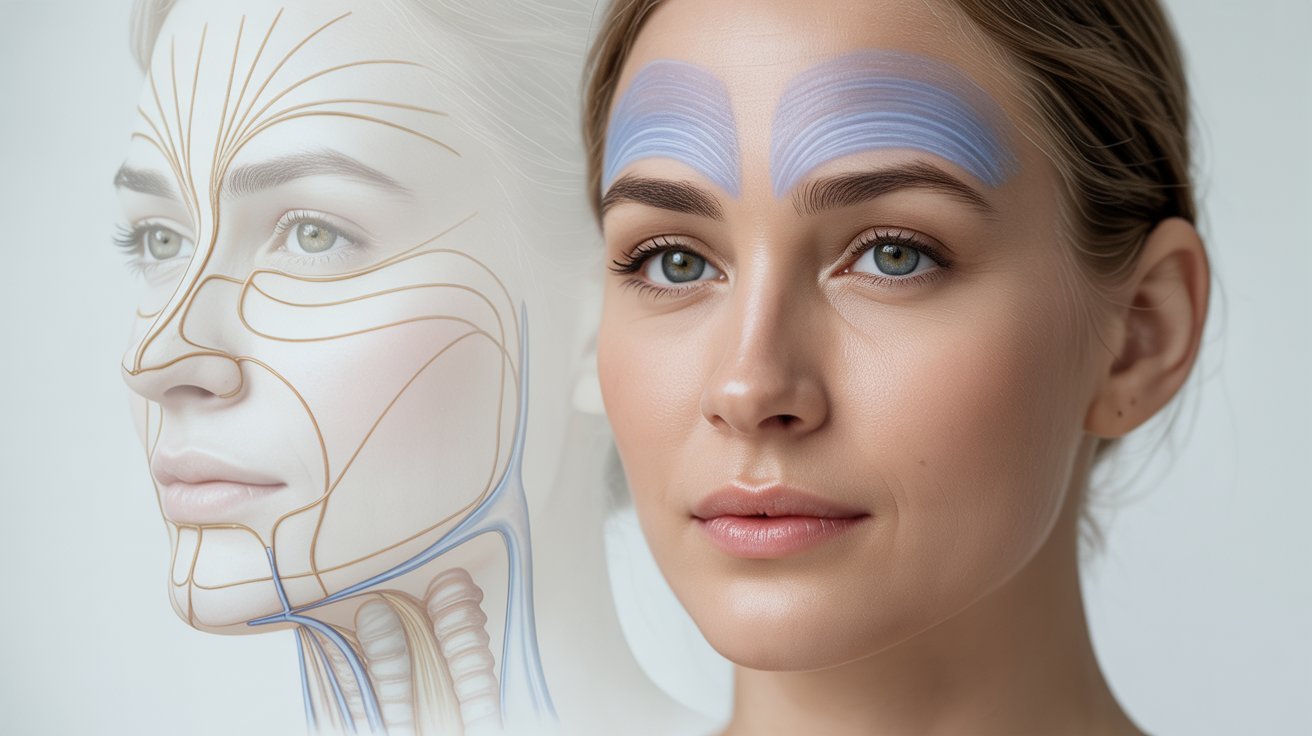
To understand how Botox wears off, you need to know how it works in the first place. When you get Botox injections, the active ingredient is botulinum toxin type A. This protein targets the connection between your nerves and muscles.
Mechanism of Action
Once injected, Botox blocks the nerve signals that tell your muscles to contract. Without these signals, the targeted muscles relax.
This relaxation is what smooths out wrinkles caused by facial expressions, like frown lines and crow’s feet.
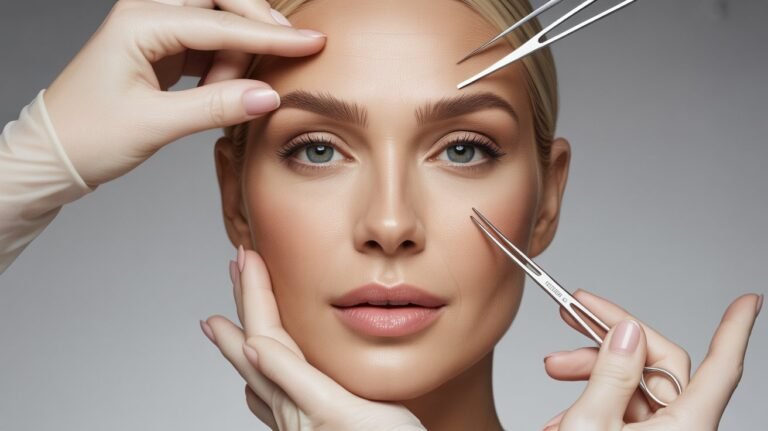
The process is precise. Your doctor injects Botox into specific muscles to get the results you want. The surrounding areas remain unaffected, which is why you can still make natural facial expressions.
Botox vs. Dermal Fillers
People often confuse Botox with dermal fillers, but they work very differently. Botox relaxes your muscles to reduce wrinkles. Fillers, on the other hand, add volume to areas that have lost fullness over time.
Here’s another key difference: some fillers can be dissolved with an enzyme called hyaluronidase if you don’t like the results. Botox can’t be dissolved this way. Once it’s injected, you have to wait for it to wear off naturally.
Knowing this difference helps you make better decisions about which treatment fits your goals.
Does Botox Dissolve?
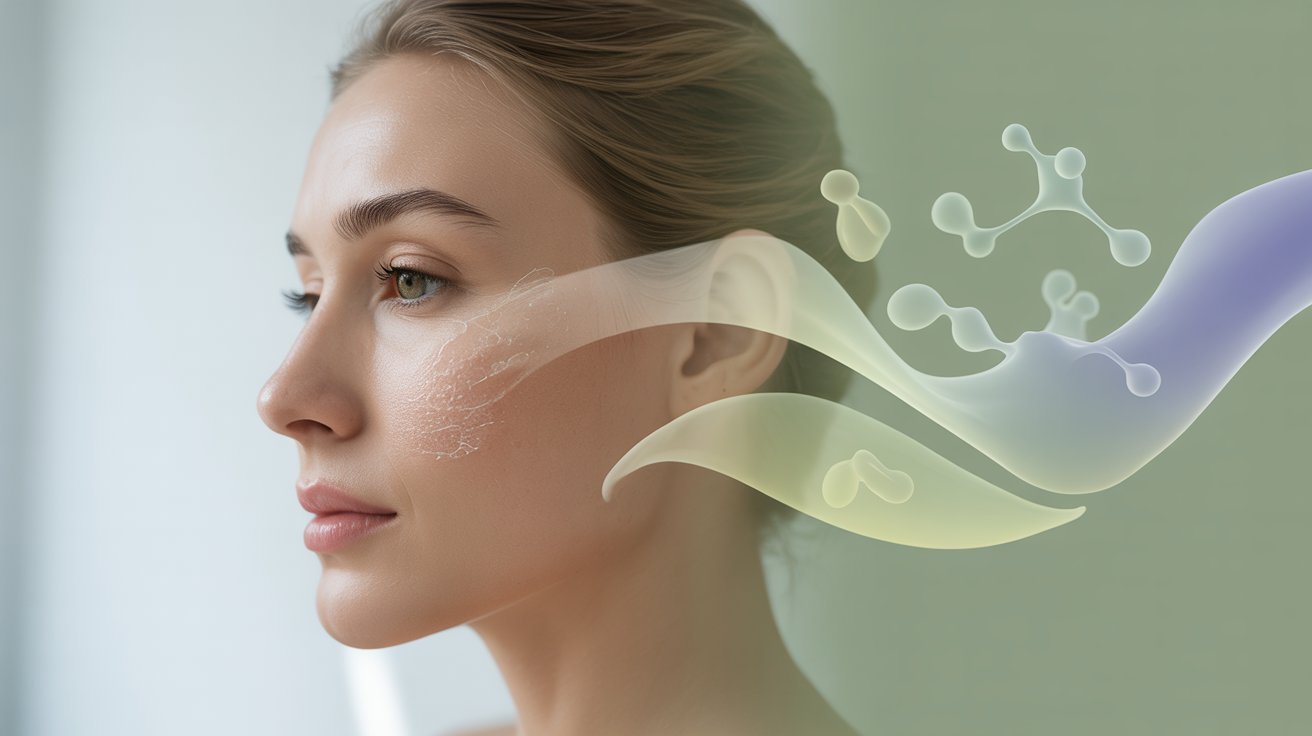
Here’s the truth: Botox doesn’t dissolve like a sugar cube in water or like certain fillers that can be broken down with enzymes.
Instead, your body gradually breaks down the protein over time through a natural process called metabolism.
As your body processes the Botox, the nerve signals to your muscles slowly start working again. This is why your muscle function returns and wrinkles begin to reappear.
The Botox itself breaks down into harmless amino acids. These amino acids are either filtered out through your kidneys or recycled by your body to build other proteins. There’s no permanent residue left behind.
How Long Does Botox Last?
The effects of Botox don’t last forever. How long your results stick around depends on where you get the injections and several personal factors.
Typical Duration by Treatment Area
Different areas process Botox at different rates. Forehead and eyebrow treatments last about 3 to 4 months.
Crow’s feet typically last 7 to 12 weeks. For medical uses, chronic migraine treatment lasts around 12 weeks, while excessive sweating treatments can last up to 6 months.
Factors Affecting Duration
Your metabolism plays a big role. Faster metabolism means quicker breakdown. Muscle strength matters too. Stronger, more active muscles work through Botox faster.
Your lifestyle habits, the dosage you receive, and the specific type of botulinum toxin all affect duration. Regular treatments can weaken muscles over time, potentially making your results last longer with each session.
What Happens After Botox Wears Off?
Once Botox starts to wear off, your muscles begin working normally again. This is a gradual process, not an overnight change.
Return of Muscle Movement and Wrinkles
As your nerve signals reconnect with your muscles, the wrinkles you treated will slowly come back. Your face returns to how it looked before the injections.
Here’s something important to remember: Botox doesn’t make you look older than you were before treatment. You simply go back to your baseline appearance.
Preventative Benefits of Regular Botox
If you stick with regular Botox treatments, you might notice some long-term benefits. Your muscles can weaken with consistent use, which means they won’t contract as strongly.
This can help prevent deeper wrinkles from forming in the first place.
Many people find that regular treatments help them maintain a more youthful appearance over time. The key is consistency. When you keep up with your appointments, you’re not just treating existing lines but also working to prevent new ones from getting worse.
Tips to Prolong Botox Results
Want your Botox to last as long as possible? Here are some practical tips to help you get the most out of your treatment.
- Choose an experienced injector: Proper technique makes a huge difference in how well Botox works and how long it lasts.
- Follow aftercare instructions carefully: Avoid rubbing or massaging the treated areas, don’t lie down for a few hours, and skip strenuous exercise right after your appointment.
- Protect your skin from sun damage: Wear sunscreen with SPF 30 or higher every day to keep your skin healthy and maintain your results.
- Stay hydrated and eat well: Drinking plenty of water and maintaining a balanced diet supports your skin’s overall health.
- Stick to a consistent skincare routine: Taking care of your skin between treatments helps you maintain a fresh, healthy appearance.
Conclusion
So, does Botox dissolve? Not exactly. Your body gradually breaks down the protein over time, which is why the effects wear off after a few months.
Understanding this process helps you know what to expect from your treatments.
Getting the most from your Botox comes down to choosing the right provider, following aftercare steps, and taking care of your skin.
The great thing about Botox is that it works in two ways. It corrects the lines you already have and helps prevent deeper wrinkles from forming with regular use.
If you’re considering Botox or already love your results, staying informed helps you make the best choices for your skin.
Frequently Asked Questions
Can Botox be reversed or dissolved?
No, Botox cannot be reversed or dissolved like some dermal fillers. You need to wait for your body to naturally break down the protein over time, which usually takes a few months.
Will my wrinkles get worse after Botox wears off?
No, your wrinkles won’t get worse. Once Botox wears off, your face simply returns to how it looked before treatment. You won’t look older than you did initially.
How often should I get Botox to maintain results?
Most people get Botox every 3 to 4 months to maintain their results. Your doctor can recommend a schedule based on how your body responds and the areas you’re treating.
Does Botox leave any lasting effects in my body?
No, Botox doesn’t leave permanent residue. Your body breaks it down into harmless amino acids that are either filtered out through your kidneys or reused to build other proteins.
Can I make my Botox last longer?
Yes, you can help extend your results. Choose an experienced injector, follow all aftercare instructions, protect your skin with sunscreen, stay hydrated, and maintain a healthy lifestyle.