Nose Fillers Gone Wrong: Real Cases & What to Do

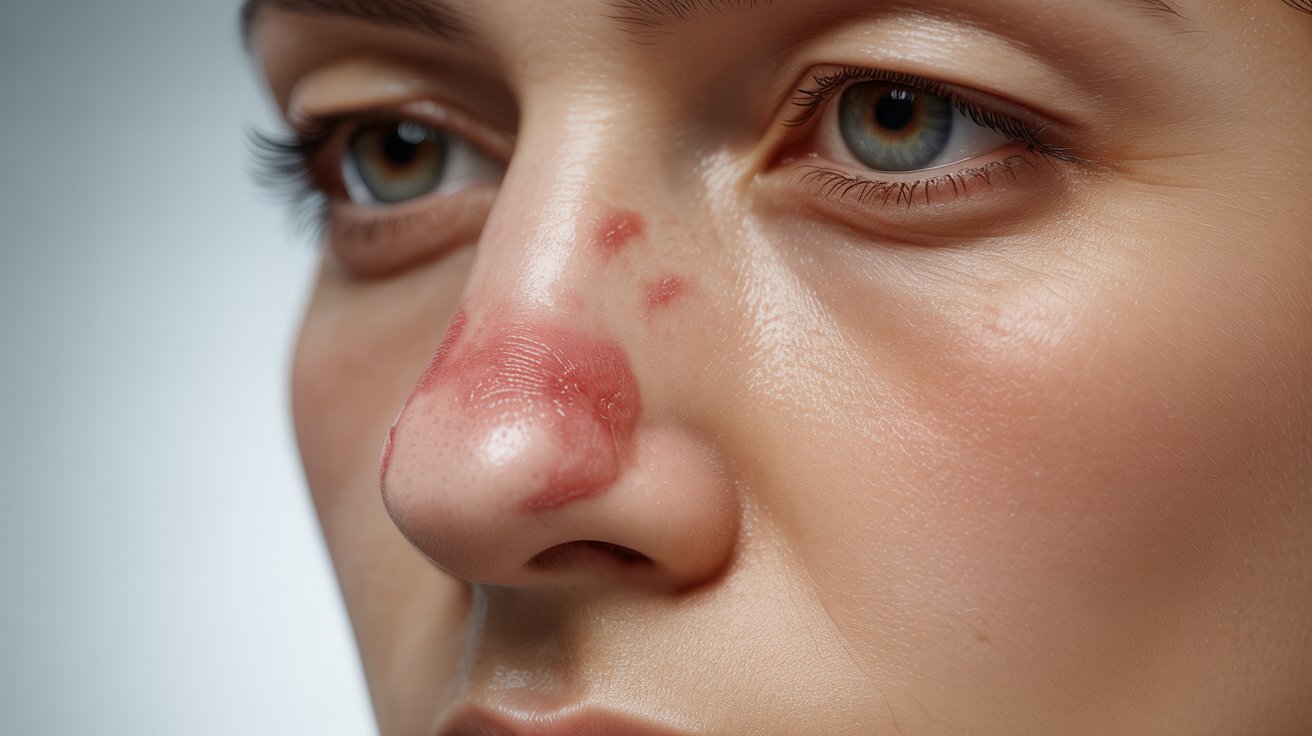
I know how scary it can be when nose fillers gone wrong turns your cosmetic dream into a nightmare. You’re not alone, and I’m here to help you understand what went wrong and how to fix it.
In this article, I’ll walk you through what nose fillers are, how they can go wrong, and real cases of complications. We’ll cover personal stories from people who’ve experienced problems, practical steps to correct issues, and ways to prevent them in the first place.
This guide gives you honest, clear information so you can make safe decisions and know exactly what to do if something goes wrong.
What Are Nose Fillers?
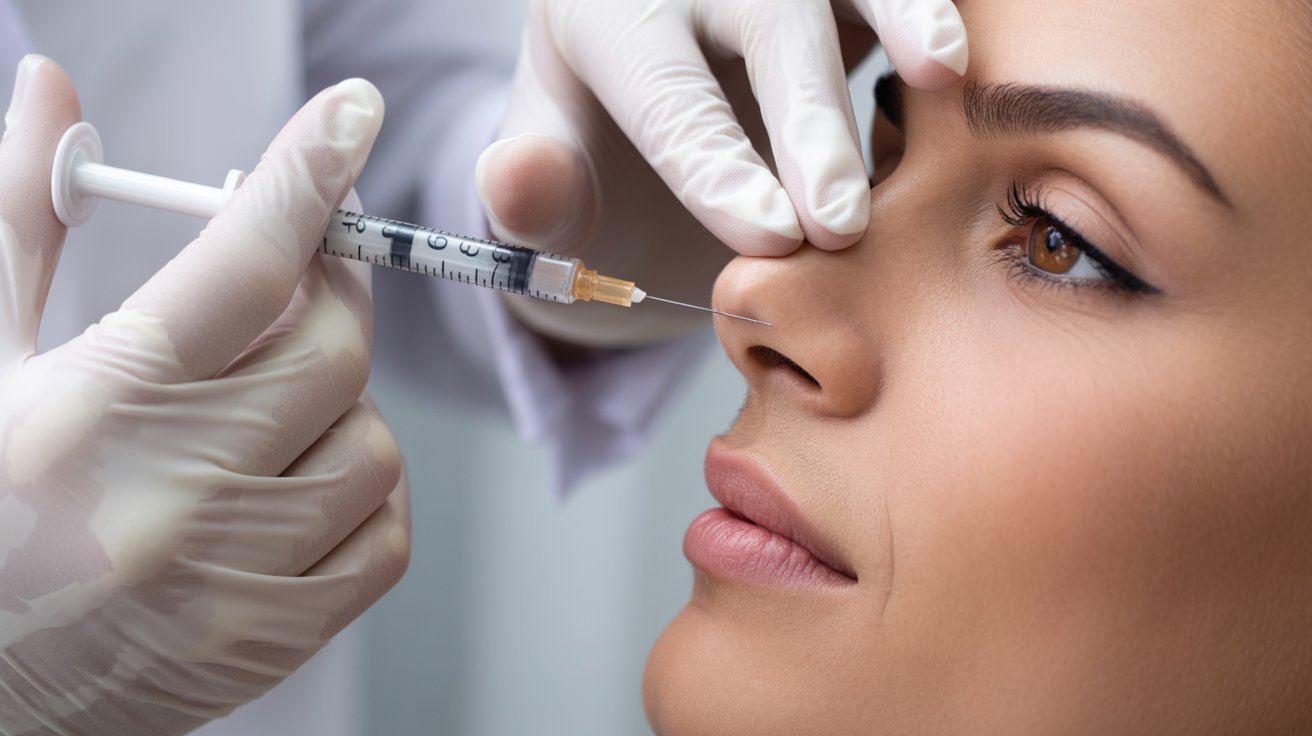
Nose fillers are injectable treatments that reshape your nose without surgery. Doctors inject gel-like substances under your skin to add volume, smooth bumps, and improve symmetry.
The procedure takes 15 to 30 minutes with immediate results.
Most doctors use hyaluronic acid fillers like Restylane and Juvederm. These feel natural and are reversible. Doctors can dissolve them if needed.
Some providers use calcium hydroxylapatite or poly-L-lactic acid, which last longer but can’t be dissolved easily.
The doctor marks areas on your nose, cleans your skin, and applies numbing cream. Then they inject small amounts of filler. Results appear immediately and improve as swelling goes down.
No surgery means no recovery time. Results last 6 to 18 months. However, fillers can’t make your nose smaller. They only add volume and need repeat treatments.
How Nose Fillers Can Go Wrong

Even with experienced providers, complications can happen when filler is placed incorrectly or your body reacts unexpectedly.
Unnatural or Overfilled Nose
Too much filler creates a wide, swollen appearance. Your nose may look bigger than before treatment. The bridge can become too high or rounded. This happens when doctors inject too much product at once or when patients request excessive changes.
An overfilled nose feels hard to the touch. It may not move naturally when you smile or talk. The problem gets worse if you return for more filler before the previous one dissolves.
Asymmetry and Filler Migration
Filler can shift from where it was injected. This creates uneven bumps or lumps on one side. Your nose may look crooked even if it was straight before.
Migration happens when filler is placed too close to the surface or in areas with lots of movement. Massage or pressure on your nose can push filler to new locations.
Tissue Damage & Necrosis
This is one of the most serious complications. Filler can block blood vessels that supply oxygen to your skin. Without blood flow, tissue dies and turns dark or black.
Early signs include severe pain, white or purple skin color, and extreme tenderness. You may notice skin changes within hours of injection. If left untreated, necrosis causes permanent scarring and tissue loss.
Vision Problems
Filler can accidentally enter blood vessels that connect to your eyes. This blocks blood flow to the retina and can cause sudden blindness. The condition is rare but extremely serious.
Warning signs include immediate vision changes, eye pain, or seeing flashing lights. This is a medical emergency that needs instant treatment.
Infection Risks
Bacteria can enter your skin through injection sites. Signs of infection include increasing redness, warmth, pus, and fever. The area becomes more painful over time instead of better.
Infections need antibiotic treatment right away. Severe cases may require hospitalization. Using non-sterile equipment or touching your nose with dirty hands raises infection risk.
Real Cases of Nose Fillers Gone Wrong

These cases show the range of complications from minor issues that resolve quickly to serious problems needing urgent medical care.
Mild Complications (Swelling, bruising, minor asymmetry)
Sarah had small bumps appear three days after her filler. One side of her nose looked slightly higher than the other. Her doctor massaged the area and the bumps flattened within a week.
Tom experienced heavy bruising that lasted 10 days. His nose was swollen and tender. The swelling went down gradually, and his final result looked good after two weeks.
Maria noticed a small lump near her nostril. It felt firm but wasn’t painful. Her provider dissolved a tiny amount of filler, and the lump disappeared.
Severe Complications (Necrosis, scarring, vision issues)
Jessica felt burning pain during her injection. Within two hours, a white patch appeared on her nose. She called her doctor immediately. The white area turned purple by evening.
She received emergency treatment with hyaluronidase and blood thinners. The tissue survived but left a small scar. She needed three months of healing.
David lost vision in one eye minutes after filler injection. He went to the emergency room right away. Despite treatment, his vision didn’t fully return. He now has permanent partial blindness.
Corrective Measures Taken (Dissolving filler, touch-ups, medical intervention)
After her necrosis scare, Jessica had all remaining filler dissolved. She waited six months before considering any facial treatments again.
A patient named Rachel had uneven results from her first provider. A specialist injected hyaluronidase to remove the old filler. Two weeks later, they carefully added new filler to create better symmetry.
Another case involved a woman with infection. She took antibiotics for 14 days and applied warm compresses. The infection cleared, but she chose not to get fillers again.
Personal Experience
I’ve heard from so many people who went through this. The pain was intense and lasted for days. The nose swelled badly and looked worse for almost two weeks. The results didn’t match expectations at all. The bridge looked too high, and a shiny, hard bump appeared that everyone noticed. Instead of looking refined, the nose appeared wider.
When complications appeared, panic set in immediately. Spending nights searching online and crying, fearing permanent damage. The anxiety lasted for weeks. Many felt too ashamed to tell their family what happened.
Finding the right specialist made all the difference. Dissolving the filler took multiple sessions, but things eventually returned to normal. Time helped with emotional healing too. Connecting with others who went through similar experiences helped reduce the feeling of isolation.
Tips to Fix Nose Fillers Gone Wrong
Acting fast and getting the right treatment can reverse most complications and restore your natural nose shape.
- Hyaluronidase is an enzyme that breaks down hyaluronic acid fillers within 24 to 48 hours. Your doctor injects it into the same areas where you got filler. You may need multiple sessions to fully remove the product, but most people see major improvement after the first treatment.
- Sometimes adding small amounts of filler in different spots fixes asymmetry better than removal. An experienced injector can balance out bumps or uneven areas with precise placement. Get a second opinion before adding more filler if you’re unhappy with your original provider’s work.
- Infections need oral antibiotics immediately for 7 to 14 days. Don’t stop taking them early even if you feel better. Warm compresses help with minor infections when applied three times daily for 10 minutes.
- Tissue damage requires urgent medical attention. Treatment includes hyaluronidase to remove filler, aspirin to improve blood flow, and sometimes hyperbaric oxygen therapy. Early intervention prevents permanent scarring.
- Don’t scrub, massage, or pick at the treated area unless your doctor tells you to. Gentle cleaning and following your provider’s aftercare instructions help speed up recovery.
Conclusion
I’ve seen how frightening nose fillers gone wrong can be, but most issues are fixable when you act fast and find the right expert. The key is choosing a qualified provider from the start and knowing the warning signs of complications.
If you’re dealing with a problem right now, don’t wait. Contact your doctor or find a specialist who handles corrections. Your safety matters more than anything else.
Have you had experience with nose fillers? Share your story in the comments below. Your insights might help someone facing the same situation.
Frequently Asked Questions
Can nose fillers be completely reversed?
Yes, hyaluronic acid fillers dissolve with hyaluronidase injections within 24 to 48 hours. Other filler types are harder to reverse and may need surgical removal.
How long does it take to see if nose fillers went wrong?
Most complications show up within 24 to 72 hours. Serious issues like necrosis appear within hours, while mild problems may take a week to notice.
What does tissue necrosis from nose filler look like?
The skin turns white, then purple or black. You’ll feel severe pain and extreme tenderness. Blisters or open wounds may develop if not treated quickly.
How much does it cost to fix nose fillers gone wrong?
Dissolving filler costs $200 to $800 per session. Treating serious complications can cost thousands. Some providers offer reduced rates if they cause the problem.
Can you get nose fillers again after a complication?
Yes, but wait three to six months after healing. Choose a different, experienced provider and make sure all previous filler is dissolved first.