Does Hyaluronic Acid Help Acne? What Science Says

You’ve probably seen hyaluronic acid in every skincare product lately. And if you struggle with acne like I used to, you might be wondering if it can help clear your skin.
Here’s what I learned: A lot of people think hyaluronic acid treats acne because it’s so popular in acne-prone skincare routines. But that’s not quite right.
Hyaluronic acid is a hydrator, not an acne fighter. So what does that mean for your skin?
I dug into what dermatologists and science actually say about using it when you have breakouts.
Let me share what I found.
What Is Hyaluronic Acid and How Does It Work?
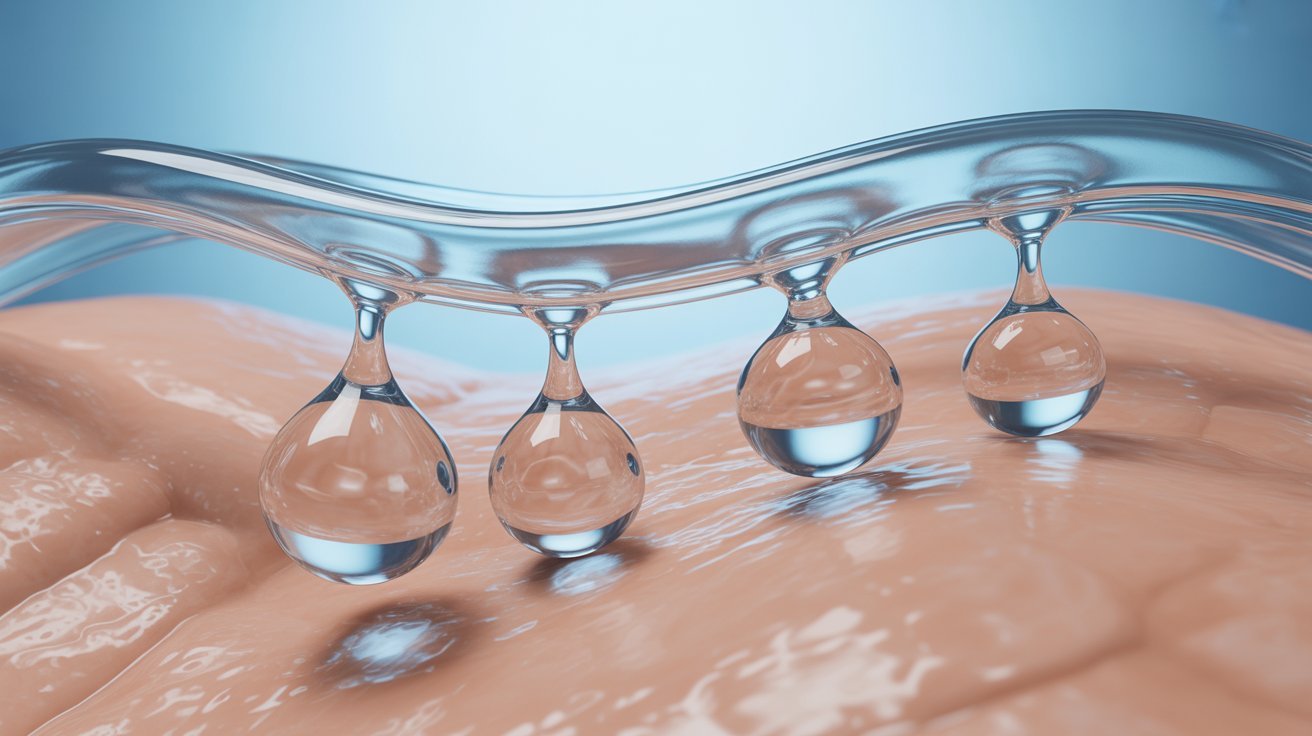
This water-loving molecule keeps your skin hydrated and healthy. But it doesn’t fight acne on its own.
The Science Behind Hyaluronic Acid
Hyaluronic acid is a glycosaminoglycan that your body makes naturally. It’s found in your skin, joints, and connective tissues.
Here’s what makes it special: This molecule can hold up to 1,000 times its weight in water. That’s why it’s such a powerful hydrator.
Your skin uses hyaluronic acid to stay hydrated and springy. It also helps your skin repair itself when it gets damaged. As you age, your body produces less of it.
That’s why many people add it to their skincare routine.
Hyaluronic Acid’s Role in Skin Health
Hyaluronic acid does three important things for your skin.
First, it supports your skin barrier. A strong barrier keeps irritants out and moisture in.
Second, it helps your skin maintain the right amount of moisture. Not too dry, not too oily. Just balanced.
Third, it works well for all skin types. Yes, even if you have oily or acne-prone skin. It hydrates without adding oil or clogging your pores.
Does Hyaluronic Acid Help Acne?
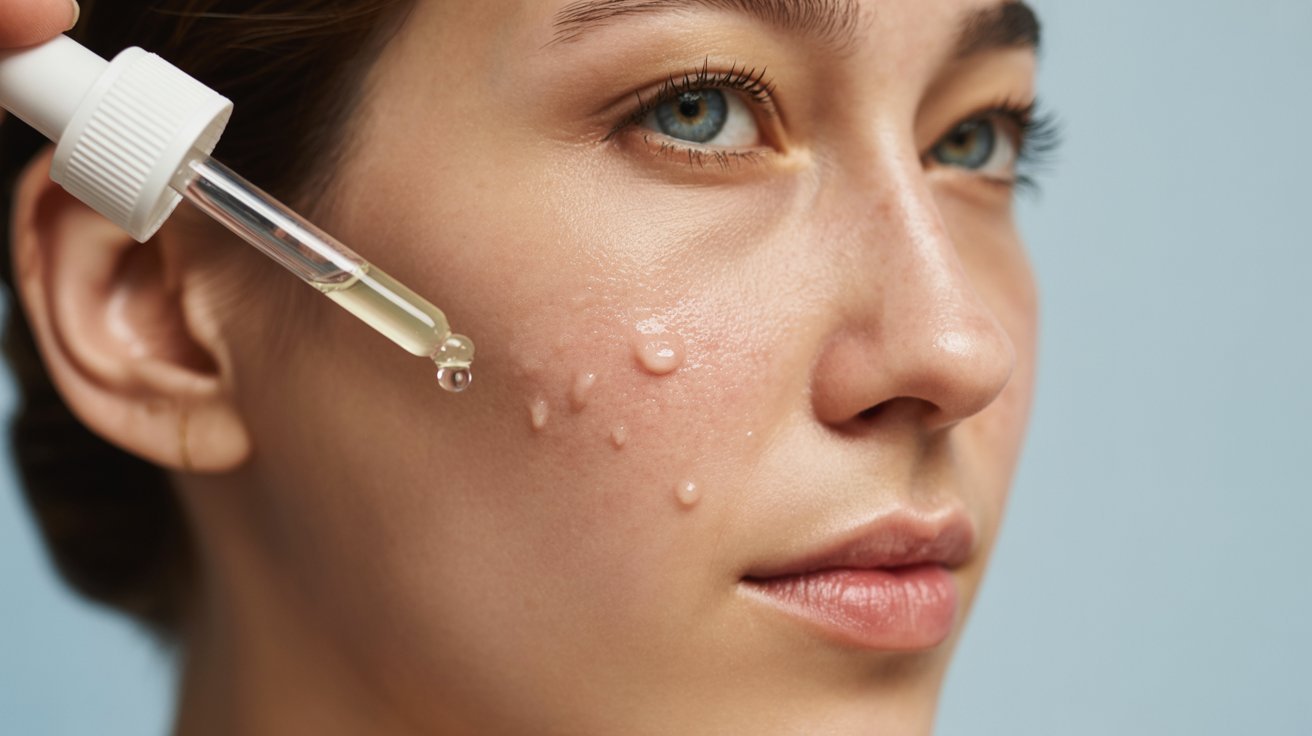
Let me give you the straight answer. Hyaluronic acid does not kill acne or prevent breakouts.
It’s not an acne treatment. It won’t clear your pimples or stop new ones from forming.
What it does do is support your skin while you treat acne with other products. Think of it as a helper, not a cure.
If you’re looking for something to fight acne directly, you need different ingredients. But hyaluronic acid can play a helpful role in your overall routine.
Scientific Studies on Hyaluronic Acid and Acne
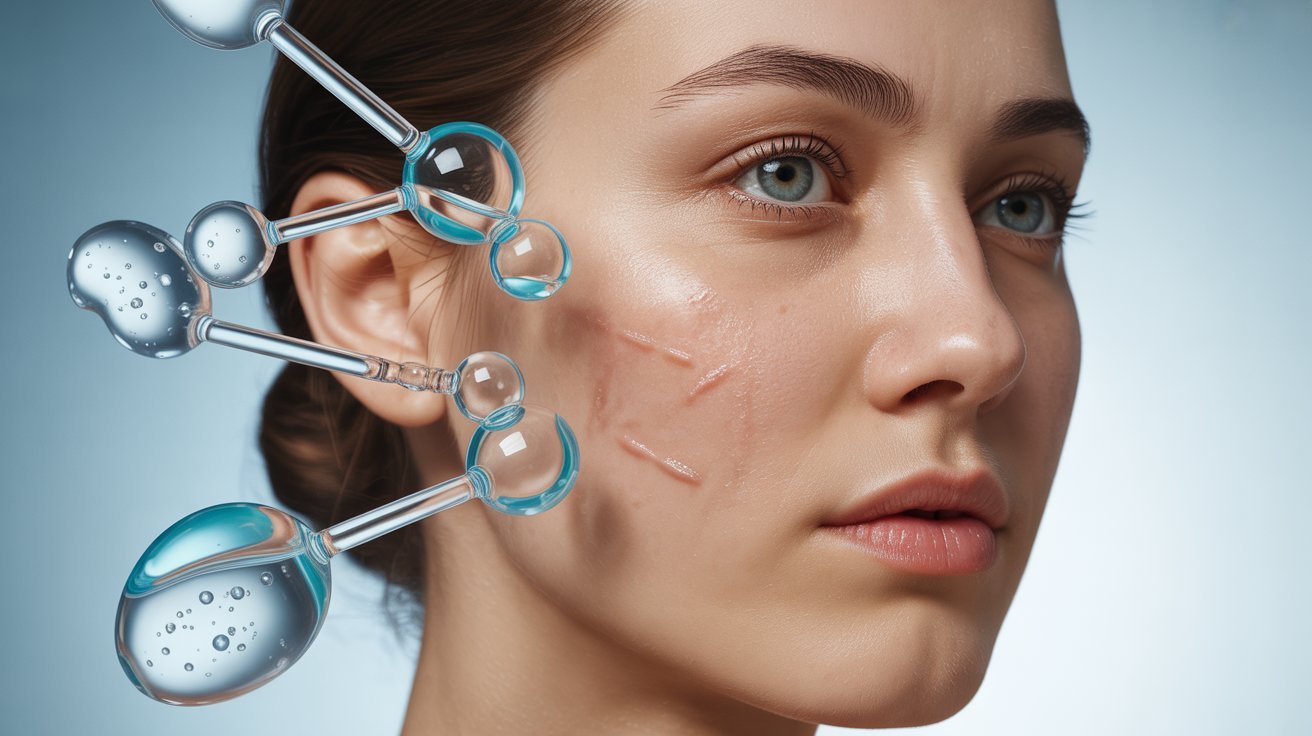
Research shows hyaluronic acid doesn’t treat acne directly. But it supports healing, barrier repair, and oil balance in acne-prone skin.
Research on Skin Barrier Repair and Acne
Scientists have found a link between damaged skin barriers and worse acne. When your barrier is broken, acne gets more severe.
Studies show that proper hydration can reduce inflammation. It also calms irritation that makes acne worse.
This is where hyaluronic acid comes in. By keeping your skin hydrated, it helps maintain a healthy barrier.
Hyaluronic Acid and Sebum Regulation
Here’s something interesting. Research suggests that well-hydrated skin makes less excess oil.
When your skin is dry, it tries to fix the problem by producing more sebum. That can lead to oily skin and clogged pores.
Hyaluronic acid keeps moisture balanced. This may help reduce oil imbalance and lower your risk of clogged pores.
Hyaluronic Acid in Post-Acne Healing
Research shows hyaluronic acid helps with wound healing. It also reduces inflammation in damaged skin.
After a breakout clears, you might be left with marks or dark spots. Hyaluronic acid may help your skin heal faster.
It won’t erase acne scars completely. But it can play a role in minimizing the appearance of post-acne marks over time.
Expert Dermatologist Opinions on Hyaluronic Acid for Acne
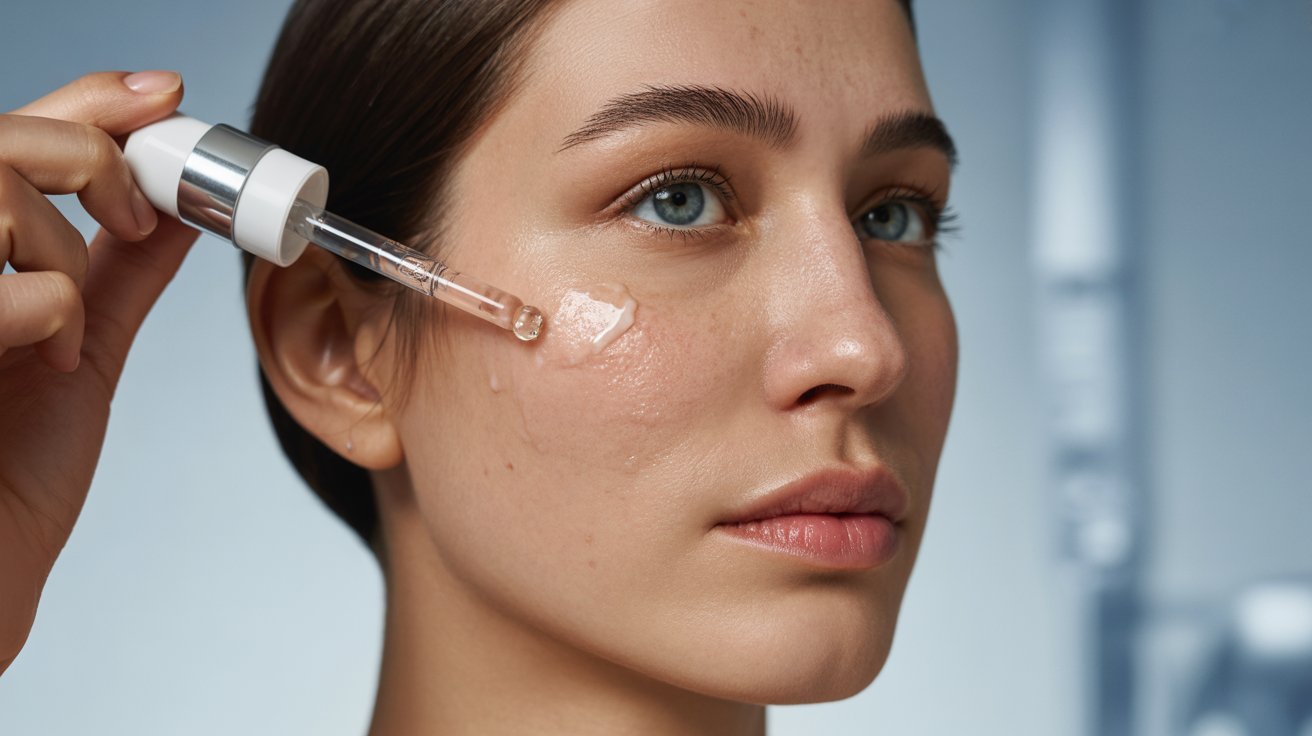
Dermatologists support using hyaluronic acid for acne-prone skin. They see it as a safe, gentle way to keep skin hydrated during treatment.
Why Dermatologists Recommend It
Dermatologists like hyaluronic acid because it’s safe for acne-prone and sensitive skin. It won’t cause irritation or make your skin worse.
It’s also non-comedogenic. That means it won’t clog your pores or cause new breakouts.
Most people tolerate it well. Even if your skin is reactive or easily irritated, hyaluronic acid is usually gentle enough to use.
When Experts Suggest Using Hyaluronic Acid
Dermatologists often recommend it when you’re using strong acne treatments. Products like retinoids and benzoyl peroxide can dry out your skin.
Hyaluronic acid helps balance that dryness. It keeps your skin hydrated while the acne treatments do their job.
It’s also great if you have dehydrated but oily skin. Yes, that’s a real thing. Your skin can lack water but still produce excess oil.
Hyaluronic acid addresses dehydration without adding more oil.
How Hyaluronic Acid Supports Acne Treatment Plans?
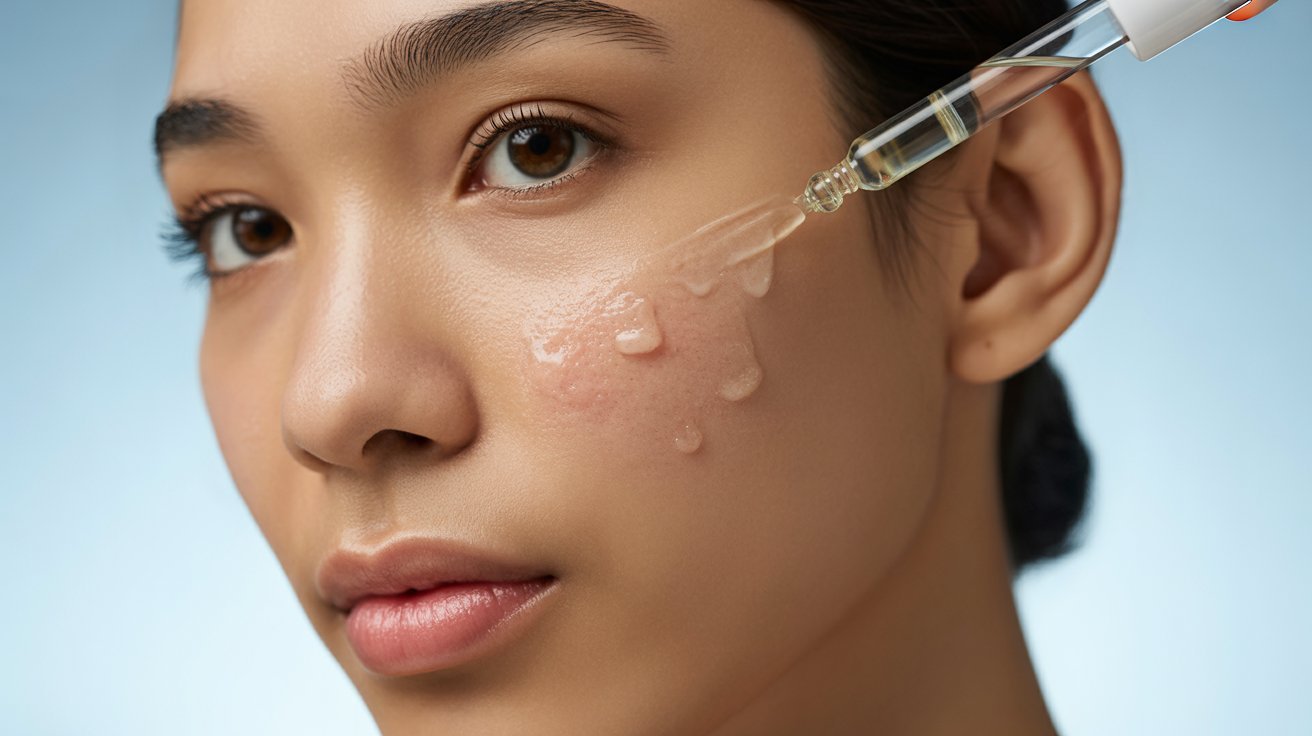
Hyaluronic acid won’t cure acne. But it makes your acne treatments work better by keeping your skin healthy and calm.
Prevents Over-Drying From Active Ingredients
Acne medications like retinoids, salicylic acid, and benzoyl peroxide can be harsh. They often leave your skin dry, flaky, and tight.
Hyaluronic acid counteracts that dryness. It adds moisture back without interfering with your acne treatments.
This helps you stick with your treatment plan. When your skin feels better, you’re less likely to quit using the products that actually fight acne.
Reduces Inflammation and Redness
Inflamed breakouts hurt. They’re red, swollen, and sensitive to touch.
Hyaluronic acid has a calming effect on irritated skin. It won’t make the pimple disappear, but it can help reduce the angry redness around it.
Less inflammation means your skin looks and feels better while it heals.
Improves Skin Recovery and Repair
When acne lesions start healing, your skin needs support. Hyaluronic acid helps with that repair process.
It keeps the healing area hydrated. This helps your skin recover faster after a breakout.
You’ll notice your skin bounces back quicker. The damaged areas don’t stay rough or irritated as long.
Who Benefits Most From Hyaluronic Acid for Acne?
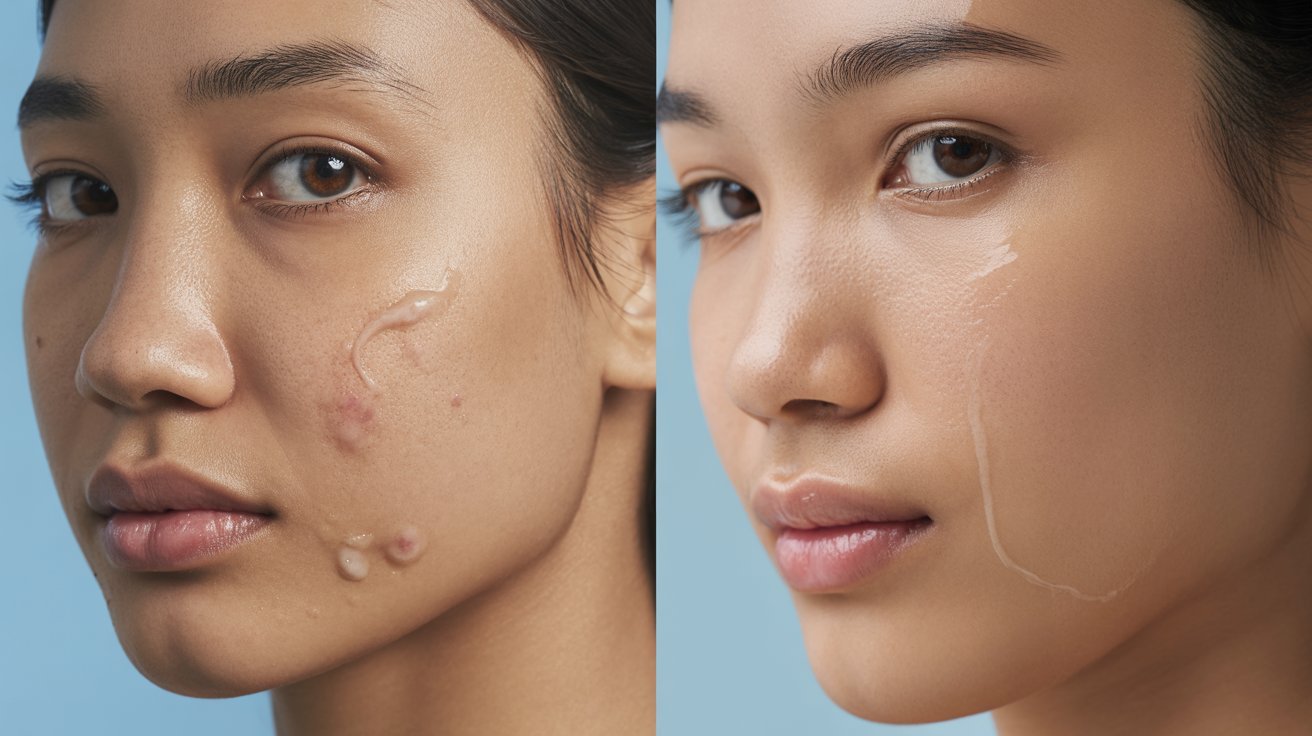
If you have acne and your skin feels tight or rough, hyaluronic acid can help. Many people with oily skin are actually dehydrated underneath.
It fixes that without adding more oil. Are you using tretinoin, Accutane, or other prescription acne medications? Hyaluronic acid helps your skin tolerate these strong treatments without intense dryness and peeling.
It’s also great if you’re dealing with post-acne marks. After breakouts heal, you might be left with dark spots or red marks. Hyaluronic acid supports your skin’s healing process and helps these marks fade faster.
Conclusion
So does hyaluronic acid help acne? Not directly. But here’s what I’ve learned from the research and my own experience. It’s a really helpful supporting player in your acne routine.
Science shows it improves hydration, strengthens your skin barrier, and speeds up healing. Those things matter when you’re fighting breakouts.
The best results happen when you pair it with actual acne treatments like retinoids or salicylic acid. Use hyaluronic acid to keep your skin healthy while the acne fighters do their job.
Your skin will thank you for the extra support.
Frequently Asked Questions
Can hyaluronic acid cause breakouts?
No, hyaluronic acid is non-comedogenic and won’t clog your pores. It’s safe for acne-prone skin and rarely causes breakouts when used properly.
How long does it take for hyaluronic acid to work on acne skin?
You’ll notice better hydration within a few days. But improvements in acne healing and reduced irritation may take 2-4 weeks of consistent use.
Should I use hyaluronic acid before or after acne treatment?
Apply hyaluronic acid after your acne treatments and before moisturizer. This helps it work better and keeps your skin hydrated throughout your routine.
Can I use hyaluronic acid with retinol for acne?
Yes, they work well together. Hyaluronic acid helps counteract the dryness that retinol often causes while treating acne.
Is hyaluronic acid better than salicylic acid for acne?
They serve different purposes. Salicylic acid fights acne directly by unclogging pores. Hyaluronic acid hydrates and supports healing but doesn’t treat acne itself.