Different Types of Locs Explained: A Complete Guide

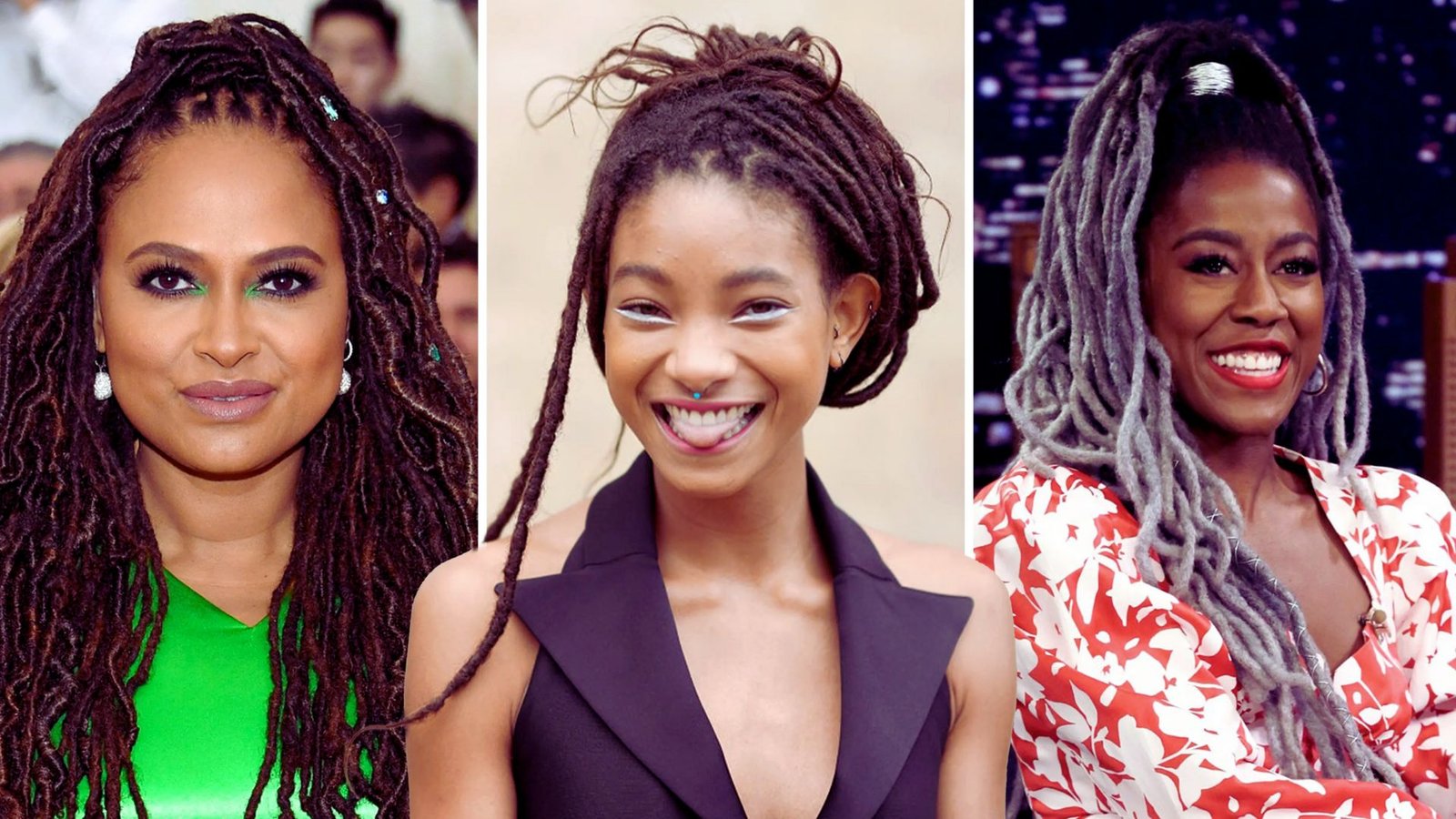
Locs carry deep cultural meaning and personal significance for millions of people. But choosing from the different types of locs can feel overwhelming when you’re just starting out.
I’ve spent years learning about loc styles, and I’m here to help you find the right one. This guide covers traditional locs, freeform styles, sisterlocks, microlocs, and temporary options like faux locs and butterfly locs.
I’ll break down each type in simple terms so you can make an informed choice. By the end, you’ll know exactly which loc style fits your lifestyle and commitment level.
Understanding Locs and Their Versatility

Locs offer incredible flexibility in styling and personal expression. The variety of loc types means there’s truly something for everyone.
Some people prefer permanent, natural locs that mature over years. Others love temporary protective styles that can be removed after a few weeks.
You can choose thin, thick, structured, or freeform options based on your preferences. Hair texture, maintenance commitment, and desired appearance all play a role in selecting your ideal loc type.
What Are Locs?
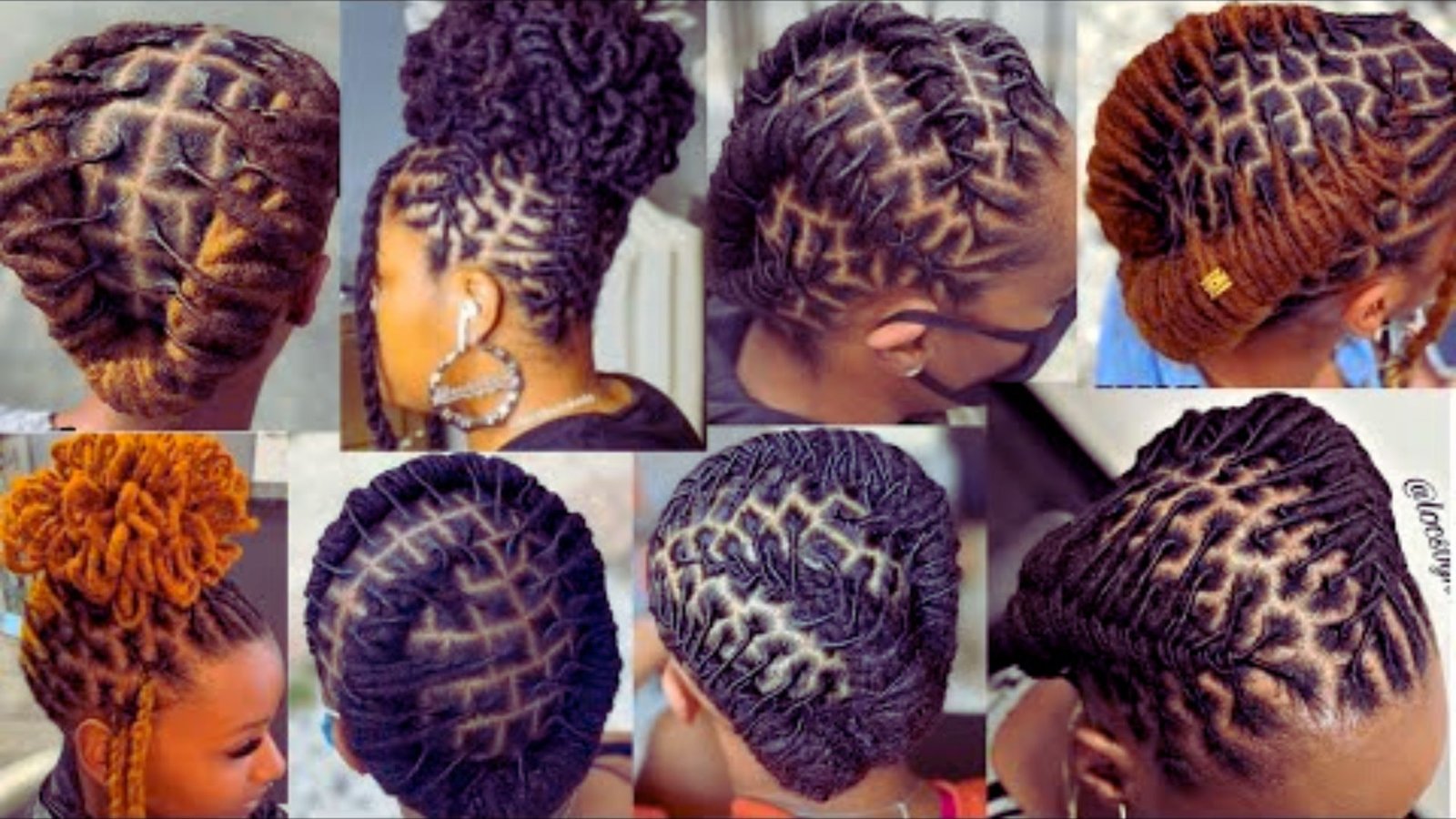
Locs form when hair naturally tangles and mats into cylindrical strands. This happens through washing, separating sections, and allowing the hair to lock together over time.
Some people let their hair loc without much intervention. Others use specific methods like palm rolling, interlocking, or twisting to create defined sections.
Factors That Define Different Types of Locs
Size and thickness determine the overall look and weight of your locs. Pencil-thin locs create a different appearance than thick, chunky ones.
The installation method affects how your locs form and mature. Techniques range from hands-off approaches to precise sectioning and professional installation.
Maintenance routine varies widely between loc types. Some require monthly retwisting while others need minimal attention.
Permanence versus temporary styles separates traditional locs from protective styles. Real locs are a long-term commitment, while faux locs can be removed without cutting your natural hair.
9 Different Types of Locs You Should Know
From permanent natural locs to temporary protective styles, these nine loc types offer options for every preference and lifestyle.
1. Traditional Locs

Traditional locs are the most common permanent loc style. They typically range from pencil thickness to marker width. Installation methods include two-strand twists, coils, braids, or interlocking. You’ll need regular maintenance every 4-8 weeks depending on hair growth.
Pros: Versatile sizing options, can be styled in various ways, works well with most hair textures, long-lasting and permanent
Cons: Requires consistent maintenance appointments, takes 6 months to 2 years to fully mature, removal requires cutting hair
2. Freeform Locs
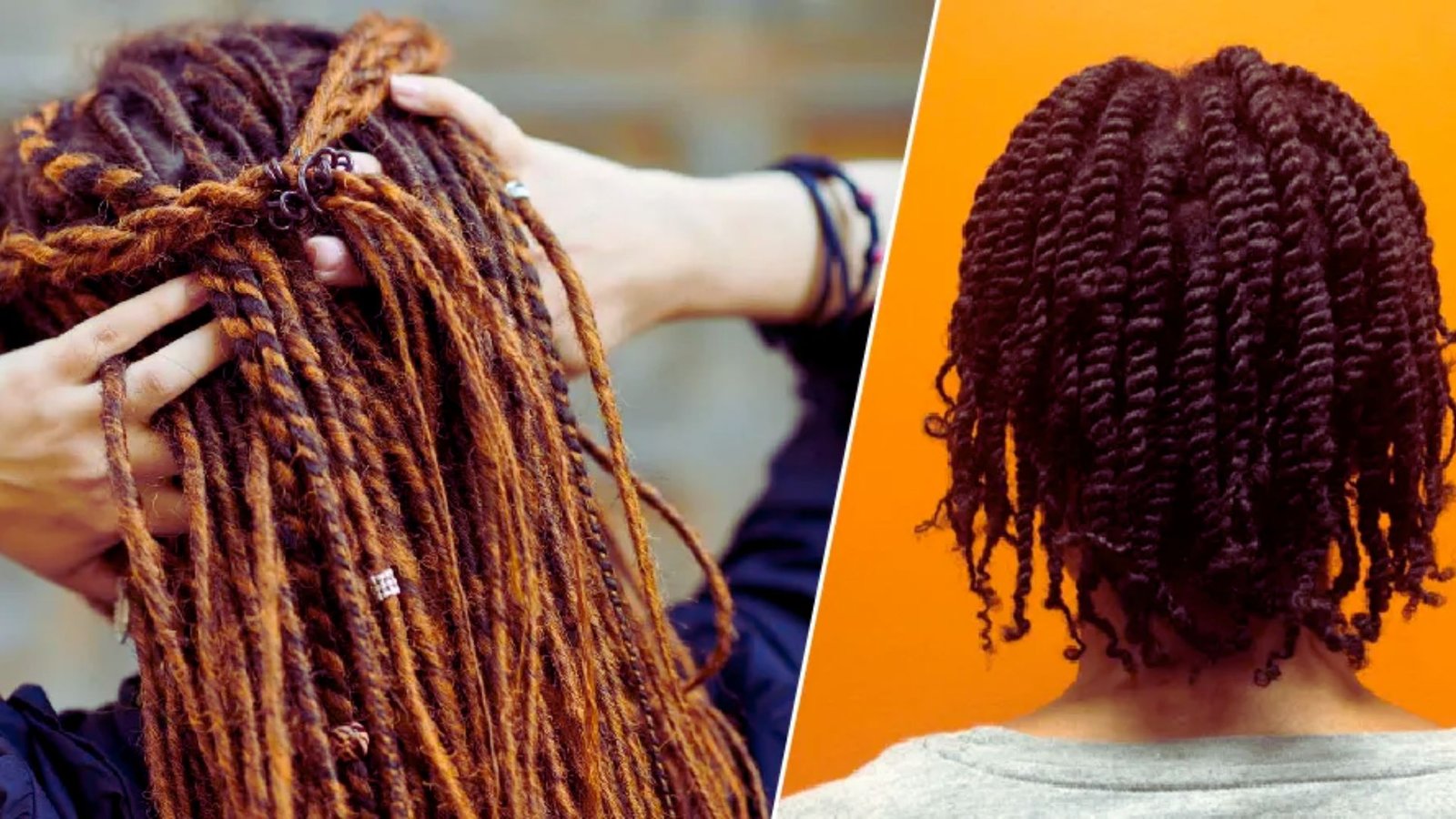
Freeform locs develop completely naturally without manipulation. You simply wash your hair and let it do what it wants. No parting, twisting, or sectioning involved. The hair forms locs on its own through natural tangling and matting.
Pros: No salon appointments needed, minimal maintenance costs, completely natural development, freedom from strict schedules
Cons: Unpredictable sizing and placement, less control over final appearance, may develop unevenly, locs can merge together
3. Semi-Freeform Locs

Semi-freeform locs blend structure with natural formation. Unlike traditional locs with precise parts, these allow some organic development. The appearance tends to be more textured and varied in size. Some locs may merge or separate naturally over time.
Pros: Balance between structure and natural look, less frequent maintenance than traditional locs, more affordable upkeep, accepts natural variation
Cons: Still requires some separation work, less uniform appearance, unpredictable development patterns, some locs may still merge
4. Sisterlocks
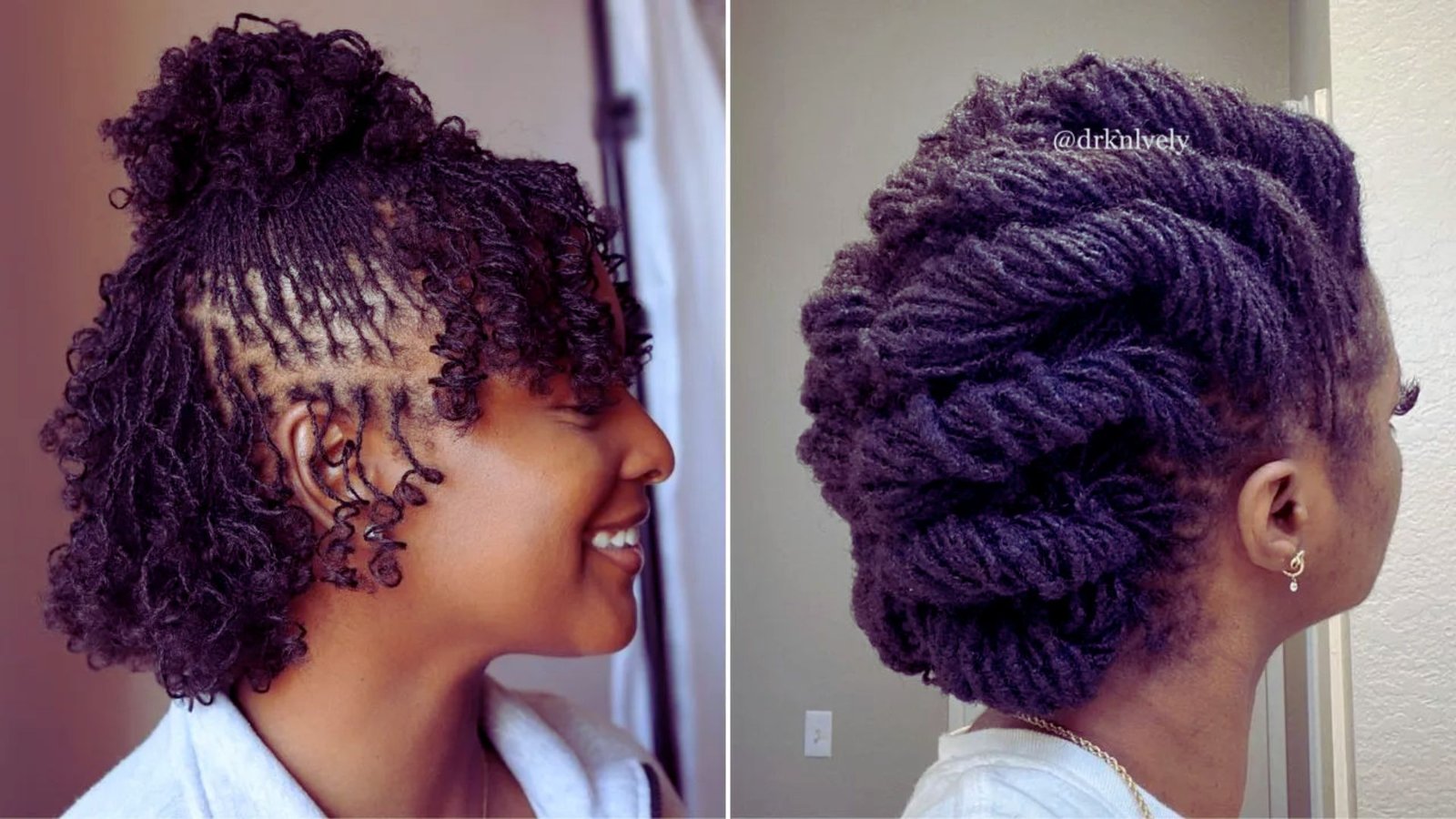
Sisterlocks originated from a trademarked technique created by Dr. JoAnne Cornwell in 1993. Certified consultants install these locs using a specific grid pattern and interlocking tool. Sisterlocks are extremely small, typically 400-800 locs per head.
Pros: Incredibly flexible styling options, lightweight and comfortable, professional appearance, minimal product needed
Cons: Expensive installation and maintenance, long installation time, must use certified consultants for retightening, can be fragile when new
5. Microlocs

Microlocs resemble Sisterlocks but don’t follow the trademarked technique. Any loctician can install them using various methods like braids, twists, or interlocking. They’re small but slightly larger than Sisterlocks, usually 150-400 locs total.
Pros: More affordable than Sisterlocks, flexible installation and maintenance methods, great styling versatility, can be installed by any experienced loctician
Cons: Time-consuming installation (8-16 hours), regular maintenance needed every 6-8 weeks, takes patience to mature fully
6. Faux Locs
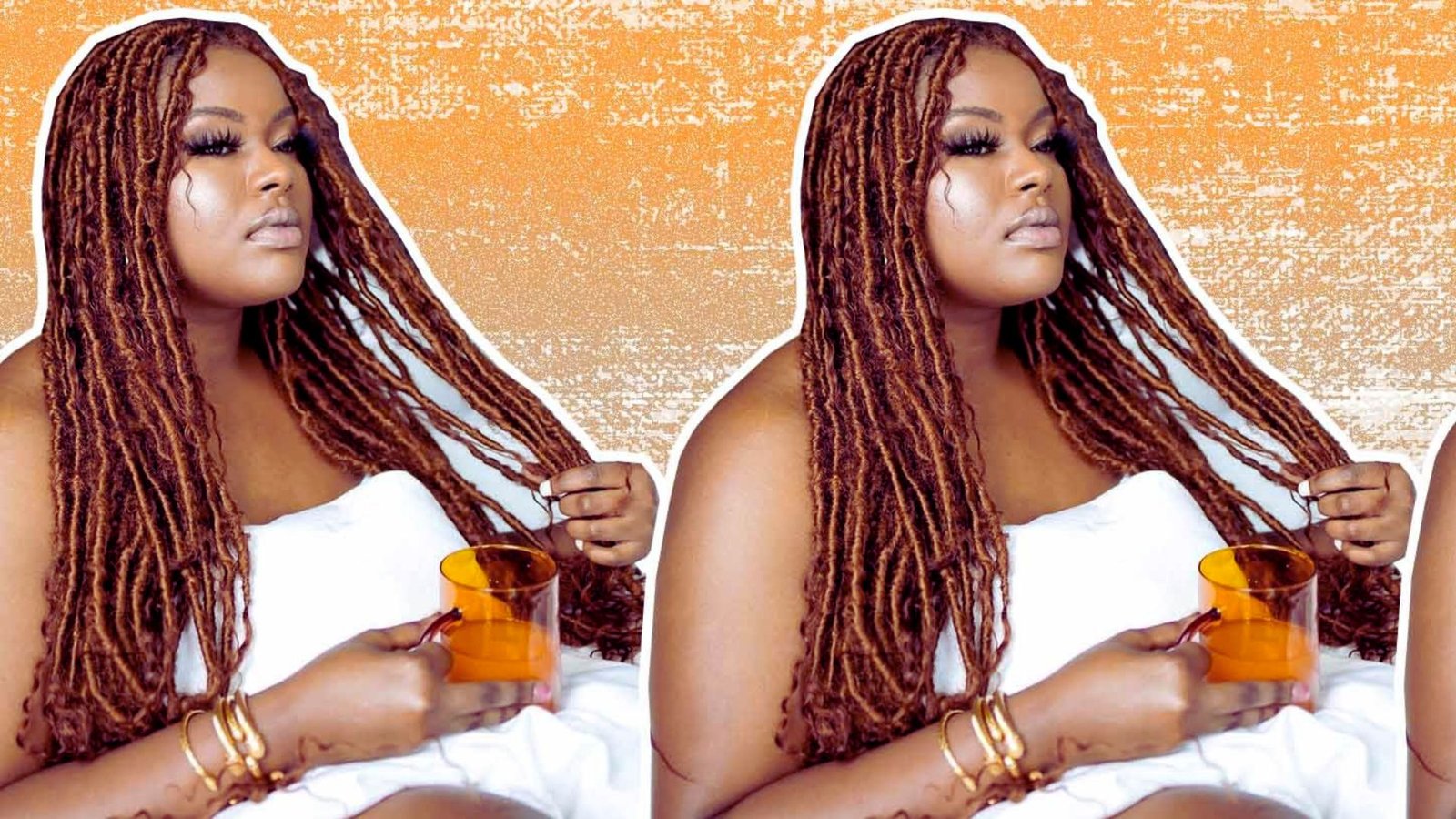
Faux locs mimic the look of mature, traditional locs without the years-long commitment. They’re installed by wrapping synthetic or human hair around braided sections of your natural hair. The process takes 4-8 hours depending on desired length and thickness.
Pros: Try the loc look without commitment, protects natural hair from daily manipulation, instant length and fullness, can be removed without cutting hair
Cons: Heavy on the scalp, requires professional installation, limited lifespan of 4-8 weeks, can cause tension if installed too tightly
7. Butterfly Locs

Butterfly locs feature a looped, messy texture that creates a lived-in, distressed appearance. The signature look comes from leaving hair loops visible along the loc shaft. Installation uses water waves or distressed hair wrapped loosely around braids.
Pros: Textured, lived-in look without effort, minimal daily maintenance, lighter than traditional faux locs, forgiving of imperfections
Cons: May frizz more quickly, still requires professional installation, limited wear time of 6-8 weeks, loops can snag on things
8. Goddess Locs

Goddess locs combine the structure of faux locs with loose, curly ends. The bohemian-inspired design features wrapped sections at the roots and flowing curls at the tips. This creates a romantic, carefree appearance.
Pros: Combines structure with softness, versatile styling options, hides natural hair length while adding volume, less weight than full-length faux locs
Cons: Curly ends require maintenance, professional installation needed, lasts only 6-8 weeks, ends can tangle or lose curl pattern
9. Interlocked Locs
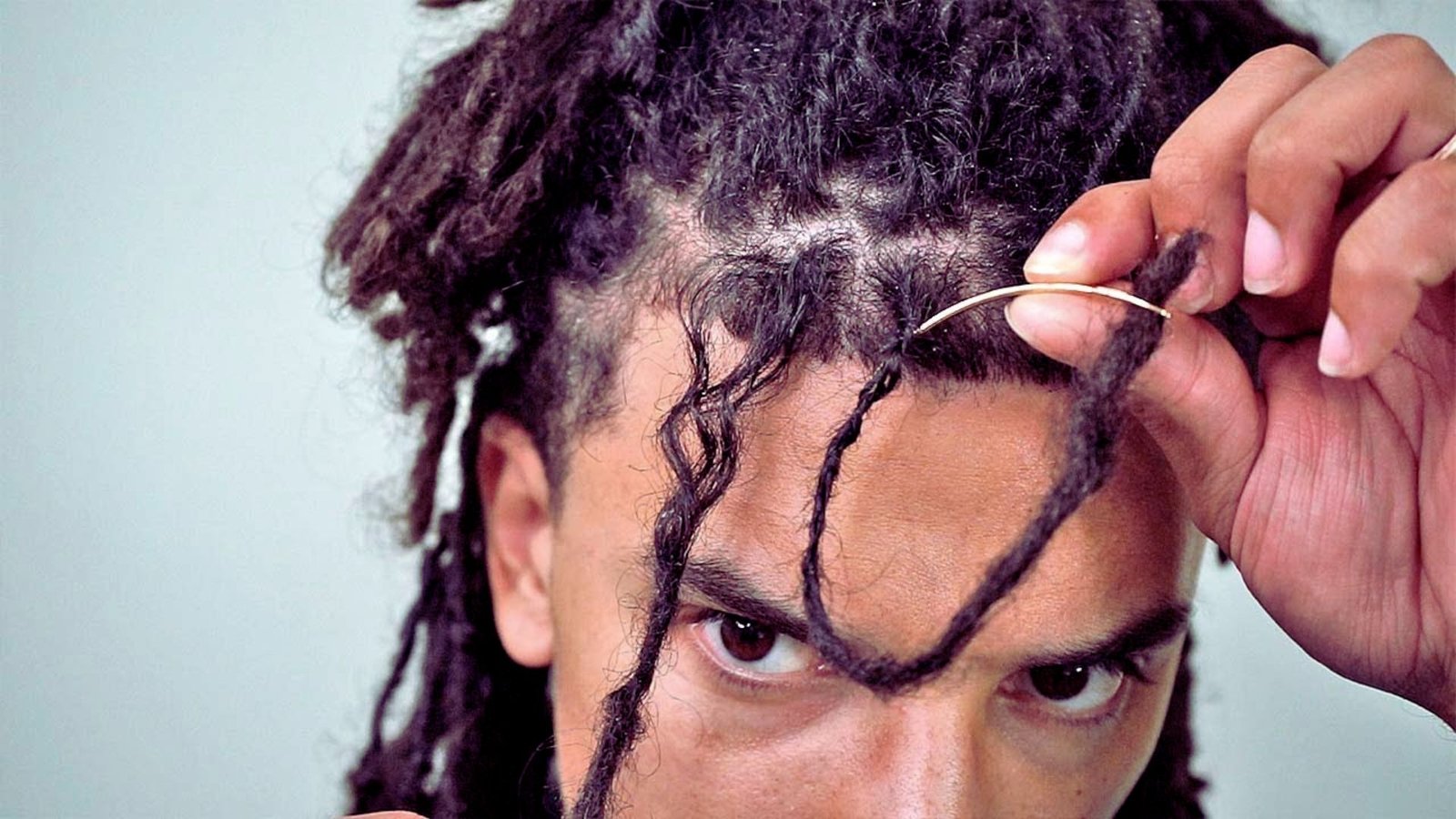
Interlocked locs use a specific technique where the loc ends threads through the root using a latch hook or interlocking tool. This method creates extremely tight hold at the base and works well for all hair textures, particularly looser curl patterns.
Pros: Works excellently for looser hair textures, creates very tight hold, locs stay neat longer between sessions, less unraveling during early stages
Cons: Can cause thinning if done too tightly, requires skilled practitioner, more expensive than palm rolling maintenance, may create bumps if technique isn’t consistent
How to Choose the Right Type of Locs
Selecting the right loc type requires honest assessment of your lifestyle, hair characteristics, and long-term styling intentions.
- Limited time? Freeform locs require minimal appointments
- Prefer salon visits? Traditional locs or Sisterlocks need consistent maintenance
- Active lifestyle? Permanent locs withstand swimming and exercise well
- Coarse, kinky hair (Type 4) locs easily with any method
- Wavy or curly hair (Type 2-3) needs traditional locs with consistent retwisting
- Fine or thin hair works best with microlocs or Sisterlocks for better weight distribution
- Want to test locs? Try faux locs or butterfly locs for 6-8 weeks
- Ready for permanent locs? Traditional locs offer the best balance
- Need maximum versatility? Sisterlocks or microlocs style like loose hair
Loc Care and Maintenance Basics
Proper loc care ensures healthy scalp conditions, strong strands, and long-lasting results regardless of your chosen style.
Washing and Moisturizing Locs
- Wash locs every 1-2 weeks with residue-free shampoo
- Focus on your scalp when washing
- Rinse thoroughly until water runs completely clear
- Use lightweight oils like jojoba, grapeseed, or crambe abyssinica oil
- Apply oil to your scalp first, then lightly down the length
- Avoid heavy butters that cause buildup
Protecting Locs While Sleeping
- Use satin or silk pillowcases or bonnets to prevent friction
- Cotton pillowcases absorb moisture and create frizz
- Wrap longer locs in a loose bun with a satin scrunchie
- Avoid tight elastic bands that cause breakage
Common Myths About Locs
Many misconceptions about locs persist despite widespread education about proper care, professional presentation, and hair health benefits.
Myth: Locs are dirty and can’t be washed properly.
- Completely false
- Clean hair actually locs better than dirty hair
- Washing every 1-2 weeks keeps your scalp healthy
Myth: Locs look unprofessional.
- This harmful stereotype has no basis in reality
- Well-maintained locs are just as professional as any other hairstyle
- Many companies now recognize hairstyle discrimination is unacceptable
Myth: Locs damage hair and stunt growth.
- Locs don’t damage healthy hair when maintained properly
- Hair grows at the same rate with locs as it does loose
- Poor maintenance techniques cause damage, not the locs themselves
Conclusion
I’ve always believed that understanding the different types of locs helps you make the right choice for your hair. From traditional locs to temporary protective styles, each option fits different lifestyles and commitment levels.
Your hair tells your story, and there’s no wrong way to wear locs. Think about your daily routine, hair texture, and how much maintenance you can handle.
Ready to start? Drop a comment below and tell me which loc type interests you most, or share any questions about getting started.
Frequently Asked Questions
How long does it take for locs to fully mature?
Most locs take 1-2 years to reach full maturity, though this varies by hair type and method. Coarse hair often locs faster while fine hair takes longer.
Can I switch between different types of locs?
You cannot easily switch between permanent loc types without starting over. However, you can change temporary styles like faux locs to butterfly locs between installations.
Do locs work on all hair types?
Yes, all hair types can loc, though methods and timing differ. Type 4 hair locs most easily while Type 1-2 hair requires more technique and patience.
How much do different loc types cost to install?
Traditional locs cost $150-300, Sisterlocks run $500-2000, faux locs range $150-400, and microlocs typically cost $300-800. Prices vary based on location and experience.
Can I remove locs without cutting my hair?
Temporary styles like faux locs remove completely without cutting. Permanent locs can sometimes be combed out if they’re relatively new (under 6 months) but this process causes significant breakage.