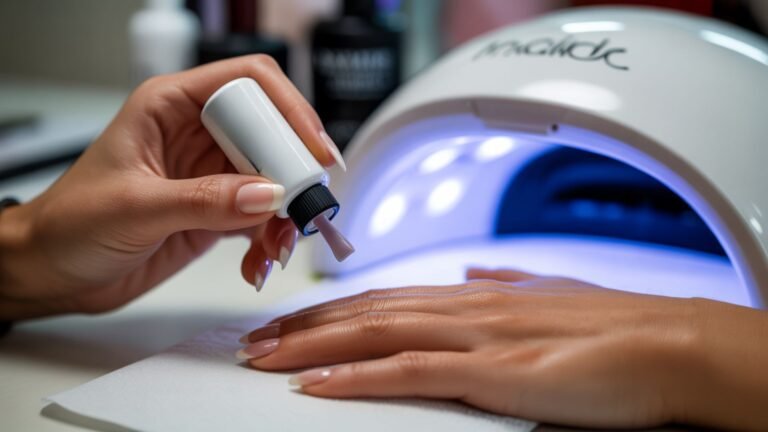
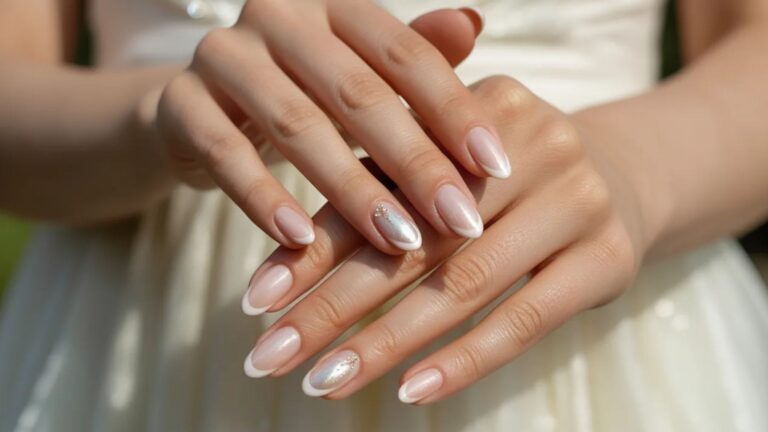
How to Get Dip Nails Off Safely?


Dip powder nails look great and last for weeks, but getting them off can feel tricky. I’ve been there, staring at my nails and wondering how to remove them without causing damage.
This guide will walk you through safe removal methods that protect your natural nails.
You’ll learn the right tools to use, step-by-step techniques, and aftercare tips to keep your nails healthy. I’m sharing what actually works, based on expert advice and real experience.
We’ll cover the acetone soak method, the hot rice technique, and faster removal options. You don’t need a salon appointment to do this right.
Let’s get those dip nails off without the stress or damage.
Understanding Dip Powder Nails

Dip powder nails combine resin adhesive with colored acrylic powder to create a manicure that lasts 3-4 weeks.
The process starts with a base coat, then your nail gets dipped into colored powder several times.
Each layer adds thickness and strength. A topcoat seals everything and creates that glossy finish. This method doesn’t need UV light like gel polish does.
The same adhesive that makes dip nails durable also makes them tough to take off. Multiple powder layers create a thick coating that regular nail polish remover can’t break down.
The resin bond is much stronger than gel polish, so you need pure acetone and patience to dissolve it.
Trying to peel or force them off will damage your natural nail. The layers need time to soften before they can be safely removed.
Must-Have Tools for Safe Removal
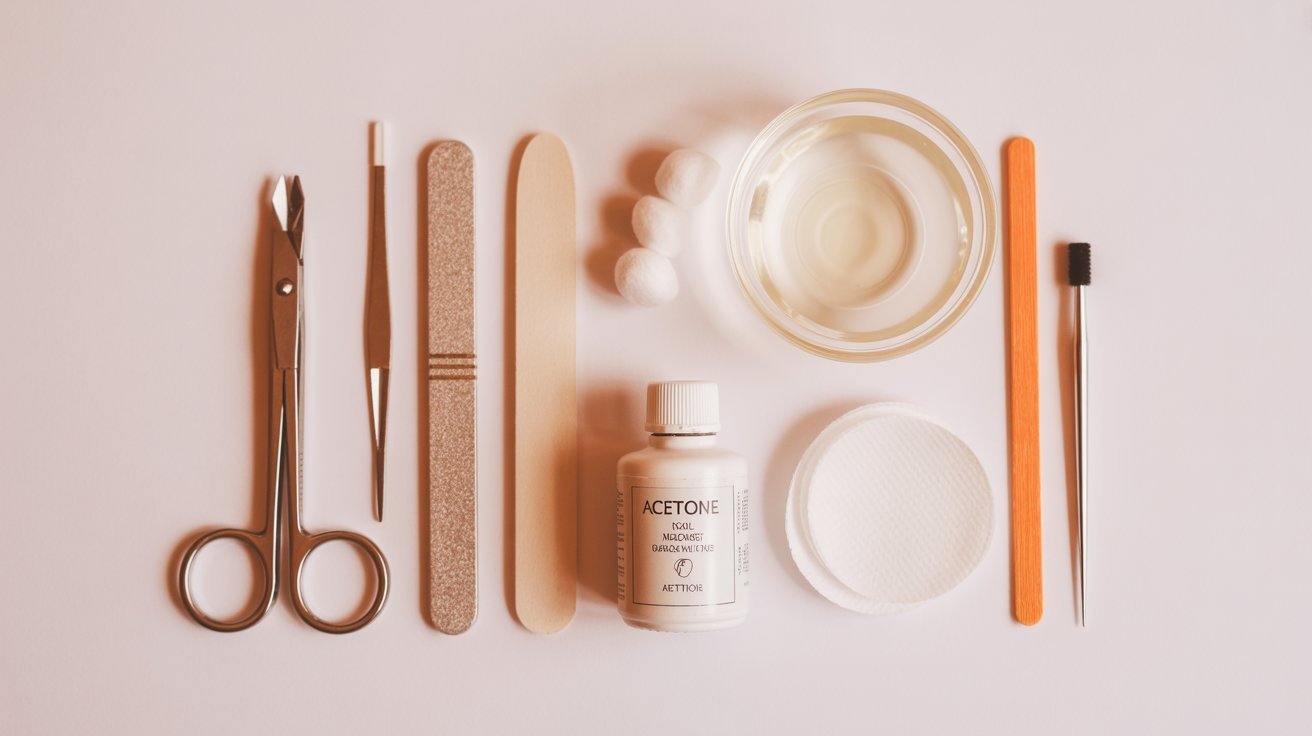
The right supplies protect your natural nails and make the removal process quick and damage-free.
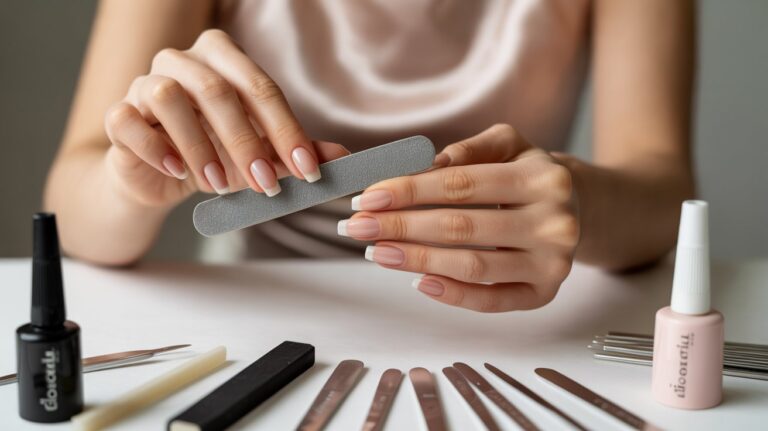
- Nail clippers and double-sided file (100/180 grit) trim extensions to natural nail length and buff away the shiny topcoat so acetone can penetrate the dip powder layers
- Pure acetone (not regular polish remover) is essential because regular remover won’t dissolve the strong adhesive bonds in dip powder
- Glass or ceramic bowl holds acetone for soaking without risk of damage since acetone can break down plastic bowls
- Orange stick or metal cuticle pusher, cotton balls, and petroleum jelly let you gently push off softened powder, apply acetone, and protect surrounding skin from drying out
- Towels or protective mats shield your work surface since acetone damages wood furniture and melts synthetic fabrics
Step-by-Step Methods to Remove Dip Nails Safely
Three proven techniques offer different approaches based on what works for your schedule and comfort level.
Each method uses acetone but applies it differently to break down the dip powder layers. Choose the one that fits your needs best.
Method 1: Filing and Acetone Soak (Allure Expert Method)
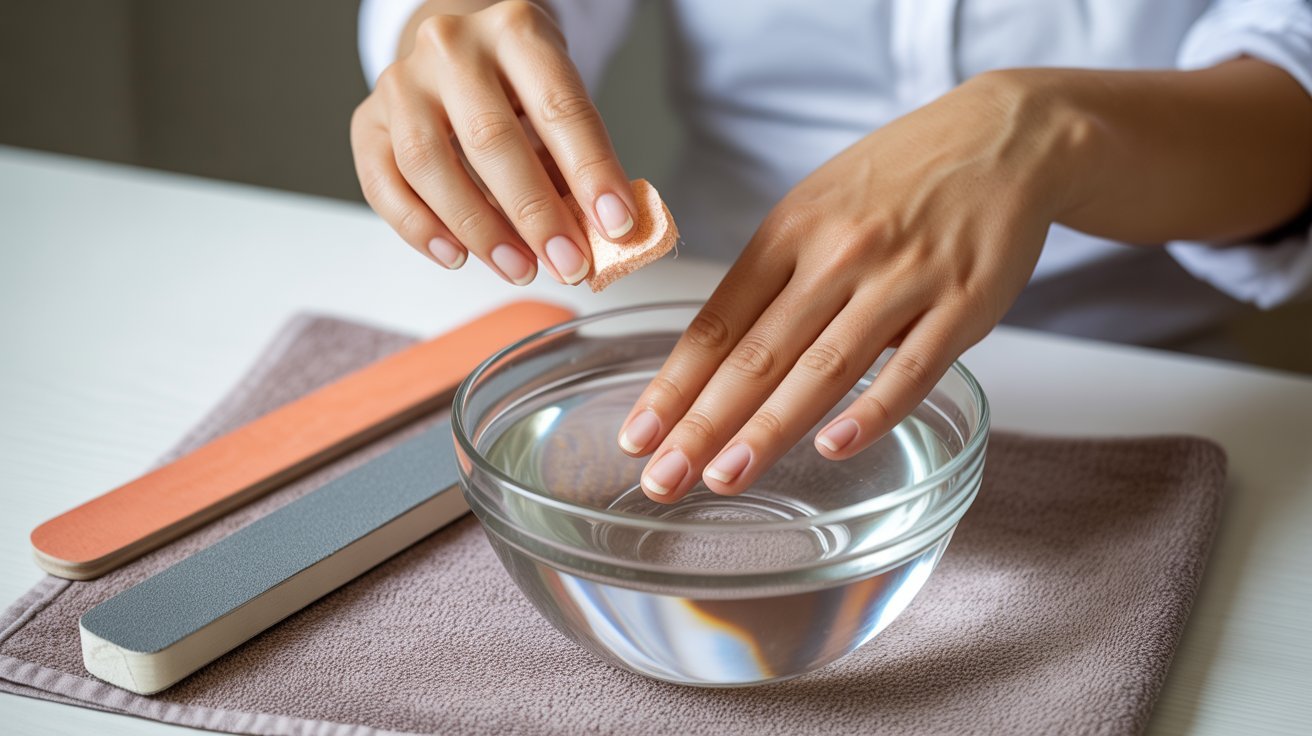
This traditional approach takes 20-30 minutes but works reliably every time. First, clip off any nail extensions so you’re working with just your natural nail length.
Use your coarse nail file to buff away the shiny topcoat until the surface looks dull and thin. This step is important because it lets acetone penetrate the layers faster.
Pour pure acetone into your bowl and soak all ten fingertips for 10-20 minutes. The dip powder will start to soften and lift away from your nail.
Check progress at 10 minutes by gently trying to push the dip with your orange stick.
If it doesn’t budge easily, soak for another 5-10 minutes. Never force or scrape hard. When the dip feels soft and loose, gently push it off with the orange stick.
Use your buffer to smooth away any remaining bits. Wash your hands thoroughly when done.
Method 2: Hot Rice Method (DipWell)
Heat speeds up the acetone’s ability to break down dip powder. This method cuts your soaking time roughly in half.
Start by buffing off the topcoat just like in Method 1. The surface needs to be roughed up for acetone to work.
Fill a microwave-safe bowl with uncooked rice and heat it for 30-60 seconds until warm but not burning hot. Place a smaller acetone-safe bowl filled with pure acetone into the warm rice.
The rice acts as a heat source that keeps the acetone warm.
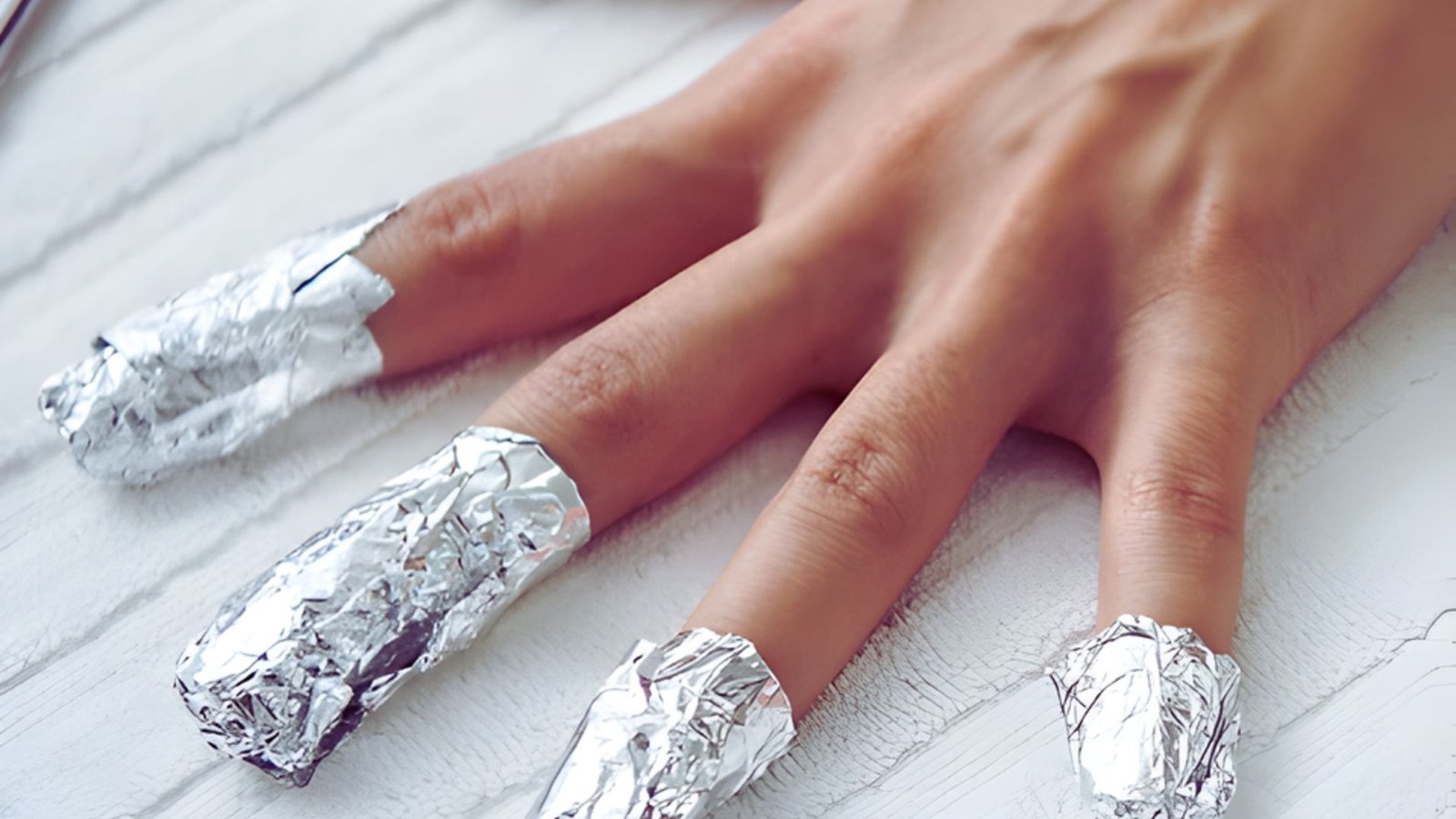
Soak cotton balls in the heated acetone and press them onto each nail. Some people wrap their fingertips with foil to hold the cotton in place and trap heat.
Let your nails soak for 10-15 minutes. The warmth helps the acetone work faster. Rub your nails against the cotton balls to remove the softened dip.
The friction combined with the solvent makes removal easier. Push off any stubborn bits with your orange stick and buff smooth.
Method 3: Nail Spa or Swift Soak Method (Revel Nail)
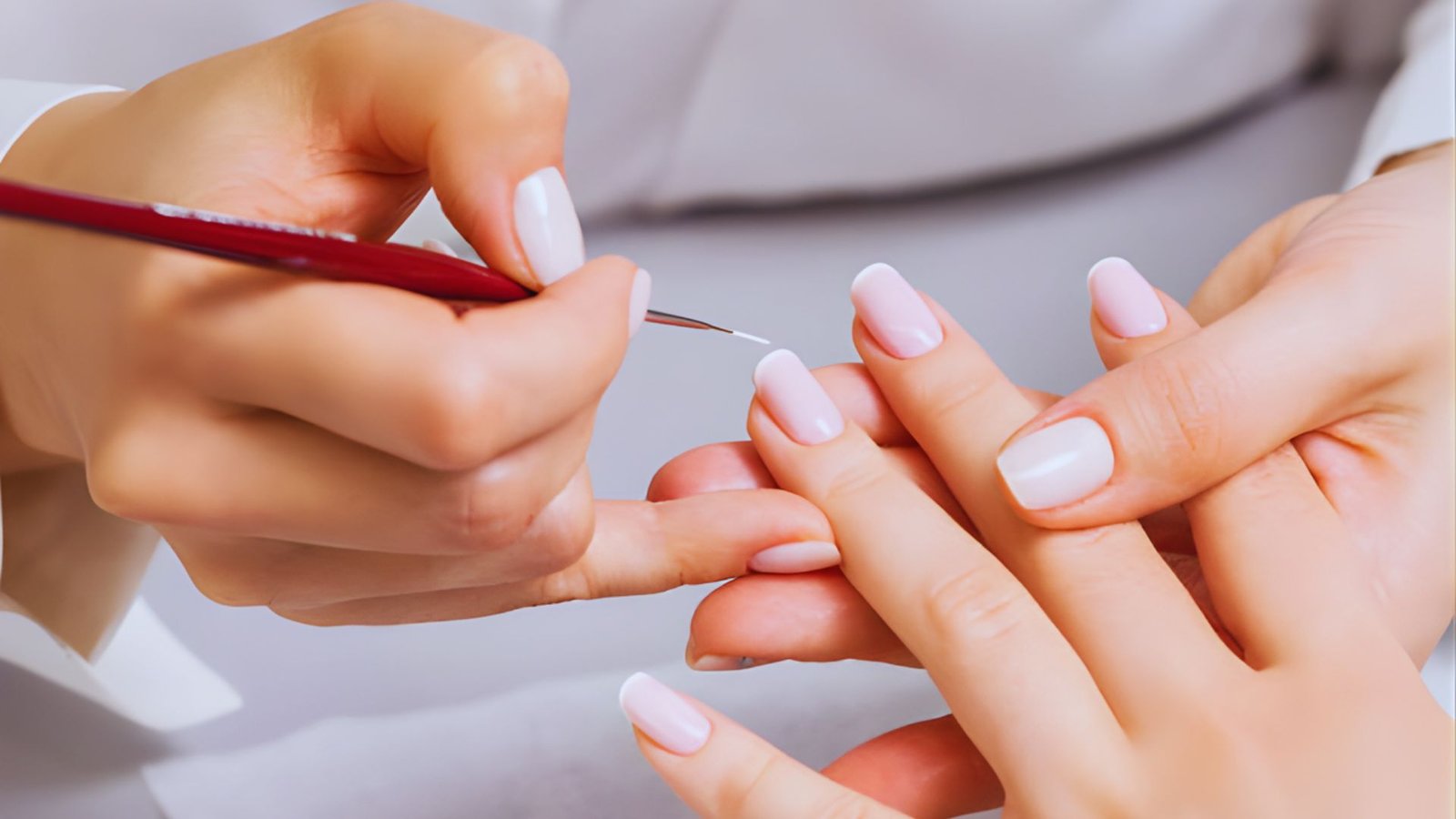
These professional-style techniques offer faster removal if you have the right tools.
The Nail Spa Method uses a special bowl with finger slots that keep cotton soaked in acetone pressed against each nail.
Fill the bowl slots with cotton, pour in acetone, and insert your fingers for 7-10 minutes. The design keeps everything in place so you can relax while it works.
When time is up, rub your nails against the cotton to remove the dip.
The Swift Soak Method uses silicone scrubbers and heated acetone for the quickest removal. Warm your acetone using the rice bowl method.
Dip the silicone scrubbers in the warm acetone and rub them over your buffed nails. The textured surface helps break down the dip while the heat accelerates the process.
This can work in as little as 5-7 minutes.
Always clean up properly after any acetone method. Dispose of used cotton and acetone according to local guidelines. Wash your hands and tools thoroughly.
Post-Removal Nail Care
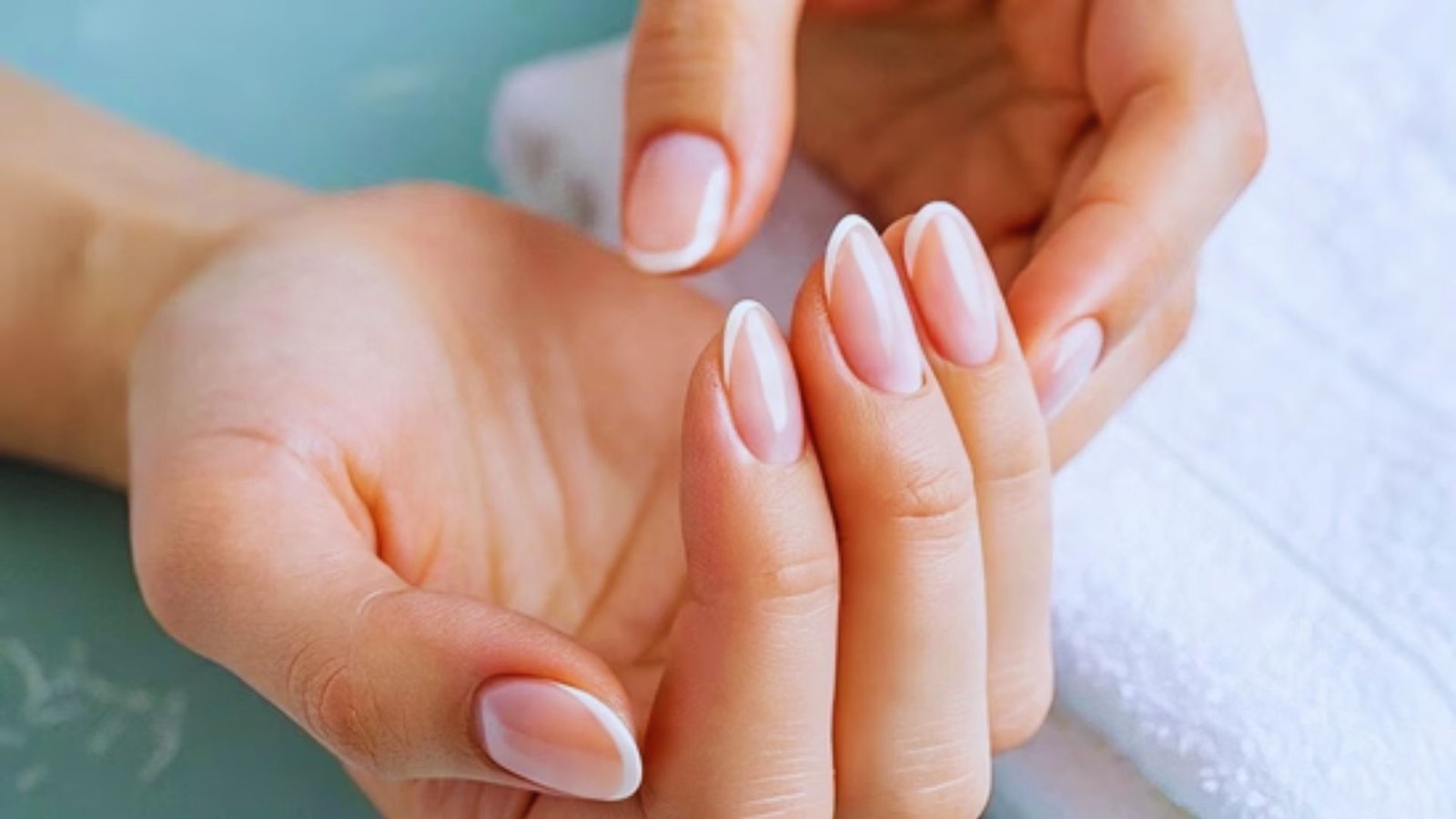
Your nails need attention after removal to restore their health and strength. Dip powder and acetone both dry out your nails, so rehydration is key to preventing breakage and peeling.
Buffing and Shaping
Use a fine-grit buffer to smooth your nail surface after all the dip is gone. File your nails to your preferred shape, but keep them shorter if they feel weak or thin.
Short nails are less likely to break or snag while they recover. Avoid aggressive filing that can create splits or tears.
Hydration and Moisturizing
Apply cuticle oil immediately after removal and continue using it several times daily for the next week. Hand cream seals in hydration and protects the skin around your nails.
Tenoverten Rose Oil works well for nail and cuticle treatment. Byredo Hand Cream provides rich moisture without feeling greasy.
Neutrogena Hydro Boost offers affordable daily hydration. Massage these products into your nails and cuticles before bed for best absorption.
Expert Tips and Precautions
Following these guidelines prevents damage and makes removal safer and easier.
- Never peel or force dip nails off no matter how loose they seem. Peeling takes layers of your natural nail with it, leaving thin and painful spots that can take months to grow out.
- File the topcoat before soaking to cut your removal time significantly. Acetone can reach the layers underneath faster. Without filing first, you might soak for 30 minutes or more with poor results.
- Use acetone only in well-ventilated spaces like near an open window or outdoors. The fumes can cause headaches and dizziness in closed rooms.
- Keep acetone away from synthetic fabrics and wood surfaces. It can melt or stain polyester permanently and strips finishes from wood, leaving white marks. Never smoke or use open flames near acetone since it’s highly flammable.
- If your nails feel sore or look very thin after removal, skip the next manicure and let them rest. Apply strengthening treatments and keep them moisturized until they recover.
Conclusion
Removing dip nails at home doesn’t have to damage your natural nails. I know the process seems long, but taking your time really pays off.
File that topcoat, soak in pure acetone, and never force anything off.
Your nails will thank you for your patience. After removal, show them some love with oil and cream.
Have you tried any of these methods? Drop a comment below and share what worked best for you. Let’s help each other keep our nails healthy and strong.
Frequently Asked Questions
Can I reuse acetone after removing dip nails?
No, don’t reuse acetone that has dissolved dip powder. The solution becomes contaminated and loses strength. Fresh acetone works faster and more effectively.
How long should I wait between dip manicures?
Give your nails at least 3-5 days to recover between dip applications. If your nails feel thin or weak, wait a full week or two before your next manicure.
Will acetone damage my natural nails?
Acetone dries out nails temporarily but doesn’t cause permanent damage when used correctly. Keep soaking sessions under 20 minutes and moisturize thoroughly afterward.
Can I remove dip nails without acetone?
No safe method exists to remove dip nails without acetone. The resin requires a strong solvent. Other products won’t dissolve the adhesive and you’ll risk damaging your nails.
Why are my nails peeling after dip removal?
Peeling happens when nails get too dry or when dip powder is forced off instead of properly dissolved. Apply cuticle oil multiple times daily after removal to help nails recover.