Does Septoplasty Change Nose Shape? What You Must Know

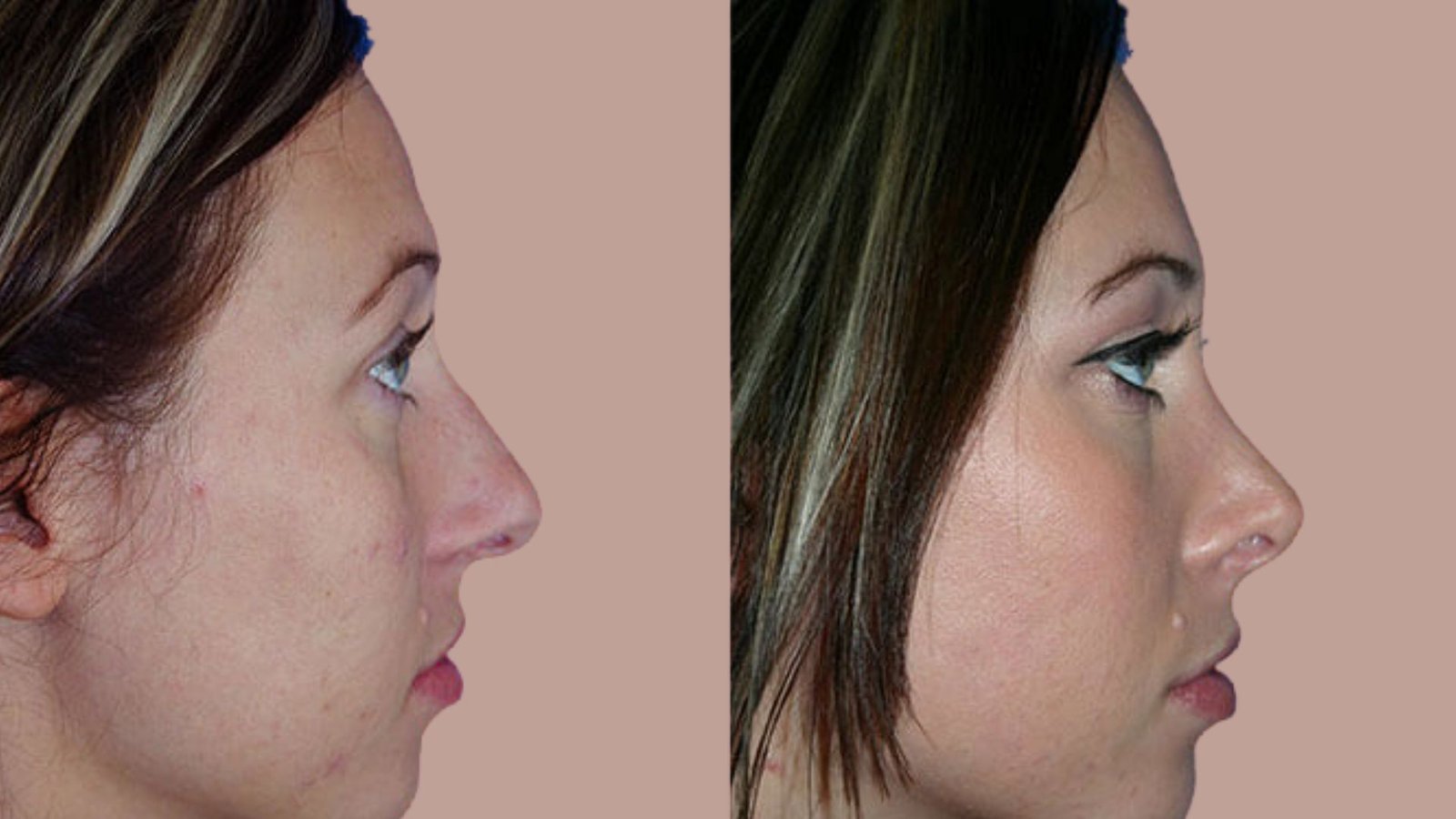
Thinking about septoplasty but worried it might change how your nose looks? You’re not alone. This is one of the most common concerns patients have before surgery. Septoplasty is designed to fix breathing problems, not reshape your nose. But there are important details you need to understand.
This article breaks down exactly what septoplasty does, when it might affect your appearance, and what to expect.
We’ll cover the difference between septoplasty and rhinoplasty, real recovery experiences, and questions you should ask your surgeon.
I’ve spent years researching nasal procedures and talking with patients who’ve been through this. My goal is simple, to give you clear, honest information so you can make the right decision for your health.
No sales pitch. Just straightforward answers about what actually happens during and after septoplasty. Let’s get into what you really need to know.
How Septoplasty Can Affect Nose Shape?
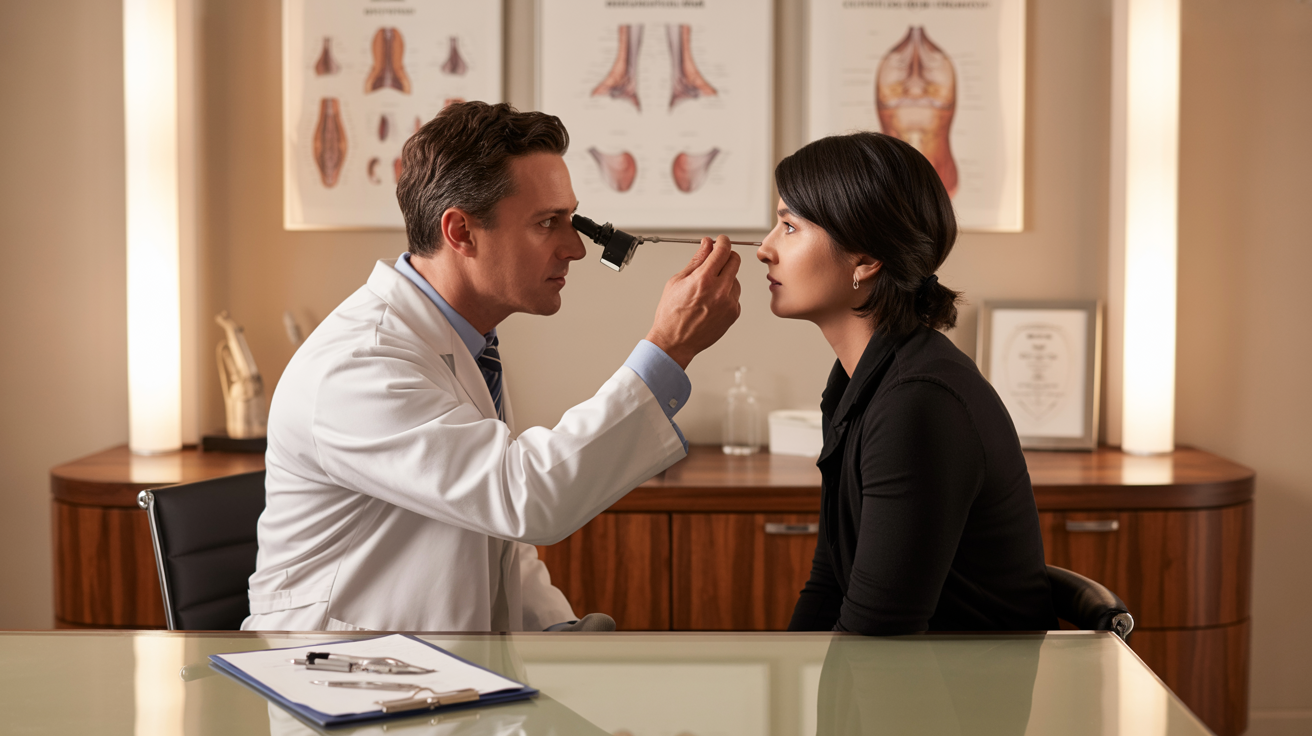
I want to be honest with you. Septoplasty is about breathing, not beauty. Doctors perform this surgery to straighten your nasal septum, the wall inside your nose.
The goal? Better airflow. But here’s what many people don’t realize. Sometimes your outer nose changes, too.
Functional vs Cosmetic Effects
Let me explain the difference. Functional effects mean you can breathe easier. That’s what septoplasty targets. Cosmetic effects are the visual changes you might notice afterward. These changes are usually minor. They happen as a side benefit, not the main purpose.
Think of it this way. A surgeon fixes the internal structure. Your external nose might shift slightly as everything settles into place. But we’re talking subtle differences, not dramatic transformations.
Scenarios Where Septoplasty May Change Nose Appearance
Some situations create visible changes.
Here’s when you might notice a difference in how your nose looks:
Severe deviations can cause obvious asymmetry. When the septum is extremely crooked, your nose might lean to one side. Straightening the septum can improve this.
Dorsoventral dimension issues affect your nose’s height:
- Low dimension: Saddle nose (bridge dips down)
- High dimension: Nasal hump (bridge sticks up)
Anteroposterior variations change the columella:
- Short septum: Retracted columella (pulled back)
- Long septum: Excessive columella shows (hangs too low)
Crooked noses may straighten when the septum gets realigned. The bone and cartilage work together. Fix one part, and the other might follow.
Tension nose is another scenario. Your cartilage holds tension like a bent spring. Release that tension during surgery, and your profile might soften slightly.
Limitations of Septoplasty on Cosmetic Changes
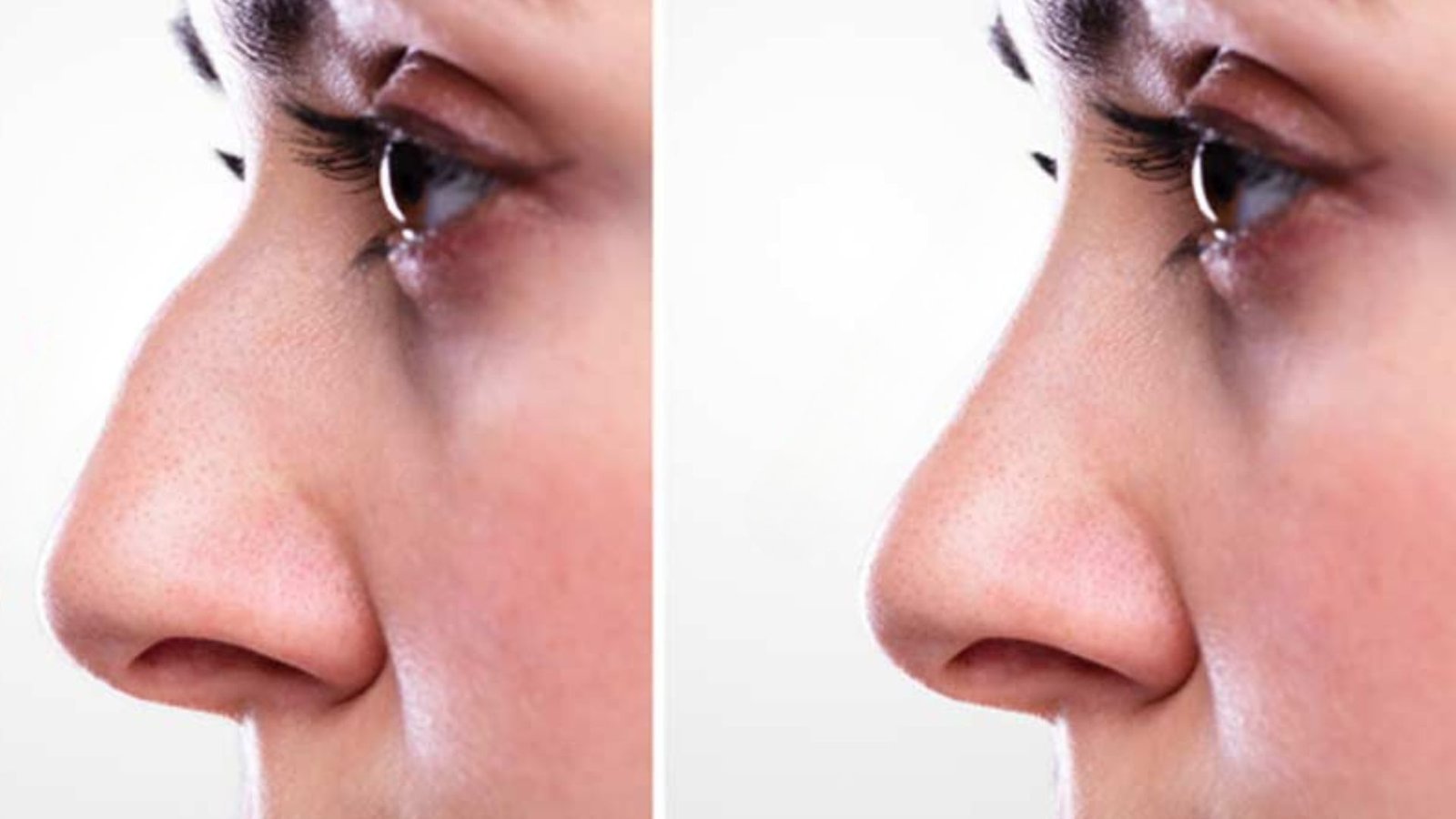
Here’s the reality check. If you have a minor deviation, your external nose probably won’t change at all. The surgery happens inside. The outside stays put.
Want major shape changes? You need septorhinoplasty, a combination procedure. Pure septoplasty won’t give you a new nose.
Any cosmetic improvements are bonuses, not guarantees. I’ve seen patients pleasantly surprised by subtle changes. But going into surgery expecting a beauty makeover? That sets you up for disappointment.
Combined Procedures: Septorhinoplasty
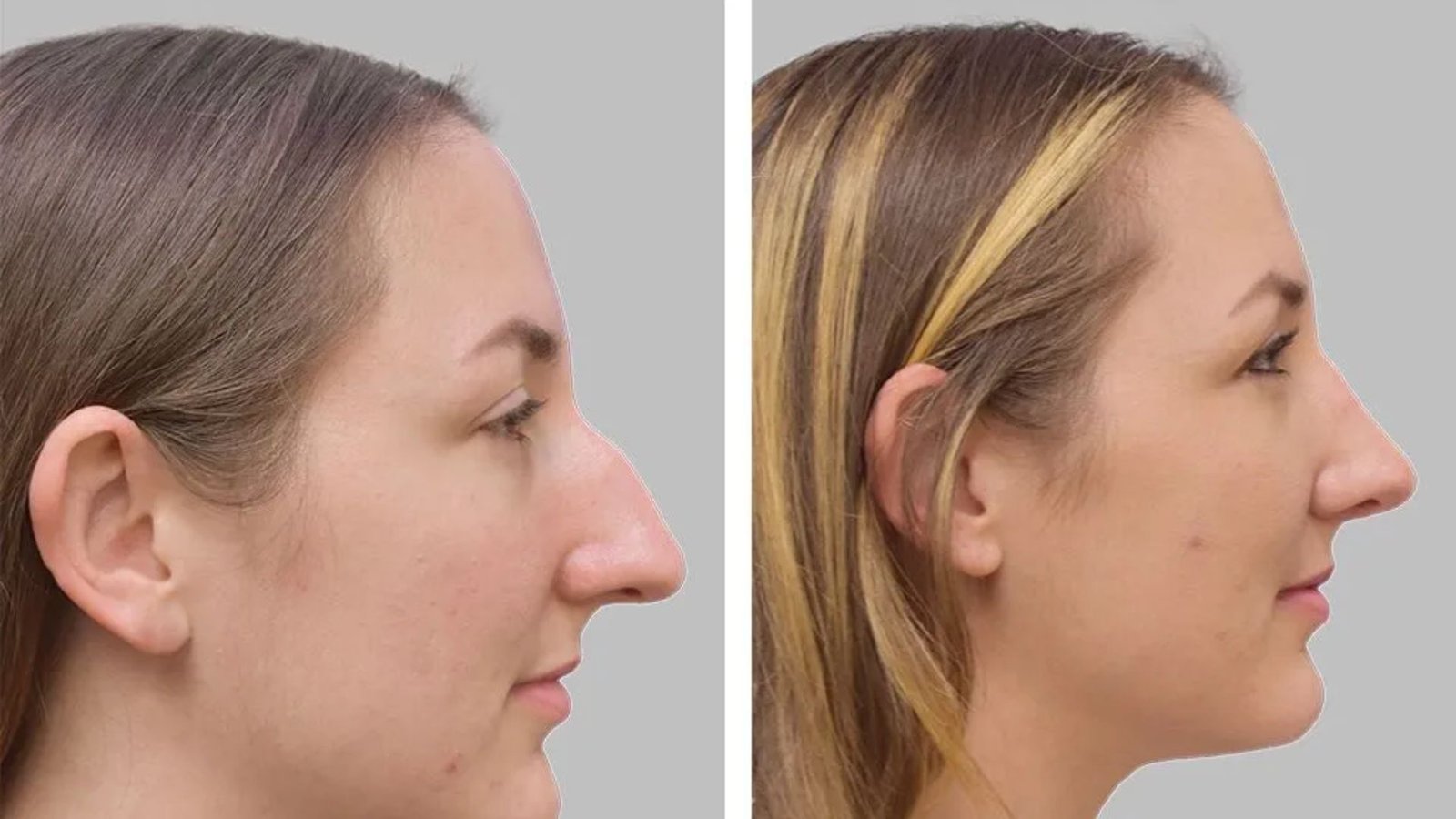
Sometimes one surgery isn’t enough. You need your nose to work better and look better. That’s where septorhinoplasty comes in.
What Is Septorhinoplasty?
Think of it as two surgeries in one. Septoplasty fixes your breathing. Rhinoplasty reshapes your appearance.
The benefits:
- Improved breathing through straightened airways
- refined nose shape and profile
- One recovery period instead of two
Why go through surgery twice when you can do it once?
When Combined Surgery Is Recommended
Your doctor might suggest this in specific situations. Significant nasal deformity is the main reason. If your nose has problems that affect both function and appearance, why fix only half?
Patient desires matter too. Maybe you’re already getting a septoplasty for breathing. You’ve been unhappy with your nose shape for years. This is your chance to address both concerns at once.
The Septoplasty Procedure
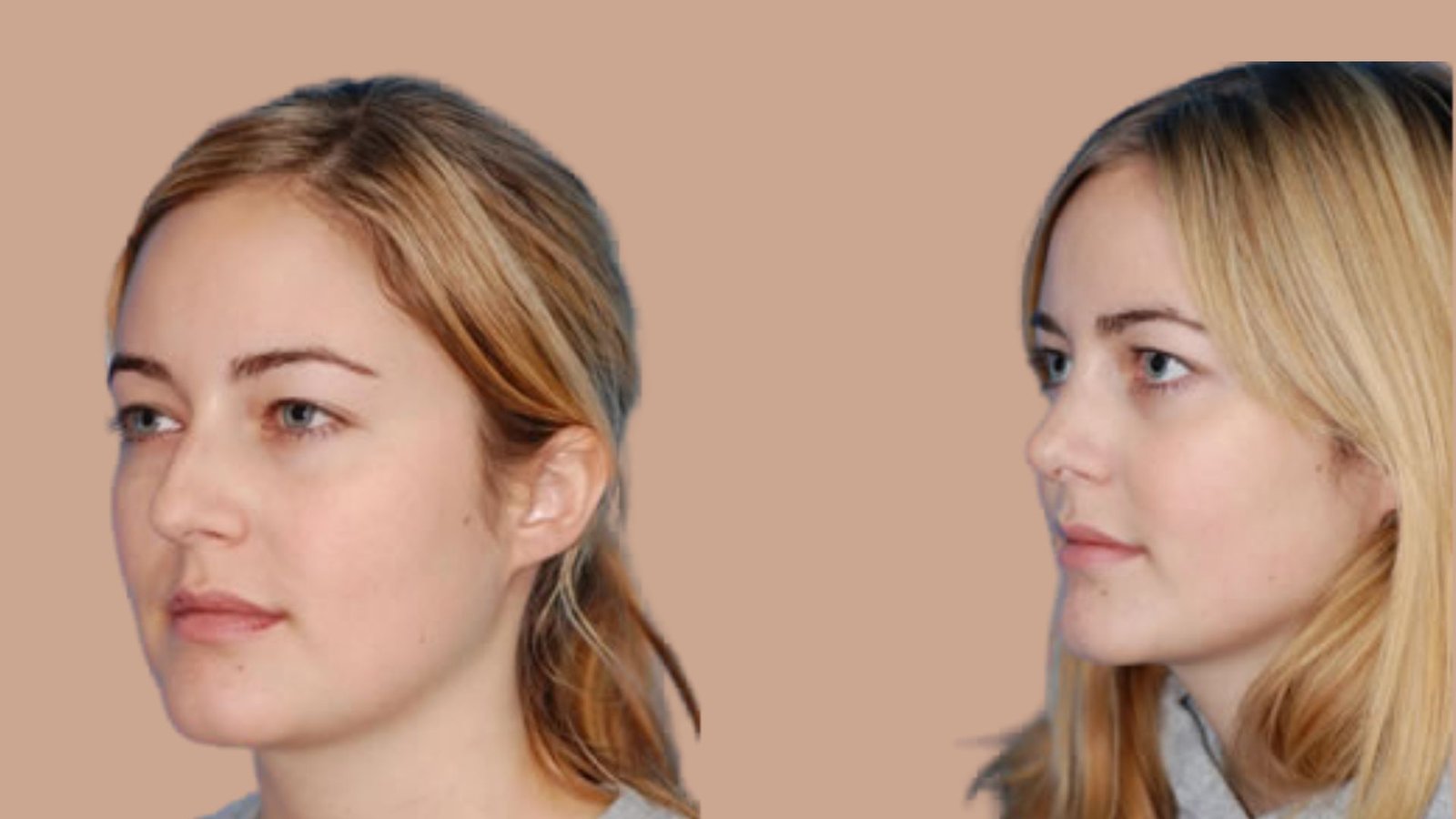
Let me walk you through what actually happens. I know surgery can feel scary. But understanding each step helps. Here’s the real process from start to finish.
Pre-Operative Preparation
Your doctor needs you to be ready before surgery. Fasting is required, as no food or drink is allowed for several hours beforehand.
You’ll disclose all medications you take. Allergies get checked. Smoking cessation is crucial because smoking slows healing.
Anesthesia comes next:
- Local anesthesia with sedation keeps you relaxed but semi-awake
- General anesthesia puts you completely asleep
Your surgeon will recommend the best option for your case. Most patients prefer general anesthesia. You won’t feel or remember anything.
Step-by-Step Surgical Process
The surgery happens inside your nose. No external cuts on your face. Your surgeon makes an incision in the septal wall. Then the mucosa, the protective lining, gets carefully lifted away.
Here’s what happens next:
- Cartilage and bone reshaping to straighten the crooked septum
- Removal of excess or damaged tissue blocking airflow
- Rewrapping the mucosa back over the corrected structure
- Suturing the incisions closed with dissolvable stitches
Finally, splints and packing go inside your nose. These support everything while it heals. Some surgeons skip packing now, as it depends on the technique used.
Recovery and Healing Timeline
This is an outpatient procedure. You go home the same day. Someone needs to drive you because of the anesthesia effects.
Initial recovery takes 1–2 weeks:
- Swelling and congestion are normal
- Mild discomfort managed with pain medication
- Rest and keep your head elevated
Full internal healing takes several months. Your tissues need time to settle completely. You’ll notice gradual breathing improvement during this period.
Follow-up appointments aren’t optional. Your doctor monitors healing and checks that your airflow has improved. These visits catch any complications early.
Managing Expectations
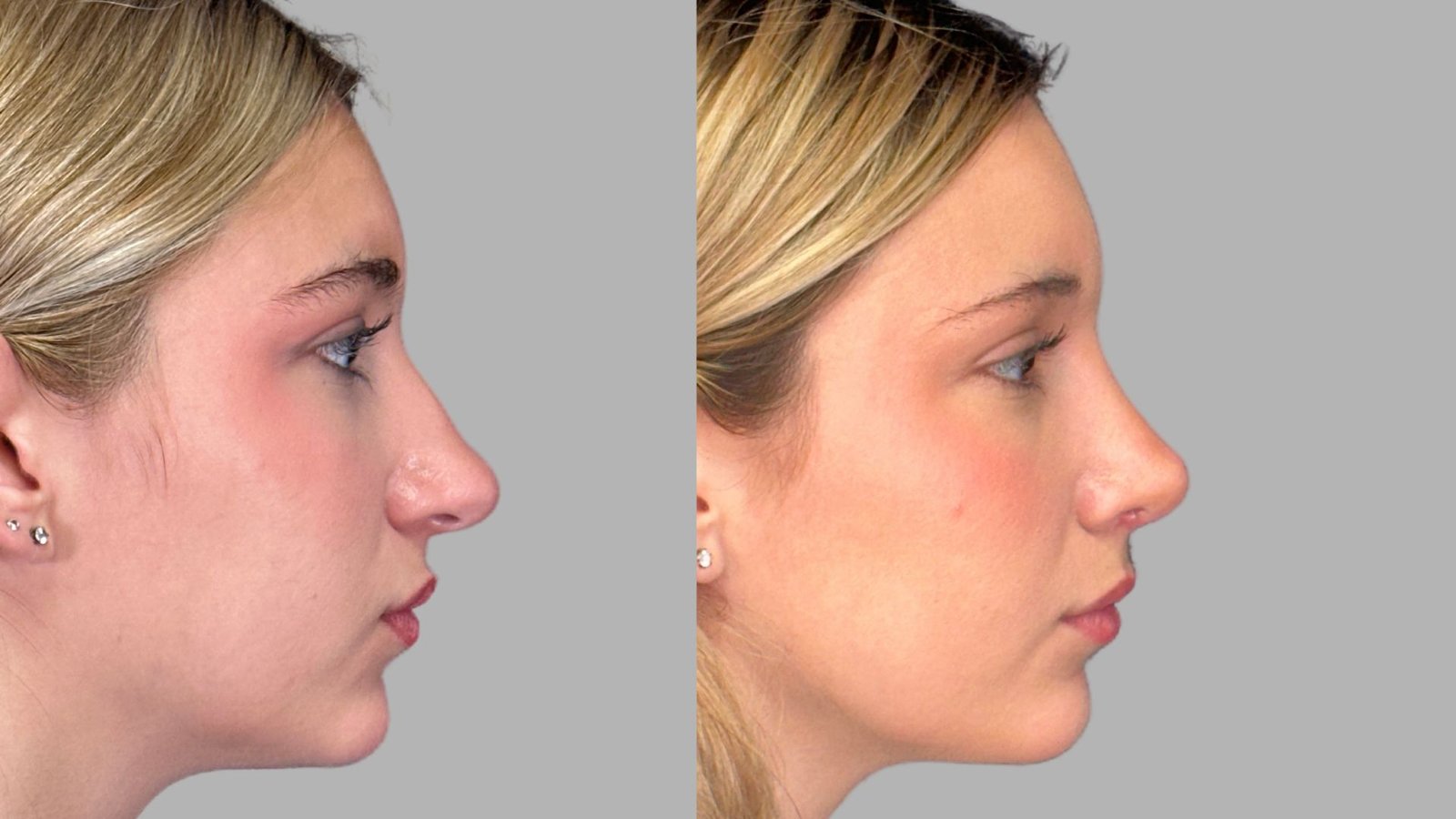
I need to be completely honest with you. Septoplasty isn’t a cosmetic makeover. It’s a medical procedure for breathing problems. Going in with realistic expectations prevents disappointment later.
What Patients Should Know
Septoplasty primarily improves breathing. That’s the whole point. Your airways get cleared. Airflow increases. You breathe easier through your nose.
- Cosmetic changes are subtle and not guaranteed
- Your external nose might look the same afterward
- Severe deviations may result in minor visible improvements
- Any visual appeal changes are bonuses, not promises
Don’t expect a new nose. Expect better breathing. If your friend got septoplasty and their nose looked different, that doesn’t mean yours will too. Every case is different.
When Additional Cosmetic Procedures Are Needed
Want significant shape changes? Septoplasty alone won’t deliver. You’ll need additional procedures for visual appeal goals.
Rhinoplasty becomes necessary for major adjustments:
- Reshaping a large nasal hump
- Narrowing a wide bridge
- Refining bulbous tip shape
- Correcting significant asymmetry
Cartilage grafts help in select cases. These support tip projections or strengthen the columella. Your surgeon might use cartilage from your septum, ear, or rib.
The bottom line? If breathing is your only concern, septoplasty works. If appearance matters equally, discuss septorhinoplasty upfront. Don’t wait for disappointing results before addressing cosmetic goals.
Conclusion
So, does septoplasty change nose shape? In most cases, no. This surgery focuses on straightening your nasal septum to improve breathing, not alter your appearance. Any visible changes are usually minor and relate to correcting functional issues.
That said, some subtle shifts can happen, especially if your septum was severely deviated. The good news? You now know what to expect and can have an informed conversation with your surgeon about your specific situation.
If you found this helpful, feel free to share it with anyone considering septoplasty. Have questions or experiences to share? Drop a comment below. And if you’re looking into nose procedures further, check out our related articles for more clarity on your options.
Frequently Asked Questions
Does septoplasty change the external appearance of my nose?
Generally, no. Septoplasty is an internal procedure that straightens the nasal septum to improve breathing. It doesn’t intentionally alter your nose’s external shape. However, minor cosmetic changes may occur if a severely deviated septum was affecting your nose’s appearance beforehand.
What’s the difference between septoplasty and rhinoplasty?
Septoplasty corrects internal breathing problems by straightening the septum, while rhinoplasty is cosmetic surgery that changes your nose’s external appearance. Some patients get both procedures together (septorhinoplasty) to address functional and visual appeal concerns simultaneously.
Will my nose look different after septoplasty recovery?
You may notice temporary swelling or bruising that changes your nose’s appearance initially. Once healed, your nose should look the same as before, unless the deviated septum was causing visible asymmetry that’s now corrected.
Can septoplasty fix a crooked nose?
Only if the crookedness is caused by a deviated septum. Septoplasty addresses internal structural issues. If your crooked nose is due to external bone or cartilage positioning, you’d need rhinoplasty for cosmetic correction.
How long until I see the final results after septoplasty?
Most swelling subsides within 3-6 months, though complete healing can take up to a year. Breathing improvements are often noticeable within weeks, while any subtle external changes become apparent as swelling fully resolves.