Is Chlorine Good for Your Skin? Truths You Must Know


Is your pool time ruining your skin? If you’ve noticed dryness, irritation, or weird reactions after swimming, chlorine might be the culprit. But the truth about chlorine and skin health is more complicated than you think.
This guide explains how chlorine actually affects your skin. You’ll learn about the good, the bad, and what you can do to protect yourself. We cover everything from chlorine’s disinfecting benefits to its potential damage, plus simple ways to keep your skin healthy while swimming.
We’ve based this on dermatological research and real-world evidence. No scare tactics or myths here. You’re getting facts from medical sources and practical advice that works. If you swim daily or occasionally, you need to know how chlorine impacts your largest organ. Let’s dive into the truth.
What Is Chlorine and Why Is It Used?
You’ve probably smelled it at the pool. That sharp scent? That’s chlorine working.
Chlorine as a Disinfectant
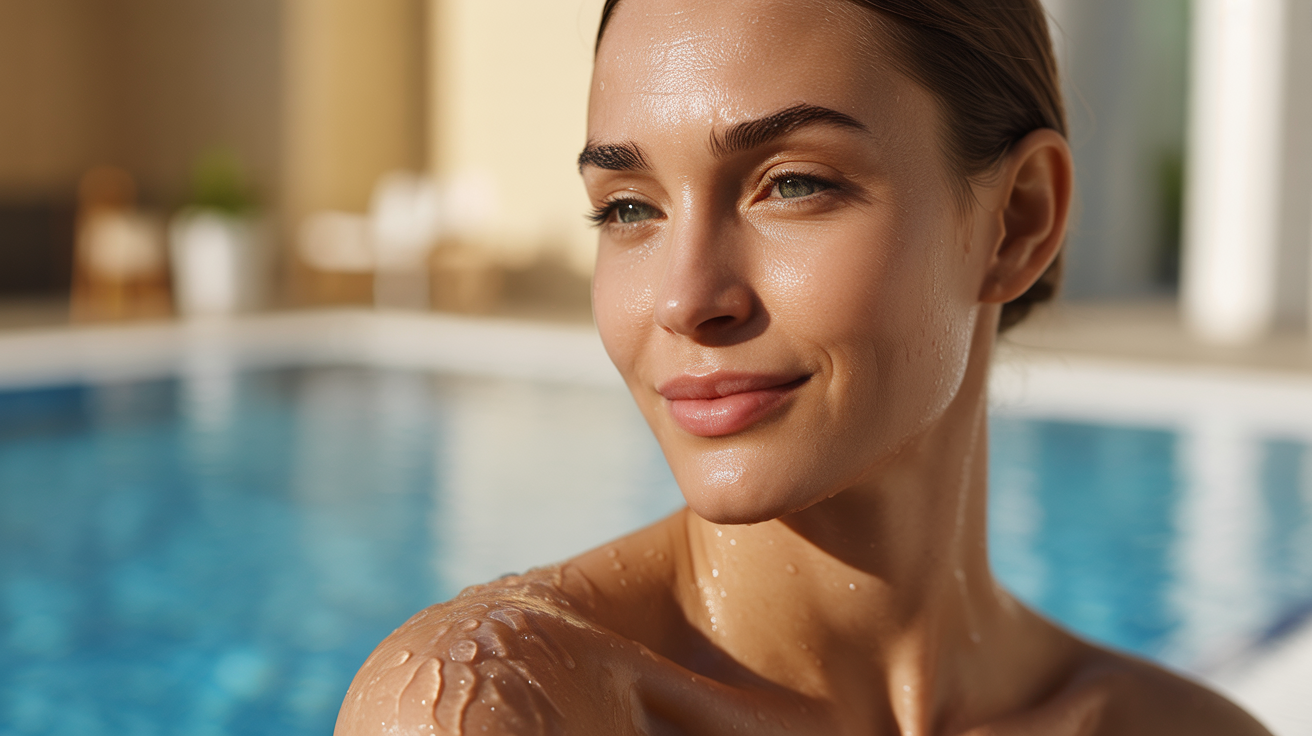
Chlorine kills germs. It destroys bacteria, viruses, and other organisms that make you sick.
You’ll find it in two main places:
- Swimming pools: Keep water safe for swimmers
- Water treatment plants: Clean your drinking water
The amount matters. Pool water has more chlorine than tap water. Different jobs need different strengths.
How Chlorine Interacts With the Body
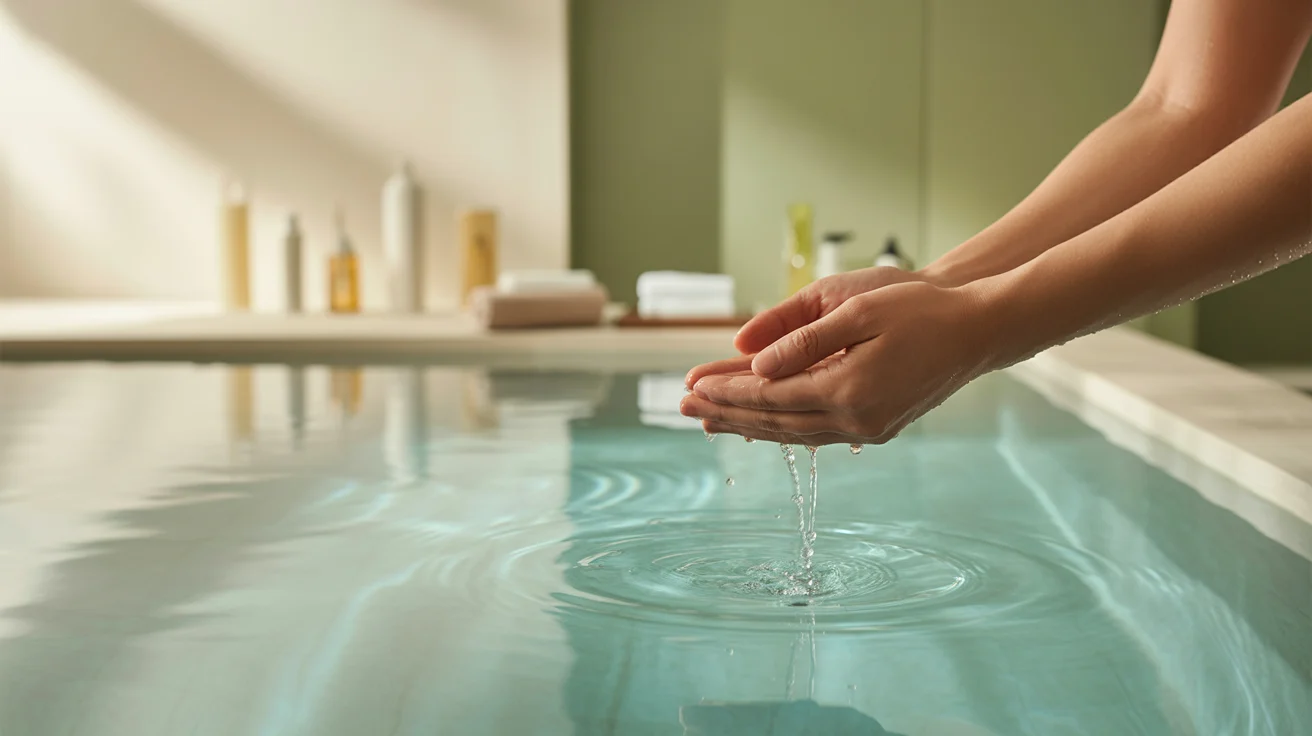
Chlorine doesn’t just vanish. When it meets organic matter, like leaves or dead skin, it creates trihalomethanes (THMs).
These byproducts have raised some health concerns. Long-term exposure might pose risks. But the benefits of clean water outweigh the minimal dangers at normal levels.
Are There Any Potential Benefits of Chlorine for Skin?

Let’s be honest here. Chlorine isn’t exactly a skin care hero. Its job is to kill germs, not pamper your skin.
- Disinfection power: Chlorine kills bacteria on your skin’s surface, which might help prevent infections in minor cuts or scrapes.
- Acne bacteria reduction: Some people report fewer breakouts because chlorine destroys acne-causing bacteria, though the drying effect usually cancels this out.
- Limited therapeutic use: Controlled chlorine baths are occasionally used for severe skin infections, but only under medical supervision with specific concentrations.
The negatives almost always outweigh the positives. Any minor benefits come with a price your skin pays later.
Factors That Influence Chlorine’s Effect on Skin
Not everyone reacts to chlorine the same way. Your experience depends on several key factors that determine how much damage your skin takes.
- Exposure duration: Longer swims mean more dryness, and athletes who train daily face cumulative damage that builds up over time.
- Your skin type: Dry or sensitive skin gets hit harder by chlorine, while oily skin has slightly more natural protection against chemical stripping.
- Pre-existing conditions: Eczema and psoriasis sufferers experience aggressive flare-ups because their weakened skin barrier can’t defend against chlorine’s assault.
- Sunscreen interactions: Chlorine breaks down certain sunscreen ingredients, creating new irritating compounds that make your skin react worse than chlorine alone.
- Product combinations: Lotions and hair products mix with chlorine to form sticky residues that clog pores and trap chemicals against your skin.
How to Protect Your Skin from Chlorine?
Protection starts before you dive in. Let me walk you through the complete defense plan.
Pre-Swim Preparation

Your best defense is a good offense. Prep your skin before chlorine ever touches it.
Here’s your pre-swim checklist:
- Shower first: Wet your skin with fresh water so it absorbs less chlorine from the pool.
- Apply barrier cream: Create a protective layer between chlorine and your skin before you swim.
- Wet your hair thoroughly: Soak it with clean water, then wear a swim cap to minimize absorption.
Think of it like waterproofing a jacket. You’re creating a shield that keeps the bad stuff out.
Post-Swim Care
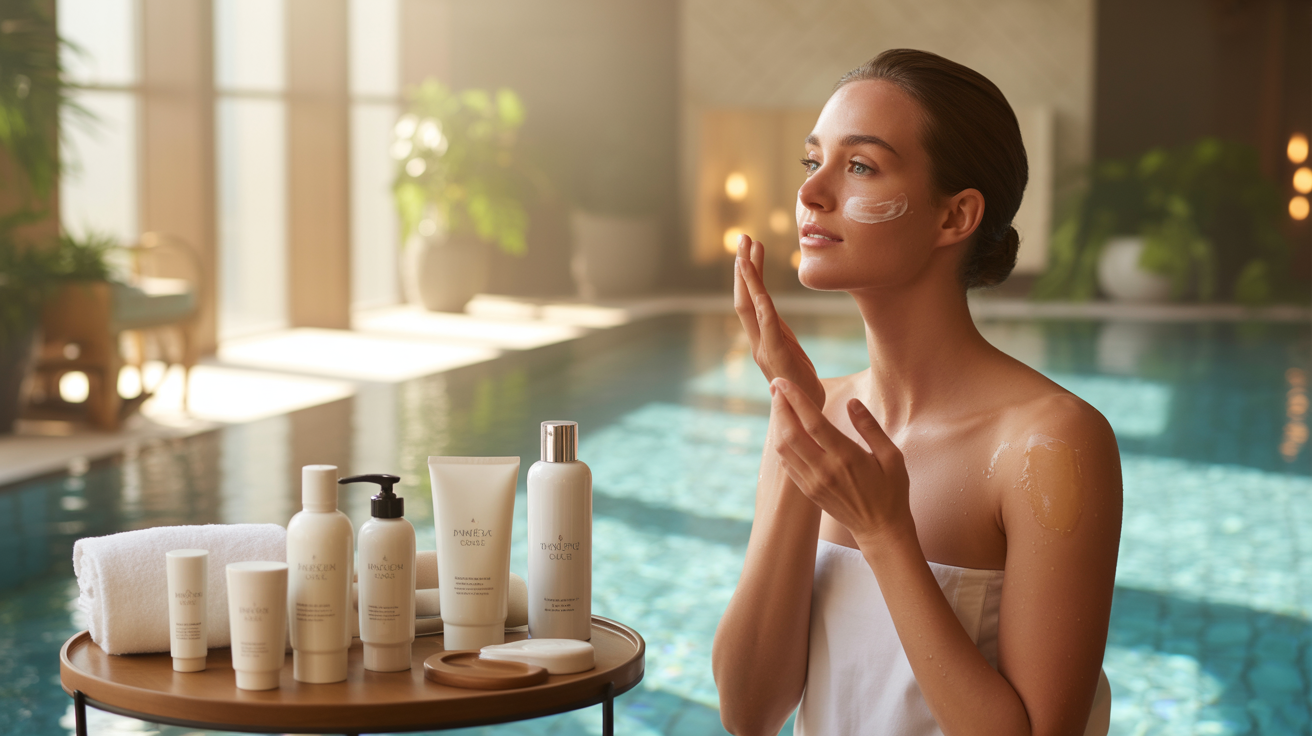
The second you exit the pool? The clock starts ticking. Chlorine keeps working on your skin until you wash it off.
Rinse immediately with fresh water. Don’t wait. Every minute counts here.
Then follow this routine:
- Use gentle cleansers: Harsh soaps strip more oils your skin can’t afford to lose right now.
- Remove all residue: Scrub gently but thoroughly to get every trace of chlorine off your body.
- Moisturize within minutes: Lock in hydration while your skin is still damp from the shower.
- Deep-condition your hair: Chlorine destroys hair just like it destroys skin, so repair it immediately.
- Pat dry gently: Rubbing with a towel causes more irritation to your already stressed skin.
Your skin is screaming for moisture right now. Don’t make it wait.
Skincare Products for Swimmers
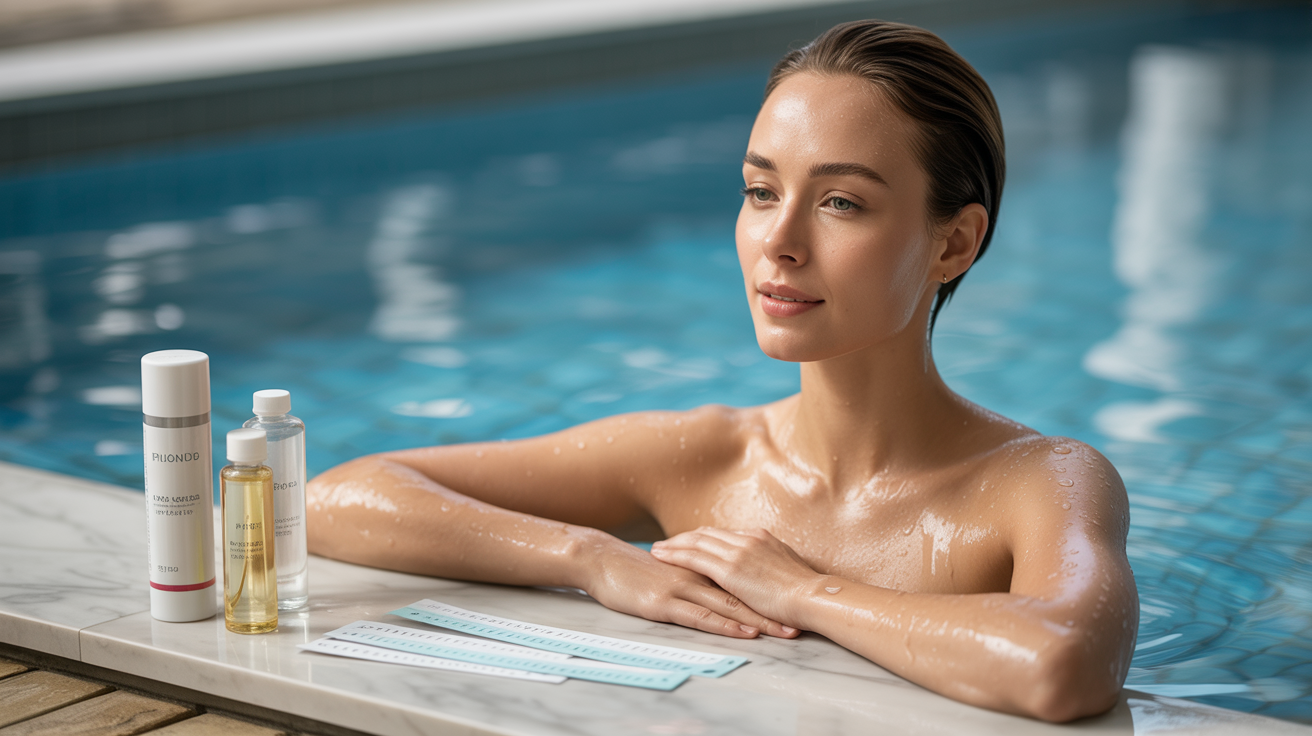
Not all products work for swimmers. You need specific ingredients that actually repair chlorine damage.
Look for these powerhouse ingredients:
- Ceramides: Rebuild your damaged skin barrier from the ground up and restore protection.
- Hyaluronic acid: Pulls moisture deep into dehydrated skin layers where it’s needed most.
- Natural oils: Coconut and jojoba penetrate better than synthetic ingredients and seal in hydration.
- Clarifying shampoos: Strip chlorine buildup that regular shampoo leaves behind in your hair.
- Barrier creams: Apply before swimming to minimize chemical penetration and protect vulnerable skin.
I recommend keeping a dedicated swimmer’s kit. Regular products won’t cut it when you’re dealing with serious chemical exposure.
Lifestyle Tips to Minimize Chlorine Damage
You can’t always avoid chlorinated water. But you can reduce the damage with smart habits.
- Limit your exposure: Cut swim sessions to 30-45 minutes when possible, as your skin needs breaks to recover between chlorine attacks.
- Hydrate and nourish: Drink plenty of water and eat Vitamin C-rich foods like oranges and peppers to help your skin repair itself from the inside out.
- Watch for warning signs: Check your skin daily for redness, dryness, or itching. Catching problems early lets you adjust your routine before damage becomes severe.
Conclusion
You now have the straight answer to whether chlorine is good for your skin. It keeps pools safe, but it can definitely irritate and dry out your skin. The good news? Simple protection steps make all the difference.
You don’t have to avoid swimming. With the right pre-swim prep and post-swim care, you can enjoy the pool without sacrificing your skin’s health.
Start using these protective tips before your next swim. Share this with your swimming buddies who complain about dry skin. Got questions or your own chlorine skin care tricks? Drop them in the comments below. Your skin will thank you!
Frequently Asked Questions
Does chlorine dry out your skin?
Yes, chlorine strips your skin’s natural oils, leading to dryness, flakiness, and irritation. It disrupts your skin’s protective barrier, making it harder to retain moisture. People with sensitive skin, eczema, or dry skin conditions experience worse effects. Regular swimmers often notice persistent dryness without proper protection.
Can chlorine cause skin rashes or irritation?
Absolutely. Chlorine can trigger contact dermatitis, causing redness, itching, and rashes. Some people develop chlorine sensitivity with repeated exposure. It’s especially irritating to existing skin conditions like eczema or psoriasis. If you notice persistent rashes after swimming, rinse immediately and apply moisturizer.
How can I protect my skin from chlorine damage?
Apply a barrier cream or waterproof sunscreen before swimming. Rinse off immediately after leaving the pool with fresh water. Use a gentle, pH-balanced cleanser and follow with a rich moisturizer. Showering within 15 minutes of swimming minimizes chlorine exposure and prevents prolonged skin damage.
Is chlorinated pool water worse than ocean water for skin?
Chlorinated water is generally harsher on skin than ocean water. While saltwater can be drying, it has natural minerals that may benefit some skin conditions. Chlorine is a chemical disinfectant that actively strips oils. However, both require post-swim rinsing and moisturizing for healthy skin.
Does chlorine have any benefits for skin?
Chlorine kills bacteria and pathogens, which can temporarily help acne-prone skin by reducing surface bacteria. Some people notice clearer skin initially. However, long-term exposure causes more harm than good through dryness and irritation. Any benefits are outweighed by chlorine’s damaging effects on your skin barrier.