Chemical Peel vs Laser: Which Skin Treatment Is Right for You?


Choosing between a chemical peel and vs laser can feel confusing when you want clearer, smoother skin. I’ve spent years researching and trying different treatments, so I understand the struggle.
This article breaks down how each option works, what they treat, and which one fits your skin type and goals. You’ll learn about the key differences, recovery times, costs, and results.
I’ll also cover whether you can combine both treatments. Let’s make this decision simple and clear.
What Is a Chemical Peel?
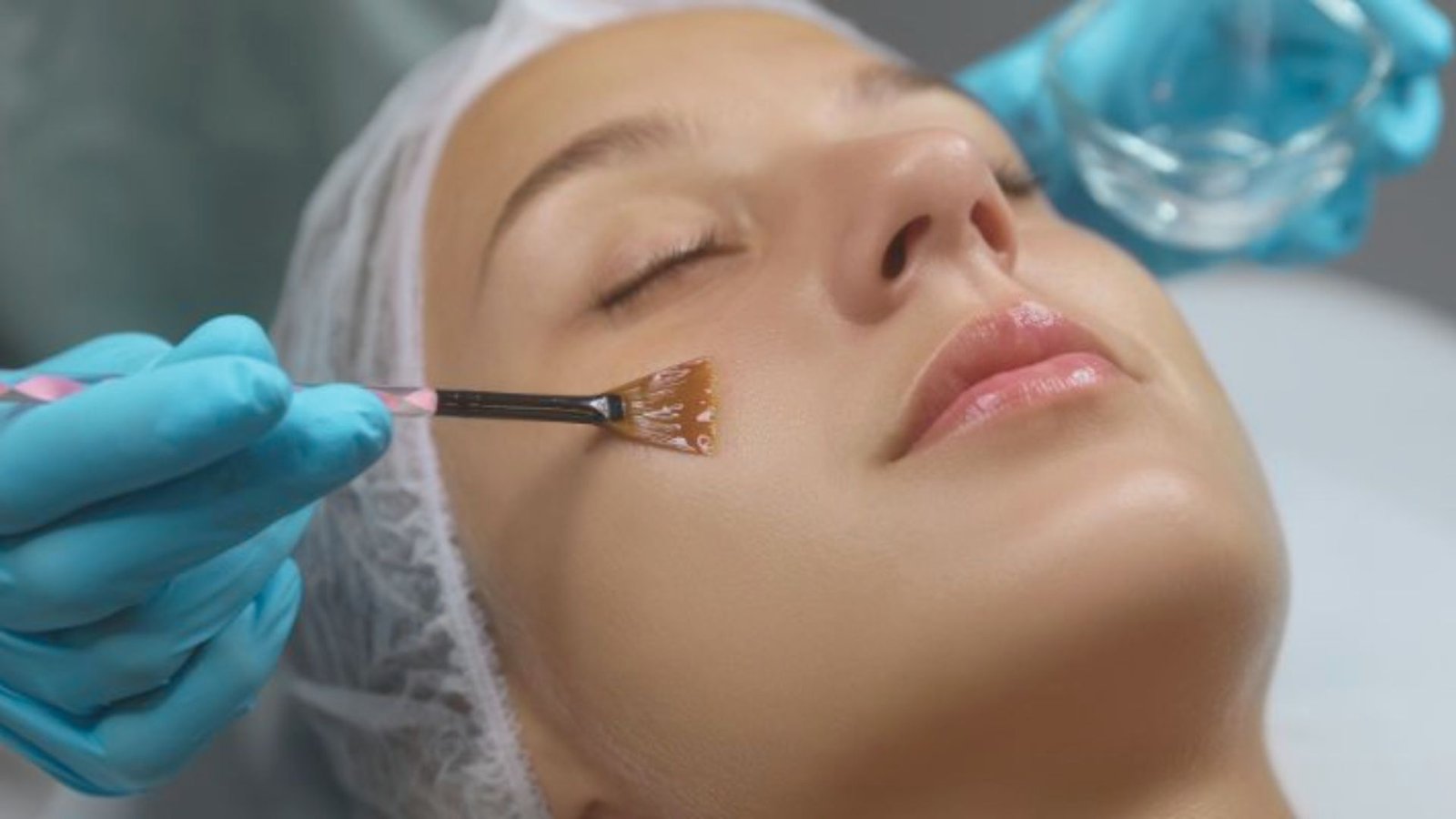
A chemical peel uses acid solutions to remove damaged outer skin layers and reveal fresher skin underneath. A dermatologist applies the acid to your face, which breaks down dead skin cells. Your skin peels off over several days as new skin grows.
Chemical peels treat sun damage, age spots, uneven tone, mild acne scars, fine lines, rough texture, large pores, and melasma.
Light peels use glycolic or salicylic acid on the outer layer. Medium peels use TCA for deeper penetration. Deep peels use phenol acid for serious damage and reach lower skin layers.
What Is Laser Skin Treatment?
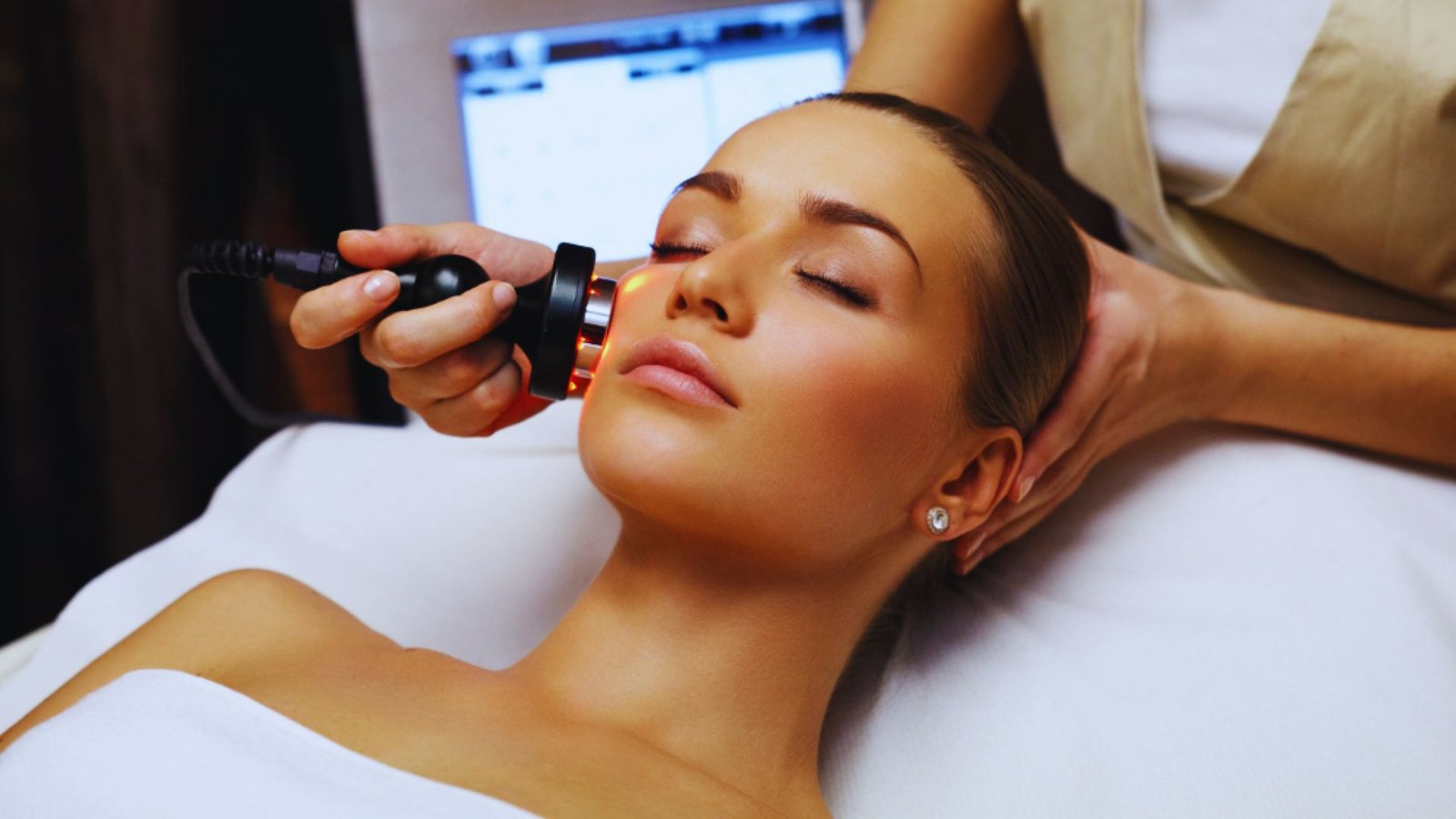
Laser treatments use focused light beams to improve skin appearance. The laser sends concentrated light that converts to heat, removing damaged tissue or stimulating healing.
Your body then produces new collagen and skin cells naturally.
Laser treatments address deep wrinkles, scars, severe sun damage, birthmarks, vascular lesions, tattoos, rosacea, broken capillaries, and precancerous lesions.
Ablative lasers remove thin skin layers and treat severe wrinkles and scars. Non-ablative lasers heat skin without removing layers to boost collagen beneath the surface.
Fractional lasers treat columns of skin while leaving surrounding areas intact for faster healing.
Chemical Peel vs Laser: Key Differences

Understanding these differences helps you choose the right treatment for your skin goals and lifestyle.
Treatment Depth and Technology
Chemical peels use acids to dissolve skin layers. Lasers use light energy to target specific depths. Peels affect larger areas evenly. Lasers offer more precise control over treatment zones.
Ideal Skin Types and Concerns
Light peels work well for most skin tones. Deep peels and some lasers may cause pigmentation changes in darker skin.
Chemical peels excel at treating surface issues like texture and tone. Lasers handle deeper concerns like scars and collagen loss better.
Downtime and Recovery Time
Light peels need 3-5 days of recovery. Medium peels require about one week. Deep peels take 2-3 weeks to heal.
Non-ablative lasers have almost no downtime. Ablative lasers need 1-2 weeks for full recovery.
Results and Longevity
Chemical peel results appear once peeling stops. You’ll see the full effect within weeks. Light peels may last a few months.
Deep peels can last years. Laser results develop slowly over several months as collagen rebuilds. Effects typically last longer than chemical peels.
Cost Comparison
Light peels cost $100-300 per session. Medium peels range from $1,000-2,000. Deep peels can exceed $3,000. Non-ablative laser sessions cost $500-1,500.
Ablative laser treatments range from $2,000-5,000. Multiple sessions often increase total costs.
Benefits of Chemical Peels

Chemical peels offer multiple skin improvements with different intensity levels to match your needs.
Improves Skin Texture and Tone
Chemical peels smooth rough patches and even out discoloration. The acids remove dead cells that make skin look dull.
Your complexion appears brighter after treatment. Regular light peels maintain this smoothness over time.
Treats Acne and Mild Scarring
Salicylic acid peels clear clogged pores that cause breakouts. They reduce oil production and kill acne bacteria. Light scarring fades as new skin forms. This makes peels helpful for ongoing acne management.
Reduces Fine Lines and Pigmentation
Acids speed up cell turnover to diminish shallow wrinkles. Dark spots from sun damage lighten with repeated treatments.
Medium peels work particularly well for age spots and melasma. The results create a more youthful appearance.
Benefits of Laser Treatments
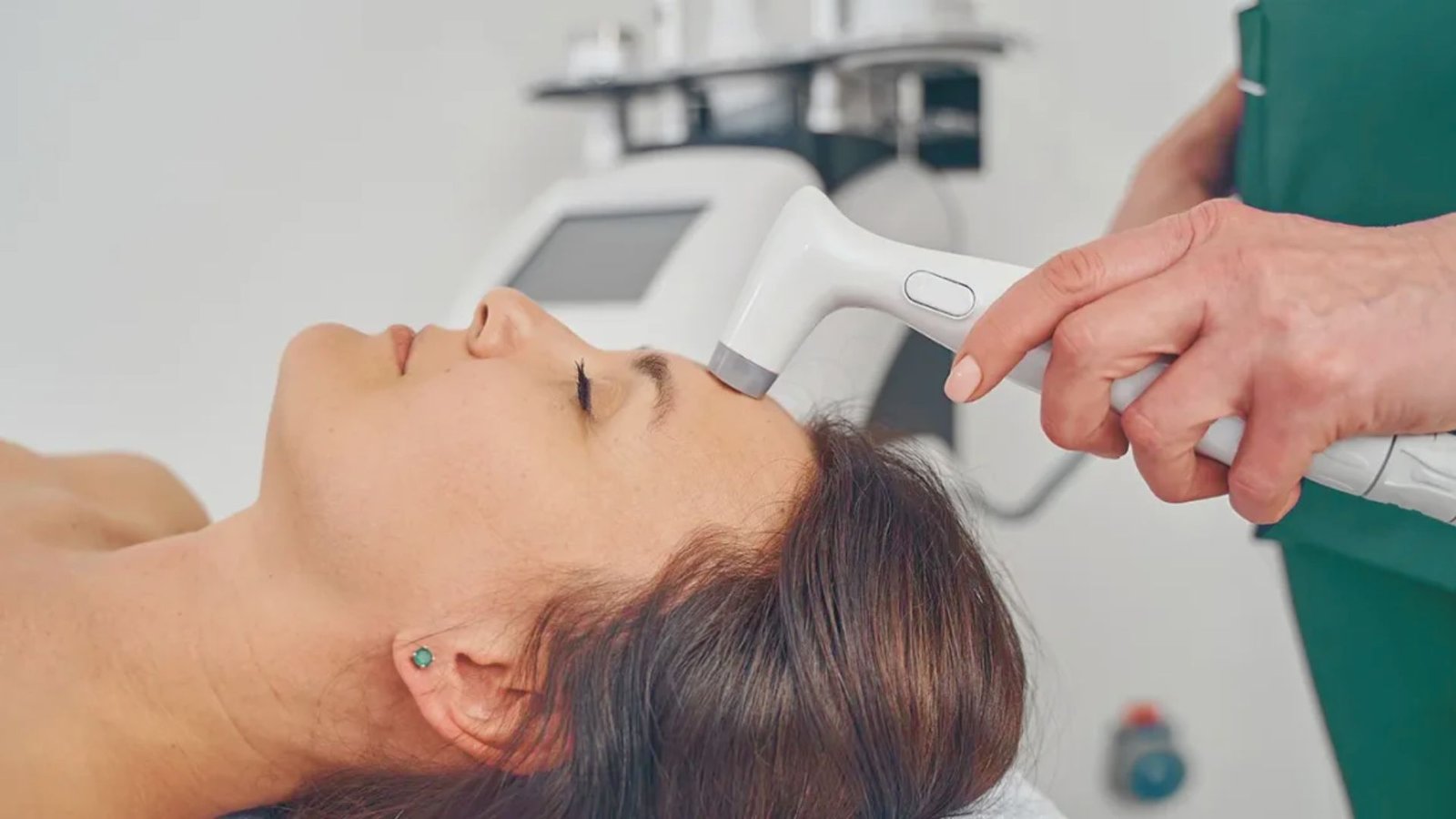
Laser treatments target deeper skin layers for dramatic, long-lasting improvements.
Stimulates Collagen Production
Laser heat triggers your body’s natural healing response. This response includes making new collagen fibers. More collagen means firmer, plumper skin. The effects continue building for months after treatment.
Treats Deep Wrinkles and Scars
Ablative lasers remove damaged tissue layer by layer. This allows fresh skin to form in its place. Deep acne scars, surgical scars, and pronounced wrinkles improve significantly. The precision of lasers makes them ideal for these stubborn issues.
Delivers Long-Lasting Skin Rejuvenation
Laser treatments often provide results that last several years. The collagen production continues for months post-treatment. Many people maintain results with occasional touch-up sessions. This makes lasers a good long-term investment.
Which Treatment Is Better for Your Skin?
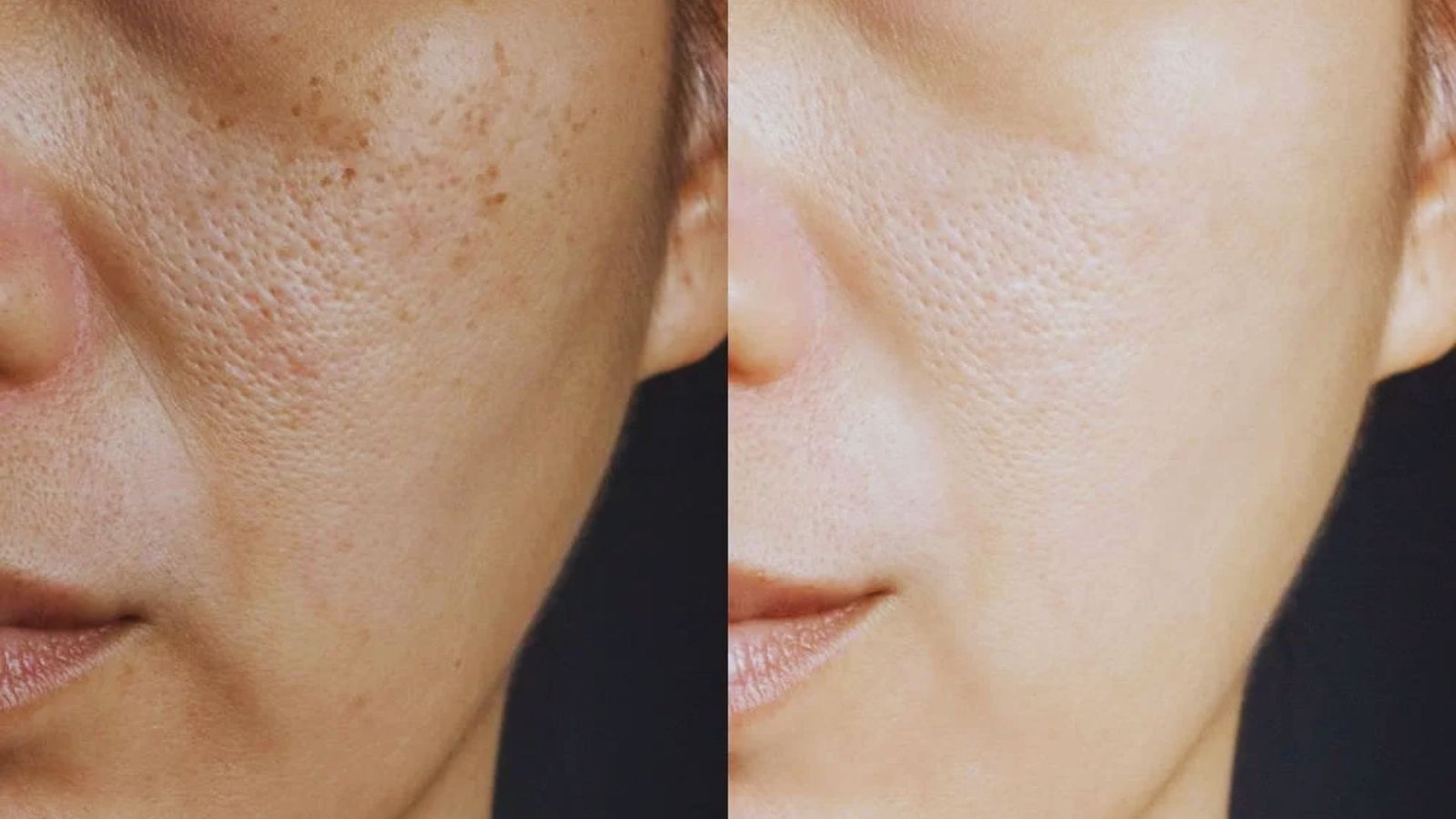
The right choice depends on your skin concerns and type. Choose chemical peels for surface issues like rough texture, mild discoloration, or fine lines. They work well for maintenance and suit most budgets.
Pick laser treatments for deeper concerns like severe sun damage, thick scars, or significant wrinkles. Lasers offer more precision and longer-lasting results.
Darker skin types face higher risks with deep peels and certain lasers. Always consult a dermatologist for the safest option.
Your schedule matters too. Light peels or non-ablative lasers fit busy schedules while aggressive treatments need downtime.
Can Chemical Peels and Laser Treatments Be Combined?
Yes, you can combine these treatments for better results. Many dermatologists use both in a comprehensive plan to address multiple skin layers and concerns.
A common approach uses lasers first for deep issues, then chemical peels refine the surface after healing. Another method alternates treatments over time to keep skin looking fresh year-round.
Wait until your skin fully heals before starting another treatment. This typically means 4-6 weeks between procedures.
Not everyone needs both. If one treatment addresses your concerns, that’s enough. Combining treatments costs more and requires more downtime.
Risks, Side Effects, and Safety Considerations
Both treatments carry some risks. Redness and swelling are common with any resurfacing procedure. These usually fade within days. Mild peeling, itching, and sensitivity occur during healing.
Chemical peels can cause:
Temporary darkening or lightening of skin, cold sore outbreaks if you’re prone to them, bacterial or fungal infections without proper care, scarring with deep peels if not done correctly
Laser treatments may lead to:
Burns if settings aren’t calibrated properly, permanent pigment changes in darker skin, scarring from infection or poor healing, prolonged redness lasting weeks, swelling that takes time to resolve
Choose a qualified, experienced provider. This reduces your risk significantly. Board-certified dermatologists understand skin types and proper protocols. Check credentials and before-and-after photos before booking.
Follow all aftercare instructions exactly. This includes:
Proper care prevents complications and helps you heal faster.
- Keeping skin clean and moisturized, avoiding sun exposure completely, using prescribed ointments or creams, skipping makeup until cleared by your provider, and staying away from harsh products
- Tell your provider about all medications and health conditions. Some drugs increase sensitivity or slow healing. Certain conditions make treatments unsafe.
- Patch tests help identify potential reactions. Ask for one if you have sensitive skin or allergies. This small test spot reveals how your skin responds before treating your whole face.
- Never try these treatments at home or at unlicensed facilities. Professional equipment and expertise matter for your safety. The savings aren’t worth permanent damage.
Conclusion
I’ve seen how the right treatment can change how you feel about your skin. The chemical peel vs laser debate doesn’t have a single answer because your skin is special. Start by talking to a dermatologist about your concerns and lifestyle.
They’ll guide you to the safest, most effective option. Whether you choose peels, lasers, or both, consistency and proper care matter most.
Your skin deserves professional attention and patience. Ready to take the next step? Book a consultation and start your path to healthier skin today.
Frequently Asked Questions
Which hurts more, chemical peels or laser treatments?
Pain depends on treatment depth. Light peels sting mildly while deep peels and ablative lasers hurt more. Providers use numbing agents to keep you comfortable during the procedure.
How long do results last from each treatment?
Light peels last a few months, while deep peels can last years. Non-ablative lasers work for 1-2 years. Ablative lasers provide results lasting 3-5 years with proper skincare.
Can I wear makeup after these treatments?
Wait until your skin heals completely. Light peels need 3-5 days, medium peels take 7-10 days, and deep peels or ablative lasers require 2-3 weeks before makeup application.
Are these treatments safe during the summer?
Winter works better for both options. Your skin becomes very sun-sensitive after treatment. Strict sun protection is required if you get treatments during sunny months.
How many sessions will I need?
Light peels need 4-6 sessions for best results. Lasers typically require 3-5 treatments. Deep peels and aggressive ablative lasers may only need one session based on your goals.