Sculptra vs Filler: Which Lasts Longer?


When it comes to Sculptra vs filler, one big question stands out: which one actually lasts longer? If you’re thinking about injectables, longevity matters.
I get it, nobody wants to keep going back every few months for touch-ups.
In this guide, I’ll walk you through how long each treatment lasts, what makes them different, and which might work better for your goals.
You’ll learn about immediate results versus gradual improvements, the best areas for each option, and even how combining both can give you natural-looking results.
My goal? Help you make a smart, informed choice that feels right for you.
What Are Dermal Fillers?

Quick volume boost for instant smoothness.
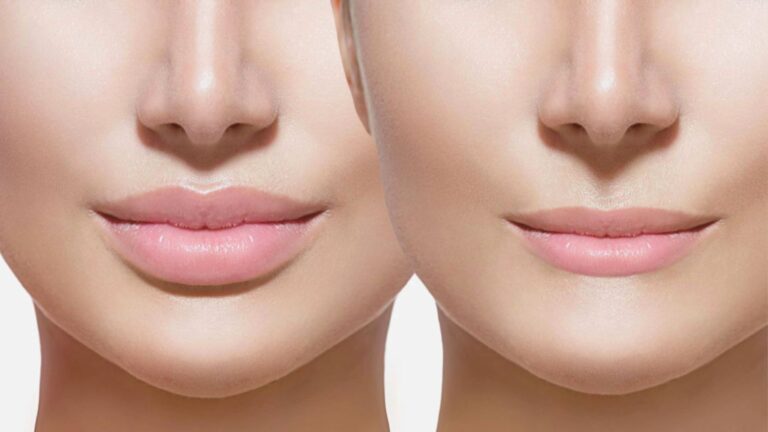
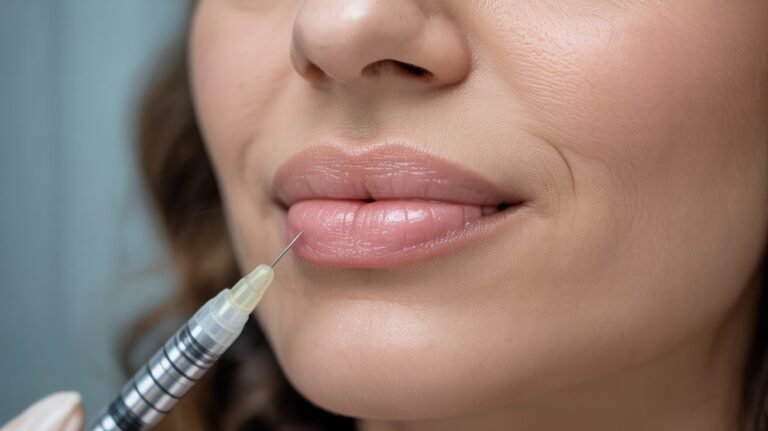
Fillers add plumpness right where you need it: think lips, under-eyes, and smile lines.
Dermal fillers restore volume instantly. They smooth out wrinkles and add shape to your face. Most fillers use hyaluronic acid (HA), a natural substance your skin already has.
The goal is simple: fill in hollow areas and create a fuller, more youthful look.
Hyaluronic acid pulls water into your skin. This makes treated areas look hydrated and plump. You see results right after your appointment.
Popular spots include lips, under-eye hollows, and nasolabial folds (those lines from nose to mouth).
One big plus: fillers are reversible. If you don’t like the results, an enzyme called hyaluronidase can dissolve them.
What Is Sculptra?

Collagen builder that works from within.
Sculptra doesn’t just fill: it helps your skin rebuild its own support over time.
Sculptra is FDA-approved and made from poly-L-lactic acid (PLLA). Unlike traditional fillers, it doesn’t just add volume.
Instead, it triggers your body to make more collagen. This means you’re building natural support from the inside out.
Results don’t show up overnight. Your skin gradually improves over several weeks or months. The product goes deep into the dermis layer, creating structural support.
Once your collagen builds up, results can last 2 years or more. That’s much longer than most fillers.
Immediate vs. Gradual Results
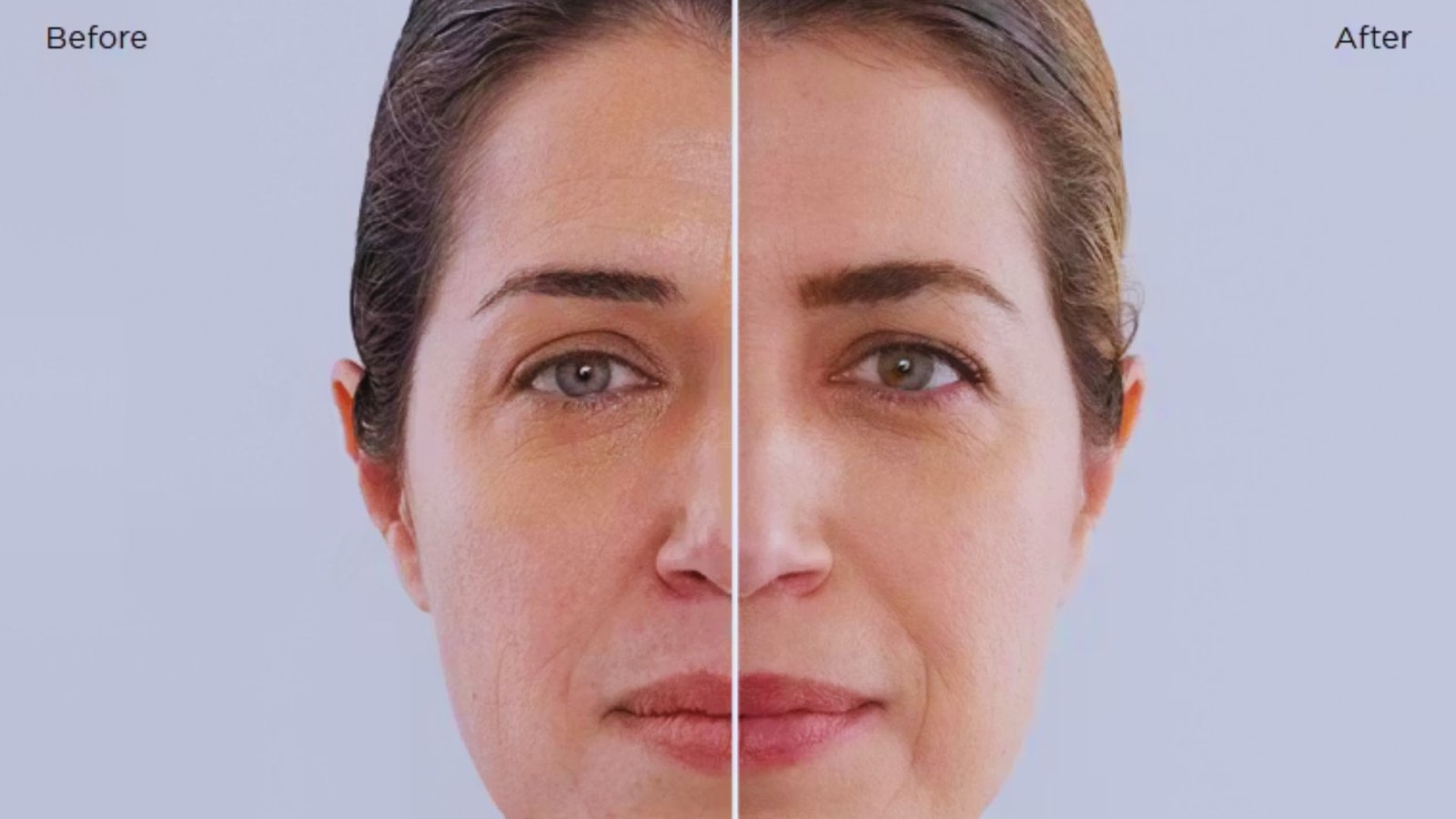
Fast fix or slow build? Your timeline preference makes a big difference here.
Dermal Fillers
You walk out with visible changes. Fillers work instantly, making them perfect for quick fixes. Got an event coming up? Fillers can get you ready fast. The results are there as soon as the swelling goes down.
Sculptra
Sculptra takes patience. Changes happen slowly as your collagen rebuilds. This gradual approach gives you subtle, natural-looking results.
There’s less risk of looking overdone or overfilled. Your face improves bit by bit, and people notice you look refreshed but not “done.”
Treatment Areas: Where Each Excels
Different tools for different jobs. Each injectable has its sweet spots.
Sculptra works well for larger areas that need structural support. Think cheeks and mid-face, temples, jawline, and chin, deep nasolabial folds or marionette lines, and overall skin texture and firmness.
These zones benefit from collagen rebuilding. Sculptra creates a foundation that lifts and supports.
Fillers shine in smaller, more precise spots. They’re perfect for lips, under-eye hollows, fine lines and wrinkles, nasolabial folds, and hands. When you need targeted volume or exact placement, fillers deliver.
Longevity Comparison

Here’s the main event: how long does each last? This is where Sculptra vs filler really shows a clear winner for duration.
How Long Do Fillers Last
Most fillers last 6 to 18 months. The exact time depends on which product you use and where you get it. High-movement areas (like lips) break down faster.
You’ll need regular touch-ups to maintain results. The good news? They’re reversible if needed. The downside? Shorter-term commitment means more appointments.
How Long Sculptra Lasts
Sculptra can last up to 2 years or more. Since it stimulates your own collagen, the results build over time. Once your collagen is established, it sticks around longer.
You’ll need fewer maintenance sessions. This makes it a good option if you want something longer-lasting and don’t mind waiting for results.
Combining Sculptra and Fillers

Why choose when you can have both? Many people get better results using them together.
Think of Sculptra as your foundation. It rebuilds collagen and creates structural support. Then use fillers for precision work: lips, tear troughs, fine lines. This layered approach gives you natural, balanced results. You get the best of both worlds.
Using both helps you avoid an overfilled look. Sculptra handles the deep, structural work. Fillers take care of immediate concerns and detailed areas.
You get long-term rejuvenation plus instant corrections where you need them. It’s a smart way to maintain a fresh, natural appearance.
Cost Considerations
Understanding the investment. Price plays a role in your decision, so let’s break down what you’re actually paying for.
Fillers typically cost less per session, ranging from a few hundred to over a thousand dollars, depending on the product and amount used. However, you’ll need touch-ups every 6 to 18 months. When you add up those repeat visits, the total can climb quickly over a few years.
Sculptra sessions usually cost more upfront. You’ll likely need 2 to 3 treatments spaced weeks apart.
But here’s the trade-off: results last up to 2 years or longer. Fewer appointments mean less time off work and fewer trips to the clinic.
When you calculate the cost per year of results, Sculptra often becomes the more budget-friendly choice for long-term maintenance.
Side Effects and Safety
What to expect after treatment. Both options are generally safe, but knowing potential side effects helps you prepare.
- Common filler side effects include swelling, redness, or bruising at injection sites that usually fade within a few days.
- Rare filler complications can include lumps or uneven results, though a skilled injector can often fix these issues.
- Fillers offer a safety net since they’re reversible with hyaluronidase if something doesn’t look right.
- Sculptra can cause temporary swelling and bruising similar to fillers.
- Some people notice small bumps under the skin with Sculptra, though these typically resolve on their own.
- Sculptra side effects tend to be mild since the product works gradually over time.
- You can’t reverse Sculptra like you can with HA fillers, making an experienced provider even more important.
Tips for Best Results
Make your treatment work harder for you. A few smart moves can help you get the most from your investment.
- Choose a qualified, experienced injector who specializes in facial injectables and check their before-and-after photos and patient reviews.
- Follow aftercare instructions carefully by avoiding rubbing treated areas for 24 hours, skipping intense workouts for a day or two, and staying hydrated.
- Be patient with Sculptra since results take weeks to show up as your collagen rebuilds over time.
- Schedule maintenance appointments on time to keep your results looking fresh, whether you need filler touch-ups every few months or Sculptra sessions every couple of years.
- Communicate openly with your injector about your concerns, goals, and previous treatments so they can customize your plan for natural-looking results.
Conclusion
So Sculptra vs filler, which lasts longer? Sculptra wins with up to 2 years of results, while fillers give you 6 to 18 months. I’ve seen both work beautifully, and honestly, combining them often gives the most natural outcome.
If you’re tired of constant touch-ups, Sculptra might be your answer. If you want quick results for a specific area, fillers deliver.
My advice? Book a consultation with a skilled injector who can create a personalized plan. Your face is different, and your treatment should be too.
Frequently Asked Questions
Can Sculptra and fillers be used at the same time?
Yes, many injectors combine both in one treatment plan. Sculptra builds structural support while fillers handle precise areas like lips or under-eyes for immediate results.
Is Sculptra more expensive than fillers?
Sculptra typically costs more upfront per session. However, since it lasts longer, you may spend less over time compared to frequent filler touch-ups.
Does Sculptra hurt more than fillers?
Pain levels are similar for both. Most providers use numbing cream or lidocaine to keep you comfortable during treatment.
Can I reverse Sculptra if I don’t like it?
Unlike HA fillers, Sculptra cannot be dissolved. Results fade naturally over time as your body absorbs the poly-L-lactic acid gradually.
How many Sculptra sessions do I need?
Most people need 2 to 3 sessions spaced about 4 to 6 weeks apart. Your injector will customize the number based on your specific goals.