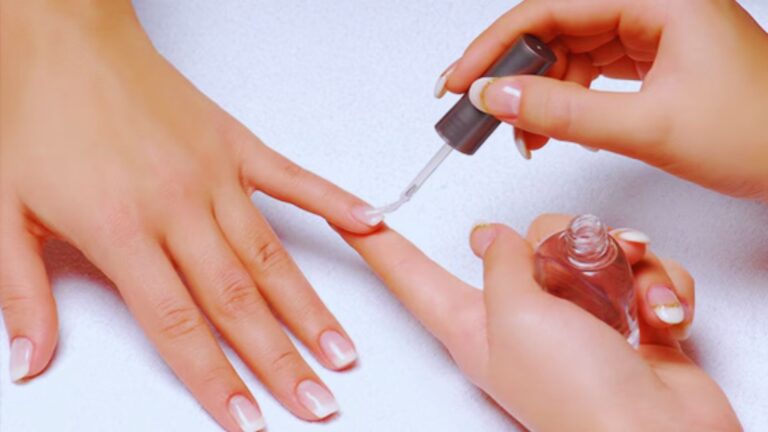
How Often Should You Get a Manicure?

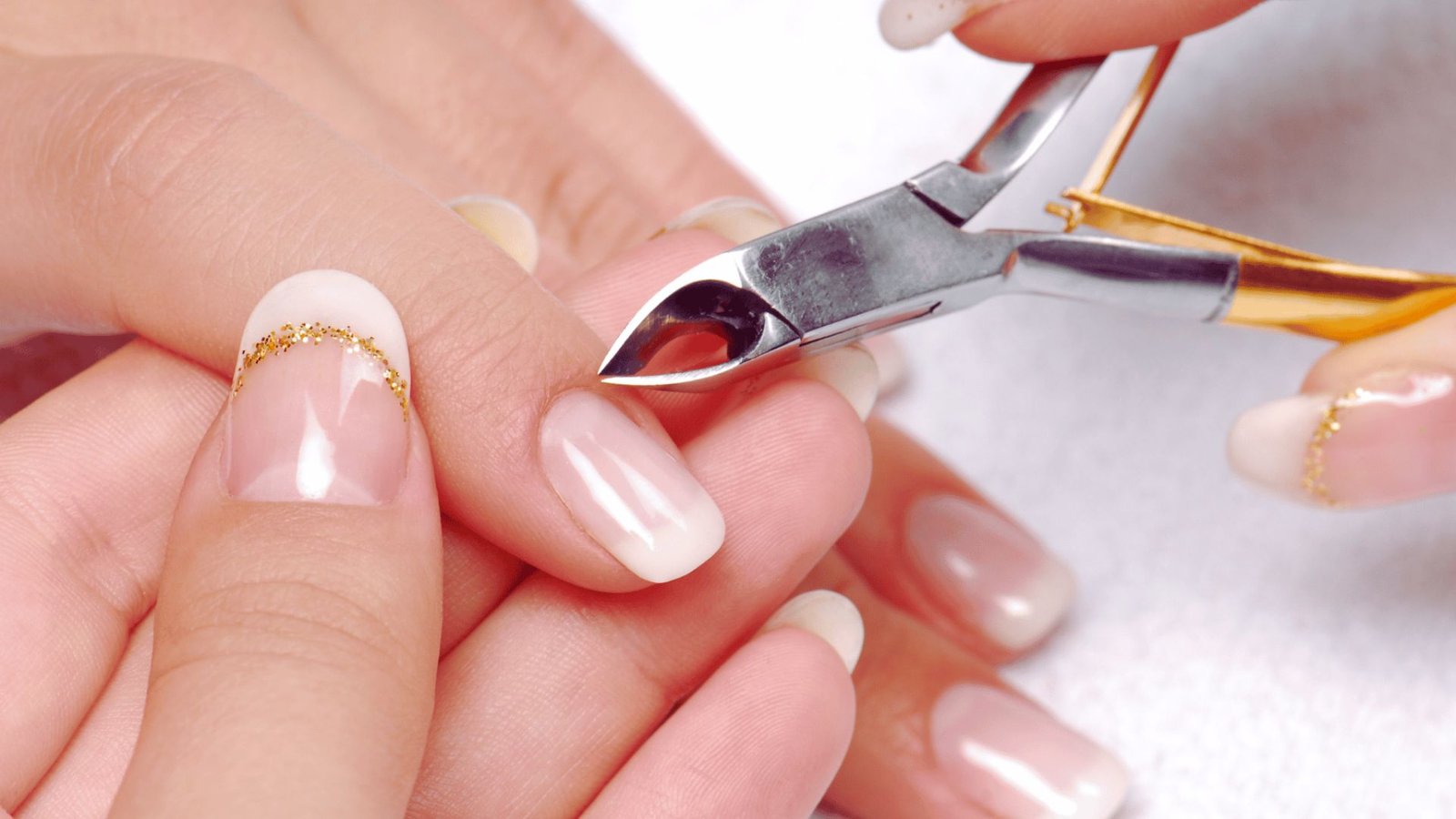
Ever wondered how often you should get a manicure to keep your nails looking great? I’ve asked myself this question countless times, especially when my polish starts chipping after just a few days.
In this article, we’ll cover different manicure types, what affects how long they last, and clear signs it’s time for your next appointment.
Trust me, finding the right routine makes all the difference between stressed nails and healthy ones that look good longer.
Why Manicure Frequency Matters
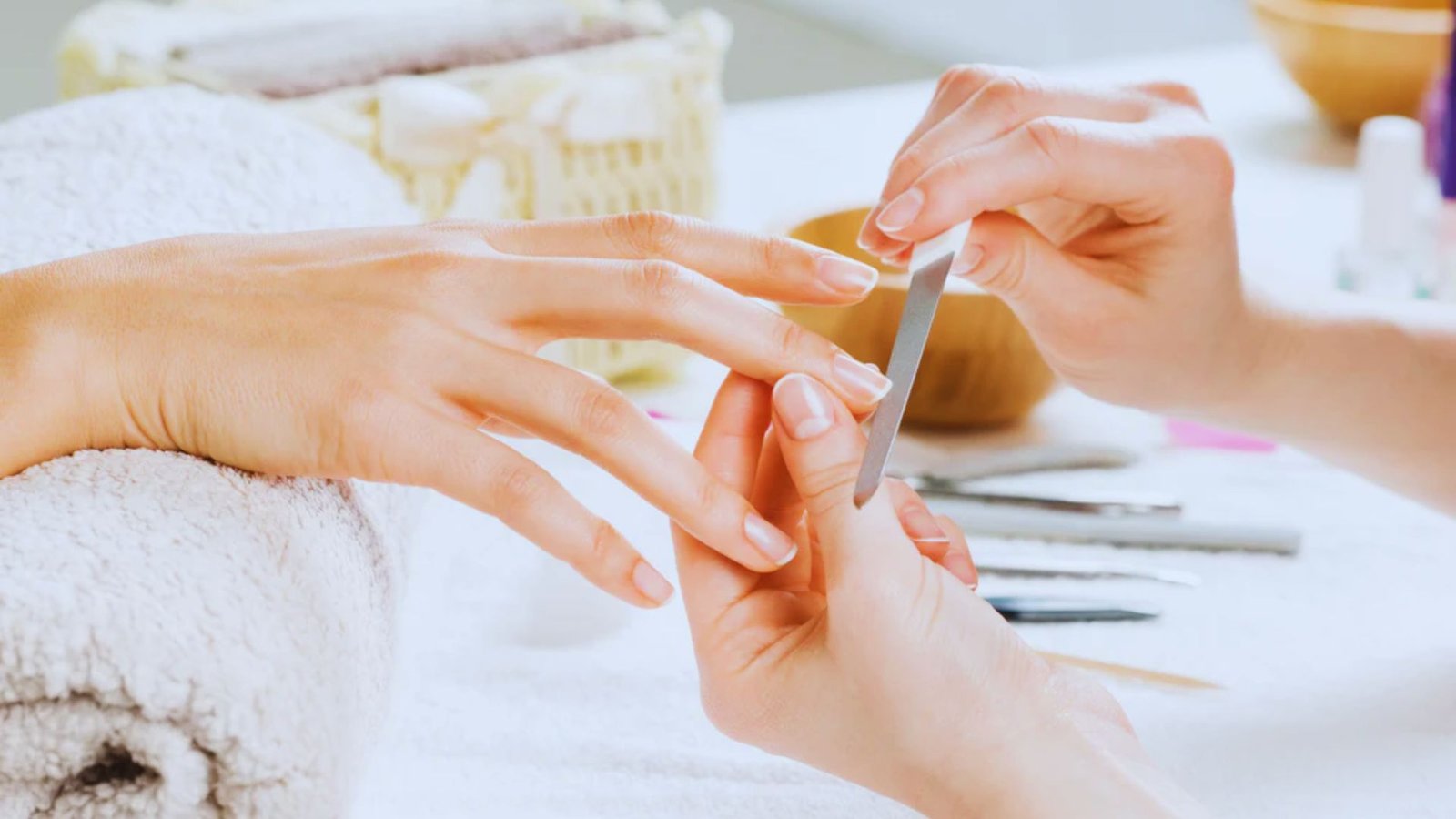
Getting manicures at the right intervals protects your nail health, prevents common problems, and keeps your hands looking polished and confident.
Consistent professional nail care keeps your nails in good condition. Technicians spot early signs of problems like discoloration or thinning. Regular shaping prevents breaking or splitting.
Professional cuticle care removes dead skin without damaging the protective seal. This keeps out bacteria and moisture. Spacing appointments properly gives nails time to rebuild strength between services.
Well-kept nails affect how you feel about your appearance and give you a small mood boost.
Understanding Manicures
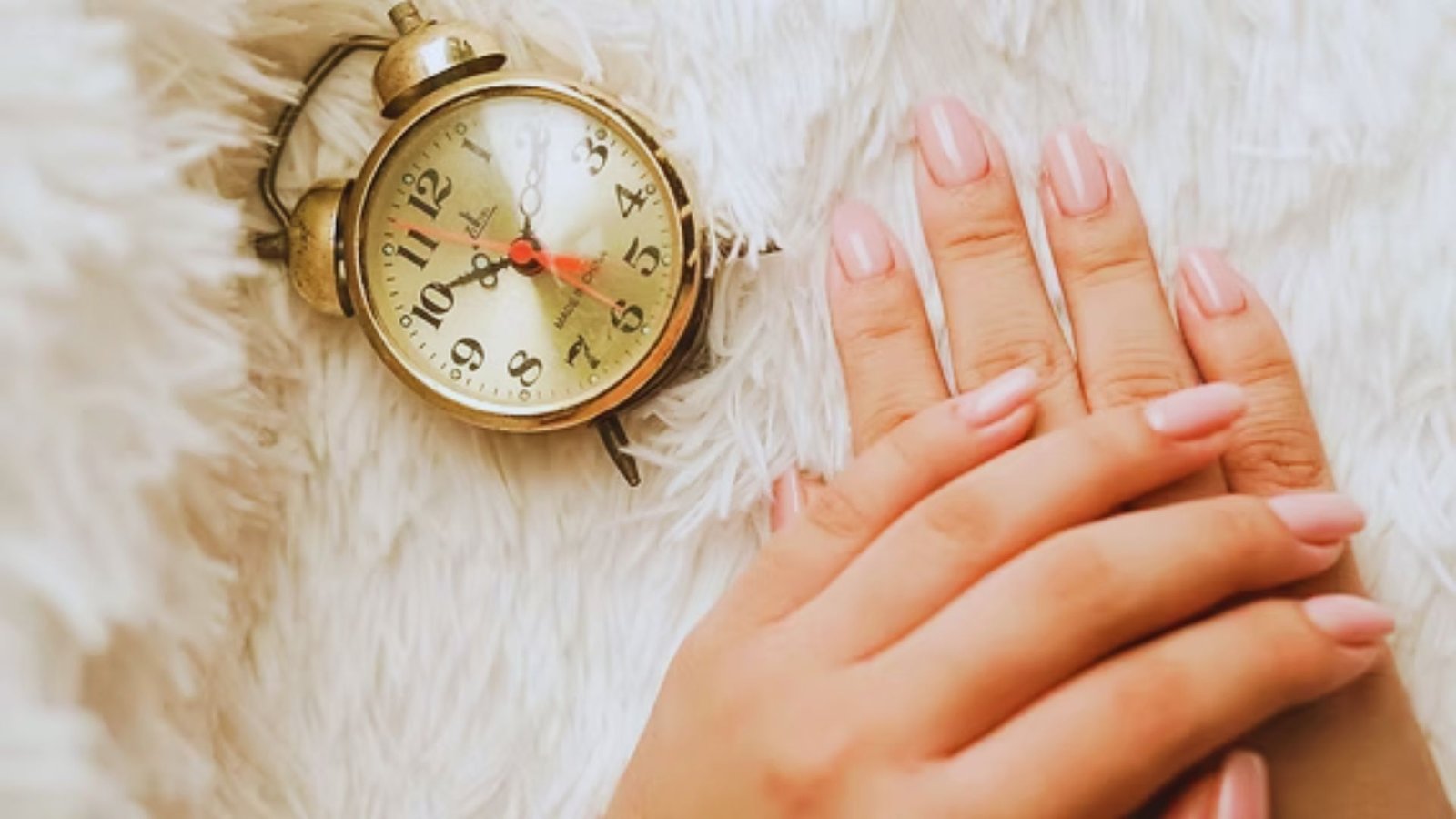
Professional manicures involve multiple steps that clean, shape, and polish your nails while promoting healthy nail growth and appearance.
What is a Professional Manicure?
A professional manicure is a nail care service that keeps your hands and nails in good shape. The process includes several steps that work together.
First, your nail technician shapes your nails to your preferred length and style. Then they carefully push back and trim your cuticles. This part removes dead skin without damaging the nail bed.
Next comes a relaxing hand massage. This improves circulation and moisturizes your skin. Finally, they apply polish or treatment based on what you choose.
The whole process takes about 30 to 60 minutes, depending on the type you select.
Types of Manicures
Different manicure styles offer varying durability and finishes, from quick-drying regular polish to long-lasting gel and dip powder options.
Regular or Classic Polish: This traditional option uses standard nail polish. It dries naturally in the air and comes in countless colors. You can change shades easily whenever you want.
Gel Manicure: Gel polish uses UV or LED light to cure and harden. It creates a glossy, chip-resistant finish that lasts longer than regular polish. The removal process requires soaking or filing.
Dip Powder Manicure: This method involves dipping nails into colored powder. A special liquid activates and hardens the powder. It creates a durable finish without UV light exposure.
Acrylic or Artificial Nails: Acrylics use a liquid and powder mixture to extend nail length. They’re strong and can last several weeks with proper fills. These work well if you want extra length or strength.
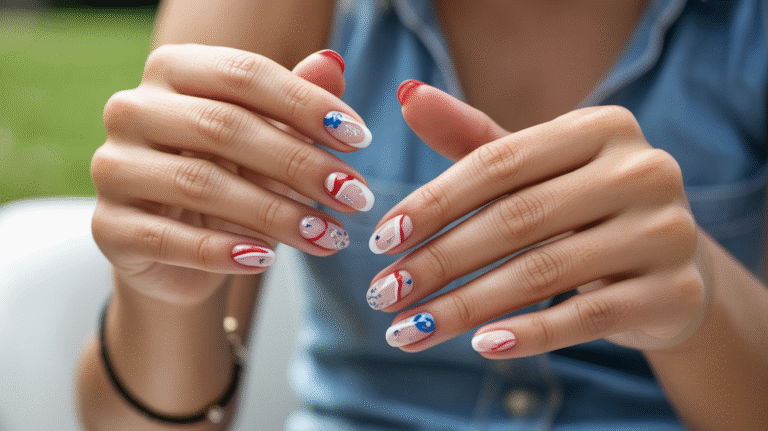
French Manicure Styles: The classic French features nude or pink bases with white tips. Modern versions include micro French (thin tips), deep French (curved smile line), and square French (straight edge tips). Each style offers a clean, polished look.
Factors That Influence Manicure Frequency
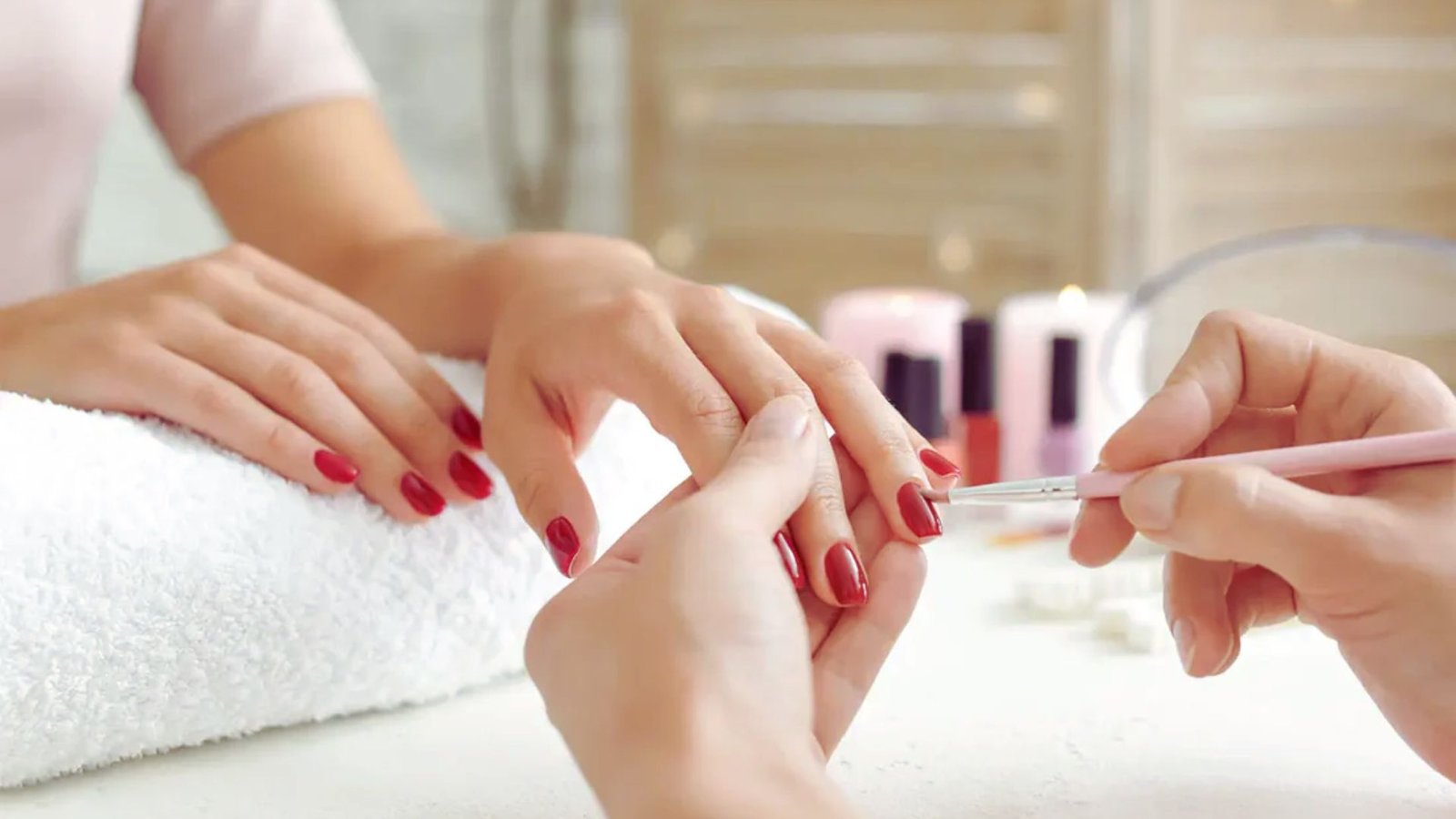
Your nail growth rate, daily activities, nail health, and personal preferences all play a role in determining how often you need manicures.
Nail Growth Rate
Your nails grow about 3.5 millimeters each month on average. Some people have faster growth, while others grow more slowly.
As your nails grow, the polish moves away from your cuticles. This creates a visible gap that looks less fresh. Faster growth means you’ll notice this gap sooner. The gap becomes more obvious with darker polish colors.
Lifestyle and Daily Activities
Jobs that involve typing, cleaning, or manual labor wear down manicures faster. Your hands hit surfaces constantly throughout the day. Water exposure from washing dishes or frequent handwashing also breaks down polish.
Opening cans, handling paperwork, and using your nails as tools all create chips. Even gym workouts can damage fresh polish when gripping equipment. The more you use your hands, the shorter your manicure will last.
Nail Health
Nails that bend easily or break often need more attention. They may peel in layers or develop white spots. Regular manicures with strengthening treatments can help improve this over time.
Very dry nails crack and split more easily. Too much moisture makes them soft and prone to tearing. Good nail health means your manicure stays intact longer.
Personal Preference and Budget
Some people love perfectly polished nails at all times. Others don’t mind small chips or minor imperfections. Your tolerance for wear determines how often you book appointments.
Manicures range from $20 for basic polish to $60+ for specialty services. Gel and dip powder cost more than regular polish.
Consider what fits your monthly spending. Sometimes spacing out appointments and doing touch-ups at home makes more sense financially.
Recommended Manicure Frequency
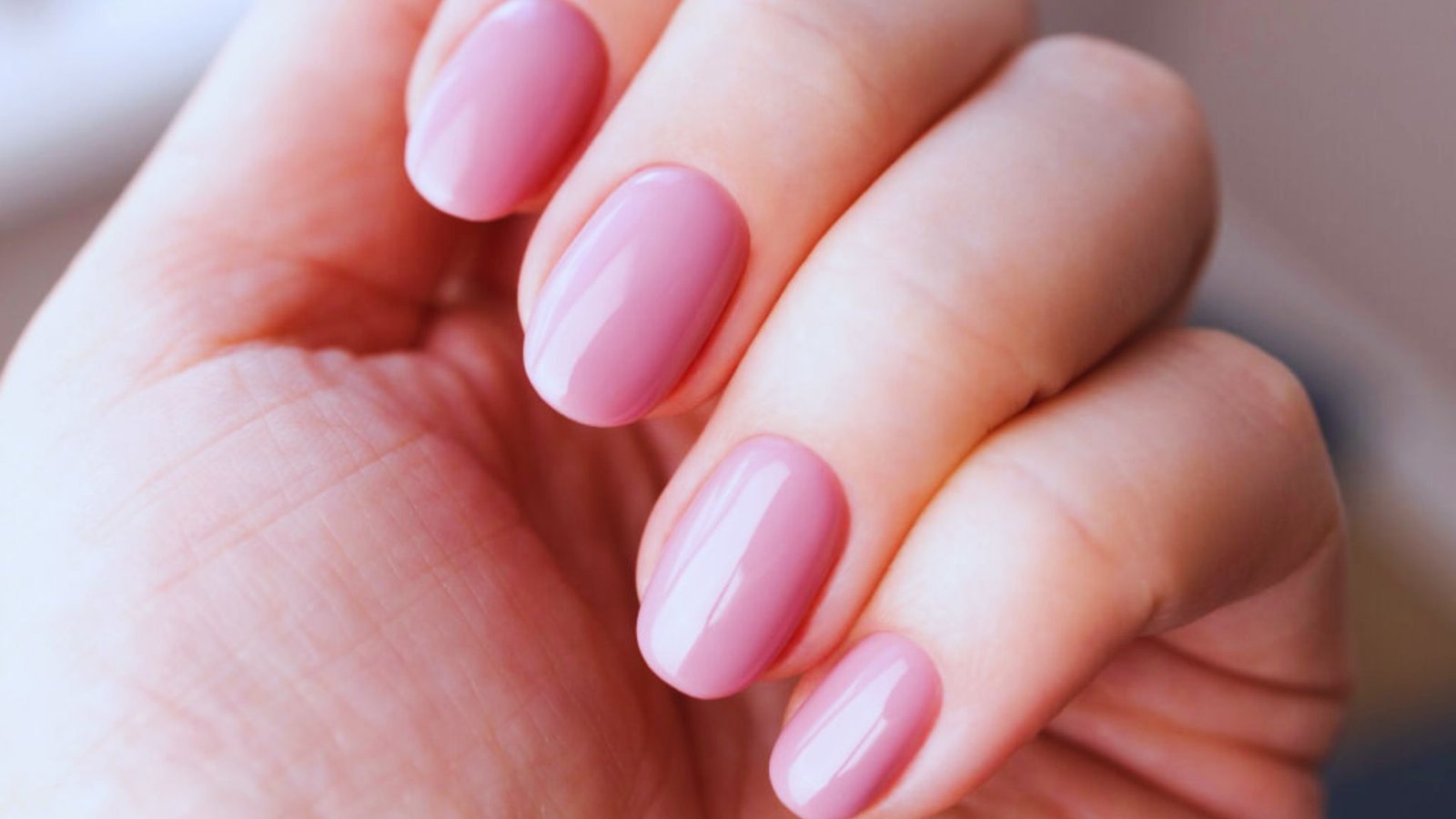
Each manicure type has different durability levels, requiring specific maintenance schedules to keep your nails looking their best.
Regular or Classic Polish
Standard polish chips are faster than other options. Most people see wear within a week, especially on dominant hands. Plan for a fresh manicure every 7 to 14 days if you want consistent color.
Apply a clear top coat every two to three days. This adds extra protection against chips. Wear gloves when doing dishes or cleaning with harsh chemicals. Keep your nails at a shorter length and apply cuticle oil daily.
Gel Manicure
Gel polish lasts much longer than regular polish. Most people go two to three weeks before needing a new application. You’ll likely see nail growth before the gel itself shows damage.
Never peel off gel polish. This strips layers from your natural nail and causes damage. Always have it professionally removed or soak it off properly at home.
Give your nails a break between gel applications. Going bare for a week every few months helps maintain nail strength.
Dip Powder Manicure
Dip powder holds up longer than gel or regular polish. The powder creates a thicker, more durable coating. You can usually stretch appointments to three or even four weeks.
Don’t let dip powder stay on longer than four weeks. Old applications can become too thick and heavy. Keep your hands moisturized between appointments. Have dip powder removed professionally when possible to avoid damage.
Acrylic Nails
Acrylic nails need regular fill appointments. As your natural nails grow, gaps appear at the base. The schedule fills every two to three weeks. Waiting longer allows too much growth and weakens the structure.
Lifted acrylics create pockets where bacteria and moisture collect. If you notice any lifting, book an appointment right away. Remove acrylics completely every few months to give your natural nails time to breathe and recover.
Natural Manicure (No Polish)
Natural manicures focus on nail health without polish. You can space these out more since there’s no color to chip. Every two to four weeks works well for most people. This keeps cuticles neat and nails properly shaped.
Signs It’s Time for a Manicure
Watch for these telltale signs that indicate your nails need professional attention and a fresh manicure.
- Small chips around the tips or edges mean your polish is breaking down. If you see more than one or two chips, it’s time to refresh. Peeling along the cuticles also signals that the manicure has run its course.
- A clear gap between your cuticles and where the polish starts looks unpolished. This gap appears as your nails push forward. Once you can clearly see your natural nail bed, book your next appointment.
- Torn or hanging cuticles need professional attention. They can catch on clothing and become painful. These issues won’t fix themselves and actually get worse if ignored.
- Jagged nail edges or breaks require reshaping. Uneven or broken nails affect the overall appearance of your hands and can snag on fabric or hair.
- Flaky, rough skin around your nails affects how fresh your hands look. Your cuticles may feel tight or cracked. Professional moisturizing treatments during a manicure restore softness.
Conclusion
Finding out how often you should get a manicure really depends on your individual situation. I’ve learned that listening to my nails and matching my schedule to my lifestyle works best.
Whether you prefer weekly classic polish or monthly dip powder, regular care keeps your hands looking good and feeling healthy. The right balance protects your nails while giving you that confidence boost we all love.
What’s your current manicure routine? Drop a comment below and share what schedule works for you. Don’t forget to check out our other nail care guides for more helpful tips.
Frequently Asked Questions
How long should I wait between gel manicures?
Wait two to three weeks between gel applications. This lets your nails grow and prevents damage from over-filing during removal.
Can I get manicures too often?
Yes, too many manicures can thin and weaken your nails. Frequent filing and chemical stress the nail bed, so space appointments appropriately.
Do acrylic nails damage natural nails?
Acrylics can damage nails if applied or removed incorrectly. Proper application, regular fills, and professional removal help minimize harm.
How can I make my manicure last longer?
Apply top coat every few days and wear gloves during cleaning. Keep nails shorter and use cuticle oil daily to prevent peeling.
Should I give my nails a break from polish?
Yes, go polish-free for a week every few months. During breaks, use strengthening treatments to restore nail health.