Why Are Makeup Wipes Bad for Your Skin? Experts Explain

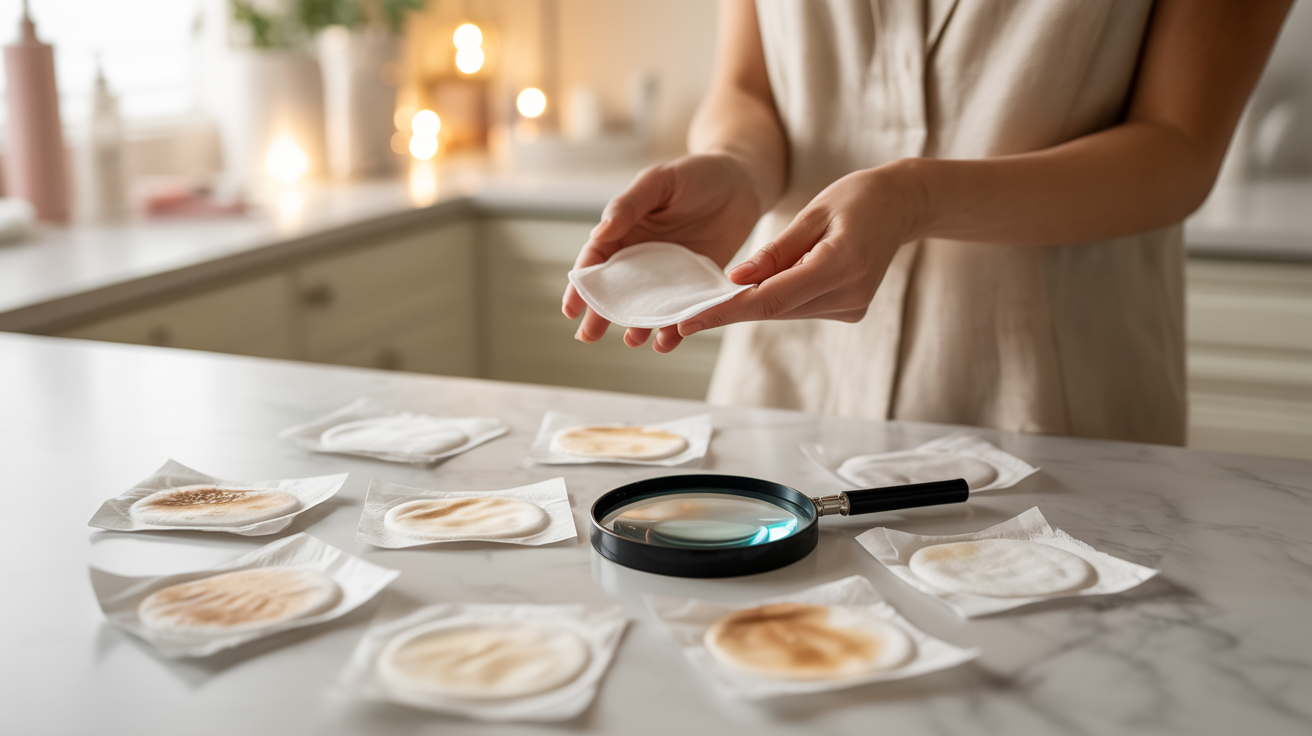
I used to keep makeup wipes on my nightstand for those nights when washing my face felt like too much work. But then I noticed my skin getting dry and irritated.
If you want to know why makeup wipes are bad, you’re not alone. Many people rely on these convenient wipes without knowing the hidden risks.
In this article, I’ll explain how makeup wipes can harm your skin, what dermatologists really think about them, and share better alternatives that actually work. Let’s talk about why stopping those wipes might be the best thing you do for your skin.
How Makeup Wipes Work
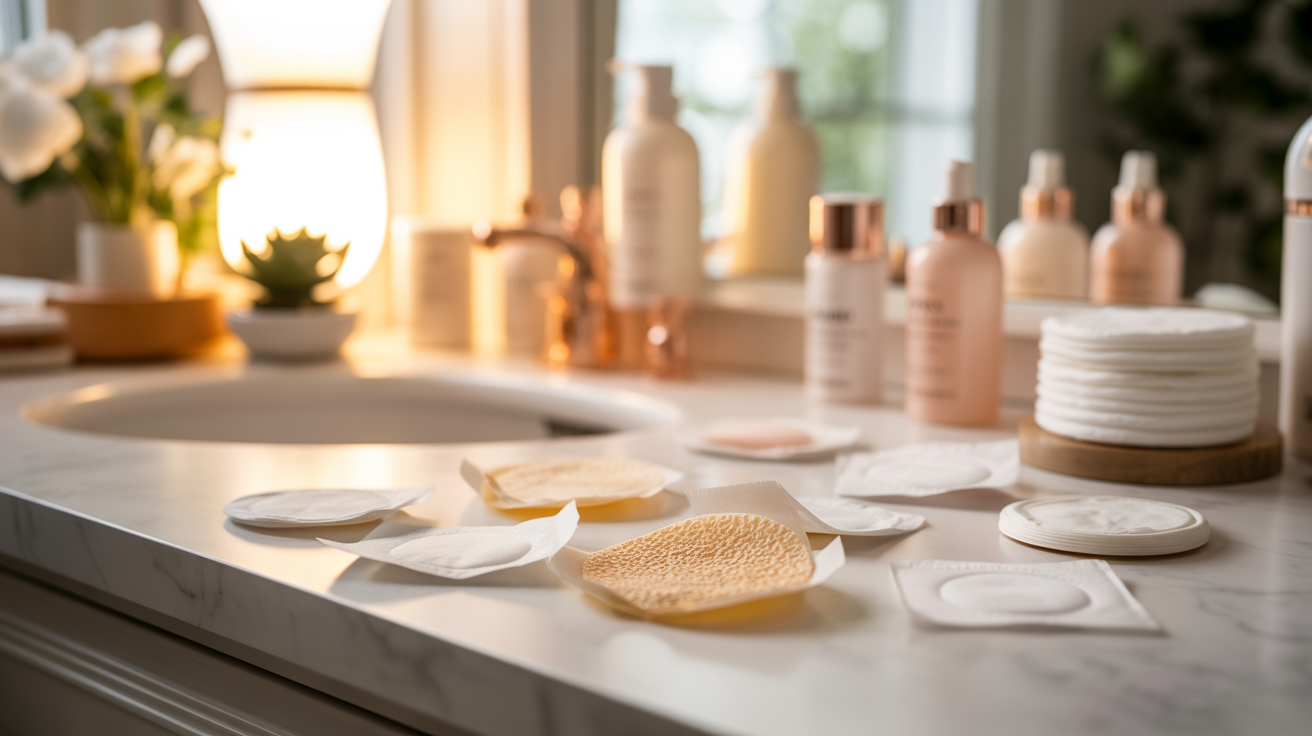
Makeup wipes use surfactants, emulsifiers, and preservatives to break down cosmetics. Most contain harsh ingredients like formaldehyde-releasing agents, parabens, and sodium lauryl sulfate. These chemicals strip your skin’s natural oils while fragrances add unnecessary irritation.
The main problem is simple, which is that wipes don’t actually clean your skin. They smear makeup around instead of removing it.
The wiping action spreads dirt and oil across your pores, leaving a film of residue behind.
Think of it like wiping a dirty counter with a dry cloth versus washing it properly. Wipes just redistribute the mess, while real cleansing with water and proper products actually removes everything. Your skin needs that thorough clean, not a surface swipe.
How Makeup Wipes Affect Your Skin

Makeup wipes rely on surfactants and friction to remove cosmetics, but this combination actually harms your skin more than it helps.
The process seems simple, but understanding what really happens reveals why dermatologists warn against regular use.
- Surfactants and Friction: Wipes contain chemicals that break down oils and makeup while you physically rub them across your face. This dual-action tugs at sensitive skin and irritates with every swipe.
- Wiping vs. Cleansing: Dragging a wipe spreads makeup, dirt, and oil around instead of removing them. Real cleansing uses water to rinse impurities away completely, not just redistribute them.
- Residue Left Behind: After wiping, a thin film of makeup, chemicals, and dirt stays on your skin. This layer clogs pores, prevents overnight skin repair, and leads to breakouts, dryness, and dullness over time.
Why Makeup Wipes Can Be Harmful
The convenience of makeup wipes comes at a serious cost to your skin health. Here are the main ways these products can damage your complexion over time.
Skin Barrier Damage and Irritation
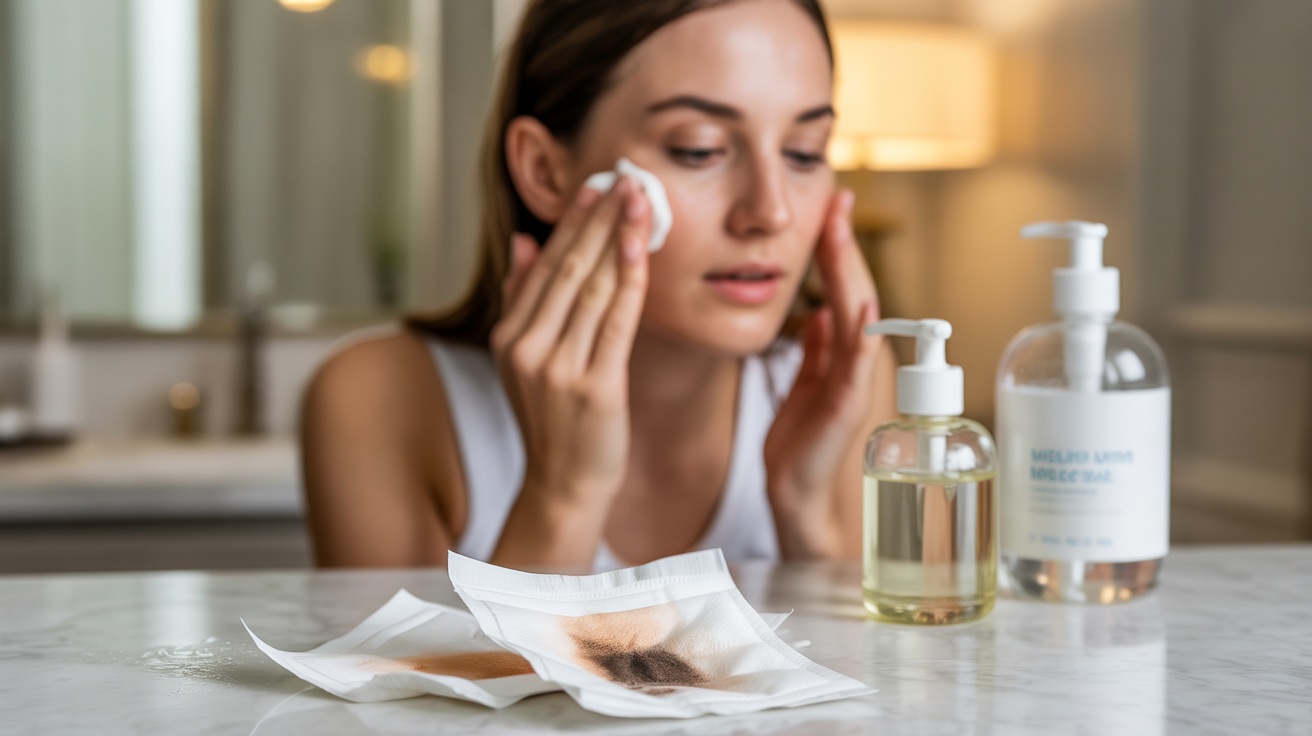
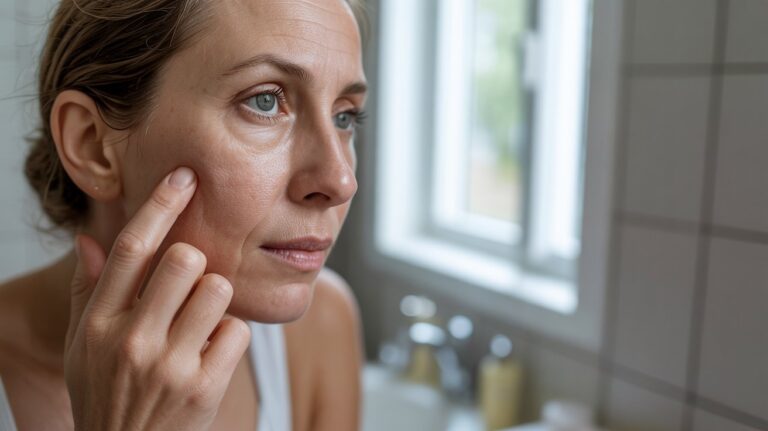
Every time you rub a wipe across your face, you create low-grade inflammation. This constant friction weakens your skin’s protective barrier.
The result? Redness, increased sensitivity, and potentially long-term pigmentation issues.
People with eczema or rosacea face even greater risks. The mechanical rubbing combined with harsh chemicals can trigger flare-ups and worsen existing conditions.
Risk of Clogged Pores and Breakouts
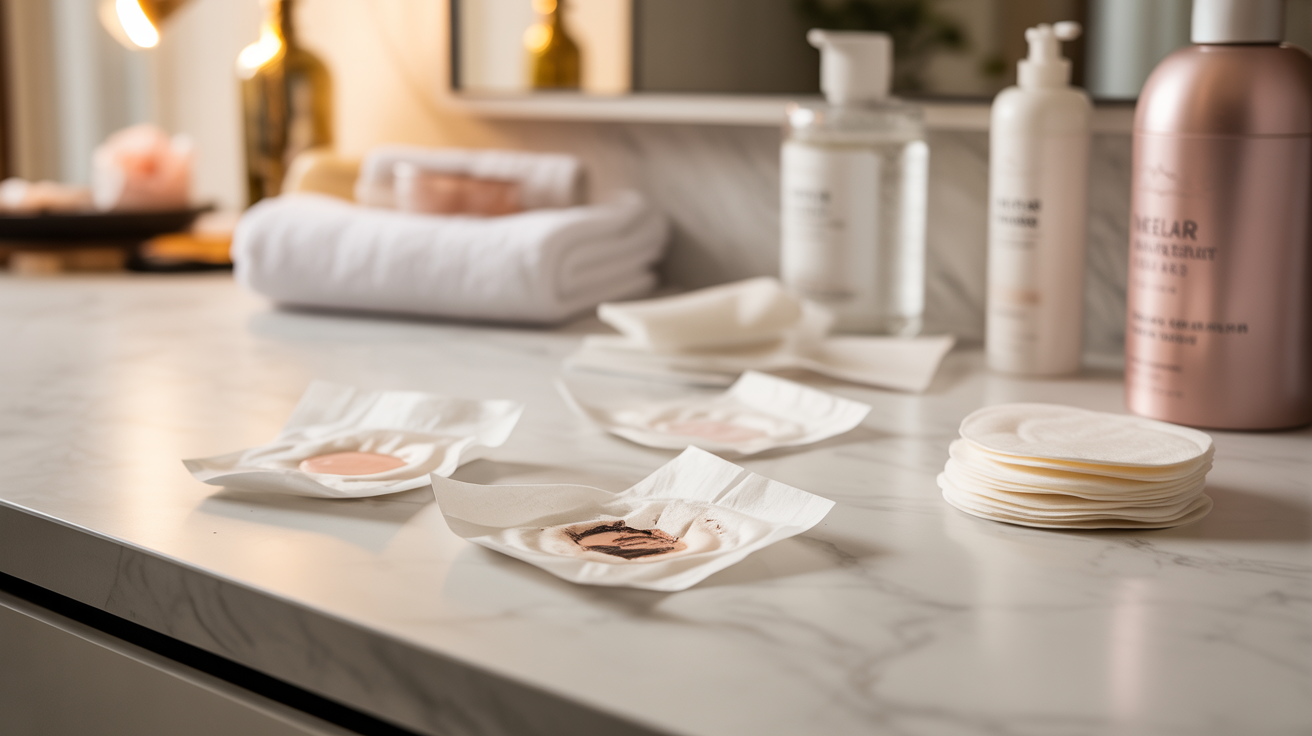
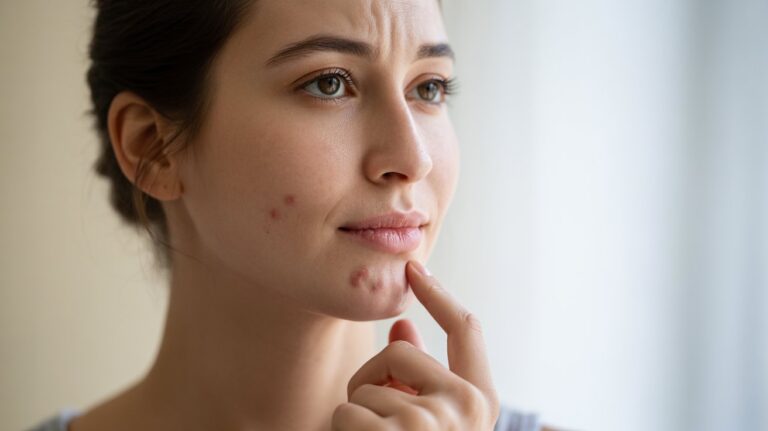
Wipes leave behind a thin film of makeup, oil, dirt, and chemical residue. This mixture settles into your pores overnight.
Your skin can’t breathe or regenerate properly, which triggers acne, blackheads, and other blemishes.
The residue acts like a barrier that traps bacteria and dead skin cells. This creates the perfect environment for breakouts to develop.
Accelerated Signs of Aging
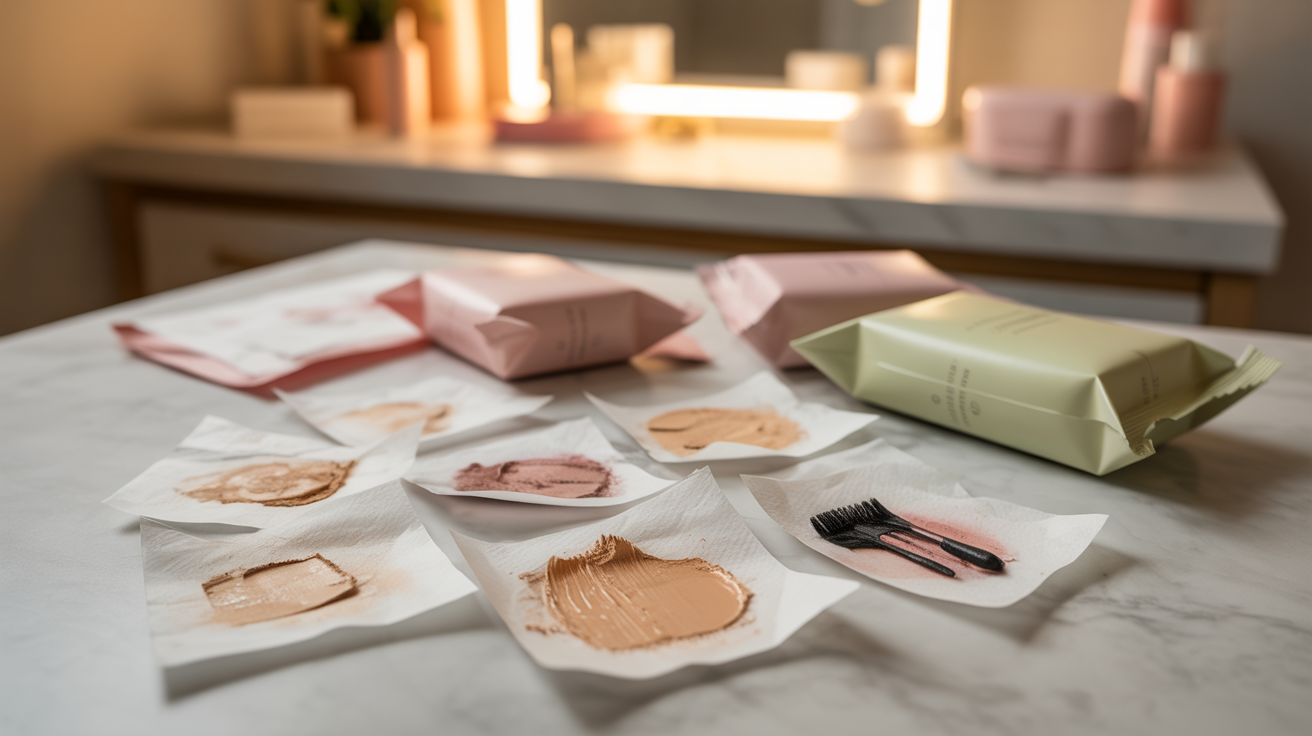
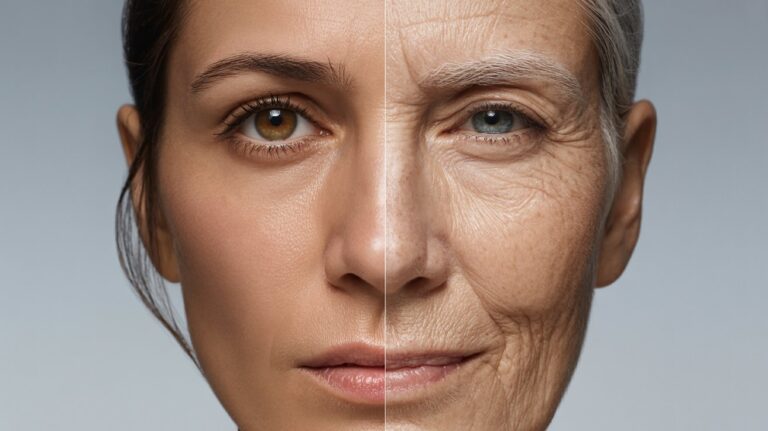
Repeated mechanical stress from wiping tugs at sensitive facial skin. Combined with chemical exposure from harsh ingredients, this daily routine contributes to premature wrinkles and fine lines.
Your skin barrier also suffers long-term damage, making it harder for your skin to retain moisture and protect itself from environmental stressors.
Incomplete Cleansing Consequences
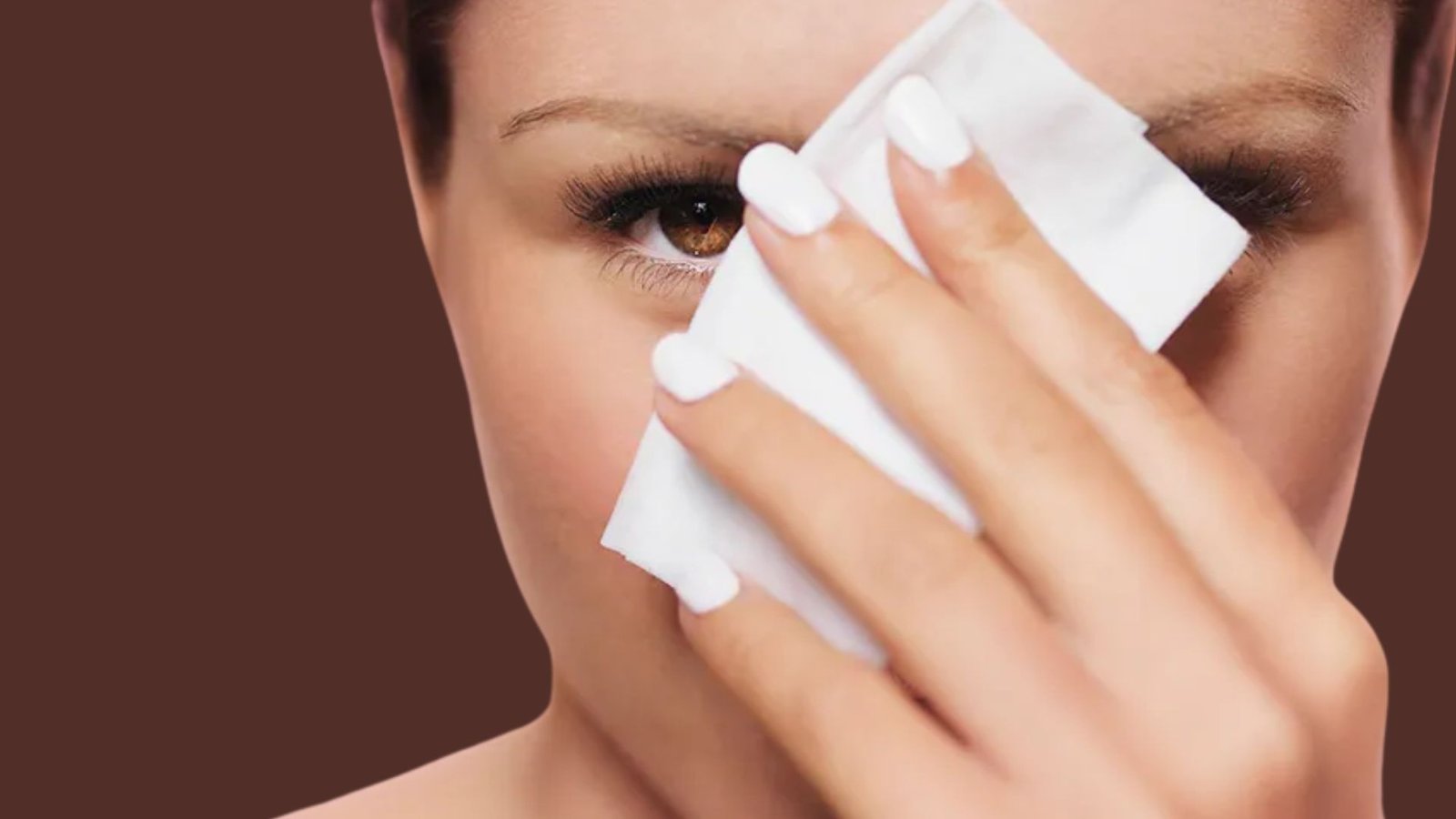
Your skin does most of its repair work while you sleep. Makeup residue prevents this natural regeneration process from happening effectively. The leftover chemicals and cosmetics interfere with cell turnover.
This leads to persistent dryness, a dull complexion, and ongoing irritation. Your skin never gets the clean slate it needs to renew itself properly.
Environmental Concerns
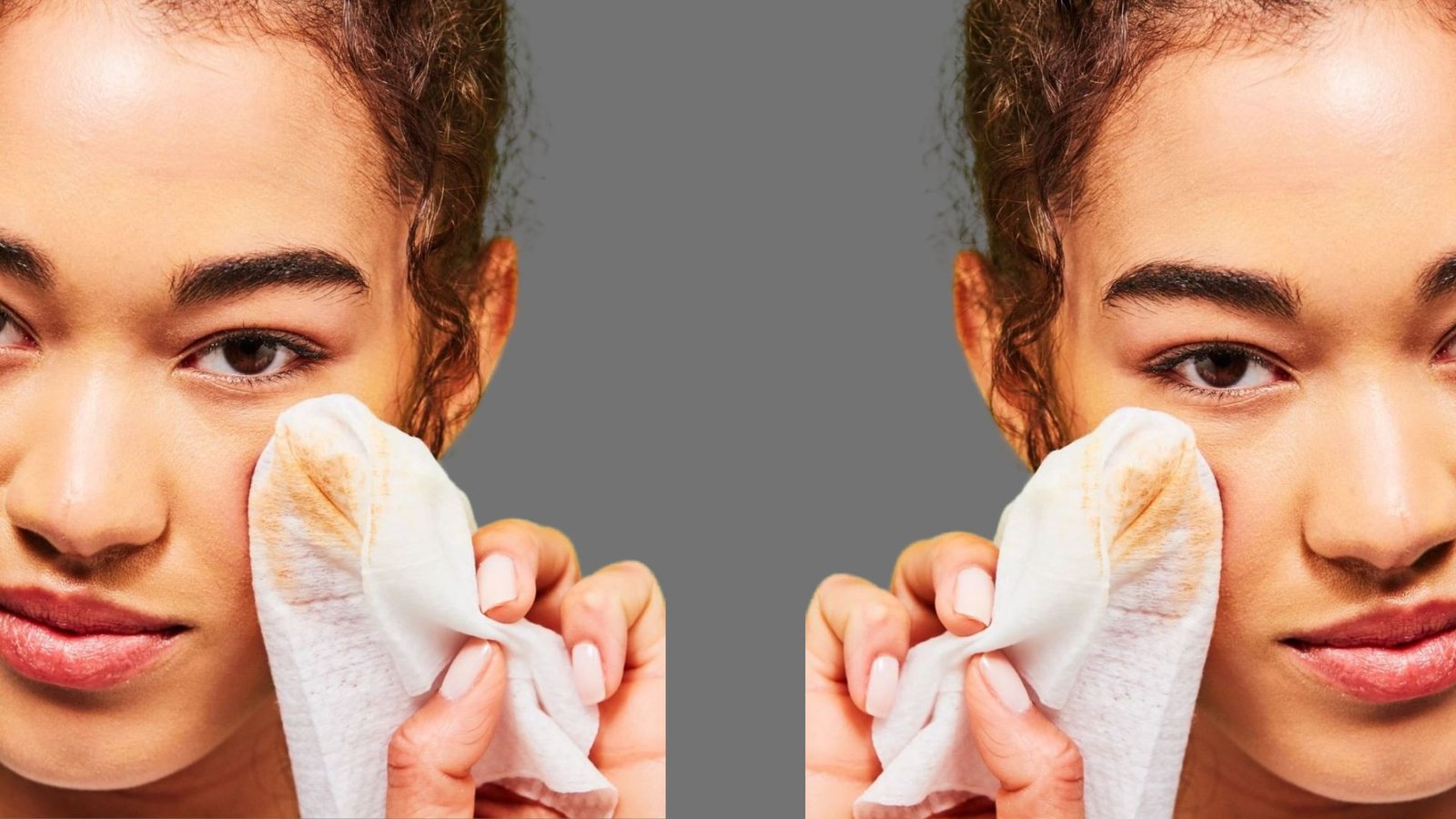
Most makeup wipes are non-biodegradable. They contain plastic fibers that don’t break down in landfills or water systems. Each wipe you toss contributes to growing waste problems.
Millions of these wipes end up in landfills every year. They can take hundreds of years to decompose, making them a serious sustainability issue.
Common Misconceptions About Makeup Wipes
Many myths surround makeup wipes. Let’s clear up some confusion about these popular products.
Are They Safer Than Baby Wipes?
Baby wipes and makeup wipes serve different purposes with different formulations. Baby wipes are designed for sensitive infant skin and typically contain gentler ingredients. Makeup wipes need stronger chemicals to break down cosmetics.
Using baby wipes on your face won’t help and might actually worsen skin issues. They lack the specific ingredients needed to remove makeup effectively while potentially introducing unnecessary chemicals to the facial skin.
“Better Than Nothing” Mentality
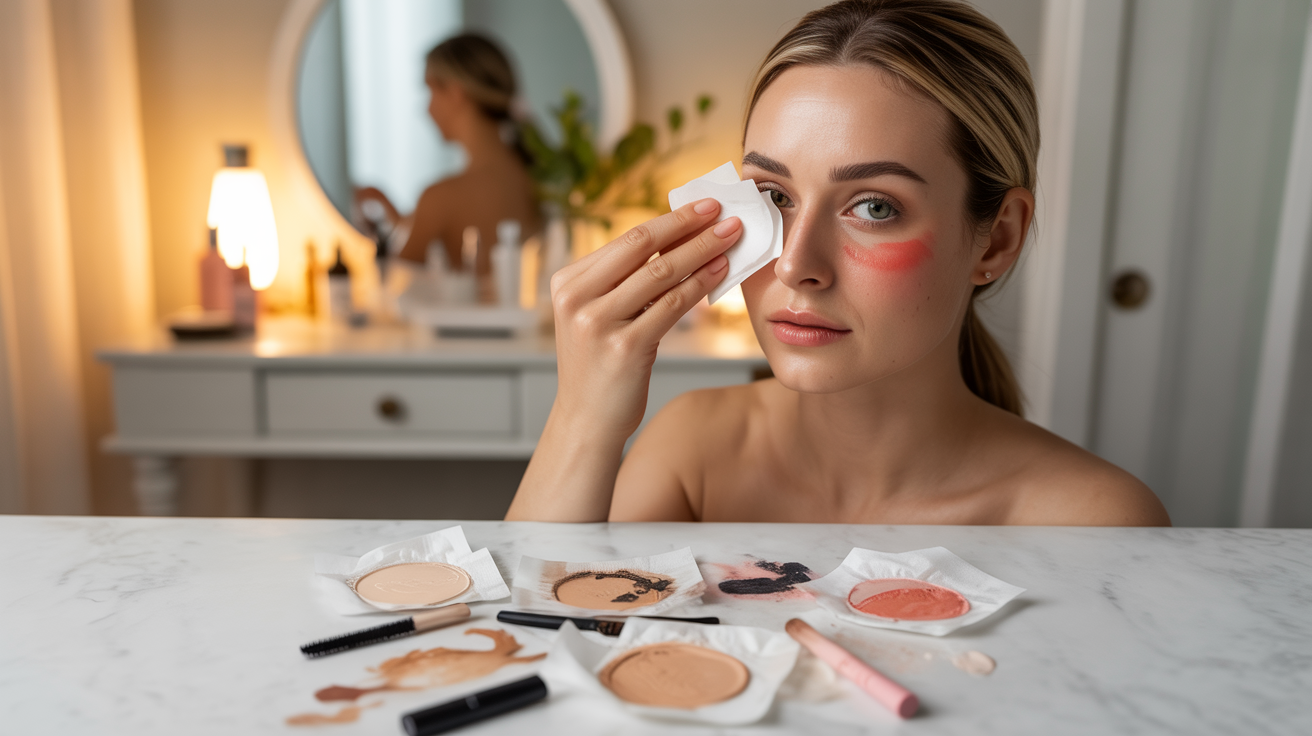
Sure, there are emergencies where a wipe beats sleeping in full makeup. Travel, late nights, or illness might make wipes your only option. But dermatologists strongly discourage making this your routine.
The “better than nothing” excuse keeps people stuck in damaging habits. Taking two extra minutes to wash your face properly makes a massive difference in skin health over time.
Are Makeup Wipes Ever Okay to Use?
Many people wonder if makeup wipes are acceptable in certain situations. The answer depends on how often you use them and your specific skin needs.
- Occasional vs. Daily Use: Using wipes once during true emergencies like traveling or camping won’t ruin your skin. Daily use causes cumulative damage that builds up over time.
- Better Than Nothing: Yes, wipes beat sleeping in full makeup, but don’t let this become your regular excuse. Proper face washing takes just two extra minutes and protects your skin long-term.
- Sensitive Skin Considerations: If you have eczema, rosacea, or reactive skin, avoid wipes completely. The friction and harsh chemicals trigger flare-ups and worsen existing conditions.
Safer Alternatives to Makeup Wipes
Ready to break up with wipes? Here are better options that actually clean your skin without causing harm.
Double Cleansing Method
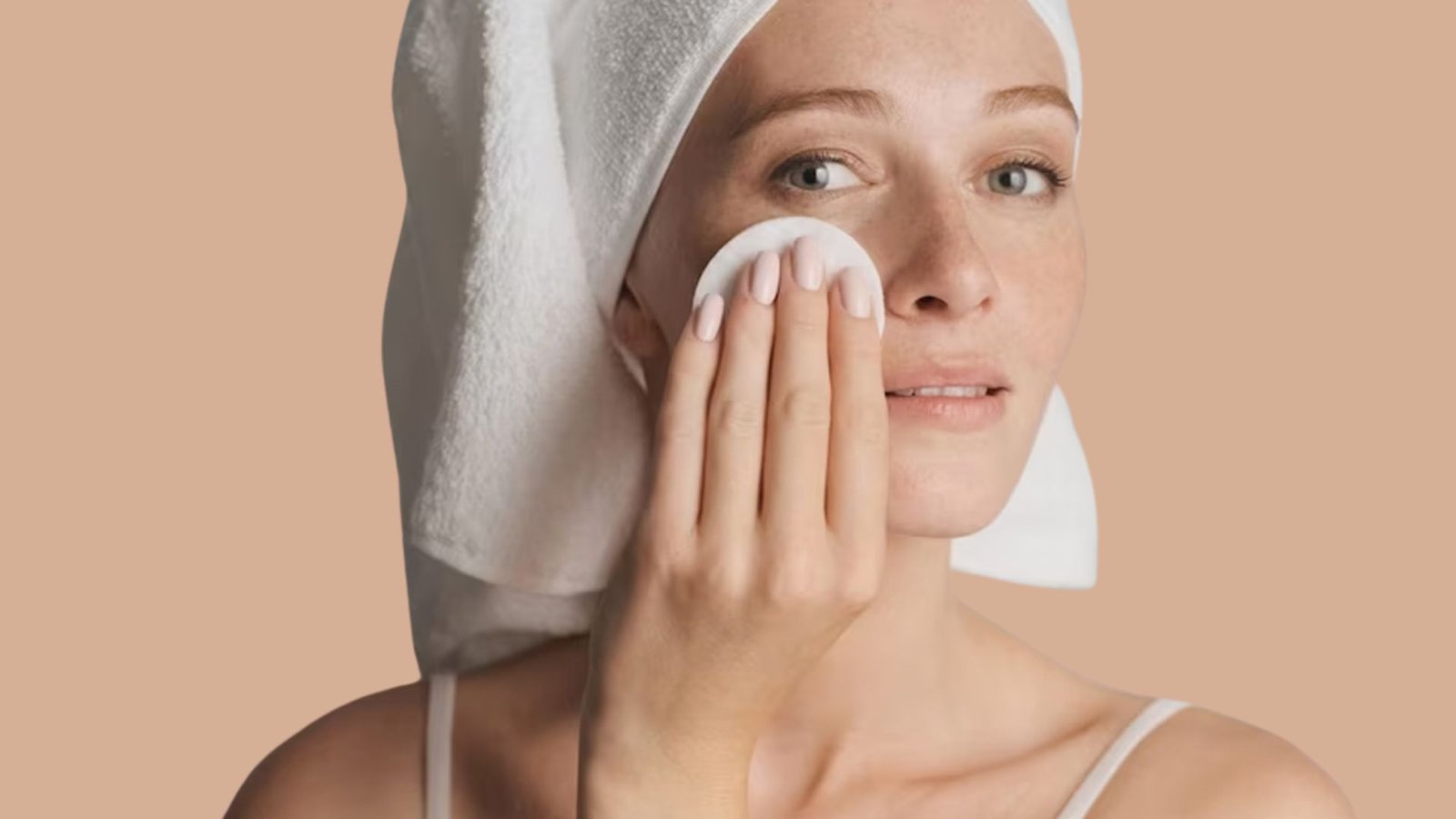
This two-step approach gives you the cleanest skin possible. Your first cleanse removes makeup, sunscreen, dirt, and environmental pollutants.
The second cleanse goes deeper to clean pores and nourish your skin. Start with an oil-based cleanser, then follow with a water-based one. This method works for all skin types and leaves your face genuinely clean without irritation.
Cleansing Balms and Oils
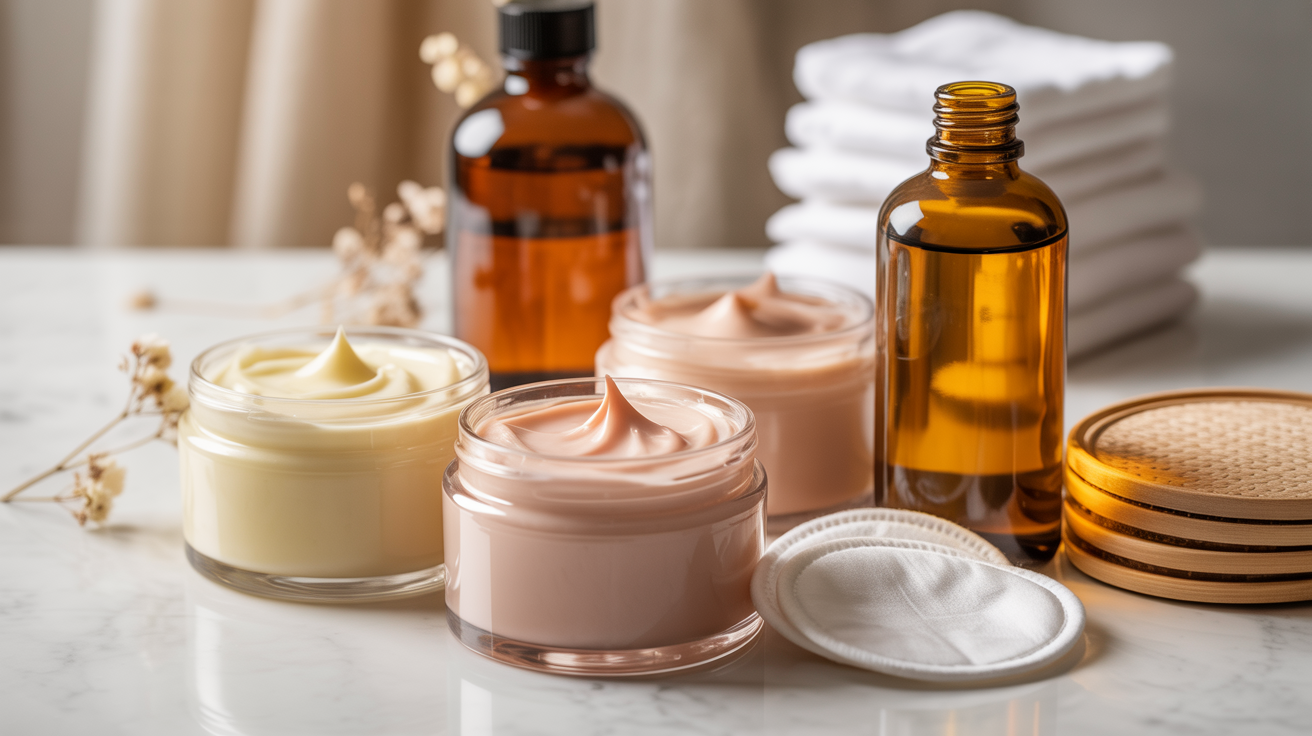
These products melt makeup off your face without harsh rubbing. Apply the balm or oil to dry skin and massage gently. The product binds to makeup and dissolves it.
Add water to emulsify, then rinse everything away. This gentle approach protects your skin barrier while removing even stubborn waterproof makeup. Your face feels soft and hydrated instead of stripped and tight.
Micellar Water and Cotton Pads
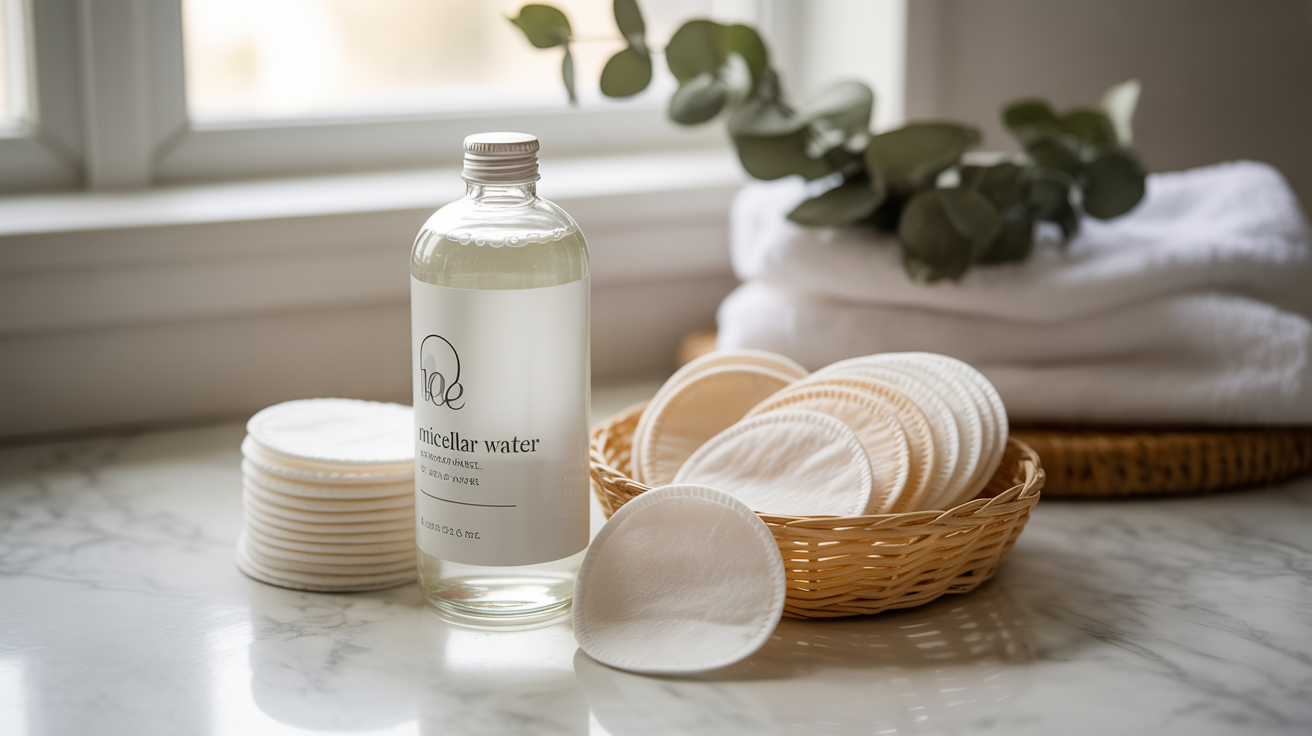
Micellar water contains tiny oil molecules suspended in soft water. These molecules attract and trap dirt, oil, and makeup. Pour some onto a cotton pad and gently wipe your face.
This option works great for travel or bedside cleansing when you need something quick. It’s gentle on sensitive skin and actually effective at removing makeup, unlike traditional wipes.
Expert Recommendations and Best Practices

Dermatologists consistently warn against regular makeup wipe use. Dr. Joshua Zeichner and other skin experts recommend thorough cleansing routines instead of quick wipe solutions.
Your skin barrier needs protection, not constant assault from friction and harsh chemicals. A nightly cleansing routine doesn’t have to be complicated. Just use proper products that actually clean without damaging your skin.
Consistency matters more than complexity. Washing your face properly each night helps maintain radiant, healthy skin. Skip the shortcuts and give your skin the care it deserves.
Conclusion
After years of using makeup wipes myself, switching to proper cleansing changed my skin completely. Now you know why makeup wipes are bad and have better options to try.
Your skin deserves real care, not just convenient shortcuts. Start tonight with one of these alternatives and watch your complexion improve.
What’s your biggest challenge with your nighttime routine? Drop a comment below and let’s help each other build better skincare habits.
Frequently Asked Questions
Can I use makeup wipes occasionally?
Occasional use during emergencies won’t ruin your skin, but don’t make it a habit. Even infrequent wiping causes some irritation and incomplete cleansing. Keep wipes for true emergencies only, like camping or hospital stays.
Do expensive makeup wipes work better than cheap ones?
Price doesn’t determine effectiveness or safety. Expensive wipes often contain the same harsh chemicals and create the same problems as budget versions. The issue is the product category itself, not the brand.
Will makeup wipes cause permanent skin damage?
Long-term regular use can lead to lasting issues like hyperpigmentation, chronic sensitivity, and premature aging. However, switching to proper cleansing allows most skin to recover over time. Start using better methods now to prevent permanent damage.
Are biodegradable makeup wipes a good option?
Biodegradable wipes are better for the environment, but still problematic for your skin. They contain similar harsh ingredients and require the same damaging friction. Choose truly sustainable options like reusable cloths instead.
How long does it take for skin to recover after stopping wipes?
Most people notice improvement within two to four weeks of switching to proper cleansing. Your skin barrier begins healing once you stop the daily friction and chemical exposure. Stick with gentle, effective alternatives and give your skin time to recover.