Dyson Supersonic vs Airwrap: Which Is Better?

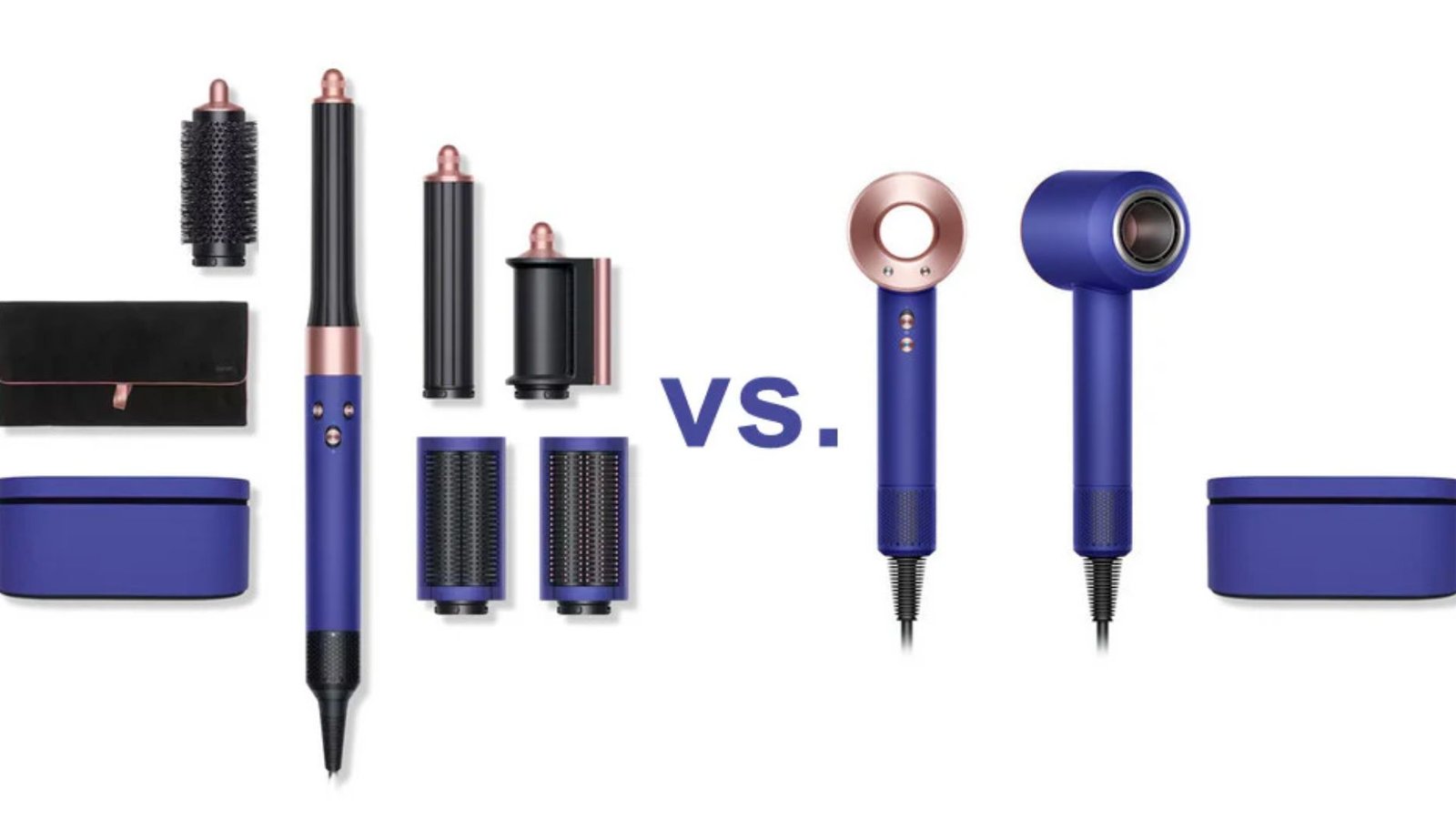
I’ve spent hours testing both tools to help you decide. Dyson Supersonic vs Airwrap is a common debate, and I get why.
One dries hair fast. The other styles and dries. Both cost a lot. I’ll break down what each does, who needs what, and which fits your routine. You’ll learn about speed, styling options, and real performance. I’ve used both on different hair types.
This guide covers everything from attachments to daily use. By the end, you’ll know exactly which tool matches your needs. No fluff. Just an honest comparison.
What Is the Dyson Supersonic Hair Dryer?
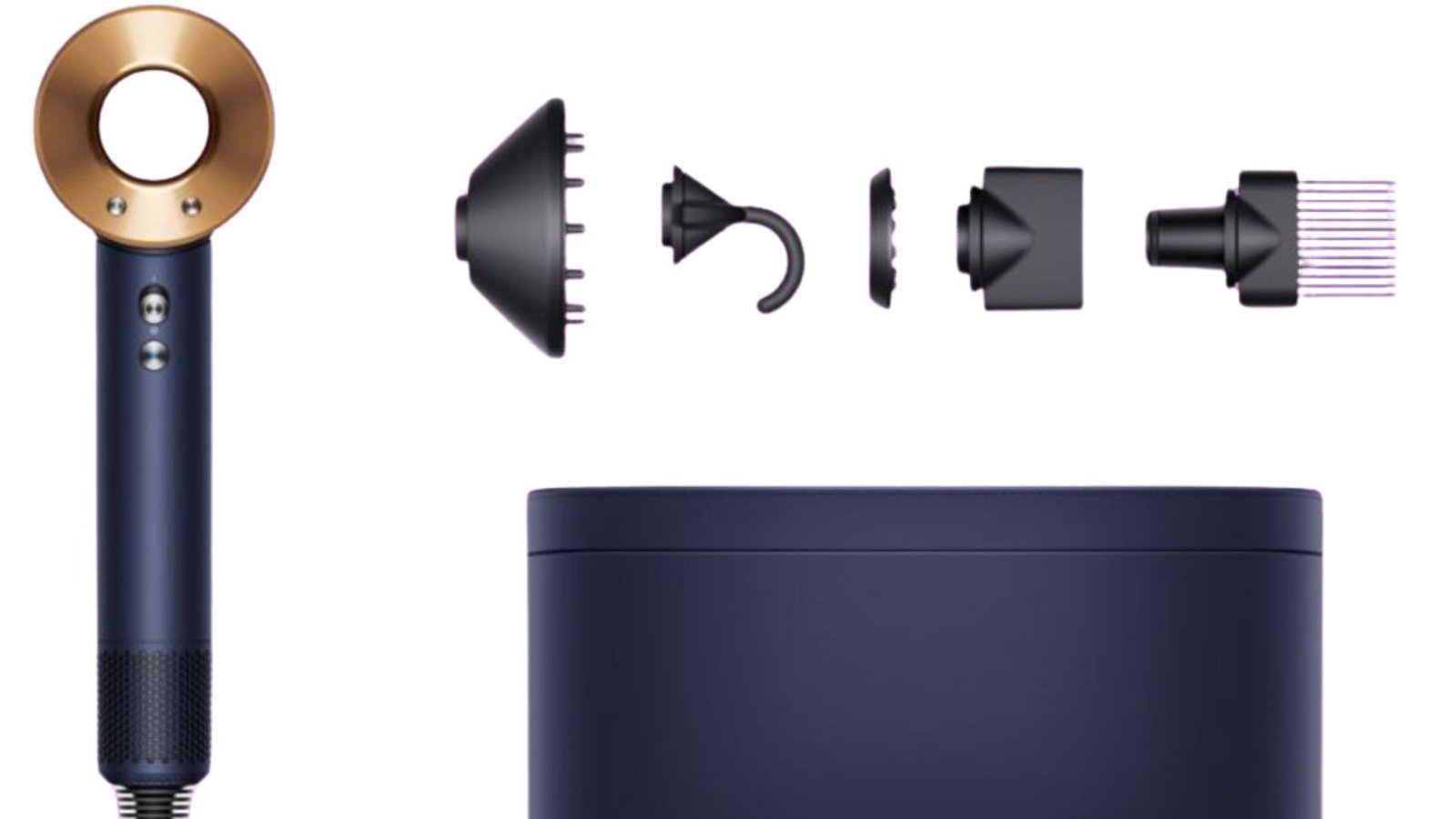
The Supersonic uses a small, powerful motor in the handle. This creates strong airflow without a bulky head. The design balances weight better than old dryers.
It measures air temperature 40 times per second to prevent heat damage. You get three speed settings and four heat levels. The airflow is focused and strong.
You get a smoothing nozzle, styling concentrator, and diffuser. Attachments snap on with magnets. Each one targets different styling needs.
It works for all hair types. Thick hair dries faster. Fine hair benefits from gentler heat. Curly hair loves the diffuser.
What Is the Dyson Airwrap?

The Coanda effect makes air wrap hair around the barrel. Think of it like a vacuum that pulls hair in a spiral. The air does the work. Hair wraps itself as air flows.
It dries damp hair while styling. Start with 80% dry hair for best results. It creates curls, waves, volume, and smooth styles. One tool, multiple looks.
The Airwrap comes with several barrels and brushes. Curling barrels come in pairs for different directions. Round brushes add volume. Smoothing brushes reduce frizz.
It works best on fine to medium hair. Thick or coarse hair takes longer to style. If your hair holds styles easily, the Airwrap delivers great results.
Can the Dyson Airwrap Be Used as a Hair Dryer?
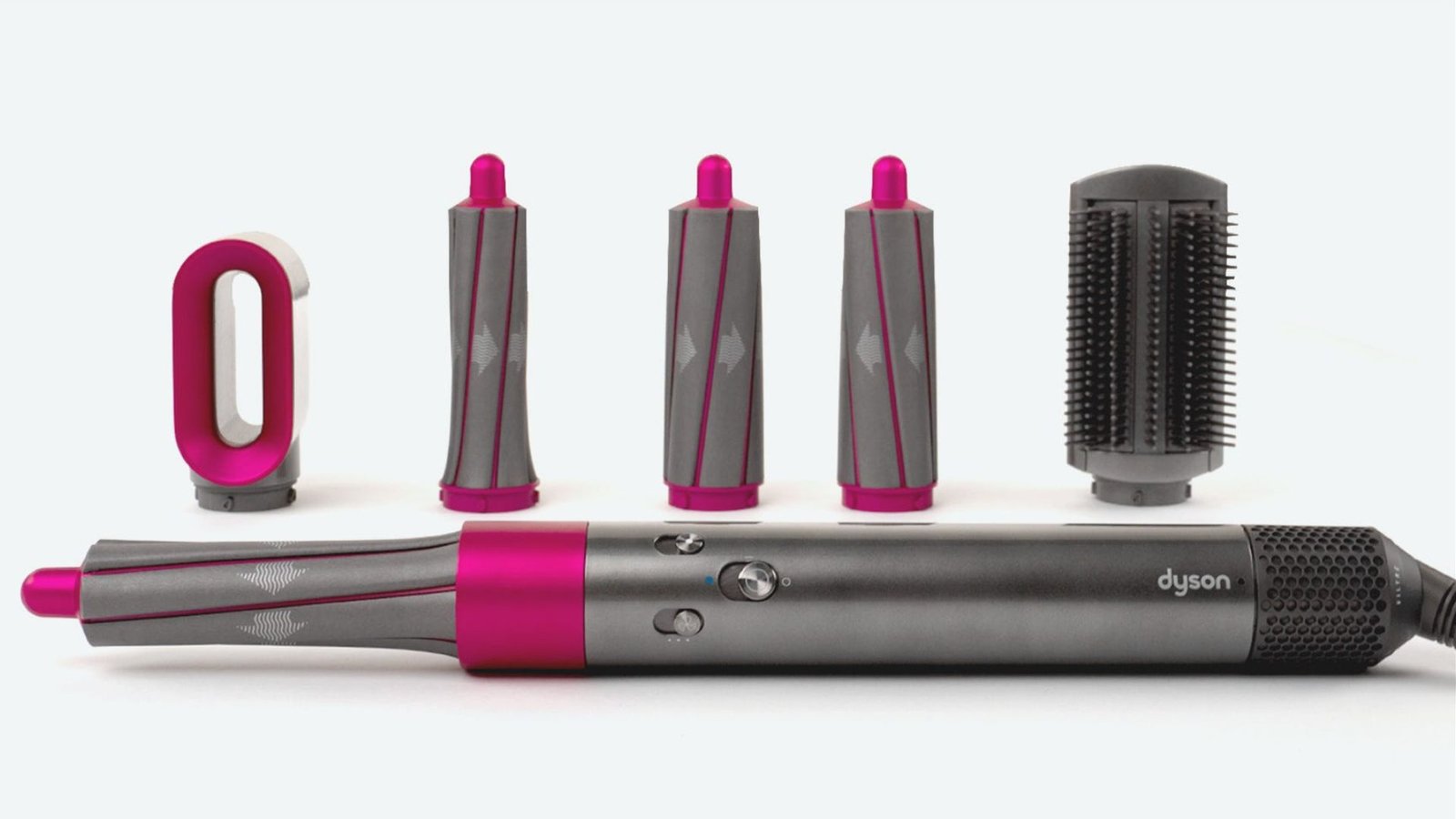
It dries hair, but not like a traditional dryer.
The Airwrap includes a dryer attachment. It uses the Coanda effect to smooth while drying. It’s not as fast as the Supersonic. You’ll spend more time getting your hair fully dry. But it reduces frizz as it dries.
The airflow is weaker than a dedicated dryer. It’s designed for styling, not speed. If you need bone-dry hair in five minutes, this won’t cut it. The focus is on gentle drying that protects hair texture.
It works well for touch-ups or drying damp hair before styling. It doesn’t work well on soaking wet, thick hair. You’ll get frustrated if you’re in a rush. Plan for 20-30 minutes from damp to styled.
Dyson Supersonic vs Airwrap: Key Differences
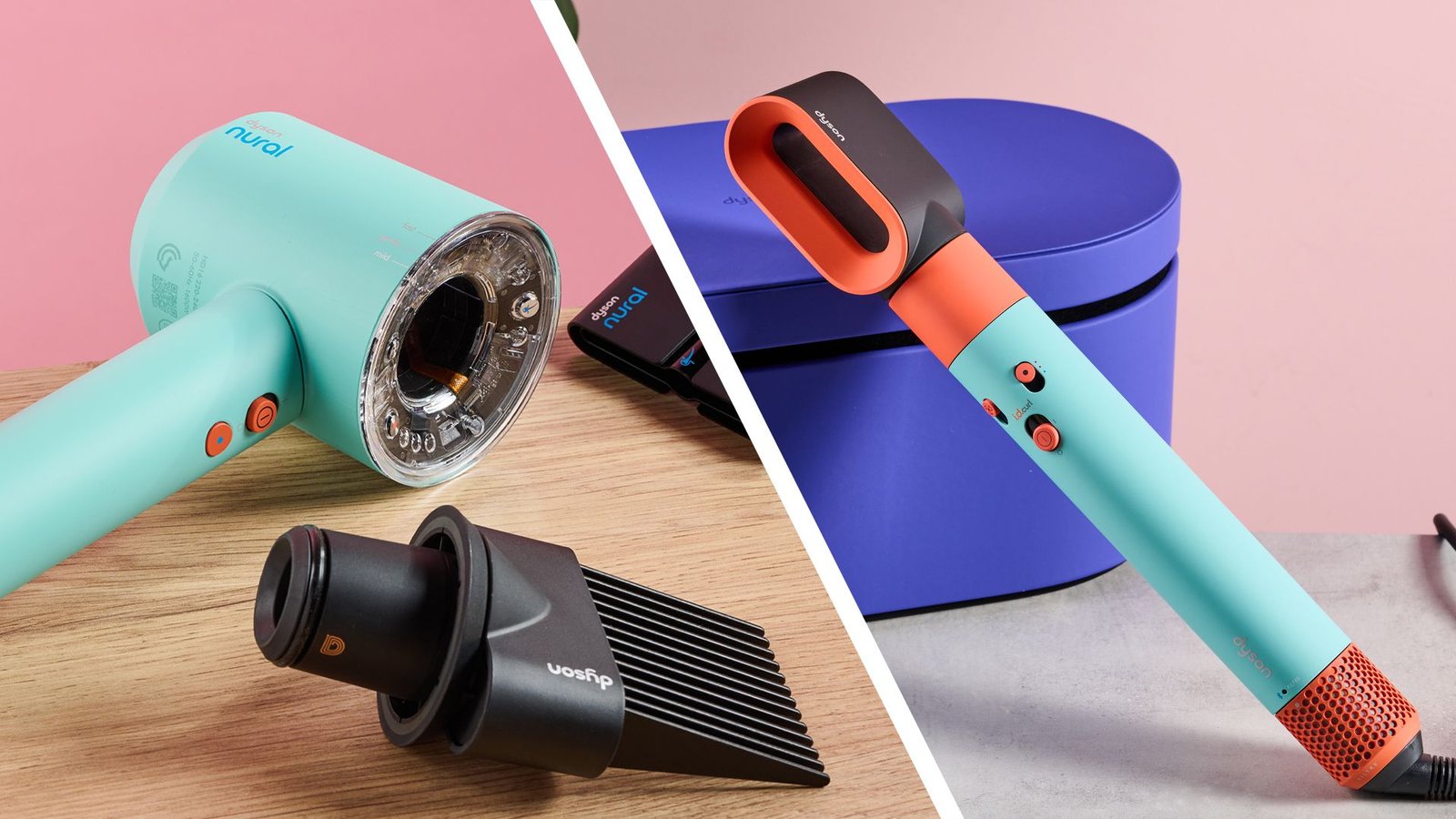
Where these tools separate in real use.
|
Feature |
Dyson Supersonic |
Dyson Airwrap |
|
Drying Speed |
5-10 minutes |
15-30 minutes |
|
Styling Options |
Smooth blowout only |
Curls, waves, volume |
|
Airflow Control |
Strong, focused |
Gentle, wrapping |
|
Learning Curve |
Easy, use immediately |
Takes practice |
|
Attachments |
3 pieces |
6-8 pieces |
|
Wet to Styled Time |
15-20 minutes |
20-30 minutes |
|
Price |
Around $430 |
$500-$600 |
|
Best For |
Fast drying |
Styling and drying |
Drying speed
The Supersonic dries hair in 5-10 minutes. The Airwrap takes 15-30 minutes, depending on thickness. If speed matters most, the Supersonic wins. The Airwrap is slower but adds styling at the same time.
Styling options
The Supersonic gives you a smooth, professional blowout. You control the brush yourself. The Airwrap curls, waves, and adds volume with less skill needed. You get multiple looks from one device.
Airflow control
The Supersonic has stronger, more focused airflow. You can blast sections dry quickly. The Airwrap has a gentler airflow designed for wrapping hair. It’s less aggressive but also less efficient for pure drying.
Learning curve
The Supersonic is easy to use. Point, dry, done. The Airwrap takes practice. You need to learn which attachments work for your hair. Timing and technique matter. Expect a few tries before you get it right.
Attachments and usability
The Supersonic has three main attachments. Simple and fast to switch. The Airwrap has 6-8 pieces depending on the set. More options mean more setup time. Some people love the variety. Others find it overwhelming.
Time required from wet to styled hair
Supersonic plus manual styling with tools takes 15-20 minutes total. Airwrap does it all in one step but takes 20-30 minutes. The Airwrap saves you from using multiple tools. But it’s not faster overall.
Price comparison
The Supersonic costs around $430. The Airwrap costs $500-$600, depending on the set. Both are expensive. The Airwrap costs more because it does more. But only if you use the styling features.
Performance Comparison
How they actually perform in daily use.
Blow-drying results
The Supersonic creates smooth, professional results. Hair looks salon-level with practice. The Airwrap smooths while styling, but doesn’t give the same tight, sleek finish. If you want a classic blowout, the Supersonic is better.
Curling and styling results
The Supersonic doesn’t curl. You need a separate iron. The Airwrap curls, waves, and adds body. Results look natural and last 1-2 days with hairspray. Curls are softer, not as tight as a curling iron.
Frizz control and smoothness
Both control frizz well. The Supersonic uses high speed and controlled heat. The Airwrap uses lower heat and tension from the Coanda effect. Fine hair gets very smooth with either. Coarse hair benefits more from the Supersonic’s power.
Root drying and scalp access
The Supersonic dries roots quickly. The focused nozzle gets close to the scalp. The Airwrap struggles with roots. The attachments don’t allow direct scalp access. You might need to finish roots with the dryer attachment.
Finish and longevity of style.
Supersonic styles last as long as your technique allows. With good products, you get 2-3 days. Airwrap styles last 1-2 days on most hair types. Fine hair holds Airwrap curls longer. Thick hair might see styles drop faster.
Pros and Cons of Dyson Supersonic
What works and what doesn’t.
|
Pros |
Cons |
|
Fast drying time saves mornings |
Expensive for a dryer |
|
Works on all hair types without adjustments |
Doesn’t style hair beyond smoothing |
|
Easy to use from day one |
Need separate tools for curls or waves |
|
Lightweight and balanced design reduces arm fatigue |
Attachments are limited compared to competitors |
|
Controlled heat prevents major damage |
Loud at high speed |
|
Attachments cover basic needs |
No automatic shut-off feature |
Pros and Cons of Dyson Airwrap
The good and the not-so-good.
|
Pros |
Cons |
|
Styles and dries in one tool |
Expensive, and not everyone needs all the attachments |
|
Less heat damage than traditional hot tools |
Learning curve takes time and patience |
|
Multiple looks from one device |
Slower than dedicated dryers |
|
Easier to curl your own hair than with an iron |
Doesn’t work well on very thick or coarse hair |
|
Good for people who struggle with coordination |
Storage requires space for all pieces |
|
Results look natural and soft |
Not ideal for quick mornings |
Dyson Supersonic vs Airwrap: Which Is Better for You?
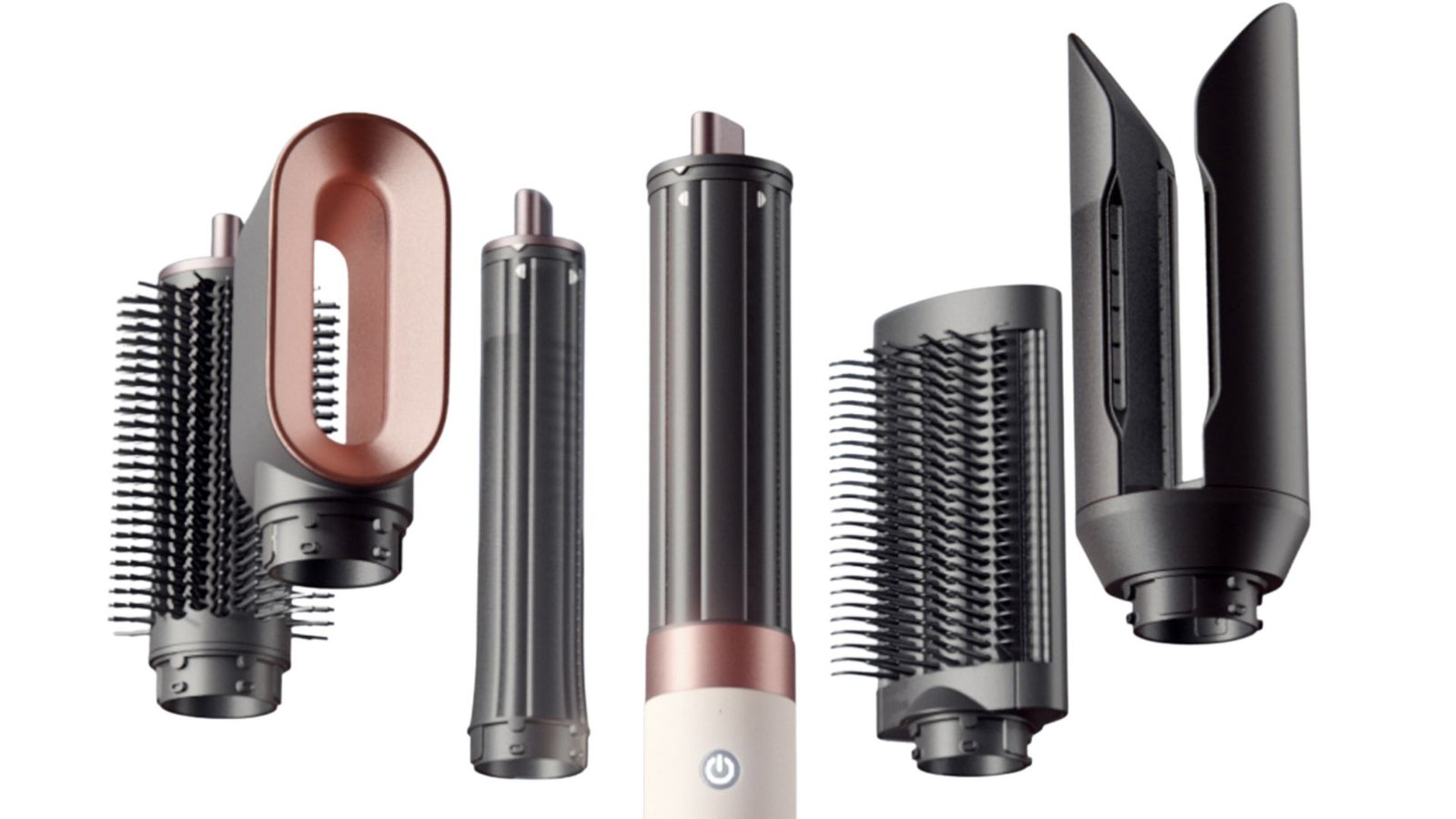
How to choose based on your real needs.
You want fast drying, and your morning routine is tight. You already know how to style hair with brushes and irons.
You have thick or coarse hair that needs powerful airflow. You don’t care about built-in styling. You want something simple and reliable. Then the Supersonic is your pick.
You want curls and waves without hot tools. You have fine to medium hair. You struggle using curling irons.
You value convenience over speed. You want one tool instead of many. You’re willing to practice and learn. Then the Airwrap fits better.
For most people, owning both isn’t worth it. Pick based on your main need. But some users love having both. Use the Supersonic for busy mornings. Save the Airwrap for styled looks. If the budget allows and you use both regularly, it can work. Otherwise, one does the job.
Conclusion
I’ve been using the Supersonic for three years now. It’s my go-to for speed and reliability every single morning. The Airwrap is fun, but honestly, it sits unused most weeks. I curl my hair maybe twice a month, so paying extra for styling attachments I rarely touch doesn’t make sense for me.
For daily drying, the Supersonic wins hands down. It gets me out the door fast. But if you genuinely love styling and have the time to practice, the Airwrap creates gorgeous results.
Think about your actual routine, not your ideal one. Be honest about how often you’ll style your hair. Choose the tool you’ll really use, not the one that sounds the most impressive. Drop a comment below and tell me which one you chose.
Frequently Asked Questions
Can the Airwrap replace a regular hair dryer?
Not completely. It dries hair, but much slower than the Supersonic. If you’re in a rush or have very thick hair, you’ll get frustrated. It works for gentle drying before styling.
Does the Supersonic damage hair less than regular dryers?
Yes. It measures heat constantly to prevent extreme temperatures. Regular dryers can overheat sections. The Supersonic keeps heat controlled, which reduces damage over time.
How long do Airwrap curls last?
Usually 1-2 days with hairspray. Fine hair holds curls longer. Thick, heavy hair might see curls drop within hours. Results depend on your hair type and the products used.
Is the Supersonic loud?
Yes, especially on high speed. It’s louder than regular dryers. The motor is powerful and compact, which creates more noise. Lower settings are quieter but slower.
Can I use the Airwrap on completely wet hair?
No. It works best on 80% dry hair. Using it on soaking wet hair takes forever and gives poor results. Rough dry first or use the dryer attachment.