Disadvantages of Waxing Upper Lip That No One Talks About

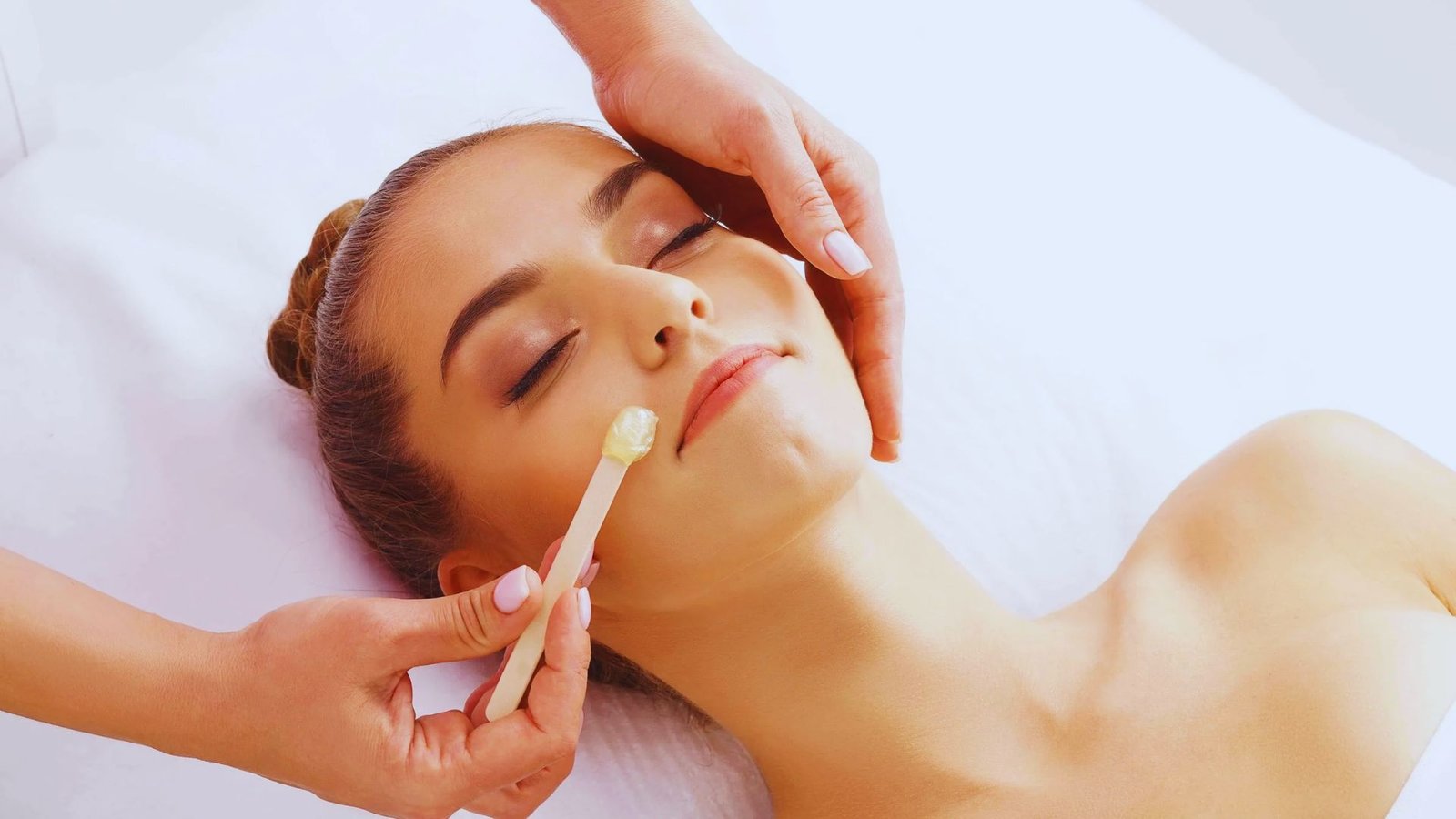
Waxing your upper lip seems like a quick fix, but there are side effects most people don’t warn you about. If you’ve experienced irritation, dark spots, or regret after waxing, you’re not imagining things.
The truth is, upper lip skin is Sensitive and reactive. This article reveals the real disadvantages of upper lip waxing that salons won’t mention. We’ll discuss skin damage, pain levels, hidden costs, and long-term effects. You’ll also learn about safer alternatives that might work better for your skin type.
I’ve gathered information from dermatologists and real experiences from people who’ve dealt with waxing problems firsthand. My goal is to give you the full picture so you can make informed choices about hair removal.
No sugarcoating the downsides, you’ll find honest answers here. Let’s talk about what really happens when you wax your upper lip.
Main Disadvantages of Waxing the Upper Lip
Waxing your upper lip might seem like a quick fix. But it comes with risks you should know about. Your skin is Sensitive there, and pulling hair out by the root isn’t always gentle.
Immediate Side Effects

Your skin reacts right away when you wax. The effects show up within minutes. Some fade fast, but others stick around.
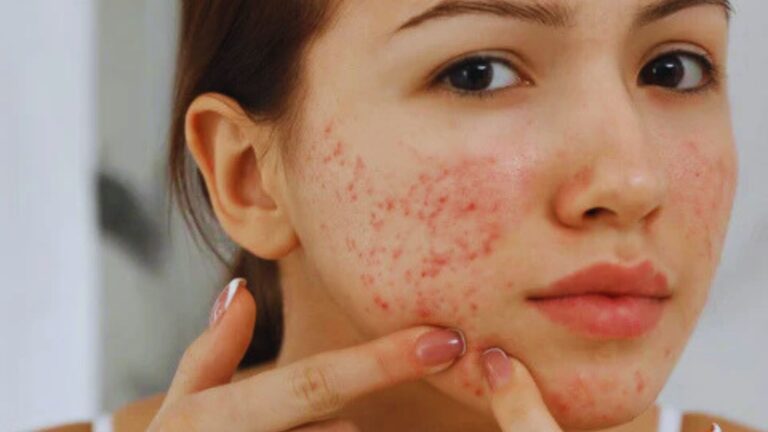
- Skin Redness and Irritation: This happens because you’ve just ripped hair from your follicles. Your skin turns red and feels hot. It’s your body’s alarm system going off. The area becomes sensitive to touch, and even your regular moisturizer might sting.
- Pain and Discomfort: It varies from person to person. If you have sensitive skin, it hurts more. Some describe it as a sharp sting. Others say it feels like a burn. The thin skin on your upper lip makes the pain worse than in other body parts.
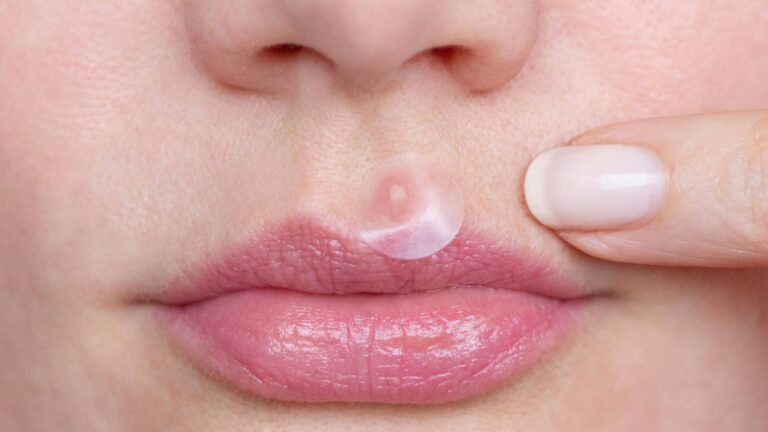
- Small Bumps and Ingrown Hairs: These appear when hair grows back wrong. Poor technique causes this. The hair curls under your skin instead of growing out. You’ll see red bumps that look like tiny pimples. They can itch and feel tender.
- Micro-tears and Unseen Bleeding: This happens beneath the surface. Wax pulls on tiny blood vessels. You might not see blood, but the damage is there. Your skin needs time to heal these invisible wounds.
Risks of Infection

Waxing strips away your skin’s protective barrier. I’m talking about the outer layer that keeps bacteria out. Without this shield, germs get in easily.
Here’s what makes infection more likely:
- Open pores after hair removal
- Touching the area with dirty hands
- Using unclean tools or old wax
- Applying makeup too soon
- Sweating right after waxing
You can protect yourself with simple steps. Clean the area before and after. Use an antiseptic solution. Don’t touch your face with unwashed hands. Skip the gym for 24 hours. Let your skin breathe.
Effects on Skin Appearance

Darkening of the skin: happens to many people. Doctors call it post-inflammatory hyperpigmentation.
Your skin produces extra melanin when irritated. The result? Dark patches where you waxed. They can last for months.
Existing skin problems get worse. Do you have acne? Waxing spreads bacteria. Got dermatitis? The pulling makes it flare up.
Your skin becomes more sensitive to sunlight, too. UV rays hit the exposed layer harder. You’re at higher risk for sunburn and sun damage.
Long-Term Consequences

Your skin loses elasticity when you wax repeatedly. Each session pulls and stretches. Over time, the skin doesn’t bounce back as well.
Think of it like a rubber band that’s been stretched too many times.
Premature aging shows up around your mouth. Fine lines appear sooner. The constant tugging breaks down collagen.
Some people notice their hair grows back thicker or coarser. This happens when follicles get damaged but don’t die completely. The trauma changes how your hair grows.
Prevention and Aftercare Tips

Taking care of your skin after waxing matters. Skip this step, and you’ll pay for it. The right aftercare prevents most problems.
Do these things immediately:
- Apply aloe vera gel to cool the skin
- Use ice packs wrapped in cloth
- Avoid hot showers for 24 hours
- Skip makeup for at least 6 hours
- Stay out of direct sunlight
- Don’t exercise or swim right away
Your skin needs at least 48 hours to recover fully. Be patient with it. Treat the area gently, and you’ll avoid the worst side effects.
Comparisons With Other Hair Removal Methods
You have more options than just waxing. Each method works differently on your skin. Let me show you what else is out there.
Threading vs. Waxing

Threading uses twisted cotton thread to grab and pull out hairs. It’s gentler on your skin than waxing because there’s no hot wax or chemicals involved.
The thread only grabs hair, not skin. This makes it safer for sensitive skin or if you use retinoids. But it takes longer,r and some find it more painful since each hair gets pulled individually.
|
Feature |
Threading |
Waxing |
|
Pain level |
Higher |
Moderate |
|
Speed |
Slower |
Faster |
|
Skin safety |
Safer |
Risk of burns |
|
Duration |
3-4 weeks |
3-4 weeks |
Your pain tolerance and skin type should guide your choice.
Shaving, Depilatory Creams, and Alternatives

Shaving does not make hair grow back thicker. That’s a myth. The blunt edge just feels coarser when it grows back.
Shaving is quick but lasts only 1-2 days. Creams dissolve hair and last 3-5 days. Bleaching lightens hair for 2-3 weeks but doesn’t remove it.
|
Method |
Pain |
Lasts |
Main Risk |
|
Shaving |
None |
1-2 days |
Cuts |
|
Creams |
None |
3-5 days |
Burns |
|
Waxing |
Moderate |
3-4 weeks |
Skin trauma |
These options cause less trauma to your skin but need more frequent repetition.
Laser and IPL Hair Removal

Laser and IPL target hair follicle pigment with light energy that converts to heat. This damages the follicle, le so hair grows back slower or not at all.
You need 6-8 sessions to catch follicles during their active growth phase. Then touch-ups once or twice yearly.
|
Factor |
Laser/IPL |
Waxing |
|
Pain |
Mild |
Moderate-High |
|
Results |
Permanent reduction |
Temporary |
|
Sessions |
6-8 total |
Every 3-4 weeks |
|
Skin damage |
Minimal |
Higher risk |
Laser works best on dark hair with light skin. You’ll spend more initially, but after a year or two, you might never need to remove upper lip hair again.
How to Minimize the Disadvantages of Waxing
Waxing doesn’t have to wreck your skin. Proper preparation and aftercare make all the difference. Follow these steps to protect yourself.
Pre-Wax Preparation

Your skin needs to be ready before the wax touches it. Skip this step, and you’re asking for trouble. Clean skin is safe skin.
- Cleanse and exfoliate: Wash your upper lip with a gentle cleanser and exfoliate 24 hours before to remove dead skin cells.
- Test wax temperature: Check the wax on your wrist first because too hot burns you and too cold won’t work properly.
- Avoid damaged skin: Never wax sunburned, irritated, acne-covered, or recently treated skin, as wait until it will take completely healthy skin.
Post-Wax Care

The first 48 hours after waxing are critical. Your skin is vulnerable and exposed. Treat it like a healing wound.
- Moisturize and soothe: Apply petroleum jelly or aloe vera gel immediately to create a protective barrier and reduce redness.
- Avoid sun exposure: Stay out of direct sunlight for 24-48 hours and skip makeup, hot showers, pools, and gyms.
- Preventing ingrown hairs: Exfoliate gently 2-3 days later and apply tea tree oil or witch hazel to stop infection.
When to Avoid Waxing

Some people shouldn’t wax at all. Others need to wait for the right time. Know when to say no.
- Sensitive skin conditions: Skip waxing if you have acne-prone skin, dermatitis, active infections, eczema, or rosacea.
- Medication and health: Avoid waxing while taking blood thinners, using retinoids, or if you have diabetes or autoimmune conditions.
- Hormonal issues: If you have PCOS or excessive hair growth, see a doctor first, as your body is telling you something.
Conclusion
While waxing is popular, the disadvantages of waxing the upper lip are real and worth considering.
From irritation and ingrown hairs to potential skin damage and discomfort, it’s not always the ideal solution everyone makes it out to be.
The good news? Now that you know what to watch for, you can make smarter choices about your hair removal routine. If you stick with waxing using better techniques or consider gentler alternatives, you’re equipped to protect your skin.
Found this eye-opening? Share it with friends who wax regularly, they’ll thank you later. If you’ve experienced any of these issues or have tips that worked for you, drop a comment below.
And if you’re curious about other hair removal methods, browse our related articles for more guidance.
Frequently Asked Questions
Can waxing the upper lip cause permanent skin damage?
Repeated waxing can lead to premature aging, hyperpigmentation, and skin thinning over time. The Sensitive upper lip skin is particularly vulnerable. While not always permanent, frequent waxing may cause lasting darkening or increased sensitivity, especially without proper technique and aftercare.
Why do I get bumps after waxing my upper lip?
Post-wax bumps result from irritation, ingrown hairs, or inflammation of hair follicles. The upper lip’s sensitive skin reacts strongly to hair removal trauma. Using dirty tools, waxing over irritated skin, or lacking proper aftercare increases bump likelihood.
Does upper lip waxing make hair grow back thicker?
No, waxing doesn’t make hair thicker, but regrowth may feel coarser or more noticeable. This happens because waxing cuts hair at different lengths, creating uneven regrowth. Stubble also feels prickly compared to naturally tapered hair ends.
How often is it safe to wax the upper lip?
Wait 3-4 weeks between sessions to allow skin recovery and proper hair regrowth. Waxing too frequently damages skin barriers, increases irritation risk, and can cause thinning or sensitivity. Give your skin adequate healing time between treatments.
What are safer alternatives to upper lip waxing?
Consider threading (gentler, more precise), sugaring (natural, less irritating), laser hair removal (long-term solution), or depilatory creams formulated for facial use. Each has pros and cons, but many are gentler on sensitive upper lip skin than traditional waxing.