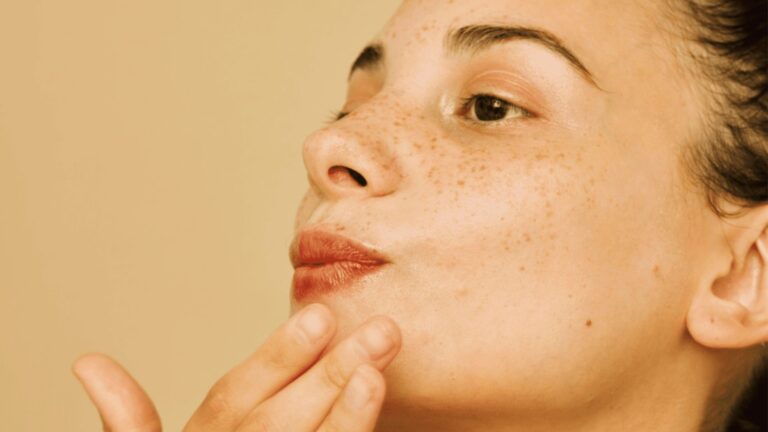
Does Retinol Make Your Skin Peel?

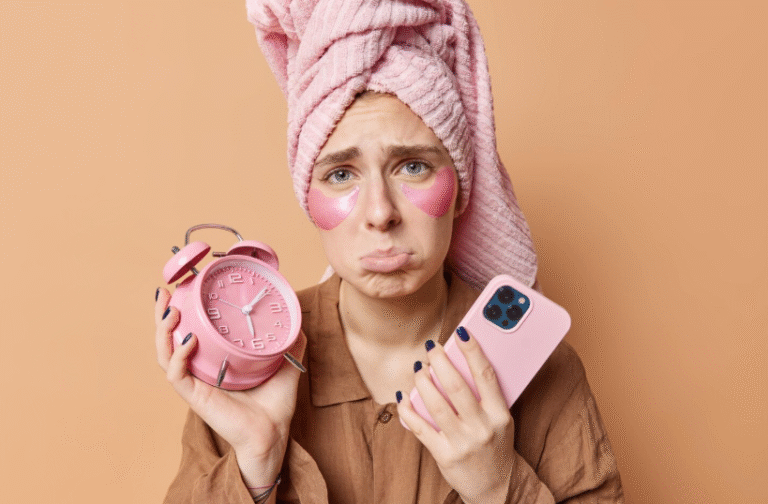
If you’ve heard about retinol but worry it might make your skin peel, you’re not alone. I’ve been there too, staring at my flaking face and wondering if this was normal. Does retinol make your skin peel? The short answer is yes, and it’s actually common.
But here’s the good news: peeling is manageable and often temporary. In this article, I’ll explain why retinol causes peeling, how long it lasts, and what you can do to minimize irritation.
You’ll learn practical tips to ease the process and when to seek help from a dermatologist.
Let’s make retinol work for you, not against you.
What Is Retinol?
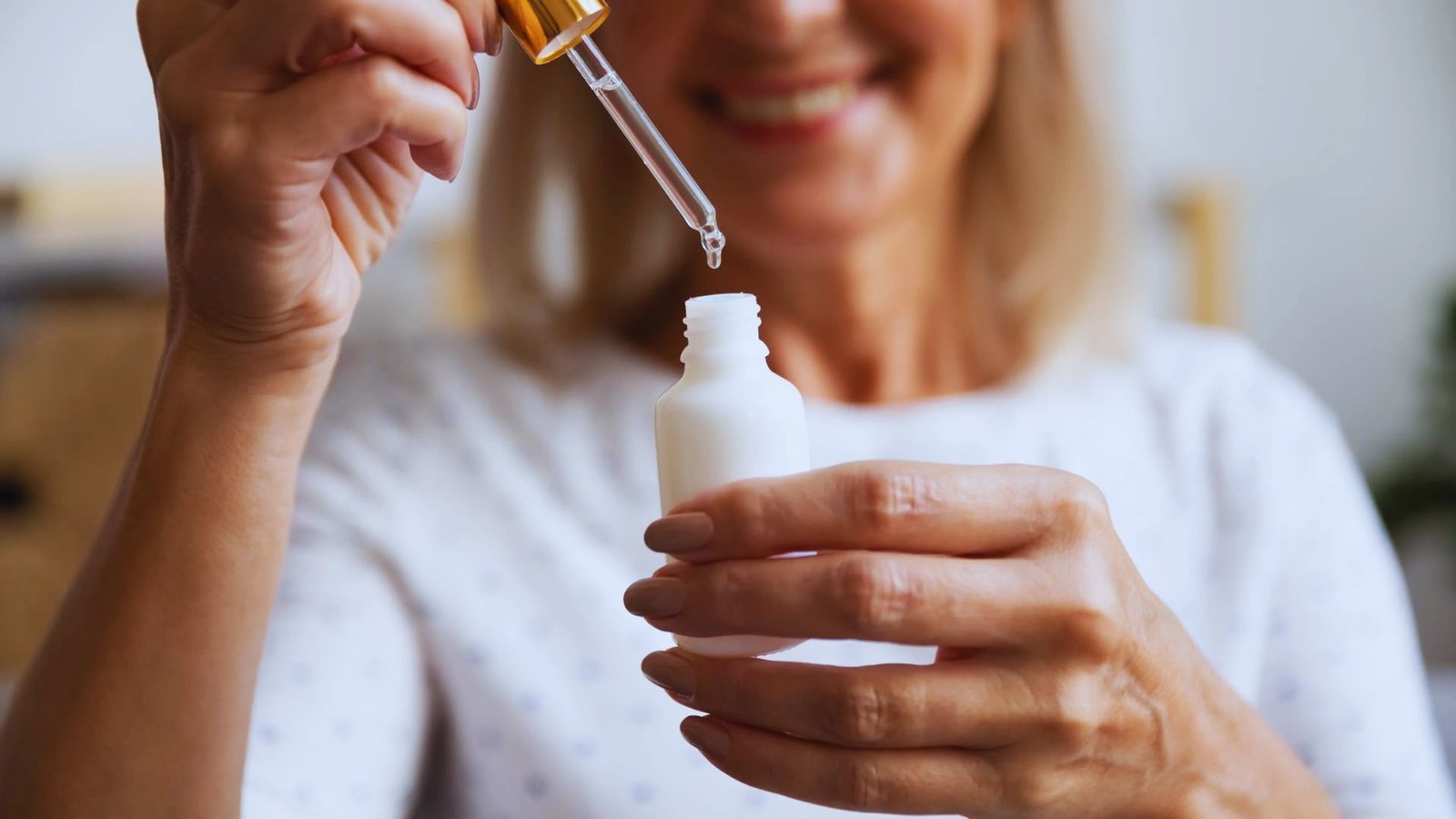
Retinol is a form of vitamin A that has become a go-to ingredient in skincare. It works by speeding up how quickly your skin cells turn over, which means old cells shed faster and new ones appear.
Retinol improves your skin’s texture and tone. It helps reduce fine lines and boosts collagen production over time. When you apply it regularly, you’re essentially encouraging your skin to renew itself.
You can find retinol in different strengths. Over-the-counter products usually contain 0.1% to 1% retinol.
These are gentler and good for beginners. Prescription-strength retinoids like tretinoin and adapalene are stronger and often used for acne or severe aging concerns.
Why Retinol Can Cause Skin Peeling
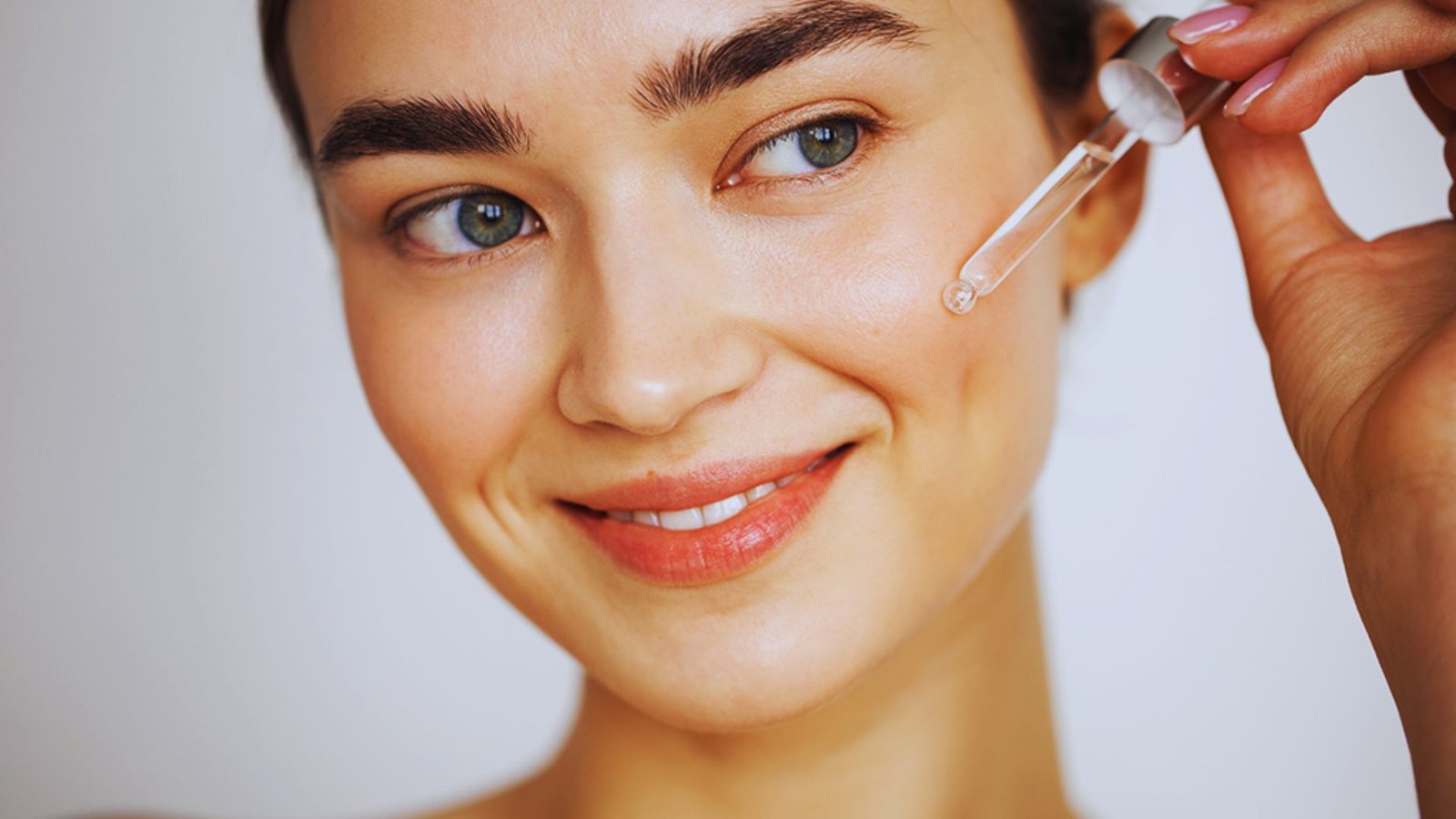
Peeling happens because retinol speeds up your skin’s natural renewal process. This can feel uncomfortable at first, but it’s a sign that the product is working.
The Retinization Process
When you start using retinol, your skin goes through a period called retinization. Cell turnover increases, and old skin sheds faster than usual. This reveals fresher skin underneath but can cause visible flaking.
Think of it like spring cleaning for your face. Your skin is getting rid of the old to make room for the new.
During the first few weeks, you might notice more texture and dryness than usual. This is normal. Your skin needs time to adjust to the increased activity happening beneath the surface.
Common Side Effects
Peeling isn’t the only thing you might notice. Redness, dryness, and irritation are common, too. Some people feel stinging or itching, especially in the first few weeks.
Your skin might also feel tight or sensitive to the touch. You may notice that your usual skincare products sting a bit more than they did before.
Some people experience mild breakouts during the initial phase as the retinol brings underlying congestion to the surface. This is often called purging, and it’s temporary.
Factors That Affect Peeling
Several things influence how much your skin peels:
Retinol concentration: Higher percentages cause more peeling. If you’re new to retinol, start with a lower strength.
Frequency of use: Applying retinol daily increases irritation. Begin with two or three times per week.
Skin type: Sensitive skin tends to peel more. Know your skin and adjust accordingly.
Other active ingredients: Combining retinol with AHAs, benzoyl peroxide, or vitamin C can worsen peeling. Keep your routine simple at first.
Climate and season: Cold, dry weather can make peeling worse. Winter months might require extra moisture and less frequent retinol use.
Your skin’s history: If you’ve never used active ingredients before, your skin will likely react more strongly. Previous users of exfoliants might have an easier adjustment.
How Long Does Retinol Peeling Last?

The good news is that peeling doesn’t last forever. Your skin adjusts over time, and the flaking becomes less noticeable.
Initial Peeling Phase (Weeks 1–6)
This is when peeling is most intense. You’ll likely see the most flaking and irritation during weeks two and three. It can feel frustrating, but hang in there.
During this phase, you might wake up with visible flakes on your face. Your skin may look red or feel rough to the touch.
Some mornings, applying makeup might be difficult because the flakes are so noticeable. This is the hardest part of the retinol process, but it’s also when the most change is happening.
I remember feeling discouraged during my second week. My skin looked worse than before I started. But I reminded myself that this was temporary and that better skin was on the other side of this awkward phase.
Transition Phase (Weeks 6–10)
Peeling starts to calm down during this phase. Your skin is adjusting to retinol, and the irritation becomes less severe.
You’ll notice that the flaking becomes less frequent. Maybe instead of peeling every day, it’s only every few days.
Your skin starts to look smoother, and you might even see some of the benefits you were hoping for. Fine lines may appear softer, and your overall texture improves.
Maintenance Phase (Week 10+)
By week 10, your skin should be fully adapted. You might still notice occasional mild peeling, but it’s usually manageable.
At this stage, retinol becomes part of your routine without the drama. Your skin tolerates it well, and you can even consider increasing your frequency or concentration if you want stronger results.
The benefits become more obvious: smoother texture, fewer breakouts, and a more even tone.
How to Manage Retinol Peeling
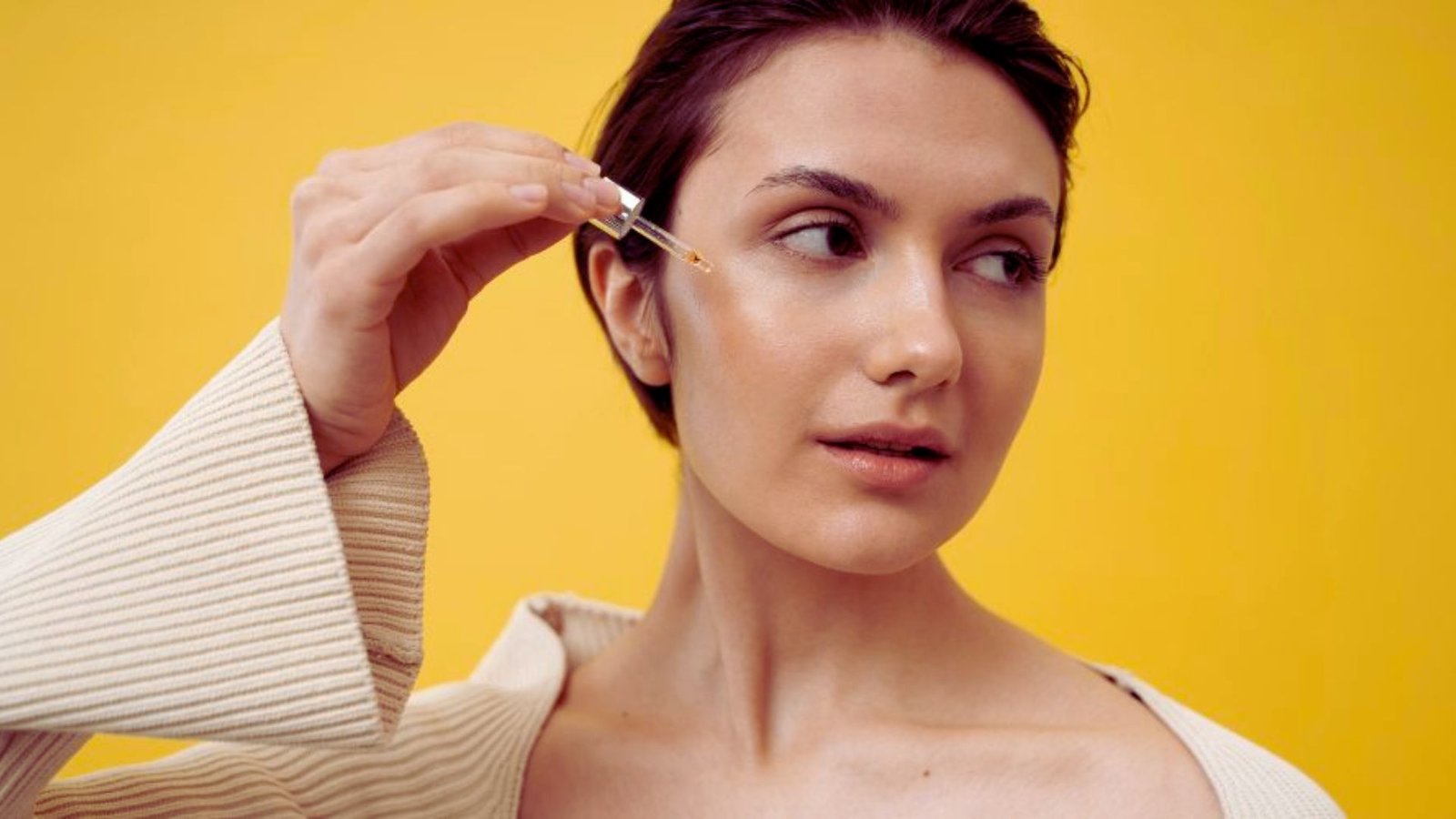
You can’t completely avoid peeling, but you can make it more comfortable. These tips helped me when I first started using retinol.
Start Slow
Use a low concentration, like 0.25% or 0.5% when you’re beginning. Apply it two to three times per week, then slowly increase as your skin tolerates it.
There’s no rush. Your skin will thank you for being patient. Some people stay at a low concentration for months before moving up, and that’s perfectly fine. Listen to what your skin is telling you.
Moisturize Properly
A rich, fragrance-free moisturizer is your best friend.
Try the retinol sandwich method: apply moisturizer first, then retinol, then another layer of moisturizer. This buffers the retinol and reduces irritation.
Look for moisturizers with ceramides, hyaluronic acid, or niacinamide. These ingredients help repair your skin barrier and lock in moisture. Avoid anything with fragrance or alcohol, as these can make irritation worse.
I switched to a thicker night cream during my retinization phase, and it made a huge difference. My skin felt protected and less raw.
Avoid Harsh Products
Skip scrubs, alcohol-based toners, and strong exfoliants while using retinol. Your skin is already sensitive, and harsh products will make things worse.
Put away your physical exfoliators and chemical peels for now. Your retinol is doing the exfoliating work for you. Adding more can damage your skin barrier and prolong the peeling phase.
Protect Your Skin
Use broad-spectrum SPF 30 or higher every day. Retinol makes your skin more sensitive to the sun. Always apply retinol at night, never in the morning.
Sun protection is not optional when you’re using retinol. Your fresh, new skin cells are vulnerable to UV damage. Even on cloudy days, apply sunscreen. Reapply if you’re spending extended time outdoors.
Adjust Application as Needed
Apply retinol to completely dry skin. If irritation becomes severe, take a break for a few days. Simplify your routine during the retinization phase and avoid adding new products.
Wait at least 20 minutes after washing your face before applying retinol. Damp skin absorbs products more deeply, which can increase irritation. If you need to take a few days off, don’t feel guilty. Your skin needs recovery time, too.
Can Retinol Peeling Be Prevented?

You can’t prevent peeling entirely, but you can minimize it. Start with a low-strength product and use a good moisturizer. Keep your routine gentle and avoid mixing retinol with other strong ingredients.
Some people have naturally resilient skin and experience minimal peeling, while others with sensitive skin react more strongly.
If you’re unsure how to start, consult a dermatologist for a personalized plan.
Conclusion
I remember my first few weeks with retinol. The peeling was annoying, but I stuck with it because I knew it would get better. And it did. Does retinol make your skin peel? Yes, but it’s temporary and worth it for the long-term benefits.
Start slow, moisturize well, and protect your skin from the sun. If you’re struggling, talk to a dermatologist who can guide you. Your skin will thank you later.
Have questions or tips of your own? Drop a comment below and let’s chat!
Frequently Asked Questions
Is retinol peeling a sign of damage?
No, peeling is normal during retinization. It shows your skin is adjusting to faster cell turnover. If it becomes severe or painful, take a break.
Can I use retinol if I have dry skin?
Yes, but start with a low concentration and moisturize heavily. Use the sandwich method to reduce irritation and keep your skin hydrated.
How do I know if I’m using too much retinol?
Severe redness, burning, or excessive peeling means you’re overdoing it. Cut back to once or twice weekly and let your skin recover.
Can I wear makeup while my skin is peeling from retinol?
Yes, but skip heavy foundations that highlight flakes. Use a hydrating primer and lightweight base after gently removing dead skin.
Should I stop using retinol if my skin peels badly?
Not always. Mild peeling is normal. If it’s severe or painful, pause for a few days and resume with lower frequency.