
Why Do I Have White Spots on My Nails?

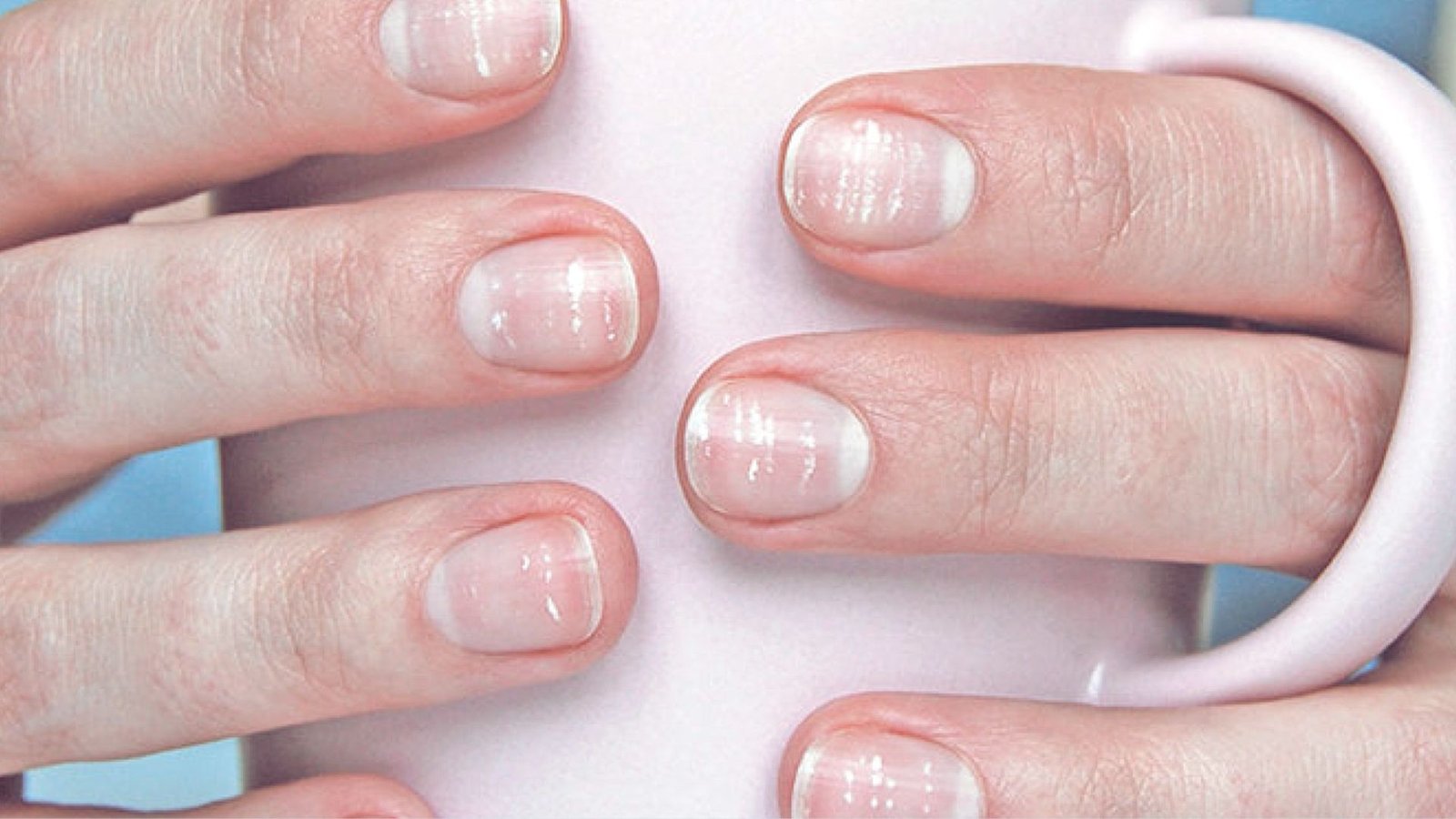
Learn what causes white spots on nails, from minor injuries to health conditions. Find out when to worry and how to treat them naturally.
I’ve had those white spots too, and I know how confusing they can be. You’re probably wondering if something is wrong with your health.
Most white spots are harmless. In this article, I’ll explain what causes those spots, when you should worry, and how to fix them. We’ll cover everything from nail injuries to fungal infections to nutritional gaps.
You’ll learn what leukonychia is, why white spots on your nails appear weeks after damage, and simple ways to keep your nails healthy.
By the end, you’ll understand exactly what’s happening and what to do about it.
What Is Leukonychia?
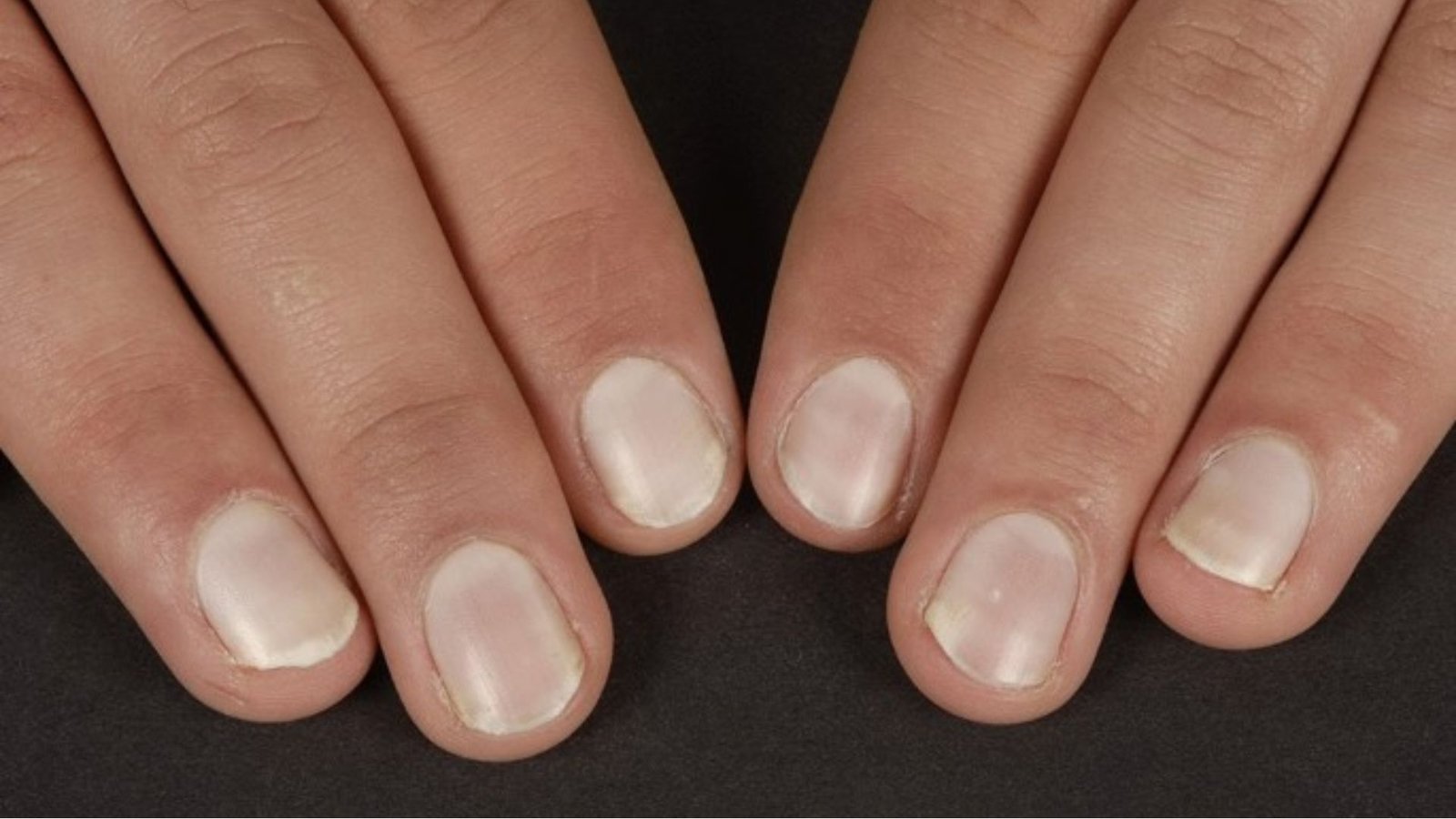
Leukonychia is just a medical name for white spots on nails. It’s not a disease. Your nail cells make keratin, a hard protein. Sometimes this process gets disrupted, and air pockets form under the nail surface, creating white marks.
Your nails grow from the nail matrix, which sits under your skin at the base of your nail. When you bump your nail matrix, the damage doesn’t appear instantly.
The injured cells need to grow out so that you can see them. This takes four to six weeks.
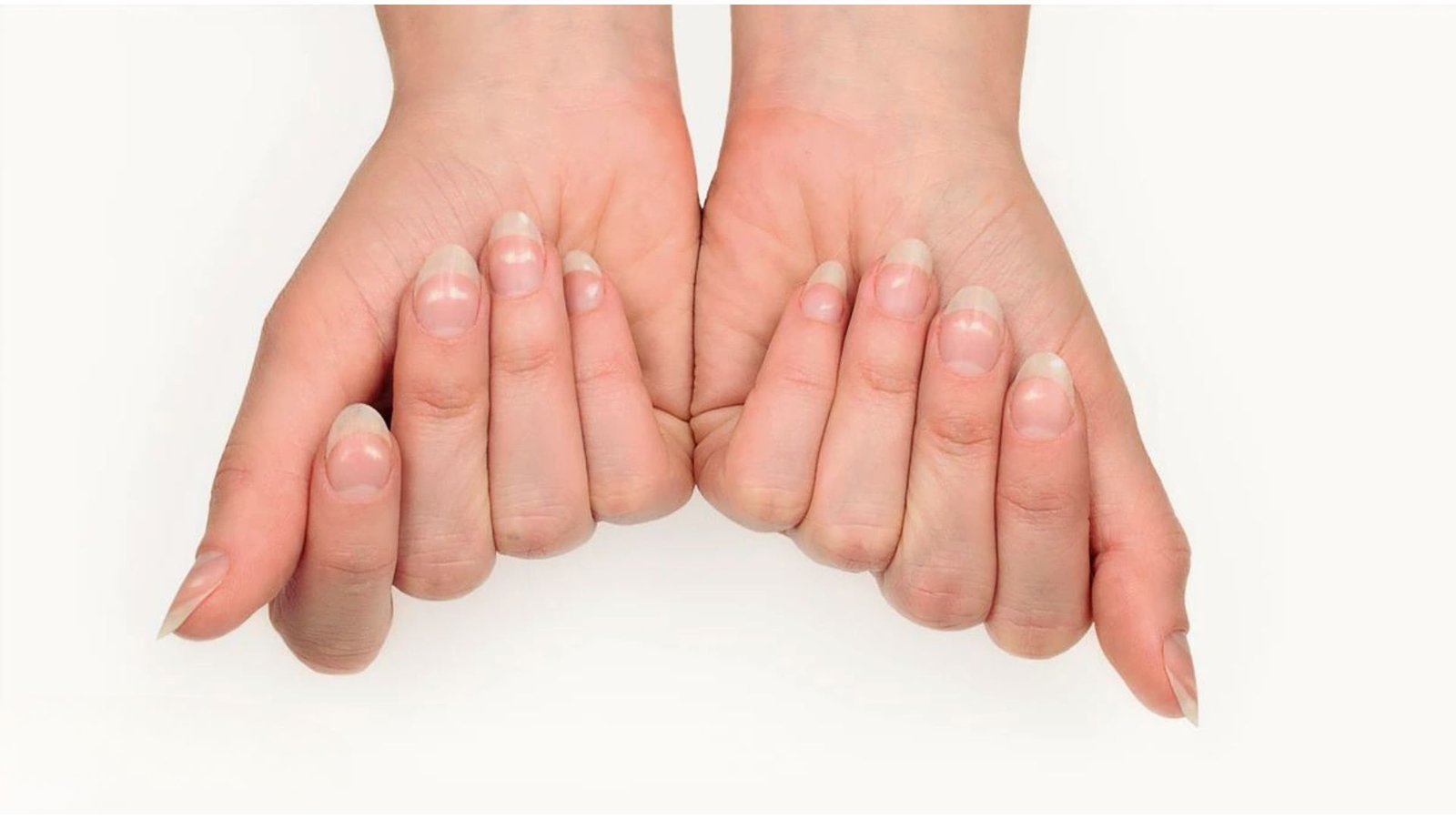
White spots come in different forms. Some are tiny dots. Others are larger blotches. You might see horizontal lines across your nail. Each pattern can point to a different cause.
Most Common Cause: Nail Injury
About 90% of white spots come from trauma. You don’t need to slam your finger in a door. Tiny bumps and pressure can damage the nail matrix, too.
Everyday Trauma You May Not Remember
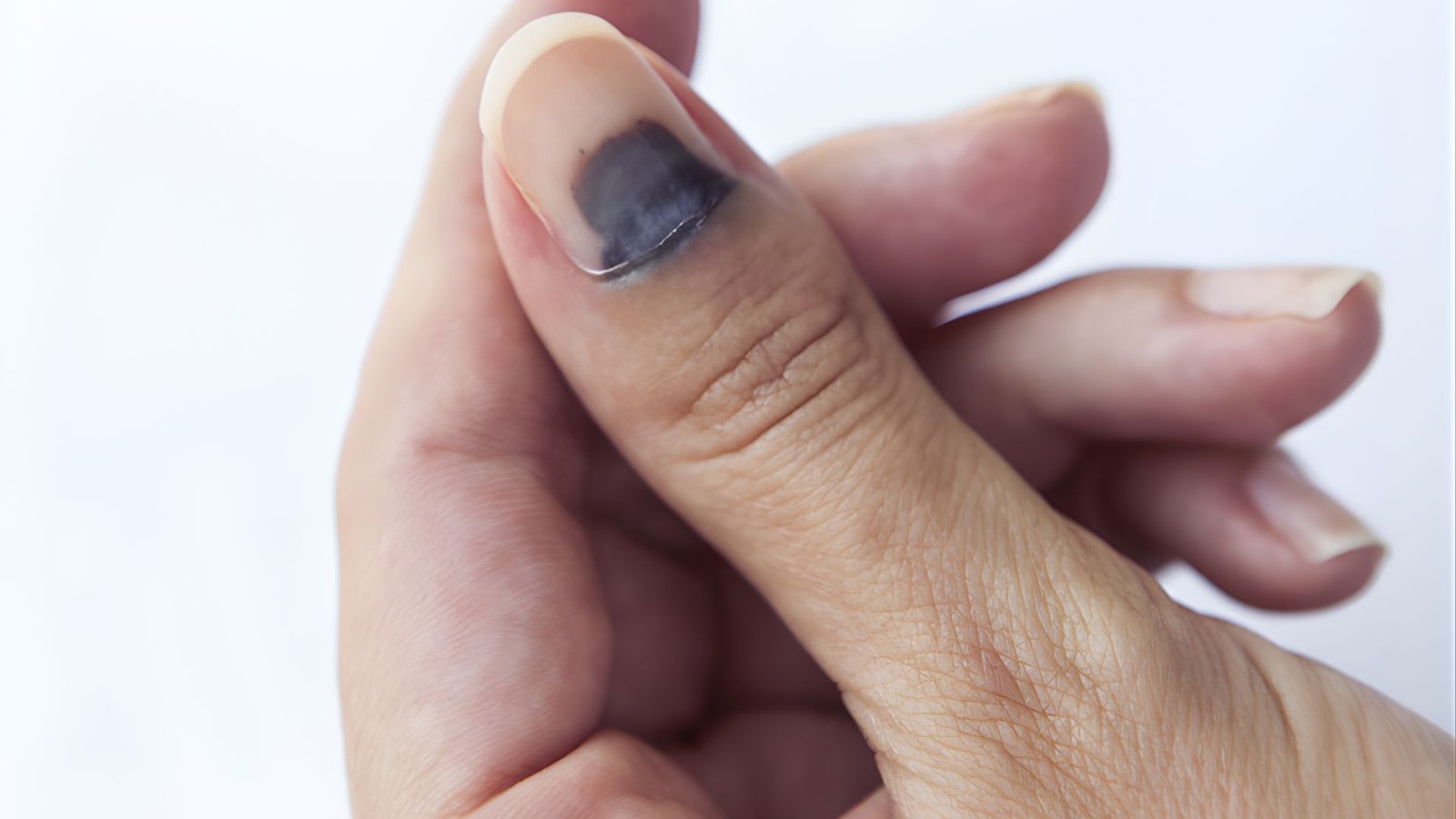
I’ve gotten white spots from typing too hard or bumping my hand on a desk. Closing a car door, pushing a shopping cart, or wearing tight gloves can all cause them.
Even aggressive hand washing or scrubbing dishes can do it. These small injuries add up.
Nail Biting, Picking, and Pressure Damage
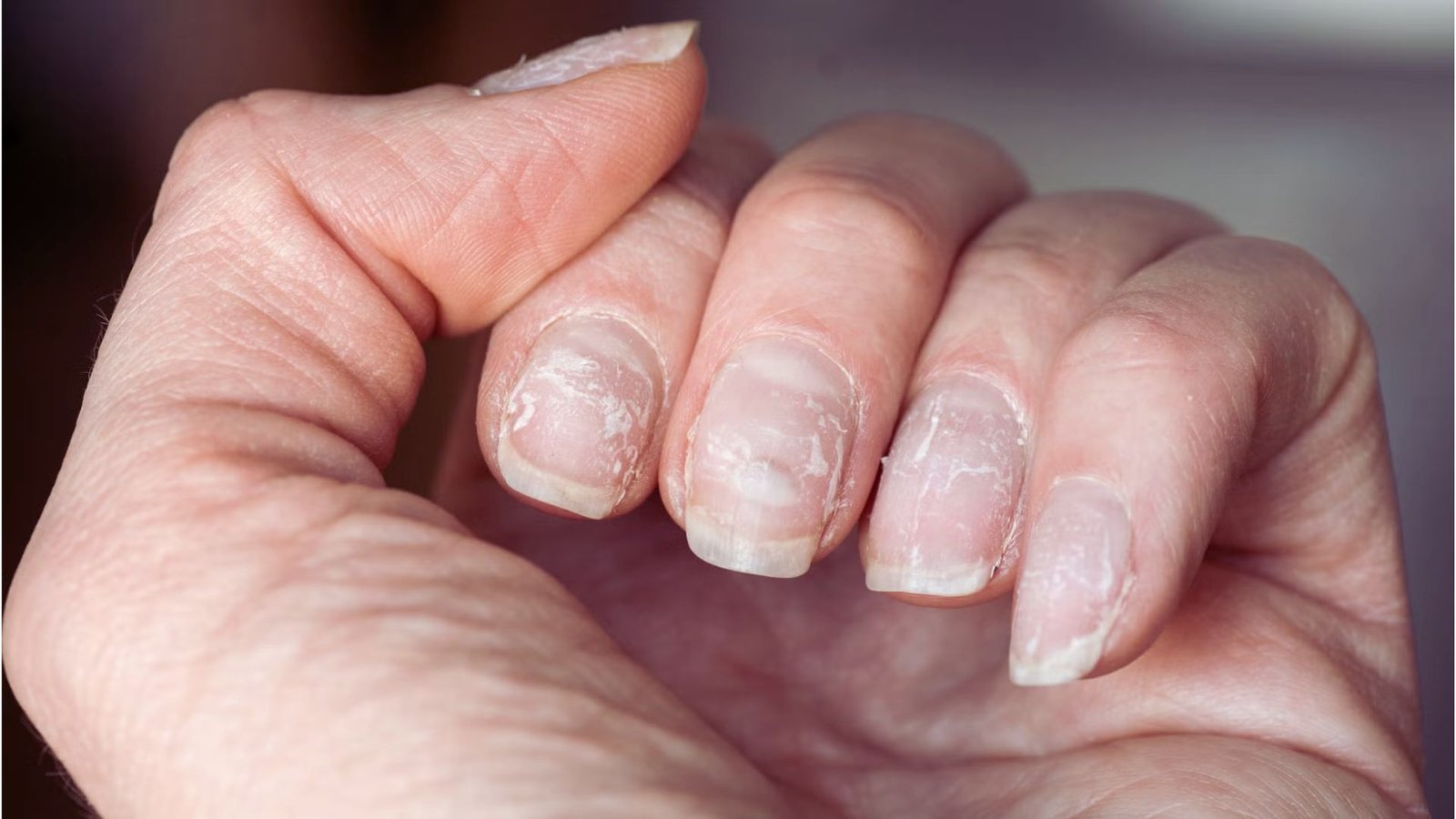
Biting your nails damages the matrix repeatedly. Picking at your cuticles does the same thing. If you push your cuticles back too hard, you can injure the nail root.
Pressing hard on your nails during activities creates pressure damage. All of these habits lead to white spots.
How Long Injury-Related White Spots Take to Grow Out
Fingernails grow about 3 millimeters per month. A white spot from injury will grow out completely in three to six months.
You don’t need to do anything. Just wait and let your nail grow. Toenails take longer because they grow more slowly.
Other Causes of White Spots on Nails
Injury isn’t the only cause.
Here are other factors that can create white marks:
- Allergic reactions: Nail polish, polish remover, and artificial nails contain chemicals that some people react to. Gel polish and acrylic systems are common triggers.
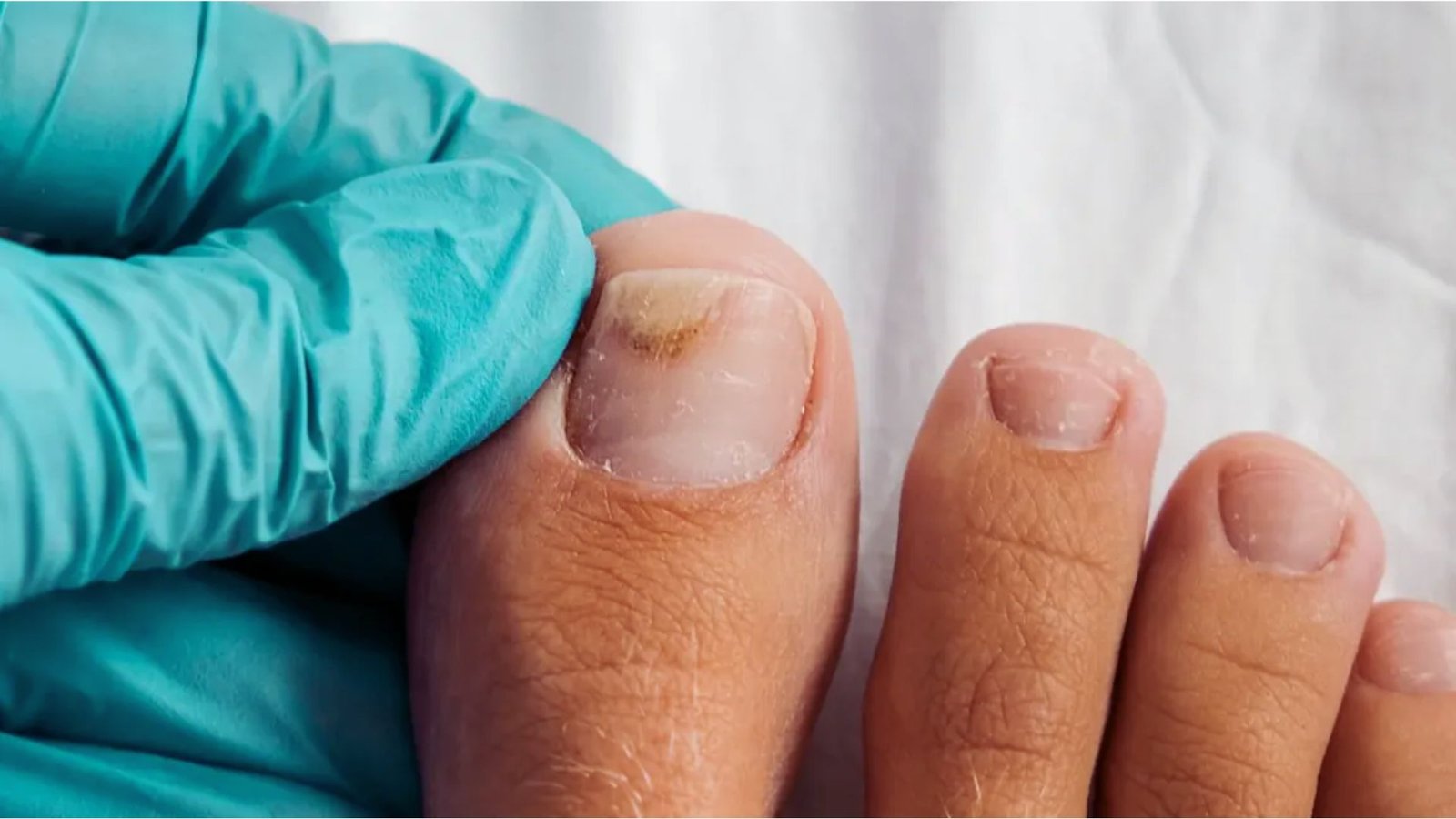
- Fungal infections: Surface fungus sits on top of your nail and looks powdery. You can often scrape it off. Deep fungus lives under the nail and spreads over time, causing thickening and yellowing.
- Nutritional deficiencies: Low zinc levels can cause white spots, though this is rare. Calcium deficiency doesn’t actually cause them, despite popular belief.
- Medications: Chemotherapy drugs often cause nail changes. Antibiotics and blood pressure medications sometimes affect nails, too.
- Frequent manicures: Getting your nails done every week can damage them. Drilling, filing, and buffing wear down the nail surface.
- Hereditary conditions: Some people are born with a tendency to get white spots easily. This condition is harmless but persistent.
Can White Spots on Nails Indicate Health Conditions?
Most white spots mean nothing serious. But sometimes they signal an underlying problem. Psoriasis and eczema can affect your nails. These conditions cause inflammation that disrupts nail growth.
You’ll usually have skin symptoms too, like rashes or dry patches. The nail changes come along with other signs, not by themselves.
Serious illnesses rarely show up as just white spots. Liver disease, kidney problems, and heart conditions can cause nail changes.
But they create specific patterns like horizontal white bands across all nails, not random dots. You’d have other symptoms too, like fatigue, swelling, or jaundice.
Worry if white spots cover most of your nail, appear on all nails at once, or come with nail thickening or crumbling.
Also, pay attention if you have fatigue, weight changes, or digestive problems along with nail changes. These combinations need medical evaluation.
How Do Doctors Diagnose White Spots on Nails?
Your doctor will look at your nails closely. They’ll check the pattern, location, and number of spots.
They’ll ask about injuries, products you use, and your general health. Most of the time, this exam is enough to find the cause.
If fungus is suspected, the doctor scrapes some nail material. This sample goes to a lab where it’s tested for fungal organisms. Sometimes they clip a piece of nail to examine under a microscope.
Blood work can check for nutritional deficiencies or systemic diseases. The doctor will order specific tests based on your symptoms.
Zinc levels, complete blood count, and liver function tests are common.
How to Get Rid of White Spots on Nails?
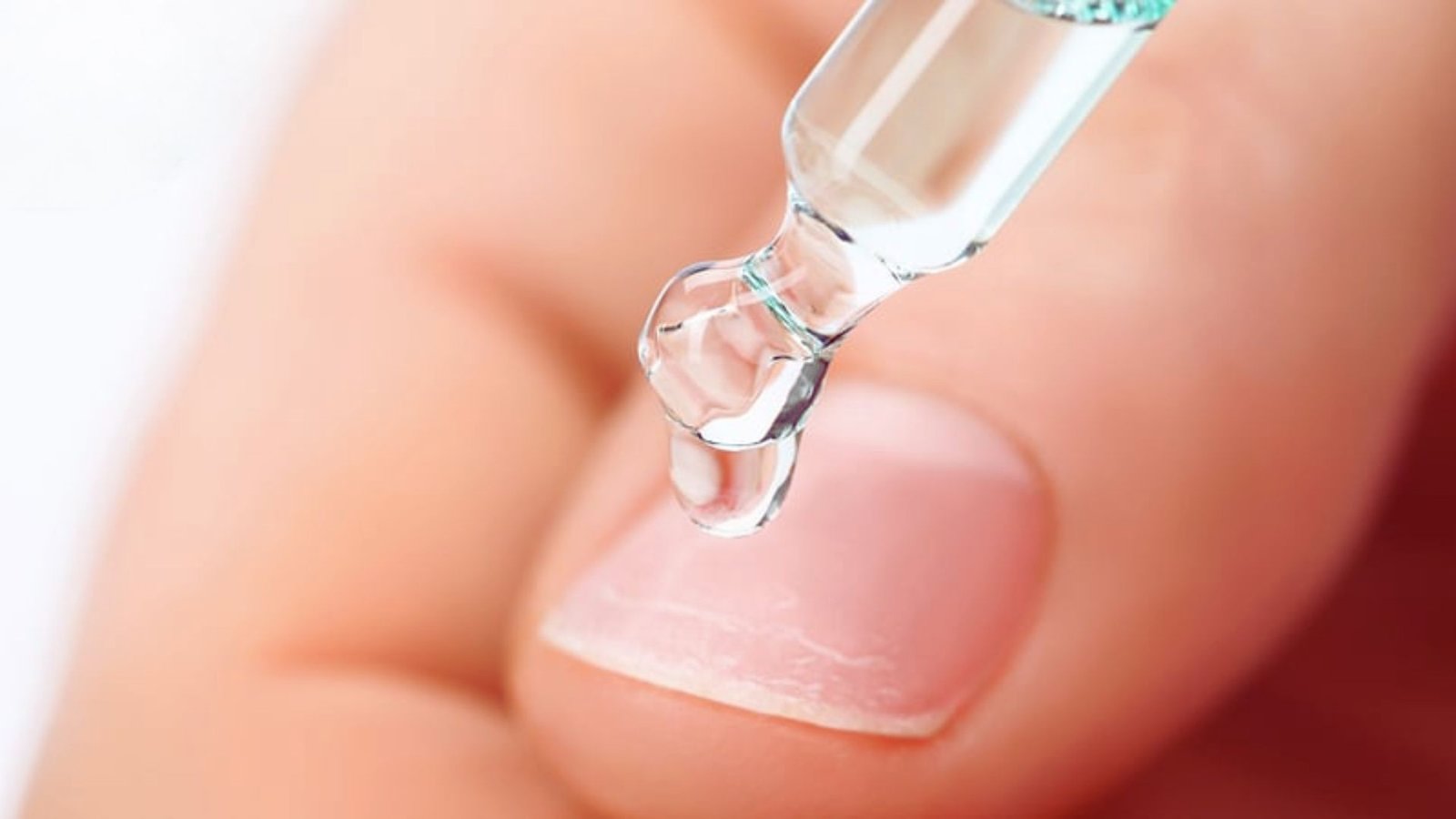
If trauma caused your spots, just wait. They’ll grow out on their own. Don’t try to buff them off or file them away. This damages your nail more. Keep your nails trimmed and clean.
Fungal infections need antifungal treatment. Surface fungus might respond to over-the-counter creams. Deep infections usually need prescription oral medication.
Stop using any product that’s causing an allergic reaction. Switch to hypoallergenic nail polish or go polish-free for a while. The spots should stop appearing once you remove the trigger.
Eat protein-rich foods since nails are made of keratin. Include zinc sources like meat, beans, and nuts. A balanced diet is usually enough without supplements.
How to Prevent White Spots on Nails?
Preventing white spots involves protecting your nails from injury, avoiding harmful habits, and choosing gentle nail care practices.
Protect your nails: Wear gloves during housework or yard work. Be careful when closing doors or drawers. Type with finger pads, not nails.
Stop damaging habits: Don’t bite or pick at your nails and cuticles.
Choose gentle nail care: Pick salons that sanitize tools properly. Space out manicures. Don’t let technicians push cuticles too hard.
Practice safe habits: Keep nails at a moderate length. Don’t use nails as tools. File in one direction only.
When Should You Be Concerned About White Spots?
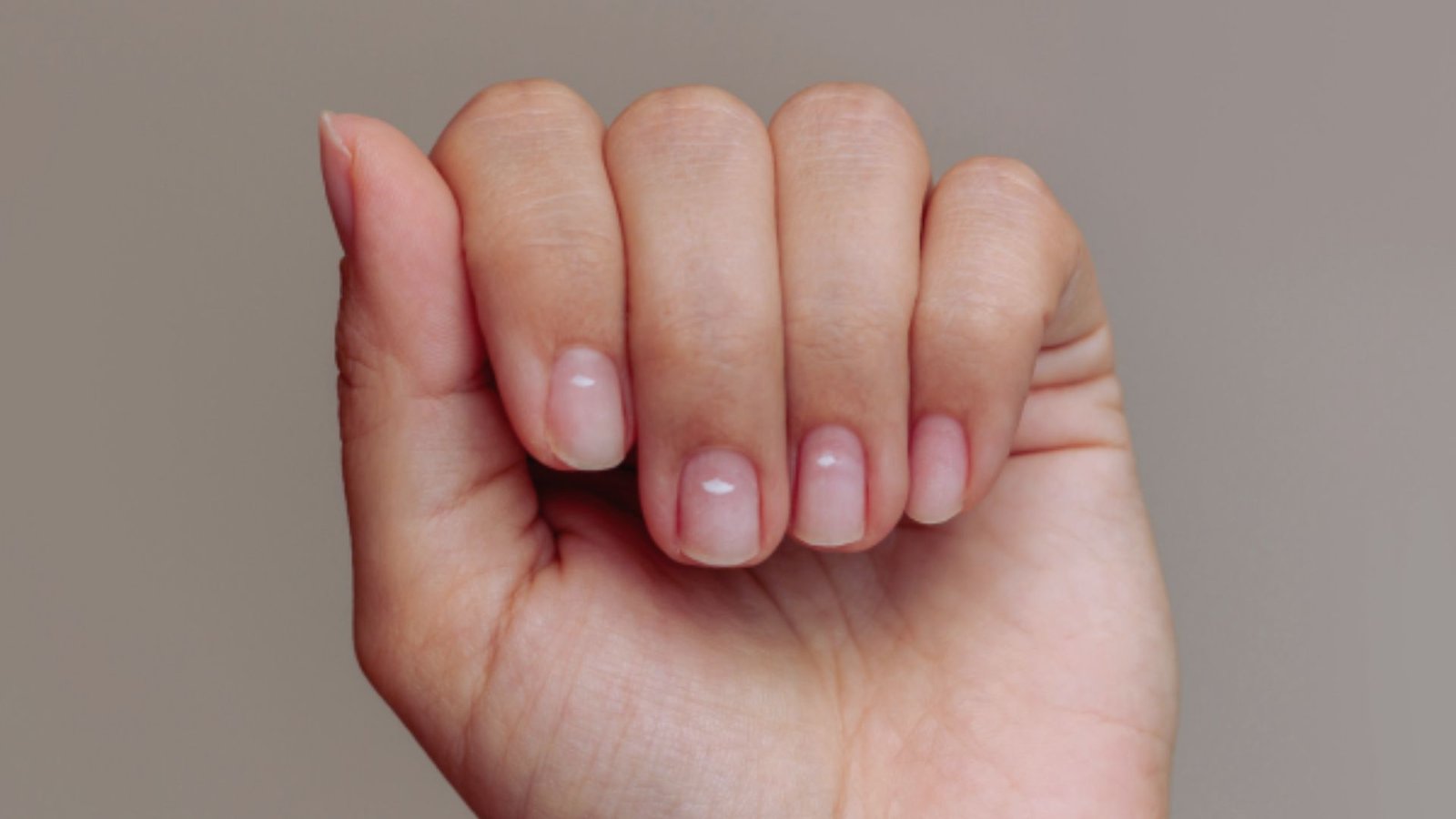
See a doctor if spots cover more than half of any nail. Get checked if white bands appear across all your nails at once.
New spots accompanied by nail thickening, crumbling, or color changes need evaluation. If your nails separate from the nail bed, that’s also a red flag.
Pay attention if you have white spots plus fever, pain, swelling, or pus around your nails. Notice if you’re also losing weight, feeling exhausted, or having digestive issues. When in doubt, ask your doctor.
Conclusion
White spots on your nails are usually nothing to worry about. Most come from minor injuries you don’t even remember. They’ll grow out in a few months without treatment.
I’ve learned to be more gentle with my nails, and my spots have decreased. Take care of your nails by protecting them from trauma and using gentle products.
If your spots seem unusual or come with other symptoms, check with your doctor. Want to share your experience with white spots? Leave a comment below or read our other nail health articles.
Frequently Asked Questions
Can a vitamin deficiency cause white spots on nails?
Severe zinc deficiency can rarely cause white spots. However, in healthy people with normal diets, deficiency is unlikely. Most white spots come from minor nail injuries, not nutritional problems.
Do white spots on nails mean I have a calcium deficiency?
No, this is a common myth. Calcium deficiency does not cause white spots on nails. The spots almost always result from trauma to the nail matrix or other non-calcium-related causes.
How long do white spots on nails last?
White spots typically take three to six months to grow out completely on fingernails. Toenails take longer because they grow more slowly. The spots move forward as your nail grows.
Are white spots on nails contagious?
No, white spots from injury are not contagious. However, if a fungal infection causes the spots, the fungus itself can spread to other nails or people through contact.
Should I buff out white spots on my nails?
Don’t buff white spots away. This thins your nail and can cause more damage. Let the spots grow out naturally while keeping your nails clean and moisturized.