Brow Lamination vs Microblading: Complete Guide


Choosing between brow lamination vs microblading can feel overwhelming when you want better brows. I’ve been there, staring at before-and-after photos, wondering which treatment fits my needs.
This guide breaks down everything about both procedures so you can make a confident choice. I’ll walk you through what each treatment does, how long results last, which works for your brow type, and what to expect during recovery.
You’ll also learn about costs, maintenance, and how to pick the right technician. By the end, you’ll know exactly which option matches your lifestyle and goals.
What Is Brow Lamination?
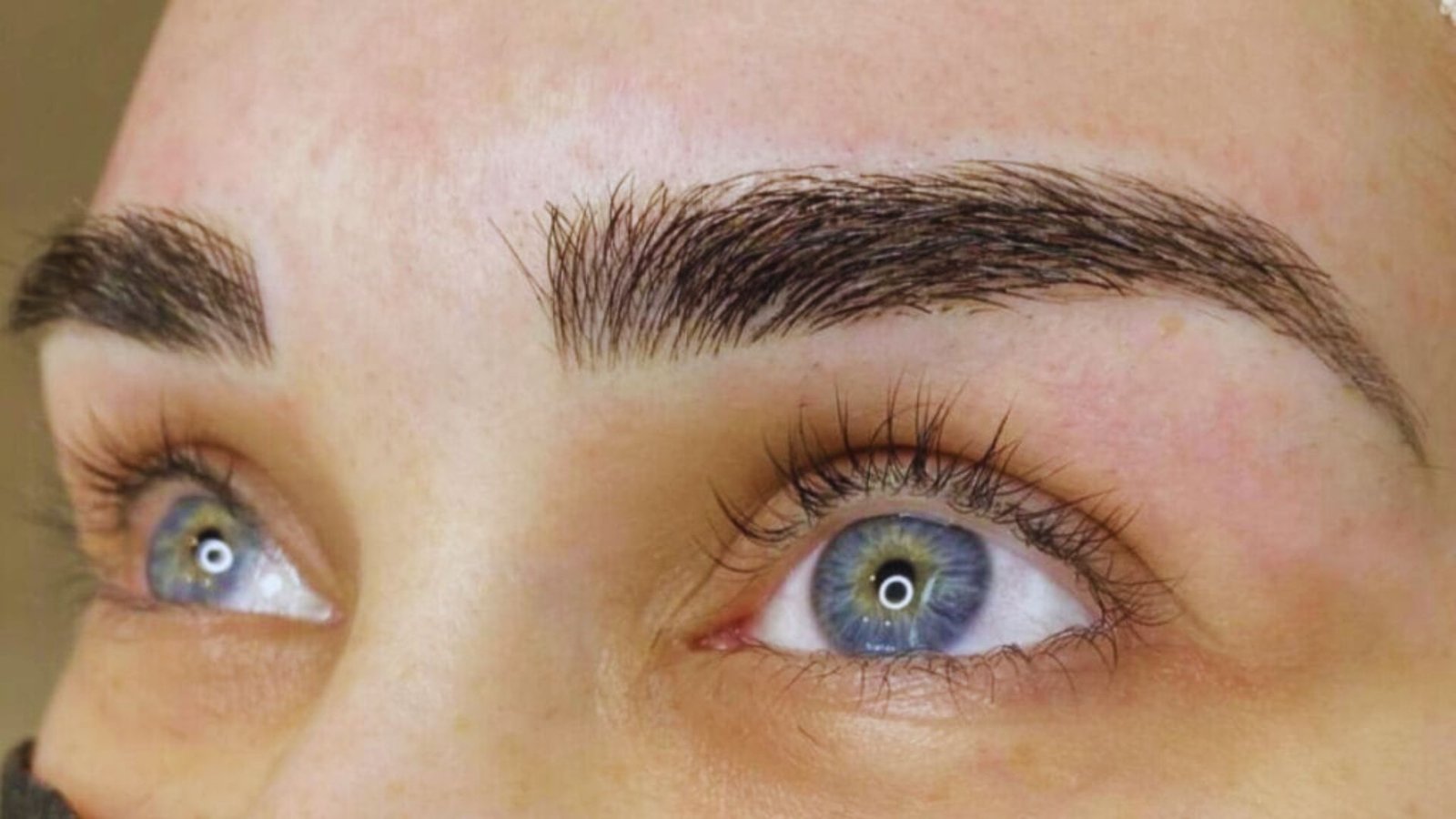
Brow lamination is a chemical treatment that reshapes your natural brow hairs into a fuller, lifted position. Think of it like a perm for your eyebrows. The treatment takes about 45 minutes.
Your technician applies a lifting cream, brushes your brows into shape, then uses a setting solution to lock them in place. The process is painless since nothing penetrates your skin.
This works best if you have enough natural brow hair. People with thick, coarse, or downward-growing hair see great results. Lamination tames unruly hairs and adds visible volume without needing daily gel. Results last 4 to 6 weeks, so most people schedule touch-ups every 6 to 8 weeks.
Keep your brows dry for 24 hours after treatment. Use a nourishing brow oil daily and skip harsh cleansers near your brow area. Expect to pay $50 to $150 per session, making it a budget-friendly option.
What Is Microblading?
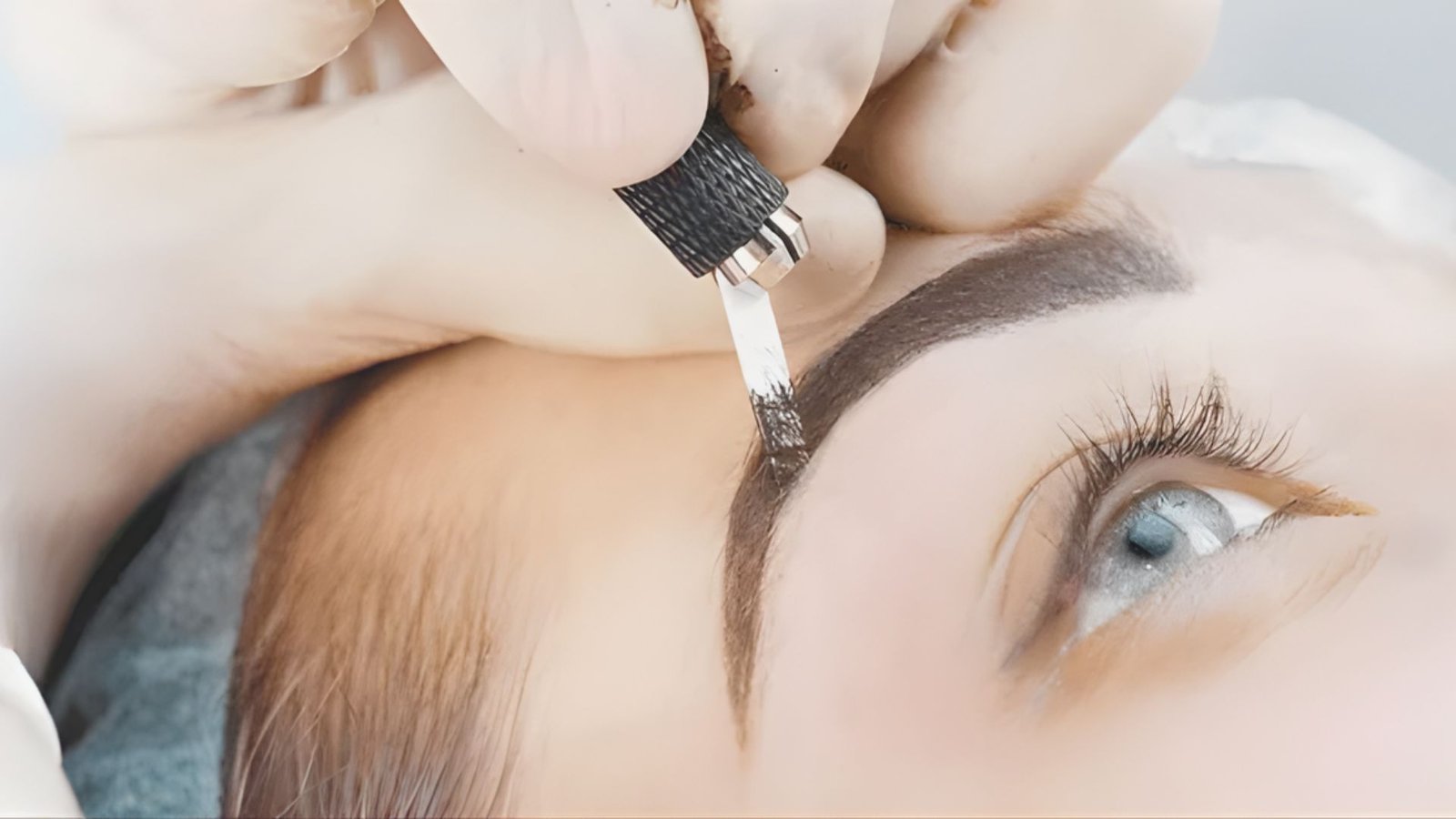
Microblading is a semi-permanent tattoo technique that creates hair-like strokes in your brows. A technician uses a handheld tool with tiny needles to deposit pigment into your skin. The procedure takes 2 to 3 hours.
Your technician maps out your brow shape, applies numbing cream, and then creates individual hair strokes. A touch-up session, 4 to 6 weeks later, perfects the results.
This works well for people with sparse, thin, or patchy brows. Microblading fills in gaps so you wake up with brows already done. However, oily skin can cause pigment to blur and fade faster. People with eczema or psoriasis near the brows should avoid it.
Results last 1 to 3 years on average. Most people need touch-ups every 12 to 18 months. Keep your brows dry for the first 10 days and don’t touch or scratch the area. Skip workouts that cause sweating for a week. After healing, use sunscreen to prevent fading.
Initial microblading costs $300 to $800. Touch-ups run $100 to $400. The upfront cost is higher, but maintenance is less frequent than lamination.
Brow Lamination vs Microblading: Key Comparison
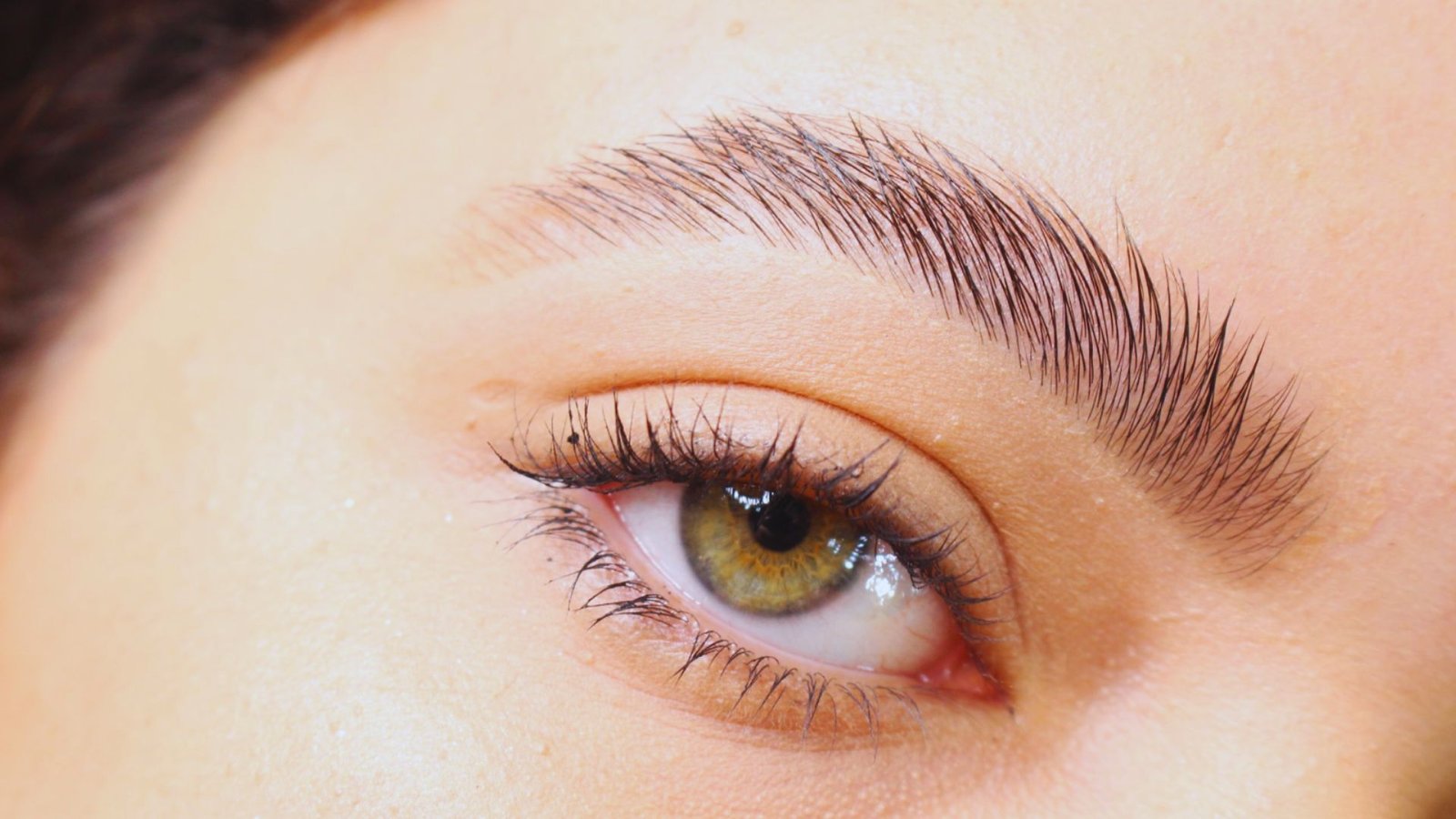
Both treatments improve your brows, but they work in completely different ways. One reshapes existing hair while the other adds pigment to create the appearance of more hair.
|
Factor |
Brow Lamination |
Microblading |
|
Technique |
Chemical solutions restructure natural brow hairs. Nothing penetrates your skin. |
Manual blade creates cuts in skin and deposits pigment. It’s cosmetic tattooing. |
|
Pain Level |
No pain. Only mild tingling from chemical solutions. |
Uncomfortable scratching or light burning even with numbing cream. Involves itching and scabbing during recovery. |
|
Results |
Soft, fluffy, brushed-up appearance. Naturally groomed and subtle. |
Defined individual strokes that look like real hairs. Dramatic and noticeable. |
|
Longevity |
Lasts 4 to 6 weeks. Requires appointments every 6 to 8 weeks. |
Lasts 1 to 3 years. Touch-ups are needed every 12 to 18 months. |
|
Best For |
People with thick or unruly brows who want a tamed, lifted look. |
People with sparse, thin, or patchy brows who need to fill gaps. |
|
How It Works |
Improves what you already have. Grows out naturally without residue. |
Build what’s missing. The leaves’ faded pigment needs correction. |
Both treatments improve your brows, but they work in completely different ways. One reshapes existing hair while the other adds pigment to create the appearance of more hair. Understanding these differences helps you choose what fits your needs.
Treatment Technique: Chemical vs Semi-Permanent Pigment
Lamination uses chemical solutions to restructure your natural brow hairs. Nothing penetrates your skin.
Microblading involves manually creating cuts in your skin with a blade and depositing ink. It’s a form of cosmetic tattooing.
Lamination works with what you have, while microblading adds what’s missing. The techniques couldn’t be more different in approach.
Pain and Comfort Level
Brow lamination causes no pain since it only affects the hair itself. Some people feel mild tingling from the chemical solutions.
Microblading involves needles penetrating the skin, which causes discomfort even with numbing cream.
Most describe it as scratching or light burning. Pain tolerance varies, but microblading is definitely the more uncomfortable option. Recovery from microblading also involves itching and scabbing.
Longevity and Maintenance
Lamination lasts 4 to 6 weeks and requires frequent appointments. You’ll spend more time and visits to maintain this look. Microblading lasts 1 to 3 years with less frequent touch-ups.
However, when microblading does fade, you need another full session. Lamination grows out naturally without any residue. Microblading leaves faded pigment that needs correction or color refreshing.
Results: Natural Lifted Look vs Defined Hair Strokes
Lamination creates a soft, fluffy, brushed-up appearance. It looks naturally groomed and polished.
The effect is subtle and doesn’t add density where you lack hair. Microblading gives you defined individual strokes that look like real hair.
It fills sparse areas and creates structure. The results are more dramatic and noticeable. Lamination improves what you have? Microblading builds what’s missing.
Suitability: Thick Brows vs Sparse Brows
Lamination works best on people who already have decent brow hair. If you have thick or unruly brows, this treatment tames and shapes them beautifully. Microblading suits those with sparse, thin, or patchy brows.
It’s made for people who need to fill gaps or rebuild brow shape entirely. If you barely have any brow hair, lamination won’t help much.
Choosing the Right Treatment for You
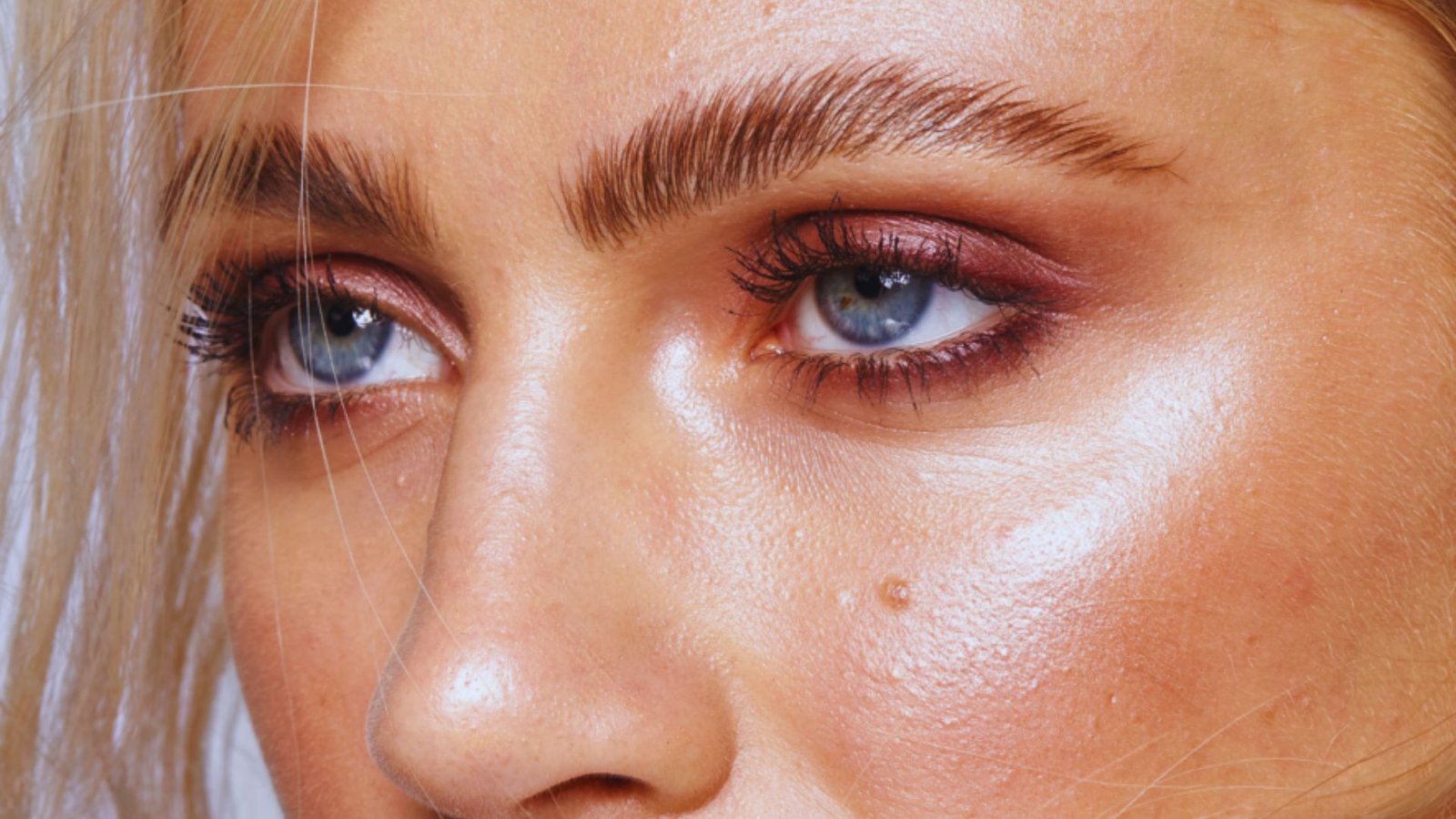
Your lifestyle, budget, and natural brows determine which treatment works best.
Active swimmers might prefer microblading since it lasts longer. If you like changing your brow shape, choose lamination for flexibility.
Lamination costs less upfront but needs appointments every 6-8 weeks. Microblading costs more initially but lasts 1-3 years with less maintenance.
Oily skin makes microblading fade faster. Lamination works on all skin types. If you have eczema or rosacea, lamination is safer.
You can combine both treatments. Do microblading first, wait 8 weeks, then add lamination. Consult professionals first, since not everyone recommends this.
Safety and Professional Considerations
Your technician’s skill and hygiene practices directly impact your results and safety.
- Licensed professionals matter. Check certifications, review portfolios for natural results, and read reviews from multiple sources. Schedule a consultation first and trust your instincts about the technician.
- Know the risks before committing. Lamination can cause allergic reactions or hair breakage from overprocessing. Microblading risks include infection, scarring, pigment allergies, and uneven results if done poorly.
- Sterile tools are non-negotiable. Watch your technician open new, sealed needles and blades for microblading. The workspace should look clean and organized throughout your visit.
- Professional-grade products make a difference. Ask what brands your technician uses and avoid cheap alternatives. Quality products reduce damage and give better, longer-lasting results.
- Ask questions about safety protocols. A qualified technician will gladly explain their hygiene practices, product choices, and procedures. If they seem defensive or vague, find someone else.
Conclusion
I’ve tried both treatments, and honestly, the right choice depends on your brows and lifestyle. If you have decent hair and want a low-commitment option, brow lamination gives you that groomed look with minimal fuss.
But if you’re dealing with sparse or patchy brows, microblading fills gaps and creates structure that lasts. Think about what bothers you most about your current brows, then pick the treatment that solves that specific problem.
Ready to make your decision? Drop a comment below about which option you’re leaning toward!
Frequently Asked Questions
Can I get brow lamination and microblading done at the same time?
No, do microblading first and wait at least 8 weeks before lamination. The chemicals can interfere with fresh pigment and affect how it settles in your skin.
Does microblading hurt more than getting a regular tattoo?
Microblading uses shallower needle penetration than body tattoos. With numbing cream, most describe it as uncomfortable scratching rather than severe pain.
Will brow lamination damage my natural hair?
When done correctly with quality products, no. Overprocessing or cheap chemicals can weaken hair and cause breakage, so choose a qualified technician.
How soon can I wear makeup after each treatment?
Wait 24 hours after lamination. After microblading, avoid all brow makeup for at least 10 days to prevent infections and ensure proper healing.
Can I go back to my natural brows if I don’t like microblading?
Yes, but it takes time. Microblading fades naturally over 1 to 3 years. Some treatments speed up fading, but immediate removal isn’t possible.