Do You Cure Nail Primer? What You Need to Know


I remember standing there with my UV lamp, primer bottle in hand, completely confused.
Do I cure this or not? The instructions weren’t clear, and I didn’t want to ruin my entire manicure.
This confusion is so common when you’re doing gel nails at home. You follow all the steps, get to the primer, and freeze. Does it go under the light?
Here’s the quick answer: most nail primers don’t need UV curing. They air-dry in under a minute. But some exceptions exist that catch people off guard.
I’ll show you exactly when you cure nail primer and when you don’t. You’ll know which type you have and how to use it for nails that actually last.
Do You Cure Nail Primer Under UV Light?
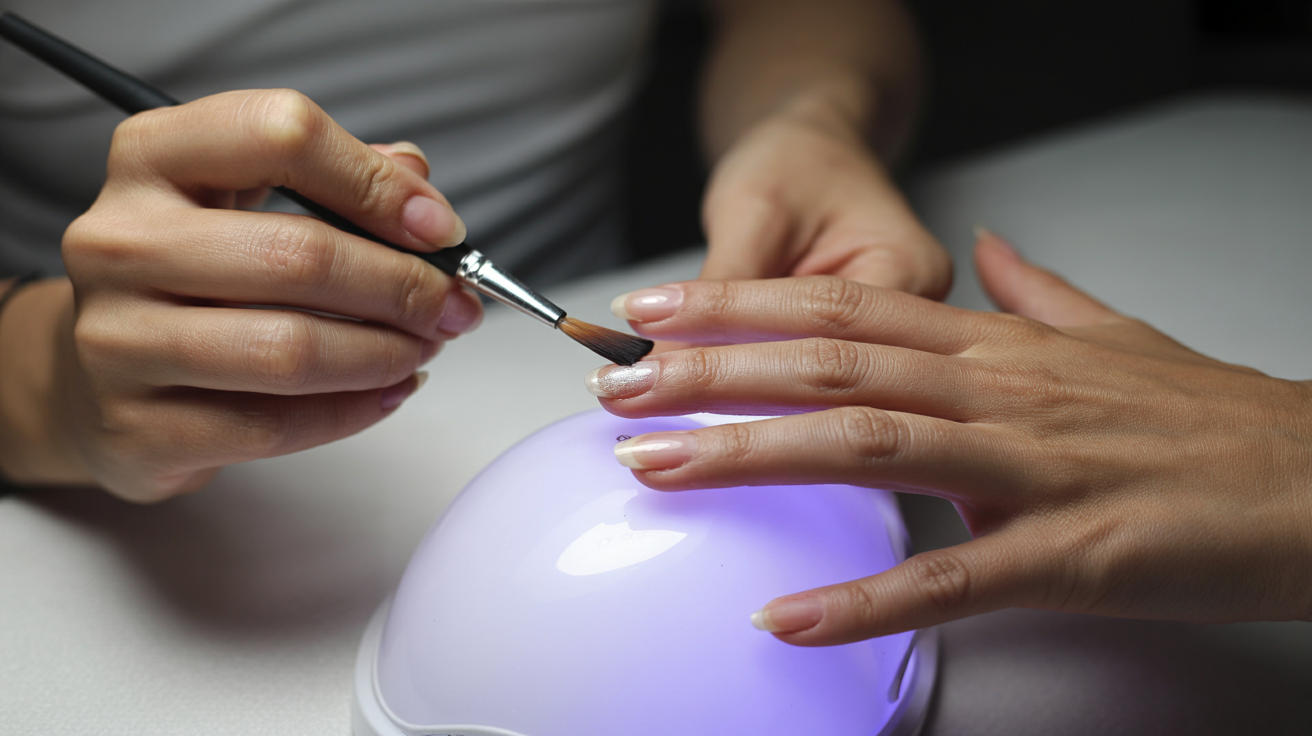
Let me clear this up fast. The answer depends on your primer type.
The Simple Answer for Most Primers
Most nail primers are air-dry products. You brush them on, wait 30 to 60 seconds, and move to your base coat. No lamp needed.
I use acid-free primer for almost all my manicures. I apply a thin layer, count to 45, and I’m ready for the next step.
The primer creates a slightly tacky surface on your nail. That’s exactly what it should do. Don’t try to cure it under UV light.
Standard primers from brands like Young Nails or Gelish don’t need curing. Just let them air-dry.
When UV Curing IS Required
Some gel systems include bonding gels or gel primers. These are different products. They need your UV or LED lamp.
Gel bonding products are part of the gel polish system itself. They’re thicker than regular primer and look like clear gel.
Check your label. If it says “cure for 30 seconds” or “cure under LED lamp,” then yes, you cure nail primers of that type.
I learned this with a gel bonding base. I let it air-dry and my polish slid everywhere. Turns out I needed to cure it for 60 seconds.
Understanding Different Types of Nail Primers
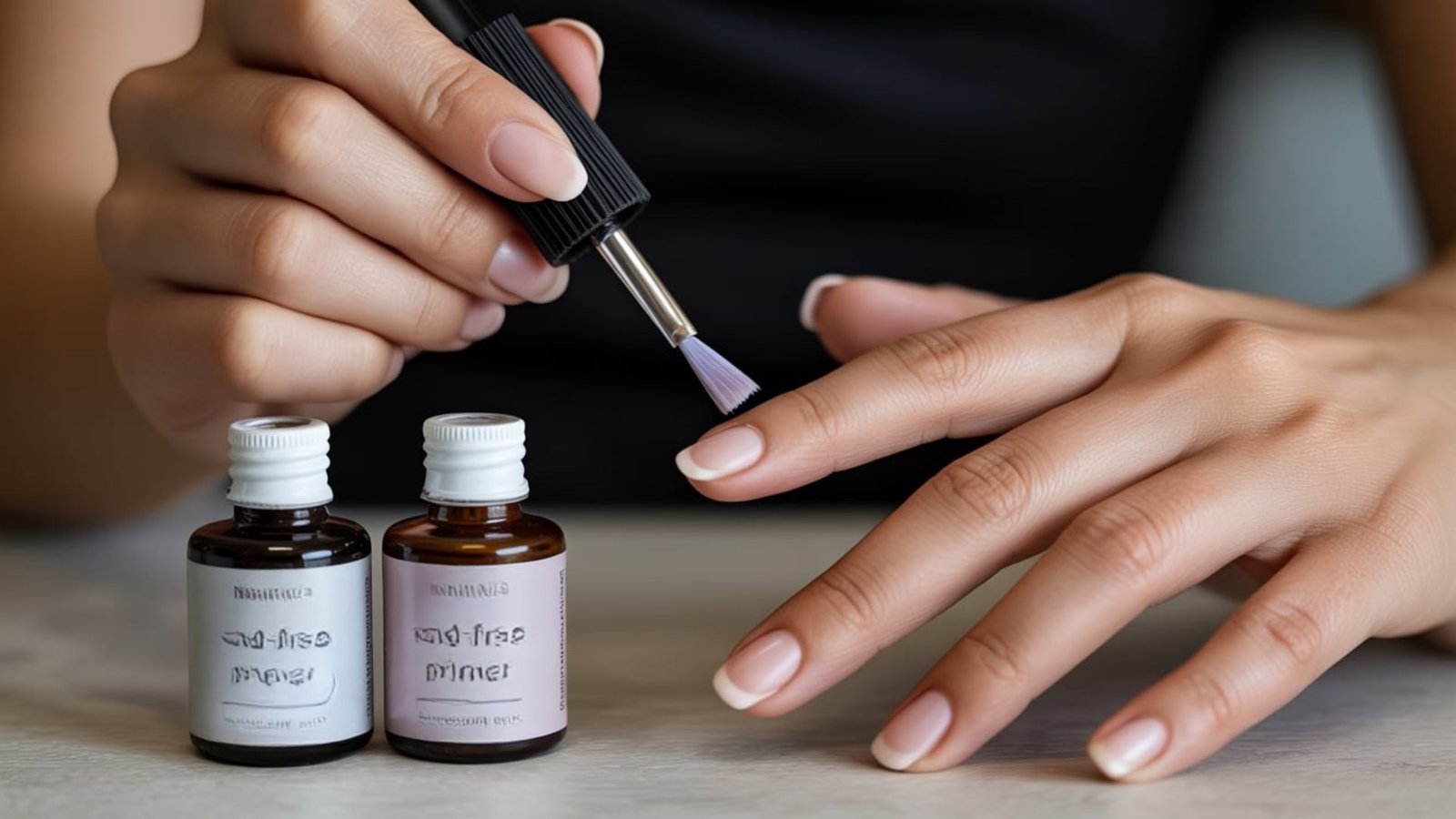
Primers aren’t all the same. Knowing what you have makes application easier.
Acid-Free Primers
This is what most people use at home. I keep acid-free primer in my nail kit because it works for almost everything.
Acid-free primer removes natural oils from your nail plate. It creates that tacky layer that helps gel polish grip instead of sliding off.
You apply it like regular polish. One thin coat across the nail, avoiding cuticles and skin. Wait 30 to 60 seconds while it air-dries.
I prefer acid-free for regular gel manicures because it’s gentle. I still get two solid weeks without lifting.
Acid-Based Primers
Acid primers are stronger. They etch your nail surface slightly to create better adhesion.
I only use acid-based primer when dealing with really oily nails. Some people naturally produce more oil, and their gel polish lifts no matter what.
You still don’t cure nail primer even when it’s acid-based. It air-dries like the acid-free version.
When using acid primer, apply tiny dots rather than painting it on. You want minimal product because it’s strong.
How to Apply Nail Primer Correctly
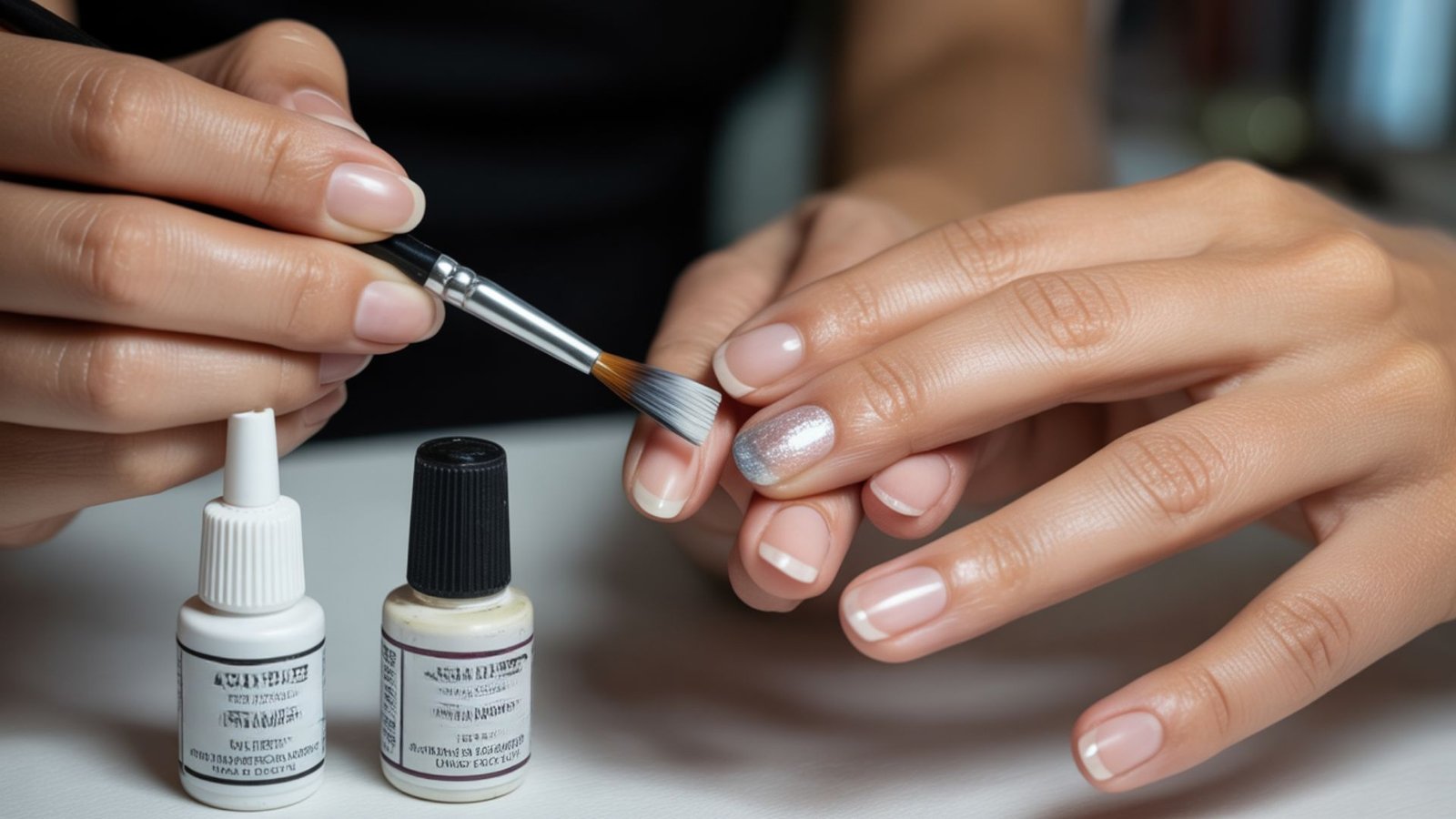
Getting your technique right makes all the difference. I’ve seen people do prep perfectly then rush through primer.
Start with completely clean, dry nails. I use a lint-free wipe with rubbing alcohol to remove dust or oils.
For acid-free primer:
- Shake the bottle gently to mix
- Wipe off excess from the brush for a thin layer
- Apply to nail plate only, avoiding skin and cuticles
- Cover the entire surface but don’t flood it
- Wait 45 to 60 seconds to air-dry completely
- Check that it looks slightly matte and feels tacky
Acid-based primer needs the dot method. Place small dots on the nail, then let them spread on their own.
You’ll know your primer is ready when it changes from shiny to slightly dull. It should feel sticky if you lightly tap it.
Why Proper Primer Use Prevents Lifting and Chipping

I used to skip the primer when I rushed. My manicures would lift within days, especially around edges.
Primer removes natural oils and moisture from your nail surface. Your nails produce oil like your skin does. Without primer, gel polish sits on that oily layer and can’t bond.
Air bubbles are another problem primer solves. When gel polish can’t grip, tiny air pockets form underneath and grow bigger over time.
I get at least two full weeks from my gel manicures now. Sometimes three weeks. The difference is huge.
Do You Really Need to Use Primer for Gel Nails?
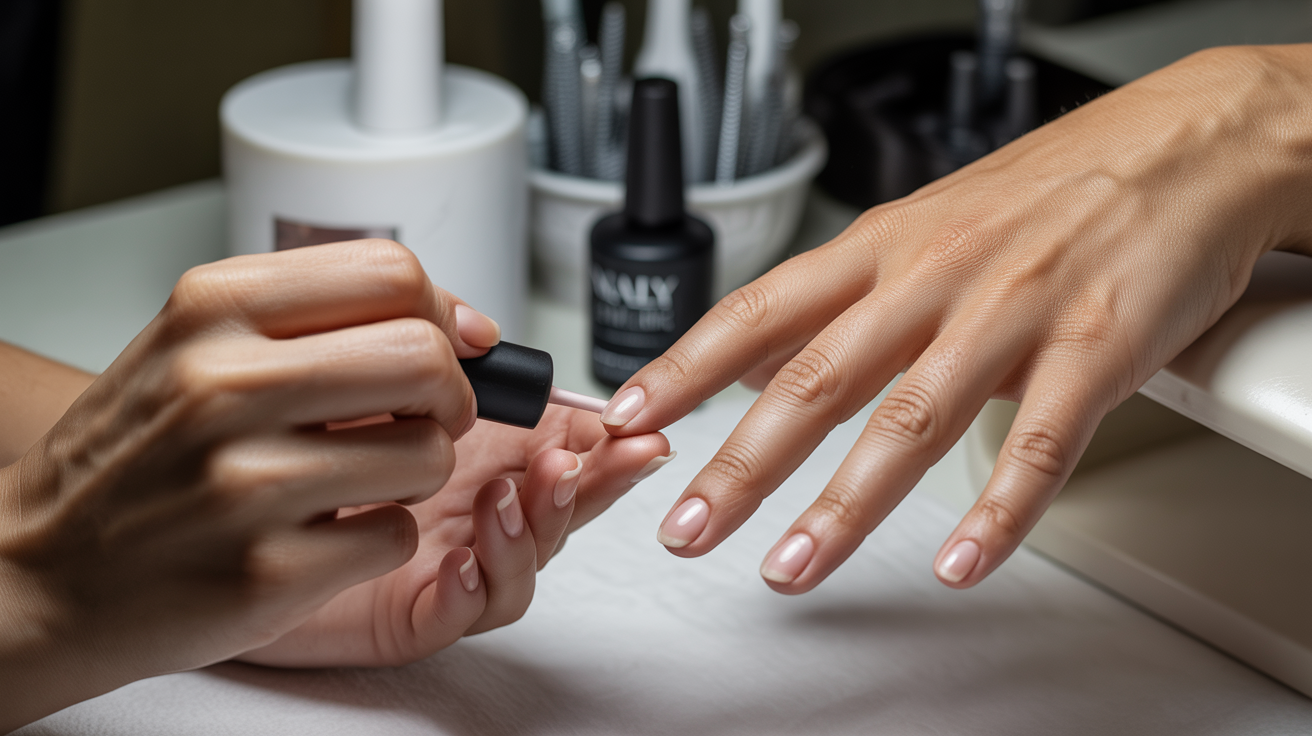
Primer isn’t always necessary for everyone. It depends on your nails.
If you already get two weeks or more without primer, you might not need it. Some people have naturally dry nails that hold polish well.
I need a primer every time. My nails are oily, and without it, polish lifts at the tips within five days.
Test it yourself. Do a manicure without primer and track how long it lasts. Then do one with a primer and compare.
Oily nail plates absolutely need primer. Hormonal issues like pregnancy or thyroid problems can make nails oilier too.
Conclusion
So do you cure nail primer? For most primers, no. You let them air-dry for about a minute. Only gel bonding products need UV curing, and your bottle will tell you.
Always read your product instructions. Different brands have different formulas.
Proper prep makes or breaks your gel manicure. Now I take time to prep right, and my nails actually last.
Try primer if you’re dealing with lifting or short wear time. Test both ways to see what your nails need.
Frequently Asked Questions
Can You Use Regular Primer With Acrylic Nails?
Yes, you can use acid-free or acid-based primer before applying acrylics. The primer helps the acrylic bond to your natural nail. Just use nail primer, not makeup primer.
What Happens If You Skip Primer Before Gel Polish?
Your gel polish lifts sooner, especially with oily nails. Without primer, polish sits on natural oils and doesn’t bond well. You’ll see lifting at tips or edges within days instead of weeks.
How Do You Remove Excess Oils Before Applying Primer?
Use a lint-free wipe with 70% or higher rubbing alcohol. Wipe each nail thoroughly and let them dry completely. This removes oils, dust, and residue before applying primer.
Is Dehydrator the Same Thing as Nail Primer?
No, they’re different. Dehydrator removes moisture and oils from the nail. Primer creates a sticky layer that helps polish stick. Most people use dehydrator first, then primer second.
Can Primer Cause Allergic Reactions on Natural Nails?
Yes, some people react to primer ingredients, especially acid-based formulas. Signs include redness, itching, or burning. If this happens, stop immediately. Try acid-free primer or skip it entirely.