Are Whitening Strips Bad for Your Teeth?

You want whiter teeth, but you’re not sure if it’s safe. I completely understand. The question “are whitening strips bad for your teeth” comes up all the time, and I’m here to help you find the answer.
This article covers how whitening strips work, when they’re safe to use, what risks you should know about, and how to apply them correctly. You’ll also find safer options and tips to keep your smile bright.
I want you to feel confident about your choice.
Let’s talk through the facts so you can make the right decision for your teeth.
Understanding Teeth Whitening Strips

Whitening strips offer a quick way to brighten teeth at home, but knowing how they work helps you use them safely.
These products have become popular because they’re affordable and easy to find at most drugstores.
You don’t need a dentist appointment to get started. But before you stick them on your teeth, it helps to understand what’s inside them and how they actually work. Knowing the basics protects you from mistakes.
When you understand the science, you can use these products the right way and avoid common problems that many people face.
What Are Whitening Strips?
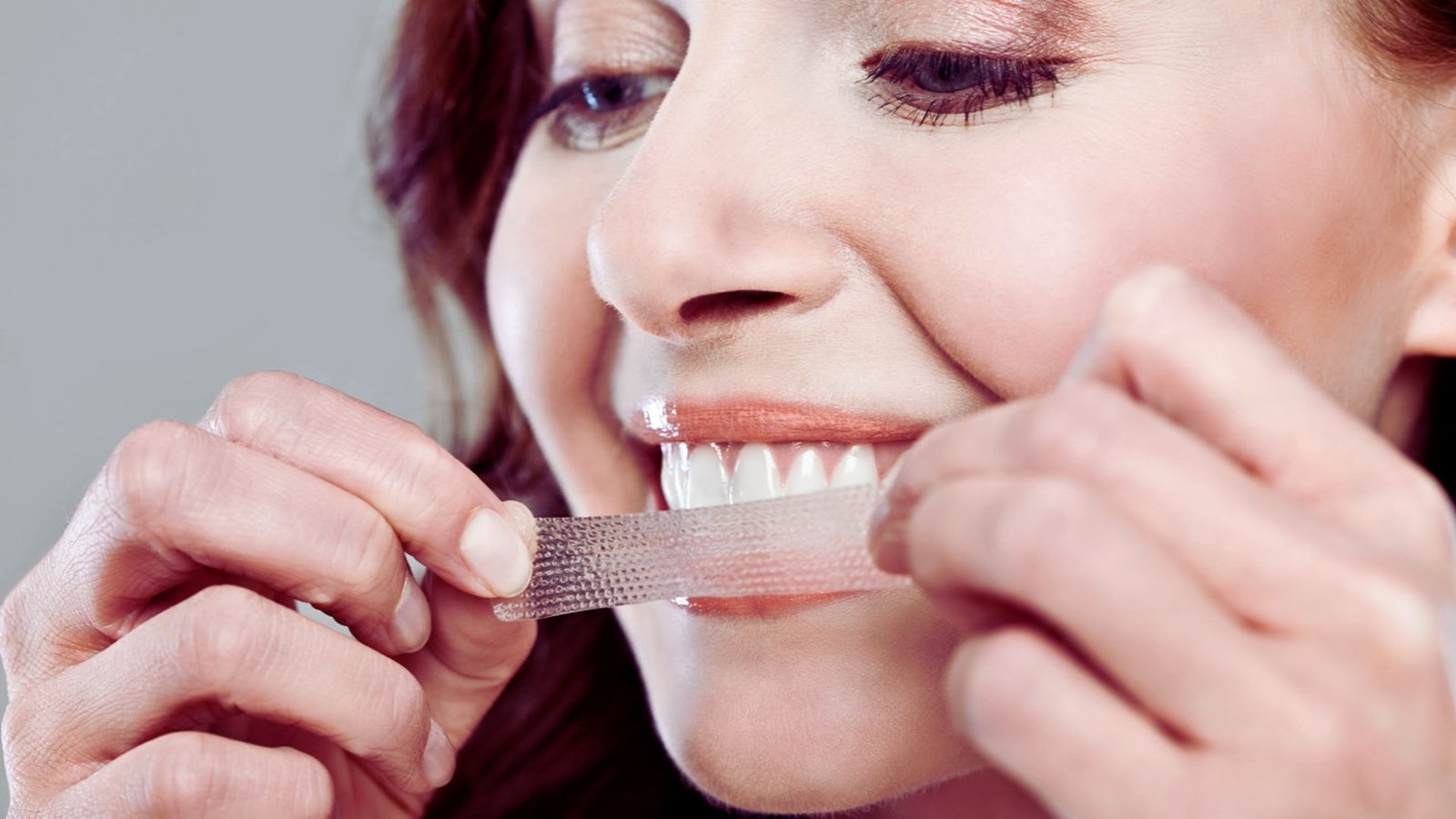
Whitening strips are thin plastic strips with peroxide gel that you stick on your teeth to remove stains.
Composition and Ingredients
Whitening strips are thin, flexible pieces of plastic coated with whitening gel. The active ingredient is usually hydrogen peroxide or carbamide peroxide. These chemicals break down stains on your teeth.
Most strips also contain other ingredients. PVP helps the gel stick to your teeth. Glycerin keeps the strip moist. Hydroxypropylcellulose makes the strip flexible so it fits your teeth better.
How Whitening Strips Work
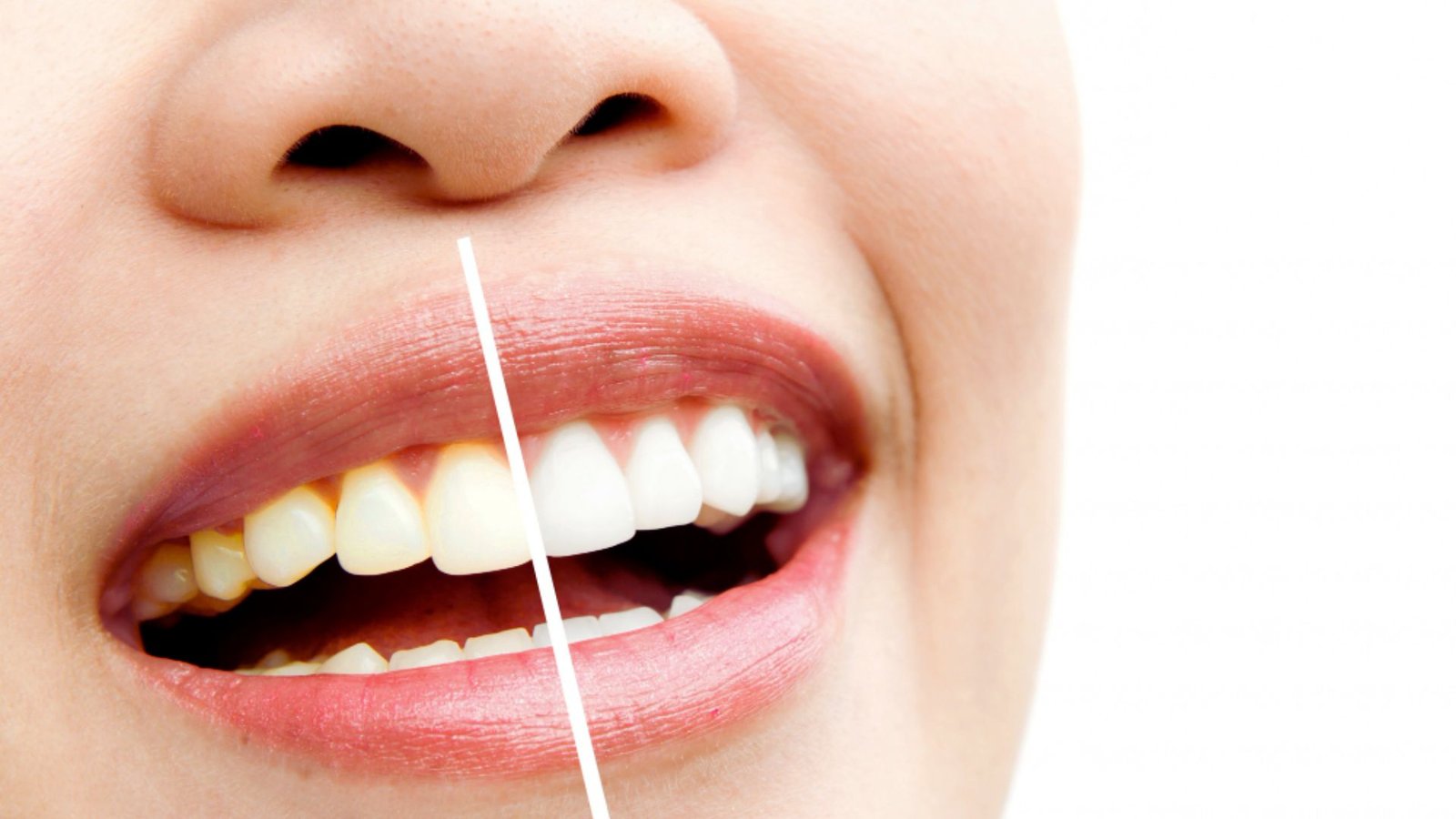
These strips target surface stains, also called extrinsic stains. Coffee, tea, wine, and tobacco cause these stains over time. The peroxide in the strips breaks down these stains into smaller pieces. This makes your teeth look whiter.
Deep stains are harder to treat. Intrinsic discoloration sits inside the tooth. Strips have limited effect on these deeper stains. They work best on the outer layer.
Most treatments last 10 to 14 days. You apply strips once or twice daily. Each session takes 5 to 30 minutes, depending on the product. Following the instructions matters for results and safety.
Are Whitening Strips Bad for Your Teeth?
Whitening strips can be safe or risky depending on how you use them and your dental health.
When They Are Safe
Strips are safe when you follow directions. Stick to the recommended frequency and duration. Don’t use them more often than the package says.
Look for ADA-approved products. The American Dental Association tests these strips for safety and effectiveness. This seal means the product meets quality standards.
If you have healthy teeth and gums, strips are generally fine. Just use them as directed.
Risks and Potential Side Effects
Tooth sensitivity is the most common issue. You might feel sharp “zing” sensations when eating or drinking hot or cold foods. This usually goes away after you stop using the strips.
Gum irritation happens when the gel touches your gums. Your gums might feel sore or look red and inflamed. This is temporary but uncomfortable.
Overuse can damage enamel. Using strips too often weakens the protective layer of your teeth. Some products contain chlorine dioxide, which is harsh and can erode enamel. Avoid these products.
Uneven whitening is another risk. If strips don’t cover all your teeth evenly, you might get white spots or patchy results. This looks worse than before you started.
Factors That Increase Risks
Certain habits and conditions make whitening strips more likely to cause problems for your teeth.
- Leaving strips on too long is a common mistake. The box says 30 minutes, but you leave them on for an hour. This doesn’t make teeth whiter faster. It just irritates your gums and teeth.
- Using strips more often than instructed is another problem. The directions say once a day, but you use them twice. Your teeth need recovery time between treatments.
- Sensitive teeth get worse with strips. If your teeth already hurt with hot or cold foods, strips will make it worse.
- People with gum disease should avoid strips. The chemicals can irritate already inflamed gums.
- Worn enamel is another red flag. If your enamel is thin, strips can reach the sensitive layer underneath. This causes pain and long-term damage.
- Age matters too. Children under 12 shouldn’t use whitening strips. Their teeth are still developing. Teens should check with a dentist first. Young enamel is more vulnerable to damage.
Safe Usage Tips for Whitening Strips
Following these guidelines helps you get results without harming your teeth or gums.
Dos
- Read and follow the manufacturer directions exactly. Each product is different. Don’t guess or skip steps.
- Choose ADA-approved strips. These products meet safety standards. Look for the seal on the package.
- Apply strips carefully. Keep the gel away from your gums. Line up the strips with your teeth, not your gum line.
- Consider using desensitizing toothpaste. Start using it a few days before whitening. This helps reduce sensitivity during treatment.
Don’ts
- Avoid any product with chlorine dioxide. This ingredient is too harsh. It can damage enamel permanently. Check the ingredient list before buying.
- Don’t use strips more often or longer than recommended. More isn’t better. It’s harmful.
- Wait before brushing after removing strips. Most products say to wait at least 30 minutes. Brushing too soon can damage softened enamel. Check your product instructions for specific guidance.
Safer Alternatives to Whitening Strips
If strips aren’t right for you, other options can brighten your smile with less risk.
At-Home Options
- Whitening toothpaste is the gentlest option. It removes surface stains gradually. Results take longer, but it’s safe for daily use.
- Whitening pens let you target specific teeth. You paint the gel on problem areas. This gives you more control than strips.
- Custom trays from your dentist fit your teeth perfectly. They provide even coverage and reduce gum contact. You use them at home with professional-grade gel.
Professional Dental Options
- In-office bleaching gives faster results. Your dentist uses stronger solutions that work in one visit. They protect your gums during the process.
- Dentist-supervised treatments are safer for long-term whitening. Your dentist monitors your progress. They can adjust the treatment if problems come up.
- Professional options cost more but reduce risks. If you have sensitive teeth or dental work, this is your best choice.
Maintaining a Brighter Smile After Whitening
Good habits keep your teeth white longer and protect your investment in whitening treatments.
Brush twice daily with fluoride toothpaste. This removes new stains before they set in. Fluoride also strengthens enamel.
Floss every day. Food particles between teeth can cause new stains. Flossing keeps these areas clean.
Rinse your mouth after drinking coffee, tea, or wine. These drinks stain quickly. Swishing with water washes away the pigments before they stick.
Avoid dark drinks when possible. If you drink them, use a straw. This reduces contact with your front teeth.
Stop smoking. Tobacco causes stubborn yellow stains. It also damages gums and increases oral health risks.
Conclusion
I’ve tried whitening strips myself, and honestly, they worked great when I stuck to the instructions.
So, are whitening strips bad for your teeth? Not if you’re smart about it. Use ADA-approved products, follow the directions, and pay attention to how your teeth feel.
If you notice pain or sensitivity, stop and give your teeth a rest. For stubborn stains or extra reassurance, talk to your dentist. They know your teeth best.
Your smile matters, so take care of it the right way.
Got questions or tips to share? Drop a comment below I’d love to hear your experience!
Frequently Asked Questions
How long does teeth sensitivity last after using whitening strips?
Sensitivity usually fades within a few days after stopping treatment. If it lasts longer than a week or feels severe, contact your dentist. Using desensitizing toothpaste can help speed up recovery.
Can I use whitening strips if I have dental fillings or crowns?
Strips only whiten natural teeth. They won’t change the color of fillings, crowns, or veneers. This can create uneven coloring. Talk to your dentist about options that match your dental work.
How often can I safely use whitening strips?
Follow the product instructions, usually once every few months. Most treatments last 10-14 days. Wait at least three months before repeating. Overuse damages enamel and increases sensitivity.
Are whitening strips safe during pregnancy?
Research on whitening products during pregnancy is limited. Most dentists recommend waiting until after pregnancy and breastfeeding. Talk to your doctor and dentist before using any whitening products while pregnant.
What should I do if my gums turn white after using strips?
White gums mean the gel burns the tissue. Remove the strips immediately and rinse your mouth with water. The white color should fade in a few hours. If pain or whiteness continues, see your dentist right away.