The Benefits of Facial Cupping and Possible Risks

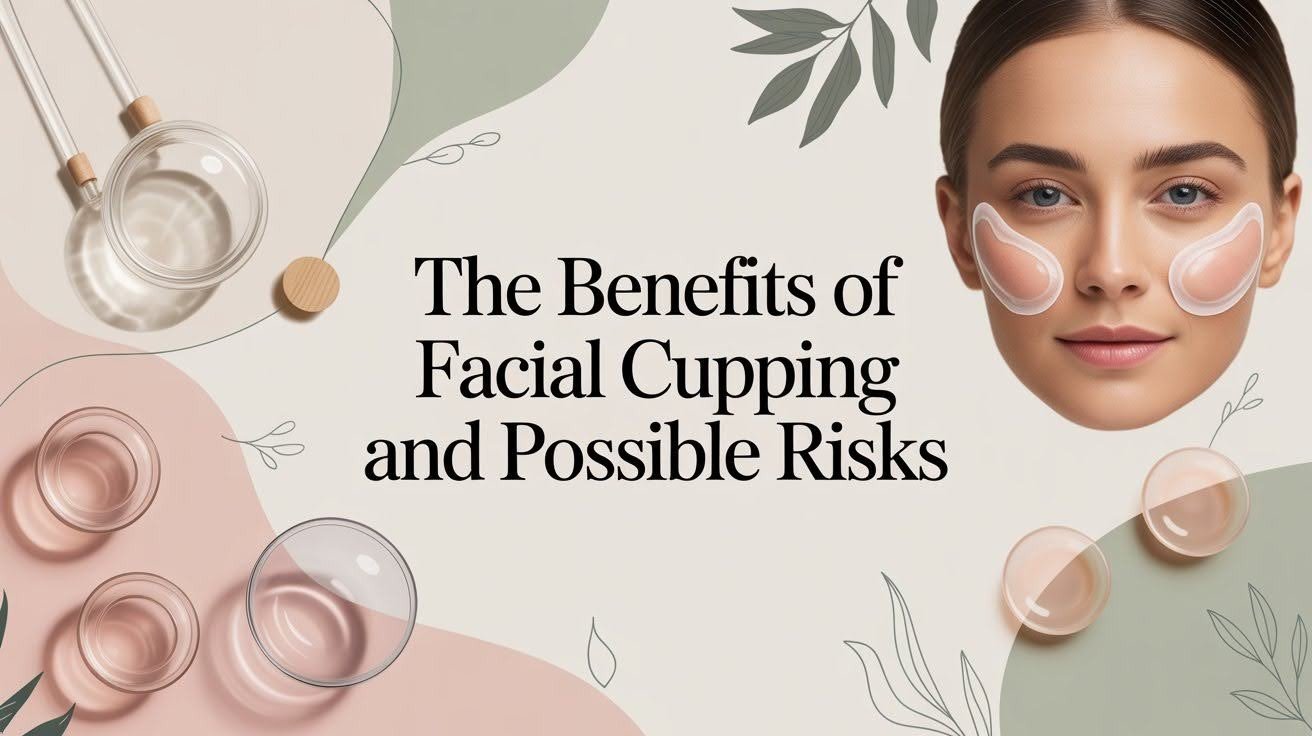
I’ve wondered about the benefits of facial cupping for a long time. Maybe you have too. This ancient practice claims to give you glowing skin naturally. But does it actually work? More importantly, is it safe for your face?
I’m here to give you straight answers. In this guide, you’ll learn exactly how facial cupping works, what benefits you can really expect, and the risks nobody talks about.
I’ll show you what happens during treatment, who should skip it, and how to try it safely at home or with a professional. No hype, no confusing terms.
Just honest information from someone who’s researched this thoroughly. By the end, you’ll know if facial cupping is right for your skin.
Let’s figure this out together.
What Is Facial Cupping and How Does It Work?
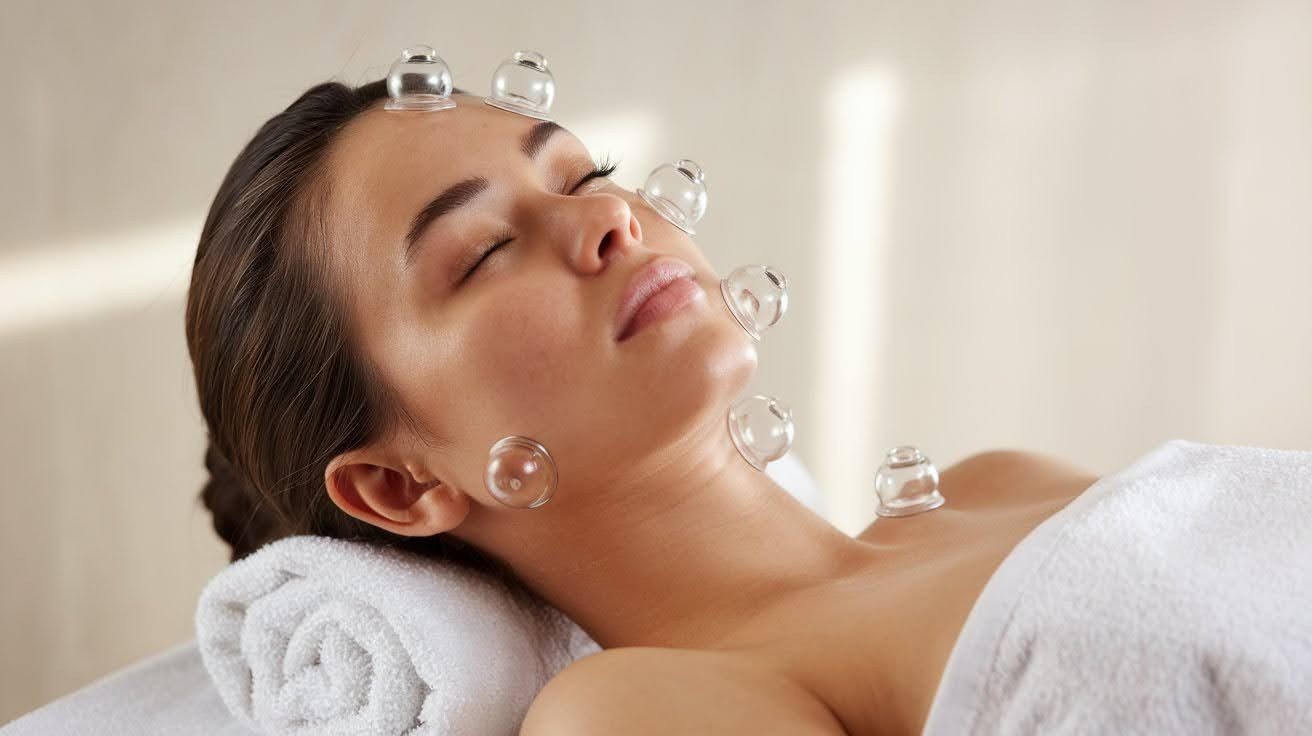
Facial cupping uses small silicone or glass cups that create gentle suction on your skin. The cups glide across your face in upward motions, working on your cheeks, forehead, jawline, and neck.
It feels like a light vacuum and most people find it relaxing. Sessions typically last 15 to 30 minutes. The suction makes your blood vessels expand, bringing fresh oxygen and nutrients to your skin cells.
Your lymphatic system activates to drain waste and toxins. This improved circulation is why your face looks brighter right after treatment. People love facial cupping because it delivers natural results without needles, chemicals, or recovery time.
It costs less than high-tech procedures, making it a popular choice for modern skincare.
Top Benefits of Facial Cupping
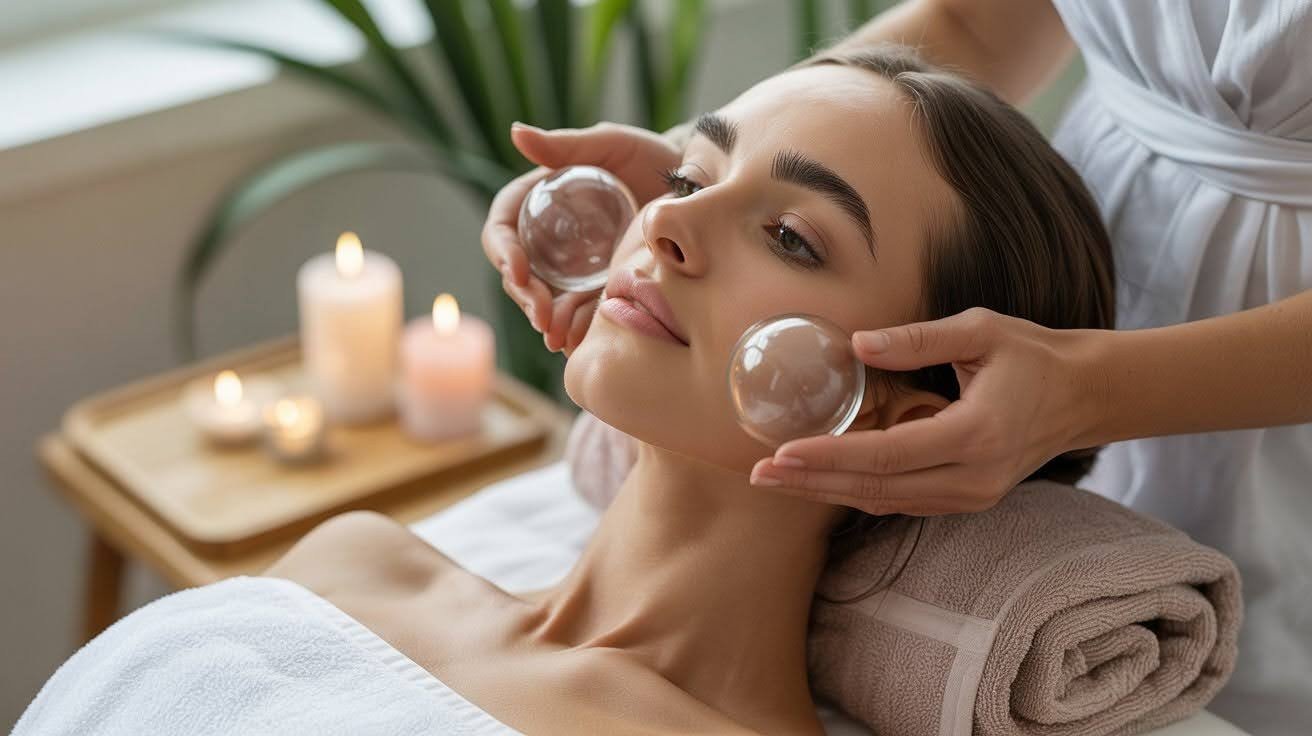
Better circulation, collagen boost, reduced puffiness, smoother texture, and natural lifting make facial cupping a popular skin treatment.
- 1. Boosts Blood Circulation for a Healthy Glow: The suction from facial cupping brings more blood to your skin’s surface. This increased blood flow delivers oxygen and nutrients to your cells.
- 2. Stimulates Collagen and Elastin Production: Your skin responds to the gentle pulling by producing more collagen and elastin. These proteins keep your skin firm and bouncy.
- 3. Promotes Lymphatic Drainage: Facial cupping helps your lymphatic system work better. This system removes waste and excess fluid from your tissues.
- 4. Reduces the Appearance of Fine Lines and Wrinkles: Regular cupping keeps your skin cells active and stimulated. This ongoing activity helps smooth out aging signs.
- 5. Minimizes Pore Size and Improves Skin Texture:
- 6. Helps Fade Acne Scars and Hyperpigmentation: Increased circulation speeds up cell regeneration. New, healthy skin cells replace damaged ones faster.
- 7. Relieves Facial Muscle Tension and Stress: We hold a lot of tension in our facial muscles without realizing it.
- 8. Enhances Product Absorption: After cupping, your skin is more receptive to skincare products. The increased circulation opens up your pores slightly.
- 9. Provides a Natural Lifting and Firming Effect: Regular cupping sessions tone your facial muscles. The upward motions work against gravity.
Your skin gets that fresh, post-workout glow. You’ll notice a brighter, more radiant appearance right after treatment.
Over time, this helps reduce fine lines and wrinkles. Your skin feels more supple and youthful with regular sessions.
The result is less puffiness, especially around your eyes and cheeks. Your face looks more sculpted and refreshed.
Fine lines become less noticeable. Your skin maintains a more youthful look with consistent treatment.
The gentle suction helps clear out clogged pores. Dead skin cells and debris get loosened. Your pores appear smaller and your overall skin texture feels smoother.
Your complexion looks more refined and even.
Dark spots from old acne scars gradually lighten. Your skin tone becomes more even over time.
Cupping acts like a massage for these tight areas. Your jaw relaxes. Forehead tension melts away. The calming effect shows on your face.
Your serums and oils sink in deeper. You get more benefit from your favorite products.
Your skin appears more lifted and contoured. You get a natural facelift effect without any surgery or injections.
Possible Risks and Side Effects of Facial Cupping
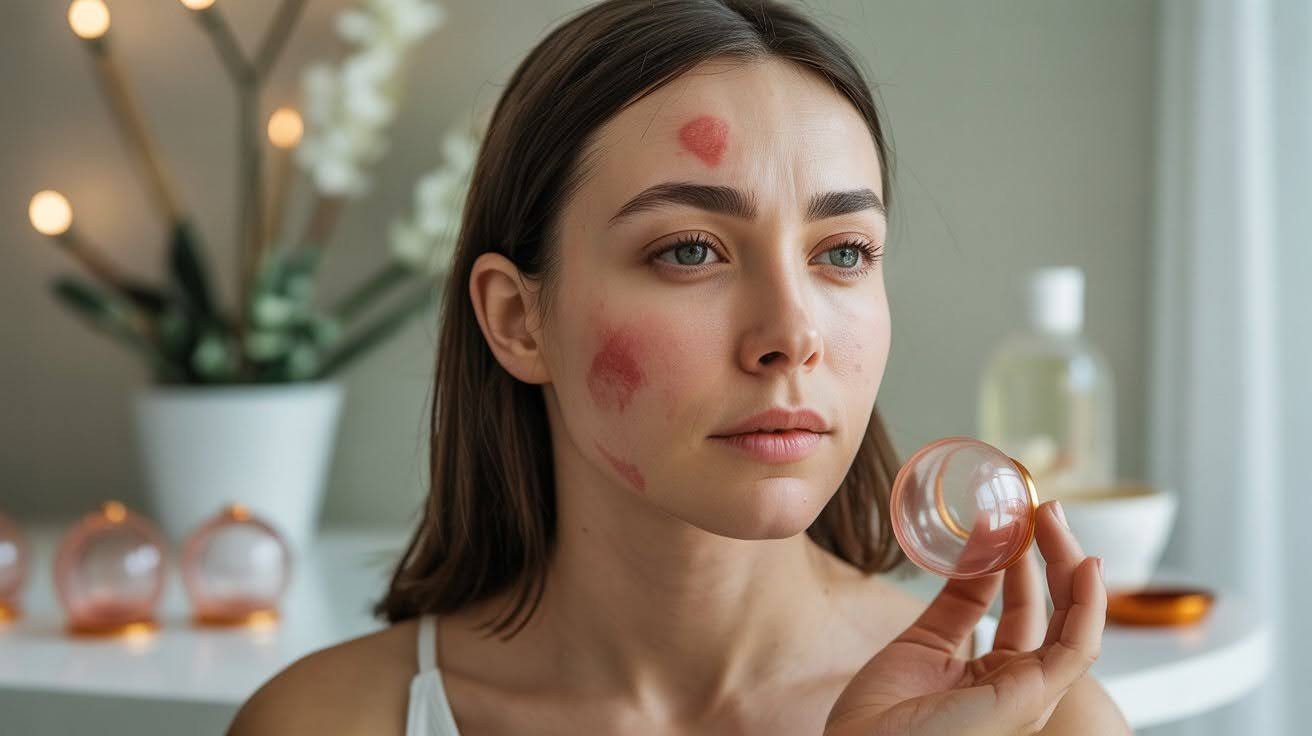
Temporary bruising, broken capillaries, discomfort, infection risk, and limited research are important considerations before starting treatment.
Bruising and Skin Discoloration
Let’s be honest about this one. Bruising can happen. It’s probably the most common side effect.
When suction is too strong or held too long, tiny blood vessels break. This creates red or purple marks on your skin. They look like small bruises.
These marks usually fade within a few days. But they can be embarrassing if you have an event coming up. To prevent bruising, use lighter pressure. Keep the cups moving instead of holding them in one spot. Start gently, especially if you have sensitive skin.
Broken Capillaries
This risk is more serious than simple bruising. Your face has tiny blood vessels called capillaries just under the surface.
Too much suction can permanently damage these blood vessels. Once broken, they show as red lines or spots on your skin. These don’t always go away on their own.
People with already visible capillaries should be extra careful. Use the gentlest setting possible. If you see redness that doesn’t fade, stop immediately. Consider professional treatment only from trained practitioners.
Pain or Discomfort During the Process
Facial cupping shouldn’t hurt. But it might feel uncomfortable at first.
Some people experience mild soreness during or after treatment. Your skin might feel tender. The pulling sensation can feel strange if you’re not used to it.
If you feel actual pain, the suction is too strong. Reduce the pressure immediately. Your skin should feel pleasantly stimulated, not stressed. Give yourself time to adjust. Start with shorter sessions and work your way up.
Risk of Infection
Any tool that touches your face can spread bacteria. Unclean cups are a real concern.
If cups aren’t properly sanitized between uses, bacteria can transfer to your skin. This can cause breakouts or even infections. The risk increases if you have any open wounds or active acne.
Always clean your cups thoroughly before and after each use. Use alcohol or hot soapy water. Never share cups with others. If getting professional treatment, make sure the practitioner uses clean tools for each client.
Lack of Strong Scientific Evidence
Here’s something important to know. Most benefits of facial cupping come from traditional practice, not modern research.
There aren’t many scientific studies proving long-term effectiveness. Most evidence is anecdotal, meaning people report results but we don’t have controlled studies backing them up.
This doesn’t mean it doesn’t work. It just means we can’t guarantee specific results. What works amazingly for one person might do little for another. Manage your expectations and see it as a supplement to your routine, not a miracle cure.
How to Safely Try Facial Cupping
Professional guidance, proper tools, correct technique, and good aftercare ensure safe and effective facial cupping experiences.
- Get one professional session before trying it at home. A trained practitioner will show you proper technique, the right amount of pressure, and how to assess your skin type for any concerns.
- Choose silicone cups if you’re a beginner as they’re easier to control and gentler than glass. Start with small cups designed specifically for facial use, not body cupping cups which are too strong.
- Look for cups with adjustable suction so you can find the right pressure for your skin. Read reviews before buying since quality matters more than price.
- Drink plenty of water after treatment to help your lymphatic system flush out toxins. Apply a gentle moisturizer and avoid harsh products for at least 24 hours.
- Use SPF 30 or higher and stay out of direct sun since your skin is more sensitive after treatment. Skip makeup for a few hours to let your skin breathe and recover naturally.
Conclusion
I’ve tried facial cupping myself, and the glow is real. The benefits of facial cupping like better circulation and reduced puffiness are worth it, but technique matters. I learned the hard way that going too hard leaves marks.
My honest advice? Start with a professional session first. Listen to your skin. If something hurts or bruises badly, ease up. When done right, facial cupping adds something special to your routine.
Have you tried it? I’d love to hear your experience in the comments below.
Frequently Asked Questions
How often should I do facial cupping?
Start with once or twice weekly for the first month. After your skin adjusts, you can increase to three times per week. Always rest at least one day between sessions.
Can facial cupping replace my regular skincare routine?
No, it works best as a supplement to your existing routine. Continue your daily cleansing, moisturizing, and sunscreen. Think of cupping as an extra boost, not a replacement.
How long does it take to see results from facial cupping?
You’ll notice immediate effects like brighter skin and less puffiness after treatment. For lasting benefits like improved tone and fewer fine lines, expect four to six weeks of consistent sessions.
Is facial cupping painful?
It should not hurt when done correctly. You’ll feel gentle pulling and slight pressure. If you experience pain, reduce the suction immediately to prevent skin damage.
Can I do facial cupping if I have acne?
Avoid cupping over active breakouts to prevent spreading bacteria. You can carefully cup clear areas of your face. Wait until acne heals before treating those spots.