Bulbous Nose Job: Complete Guide to Rhinoplasty


A bulbous nose can affect how you feel about your appearance. The rounded or wide tip might make you self-conscious in photos or daily interactions.
I understand that frustration because facial balance matters to confidence.
This guide covers everything about bulbous nose job procedures. You’ll learn what causes a bulbous nose, how tip-plasty works, and what to expect during recovery.
We’ll discuss surgical techniques, costs, and how to choose the right surgeon. I’ve researched this topic thoroughly to give you honest, practical information.
By the end, you’ll know if this procedure fits your goals and how to move forward safely.
What Is a Bulbous Nose?

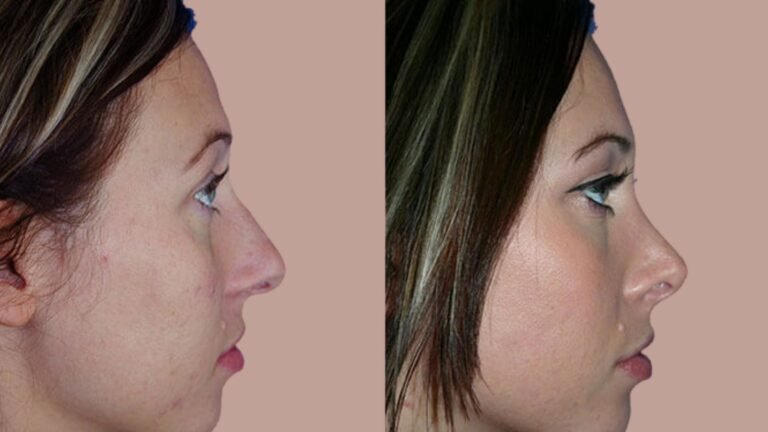
A bulbous nose has a rounded, wide, or poorly defined tip that appears larger compared to the bridge. Some describe it as a ball-like shape at the nose’s end.
The condition varies in severity, from mild rounding to significant width.
Several factors create this nasal shape. Thick nasal skin or excess fatty tissue adds bulk. Extra cartilage or poorly positioned cartilage contributes to the rounded appearance.
Genetic or ethnic factors play a major role, as certain backgrounds naturally have thicker skin and different cartilage structures. This isn’t a flaw but rather natural variation in human features.
What Is a Bulbous Nose Job?

Bulbous nose job surgery focuses on refining the nasal tip for better facial harmony.
Purpose of Tip-Plasty
Tip-plasty specifically targets the nasal tip rather than the entire nose. The procedure aims to create balance between the tip and bridge. Surgeons reshape cartilage and soft tissue to achieve definition.
The goal is natural-looking results that fit your face. This isn’t about creating a “perfect” nose but rather one that suits your features. The procedure can make the tip narrower, more defined, or better proportioned.
Types of Approaches
Surgeons use two main techniques:
Open rhinoplasty provides increased access for complex corrections. The surgeon makes a small incision on the columella (the tissue between nostrils). This allows full visibility of the nasal structure. It works well for significant reshaping needs.
Closed or endoscopic rhinoplasty creates minimal external scarring. All incisions stay inside the nostrils. This approach suits less complex cases. Recovery may be slightly faster with less visible scarring.
Your surgeon will recommend the best approach based on your specific needs and nasal anatomy.
Surgical Techniques and Considerations

Tip-plasty involves precise methods to reshape the nasal tip while maintaining function.
Cartilage Reshaping and Grafting
Surgeons may reduce or reposition the lower lateral cartilages for better definition. Septal cartilage grafts provide additional support when needed.
The surgeon takes cartilage from the nasal septum to help maintain long-term shape and structure.
The cartilage work requires precision. Too much removal can weaken the nose. Too little won’t achieve the desired result.
Skin Management
Thick nasal skin presents special challenges. The surgeon may debulk fibrous fatty tissue beneath the skin to reduce bulk.
Some cases benefit from laser or dermabrasion techniques to thin the skin slightly.
Patients with very thick skin may see more subtle results. The underlying structure improves, but the skin coverage affects final appearance.
Advanced Methods
Specialized suturing techniques create natural tip definition. Surgeons use specific stitch patterns to bring cartilages together or reshape them.
Some surgeons use geometric planning to map out ideal proportions based on facial measurements.
Computer imaging may show potential results. However, these are estimates, not guarantees. Individual healing affects final outcomes.
Who Is a Good Candidate?
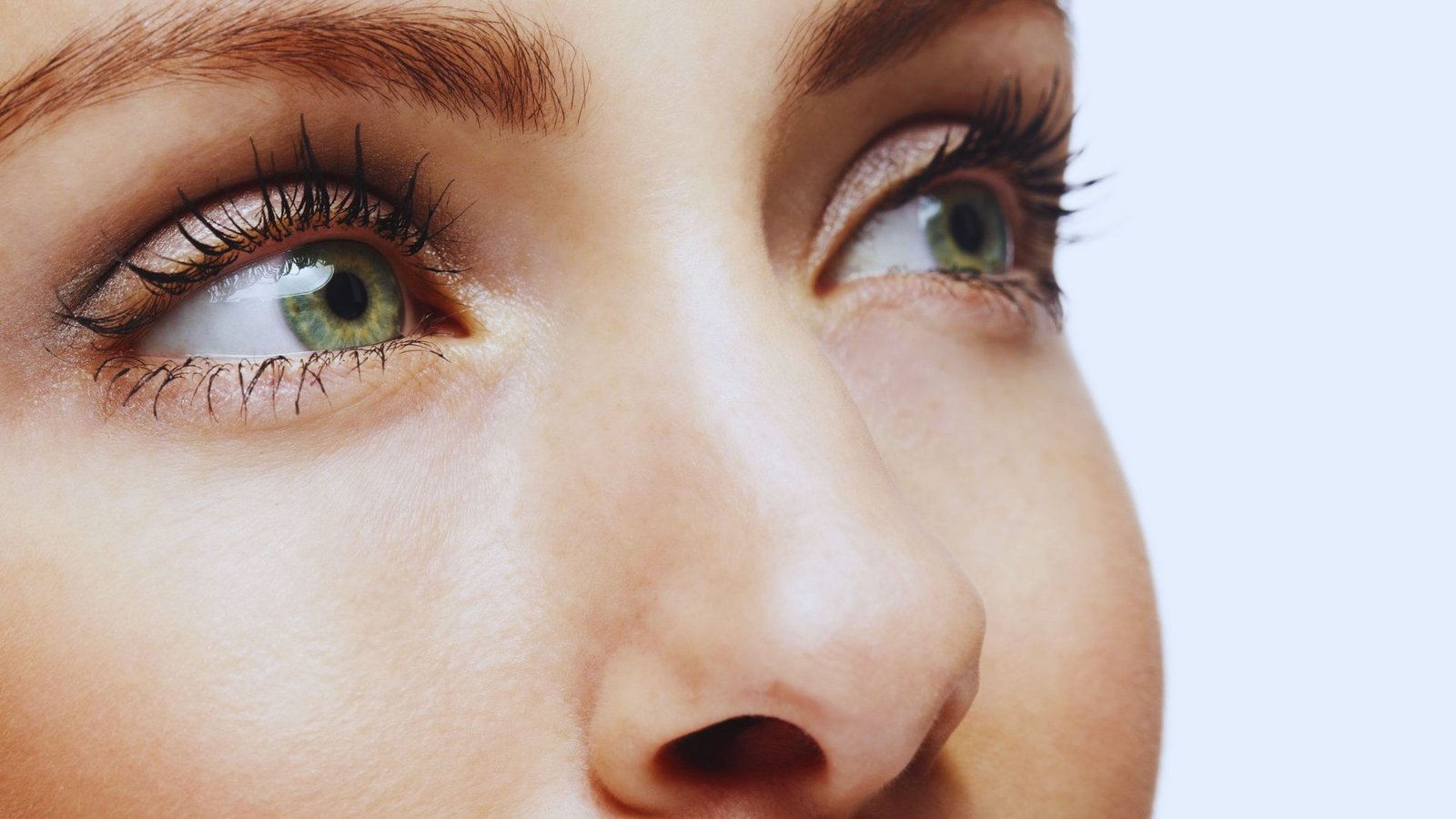
Good candidates include individuals unhappy with a wide, round, or drooping tip. Your concerns should be specific and realistic. You should understand what surgery can and cannot achieve.
Patients must be in good health with stable medical conditions. Smoking affects healing and must stop before surgery. Most surgeons prefer patients over 18 when facial growth is complete.
First-time rhinoplasty patients often have straightforward anatomy. Revision cases can be more complex due to scar tissue and altered anatomy.
Functional issues like breathing problems can be addressed simultaneously. If a deviated septum exists, your surgeon can correct it. Insurance may cover the functional portion.
Recovery and Results

Understanding the healing timeline helps set realistic expectations for your bulbous nose job.
Post-Operative Care
Swelling and bruising are normal after surgery. The tip swells most significantly and takes the longest to resolve. You’ll wear a nasal splint for about one week.
Most people return to non-strenuous activities in 1-2 weeks. Avoid heavy exercise for 3-4 weeks. Contact sports should wait at least 6 weeks. Sleep with your head elevated for the first week.
Follow all medication instructions carefully. Avoid aspirin and certain supplements that increase bleeding risk.
Timeline for Results
The majority of swelling resolves in 3-6 months. You’ll see significant improvement by this point. However, final results become visible in 1-2 years.
Thick skin and tissue need time to contract and settle.
Patience is critical during recovery. Weekly or monthly photos help you track progress.
Functional Outcomes
Many patients experience improved nasal airflow if structural corrections are done. Breathing may actually improve compared to before surgery.
Some patients notice temporary stuffiness during healing. This resolves as swelling decreases.
Benefits of a Bulbous Nose Job
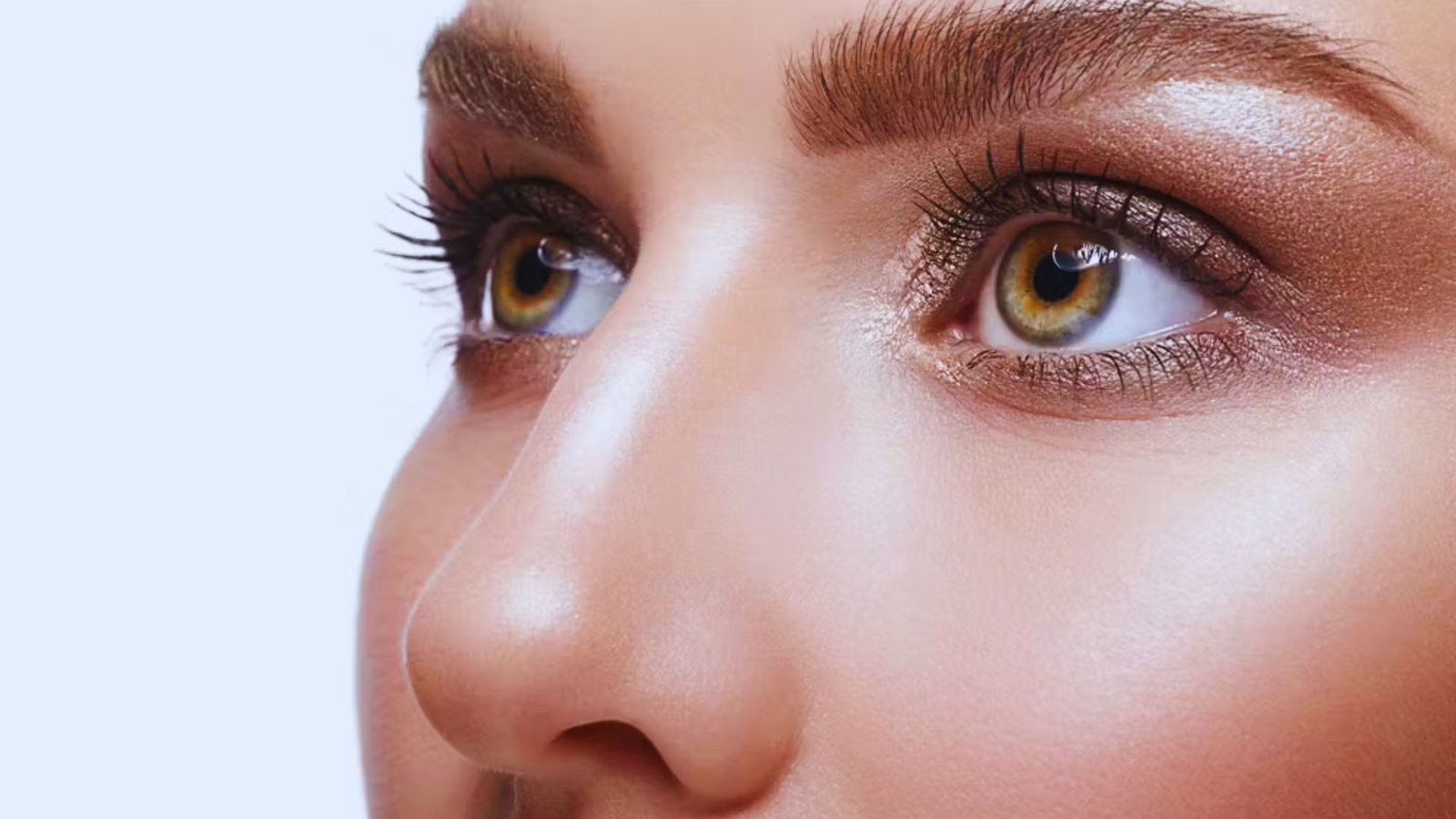
Tip-plasty offers both appearance and emotional advantages.
Appearance Benefits
A sharper, more defined tip changes facial balance. The nose appears more refined without looking unnatural. Better proportion with facial features makes the entire face look more harmonious.
Natural-looking results should be the goal. You should still look like yourself, just with improved proportions.
Psychological Benefits
Boosted self-confidence and self-image are common after successful surgery. Many patients report feeling more comfortable in social situations and photos.
However, surgery works best for people with realistic expectations. It’s one tool for feeling better about your appearance.
Choosing the Right Surgeon
Your surgeon choice dramatically affects safety and results.
Board certification in plastic surgery or facial plastic surgery is mandatory. Rhinoplasty expertise matters even more than general certification.
Review before-and-after galleries of similar cases. Look for patients with your nose type and ethnicity. Results should look natural, not overdone.
Read patient testimonials and online reviews. Discuss realistic goals and expectations during consultation. A good surgeon will tell you what’s achievable with your anatomy.
Ask about revision rates and complication rates. Find out what happens if you’re unhappy with results.
Cost and Considerations

Financial planning is part of the decision process for bulbous nose job surgery.
Several factors affect cost. Surgeon experience and reputation influence pricing. Procedure complexity matters too. Location affects pricing significantly.
The typical range for cosmetic bulbous tip rhinoplasty runs from $5,000 to $15,000. Always get detailed cost breakdowns during consultations.
Insurance coverage considerations apply if functional correction is included. Documented breathing problems may qualify for partial coverage. The functional portion might be covered while the cosmetic portion isn’t.
Payment plans are available through many practices. Medical credit cards like CareCredit offer financing options.
Don’t choose a surgeon based on price alone. This is your face and your health. Quality should outweigh cost savings.
Conclusion
I’ve seen how a bulbous nose job can shift someone’s entire outlook. It’s not about vanity but rather feeling comfortable in your own skin.
If your nose shape has bothered you for years, this procedure might be worth exploring.
The key is finding an experienced surgeon who listens to your goals. Take time to research, ask questions, and understand the full process. Recovery takes patience, but the results can last a lifetime.
Have questions about tip-plasty? Drop a comment below or share this guide with someone who might find it helpful.
Frequently Asked Questions
How long does a bulbous nose job take?
The procedure typically takes 1-3 hours depending on complexity. Your surgeon will give you a specific estimate during consultation.
Will I have visible scars after surgery?
Closed rhinoplasty leaves no visible scars since incisions are inside the nose. Open rhinoplasty creates a small scar on the columella that fades over time.
Can thick skin be fixed during tip-plasty?
Thick skin can be managed but has limitations. Surgeons can remove excess tissue beneath the skin, but the skin itself limits how much definition is possible.
When can I wear glasses after surgery?
Avoid resting glasses on your nose for 4-6 weeks after surgery. Use tape to secure them to your forehead or wear contact lenses during healing.
What if I’m unhappy with my results?
Discuss concerns with your surgeon after swelling resolves at 6-12 months. Revision surgery is possible but requires waiting at least one year for full healing.