Can Spironolactone Cause Weight Gain?


If you’re taking spironolactone or considering it, you’ve probably wondered: can spironolactone cause weight gain? I completely understand weight changes worry anyone starting a new medication.
Here’s what I found after reviewing the research: this drug typically doesn’t add pounds. In this article, I’ll share what science actually says about spironolactone and your weight.
You’ll learn how this medication works in your body, what side effects really happen, and when weight changes might occur. I’ll cover the clinical evidence, real patient experiences, and tips for managing side effects.
Let’s sort through the facts together.
Understanding Spironolactone and Your Body

Spironolactone is a prescription medication that affects your hormones and how your body handles fluids. Many people know it as an acne treatment, but it has several medical uses. Before we talk about weight changes, it helps to understand what this medication actually does inside your body.
Doctors have prescribed it for decades, so there’s plenty of research backing its safety. Knowing how it works will help you make sense of any changes you notice while taking it.
What Is Spironolactone?
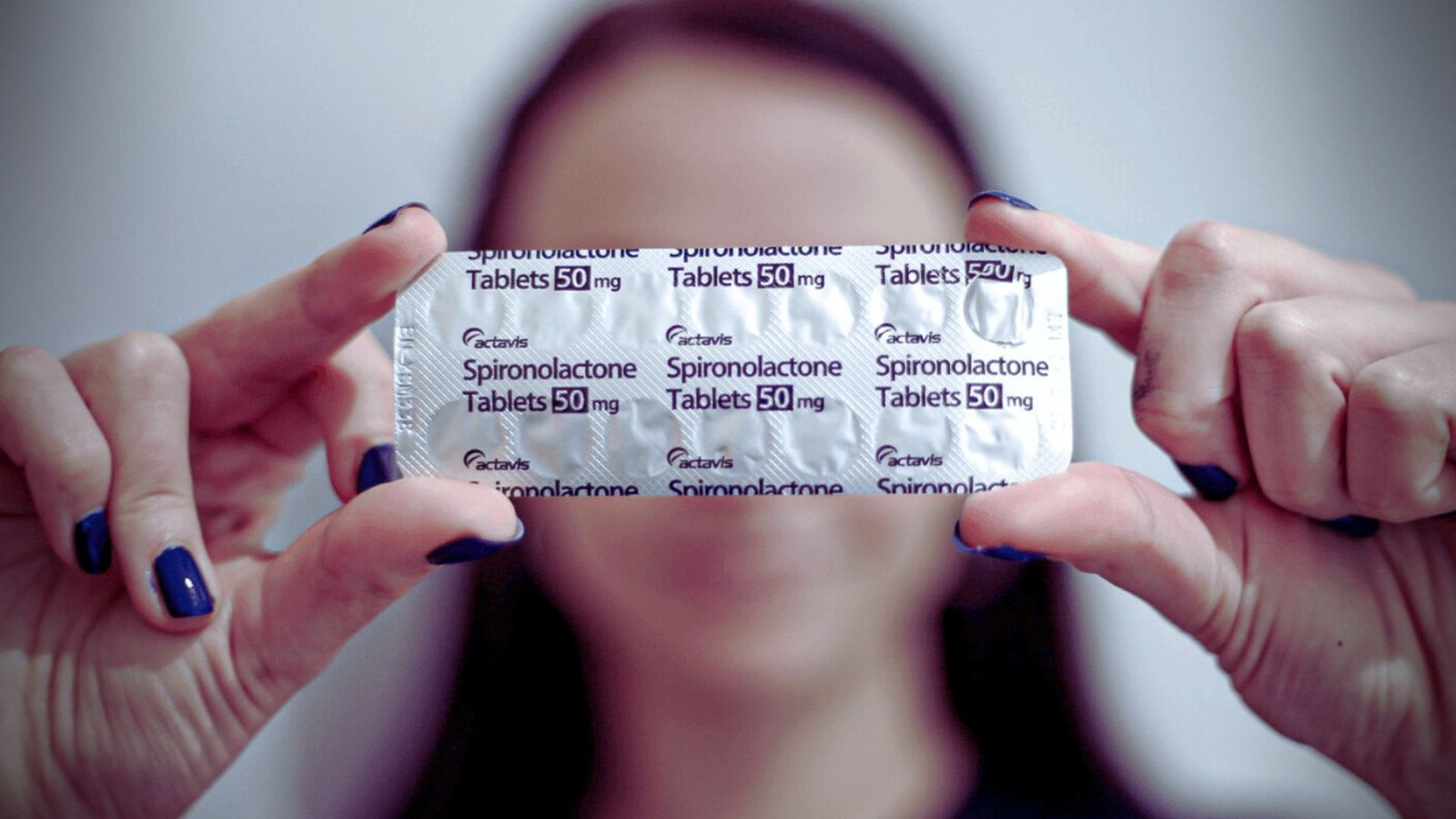
Spironolactone is a medication that blocks certain hormones and helps your body get rid of extra water. Doctors have used it for decades to treat high blood pressure and heart conditions.
This medication blocks aldosterone, a hormone that makes your body hold onto salt and water. When you block aldosterone, your kidneys release more water through urine.
Spironolactone also blocks androgens (male hormones) like testosterone. This anti-androgen effect is why it helps with acne and hair loss in women.
The FDA has approved spironolactone for high blood pressure, heart failure, and fluid retention caused by various health problems.
Many dermatologists also prescribe it for hormonal acne in women as an off-label use. It helps with female pattern hair loss related to excess androgens too.
Can Spironolactone Cause Weight Gain?
The short answer is no spironolactone doesn’t directly cause weight gain. Research shows it’s more likely to cause water weight loss. Let’s look at what the evidence really says.
What Clinical Evidence Shows
Clinical studies haven’t found weight gain to be a common side effect of spironolactone. In fact, because it’s a diuretic (water pill), most people lose a few pounds of water weight when they start taking it.
Large research reviews don’t list weight gain as a typical side effect. Most clinical trials report stable or slightly decreased weight in people taking the medication.
Why Some People Report Weight Gain
Some patients do notice their weight going up while on spironolactone, but this usually isn’t because of the medication itself. Timing matters if you start the drug and other life changes happen at the same time, you might blame the medication.
Some women take it during years when metabolism naturally slows down. Fluid retention from other health issues might also play a role.
Certain health conditions can affect your weight while you’re on spironolactone. Polycystic ovary syndrome (PCOS) often comes with weight challenges, and many women with PCOS take this medication.
Thyroid problems can cause weight changes independent of any medication. Your overall health status and lifestyle habits make the biggest difference.
Does Spironolactone Cause Weight Loss Instead?
Some people do lose weight on spironolactone, but it’s not a weight loss drug. The pounds that come off are water, not fat.
Spironolactone makes you urinate more often, especially when you first start taking it. This flushes out extra water your body has been holding.
You might lose 2-5 pounds in the first few weeks. This is water weight, not body fat. After your body adjusts, the weight loss typically levels off.
Doctors don’t prescribe spironolactone for weight loss, and you shouldn’t take it for that reason. The water weight you lose is temporary and minimal.
Losing water doesn’t reduce body fat or change your metabolism. Using diuretics for weight loss can be dangerous and cause electrolyte imbalances.
Common Side Effects of Spironolactone
Like any medication, spironolactone comes with potential side effects. Most are manageable, but you should know what to watch for.
- Because spironolactone affects hormones, it can cause hormone-related changes. Some women notice fatigue or tiredness, especially when first starting the medication.
- You might feel dizzy or lightheaded when standing up quickly. Headaches can occur in some people.
- Many women experience changes in their menstrual cycle while taking spironolactone. Your periods might become irregular or lighter than usual.
- Some women stop getting periods altogether if they’re on higher doses. Breast tenderness or swelling can happen because the medication affects hormones.
- Spironolactone can increase potassium levels in your blood, so your doctor will monitor this with blood tests.
- The medication might lower your blood pressure, which is good if you have hypertension. Frequent urination is common, especially in the first few weeks.
Risks and Considerations Before Taking Spironolactone
Spironolactone isn’t right for everyone. Before you start this medication, your doctor needs to check several important factors.
Drug Interactions and Potassium Concerns
Spironolactone can interact with other medications and raise potassium to dangerous levels. Here’s what to watch:
- ACE inhibitors and ARBs (blood pressure meds) increase potassium risk significantly
- NSAIDs like ibuprofen can affect how spironolactone works in your body
- Avoid potassium supplements and salt substitutes that contain potassium
- Your doctor will check your potassium levels regularly with blood tests
- People with kidney disease need extra monitoring since their bodies can’t clear potassium well
Pregnancy Precautions
This medication poses serious risks during pregnancy and breastfeeding:
- Never take spironolactone if you’re pregnant or trying to conceive
- It causes birth defects, especially affecting genital development in male babies
- Women on spironolactone must use reliable birth control at all times
- The drug passes into breast milk, so breastfeeding mothers can’t take it
- Stop the medication well before planning pregnancy
Why It’s Typically Prescribed Only to Women for Acne/Hair Loss
Doctors rarely give spironolactone to men for cosmetic uses. Here’s why:
- The anti-androgen effects cause feminization in men
- Side effects include breast growth (gynecomastia) and reduced sex drive
- Men may also experience erectile problems while taking it
- For heart failure or high blood pressure, men can take it safely
- But for acne or hair loss, it’s almost always prescribed to women only
How to Reduce Side Effects of Spironolactone
If you’re experiencing side effects from spironolactone, there are ways to manage them. Working with your doctor, you can often minimize problems while still getting the medication’s benefits.
Combining spironolactone with birth control pills often reduces side effects. Birth control can regulate your menstrual cycle and prevent irregular periods.
It also provides the pregnancy protection you need while on this medication. Talk to your doctor about which birth control option might work best.
Regular blood tests help catch problems before they become serious. Your doctor will check your potassium levels before starting treatment and periodically after.
Blood pressure monitoring is also important. If you notice symptoms like muscle weakness, irregular heartbeat, or extreme dizziness, contact your doctor right away.
Simple lifestyle changes can make taking spironolactone easier. Stay well hydrated, but don’t overdo it with water. Limit high-potassium foods like bananas, oranges, and tomatoes.
Stand up slowly from sitting or lying down to prevent dizziness. Take the medication at the same time each day, preferably with food.
Spironolactone and Weight Gain: Key Takeaways
Let’s bring together everything we’ve covered about spironolactone and weight changes.
Scientific evidence doesn’t support weight gain as a side effect of spironolactone. Most studies show stable or slightly decreased weight due to water loss.
Any perceived weight gain is likely from other factors happening at the same time. The bottom line is that spironolactone itself doesn’t make you gain pounds.
Small fluctuations in weight while taking spironolactone are normal and not worrying. Initial water weight loss of a few pounds is expected and harmless.
If you gain significant weight, look at other factors like diet, exercise, or stress. Track your weight regularly but don’t obsess over minor changes.
Contact your doctor if you experience rapid weight gain of more than 3-5 pounds in a week. This could signal fluid retention from another health issue.
If you’re concerned about any side effects, don’t wait to reach out to your healthcare provider. Never stop taking spironolactone suddenly without talking to your doctor first.
Conclusion
So, can spironolactone cause weight gain? After reviewing countless studies and patient stories, I’m confident the answer is no.
I’ve seen so many people stress about this before starting treatment, only to realize their fears were unfounded.
This medication typically doesn’t add pounds; you might even drop some water weight initially. Listen to your body, stay in touch with your doctor, and track how you’re feeling.
Got questions or your own spironolactone experience? Drop a comment below. I read every single one and love hearing from you.
Frequently Asked Questions
How long does it take to see results from spironolactone for acne?
Most people start seeing improvement in their acne after 3-6 months of consistent use. Some notice changes sooner, but full results often take 6-12 months.
Can I drink alcohol while taking spironolactone?
You can have occasional drinks, but alcohol can worsen side effects like dizziness and dehydration. Moderation is important.
What happens if I miss a dose of spironolactone?
Take it as soon as you remember, unless it’s almost time for your next dose. Don’t double up to make up for a missed dose.
Will my acne come back if I stop taking spironolactone?
For many people, acne does return after stopping spironolactone since it treats the hormonal cause. Talk to your dermatologist before stopping.
Can men take spironolactone for any reason?
Yes, men can take spironolactone for heart failure, high blood pressure, and fluid retention. However, it’s rarely prescribed to men for acne or hair loss due to feminizing side effects.