Chemical Peel Process Day by Day: What to Expect

Getting a chemical peel can feel a bit scary if you don’t know what happens next. I get it.
Your skin will change every single day after treatment, and knowing what to expect makes the process so much easier.
In this guide, I’ll walk you through the chemical peel process day by day so you know exactly what’s coming.
We’ll cover how your skin reacts from day one through full recovery. I’ll share practical care tips and signs that everything is healing normally.
Whether you’re considering a light peel for brightness or a deeper treatment for scars, understanding the timeline helps you prepare.
Let’s break down what really happens to your skin after a chemical peel.
What Is a Chemical Peel?
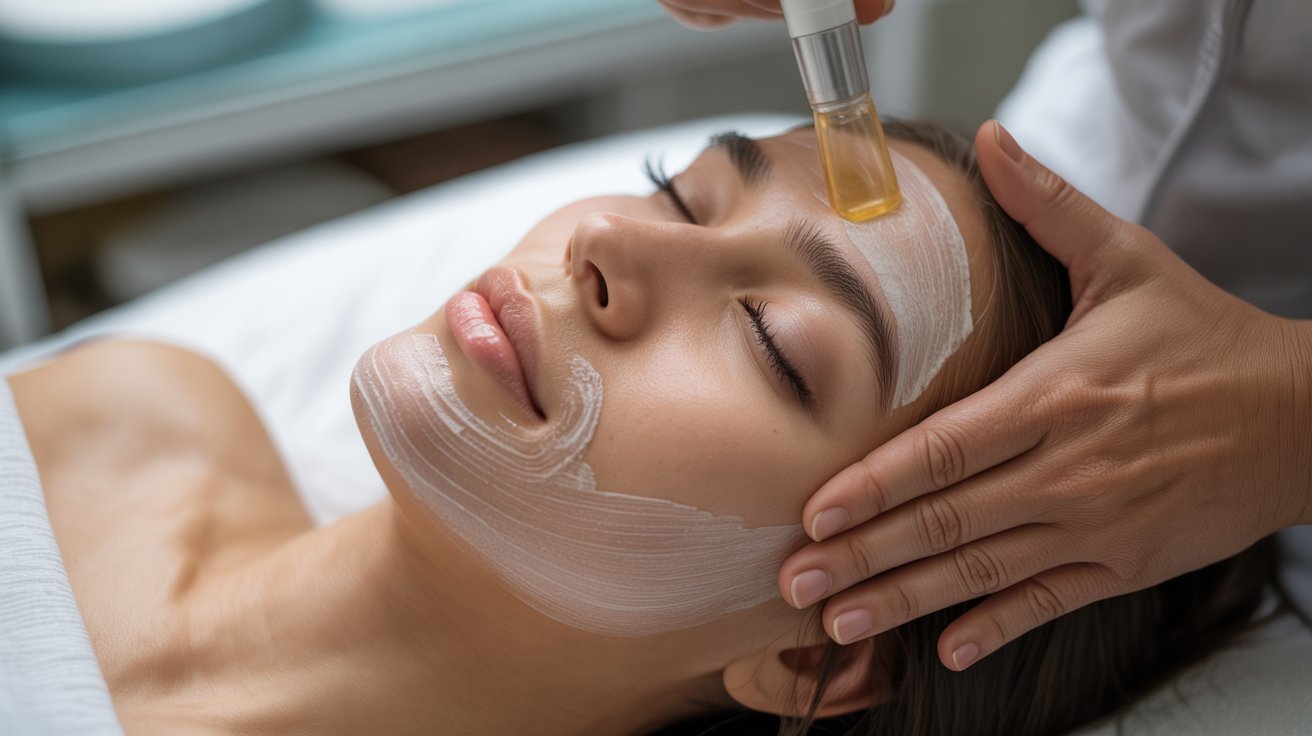
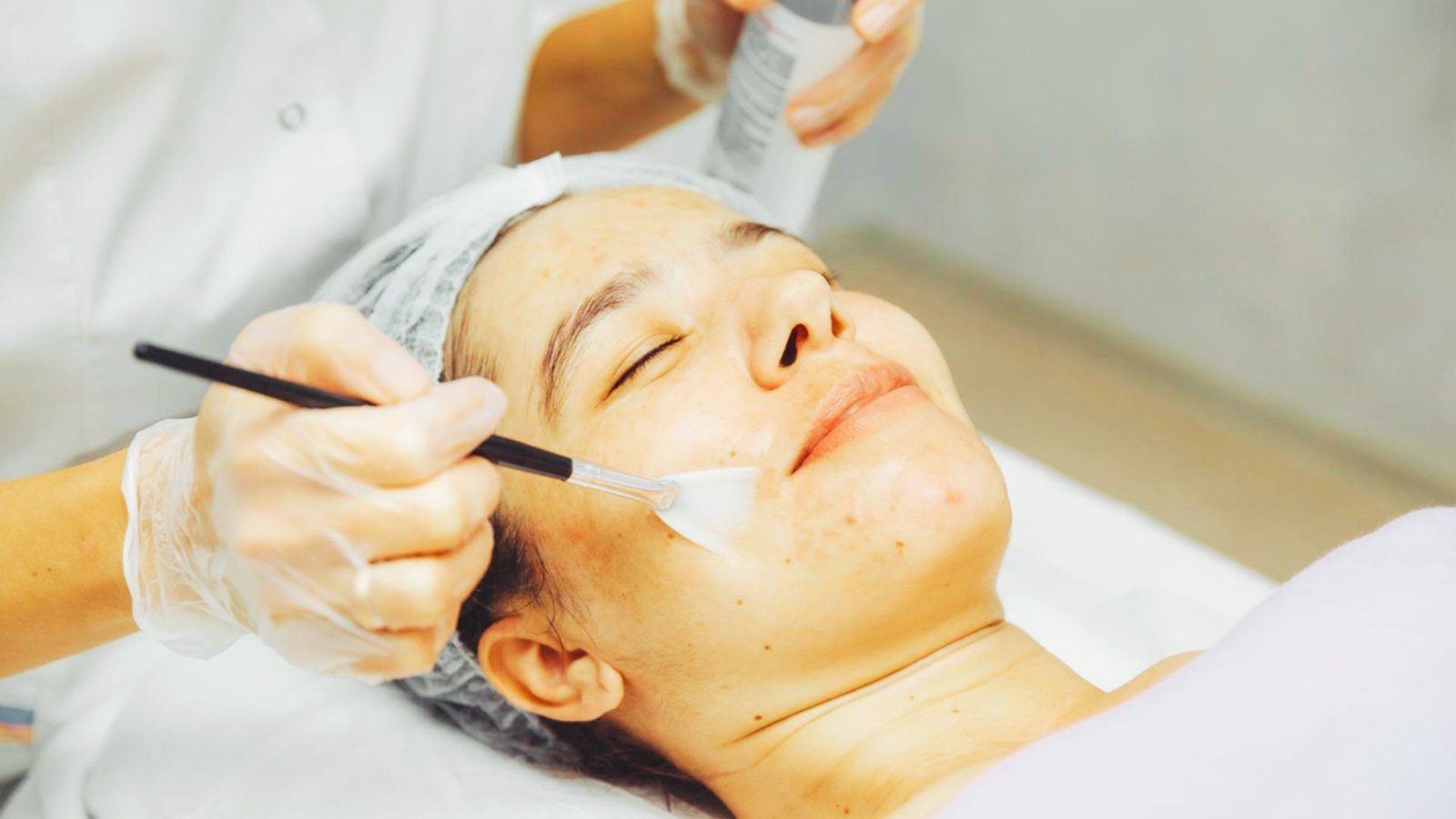
A controlled skin treatment that removes damaged outer layers to reveal healthier skin underneath through careful acid application.
A chemical peel uses acids to remove dead skin cells. The treatment breaks down bonds between skin cells. Damaged layers peel away.
Fresh skin grows in their place. The process also boosts collagen production. This means fewer fine lines and smoother texture over time.
Chemical peels help with fine lines, acne scars, dark spots, and rough texture. Light peels work on surface skin. Medium peels go deeper. Deep peels reach the deepest layers.
Each type has different recovery times and results. A professional can recommend what works best for your skin concerns.
Chemical Peel Recovery Timeline: Day by Day
Track your skin’s healing from initial redness through complete renewal as peeling progresses and fresh skin emerges gradually.
Day 1: Immediately After Treatment
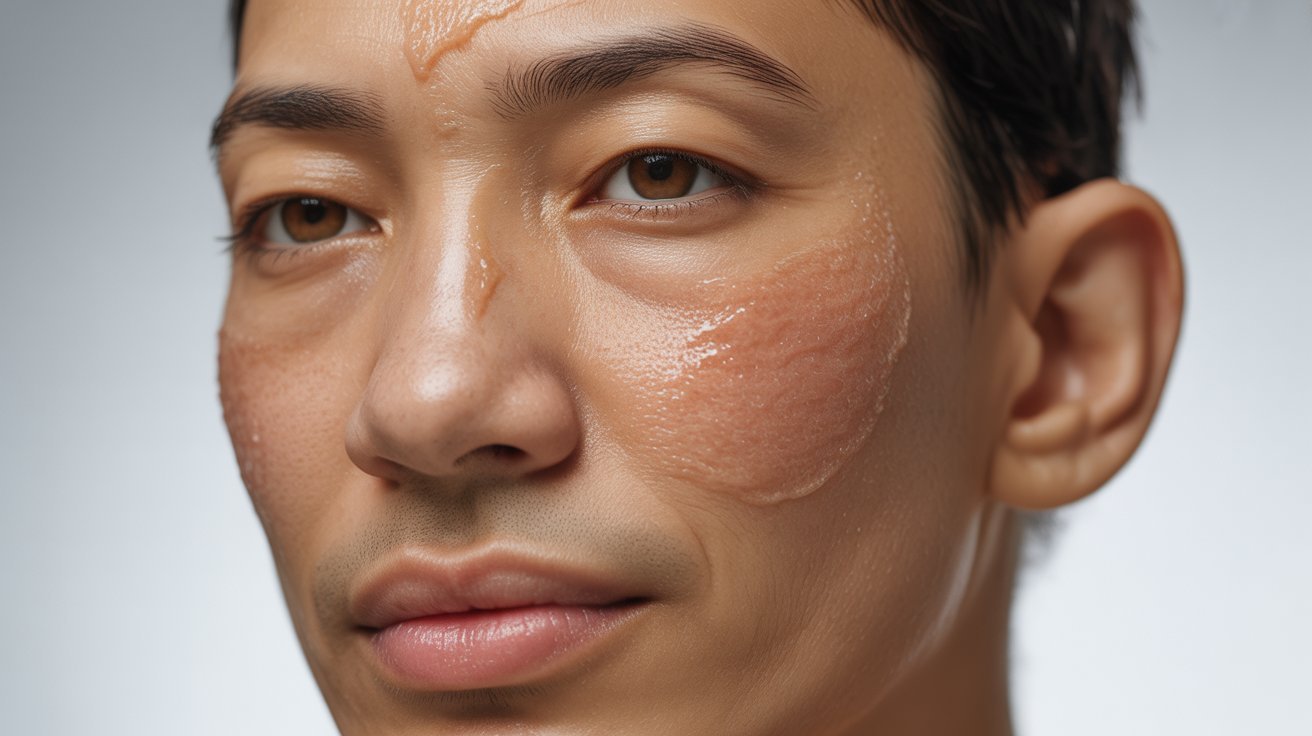
Your skin looks and feels like a mild sunburn right after treatment. Redness covers the treated area. Your face feels tight and slightly tender.
Some people notice warmth that fades within hours. Don’t touch your face more than necessary. Skip makeup completely.
Avoid harsh cleansers that will irritate your skin. A cool compress helps if tightness bothers you. Use clean, soft fabric and cool water. Pat gently. Don’t rub.
Follow every instruction your provider gave you. They know your specific peel type. Some peels need special serums or ointments that first day.
Day 2: Redness and Sensitivity Continue
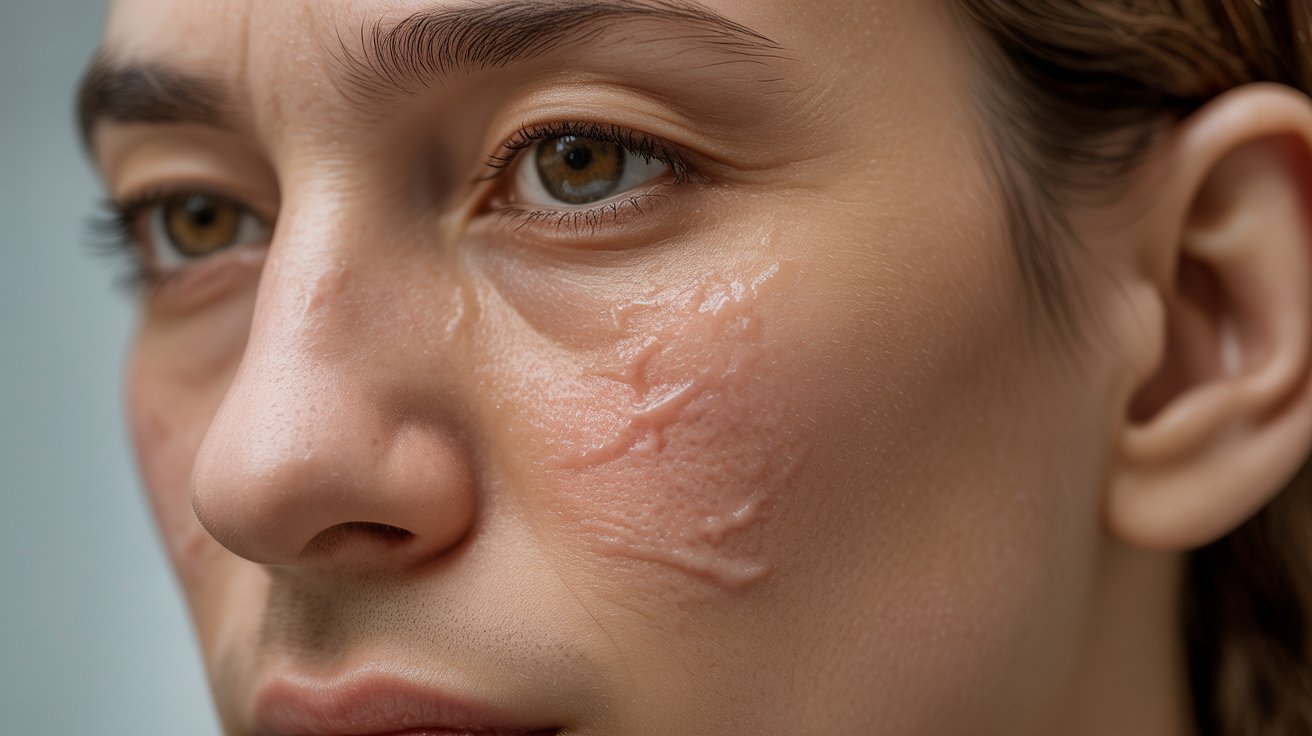
The redness sticks around on day two. Your skin still feels tight and dry. Some swelling might show up, especially around your eyes or cheeks. This is normal.
The treated areas remain sensitive to touch. Wash your face very gently. Use lukewarm water and a mild cleanser. Pat dry with a soft towel. Don’t rub.
Moisturize often throughout the day. Apply a gentle, fragrance-free moisturizer. Reapply whenever your skin feels tight. Sunscreen is non-negotiable.
Apply SPF 30 or higher if you go outside. Your new skin is extremely vulnerable to sun damage. Stay indoors when possible. Avoid friction from anything touching your face.
Days 3 to 4: Peeling Begins
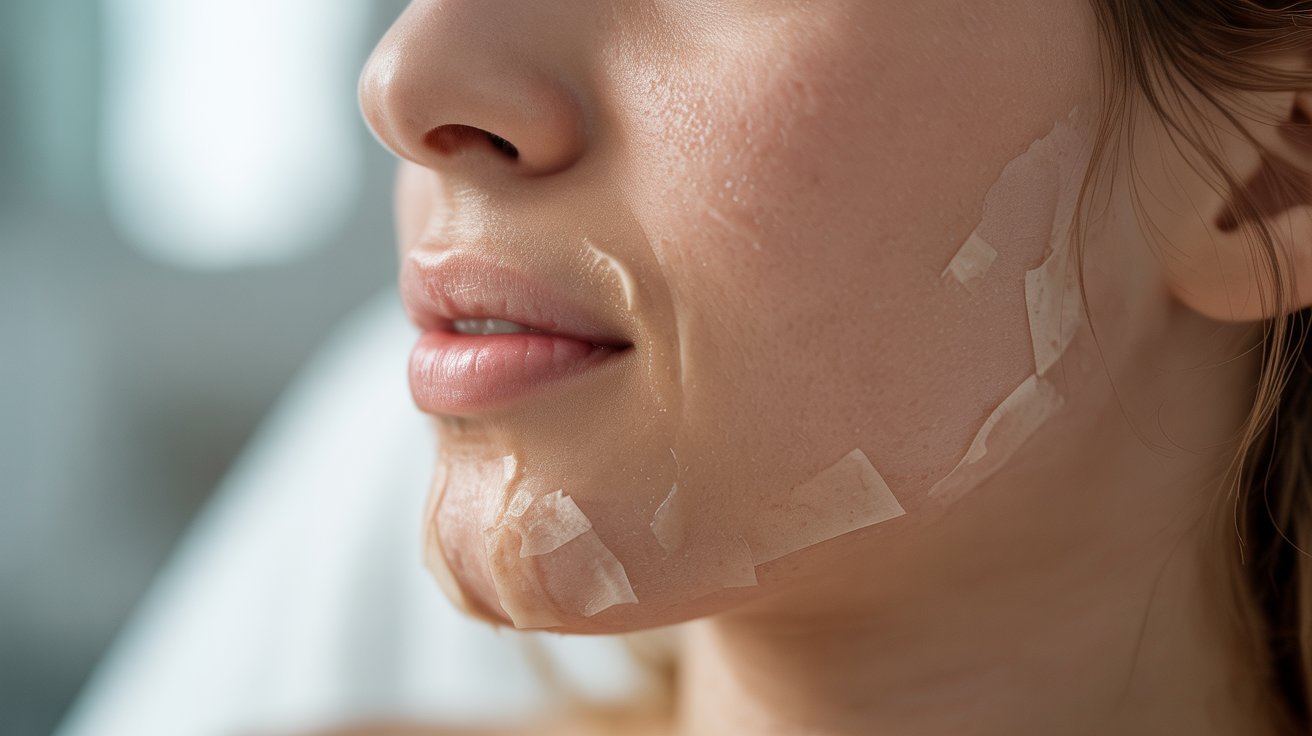
Here’s where visible peeling starts. Small flakes appear first, usually around your mouth and nose. The peeling spreads outward from there.
Your skin looks patchy as some areas peel while others don’t yet. The layers coming off are thin and papery. This is exactly what should happen.
Your skin is shedding the damaged layer. Never pick at peeling skin. I know it’s tempting. But pulling off skin before it’s ready causes scarring and uneven healing.
Let every flake fall off naturally.Keep moisturizing regularly. Continue applying gentle cleanser and SPF.
If your provider gave you a post-peel kit, use it exactly as directed. Don’t skip steps or substitute products.
Days 5 to 7: Peak Peeling
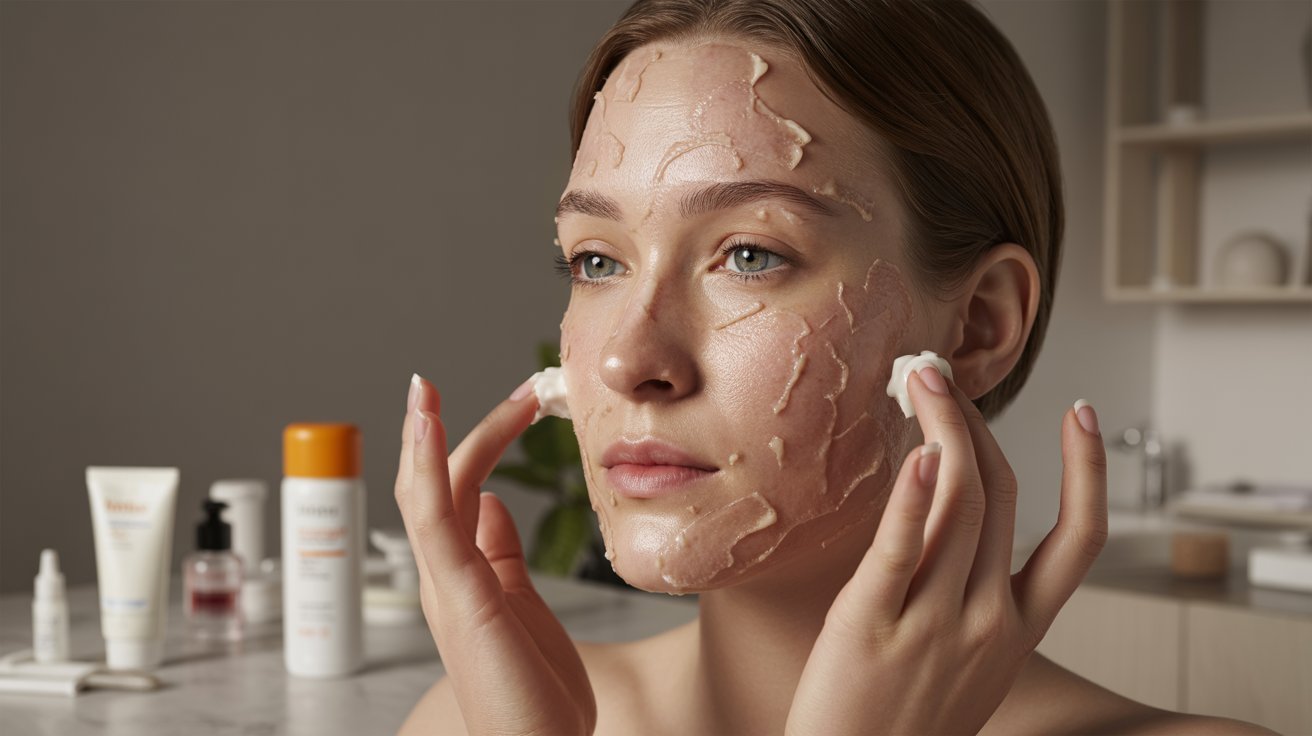
This is the heaviest peeling phase. Large sections of skin shed now. Your face might look uneven or blotchy. Some areas peel more than others. This phase looks dramatic but it’s completely normal.
Peeling skin can feel embarrassing. Plan low-key days if possible. The appearance improves soon. Apply moisturizer generously and often. Reapply every few hours.
Wear sunscreen every single day. Even cloudy days require protection. UV rays penetrate clouds and harm healing skin. Skip strenuous exercise or activities.
Sweating irritates healing skin and slows recovery. Maintain your gentle skincare routine. No scrubs, acids, or retinols. Just cleanser, moisturizer, and sunscreen.
Week 2: Healing Progress
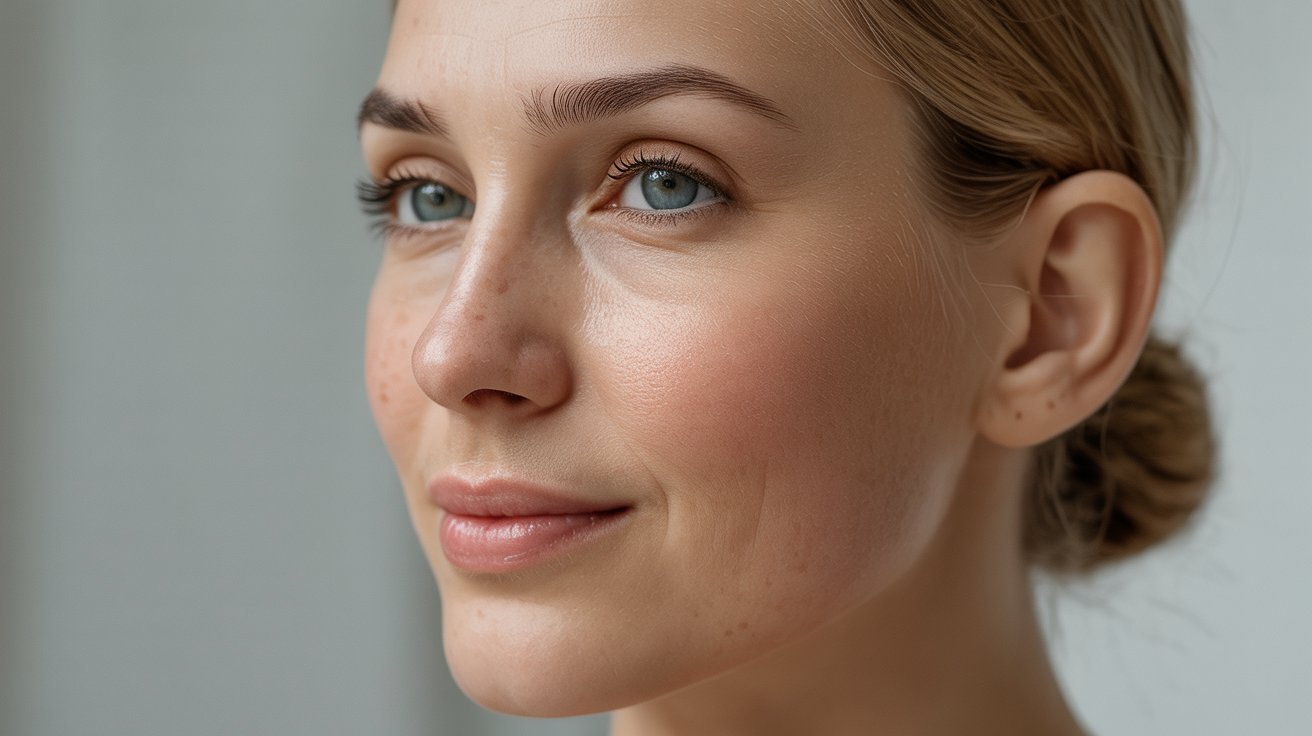
The intense peeling slows down during week two. Most flaking stops. Your new skin becomes visible underneath. It looks smoother and softer than before.
Redness fades significantly. Some pink tones might linger but they’re much lighter. Your skin feels less tight and sensitive.
Continue your gentle skincare routine. Don’t rush back to strong products yet. Your skin is still rebuilding.
Moisturizer and sunscreen remain essential. They protect your results. You can wear makeup once all peeling stops completely. Use mineral makeup if possible.
Week 3 and Beyond: Long Term Results

Your skin shows its full improvement now. The tone looks even and bright. Texture feels incredibly smooth. A healthy glow appears that wasn’t there before.
The benefits continue developing over time. Collagen production keeps increasing for weeks after peeling stops. This means ongoing improvement in firmness and fine lines.
Maintain gentle skincare habits long term. Use mild cleansers and good moisturizers daily. Sunscreen protects your results.
Sun damage can reverse the improvements from your peel. Make SPF part of your daily routine.
Some people schedule maintenance peels every few months. Talk to your provider about what schedule works for your skin goals.
Chemical Peel Aftercare Tips
Proper care after treatment protects your skin, speeds healing, and ensures the best possible results from your peel.
- Follow your provider’s instructions exactly. Skip harsh products with strong acids, retinols, or scrubbing particles until approved.
- Never scrub your face or pick at peeling skin. Use only your fingertips with gentle pressure. Picking causes scarring and uneven results.
- Moisturize multiple times daily with fragrance-free, gentle formulas. Apply whenever your skin feels tight or dry.
- Apply sunscreen every morning without exception. Avoid direct sun exposure. Wear a wide brimmed hat and seek shade when going outside.
- Skip strenuous workouts for at least a week. Drink plenty of water throughout the day to support skin healing from the inside.
When to Seek Professional Help
Most peels heal smoothly, but certain symptoms require immediate medical attention to prevent complications and ensure proper recovery.
Persistent pain that worsens requires immediate attention. Call your provider right away. Increasing swelling or swelling that spreads needs medical evaluation.
This could signal an allergic reaction or infection. Watch for severe burning, excessive blistering, pus formation, or any bleeding.
These need treatment. Redness lasting much longer than predicted is concerning. Developing scars during recovery also requires immediate attention.
If anything feels wrong, contact your provider. Trust your instincts about your body.
Conclusion
The chemical peel process day by day brings changes you can see and feel. From that first flush of redness to the final glow weeks later, your skin goes through a real renewal.
I’ve watched my own skin change after peels, and the patience really pays off. Yes, the peeling phase feels awkward, but that smooth texture afterward makes it worthwhile.
Follow your aftercare steps carefully and protect that new skin with sunscreen daily. Ready to start your peel process? Talk to a skincare professional about which peel fits your needs best.
Frequently Asked Questions
How long does a chemical peel take to heal completely?
Light peels heal in about 7 days. Medium peels need 14 days for full recovery. Deep peels can take several weeks to heal completely depending on intensity.
Can I wear makeup during the peeling process?
Wait until all peeling stops completely before applying makeup. Usually this means avoiding makeup for 5 to 7 days after a light peel, longer for deeper treatments.
Is it normal for peeling to happen unevenly?
Yes, uneven peeling is completely normal. Different areas of your face have varying skin thickness and sensitivity. The mouth and nose areas typically peel first.
What happens if I accidentally pick at peeling skin?
Picking can cause scarring, infection, and uneven skin tone. If you accidentally pick, apply antibiotic ointment if recommended by your provider and keep the area moisturized.
How soon can I exercise after a chemical peel?
Avoid strenuous exercise for at least one week after treatment. Light walking is fine, but activities that cause heavy sweating should wait until peeling stops completely.