Different Types of Botox Explained: Which One Lasts Longer?


You’ve probably heard the word “Botox” thrown around everywhere.
I remember the first time I considered getting injections, I thought Botox was the only option out there.
But here’s what surprised me: Botox is just one brand name among many neurotoxin products available today.
The market now offers several FDA-approved options, each with its own benefits.
I’ve learned that understanding the different types of botox can help you make a smarter choice for your needs.
In this guide, I’ll walk you through the various products, how they differ, and what you should consider before booking your appointment.
Let’s get started.
What Are Botox-Type Neurotoxins?

All these injectable treatments contain botulinum toxin type A. This ingredient works by blocking nerve signals that tell your muscles to contract.
When those signals stop, the muscles relax and your wrinkles soften.
You’ll typically see these products used on forehead lines, crow’s feet, and frown lines between the eyebrows.
But they’re not just for cosmetics. Doctors also use them to treat migraines, excessive sweating, and muscle spasms.
Here’s the interesting part: every product on the market uses the same active ingredient. The differences come down to how each company formulates their version.
Different Types of Botox on the Market
Let me break down the main options you’ll find at most medical spas and dermatology offices.
Botox Cosmetic

Allergan makes this product, and the FDA approved it back in 2002.
It’s the most well-known name in the industry, which is why people often use “Botox” to describe all neurotoxin treatments.
You’ll need to wait 7-14 days to see your full results with Botox Cosmetic. The effects typically last 3-4 months before you need another treatment.
The FDA has approved it specifically for treating frown lines, forehead wrinkles, and crow’s feet around your eyes.
Most providers have extensive experience with this product, which can be a real advantage.
Dysport
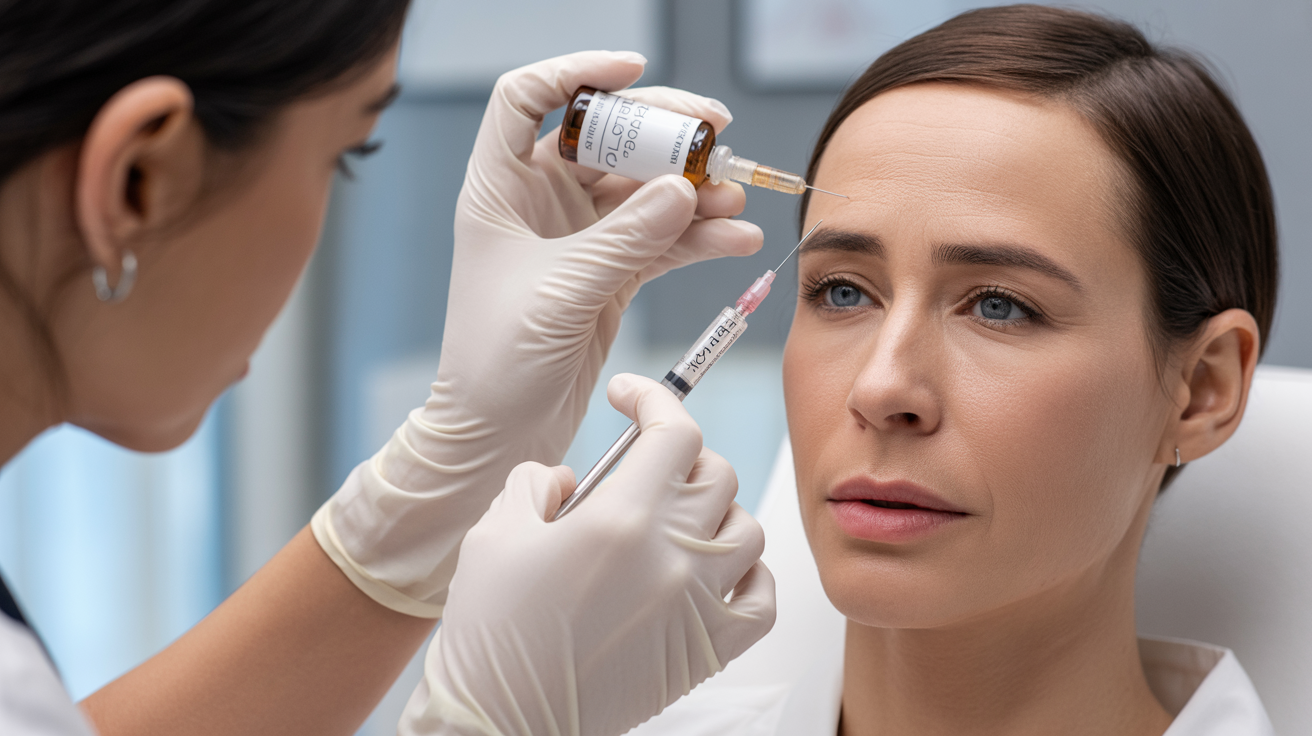
Galderma manufactures Dysport, which got FDA approval in 2009.
I’ve noticed that many people prefer this option for treating larger areas like the forehead because it spreads more than other products.
The results show up slightly faster than Botox Cosmetic, usually within 2-5 days.
You’ll need more units of Dysport compared to Botox, but each unit costs less. The math often works out to a similar total price.
One important note: Dysport contains lactose. If you have a dairy allergy, you’ll want to skip this one and choose another product instead.
Xeomin

Merz makes Xeomin, which received FDA approval in 2011. This product stands out because it contains no additives.
That makes it the purest form of botulinum toxin type A available. You don’t need to refrigerate Xeomin, which sets it apart from other options.
Some doctors call it the “naked” neurotoxin because it lacks the extra proteins found in other formulas.
This can be helpful if you’ve developed resistance to other products over time. Results appear in 5-7 days and last about 3-4 months.
Jeuveau
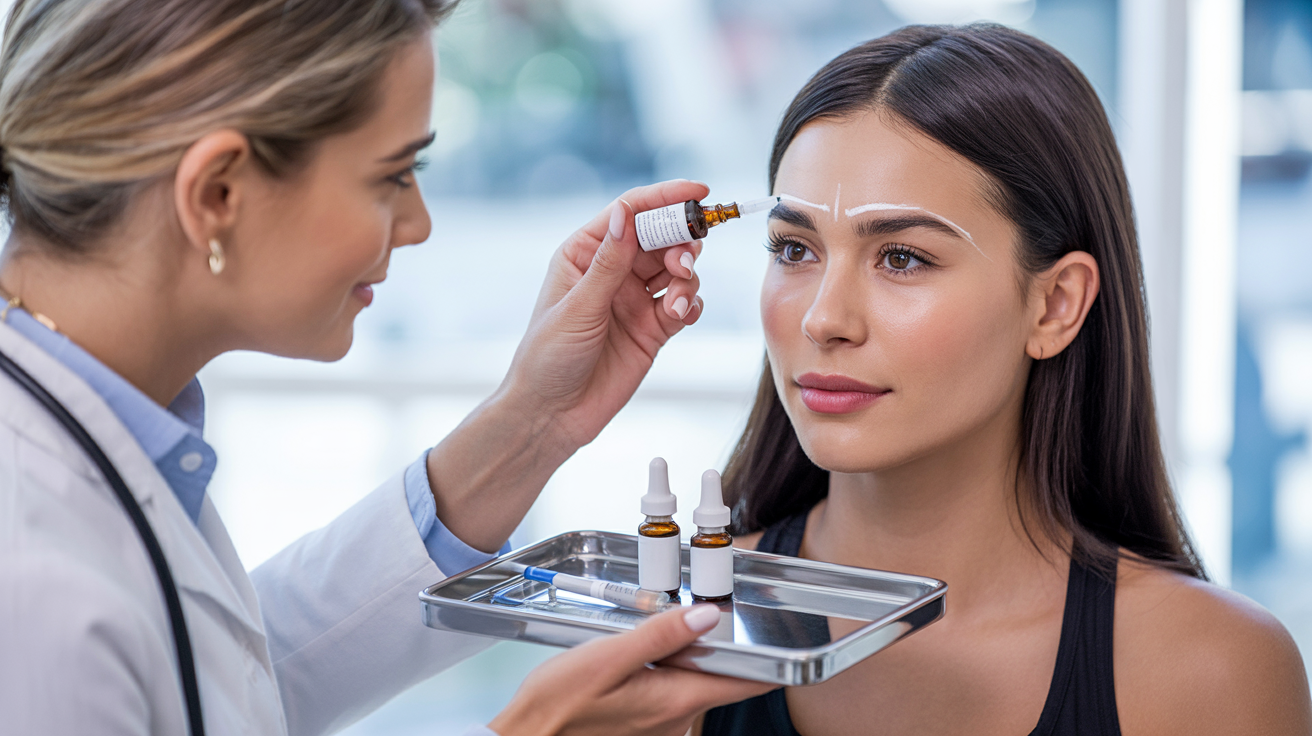
Evolus brought Jeuveau to market in 2019, making it the newest addition until recently.
The FDA approved it exclusively for cosmetic use, which makes it different from products that also treat medical conditions. Jeuveau targets frown lines between your eyebrows specifically.
You’ll see results within 2-10 days, and they last the standard 3-4 months. Some people call it the “Instagram Botox” because the company marketed it heavily on social media.
The formulation is very similar to Botox Cosmetic, and many injectors say the results look nearly identical.
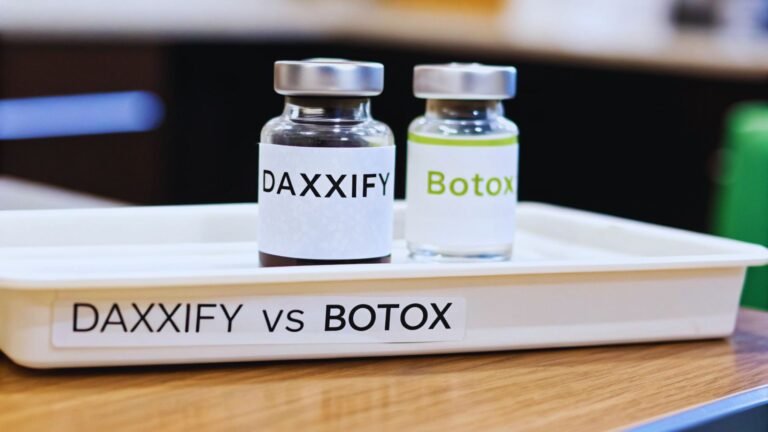
Daxxify

This product takes a completely different approach to formulation. Instead of using proteins like other neurotoxins, Daxxify contains a peptide.
That change makes the results last significantly longer. You can expect Daxxify to last 6-9 months instead of the usual 3-4 months.
For people who want fewer appointments throughout the year, this extended duration makes a big difference.
The product contains no human or animal byproducts, which some patients prefer. It’s still a newer option, so not all providers offer it yet.
Letybo

Letybo just received FDA approval in 2024, making it the newest addition to the U.S. market.
The formulation includes similar proteins to what you’ll find in Dysport and Jeuveau. Clinical trials have shown it’s both safe and effective for treating frown lines.
Since it’s so new, you might not find it at every clinic yet. Many providers are still getting trained on how to use it properly.
Early reports suggest it works similarly to other different types of botox in terms of onset time and duration.
How These Products Differ From Each Other
All these neurotoxins contain botulinum toxin type A, but small formulation changes create real differences in how they work.
|
Product |
Onset Time |
Duration |
Key Feature |
|
Botox Cosmetic |
7-14 days |
3-4 months |
Most established brand |
|
Dysport |
2-5 days |
3-4 months |
Spreads more, covers larger areas |
|
Xeomin |
5-7 days |
3-4 months |
No additives, purest form |
|
Jeuveau |
2-10 days |
3-4 months |
Designed for cosmetic use only |
|
Daxxify |
Similar to others |
6-9 months |
Longer-lasting results |
|
Letybo |
Similar to others |
3-4 months |
Newest FDA-approved option |
The protein versus peptide content affects how long results last. Products with more proteins may spread differently than those with fewer additives.
Your body’s metabolism also plays a role in how long results stick around. Dosage varies significantly between products.
For example, you need about 2.5-3 times more units of Dysport to get the same effect as Botox.
Cost per unit doesn’t tell the whole story. You need to calculate the total units required and how long results last to understand the true value.
A product that costs more per unit but lasts twice as long might actually save you money.
Your individual body chemistry matters more than you might think. Finding the right match among different types of botox takes some trial and experience.
Tips for Choosing the Right Neurotoxin Treatment
Picking the right product doesn’t have to feel overwhelming. I recommend starting with a consultation where you can ask detailed questions.
Consider these factors when making your decision:
- Find a qualified, experienced provider who works with multiple products regularly
- Discuss your specific goals and which areas you want to treat
- Think about the treatment area size because larger zones might benefit from products that spread more
- Ask about your provider’s experience with each of the different types of botox available
- Mention any allergies, especially if you have issues with dairy products
- Talk about your budget and how long you want results to last
- Stay open to trying alternatives if your first choice doesn’t give you the results you hoped for
- Don’t choose based solely on name recognition since newer products work just as well
Your provider’s skill matters more than the brand name. An experienced injector can get great results with any of these products.
They’ll know the right dosage, injection points, and technique for each formula. I’ve found that good providers will recommend what works best for your facial anatomy.
Conclusion
The world of neurotoxin treatments goes way beyond just one brand name.
You now have access to multiple FDA-approved options, each with slight differences in formulation and performance.
Finding the right fit among different types of botox comes down to your individual needs, anatomy, and goals.
I encourage you to schedule a consultation with a qualified provider who can evaluate your concerns and recommend the best option.
Frequently Asked Questions
Can I Switch Between Different Neurotoxin Brands?
Yes, you can safely switch between brands. Many people try different options to find what works best for their body. Your provider can guide you through the process of switching products.
Are Neurotoxin Injections Safe for All Skin Types?
All skin types can safely receive neurotoxin injections. The treatments work on muscles beneath the skin, so your skin tone doesn’t affect safety or effectiveness. Talk to your provider about any concerns.
How Much Does Each Treatment Typically Cost?
Prices range from $10-20 per unit depending on the product and your location. A full treatment might cost $200-800 based on areas treated and units needed. Daxxify typically costs more due to longer-lasting results.
What Should I Avoid After Getting Neurotoxin Injections?
Skip intense exercise, lying down flat, and touching the treated area for 4 hours after your appointment. Avoid alcohol for 24 hours and don’t massage the injection sites. These precautions help prevent product migration.
Can These Treatments Help With Medical Conditions Beyond Wrinkles?
Yes, doctors use these products to treat chronic migraines, excessive sweating, overactive bladder, and muscle spasms. Some different types of botox have FDA approval for medical conditions while others are cosmetic-only options.