Different Types of Waxes: Complete Waxing Guide

The choice between different types of waxes can become confusing. I get it. I spent years trying different techniques to find what’s effective.
The right wax is the difference between smooth skin or painful regret.
Some waxes work better on sensitive skin than others. Others work better on thick, coarse hair with relative ease. I’ll explain all types of waxes, from soft wax to sugar wax, in this guide. You’ll understand which wax is best for your skin type.
I’ll also cover bikini wax styles, preparing your skin properly, and when it’s best to go to a professional instead of doing it yourself.
It is my hope that you will understand which wax to pick by the end of this guide for comfort and long-lasting results.
No more guessing or spending money on the wrong products.
What Is Waxing?
Understanding the basics helps you get better results and feel more confident about the process.
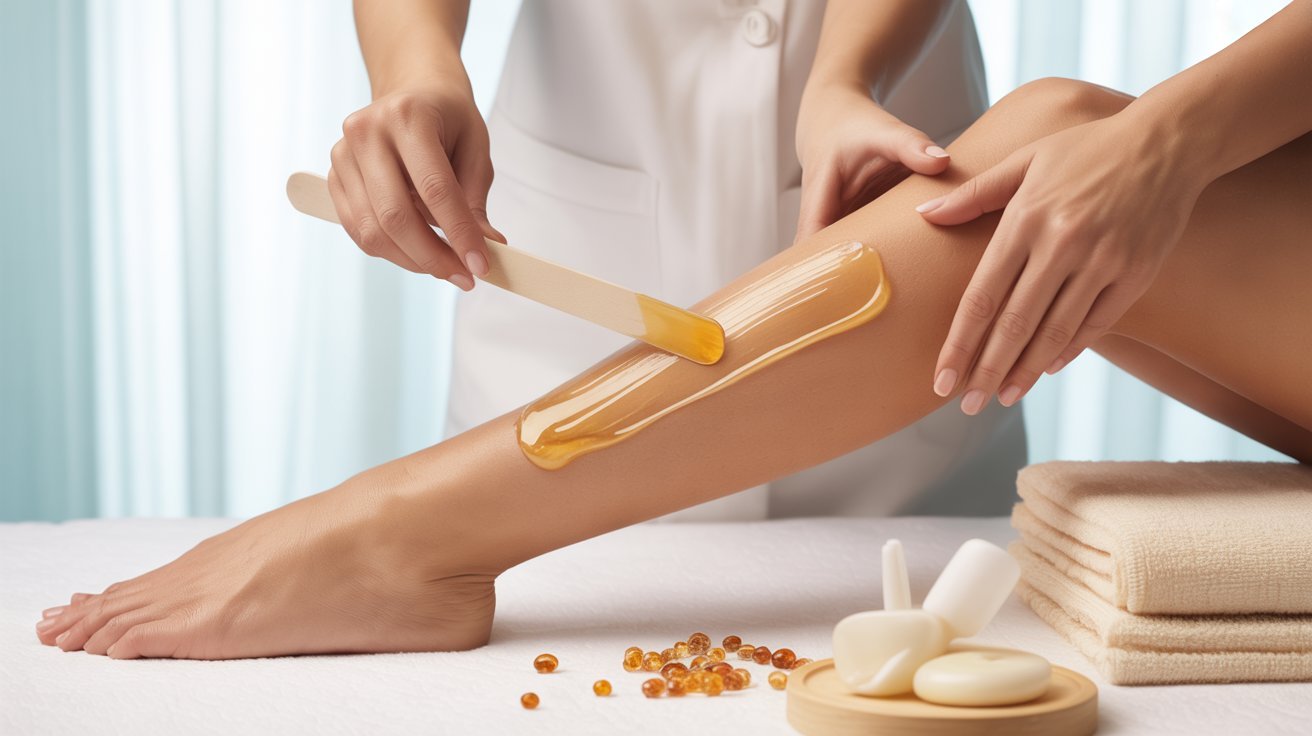
Waxing pulls hair out from the root using either warm or cold wax. The wax sticks to your hair, and when you remove it, the hair comes out completely. This differs from shaving, which just cuts hair at the surface.
The results last much longer than shaving. Most people stay smooth for 3 to 6 weeks. Your hair also grows back finer and softer over time. Shaving can leave stubble within days, but waxing keeps you smooth for weeks.
Another bonus: waxing removes dead skin cells while taking out hair. Your skin feels softer afterward. You’ll deal with less irritation and fewer ingrown hairs compared to razors. Plus, you save time in the long run since you’re not shaving every other day.
5 Different Types of Waxes
Each wax type has unique benefits, so knowing your options helps you pick what works for your body.
Soft Wax (Strip Wax)
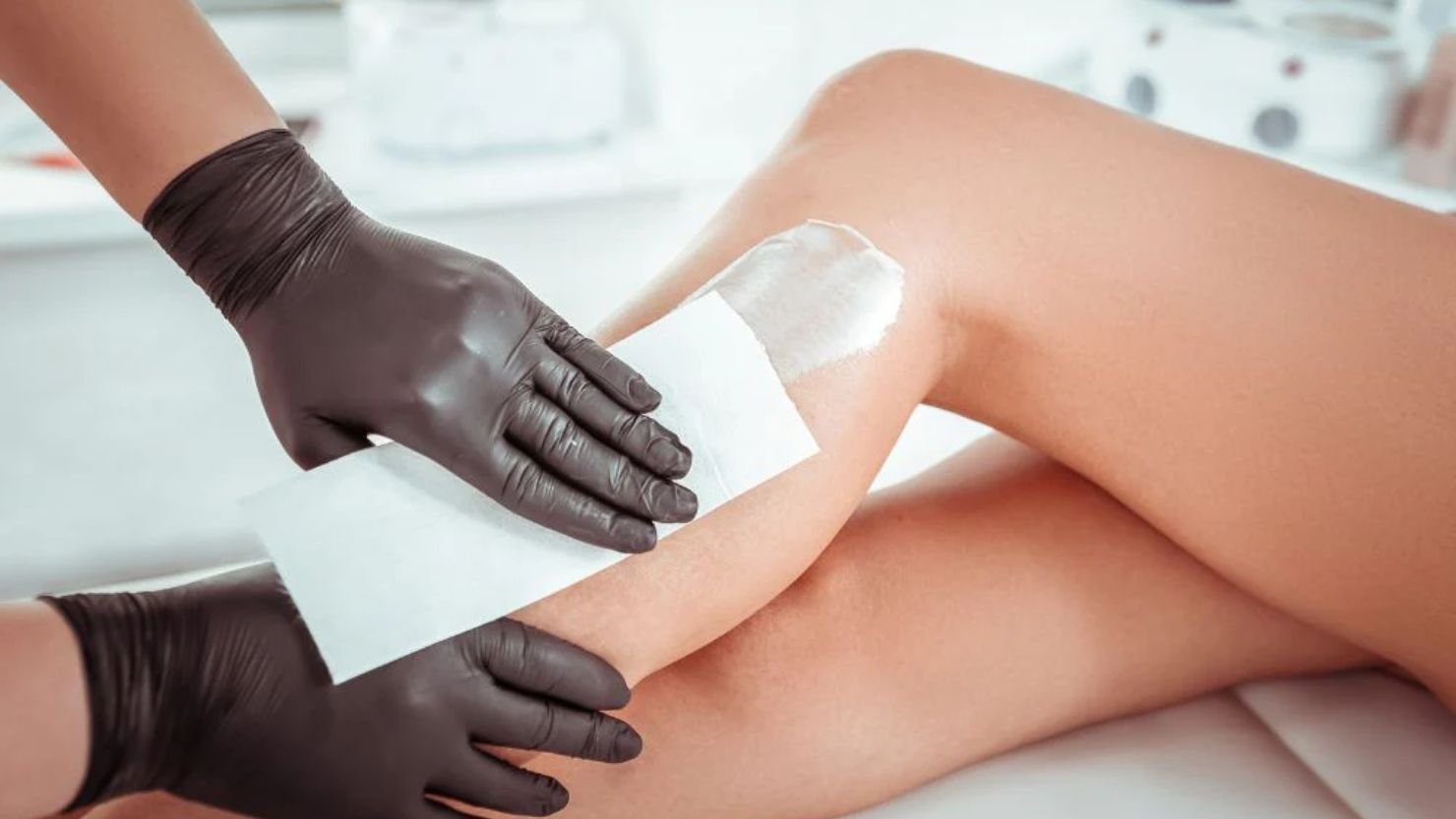
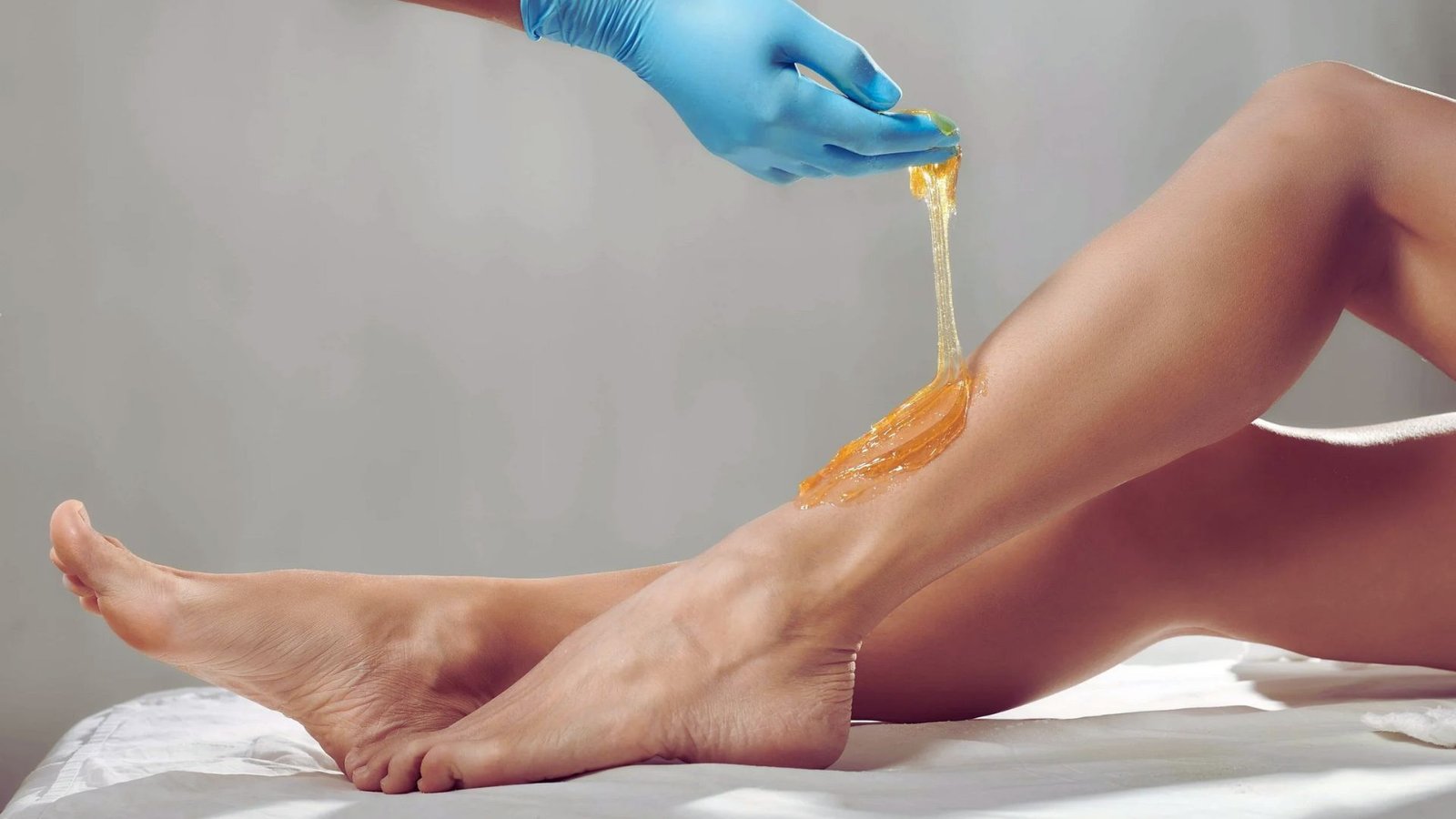
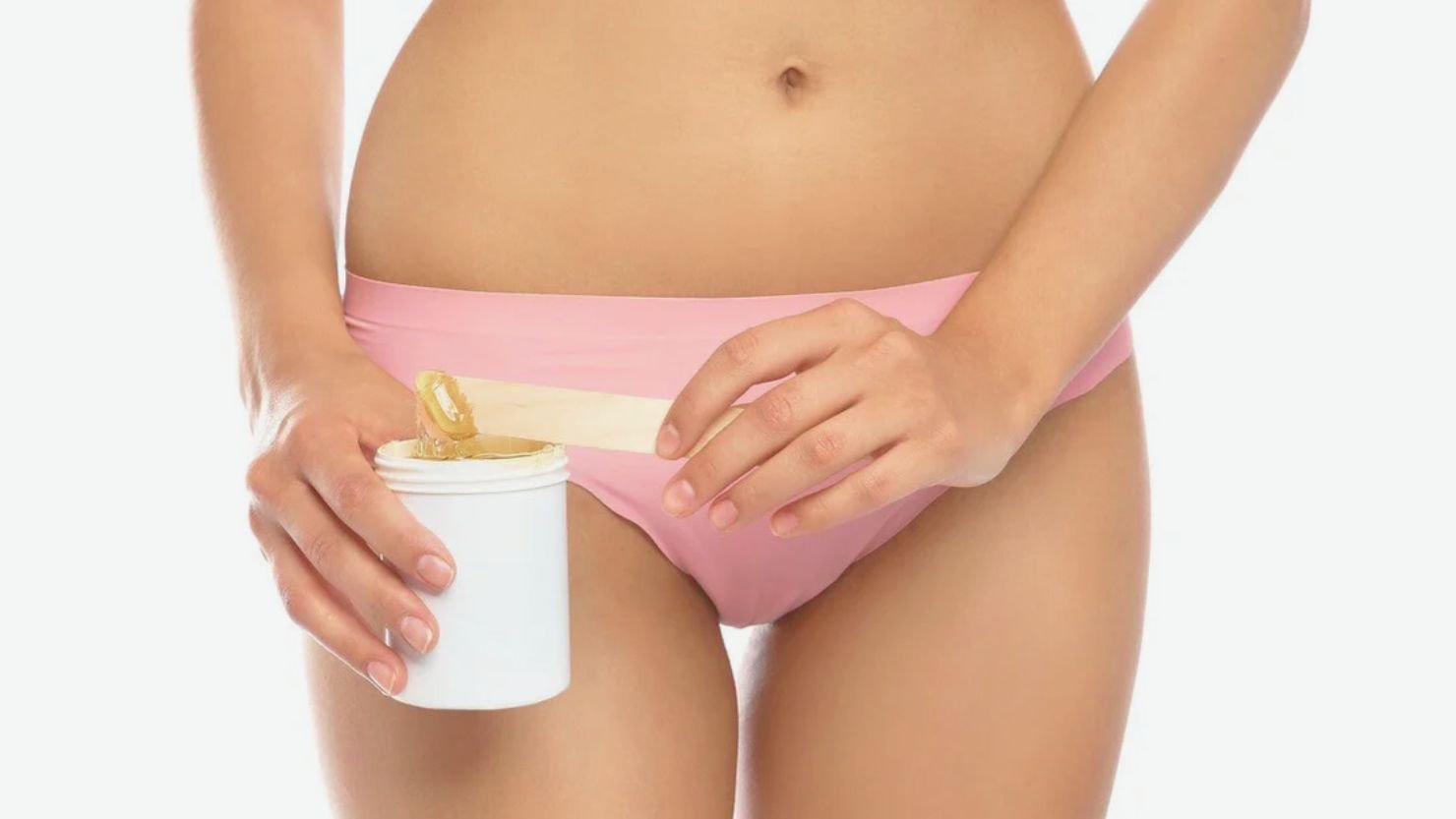
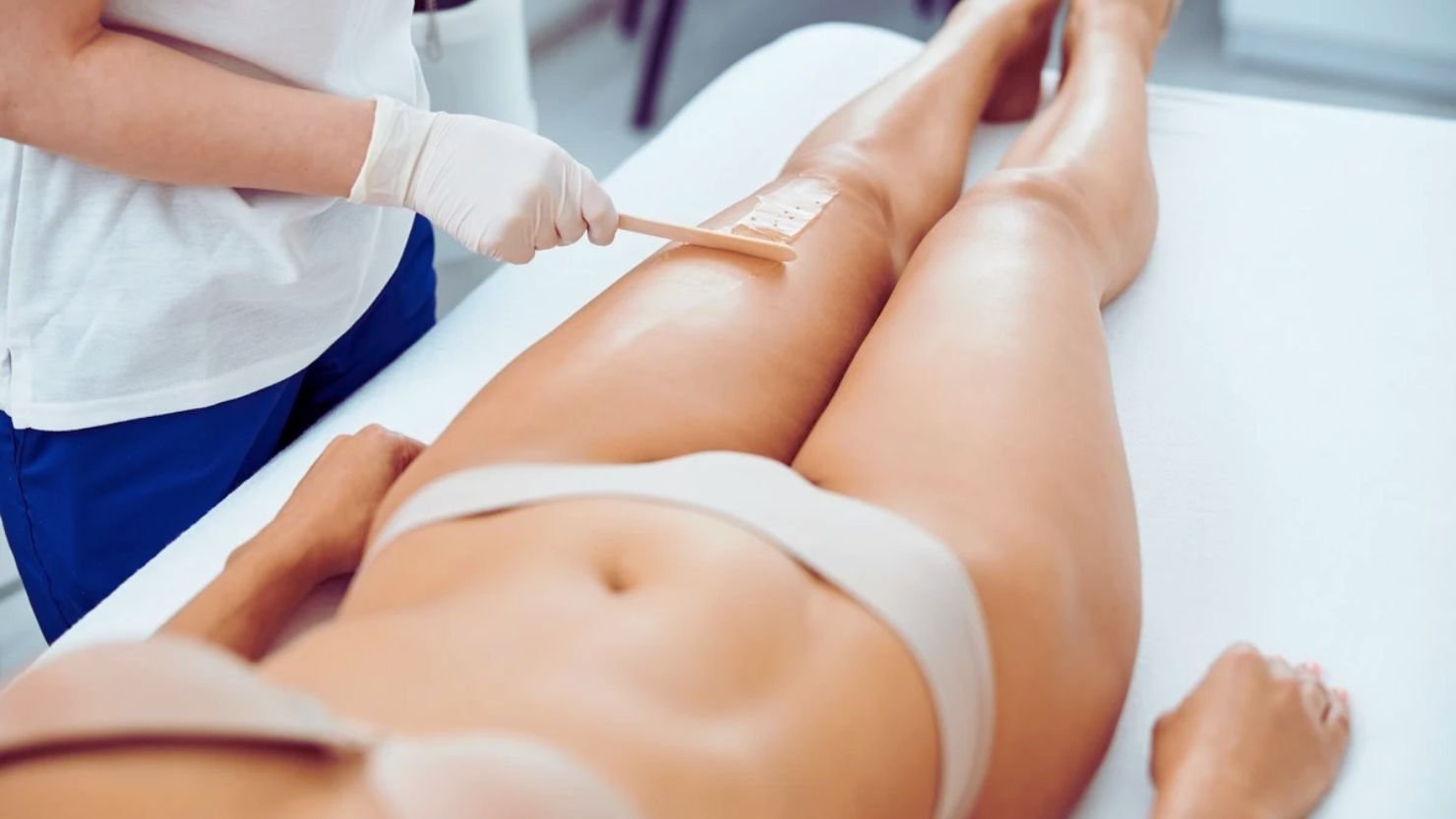
Soft wax gets spread on your skin in a thin layer. Then you press a cloth or paper strip on top. When you pull the strip off quickly, the wax and hair come with it.
This type works great for large areas like your legs, arms, or back. You can cover more ground quickly. One thing to note: soft wax sticks to both hair and skin, so don’t go over the same spot twice.
Hard Wax (Hot Wax)
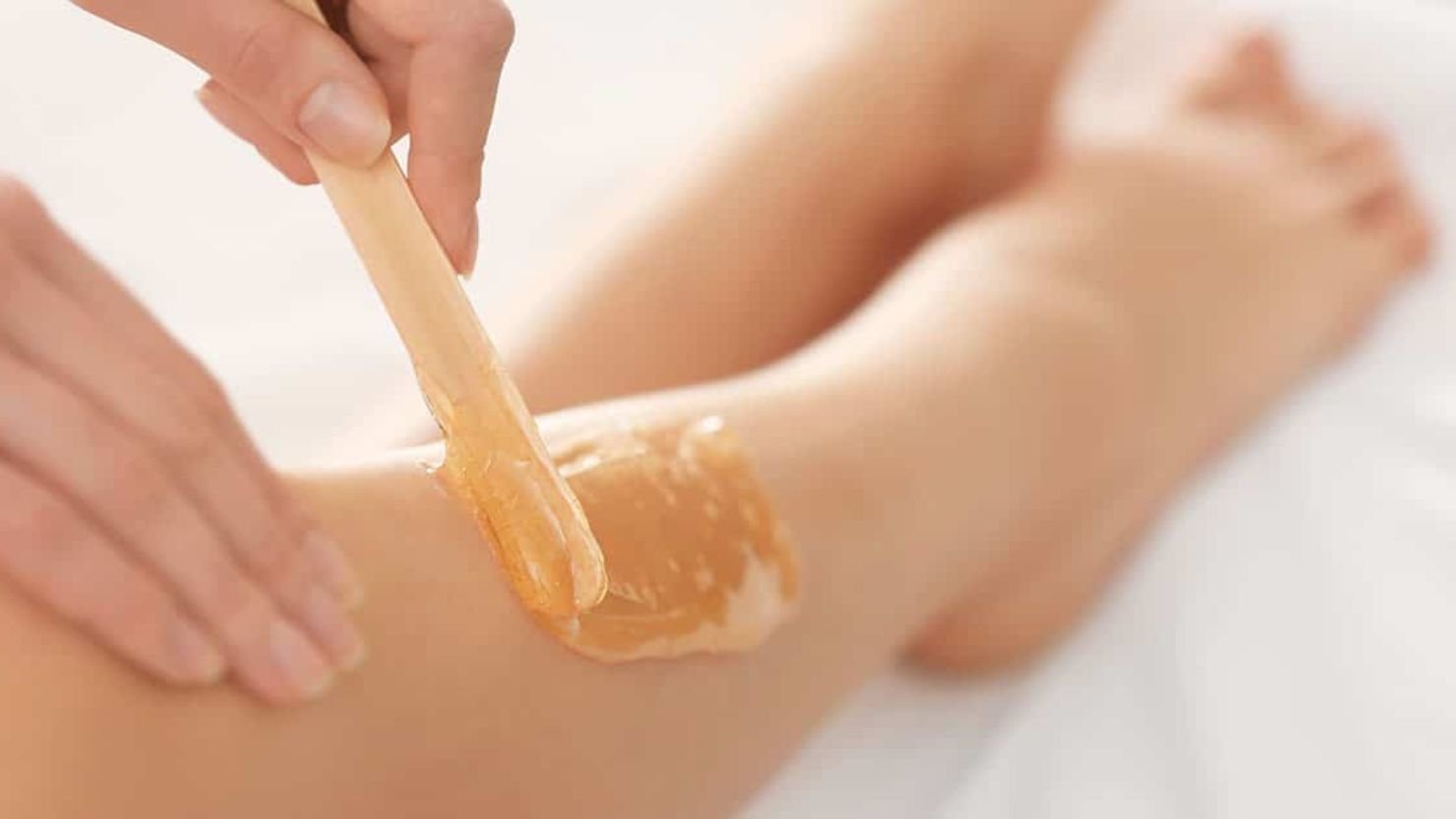
Hard wax gets applied warm and hardens as it cools. Then you just pull it off without strips. The wax only sticks to hair, not skin.
This makes hard wax perfect for sensitive areas like your face, underarms, and bikini zone. It hurts less and you can go over the same area if needed. The downside? It takes more time since you work in smaller sections.
Sugar Wax
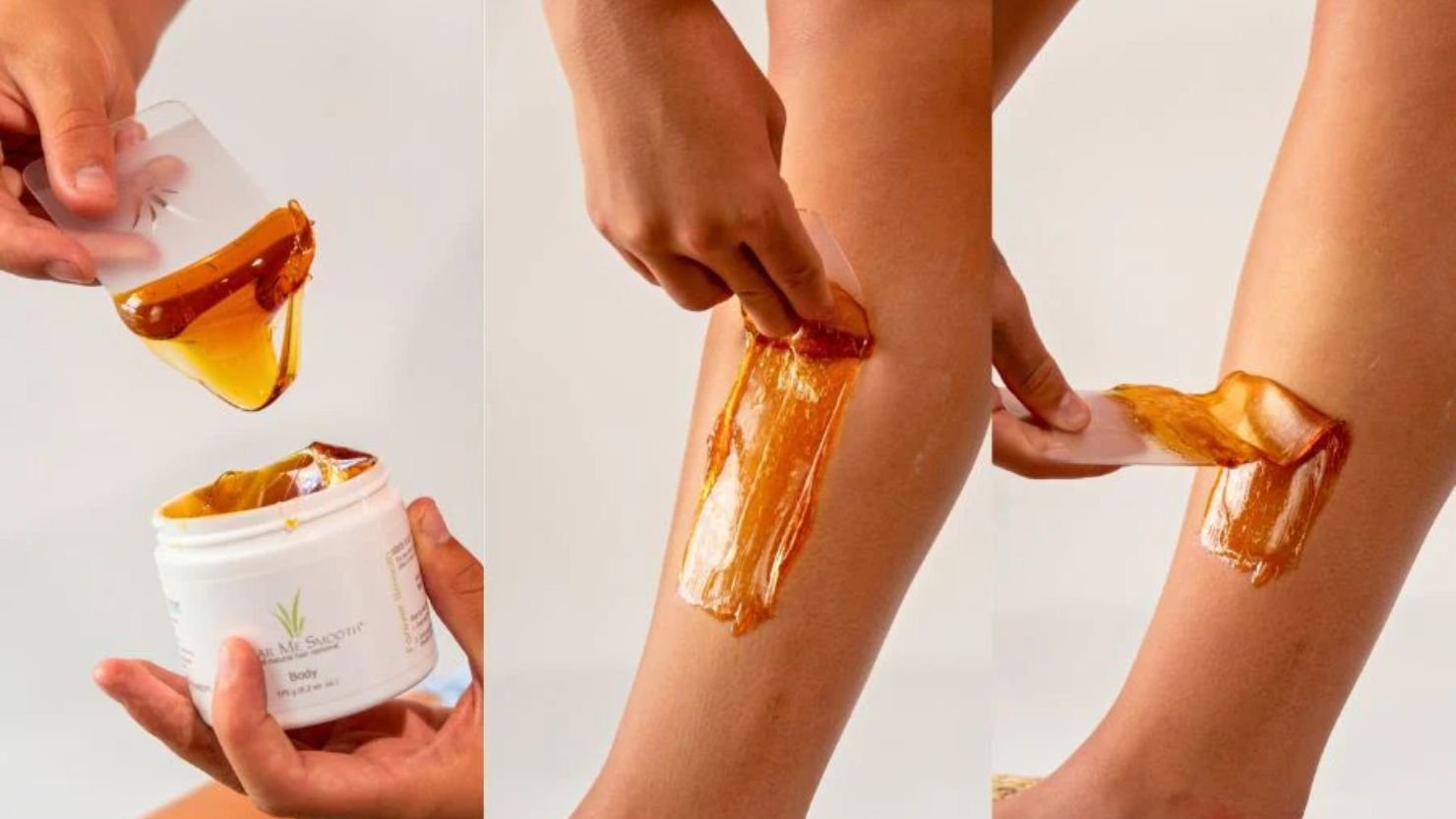
Sugar wax is made from just three ingredients: sugar, lemon juice, and water. No chemicals or additives.
You can apply it at room temperature or slightly warm. It’s gentle on skin, cleans up easily with just water, and is better for the environment since everything is biodegradable.
Fruit Wax
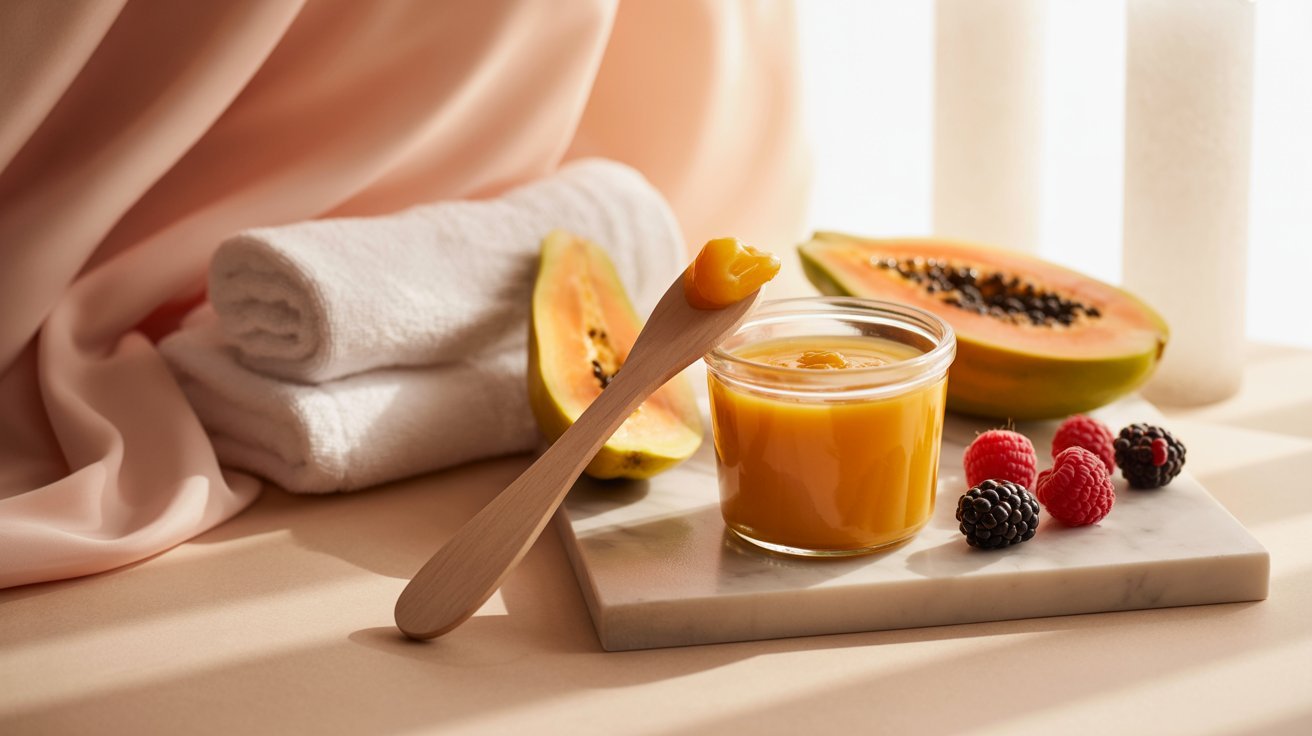
Fruit wax contains natural extracts from berries, papaya, or other fruits. These help exfoliate dead skin and nourish while you wax.
If you have sensitive or reactive skin, fruit wax is a solid choice. The natural components reduce inflammation and your skin feels pampered.
Pre-Made Wax Strips
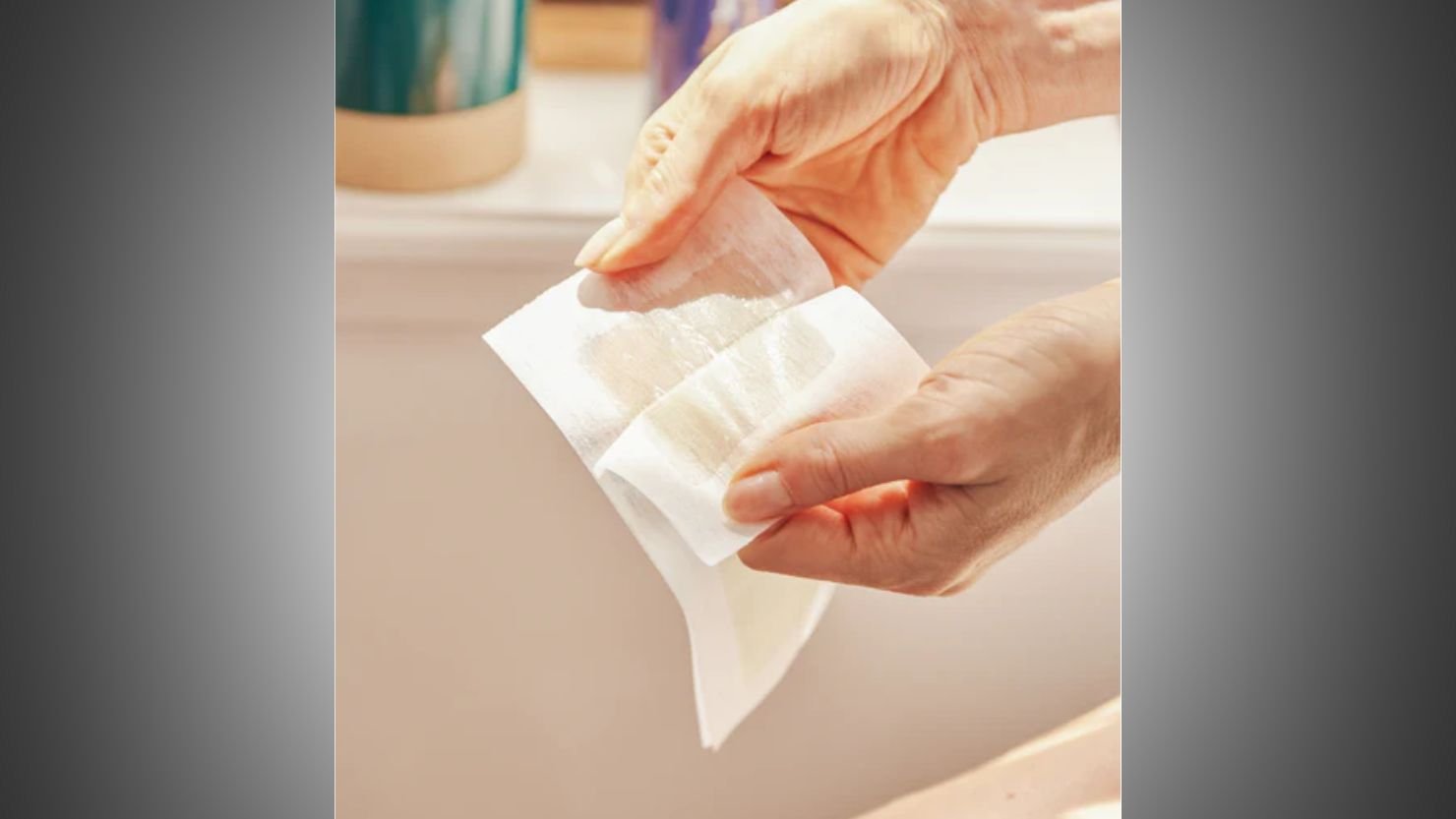
These come ready to use right out of the box. Warm them between your hands, press them on, and pull them off. No heating or mixing required.
They’re great for quick touch-ups, beginners, and travel. Work well on smaller areas like your upper lip or eyebrows.
5 Popular Bikini Wax Styles
Knowing the different styles helps you ask for exactly what you want at the salon.
Basic Bikini Wax
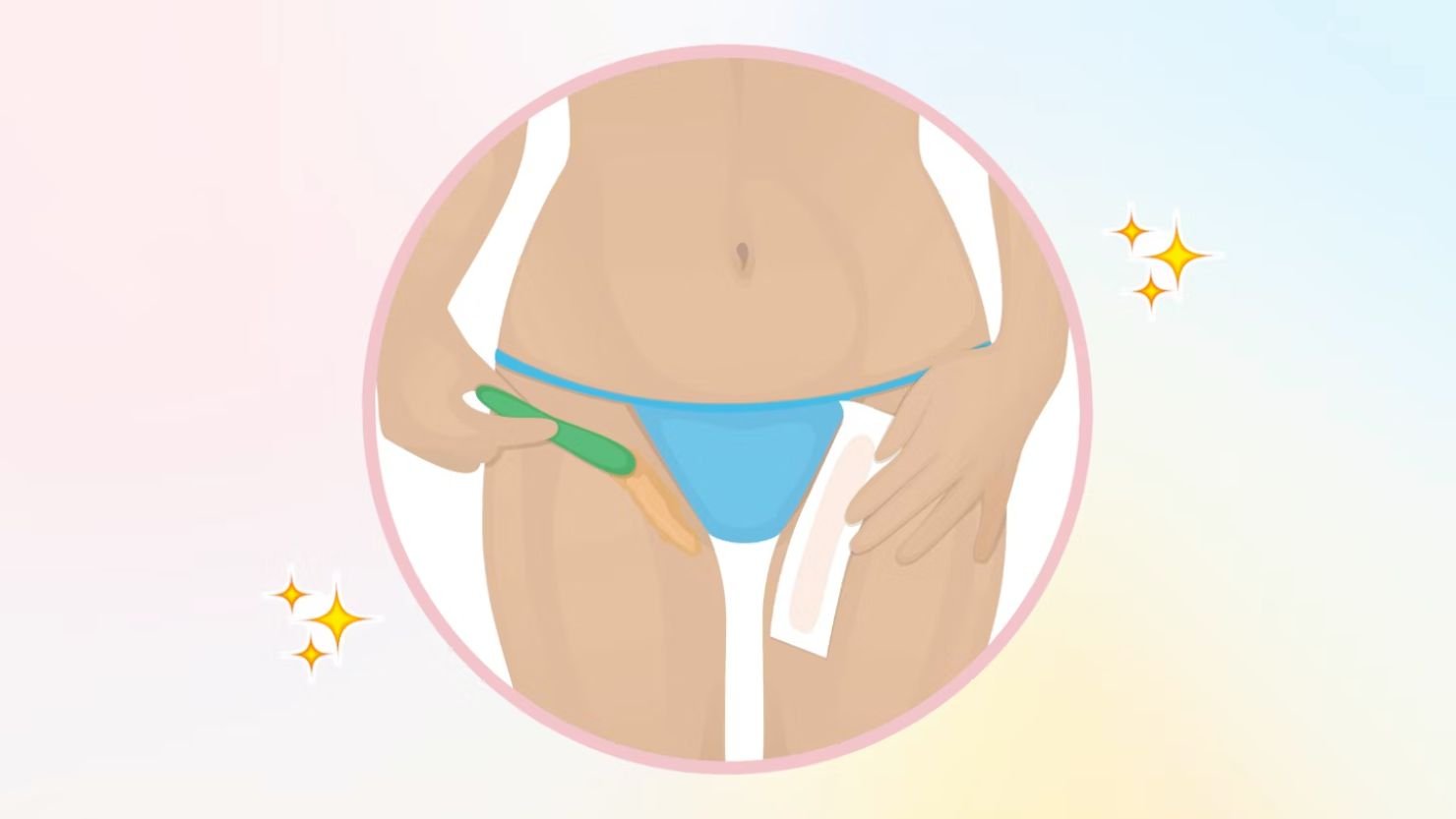
This removes hair along your bikini line. Any hair that would show from regular underwear or a swimsuit gets taken off. The rest stays natural.
It’s a good starting point for beginners. The process is quick and not too uncomfortable.
G-String Bikini Wax
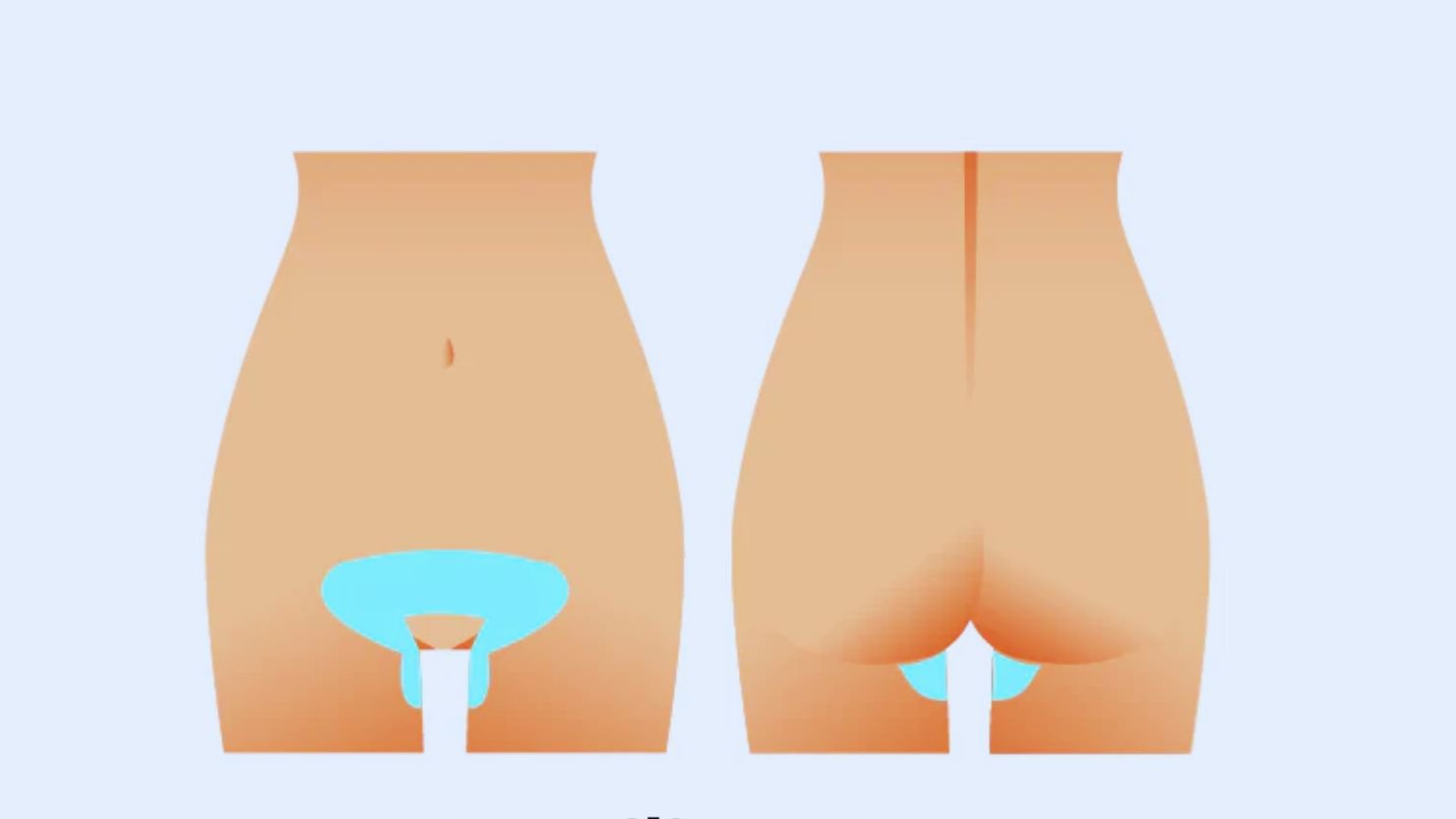
This goes further than the basics. You lose more hair in the front and back. Think coverage for smaller underwear or string bikinis.
You’re still keeping some natural hair, just less of it. People who want more than basic but aren’t ready for a full Brazilian often choose this.
Brazilian Wax
A Brazilian removes almost everything. Most people leave a small strip or shape in the front. The back gets completely cleared.
You’ll need to get into different positions during treatment. It takes about 30 to 45 minutes. Yes, it’s uncomfortable, but it gets easier each time as hair grows back finer.
Hollywood Wax
This is full removal. Every bit of hair comes off, front to back. Nothing left.
Some people prefer the completely smooth feeling. Swimmers and athletes sometimes choose this for comfort. Make sure you go to an experienced professional for this one.
Las Vegas / Decorative Waxing

After your wax, you can add shapes, colors, or tiny gems. Hearts, stars, initials – whatever you want.
People often do this for bachelorette parties, honeymoons, or just for fun. Not every salon offers this, so call ahead if you’re interested.
Choosing the Right Type of Wax

The best wax depends on your specific needs, not what everyone else uses.
Skin sensitivity matters most: If you have sensitive skin, stick with hard wax, sugar wax, or fruit wax. These are gentler and cause less redness.
Hair type plays a role: Thick, coarse hair responds better to hard wax. Fine hair works well with soft wax.
Consider the area you’re treating: Large areas like legs do fine with soft wax. Sensitive zones like your face or bikini line need hard wax.
The budget affects your choice: Pre-made strips cost more per use but require no equipment. Bulk sugar wax ingredients are cheap. Professional hard wax falls in the middle.
You can also mix methods. Use soft wax on your legs for speed. Switch to hard wax for your bikini zone. Many people combine types to get the best results everywhere.
Professional vs. At-Home Waxing
Choose the Method That Fits Your Needs and Experience Level
| Professional Waxing | At-Home Waxing |
| Expert technique with consistent results | Results improve with practice |
| Minimizes pain and complications | Learning curve with possible mistakes |
| Ideal for sensitive areas (bikini, back) | Best for easy-to-reach areas (legs, arms) |
| Higher cost per session | One-time product purchase |
| Requires scheduling appointments | Work on your own schedule |
| Less privacy | Complete privacy |
| No risk of burns or improper technique | Risk of errors if not careful |
| Recommended for first-timers | Try after learning from a professional |
Pre- and Post-Wax Care Tips
Taking the right steps before and after waxing helps you get better results and avoid irritation.
Before Waxing
- Exfoliate skin 1-2 days before (not on wax day)
- Avoid sun exposure for at least 24 hours beforehand
- Skip lotions and oils on wax day—keep skin clean and dry
- Grow hair to quarter-inch length (about the size of a grain of rice)
- Wait approximately 2 weeks after shaving before waxing
- Don’t wax sunburned or tanned skin
After Waxing
- Apply soothing gel or aloe vera immediately
- Avoid heavy lotions and perfumed products for 24 hours
- Skip the gym and activities that cause heavy sweating
- Stay away from hot baths, saunas, and pools for 1-2 days
- Wait a few days, then exfoliate 2-3 times weekly to prevent ingrown hairs • Wear loose cotton clothing for the first day
- Choose cotton underwear after bikini waxing • Continue regular exfoliation between sessions for easier future waxing
Conclusion
I’ve tested most different types of waxes over the years. Sugar wax is my favorite for sensitive areas because it’s gentle yet effective. Hard wax works great for my bikini zone. For legs, I stick with soft wax since it’s faster.
The right wax changes everything. Match it to your skin type and the area you’re treating. Don’t hesitate to try a few options. What works for someone else might not suit you, and that’s fine.
New to waxing? Start with a professional to learn proper technique. Then decide if at-home waxing fits your routine. What’s been your experience? Drop a comment and share which wax worked best for you!
Frequently Asked Questions
Which wax type hurts the least?
Hard wax and sugar wax typically cause less pain because they only grip hair, not skin. If you have sensitive skin or you’re waxing a delicate area, these are your best options for minimal discomfort.
How long does hair need to be before waxing?
Your hair should be about a quarter inch long, roughly the size of a rice grain. This usually means waiting 2 to 3 weeks after your last shave. Shorter hair won’t get pulled out completely.
Can I wax during my period?
Yes, but your skin is more sensitive during menstruation. The same wax that normally feels fine might hurt more. If you’re getting a bikini wax, use a fresh tampon or menstrual cup before your appointment.
How do I prevent ingrown hairs after waxing?
Exfoliate your skin 2 to 3 times per week starting a few days after waxing. This removes dead skin cells that can trap new hair. Moisturize daily and wear loose clothing right after waxing.
Is waxing safe for all skin types?
Most people can wax safely, but those using retinoids, certain acne medications, or with very sensitive skin should consult a doctor first. Always do a patch test with new wax products to check for allergic reactions.