
Eye Bags vs Dark Circles: Causes, Differences & Solutions

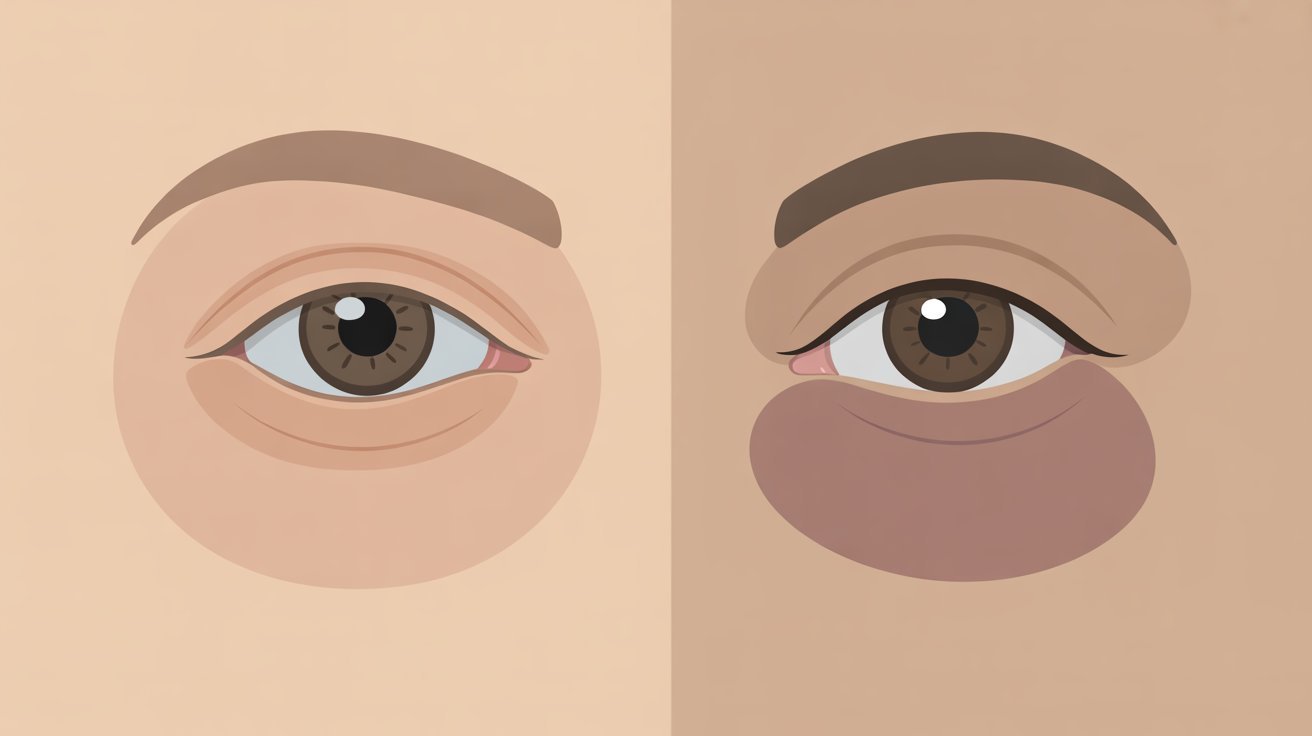
I’ll be honest with you. For years, I stared at my reflection every morning, frustrated by the tired look around my eyes. I tried every cream and remedy I could find, but nothing seemed to work.
That’s when I realized my mistake. I was treating eye bags and dark circles like they were the same problem. They’re not.
This confusion cost me time and money on products that were never going to help. Once I learned the real difference between these two issues, I finally found solutions that actually made a difference.
Let me save you the same frustration.
What Are Dark Circles?
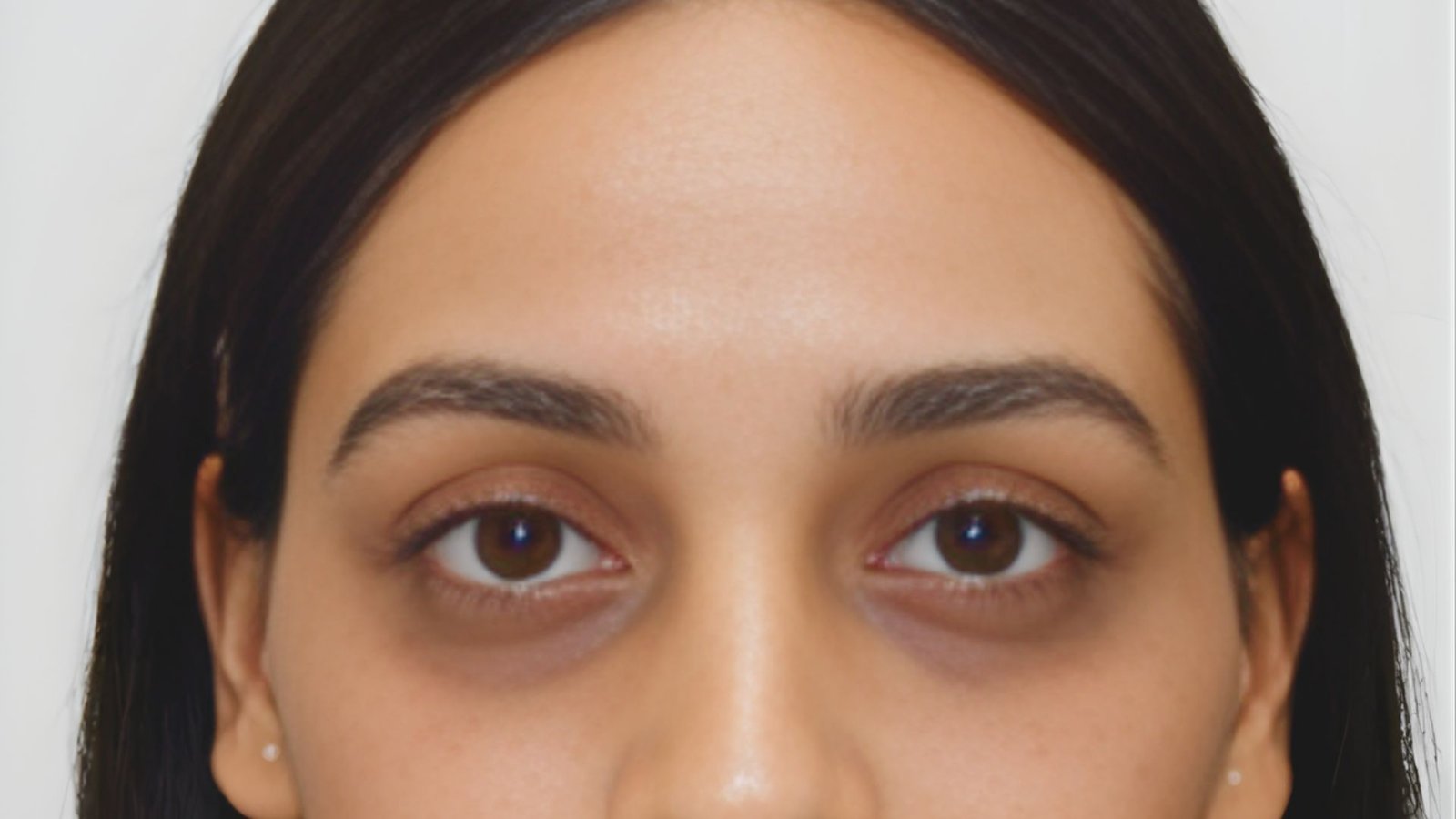
Dark circles are those shadowy patches under your eyes that make you look tired, even when you’re not.
Definition and Appearance
Dark circles show up as shadowy patches under your eyes. Depending on your skin tone, they might look bluish, purple, or brown.
The skin under your eyes is already thin. When blood vessels show through or pigmentation builds up, you get that telltale dark appearance.
Common Causes
Several factors can give you dark circles:
- Genetics and hereditary traits
- Aging and fat loss under the eyes
- Lack of sleep or fatigue
- Allergies, eczema, or eye strain
- Poor circulation and vascular congestion
How Dark Circles Manifest
Dark circles create shadows because the skin gets thinner over time. The color varies based on what’s causing them and your natural skin tone.
You’ll probably notice them most in the morning or after a long day. That’s when fatigue really shows on your face.
What Are Eye Bags?
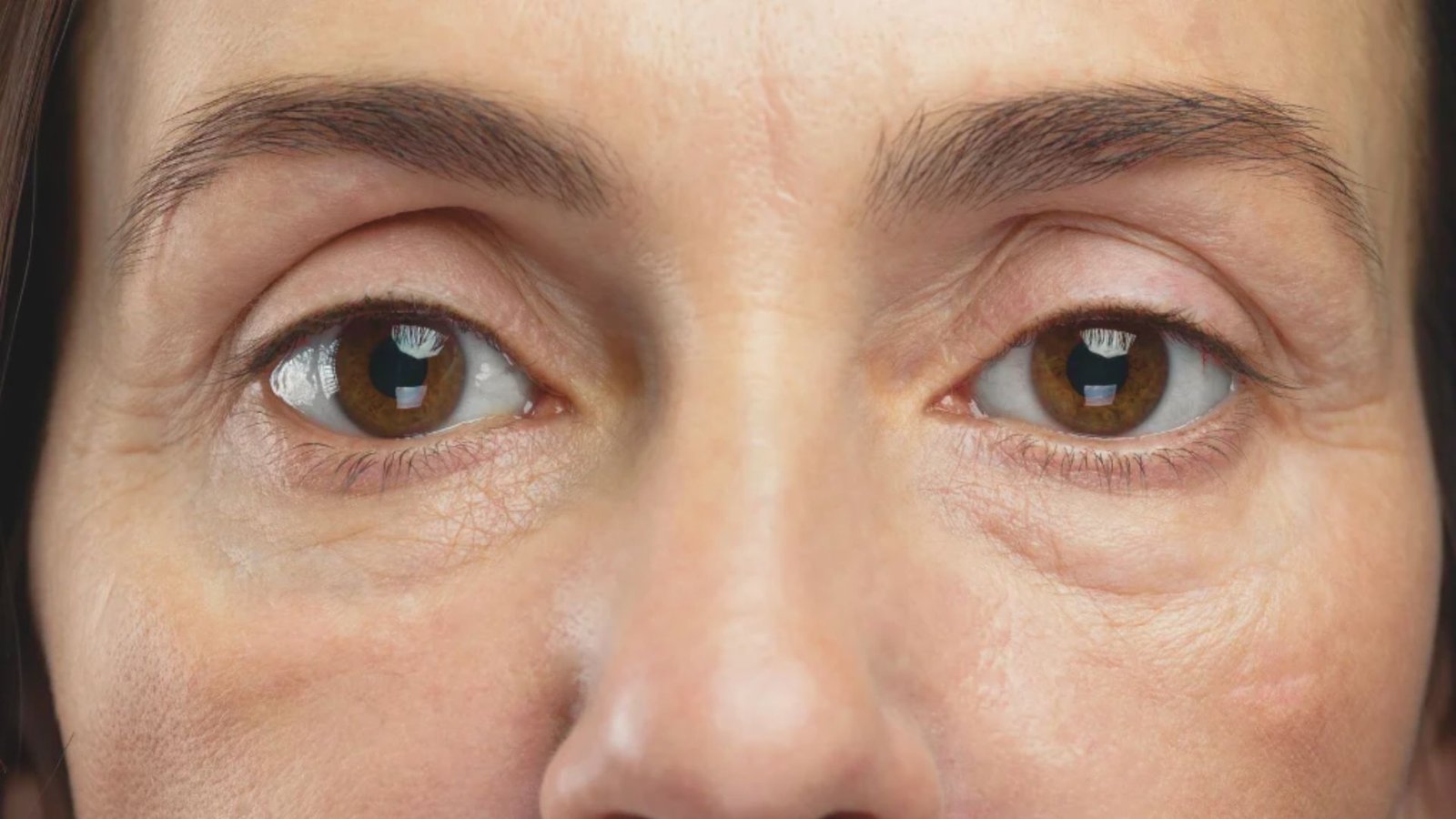
Eye bags are the puffy, swollen areas under your eyes that stick out instead of appearing flat or smooth.
Definition and Appearance
Eye bags look different from dark circles. Instead of discoloration, you get actual puffiness or swelling under your eyes.
This happens when fat deposits shift forward and the tissue loses its firmness. You’ll see a bulge or pouch rather than just a color change.
Common Causes
Several factors lead to eye bags:
- Aging and weakening of under-eye muscles
- Fat herniation under the eyelids
- Genetics and skin laxity
- Fluid retention from stress or poor sleep
How Eye Bags Manifest
Eye bags give you that puffy, swollen appearance right beneath your eyes. Some are temporary and go away once you address things like fluid retention. Others are permanent because of structural changes in your face.
Most people start noticing them in their late 20s or early 30s. They tend to get worse as you age and those under-eye muscles continue to weaken.
Comparison Table Between Eye Bags vs Dark Circles
|
Feature |
Eye Bags |
Dark Circles |
|
Look |
Puffy, swollen |
Dark, discolored |
|
Cause |
Fat, aging, fluid |
Thin skin, pigmentation, poor circulation |
|
Timing |
Worse in morning |
More visible when tired |
|
Treatment |
Cold compress, fillers, surgery |
Eye creams, fillers, laser |
|
Prevention |
Hydrate, reduce salt, sleep |
Sleep, sunscreen, gentle care |
Eye Bags vs Dark Circles – How to Tell Them Apart
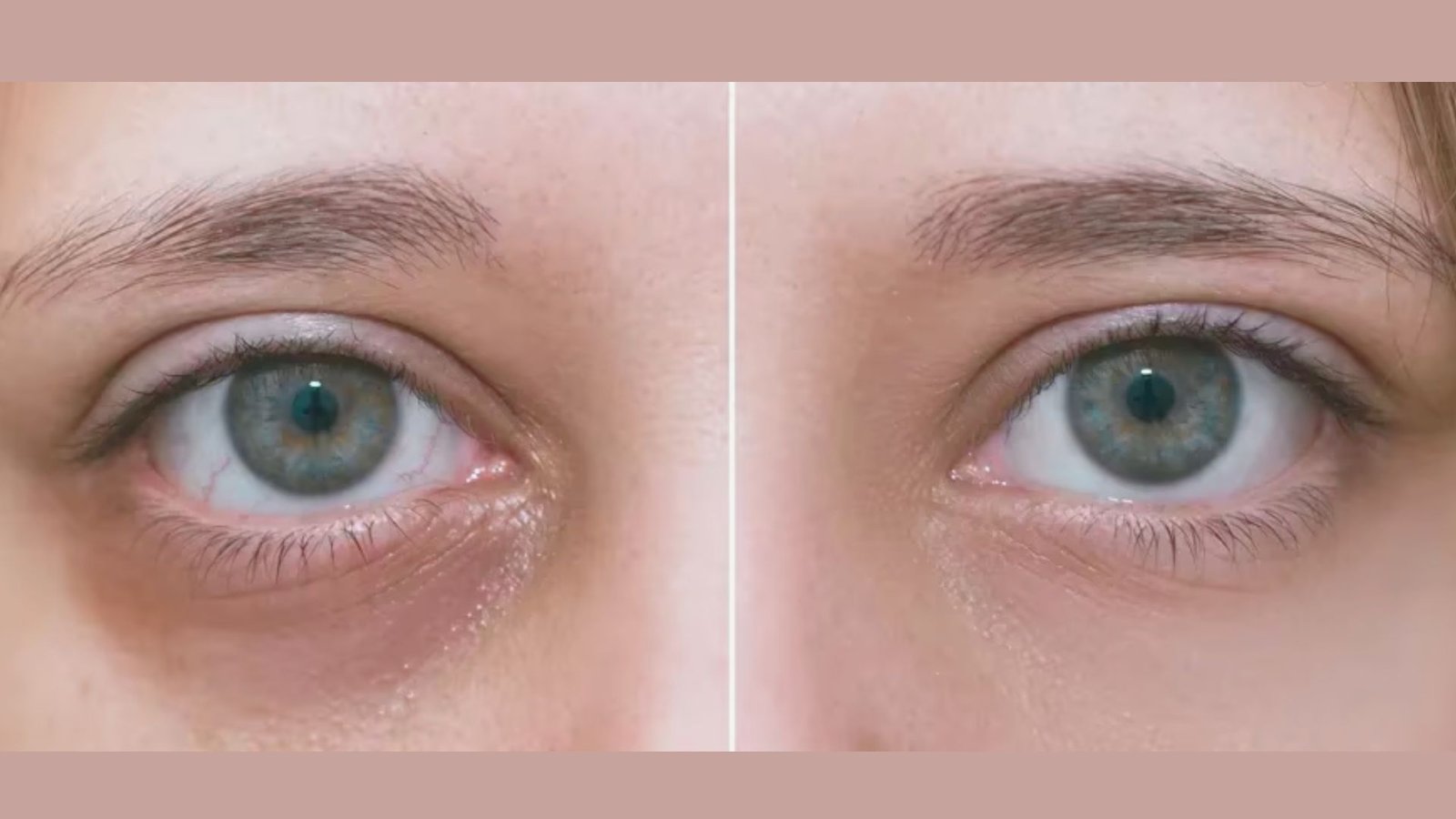
Eye bags and dark circles look similar but have different causes. Here’s how to know which one you’re dealing with.
Visual Differences
The easiest way to tell them apart is by looking at what you see in the mirror.
Dark circles appear as discoloration under your eyes. The skin looks darker, but it stays flat. There’s no puffiness or swelling involved.
Eye bags are the opposite. You get actual swelling and puffiness that creates a bulge. Sometimes this puffiness casts its own shadow, which can make things look even worse.
Cause-Based Differences
What’s happening under your skin is completely different too.
Dark circles come from pigmentation issues, thin skin that shows blood vessels, or poor circulation in that area. It’s all about color and transparency.
Eye bags form when fat accumulates or shifts forward under your eyes. Loose tissue and fluid retention add to the problem. It’s a structural issue, not a color issue.
Knowing which one you have matters because the treatments are totally different.
Treatments for Dark Circles
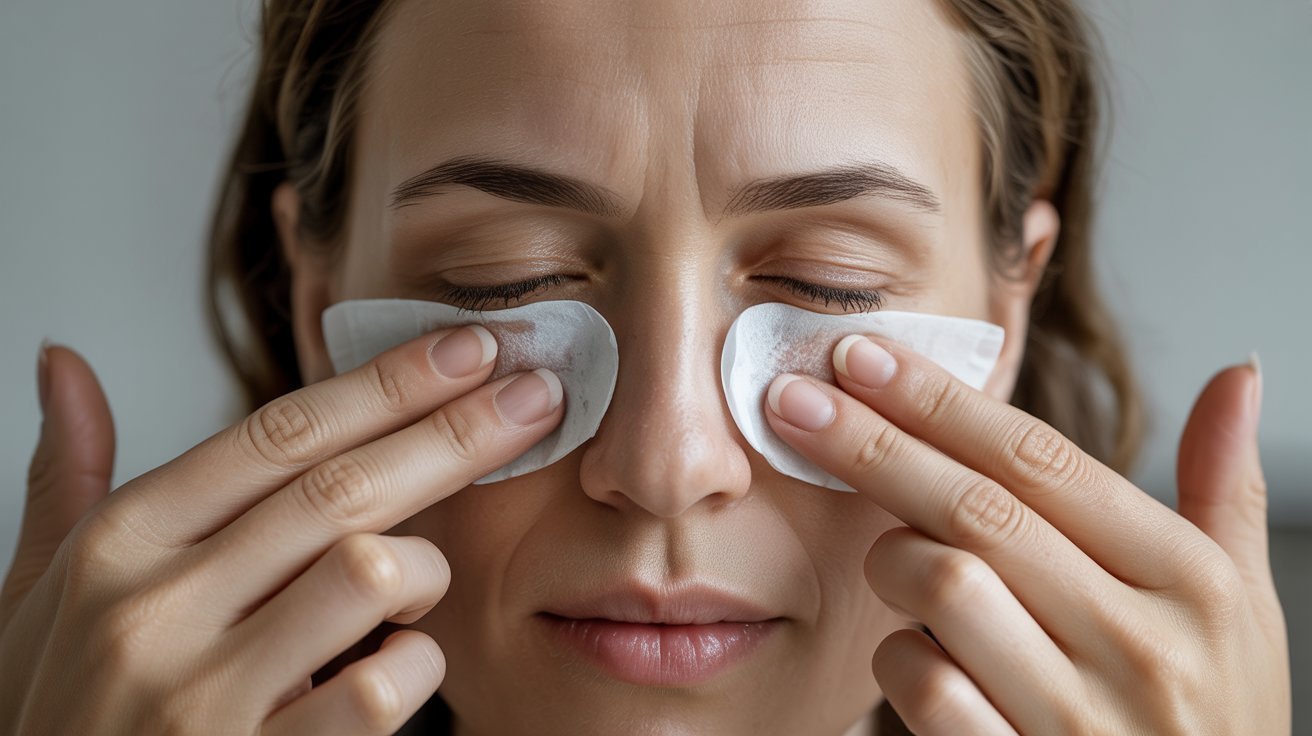
Once you know you’re dealing with dark circles, here are the options that can help reduce their appearance.
At-Home Remedies
Start with the basics. Get enough sleep every night and drink plenty of water throughout the day.
Cold compresses work well for temporary relief. You can use chilled tea bags too. The coolness helps constrict blood vessels and reduce that dark appearance.
Try gently massaging the area under your eyes. This gets your circulation moving and can lighten the shadows over time.
Topical Treatments
Look for eye creams with ingredients that target pigmentation and thin skin:
- Retinol to thicken skin
- Hyaluronic acid for hydration
- Peptides to support skin structure
- Antioxidants to protect against damage
- Caffeine to constrict blood vessels
Medical & Cosmetic Options
For stubborn dark circles, you might need professional help.
Hyaluronic acid fillers can fill in sunken areas that create shadows. Laser therapy targets pigmentation directly and can lighten the skin tone under your eyes.
Treatments for Eye Bags
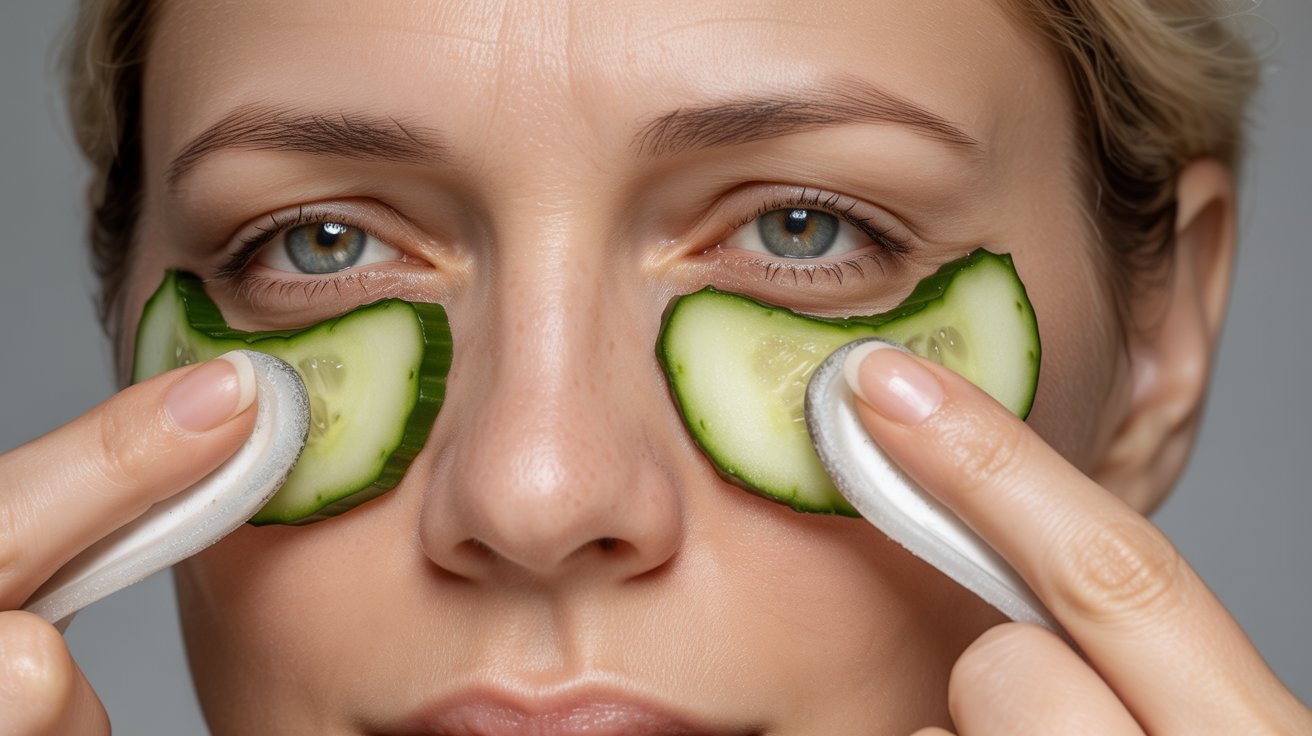
Eye bags need different approaches since they’re caused by structural changes, not just discoloration.
At-Home Remedies
Cold compresses are your best friend here. Try cucumber slices or even frozen spoons on your under-eye area. The cold reduces swelling temporarily.
Stay hydrated and cut back on salt. Too much sodium makes your body hold onto water, which worsens puffiness.
Topical Treatments
Choose gel-based or cooling eye creams specifically made for puffiness. These formulas feel lighter and won’t add heaviness to the area.
Medical & Cosmetic Options
When home remedies aren’t enough, consider these professional treatments:
- Hyaluronic acid fillers to smooth out the contours
- Radiofrequency or laser treatments to tighten loose skin
- Blepharoplasty (eyelid surgery) for severe, permanent eye bags
Surgery is usually the last resort, but it gives the most dramatic and long-lasting results.
Prevention Tips for Both Conditions
Taking care of your under-eye area now can prevent both dark circles and eye bags from getting worse.
- Get enough sleep and stay hydrated: Your body needs 7-8 hours of rest and plenty of water to keep your skin healthy and reduce puffiness.
- Protect your under-eye skin from the sun: Wear sunglasses and use SPF daily since sun damage thins the skin and worsens pigmentation.
- Stop rubbing your eyes: Rubbing breaks down delicate skin and damages blood vessels, making both conditions worse over time.
- Cut back on alcohol, smoking, and salt: These habits cause dehydration, weaken skin, and increase fluid retention that leads to puffiness.
- Use gentle eye care products every day: Apply eye cream with clean hands and pat it on softly instead of pulling or tugging the skin.
Conclusion
I’ve learned the hard way that treating eye bags and dark circles requires knowing which one you actually have.
Dark circles are about pigmentation and thin skin. Eye bags are about puffiness and structural changes. Getting this right makes all the difference.
The good news? You don’t have to pick just one solution. I’ve found that combining better sleep habits, the right eye creams, and professional treatments when needed gives the best results.
Look closely at your under-eye area. Figure out what you’re dealing with. Then choose treatments that target your specific problem. Your mirror will thank you.
Frequently Asked Questions
Can I have both eye bags and dark circles at the same time?
Yes, you can have both conditions at once. Eye bags cause puffiness while dark circles create discoloration, and they often appear together as you age.
Will drinking more water get rid of my eye bags?
Water helps reduce temporary puffiness caused by fluid retention. However, it won’t fix permanent eye bags caused by fat deposits or loose skin.
How long does it take for eye creams to work on dark circles?
Most eye creams take 4-6 weeks of consistent daily use to show noticeable results. Be patient and apply them every morning and night for best outcomes.
Are eye bags only caused by lack of sleep?
No, poor sleep can worsen eye bags temporarily, but they’re mainly caused by aging, genetics, and structural changes. Getting more sleep helps with puffiness but won’t eliminate permanent bags.
Do I need surgery to fix eye bags or dark circles?
Surgery is typically only needed for severe, permanent eye bags that don’t respond to other treatments. Dark circles rarely require surgery and usually improve with topical treatments or fillers.