How Often Should You Get Your Eyebrows Waxed ?

How often should you get your eyebrows waxed? I’m constantly asked this question, and I completely understand why.
Timing matters more than you think. Too often causes irritation. Too infrequently lets stray hairs take over your shape.
I’ve spent years helping clients find their perfect waxing schedule, and I want to help you too. In this guide, we’ll break down hair growth cycles, timing based on your unique needs, maintenance between appointments, safety tips, and helpful products.
By the end, you’ll know exactly when to book your next session. Trust me, your brows will thank you.
Understanding Eyebrow Waxing Basics
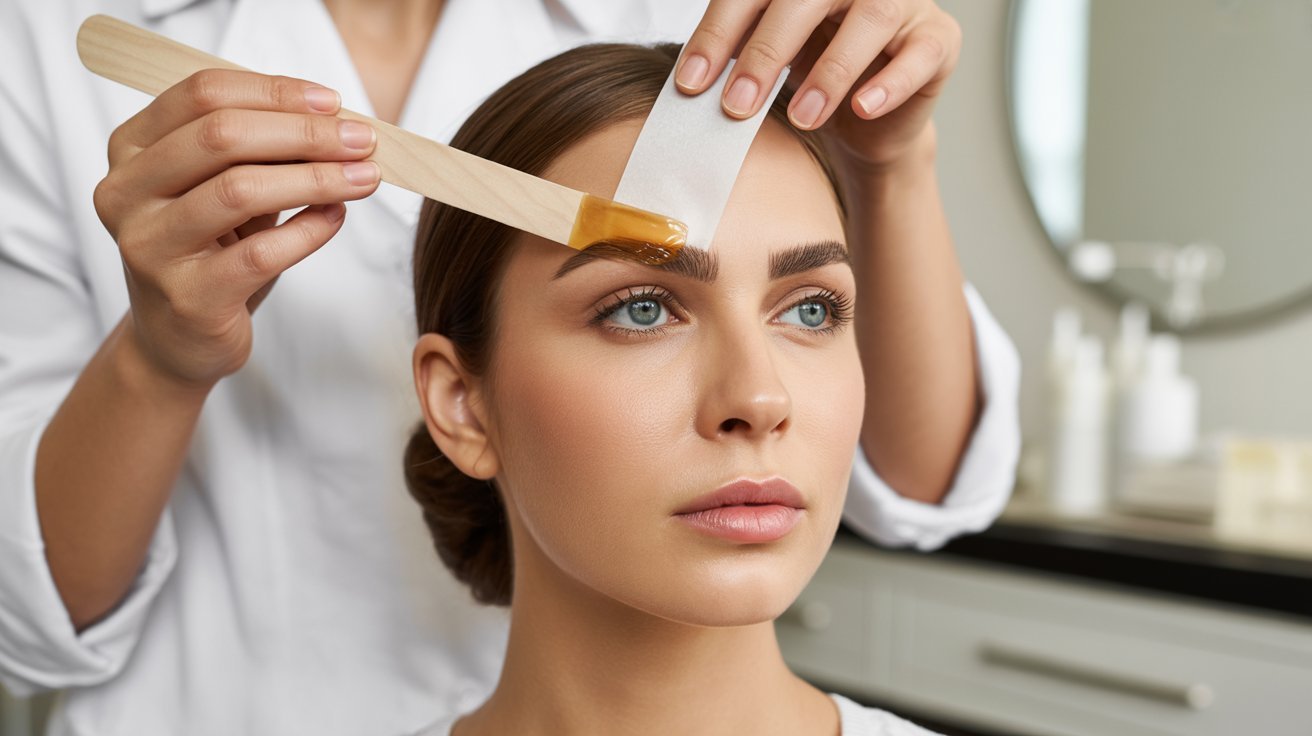
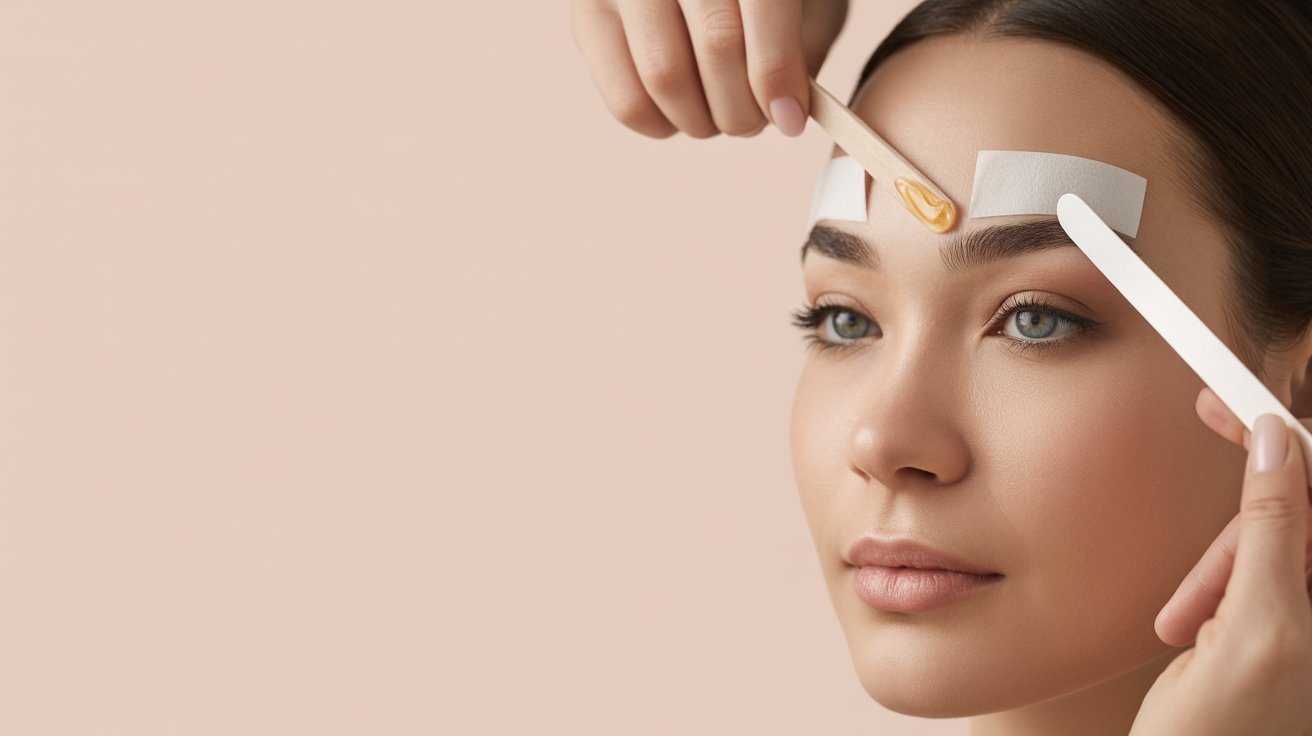
Eyebrow waxing is a popular hair removal method that pulls hair from the root using warm wax. This technique creates clean, defined brows that last longer than other grooming methods.
The process involves applying wax to unwanted hair, placing a strip over it, and quickly removing the strip against the direction of hair growth.
Results typically last 3-6 weeks depending on your individual hair growth rate. Waxing not only removes hair but also exfoliates dead skin cells, leaving the area smooth and refreshed.
Many people prefer waxing over tweezing because it’s faster and removes multiple hairs at once, making it ideal for shaping and maintaining well-groomed eyebrows.
Why Eyebrow Waxing Frequency Matters
Regular waxing schedules keep your brows looking polished and well-maintained while protecting your skin from unnecessary damage.
Maintain Your Desired Brow Shape
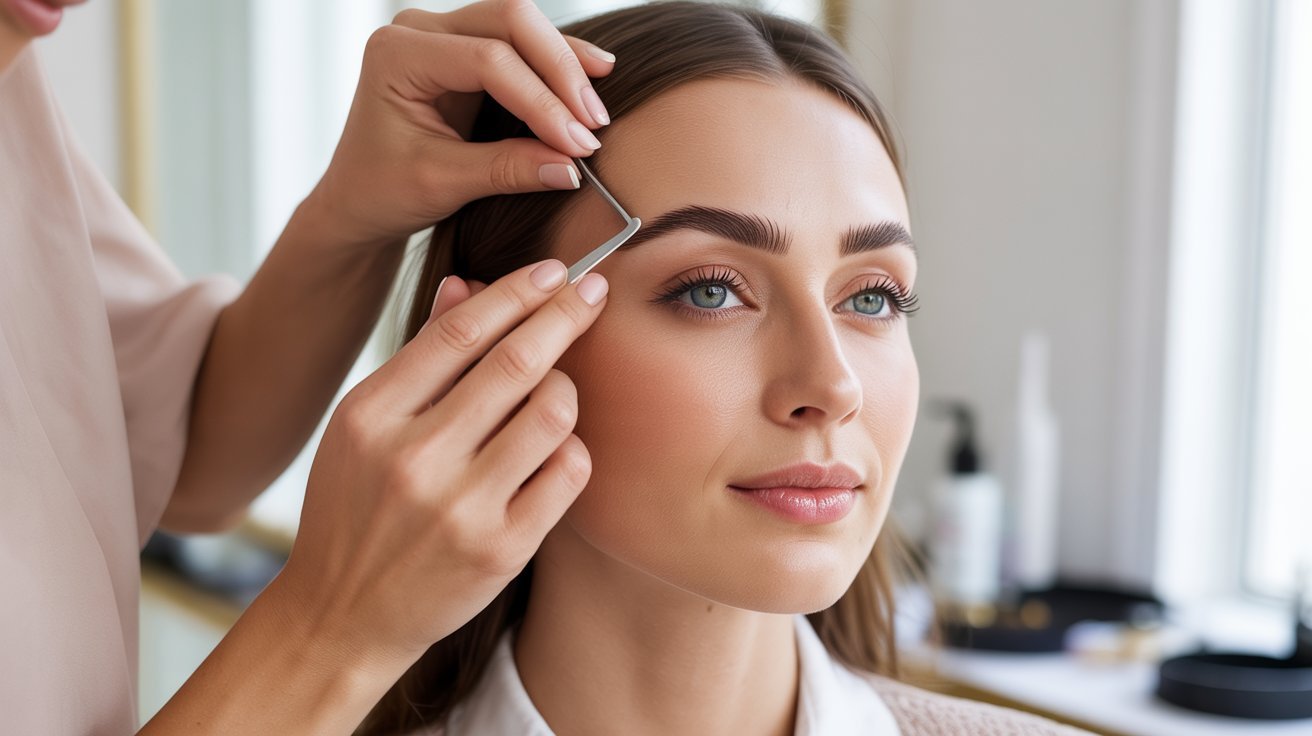
Consistent waxing appointments help preserve the shape you love. Your technician can make small adjustments each time instead of major reshaping sessions.
Your brows stay symmetrical and balanced. Regular sessions mean less pain too, since there’s less hair to remove.
Prevent Stray Hairs from Appearing
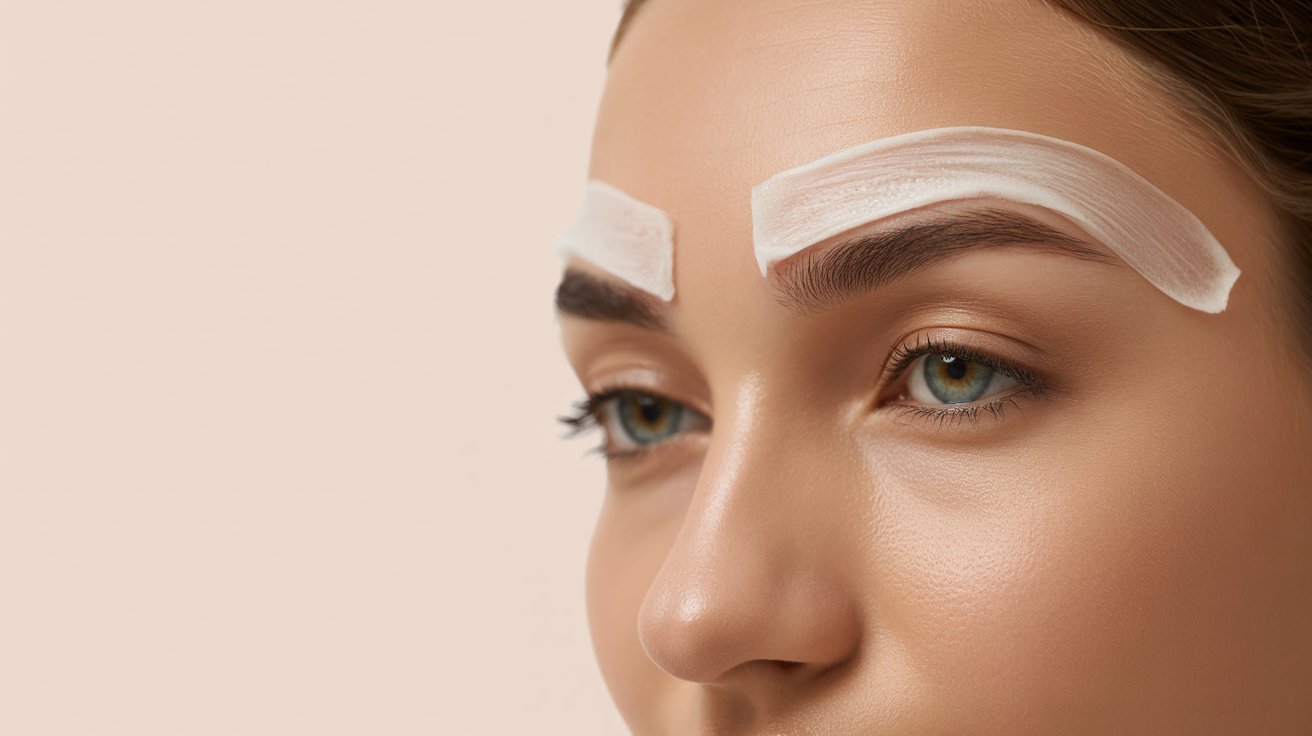
Stray hairs pop up fast when you skip appointments. They ruin your clean brow line and show up in photos. Regular waxing catches these hairs before they become noticeable.
Professional waxing removes hair from the root, which keeps regrowth finer over time.
Keep Skin Healthy and Smooth
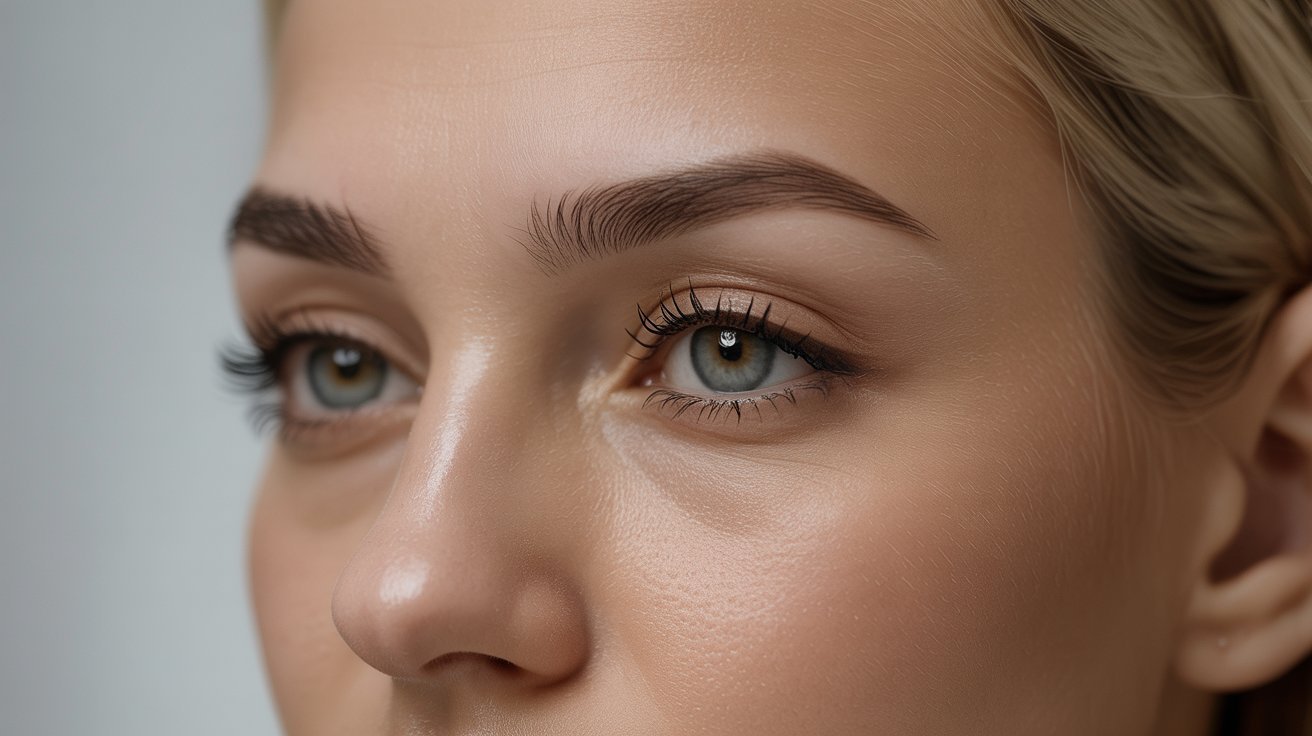
Proper waxing frequency protects your skin. Waiting too long means removing more hair at once, which causes irritation.
Regular appointments are gentler on the sensitive eye area. Your skin has time to recover between sessions with less risk of redness or bumps.
Avoid Last-Minute Grooming Stress

A set schedule eliminates grooming emergencies. You won’t panic before events wondering if your brows look good.
Regular appointments become part of your routine. Planning ahead means you can book when it’s convenient for you.
Understanding Eyebrow Hair Growth Cycles
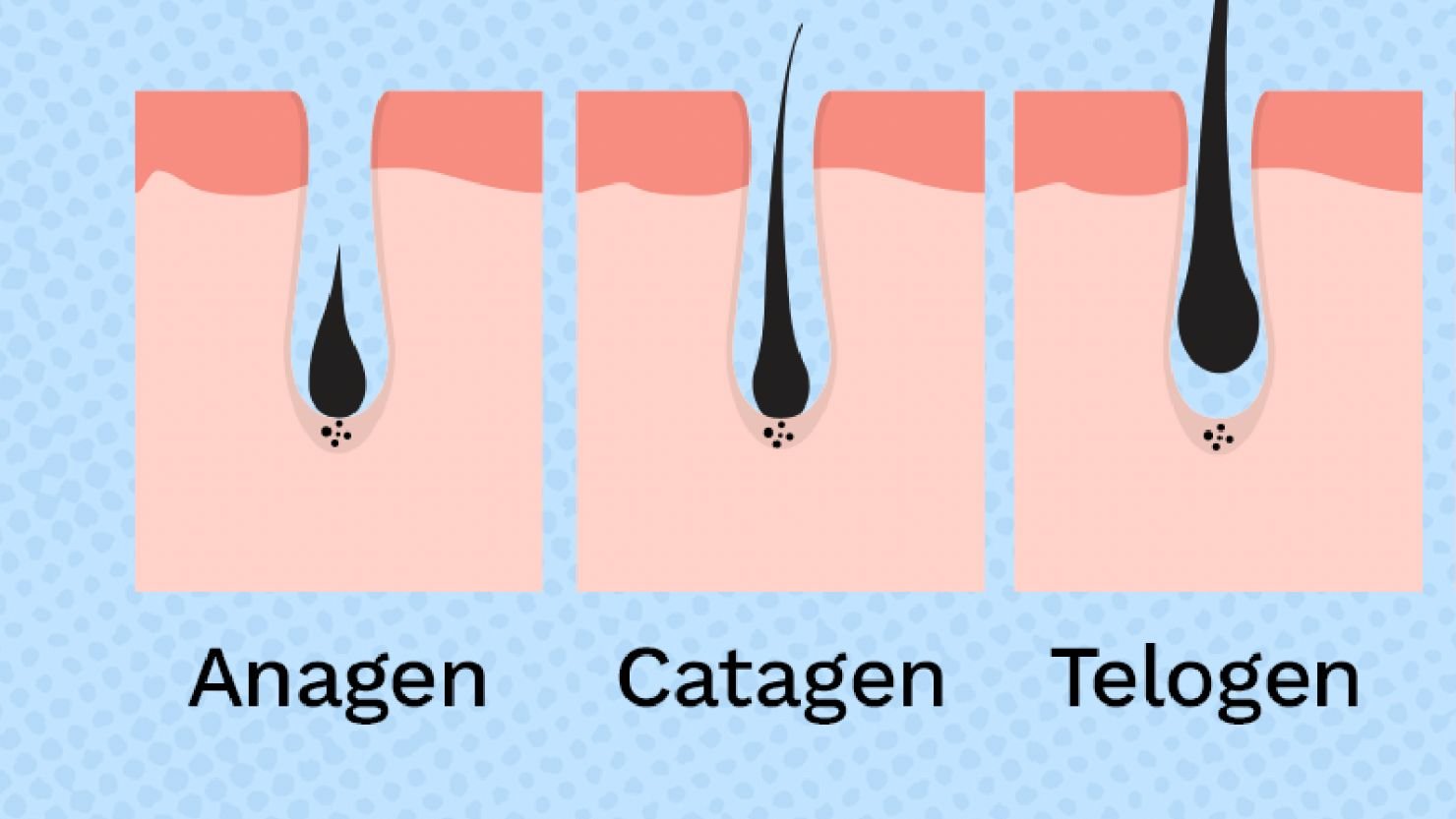
Learning about hair growth cycles helps you understand why timing your waxing appointments correctly leads to better, longer-lasting results.
Anagen Phase (Active Growth)
This is when your hair actively grows. The anagen phase lasts about 4-7 months for eyebrow hair. About 85% of your eyebrow hairs are in this phase at any given time. The hair is firmly rooted and connected to blood supply, making it the best time to remove hair through waxing.
Catagen Phase (Transition)
The catagen phase is brief, lasting only 2-3 weeks. During this period, hair stops growing and detaches from its blood supply. Only about 3-4% of your eyebrow hairs are in this transitional phase at once.
Telogen Phase (Resting and Shedding)
This resting phase lasts about 3 months. The hair stays in the follicle but isn’t growing. Around 10-15% of your eyebrow hairs are in this phase. At the end, the hair falls out naturally to make room for new growth.
Factors Affecting Hair Growth (Genetics, Hormones, Age)
Your genetics determine how fast your eyebrow hair grows. Some people naturally have rapid regrowth, while others see slower patterns.
Hormones play a significant role too.
Pregnancy, menopause, and thyroid conditions can speed up or slow down growth. Age matters as well since hair growth typically slows as you get older.
How Often Should You Get Your Eyebrows Waxed
Your ideal waxing schedule depends on how quickly your hair grows back and your personal grooming preferences.
General Guideline: Every 3-4 Weeks
Most people do well with waxing every 3-4 weeks. This timeline allows enough regrowth for effective waxing while keeping brows looking neat.
Hair needs to be at least 1/4 inch long for wax to grip properly. This schedule works for average hair growth rates and gives your skin adequate recovery time.
Slow Hair Growth: Every 5-6 Weeks
If your hair grows slowly, you can stretch appointments to 5-6 weeks. You’ll notice less regrowth between sessions.
This extended timeline saves money and reduces skin stress. People with lighter hair often fall into this category since regrowth is less visible.
Fast Hair Growth: Every 2-3 Weeks
Quick hair growth requires more frequent appointments. If you see significant regrowth within two weeks, schedule sessions every 2-3 weeks.
Fast growers often have darker, coarser hair that’s more noticeable. Just ensure your technician uses gentle techniques for sensitive skin.
Signs It’s Time for a Wax
Visible stray hairs outside your brow shape are the clearest sign. Your brows look fuzzy or undefined. You find yourself constantly tweezing stray hairs.
The arch or tail of your brow loses its clean line. If you’re attending a special event, book your waxing 2-3 days beforehand to allow any redness time to fade.
At-Home vs. Salon Eyebrow Waxing
Choosing between DIY and professional waxing depends on your skill level, budget, and the results you want to achieve.
| Factor | At-Home Waxing | Salon Waxing |
| Cost | Lower cost, one-time kit purchase | Higher cost per session |
| Convenience | Wax on your own schedule | Requires booking appointments |
| Skill Required | Needs steady hands and confidence | Professional expertise included |
| Results | Risk of uneven shapes or over-removal | Symmetrical, precise results |
| Safety | Risk of burns or broken hairs | Proper temperature and technique |
| Time | Slower, especially for beginners | Quick, 10-15 minutes |
| Sanitation | Harder to maintain standards | Professional hygiene protocols |
| Best For | Minor maintenance, experienced users | First-timers, special events, shape changes |
Choosing the Right Method for Your Needs:
If you’re new to brow grooming, start with professional services to learn your ideal shape. Some people alternate between professional waxing and DIY maintenance to balance cost and quality, but for special events or sensitive skin, always choose professional care.
Maintaining Shape Between Waxing Sessions
Proper maintenance keeps your brows looking great without requiring constant salon visits or risking damage to your shape.
Tweezing Stray Hairs
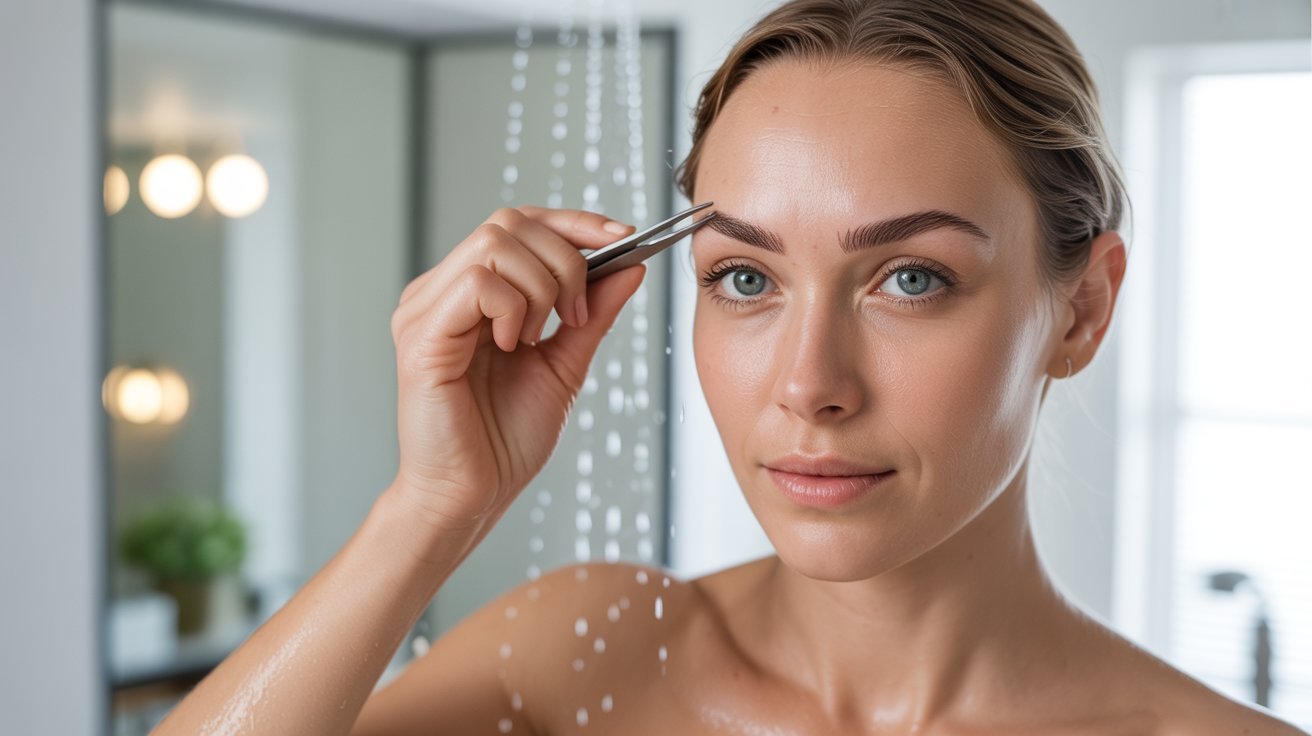
Tweezers are perfect for catching individual stray hairs between waxing appointments. Focus only on obvious strays outside your established brow line, pluck in the direction of hair growth, and do this after a warm shower when pores are open.
Trimming Overgrown Hairs
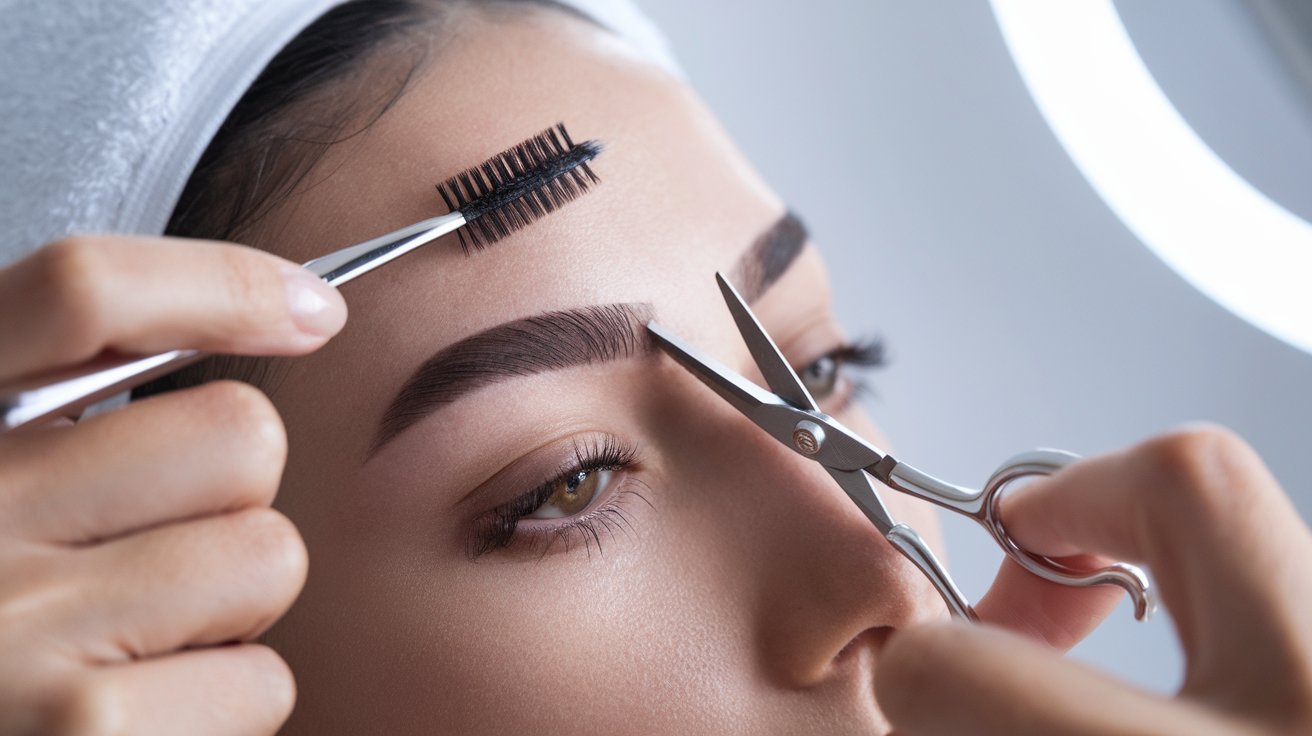
Use small grooming scissors designed for brows. Brush hairs upward with a spoolie first, then trim only the tips that extend above your natural brow line at an angle for a natural look.
Using Brow Pencils or Gels for Definition
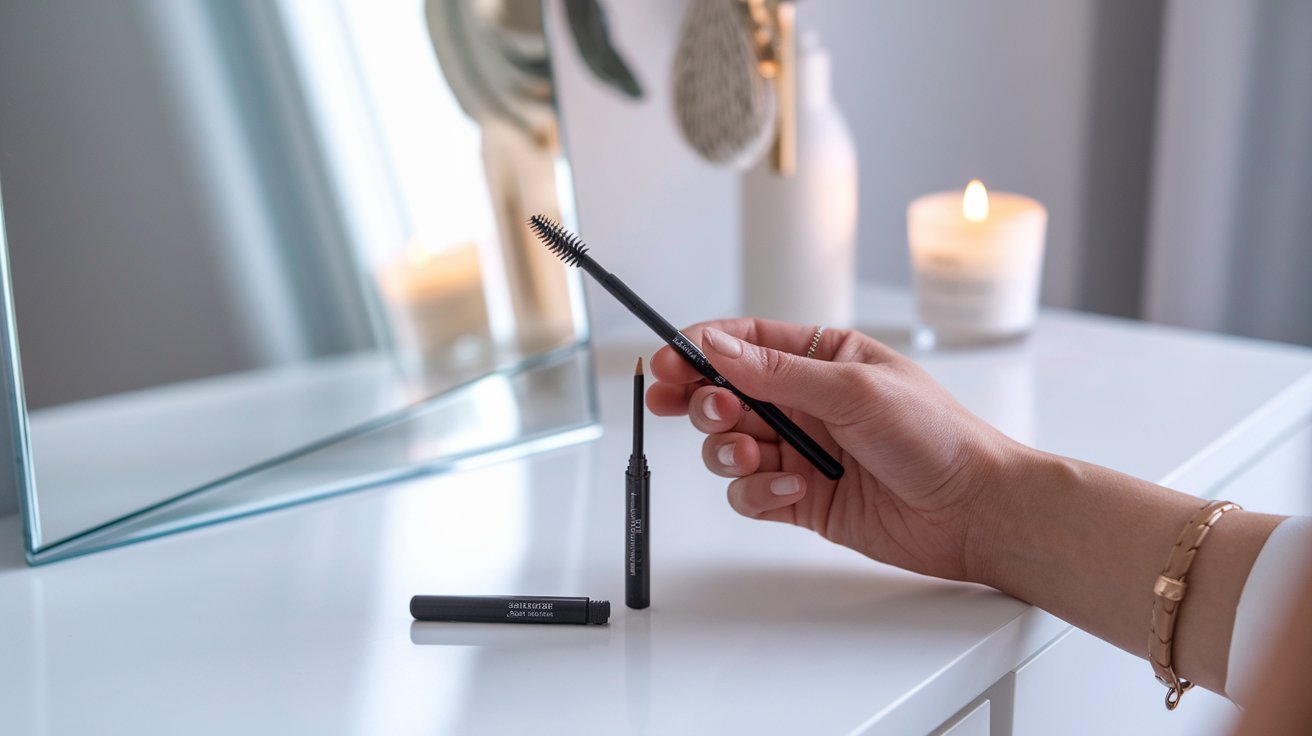
Brow products fill sparse areas and enhance your shape between appointments. Choose a shade that matches your natural brow color, and apply gel after pencil or powder for the best hold.
Avoid Over-Manipulation
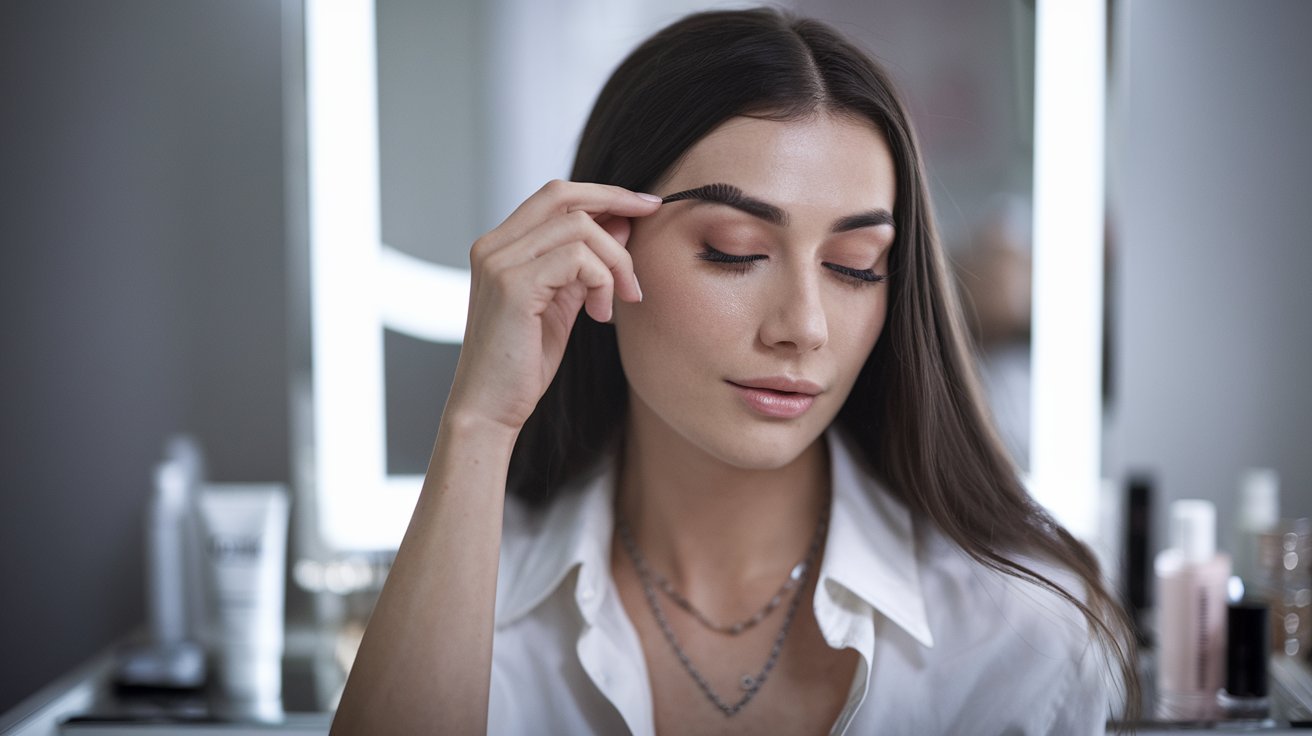
Touching your brows constantly can cause damage and repeated tweezing may prevent regrowth. Set a maintenance schedule and avoid looking at your brows with a magnifying mirror daily, as slight regrowth between appointments is normal.
Safety Tips and Common Mistakes to Avoid
Following proper safety protocols protects your skin and ensures you get the best results from every waxing session.
Pre-Wax Preparation:
- Clean your brow area thoroughly and remove all makeup and oils
- Do a patch test on your inner arm if trying new wax or have sensitive skin
- Avoid retinoids and exfoliating products for 2-3 days before waxing
- Don’t wax if you have sunburn, active breakouts, or open cuts
Correct Waxing Technique:
- Test wax temperature before applying, it should feel warm, not hot
- Apply wax in the direction of hair growth
- Pull quickly in the opposite direction while keeping skin taut
- Work in small sections and never wax the same area more than twice
Post-Wax Aftercare:
- Apply soothing gel or aloe vera immediately after waxing
- Skip makeup for several hours and avoid touching with dirty hands
- Stay out of direct sunlight and avoid hot showers for 24 hours
- Don’t use harsh products or exfoliants for 2-3 days
Common Mistakes to Avoid:
- Over-waxing too frequently can cause permanent follicle damage
- Using old or contaminated wax spreads bacteria
- Waxing over irritated or broken skin causes infection
- Pulling wax off slowly increases discomfort and breaks hairs
- Creating overly thin brows takes months to correct
Conclusion
Determining the frequency of your brow waxing is an experiment worth undertaking. Most folks are happy every three to four weeks, but you may be different.
I’ve learned that consistency is everything.
My brows stay in shape and I’m never scrambling before I have to go somewhere.
Listen to your body. If you feel like your skin is angry, extend the duration between your appointments, but if you feel like your hair grows quickly, schedule your waxing more.
Perfect brows are not about “shoulds”. They are about what works for YOU!
What is your wax schedule like? Leave a comment below and tell us what works for you!
Frequently Asked Questions
How long should my eyebrow hair be before waxing?
Your eyebrow hair should be at least 1/4 inch long for the wax to grip effectively. This usually means waiting 2-3 weeks after your last hair removal for best results.
Can I wax my eyebrows while using retinol products?
You should stop using retinol products 3-5 days before waxing your eyebrows. Retinol makes your skin thinner and more sensitive, increasing the risk of tearing or severe irritation.
Why do my eyebrows get red bumps after waxing?
Red bumps after waxing are usually caused by irritation, bacteria, or ingrown hairs. Cleanse the area thoroughly, apply soothing gel, and avoid touching with dirty hands.
How can I make eyebrow waxing less painful?
Take an over-the-counter pain reliever 30 minutes before your appointment and wax after a warm shower when pores are open. Regular waxing becomes less painful over time as hair grows back finer.
Is threading better than waxing for eyebrows?
Threading is more precise and better for very sensitive skin since it doesn’t use heat or chemicals. Waxing removes hair from larger areas faster and typically lasts slightly longer, so choose based on your needs.