How to Even Out Skin Tone?


Uneven skin tone shows up as dark patches, redness, or dull areas on your face. It happens to everyone at some point.
I struggled with this for years before finding what actually works. This guide covers how to even out skin tone using methods backed by dermatologists.
You’ll learn what causes discoloration, which ingredients really help, and how to prevent future problems. I’ll share both at-home solutions and professional treatments that deliver results.
I’ll cover daily protection, the right products, lifestyle changes, and when to see a specialist. These strategies work for all skin types.
Let’s get your skin looking balanced and healthy.
Understanding Uneven Skin Tone

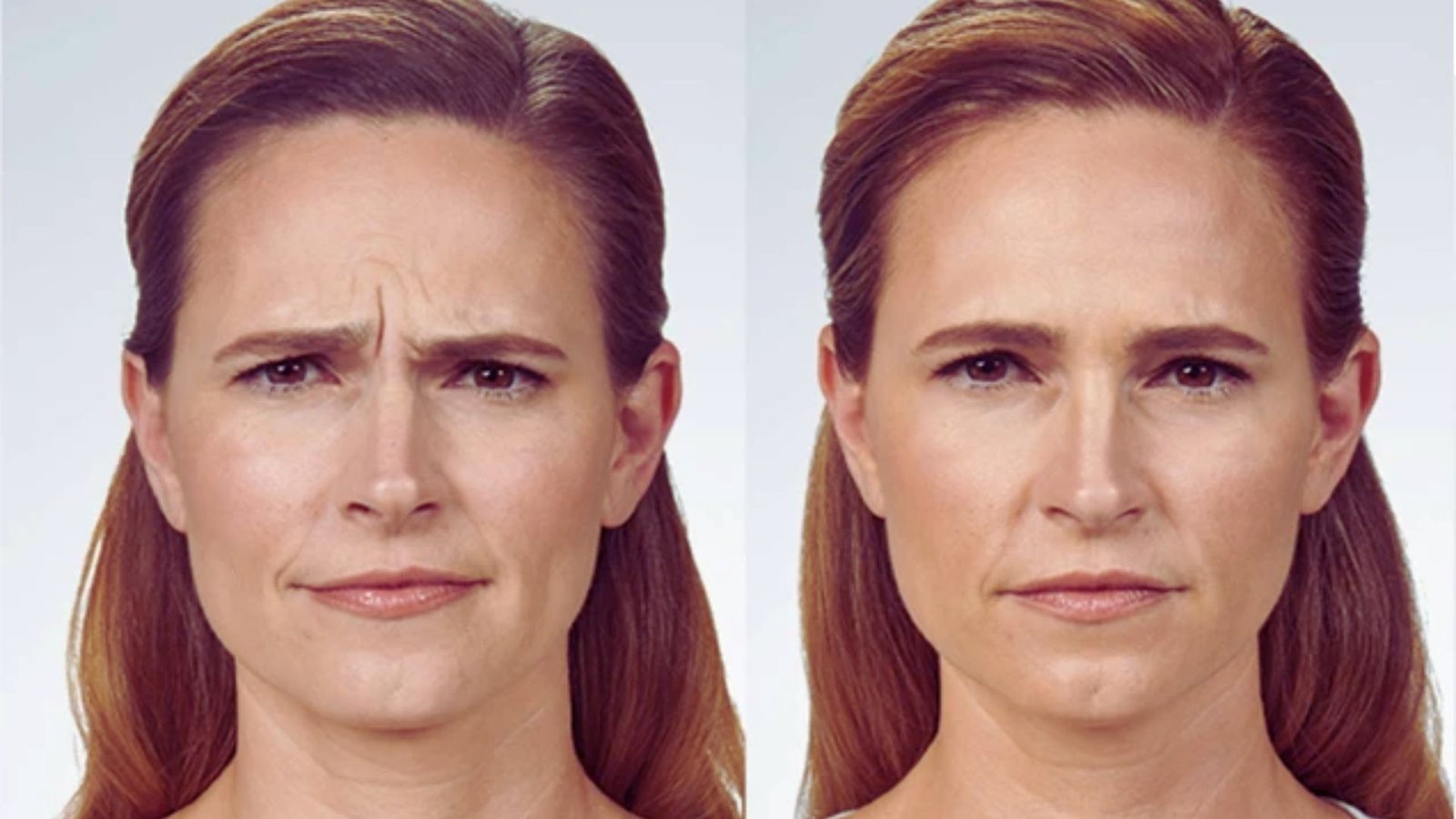
Uneven skin tone means different areas of your face have different colors. Dark spots, redness, or dullness are common signs. This refers to color variation, not texture issues like bumps.
Sun exposure is the main cause.
UV rays trigger excess melanin, creating sunspots and darkening. Past acne leaves behind post-inflammatory hyperpigmentation that can last months.
Hormonal changes cause melasma, showing as brown patches on cheeks and forehead. Pregnancy and birth control pills often trigger this.
Pollution, free radicals, and blue light from screens damage skin cells. As we age, cell turnover slows down. Dead skin builds up, creating dullness. Smoking and dehydration make uneven tone worse.
How to Even Out Skin Tone Naturally and Professionally
These proven methods help restore balance to your complexion. Combine several approaches for the best results.
1. Daily Sun Protection
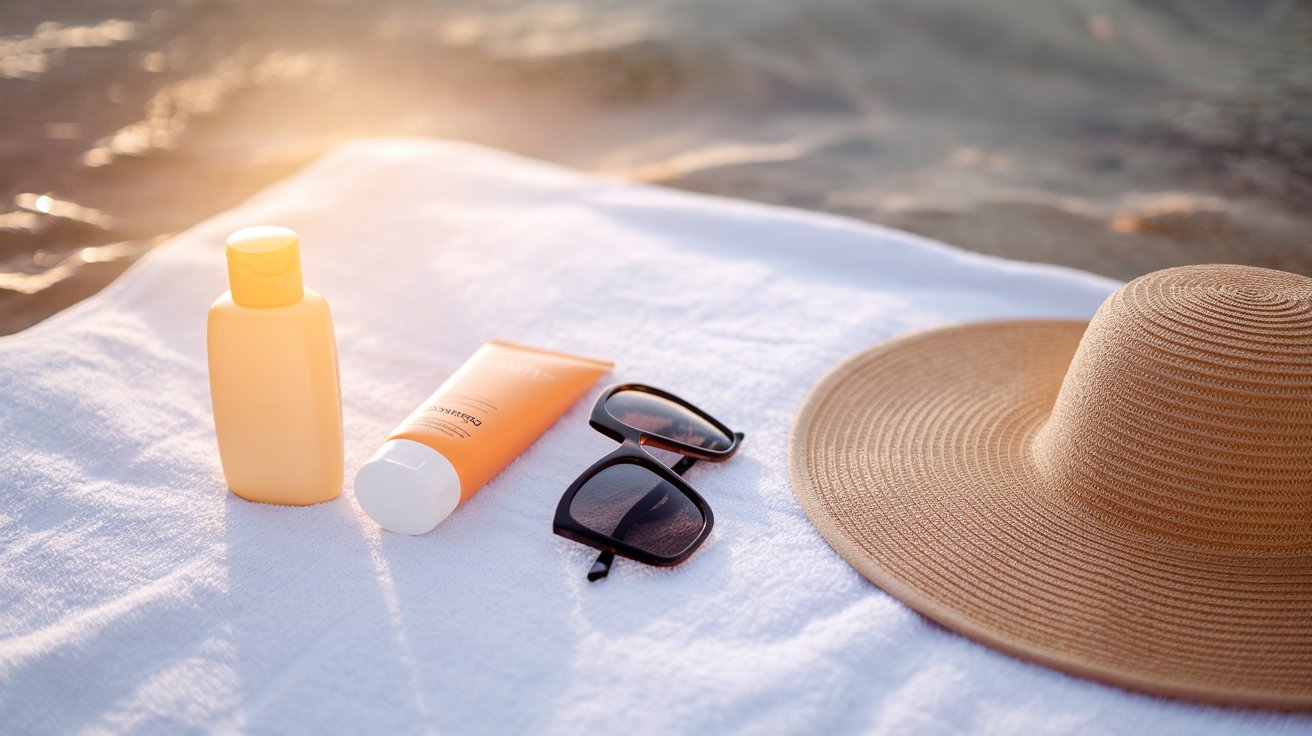
Sunscreen is essential for evening out skin tone. Without it, nothing else works.
Choose a broad-spectrum SPF that blocks UVA and UVB rays. Mineral sunscreens with zinc oxide or titanium dioxide suit sensitive skin. Apply every morning and reapply every two hours when outside.
2. Consistent Cleansing and Exfoliation

Wash your face twice daily with a gentle cleanser to remove dirt and oil.
Exfoliate 2-3 times weekly. AHAs work on the surface, BHAs go deeper into pores. Do this at night so skin recovers while you sleep. Don’t overdo it or you’ll be irritated.
3. Targeted Skincare Ingredients
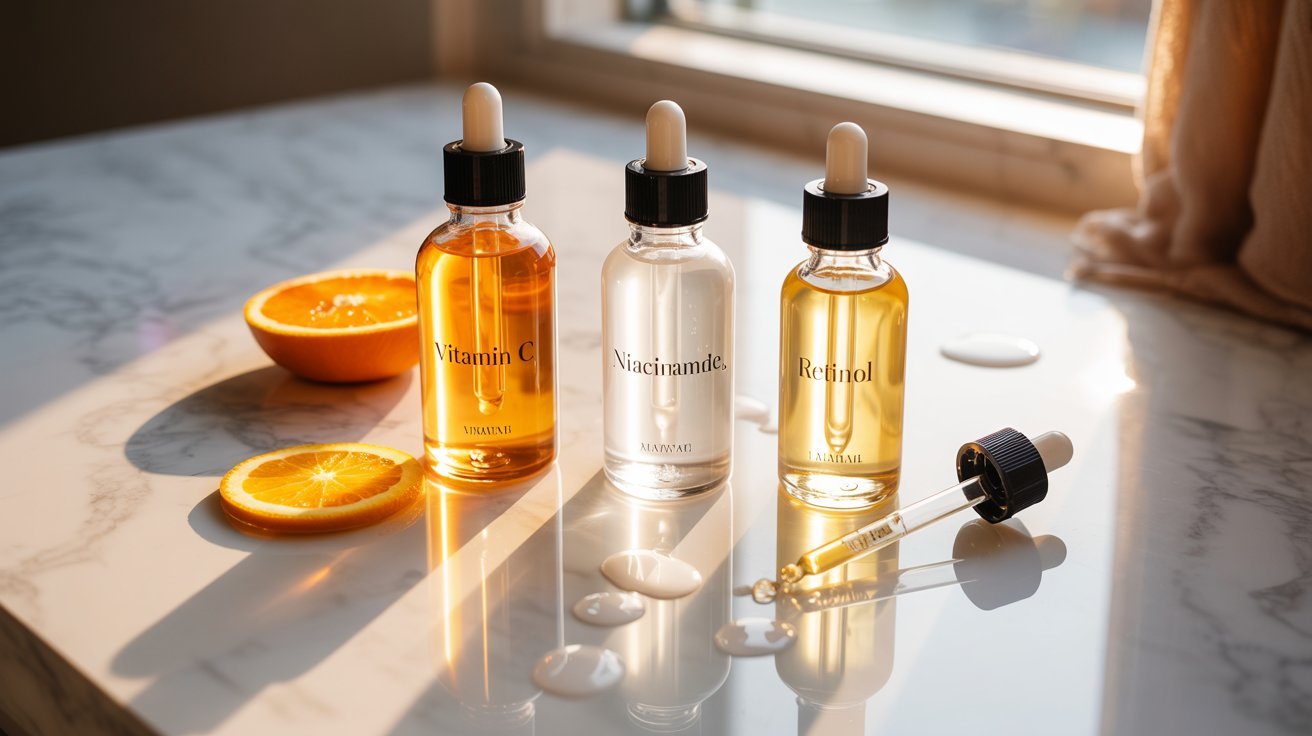
Vitamin C brightens and fades dark spots. Use it in the mornings under sunscreen.
Niacinamide improves tone and reduces redness for all skin types.
Retinoids speed up cell turnover. Retinol is over the counter; tretinoin needs a prescription. Start slowly.
Azelaic acid and kojic acid work gently on hyperpigmentation. Licorice root and green tea extracts are natural brighteners.
4. Hydration and Moisturization
A healthy skin barrier means more even tone. Look for ceramides, hyaluronic acid, and glycerin.
Layer hydrating serum under moisturizer. Well-hydrated skin looks more uniform.
5. Professional Treatments

Chemical peels remove discolored top layers quickly. Laser therapy targets specific pigment precisely over several sessions.
Microneedling triggers collagen production. Dermaplaning removes dead skin immediately. Hydrafacial and LED therapy offer gentler options for sensitive skin.
6. Lifestyle and Dietary Habits

Eat antioxidant-rich foods like berries, leafy greens, and citrus. Drink plenty of water daily.
Get enough sleep and manage stress for hormonal balance. Stop smoking and limit alcohol since both worsen uneven tone.
Preventing Uneven Skin Tone

Remove Makeup Before Bed
Always take off your makeup at night. Leaving it on clogs pores and prevents skin from renewing overnight.
Avoid Picking at Blemishes
Don’t pick at pimples or blemishes. Every time you do, you risk leaving a dark mark that takes months to fade.
Use Antioxidant Serums Daily
Apply antioxidant serums during the day. These protect against environmental damage that causes discoloration.
Maintain a Consistent Routine
Stick with the same products for several weeks. Switching constantly prevents anything from working properly.
Wear Protective Accessories
Wear wide-brimmed hats when you’re outside. Sunglasses protect the delicate skin around your eyes from sun damage.
Apply SPF Indoors
Use sunscreen even when you’re inside. Windows let in UV rays, and screens emit blue light that damages skin.
Reapply Sunscreen Regularly
Reapply your sunscreen every 2-3 hours during daytime. This is especially important if you’re sweating or near windows.
Best Products to Even Out Skin Tone
The right products make a real difference in how quickly you see results.
Sunscreen Options
Mineral formulas with zinc oxide or titanium dioxide work for most people. EltaMD UV Clear and La Roche-Posay Anthelios are dermatologist favorites. Look for at least SPF 30 with broad-spectrum protection.
Vitamin C Serums
L-ascorbic acid at 10-20% concentration brightens effectively. SkinCeuticals C E Ferulic is the gold standard. More affordable options from Timeless or The Ordinary work well too.
Brightening Treatments
Niacinamide serums from The Ordinary or Paula’s Choice reduce redness and even tone. Azelaic acid products from Finacea or The Ordinary target stubborn dark spots.
Choose non-comedogenic formulas that won’t clog your pores. Fragrance-free options reduce irritation risk. Check for dermatologist-tested labels when possible.
When to See a Dermatologist
Some skin concerns need professional help. Don’t wait too long if you notice these issues.
Hyperpigmentation or melasma that doesn’t improve after three months of home treatment needs expert evaluation. A dermatologist can prescribe stronger ingredients or recommend procedures.
Severe irritation or sensitivity to products means something isn’t working for your skin. Professional guidance helps you find the right approach without causing more damage.
Custom treatment plans address your specific concerns.
Prescription-strength retinoids, hydroquinone, or other medications work faster than over-the-counter options.
Your dermatologist can combine treatments for better results. Regular check-ups ensure you’re on the right track. They can adjust your plan as your skin improves.
Conclusion
Before finding these tactics, I experimented with various products for years. My skin tone appears more even now than it has in decades.
Protection, exfoliation, targeted treatment, and hydration are all necessary for skin tone evenness. Real change takes at least 8 to 12 weeks, so have patience.
Start with one active ingredient and sunscreen. As your skin adjusts, add more. The outcomes make the wait worthwhile.
What is the most difficult skin tone for you? Post your thoughts in the comments section below. Tell me what’s working for you, please.
Frequently Asked Questions
How long does it take to even out skin tone?
Most people see noticeable improvement in 8-12 weeks with consistent treatment. Deeper pigmentation may take 3-6 months. Results depend on the cause and severity of discoloration.
Can I even out my skin tone naturally?
Yes, through sun protection, gentle exfoliation, and antioxidant-rich skincare. Natural ingredients like vitamin C, licorice root, and green tea help. Results take longer than professional treatments but do work.
What vitamin helps even out skin tone?
Vitamin C is the most effective for brightening and fading dark spots. Vitamin E supports healing and protection. Vitamin A (retinoids) speeds up cell turnover and improves overall tone.
Does drinking water help even skin tone?
Hydration supports healthy skin function and cell turnover. While water alone won’t fix pigmentation, dehydrated skin looks duller and emphasizes uneven tone. Drink plenty of water alongside other treatments.
Is uneven skin tone permanent?
Not usually. Most causes respond to treatment with time and consistency. Deep scarring or severe melasma may need professional intervention. Starting treatment early prevents permanent changes in many cases.