How to Remove Nail Glue from Skin?


Getting nail glue on your fingers happens to all of us. I’ve been there too, stuck with that stubborn adhesive that just won’t come off.
The good news? You can remove nail glue from skin safely at home without damaging your skin or causing irritation.
This guide will show you exactly how to get that glue off using simple methods you probably already have in your bathroom.
I’ll walk you through everything from quick first steps to gentle removal techniques, plus aftercare tips to keep your skin healthy.
You’ll learn about warm water soaks, oils, acetone-based removers, and natural alternatives that actually work.
Understanding Nail Glue and Its Effects on Skin
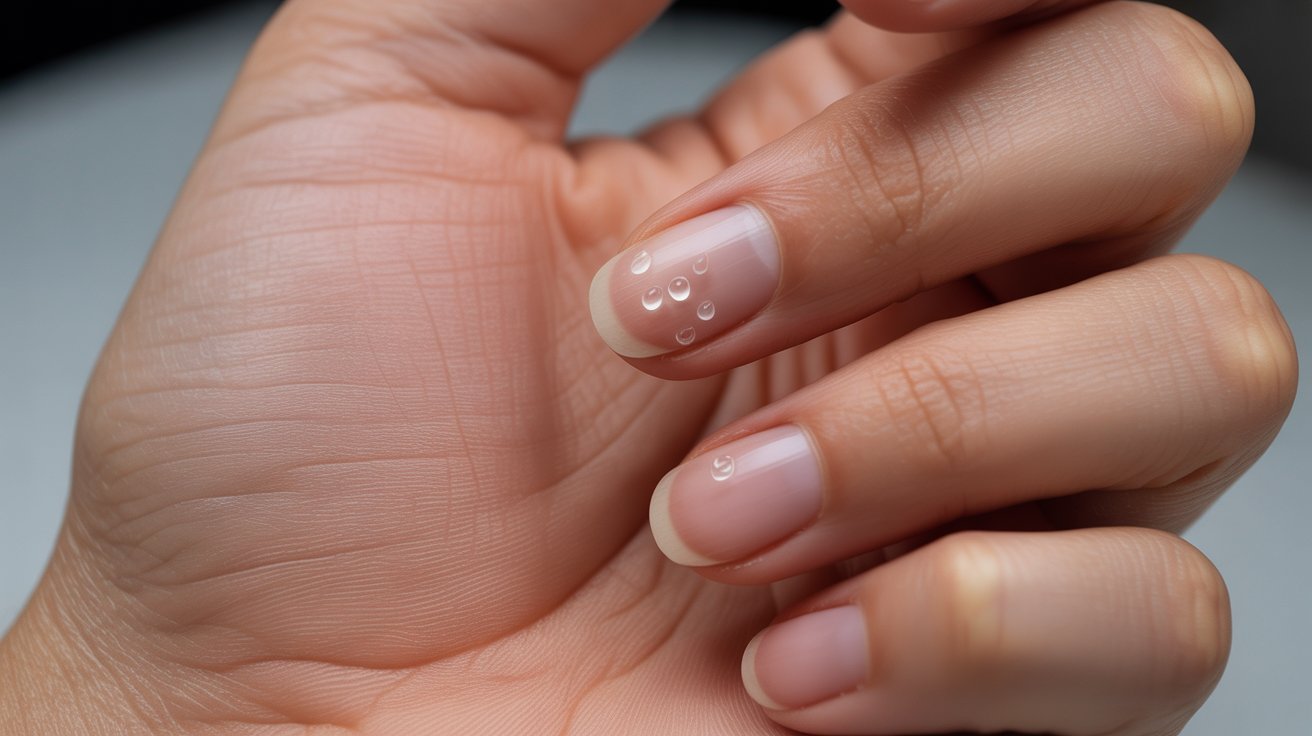
Nail glue is stronger than you think. It contains cyanoacrylate, the same ingredient in super glue. This chemical bonds fast by reacting with moisture on your skin.
Within seconds, it creates an incredibly tight bond. That’s why it works so well for false nails but also sticks to your fingers easily.
Don’t panic, but don’t ignore it either. Leaving nail glue on your skin too long can cause redness, itching, or irritation. Some people develop allergic reactions with swelling or rashes.
The worst case? Chemical burns if the glue stays on for hours or days. This is rare but possible, especially if you have sensitive skin.
Quick First Steps When Nail Glue Gets on Skin
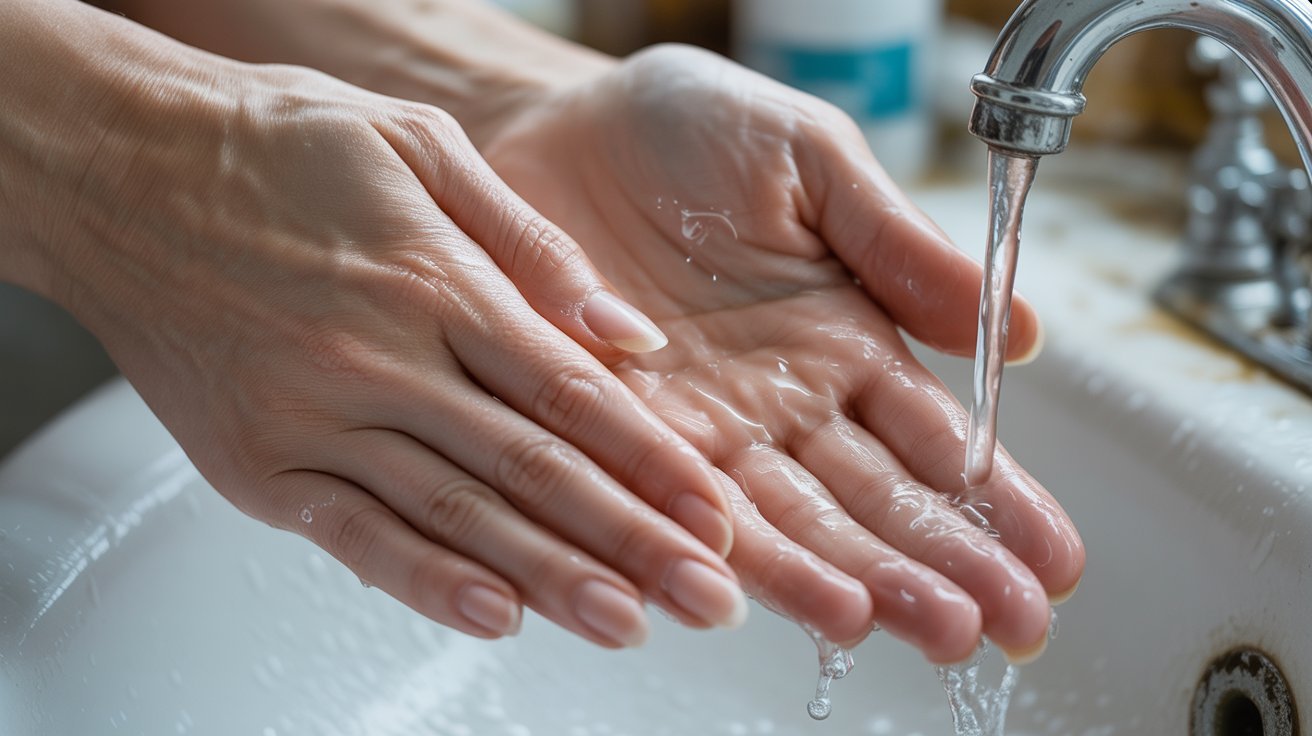
Act fast but stay calm. Your first reaction matters for easy removal.
Stop yourself from peeling it off. I know it’s tempting, but picking at the glue can tear your skin. If the glue is still wet, run warm water over it right away. This might soften it before it fully sets.
Look at where the glue landed and how much there is. A tiny spot needs different treatment than a big patch covering multiple fingers.
Methods to Remove Nail Glue from Skin

Here are the tried-and-true methods that actually work. Pick the one that fits what you have at home.
Warm Soapy Water Soak
This is the gentlest method, perfect for sensitive skin. Fill a bowl with warm water and add a few drops of gentle soap. Soak your fingers for 10 to 15 minutes.
The warmth softens the glue while the soap breaks down the bond. Gently rub the glued area in circular motions. The glue should start peeling away in small pieces.
For kids or people with extra-sensitive skin, use lukewarm water instead of warm. Add more soap if needed. Be patient and don’t force anything.
Petroleum Jelly, Cuticle Oil, or Hand Lotion
These products weaken the glue’s grip. Apply a thick layer of petroleum jelly, cuticle oil, or rich hand lotion directly on the glue. Let it sit for 5 to 10 minutes.
The oils penetrate the glue and break down its bond with your skin. Massage the area gently with your fingers. The glue should start rolling off. Wipe away the residue with a soft cloth.
Acetone-Based Nail Polish Remover
This works fast but requires care. Acetone dissolves nail glue quickly and effectively. Soak a cotton ball in acetone-based nail polish remover. Press it against the glued area for 30 to 60 seconds. Gently rub in circles.
The glue should dissolve and wipe away. Important: Wash your hands immediately after and apply hand cream. Acetone dries out your skin badly.
Avoid using this method too often. Save it for stubborn glue that won’t budge with gentler options.
Natural Oils and Household Alternatives
Prefer natural options? These work great too.
Olive oil or coconut oil: Apply generously to the glued area. Massage for several minutes. Let it soak in for 10 minutes. The glue should loosen enough to peel off gently.
White vinegar: Soak a cloth in vinegar and hold it against the glue for 5 minutes. The acid helps break down the adhesive. Rinse with warm water.
Lemon juice and baking soda paste: Mix equal parts to form a paste. Apply it to the glue and let it sit for 5 minutes. Gently scrub with your fingers. The combination creates a mild exfoliating effect that lifts the glue.
Additional Tips for Safe Glue Removal
Make removal easier with these smart tricks. Follow these guidelines to protect your skin while getting rid of stubborn glue.
- Use a soft cloth or old toothbrush to gently scrub stubborn spots. The texture helps lift the glue without being too harsh on your skin.
- Never use knives, scissors, or sharp tools to scrape off glue. You’ll cut yourself before you remove the adhesive, and it’s just not worth the risk.
- Don’t scrub too hard or too long in one spot. Excessive rubbing can damage your skin and cause raw, irritated patches that take days to heal.
- If one method isn’t working after 15 minutes, switch to a different approach. Forcing a method that’s not effective will only frustrate you and hurt your skin.
- Test your removal method on a hidden spot first if glue got on clothes or leather. Some products can stain or damage fabric permanently.
- Work in a well-ventilated area when using acetone or strong-smelling products. The fumes can be overwhelming and cause headaches or dizziness in enclosed spaces.
- Keep your hands moisturized throughout the removal process. Apply a thin layer of lotion between attempts to prevent your skin from drying out too much.
Aftercare for Skin
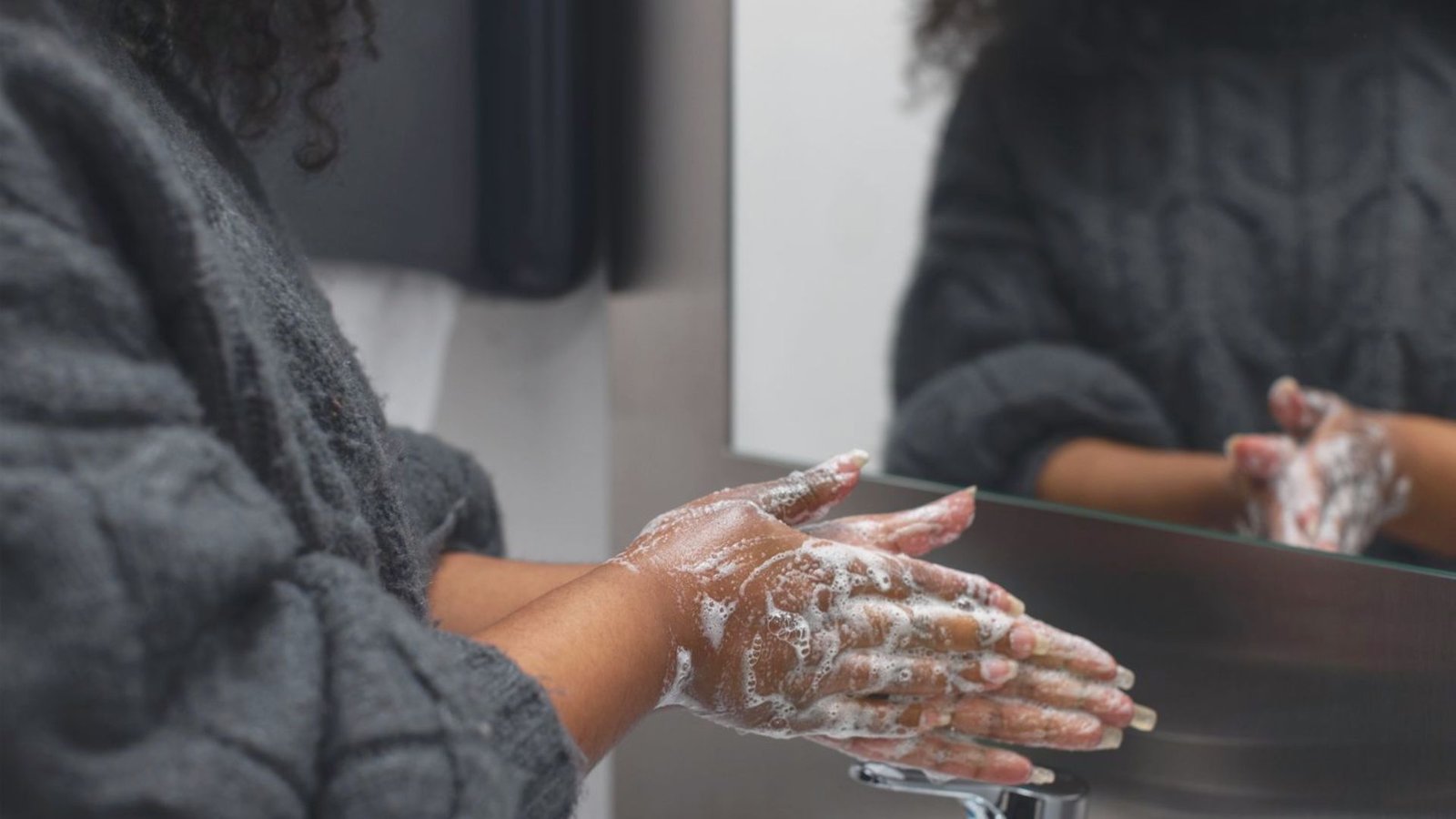
Your skin needs some love after glue removal. Wash your hands with gentle soap and pat them dry. Apply a good hand cream or aloe vera gel immediately.
This restores moisture that was stripped away during removal. If the glue was near your nails, massage cuticle oil into the nail bed and surrounding skin.
Watch for any signs of irritation over the next day. Mild redness is normal and should fade within hours. Keep moisturizing for the next few days. Your skin will thank you.
When to Seek Professional Help
Most glue removal is simple, but sometimes you need help. See a doctor or dermatologist if you notice severe redness that spreads, painful blistering, or swelling that gets worse. These could be signs of an allergic reaction or chemical burn.
If the glue won’t come off after trying multiple methods, or if it’s covering a large area, get professional help. Don’t risk damaging your skin by being too aggressive.
Conclusion
I’ve dealt with nail glue accidents more times than I can count, and trust me, patience really is your best tool here.
The methods in this guide work because they’re gentle on your skin while being tough on that stubborn adhesive. Remember to moisturize well after removal and give your skin time to recover.
Got a nail glue horror story or a removal trick that worked for you? Drop a comment below. I’d love to hear what methods work best for you. And if you found this helpful, share it with a friend who does their own nails at home.
Frequently Asked Questions
Can I use regular glue remover on my skin?
No, regular glue removers contain harsh chemicals that can burn your skin. Use acetone-based nail polish remover, oils, or warm soapy water instead.
How long does it take for nail glue to come off naturally?
Nail glue comes off naturally in 3 to 5 days as your skin sheds. Active removal is better to avoid discomfort and irritation.
Is it safe to use acetone on broken skin?
Never use acetone on broken skin. It will burn badly. Use only warm soapy water or natural oils if you have cuts.
What should I do if nail glue gets near my eyes?
Rinse with clean water immediately and see a doctor right away. This is a medical emergency that needs professional care.
Can nail glue cause permanent skin damage?
Permanent damage is rare but possible with severe reactions or untreated burns. Most irritation heals completely within a few days with proper care.