Melasma vs Sun Spots: Causes, Signs & Treatments

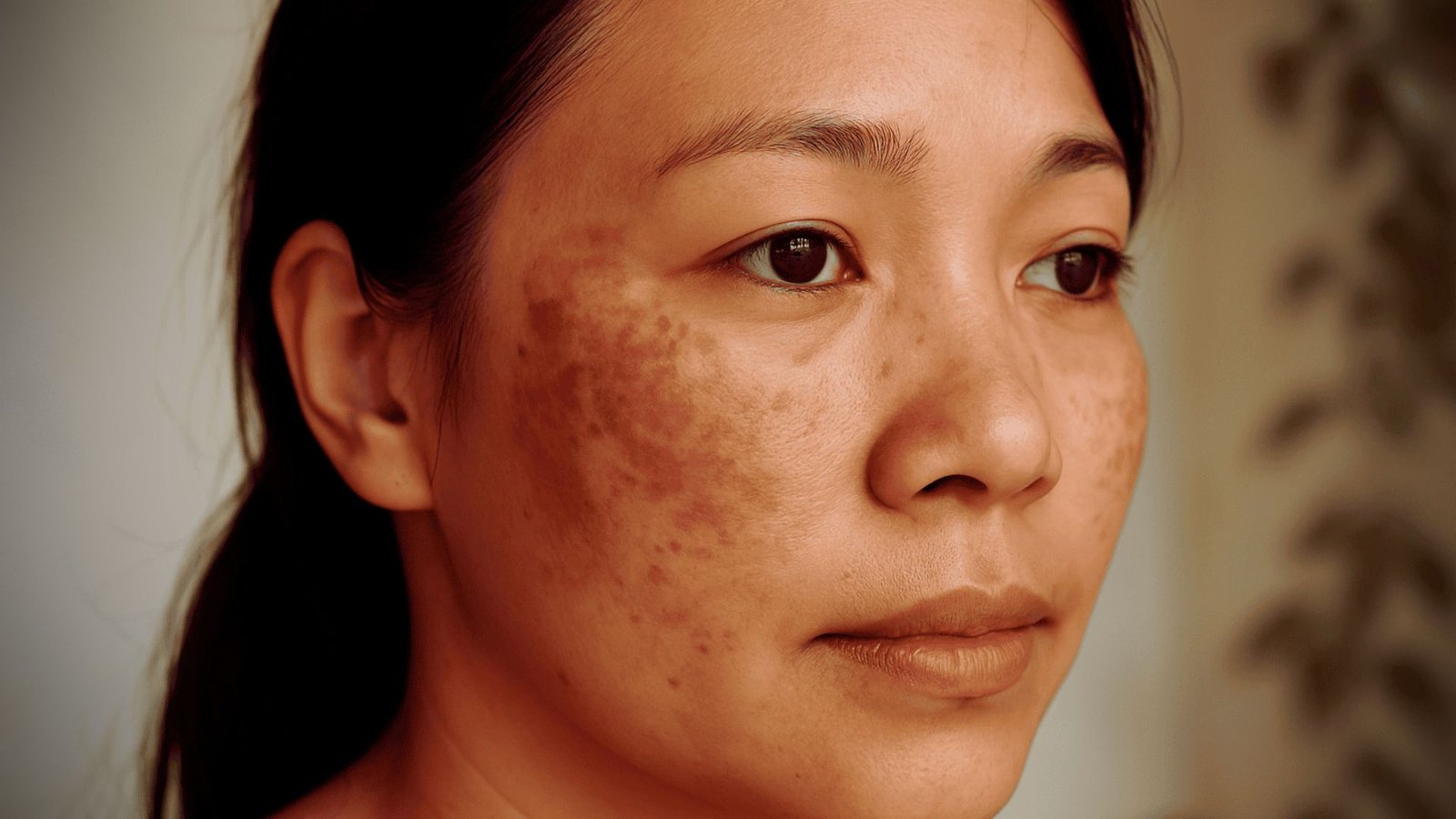
Dark patches on your face can be frustrating, especially when you don’t know what’s causing them. I’ve seen so many people treat the wrong condition and wonder why nothing works.
This guide will help you understand melasma vs sun spots so you can choose the right treatment.
We’ll cover what each condition looks like, what causes them, and how to treat them effectively. You’ll learn to spot the key differences between these two types of discoloration. I’ll share which treatments actually work for each one.
If you’re still unsure what’s causing your dark spots, you’ll know exactly what to do next. Your clearer skin starts here.
Understanding Skin Pigmentation Issues
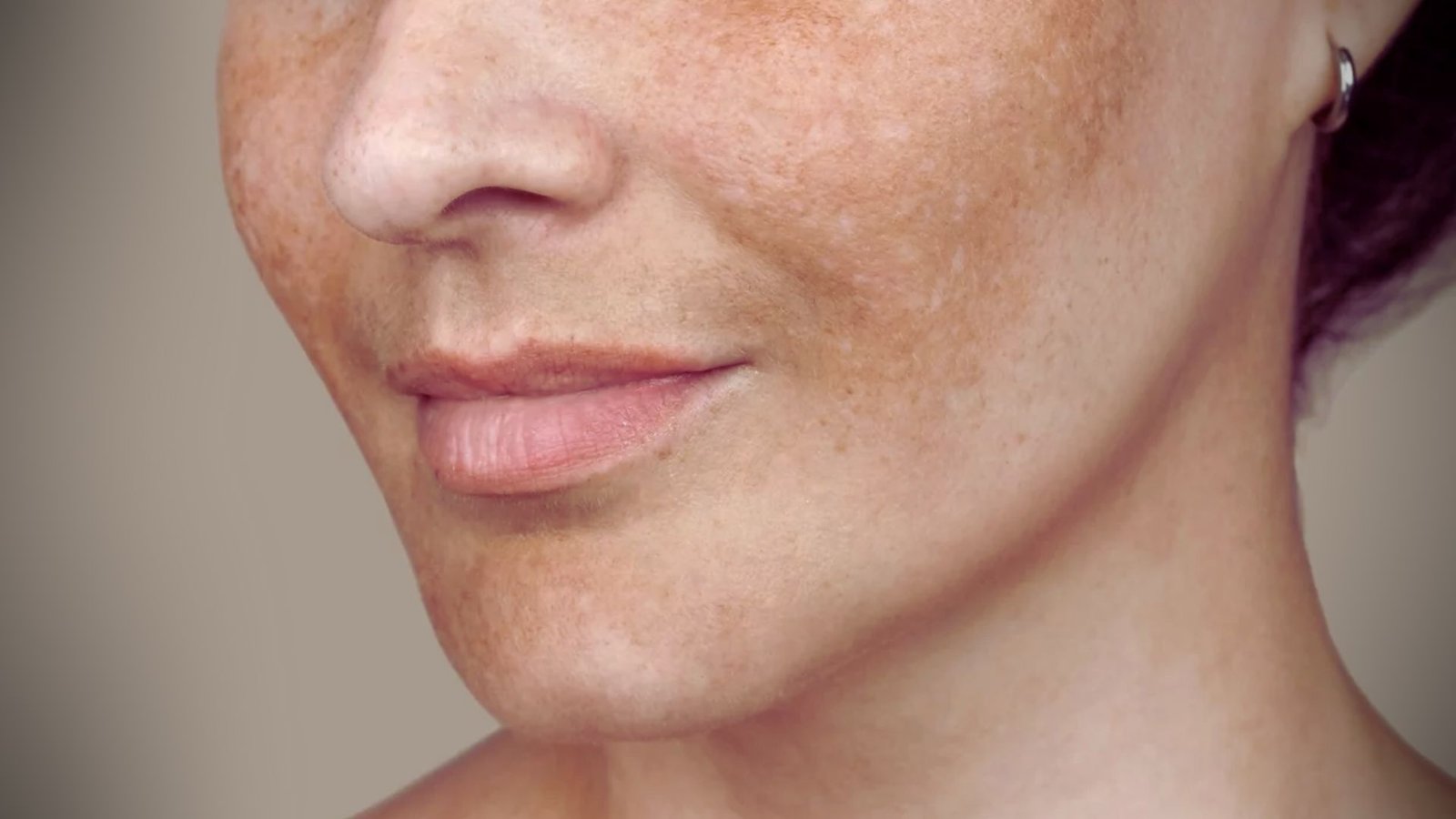
When dark spots appear on your skin, it’s usually your body producing too much melanin. Sun exposure is a big factor, but hormones, age, and genetics also play a role.
Your skin cells make melanin to protect you from UV rays. Sometimes this process goes into overdrive, creating patches or spots on your face and body.
Knowing what type of discoloration you have matters because the treatments are different. What works for sun spots might make melasma worse.
What Is Melasma?
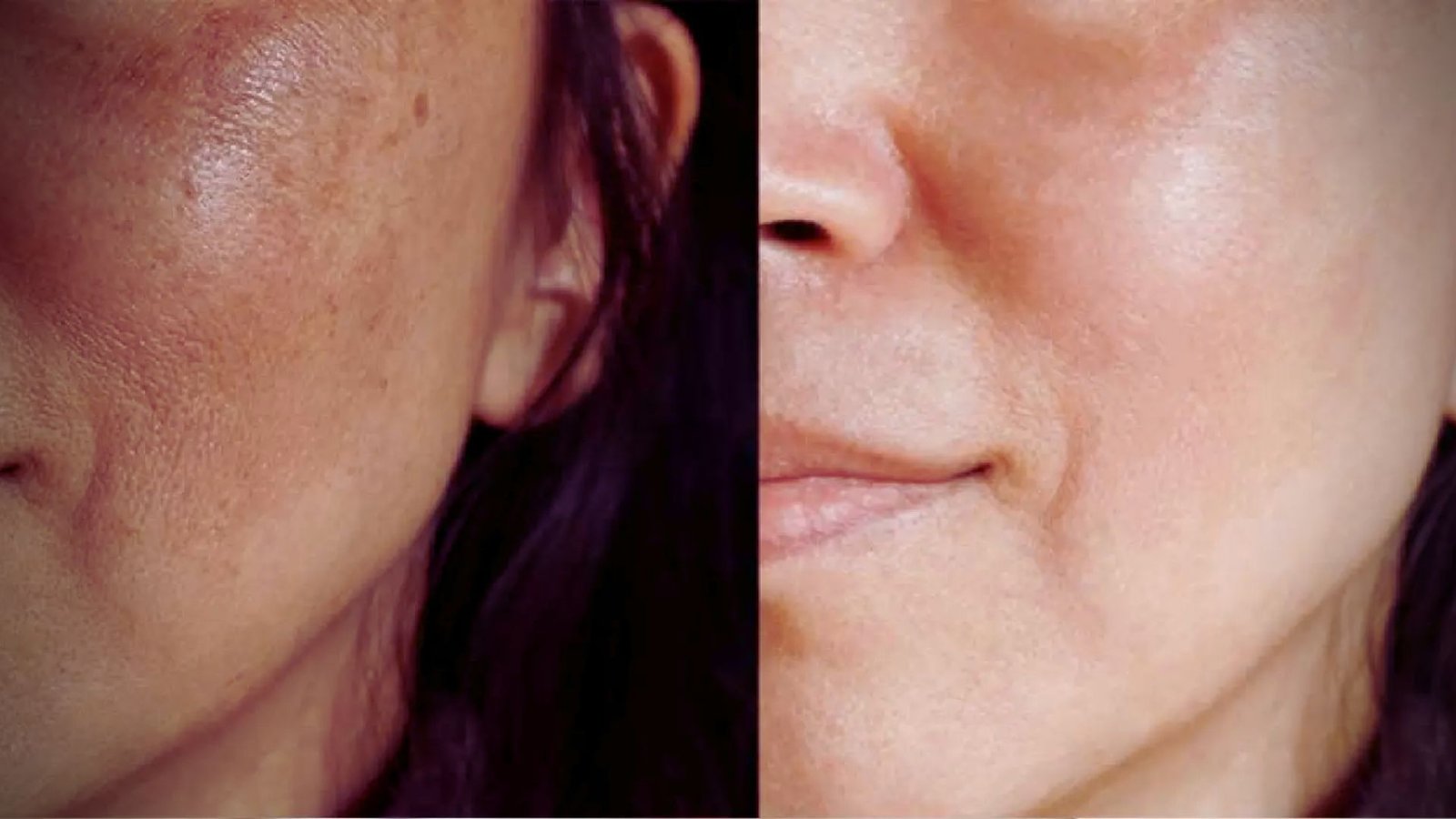
Melasma shows up as dark, patchy discoloration caused by hormonal changes, sun exposure, and genetic factors. It creates brown or gray-brown patches on your face when your skin makes too much melanin in certain areas.
The patches usually show up symmetrically. If you have a patch on one cheek, you’ll likely see a matching one on the other side.
Women get melasma much more often than men. About 90% of cases occur in women, especially during their childbearing years. Pregnant women develop it frequently, some people call it “the mask of pregnancy.” People with darker skin tones are also at higher risk.
Common triggers include:
- Hormonal changes are the biggest trigger.
- Pregnancy and birth control pills can both cause melasma to appear or get worse.
- Genetic predisposition plays a major role too.
- Sun exposure makes everything worse by activating melanin-producing cells.
- Stress affects your hormones, which can trigger melasma.
- Thyroid disorders can contribute to development.
- Some medications increase photosensitivity, making your skin more reactive to sunlight.
Signs of Melasma
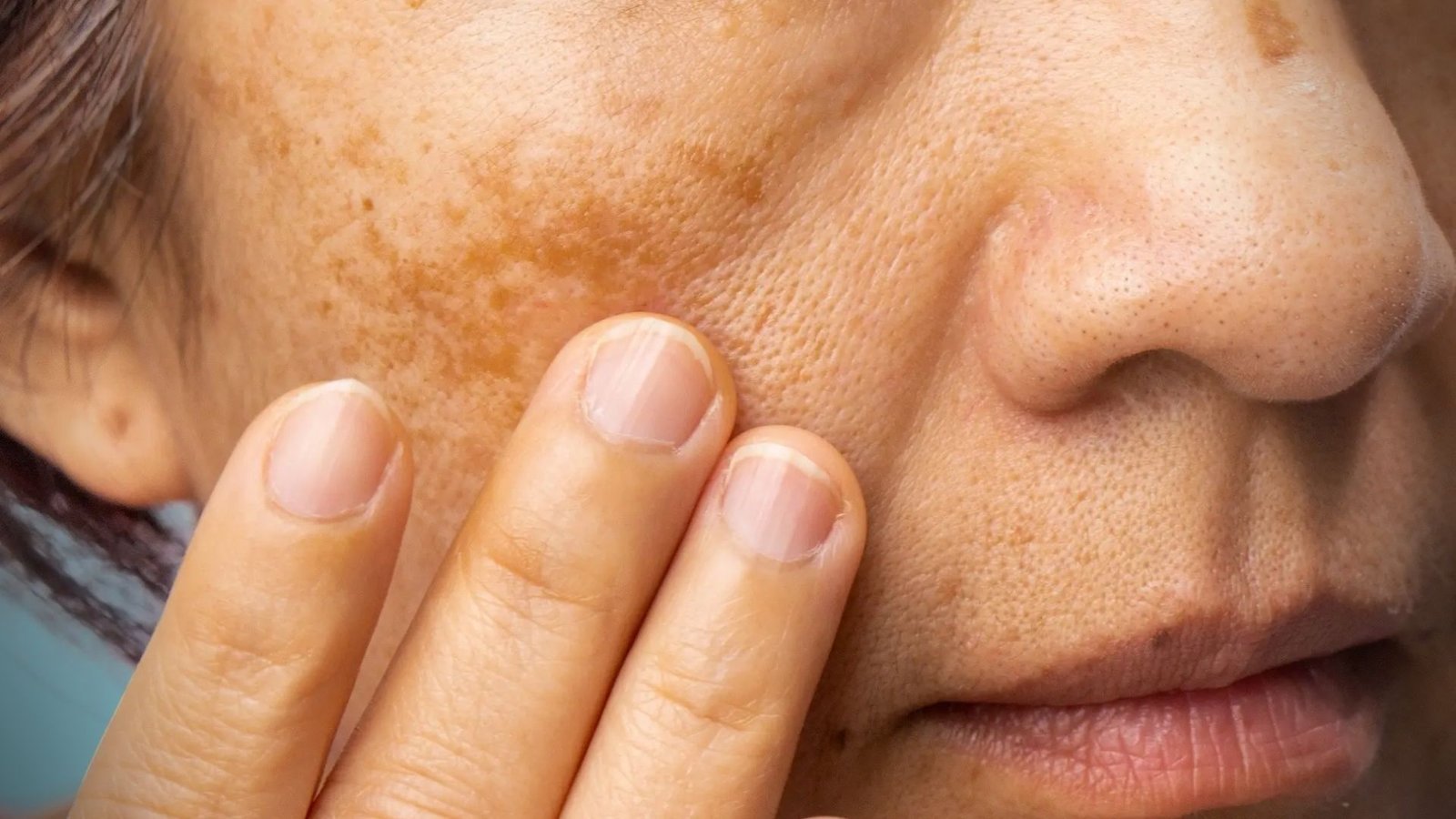
Melasma creates distinctive brown or gray-brown patches that appear symmetrically on the face and sometimes arms. The patches are darker than your natural skin tone and clearly defined.
Symmetry is typical. Look at both sides of your face, melasma usually mirrors itself across your nose or the center of your forehead.
The face is the main target: cheeks, forehead, upper lip, nose, and chin. Arms can develop patches too, though this is less common.
How to tell it’s melasma:
- Melasma spreads in larger patches with blurred edges.
- Sun spots are small and round with clear borders.
- Check for symmetry melasma matches on both sides of your face while sun spots appear randomly.
- Melasma often gets worse with hormonal changes. The color tends to be brown or gray-brown, while sun spots are usually just brown.
What Are Sun Spots?
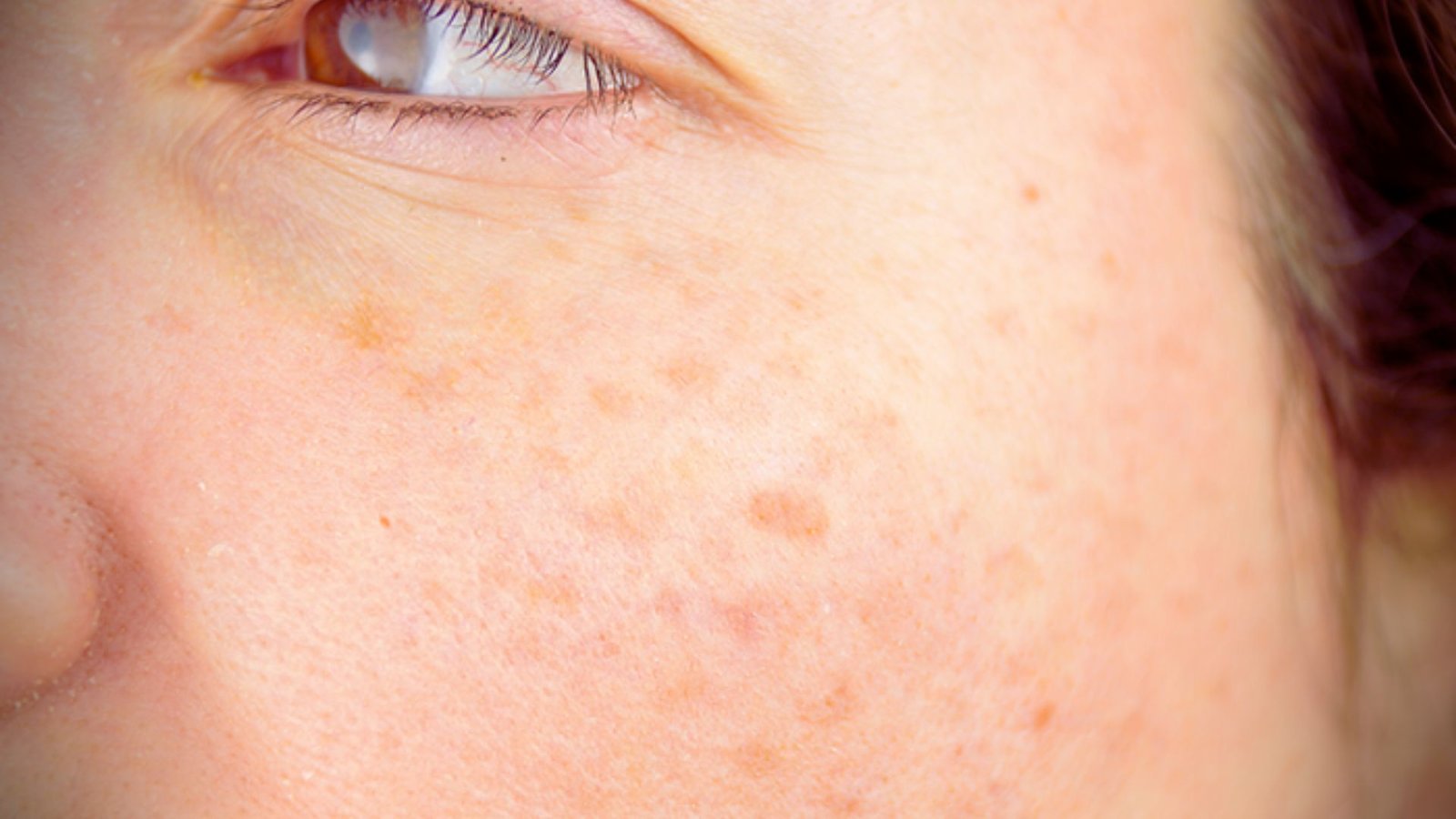
Sun spots are flat brown marks that form from years of UV exposure and damage to skin cells. Also called age spots or liver spots, they develop after repeated sun exposure.
The medical term is solar lentigines.
Chronic sun exposure is the main cause. Years of UV rays hitting your skin add up. Even if you don’t burn, the damage accumulates over time. UV damage changes how cells produce melanin.
Fair-skinned individuals see sun spots more often because lighter skin has less natural protection against UV rays.
Signs of Sun Spots
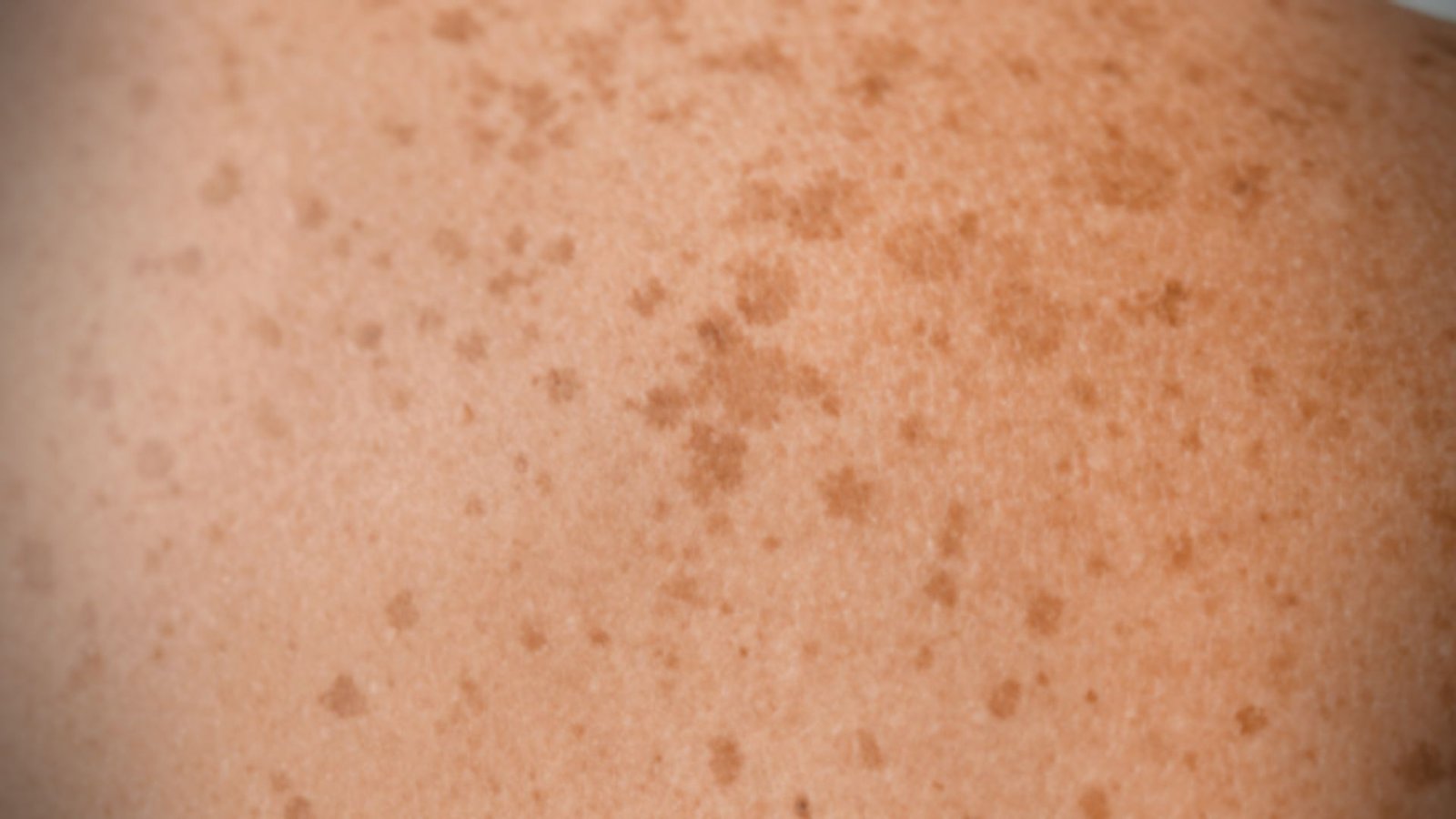
Sun spots appear as flat, brown marks in areas with the most sun exposure over time. They don’t rise above your skin surface and feel smooth when you touch them.
Symmetry isn’t typical, sun spots pop up wherever the sun hits hardest. Common locations include your face, chest, shoulders, and hands. The backs of your hands often show spots first.
Other sun damage symptoms include fine lines, dryness, dullness, and increased skin cancer risk. While sun spots themselves aren’t cancerous, they signal that your skin has sustained significant UV damage.
Melasma vs Sun Spots: Key Differences
These conditions differ in their root causes, visual appearance, risk factors, and how they respond to treatment.
|
Factor |
Melasma |
Sun Spots |
|
Cause |
Hormonal triggers combined with sun exposure |
UV exposure over time |
|
Appearance |
Larger, blurred patches that spread across your face and usually mirror each other |
Small, round, and well-defined with clear borders that scatter randomly |
|
Risk Factors |
Women (especially during reproductive years), darker skin tones, family history |
Anyone with sun exposure, fair skin, aging |
|
Treatment |
Gentle treatments that don’t heat deeper skin layers (aggressive procedures can make it worse) |
More intensive treatments like lasers and chemical peels |
Treating Melasma
Managing melasma requires gentle skincare, specific clinical procedures, and lifestyle changes.
At-home treatments: Low-dose hydroquinone reduces melanin production. Kojic acid blocks the enzyme that produces melanin. Retin-A speeds up cell turnover. Daily sunscreen (SPF 50 or higher) is absolutely essential.
In-clinic treatments: Chemical peels with glycolic or salicylic acid work well. Avoid laser and light therapies that heat deeper layers; they can make melasma worse.
Lifestyle adjustments: Wear wide-brimmed hats and seek shade. Reduce heat exposure from hot yoga, saunas, and steamy showers. Talk to your doctor about managing hormonal triggers.
Treating Sun Spots
Sun spots fade with consistent sun protection, brightening products, and professional treatments.
At-home treatments: Daily SPF prevents new spots and keeps existing ones from darkening. Brightening agents like vitamin C and niacinamide help fade spots gradually. Retinoids speed up skin cell turnover.
In-clinic treatments: Microneedling creates tiny channels to break up pigment. HydraFacial combines exfoliation with brightening serums. Microdermabrasion removes the top layer where pigment sits. DiamondGlow® exfoliates and infuses serums simultaneously.
PRP uses your own blood to stimulate skin renewal. Halo® is a hybrid fractional laser targeting surface and deeper pigment. BBL® uses intense pulsed light to break up pigment clusters. Adva TX targets both pigmentation and redness.
Early prevention matters: Lower cancer risk is the most important reason to address sun damage early. Better skin health long-term means fewer wrinkles and more even tone as you age.
When to See a Professional
Knowing when to seek medical help ensures proper diagnosis and prevents serious complications from unrecognized skin conditions.
See a dermatologist if you notice:
- Any new or changing spots on your skin
- Spots that bleed, itch, or hurt
- Sudden appearance of multiple dark patches
- Home treatments that make things worse
Make regular check-ups a priority:
- Get annual skin exams if you have significant sun exposure history
- Schedule skin exams to catch problems early
- Do self-exams at home monthly to monitor changes between appointments
Conclusion
I know how frustrating dark patches can be. I’ve watched friends struggle with treatments that didn’t work because they were treating the wrong condition.
Now you know the difference between melasma vs sun spots and how to address each one.
Start with proper identification, then choose treatments that match your specific issue. Protect your skin daily and be patient with the process.
If you’re still unsure what’s causing your dark spots, book a consultation with a dermatologist. Your clearer skin is within reach.
Frequently Asked Questions
Can melasma go away on its own?
Melasma may fade after pregnancy or stopping birth control, but it often returns with sun exposure. Most cases require ongoing treatment and sun protection.
Are sun spots dangerous?
Sun spots themselves aren’t dangerous, but they indicate significant UV damage. This increases your risk for skin cancer, so get regular skin checks.
Can I use the same treatment for both conditions?
No, melasma requires gentler treatments that don’t heat the skin, while sun spots respond well to more intensive procedures.
How long does it take to see results?
Sun spots may lighten in 4-8 weeks with consistent treatment. Melasma takes longer, often 3-6 months or more.
Will these dark patches come back after treatment?
Sun spots can return with continued sun exposure. Melasma almost always comes back without strict sun protection and hormone management. Daily sunscreen is essential for both conditions.