Microneedling With PRP: How It Works, Step by Step

Microneedling with PRP may sound intimidating, but it is actually a straightforward treatment once you understand how it works. You are here because you want real answers, not hype or vague promises.
You may be considering it for acne scars, wrinkles, or hair loss, or your dermatologist may have mentioned it, and you want clarity before deciding. This article explains microneedling with PRP in clear and simple terms.
You will learn what happens during the treatment, how PRP is applied, and why proper technique matters. We cover preparation, needle depth, PRP timing, recovery, and aftercare without medical jargon or unnecessary fluff, so you know exactly what to expect.
What Is Microneedling With PRP?
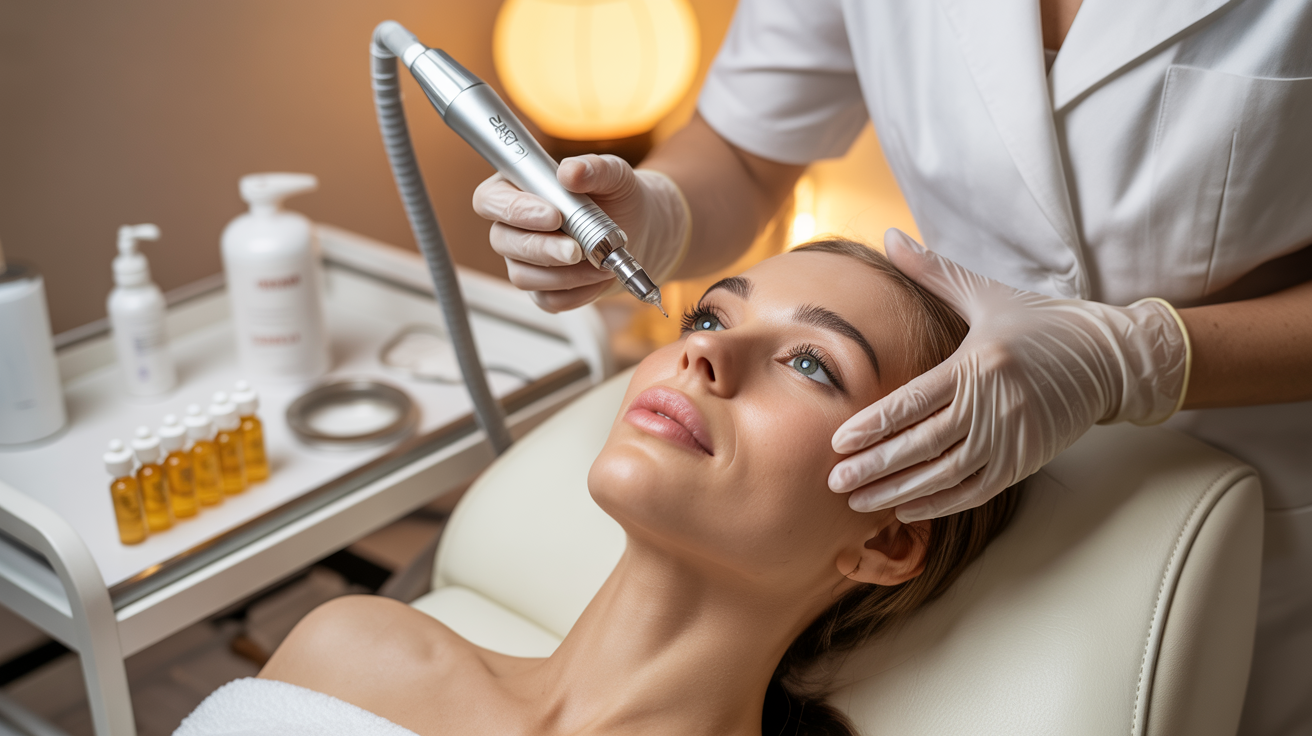
Microneedling is a skin procedure also known as collagen induction therapy. Tiny needles create small punctures in your skin, and these controlled injuries trigger your body’s natural healing response.
PRP stands for platelet-rich plasma. It comes from your own blood. A small amount is drawn and spun in a centrifuge to separate the platelet-rich portion from the rest. These platelets contain growth factors that support tissue repair.
When microneedling is combined with PRP, the tiny channels allow your skin to absorb this concentrated support exactly where it is needed.
The core goal is simple: Increased collagen production and skin regeneration. Your body creates more collagen in targeted areas. Collagen helps keep skin firm and resilient. This treatment uses your own biological process to improve skin quality from within, without foreign substances.
How PRP Is Applied During Microneedling?
PRP is applied topically during microneedling or injected into problem areas, allowing growth factors to penetrate deeply for skin rejuvenation.
- PRP is applied directly onto your skin during microneedling. The tiny channels created by the needles let it sink deep, ramping up collagen production and triggering your body’s natural repair process.
- For problem areas like under-eye hollows and deep wrinkles, PRP can be injected directly into the tissue to target deeper layers that microneedling alone can’t reach.
- Both methods can be combined in one session. Injectable PRP addresses specific areas first, then microneedling covers the entire zone with leftover PRP applied topically.
- The PRP stays on your skin for 10 to 15 minutes after treatment to fully absorb through the fresh micro-channels.
- This combined approach delivers targeted treatment for specific concerns plus overall skin rejuvenation in a single session.
Step-by-Step Microneedling With PRP Procedure
Let me walk you through exactly what happens during your appointment.
Step 1: We Prepare Your Skin
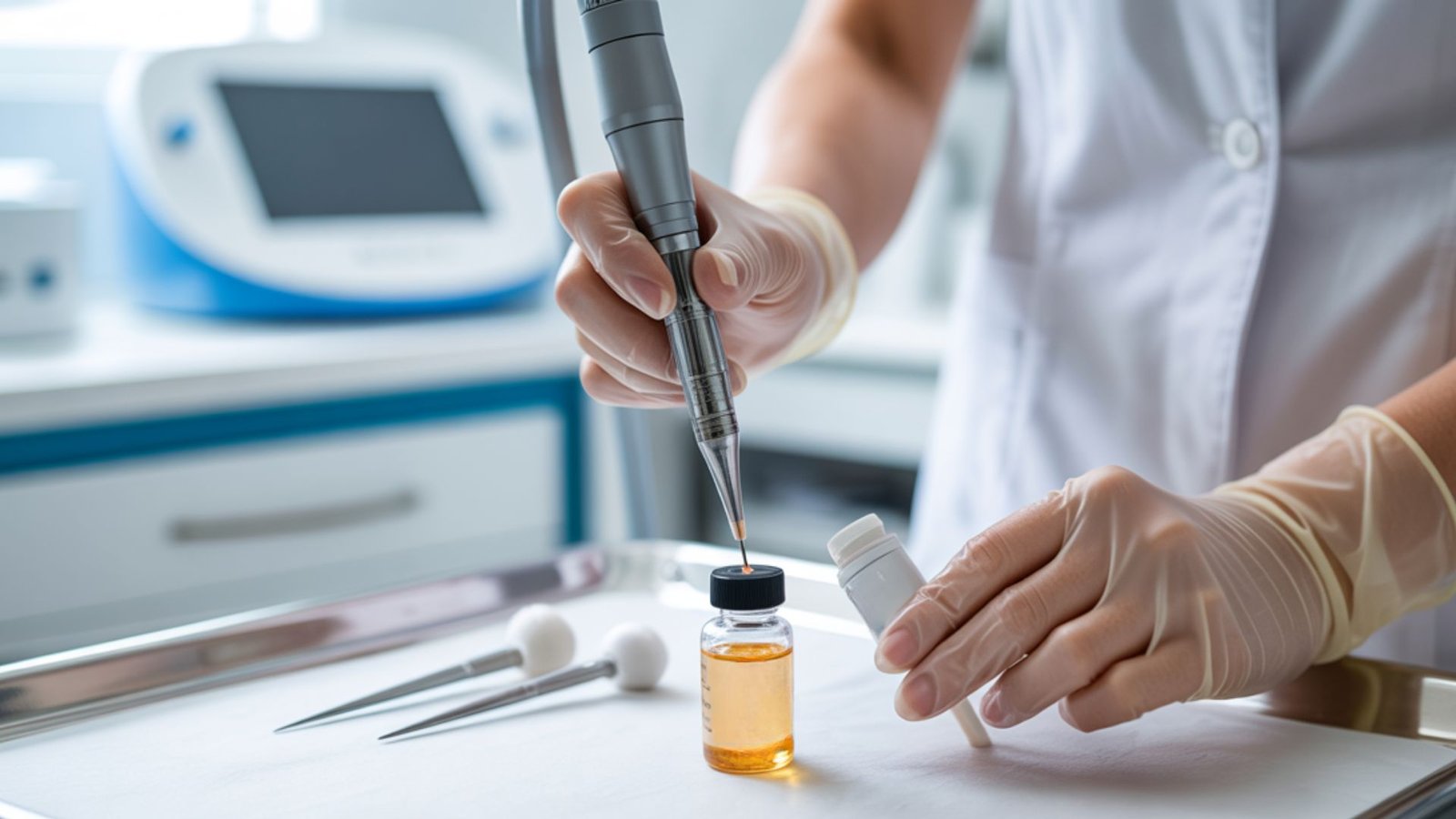
First, I’ll thoroughly cleanse your face to remove makeup, oil, and dirt, creating a clean “canvas.” Then, a numbing cream is applied for 20–30 minutes to ensure a comfortable procedure.
Step 2: I Draw Your Blood
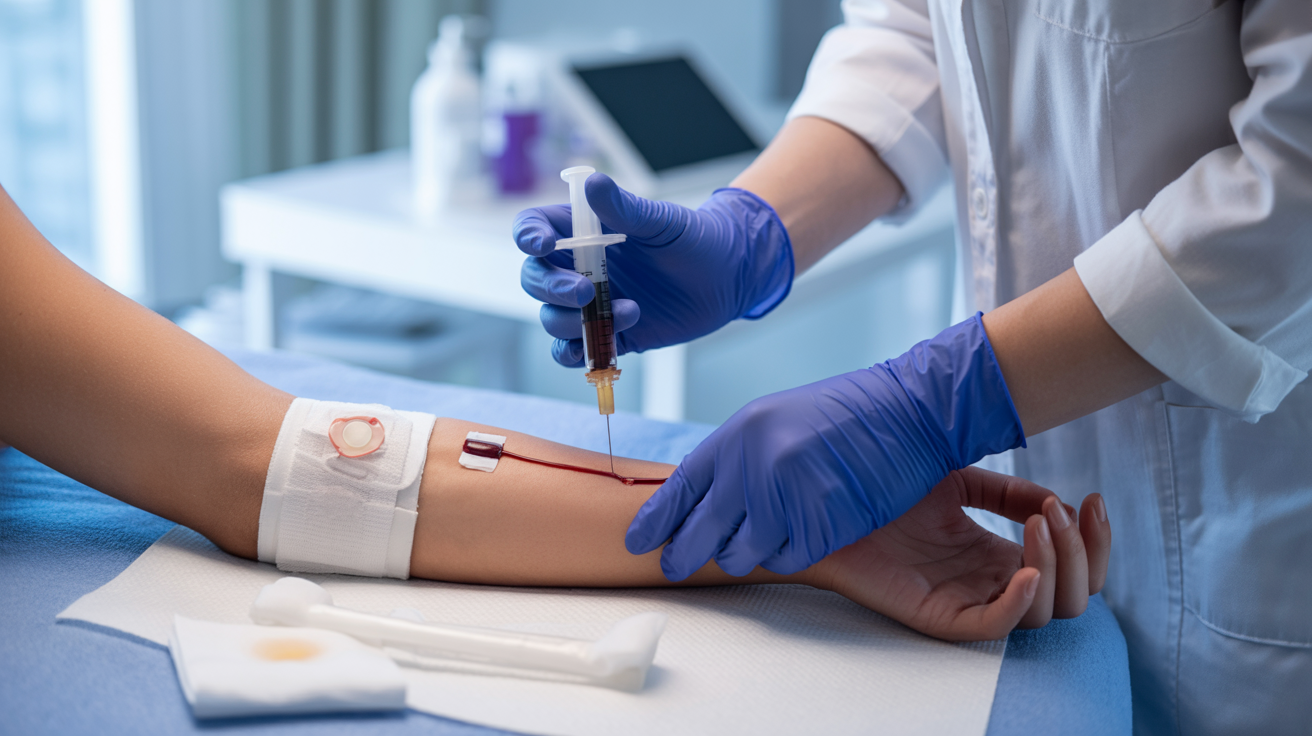
I’ll draw 1–2 small vials of blood, then spin them in a centrifuge for 10 minutes to separate plasma rich in growth factors from red blood cells.
Step 3: We Start Microneedling
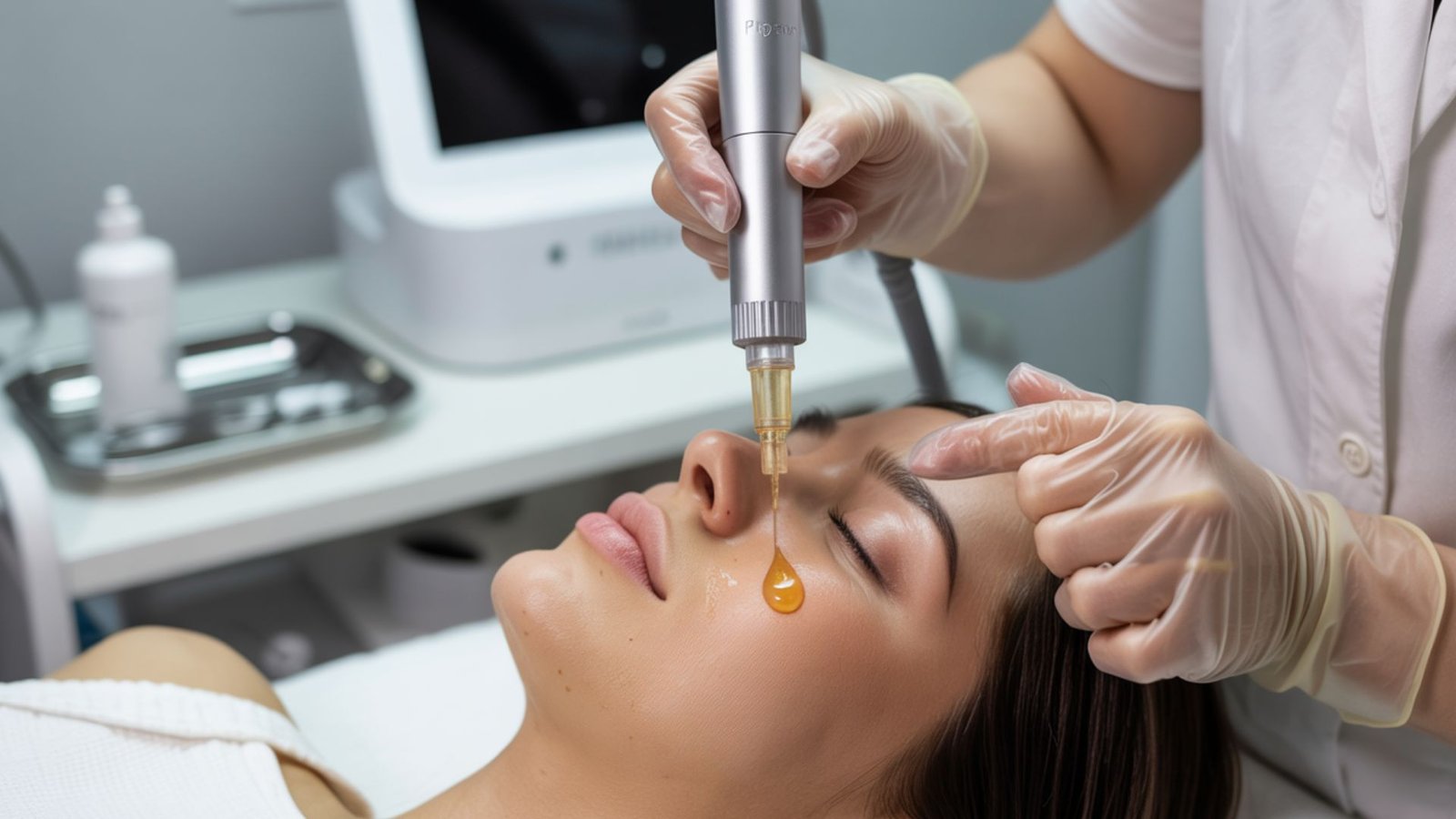
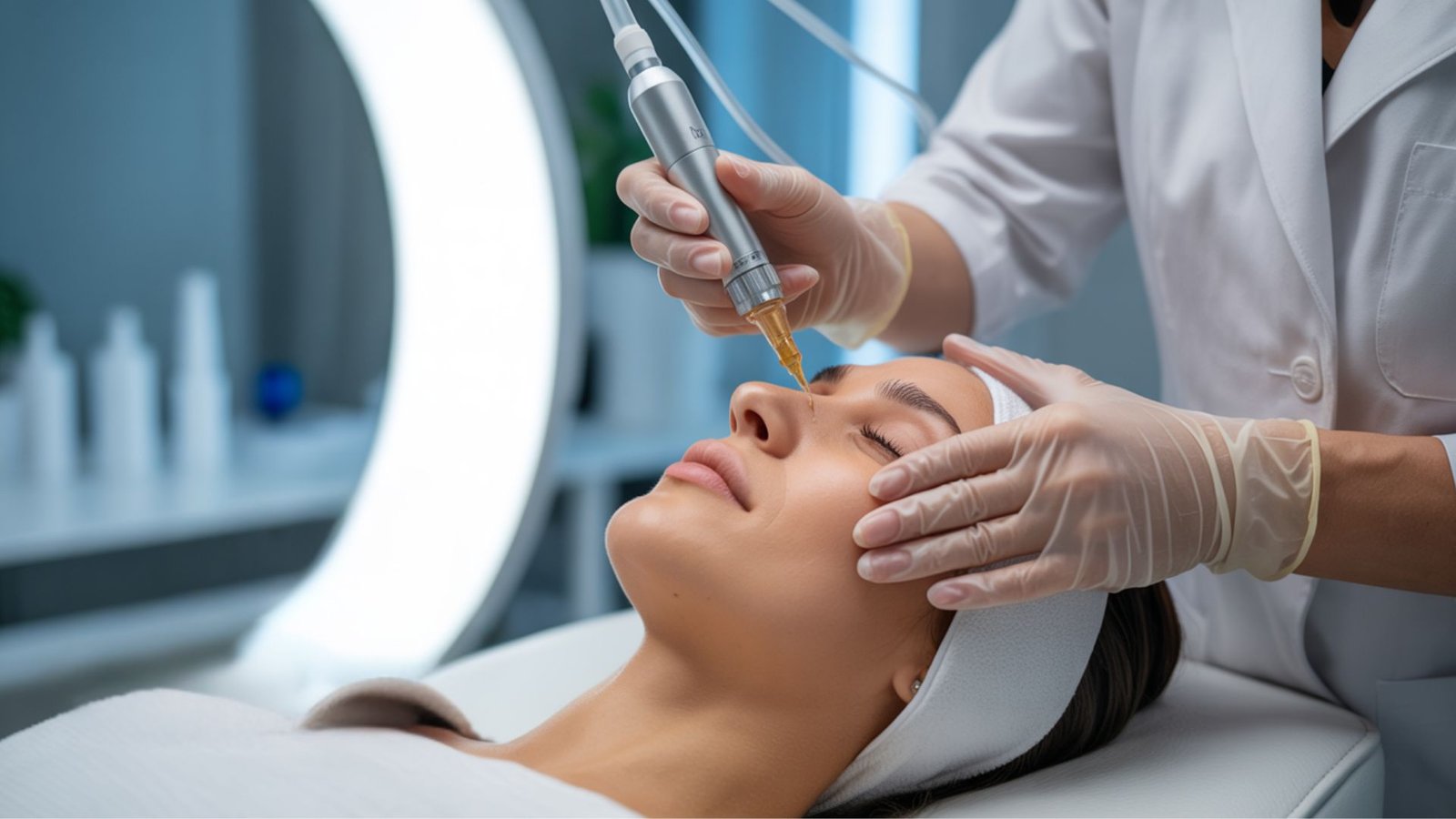
I remove the numbing cream, cleanse your skin, then use a sterile microneedling device, which may cause mild pressure or tingling.
The tiny needles create microscopic channels that trigger natural healing, leaving slight redness like a mild sunburn.
Step 4: I Apply the PRP
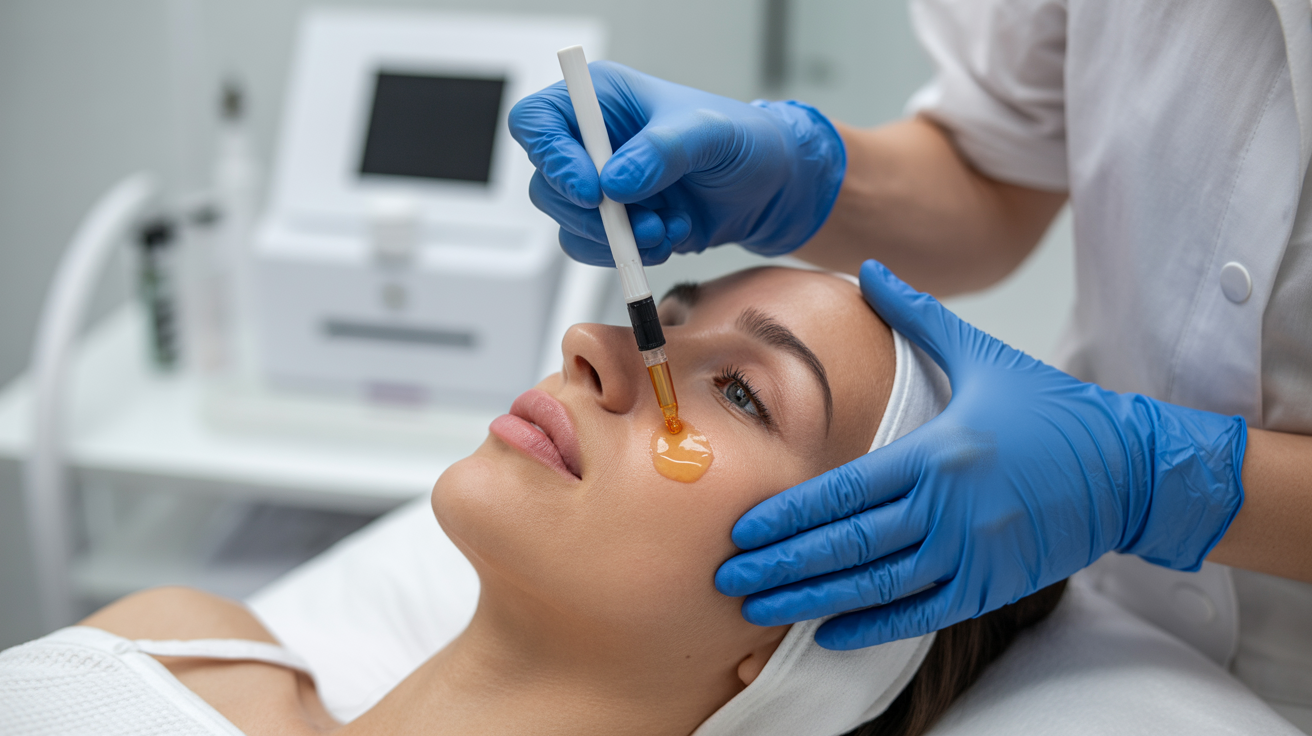
I apply platelet-rich plasma (PRP) from your blood onto microneedled skin, letting it absorb deeply through tiny channels. It works with your body’s healing to boost collagen and renew cells.
Step 5: You Rest and Recover
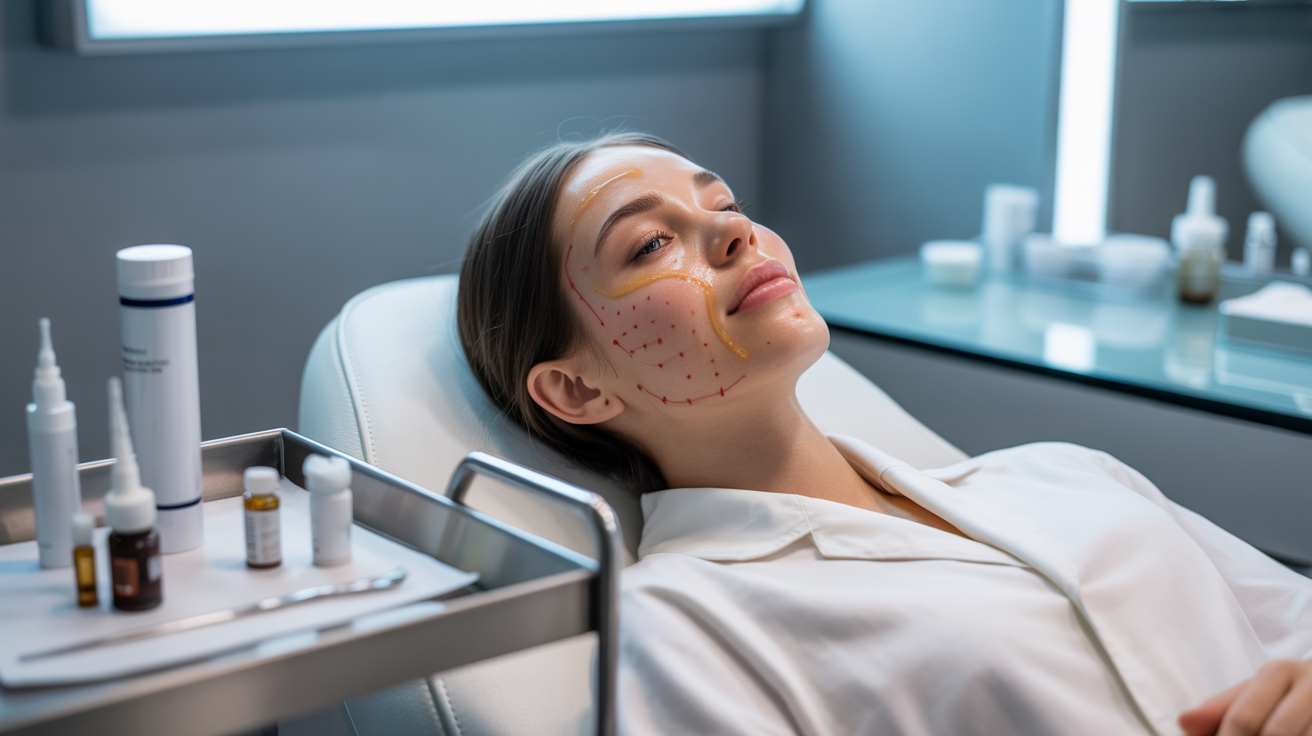
Your treatment is complete, and some redness or swelling is normal. Avoid makeup and sun for 24 hours and keep skin clean while pinkness fades in two to three days.
Treatment Frequency and Protocol
One session won’t give you the results you want. Most patients need 3 to 5 sessions for the best results. I’ll space your appointments 4 to 6 weeks apart.
This timing allows your skin to heal completely and produce new collagen between visits. Deep acne scars require more patience. You might need 3 to 6 treatments, depending on the severity.
Your skin does most of its healing work between appointments, not during them. The collagen production process takes weeks to complete.
Rushing treatments actually slows down your results. Think of it like working out. You can’t get fit from one gym visit. Consistency matters here.
Your results aren’t permanent without upkeep. I recommend one maintenance session per year to keep your skin looking fresh. Think of it as an annual tune-up. These touch-up treatments help maintain your collagen levels and extend your results long-term.
Some patients prefer twice-yearly sessions depending on their skin’s aging process.
Results and Timeline
The changes don’t happen overnight. But they do happen. Your skin starts to glow within the first few days. You’ll notice it in the mirror. Then, around weeks two and three, visible improvement kicks in. Your skin texture smooths out. Fine lines soften. This is when other people might notice.
Weeks four to six are the sweet spot. Your collagen production peaks here. Skin feels firmer. Texture improves significantly. You’re seeing the full effect of your body rebuilding itself from the inside out.
Acne scars take longer. You’ll see continued improvement over several months, sometimes up to six. Be patient. The deeper the scar, the longer it takes. Bottom line? Quick glow, solid results in a month, best results if you stick with it.
Aftercare and Recovery
Your skin just went through something. It needs time to heal. Redness and swelling are normal. They’ll stick around for 1–3 days, sometimes up to 5 days. Don’t panic if your face looks a bit angry at first. This is part of the process.
Here’s what you need to avoid. Direct sun, hot showers, saunas, swimming pools, and intense workouts. I know it’s tempting to jump back into your routine. Don’t. Keep your skincare simple. Use only gentle, fragrance-free products. No retinol. No acids. Just cleanser and moisturizer.
Sun protection is non-negotiable. Your treated skin is vulnerable right now. UV damage can cause dark spots or undo your results.
Wear SPF 30 minimum every single day, even if you’re just going to your car. Reapply every two hours if you’re outside. Give your skin what it needs, follow these steps, and you’ll heal properly.
Safety and Candidate Considerations
Not everyone should get this treatment, but most people can.
Who Is a Good Candidate?
Your skin color doesn’t disqualify you. I work with all skin types and tones from the palest to the deepest. This treatment doesn’t discriminate.
You’re probably a great fit if you’re dealing with mild to moderate concerns. Think early wrinkles, light scarring, or texture issues. Nothing too severe, but enough that you notice it in the mirror.
And here’s the best part, you don’t need surgery. You want real results without the downtime, risk, or cost of going under the knife. That’s the whole point.
Who Should Avoid Treatment?
Pregnancy and breastfeeding are automatic stops. Your body’s doing critical work right now. We don’t mess with that. Wait until after you’re done nursing.
Blood disorders or platelet problems also mean we can’t proceed safely. The same goes for active infections, open wounds, or recent Accutane use within six months. If you’ve had radiation therapy on the treatment area, we need to pause.
These aren’t rejections. There are timing issues. Once your situation changes, we can talk again. Your safety always comes before your skin goals.
Microneedling With PRP vs. Microneedling Alone
People ask me this all the time. Is the PRP worth it?
Here’s the honest breakdown:
|
Microneedling Alone |
Microneedling With PRP |
|
Creates tiny channels in your skin |
Creates the same channels, plus adds growth factors |
|
Triggers natural healing |
Triggers healing and speeds it up |
|
Works well for mild concerns |
Often works better for scars and texture issues |
|
Your body does the work |
Your body gets extra help from your own plasma |
|
Good results |
Typically better results |
Conclusion
Microneedling with PRP is not complicated. It is a skin treatment that uses your body’s own healing response. Microneedling creates pathways in the skin, and PRP supports repair in those areas. At this point, you understand how the treatment works, what happens during a session, and whether it may suit your needs.
This approach is not suitable for everyone. However, if you are dealing with scars, uneven texture, or early signs of aging, it may be an option to consider. Proper technique, correct aftercare, and your individual skin condition all play an important role in results.
If you want to move forward, speak with a qualified provider who can evaluate your skin and goals. If you have questions, leave a comment below. Clear information and the right guidance make a real difference.
Frequently Asked Questions
How long does microneedling with PRP take?
The entire appointment usually takes 60 to 90 minutes. This includes numbing time (20-30 minutes), blood draw and PRP preparation (10-15 minutes), and the actual microneedling treatment (20-30 minutes). You’re in and out in under two hours.
Is microneedling with PRP painful?
Most people feel pressure and mild discomfort, not pain. I apply numbing cream before we start, which takes the edge off. You might feel some scratching or tingling sensations. It’s tolerable. Most patients describe it as uncomfortable rather than painful.
How many sessions of microneedling with PRP do I need?
Most people need 3 to 6 sessions spaced 4 to 6 weeks apart. Your specific number depends on your skin concerns and goals. Mild issues might need fewer treatments. Deeper scars or significant texture problems usually require more sessions for optimal results.
When will I see results from microneedling with PRP?
Initial improvements appear in 2 to 4 weeks as collagen starts building. Full results develop over 3 to 6 months as your skin continues remodeling. You’ll notice gradual changes. Smoother texture, reduced scarring, and better tone. Patience pays off with this treatment.
Can I wear makeup after microneedling with PRP?
Wait at least 24 hours, preferably 48. Your skin needs time to close those micro-channels and start healing. Applying makeup too soon can introduce bacteria or irritants. After two days, mineral makeup is your safest bet until redness completely fades.