Monolid vs Double Lid: Key Differences Explained

Learn the differences between monolid and double eyelids, including appearance, makeup tips, and what makes each eye shape special.
Have you ever looked in the mirror and noticed your eyelids look different from what you see in makeup tutorials?
I used to wonder the same thing. Some of us have monolids, while others have double lids. It’s just a natural part of our face, like our nose or lips.
Understanding the difference can help you feel more confident about your look.
That’s why so many people search for monolid vs double lid comparisons. I want to clear up the confusion and help you figure out which type you have and what it means for you.
What Is a Monolid?
Let me explain what a monolid actually is.
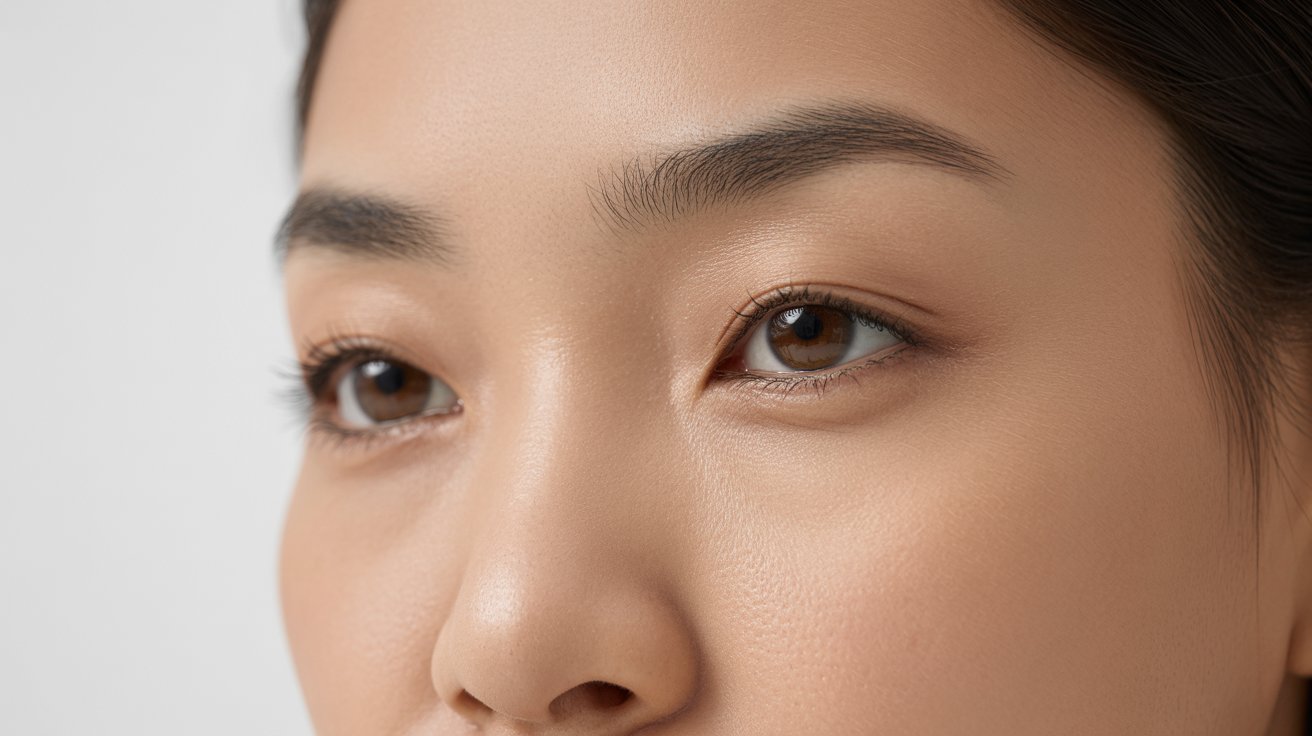
When you open your eyes and look in the mirror, you either see a crease line on your upper eyelid or you don’t. If there’s no crease, that’s a monolid. It’s really that simple.
Key Characteristics of Monolid Eyes
Here’s what monolids look like:
- No visible upper eyelid crease: When you open your eyes, the skin on your upper lid stays smooth. There’s no fold or line dividing your eyelid into two parts.
- Smooth, flat eyelid appearance: Your eyelid has a continuous surface from your lash line up to your brow bone. The skin lies flat without any natural fold.
- Often almond-shaped eyes: Many people with monolids have eyes that taper at the corners, creating that classic almond shape.
Common Misconceptions About Monolids
Let’s clear up some confusion I often see.
- Monolids are not hooded eyes: This is a big one. Hooded eyes have a crease, but excess skin droops over it. Monolids don’t have a crease at all. They’re completely different eye shapes.
- Monolids are not caused by aging or drooping: You’re born with monolids. They’re genetic, not something that happens as you get older. Your eyelids aren’t sagging. This is just how they naturally form.
What Is a Double Lid?
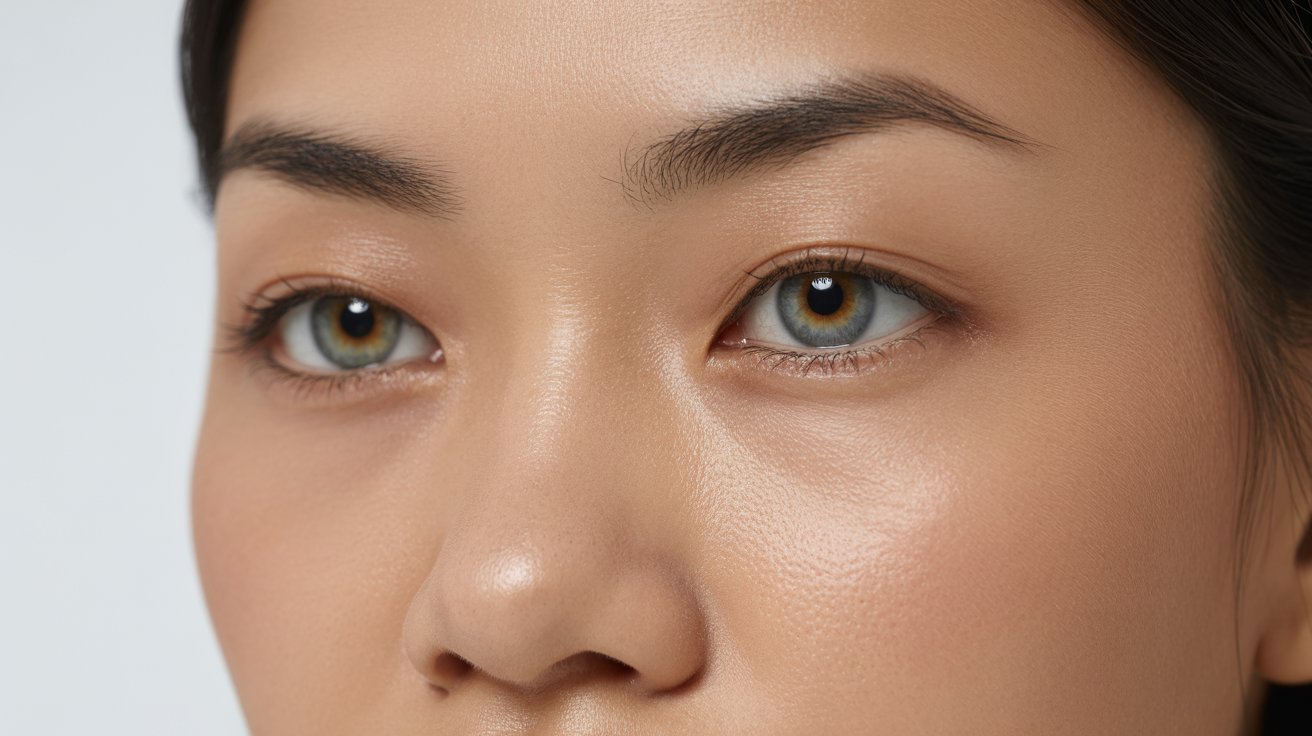
Now let’s talk about double lids. If you look at your upper eyelid and see a crease or fold line, you have a double lid.
That crease creates two sections on your eyelid, which is where the name comes from.
Key Characteristics of Double Lid Eyes
Here’s what makes double lids different:
- Visible crease on the upper eyelid When you open your eyes, you can clearly see a line or fold across your upper lid. This crease sits somewhere between your lash line and your eyebrow.
- Eyelid appears divided into two sections The crease splits your eyelid into an upper part and a lower part. You can see this division when your eyes are open.
- More depth above the lash line The crease creates a natural shadow and dimension on your eyelid. This gives your eyes more depth compared to the flat surface of a monolid.
Variations in Double Lids
Not all double lids look the same. Here are the main differences:
- Deep vs shallow creases Some people have a crease that sits higher up on the eyelid, creating a deeper fold. Others have a crease closer to the lash line, making it more subtle.
- Natural vs age-related double lids Most double lids are genetic and present from birth. However, some people develop creases as they age due to skin changes. Both are normal, but they happen for different reasons.
Monolid vs Double Lid: Visual Differences
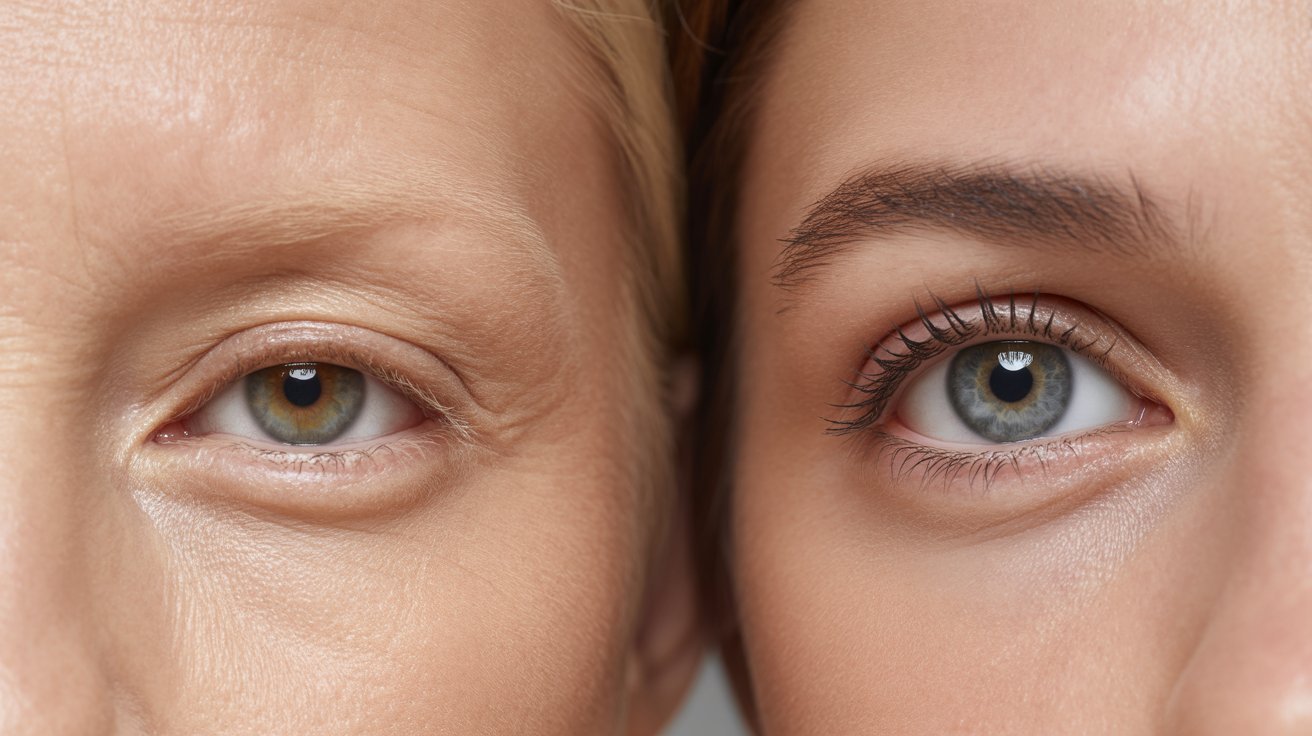
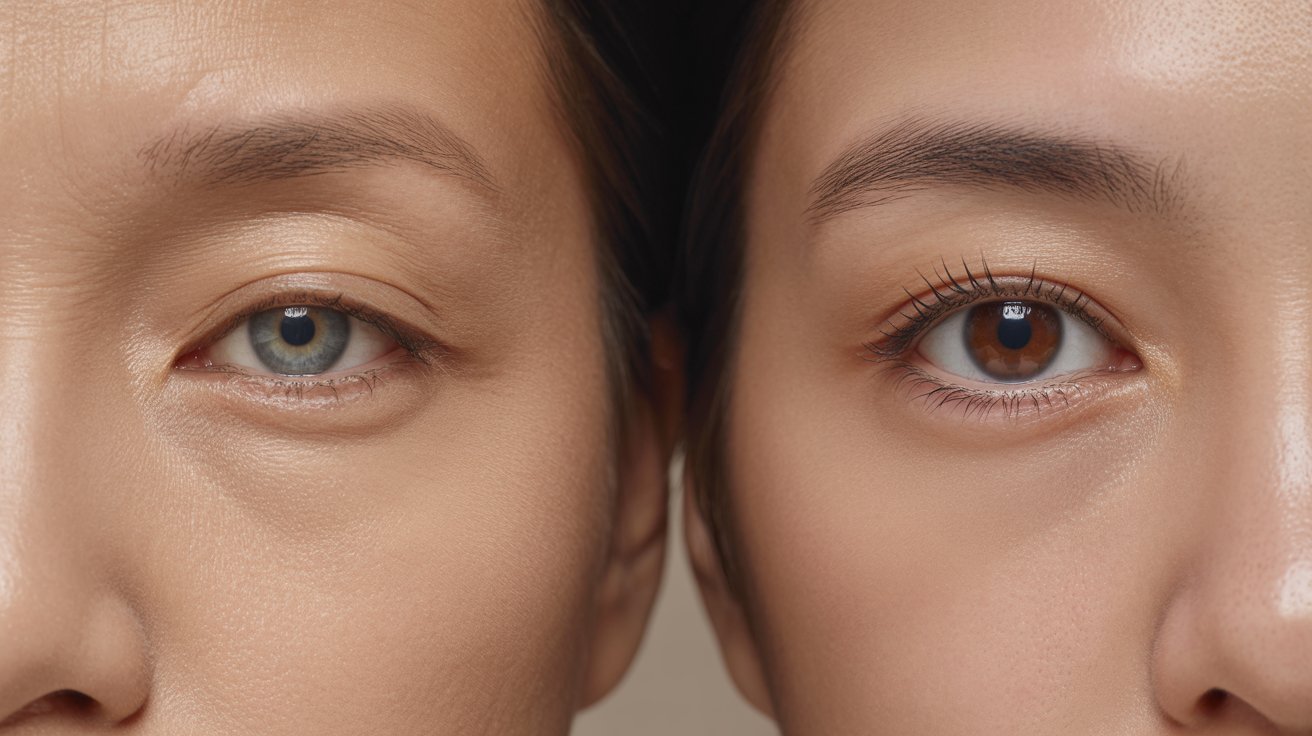
The easiest way to tell these two apart is by looking at them side by side. Let me walk you through what you’ll see.
Upper Eyelid Crease Comparison
This is the main difference between the two. With a double lid, you’ll see a clear line or fold when the eye is open.
With a monolid, the eyelid is smooth from top to bottom with no fold at all. It’s the most obvious way to identify which type you have.
Eye Shape and Appearance
Beyond just the crease, the overall look is different too. Monolids have a flat, even surface across the entire lid. There’s no dimension or layering. Double lids have a natural contour because of the fold. This creates two distinct areas on the eyelid.
The way light hits each eye shape is also completely different. Monolids reflect light evenly across the lid since the surface is smooth. Double lids create natural shadows in the crease area. This makes the eyes look more dimensional even without makeup.
Monolid vs Double Lid (Comparison Table)
Let’s have a quick look at the differences between:
|
Feature |
Monolid |
Double Lid |
|
Eyelid Crease |
No crease |
Visible crease |
|
Upper Lid Surface |
Smooth |
Folded |
|
Eye Appearance |
Subtle, elongated |
More defined |
|
Lid Definition |
Minimal |
Pronounced |
|
Visual Depth |
Flatter look |
Greater depth |
Why Do Some People Have Monolids or Double Lids?
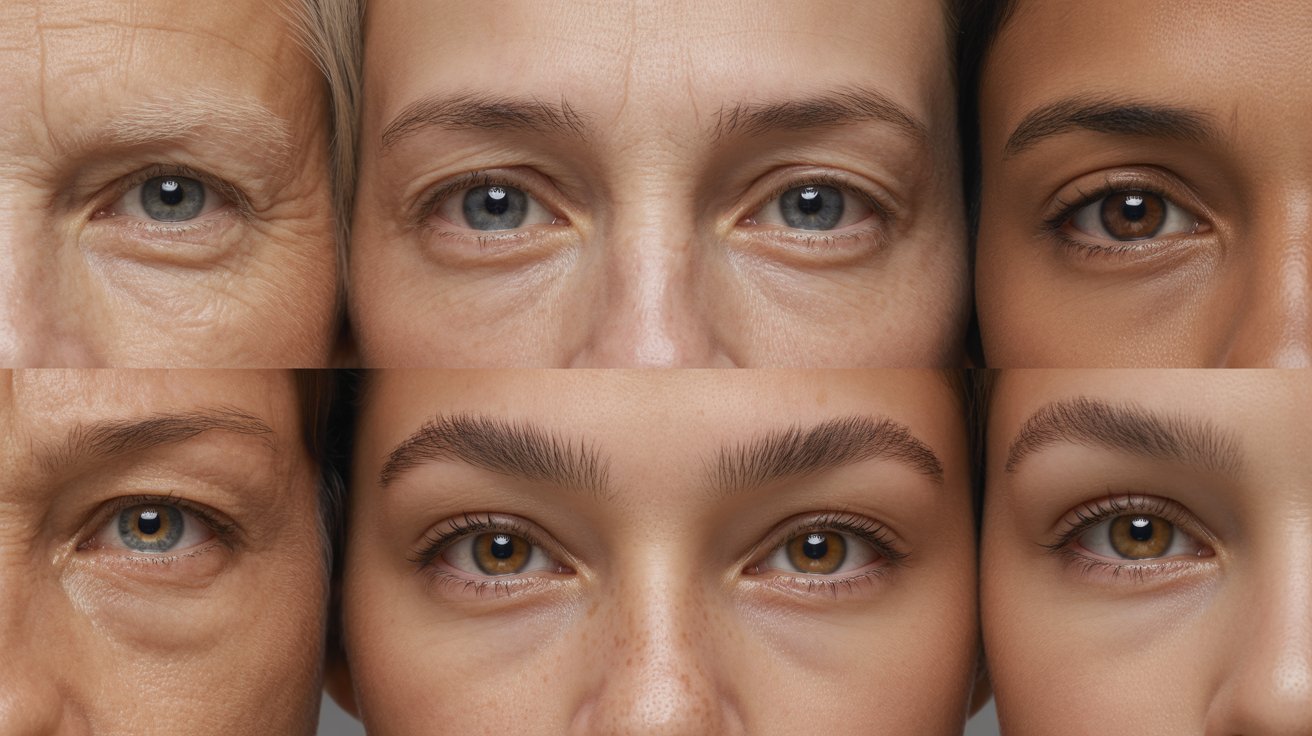
You might be wondering why some people have one type and others have a different type. The answer comes down to genetics and how our bodies change over time.
Role of Genetics
Your eyelid shape is something you’re born with. It’s passed down from your parents just like your hair color or height. If your parents have monolids, there’s a good chance you will too.
Eyelid shape also varies across different ethnic groups and regions. Monolids are more common in East Asian populations, while double lids appear more frequently in other groups.
But both types can appear in any population.
Can Eyelid Shape Change Over Time?
Your eyelid shape can shift as you get older, though it doesn’t happen to everyone.
As you age, your skin loses elasticity and can stretch or sag. Some people with monolids might develop a slight crease later in life.
Fat distribution in the eyelid also plays a role. When you’re younger, you have more fat in your eyelids.
As you age, this fat can decrease or shift position. This can change how your eyelids look and whether a crease is visible or not.
How to Tell If You Have a Monolid or Double Lid
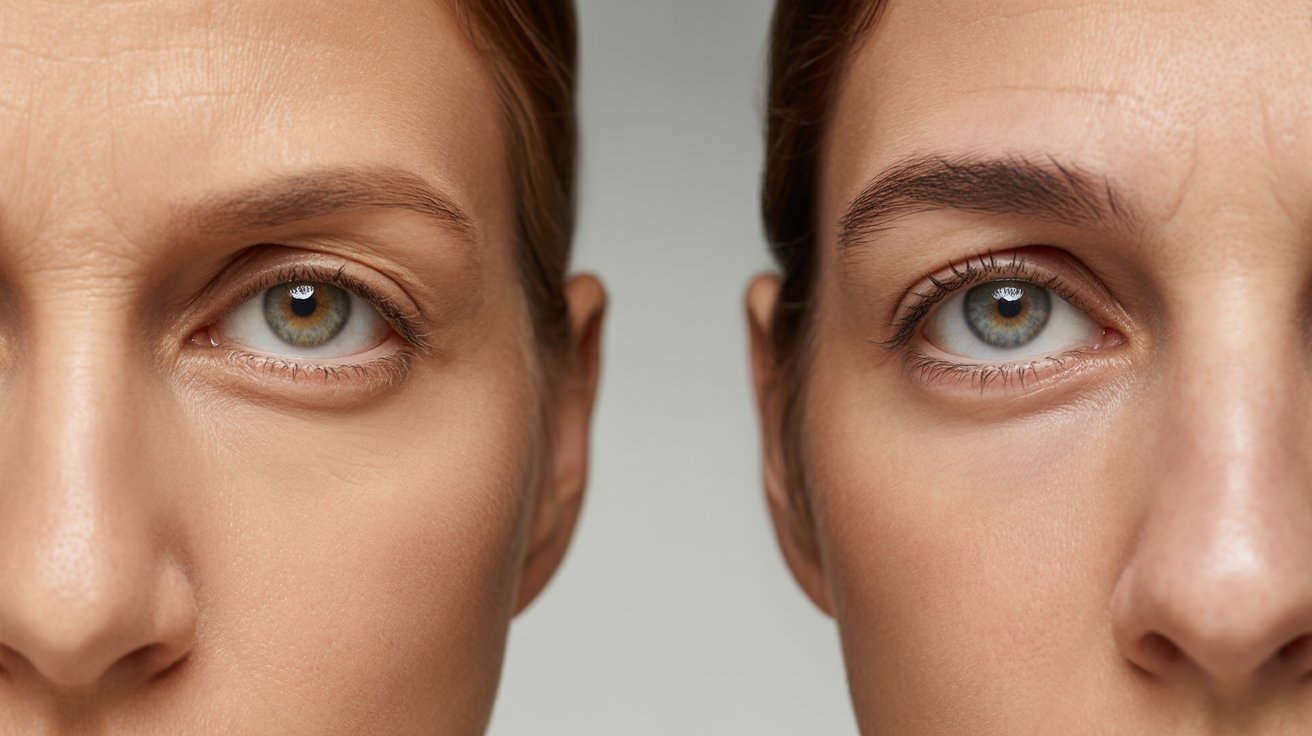
Not sure which type you have? It’s easy to figure out with a quick look in the mirror.
Simple Self-Check Tips
Here’s how to check your eyelid type at home.
Stand in front of a mirror with good lighting. Open your eyes normally and look straight ahead. Now focus on your upper eyelids.
Do you see a horizontal line or fold across your lid? If yes, you have double lids. If your eyelid looks smooth with no line, you have monolids.
You can also check the area right above your lashes. With double lids, there’s a fold that creates space between your lash line and the crease.
With monolids, the skin goes straight from your lashes up to your brow with no break in between. The surface stays flat and continuous.
Conclusion
At the end of the day, monolids and double lids are just natural variations in how we look. Neither one is better or worse than the other.
They’re simply different. I hope this guide helped you understand the differences between them and figure out which type you have.
Every eye shape has its own character and charm. What matters most is knowing your own features and feeling good about them.
Whether you have monolids, double lids, or anything in between, your eyes are part of what makes you who you are.
Frequently Asked Questions
Can you have one monolid and one double lid?
Yes, this is called asymmetrical eyelids and it’s more common than you think. Many people have different eyelid shapes on each eye, and it’s completely normal.
Do monolids make your eyes look smaller?
Not necessarily. Monolids can make eyes appear more elongated and almond-shaped. The perceived size depends on your overall eye shape, not just whether you have a crease.
Can makeup create a double lid on monolids?
Makeup can create the illusion of depth and dimension on monolids. However, it won’t create an actual crease since that’s a structural feature determined by your anatomy.
Are monolids only found in Asian people?
No, while monolids are more common in East Asian populations, they can occur in any ethnicity. Eyelid shape is genetic and varies across all populations worldwide.
Will losing or gaining weight change my eyelid type?
Weight changes can affect the appearance of your eyelids since fat distribution shifts. Some people notice their crease becomes more or less visible, but the basic structure usually stays the same.