
Neck Lift Recovery Day by Day Guide


Recovering from a neck lift can feel overwhelming if you don’t know what to expect. I’ve put together this neck lift recovery day by day guide to walk you through each stage, from surgery day to your final results.
You’ll learn how to manage pain, when swelling peaks, and which activities to avoid. I want to help you feel prepared and confident during healing.
This article covers everything from immediate post-op care to returning to exercise, so you can plan and recover smoothly.
Let me show you exactly what happens week by week.
What to Expect During Your Neck Lift Recovery

After your neck lifts, you’ll notice tightness around your neck and jaw. Swelling and mild discomfort are normal in the first few days. Your surgeon will give you pain medication to keep you comfortable.
Rest is critical during early recovery. Keep your head elevated on pillows, even while sleeping. A compression garment helps reduce swelling and supports your healing tissues.
Pain typically peaks within 48 hours, then gradually improves. Bruising shows up around days 2-3 and fades over two weeks. Swelling takes longer, with most gone by week 4-6.
You can walk around your home right away, but avoid bending, lifting, or turning your neck sharply. No strenuous activity for at least three weeks.
Neck Lift Recovery Timeline
Here’s what happens from surgery day through complete healing.
Day 0: Day of Surgery

Most neck lifts are outpatient, meaning you go home the same day. After surgery, you’ll spend time in the recovery room where nurses monitor your vital signs and check for any complications. Once home, prop your head up with pillows or rest in a recliner.
This position reduces swelling. Your surgeon will place a compression garment around your neck and chin.
Wear it as directed. Take your pain medication on schedule. Don’t wait until pain becomes severe. Have someone stay with you for at least 24 hours.
Days 1-2: First 24-48 Hours

Expect tightness and a feeling of fullness in your neck. Some patients describe it as wearing a tight scarf. Mild discomfort is normal.
Take prescription pain medication as prescribed. Apply cold compresses around your neck, avoiding direct contact with incisions. Use a thin cloth between the ice pack and your skin. Apply for 15-20 minutes at a time.
Sleep with your head raised at least 30 degrees. Stack pillows or use a wedge pillow. A recliner works well, too. Keep your neck still and avoid turning your head side to side. Continue wearing your compression garment day and night. It feels restrictive but helps control swelling.
Your surgeon may place gauze behind your ears and under your chin. Some patients have surgical drains to remove excess fluid.
If you have drains, empty them as instructed and record the output amount. Call your surgeon if drainage looks bloody or increases suddenly.
Days 3-7: Early Recovery

Around day 3-5, your surgeon may clear you to shower gently. Let lukewarm water run over your neck without direct pressure.
Pat the area dry with a clean towel. Dried blood around incisions is normal. Don’t pick at it. Your surgeon will clean these areas at your follow-up visit. Change dressings as instructed.
Swelling often peaks between days 3-4, then slowly improves. Don’t panic if your neck looks puffy or feels tight. This is temporary.
Bruising appears yellow, purple, or green as it heals. Your neck may look lumpy or uneven. These changes will resolve over the next few weeks.
Keep wearing your compression garment. Avoid tilting your head back, looking down for long periods, or twisting your neck. Move slowly and carefully. Don’t lift anything over 5 pounds. This includes groceries, laundry baskets, or pets.
Your surgeon will check your incisions around day 5-7. If you have drains, they’ll likely be removed during this visit. Some stitches may come out now, while others dissolve on their own. Ask questions about your progress and any concerns.
Week 2: Moving Toward Moderate Activity

You’ll notice real improvement by week 2. Swelling decreases noticeably. Bruising fades to yellow or light brown. Some discoloration may remain, but you can cover it with clothing or makeup if needed.
Take short walks around your neighborhood to improve circulation. You can return to light desk work or activities that don’t strain your neck. Avoid bending over, heavy lifting, or anything that increases blood flow to your head.
Start scar treatments once your surgeon approves. Silicone gel or sheets help flatten and fade scars. Some doctors recommend a gentle massage along the incision lines. Follow your surgeon’s specific guidance. Every patient heals differently.
You may wear your compression garment only at night now. Continue sleeping with your head raised. No exercise beyond walking. No yoga, stretching, or activities that involve neck movement.
Weeks 3-4: Returning to Normal Routine

Your neck contour becomes more defined. The tight, swollen look fades. You’ll start seeing the results you hoped for, though some swelling remains. Most bruising is gone by week 4. Any remaining discoloration is minor.
Light aerobic activity, like walking on a treadmill or stationary biking, is usually fine. Check with your surgeon first. Weightlifting, running, and high-intensity workouts are still off-limits. These activities strain your neck muscles and increase swelling.
Apply SPF 30 or higher sunscreen to incision areas daily. Sun exposure darkens scars and makes them more visible. Continue using silicone products or other scar treatments your surgeon recommended.
Weeks 5-6: Full Recovery and Final Results
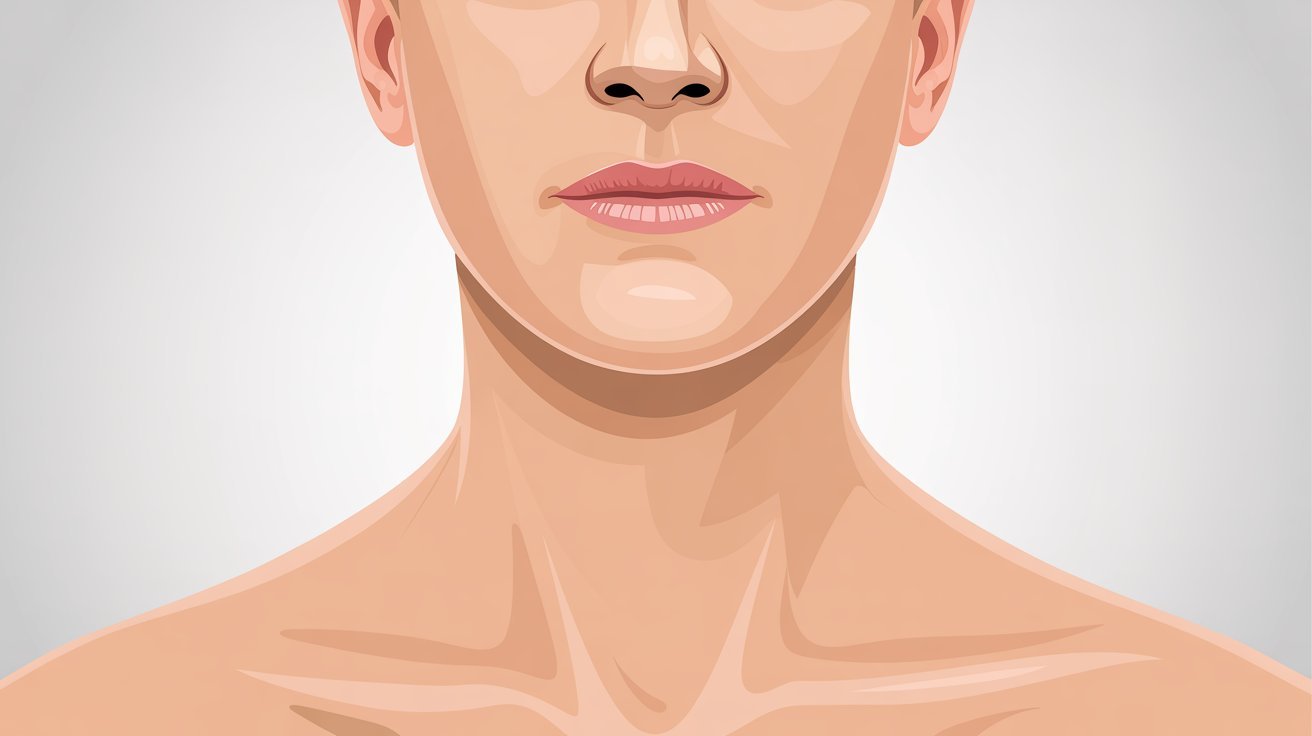
Most patients can return to all exercises by week 6. Get your surgeon’s approval before resuming strenuous workouts or contact sports. Lift weights gradually. Start lighter than your pre-surgery routine.
Scars behind your ears and under your chin continue fading. Redness and firmness diminish over several months. Well-placed incisions are barely noticeable once fully healed. Hair and natural skin folds hide them.
Residual swelling is gone by now. Your neck looks smooth and contoured. The jawline appears sharper. Results continue improving slightly over the next 3-6 months as tissues fully settle.
Tips for a Smooth Neck Lift Recovery
Simple steps make a big difference in how quickly and comfortably you heal.
- Use ice packs during the first week. Apply them for 15-20 minutes several times daily to control swelling.
- Skip NSAIDs like ibuprofen or aspirin unless your surgeon approves them. These medications can increase bleeding.
- Keep your neck properly positioned. Sleep steadily and avoid looking down at your phone for extended periods.
- Stay hydrated and eat nutritious foods. Protein helps tissue repair. Avoid salty foods that worsen swelling.
- Follow all post-op instructions from your surgeon. Attend every follow-up appointment and report any unusual symptoms right away.
Conclusion
Your neck lift recovery takes patience, but following these steps makes the process smoother. I know those first few days feel long, but you’ll be amazed at how quickly you bounce back. Stay consistent with care instructions, listen to your body, and don’t rush activity milestones.
I’ve seen how proper recovery leads to better results. If you have questions during healing, reach out to your surgeon right away.
Drop a comment below about your experience or concerns, and feel free to share this guide with anyone considering neck lift surgery.
Frequently Asked Questions
How long does neck lift recovery take?
Most patients feel comfortable in public by week 2-3. Full recovery takes about 6 weeks, when you can resume all activities. Final results appear around 3-6 months after surgery.
Can I sleep on my side after neck lift surgery?
Sleep on your back with your head raised for at least 2-3 weeks. Side sleeping can disrupt healing and increase swelling. Ask your surgeon when you can change positions safely.
When can I return to work after a neck lift?
Desk jobs typically allow return after 1-2 weeks. Physical jobs requiring lifting or bending may need 3-4 weeks off. Plan based on your specific work demands.
Will my neck lift scars be visible?
Incisions are placed behind the ears and under the chin, where they’re naturally hidden. Scars fade significantly over 6-12 months and become barely noticeable with proper care.
Is neck lift recovery painful?
Most patients describe tightness and discomfort rather than severe pain. Prescription medication controls pain well in the first few days. Discomfort decreases quickly after the first week.