Oily Nail Beds: How to Identify and Manage Them

Do you struggle with nail polish that chips within days? Your nail beds might be oily. I’ve been there too, watching my manicures peel off way too soon.
In this guide, you’ll learn how to spot oily nails, understand what causes them, and fix the problem for good.
We’ll cover prep techniques, product recommendations, and tips that actually work. I’m sharing proven methods trusted by nail professionals.
You’ll get practical solutions to make your manicures last longer.
Let’s solve this together.
What Are Oily Nail Beds?
Understanding oily nails helps you choose the right care routine and products for lasting results.
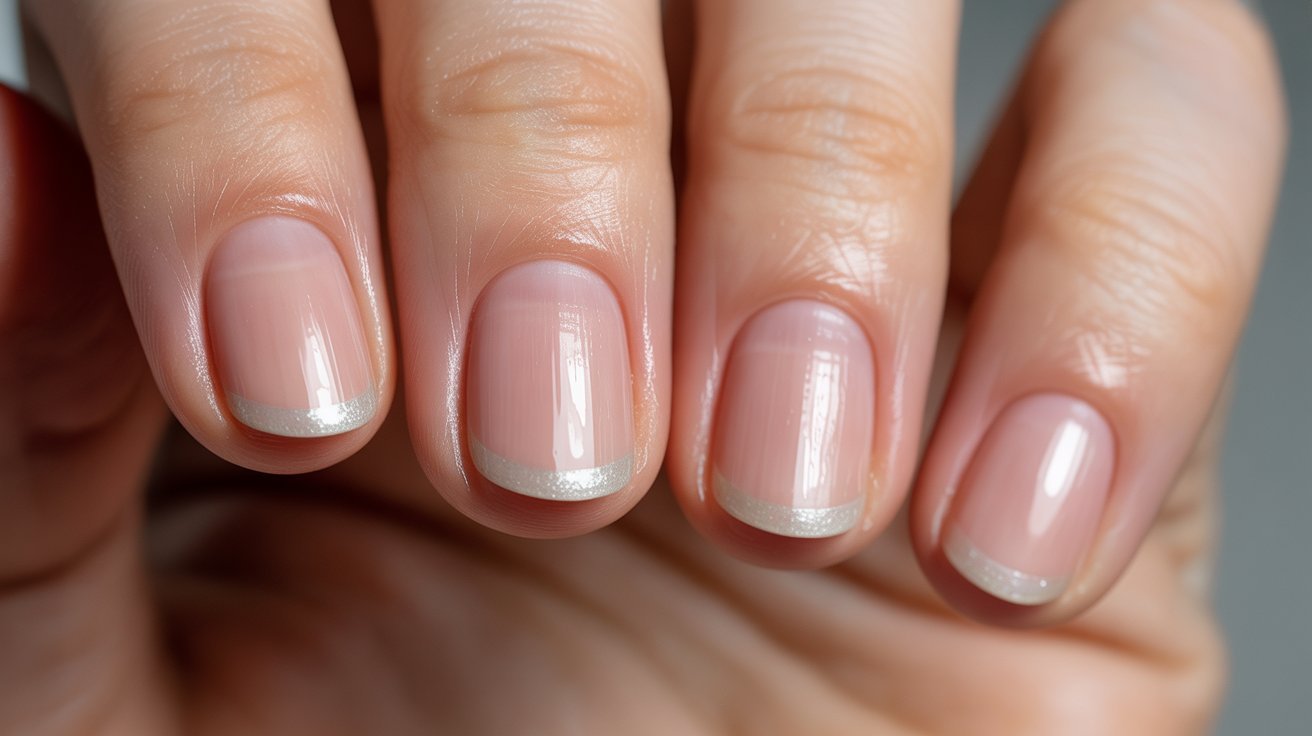
Oily nail beds look shiny or slick even after you wash your hands. The surface feels greasy. Nail polish lifts off quickly, sometimes within hours. Gel and acrylics don’t stick well either.
This happens when your nails produce excess surface oils. Some people naturally have oilier skin and nails.
Others develop it from sweaty hands or hormonal shifts.Normal nails have balanced moisture and hold polish well.
Dry nails appear dull and crack easily. Oily nails create a slippery barrier that stops products from bonding properly. That’s why your manicures fail early.
Causes of Oily Nail Beds
Oily nails stem from hormones, hand moisture, skin products, and natural nail composition affecting surface oils.
Hormonal changes trigger oil production. Puberty ramps up everything, including nail oils. Pregnancy shifts hormone levels dramatically.
Menopause brings another wave of changes. All these phases can make your nails oilier.Sweaty hands contribute too.
Some people naturally perspire more. This moisture mixes with nail oils and makes the problem worse.Hand creams and lotions leave residue behind.
If you don’t wash thoroughly before doing your nails, those oils interfere with polish. Even soap residue can create a barrier.
Your nails contain natural oils. They make up about 3 to 5 percent of the nail plate’s weight. Some people simply produce more than others. It’s just how their bodies work.
Challenges of Oily Nail Beds
Oily nails cause polish lifting, infection risks, and are often misunderstood by nail technicians.
Adhesion Problems
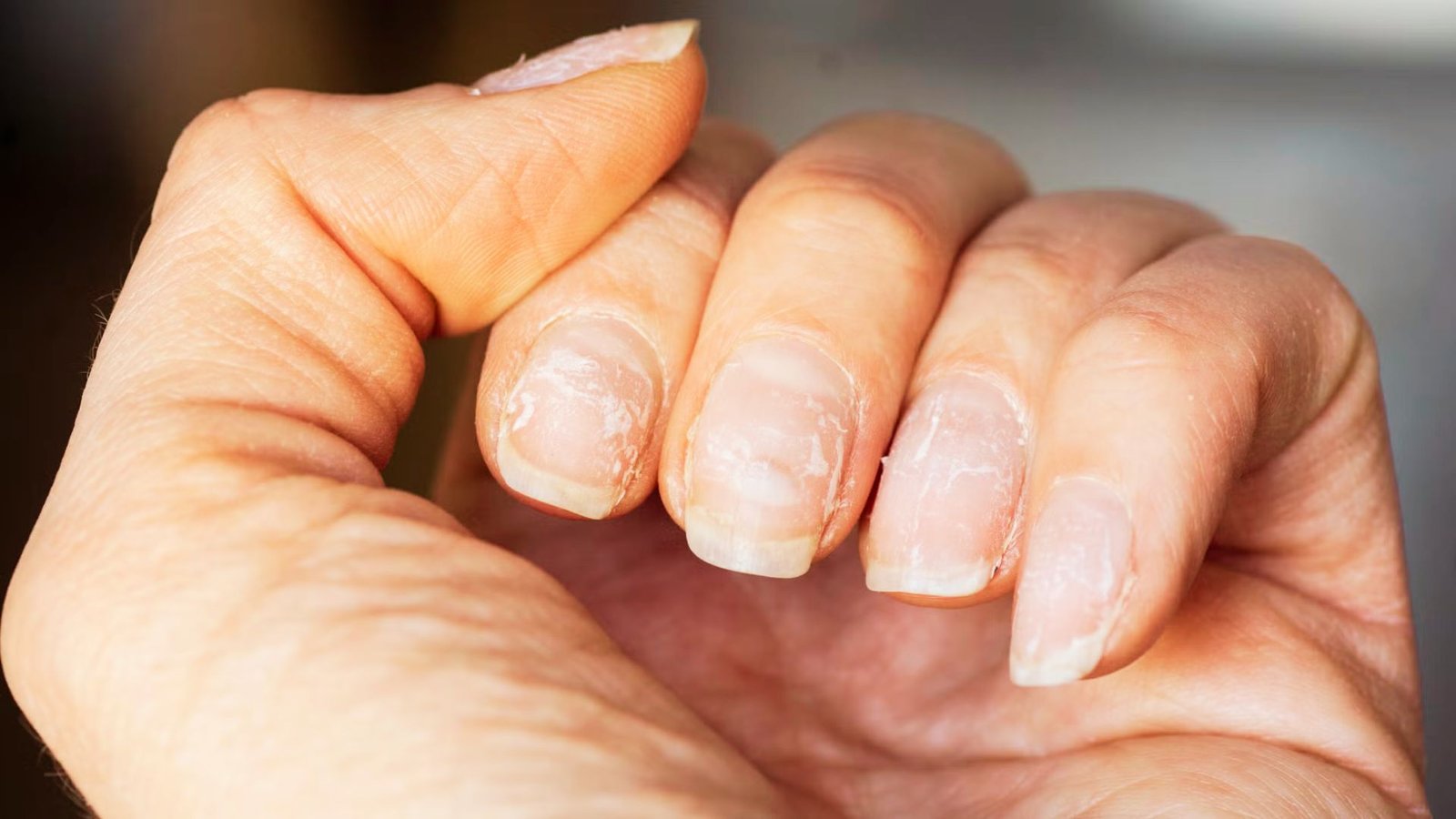
Gel polish refuses to stick on oily nails. It lifts at the edges within days. Acrylics pop off or develop air pockets. Selfgel products peel away in sheets.
The oil creates a slick surface. Products can’t grip properly. You get chipping, peeling, and premature failure.
Hygiene Risks
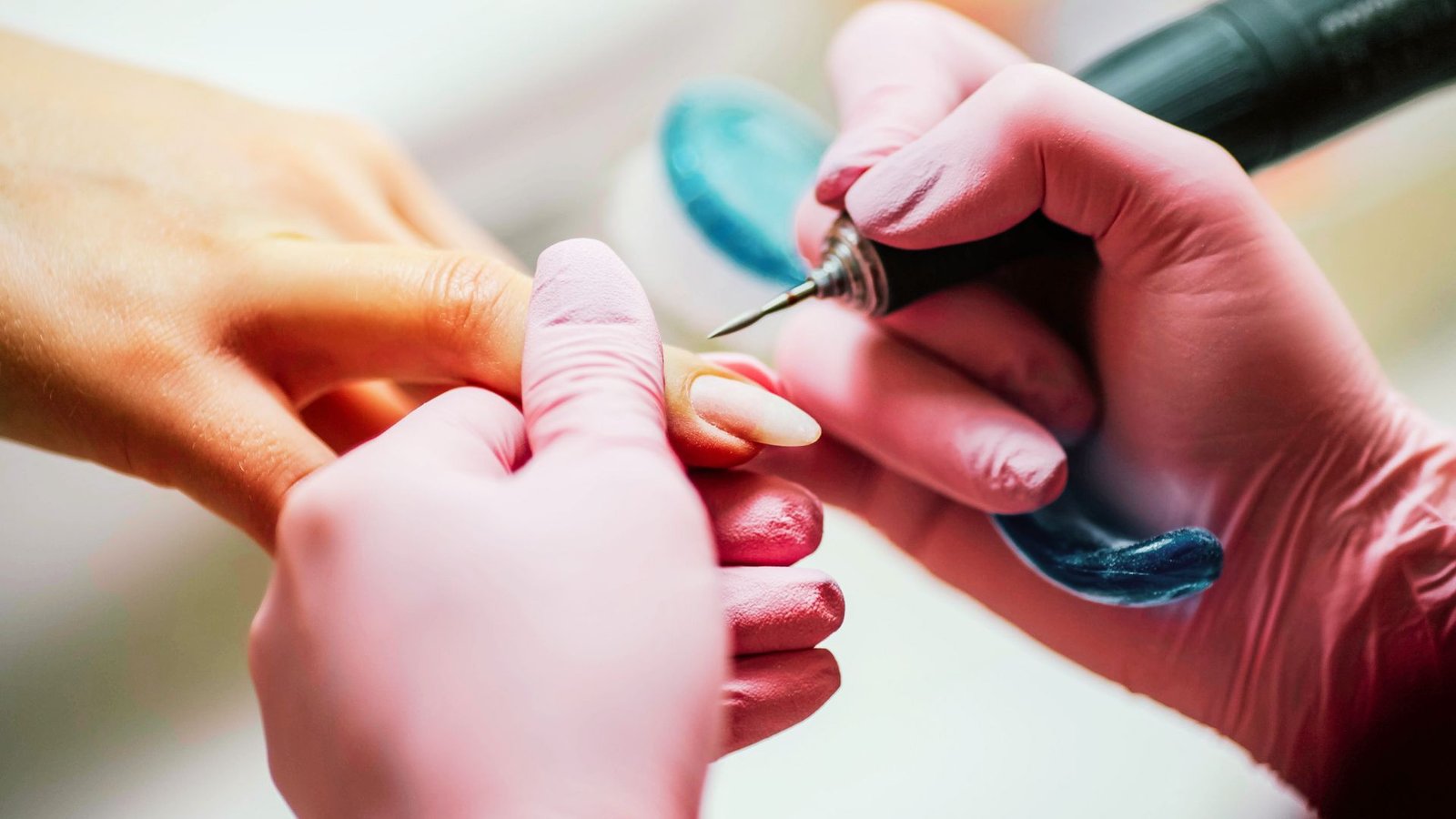
Excess moisture and oil create breeding grounds for bacteria. Fungal infections can develop under lifted polish or acrylics.
Proper cleaning becomes critical. You need to remove oils before and after application. Otherwise, you risk nail bed infections that take weeks to clear.
Misconceptions Among Nail Professionals
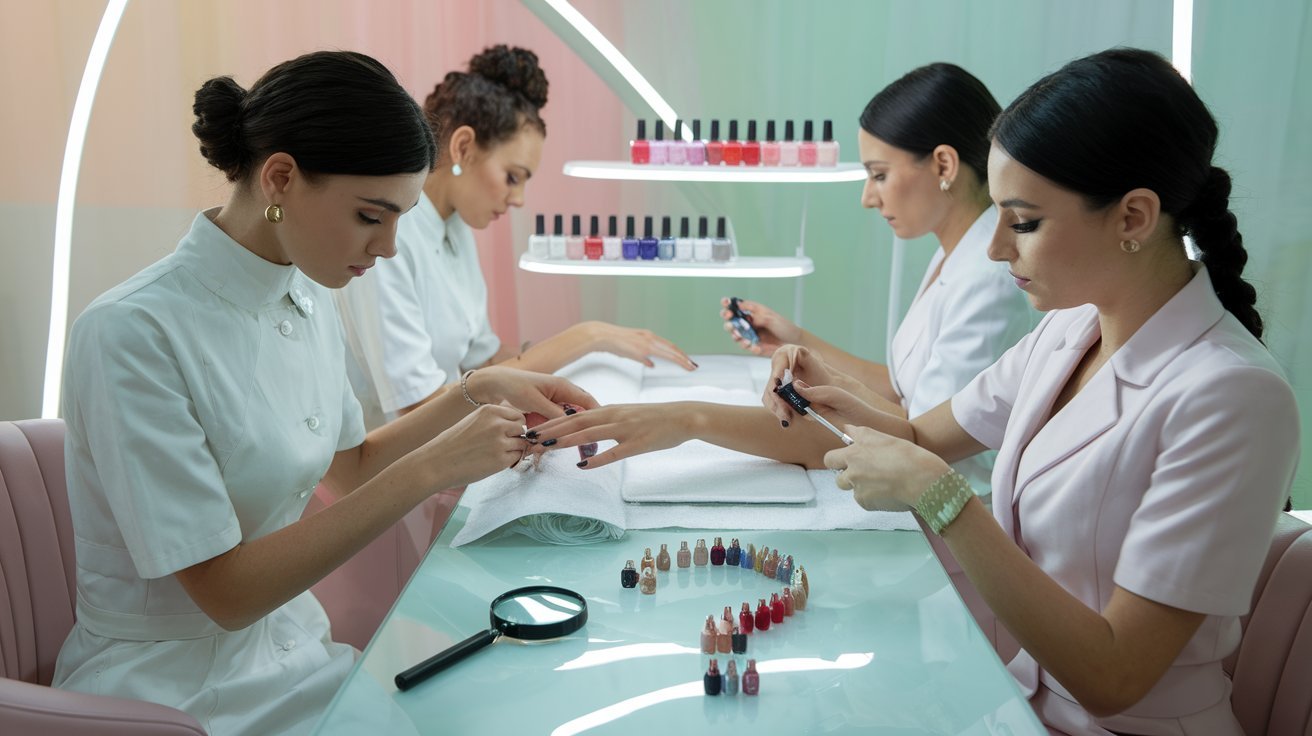
Many technicians blame oily nails when manicures fail. But often the real problem is poor prep work. Skipping the degreasing step causes most lifting issues.
Incorrect product application matters too. Using the wrong primer or insufficient curing time for gels leads to failure.
How to Manage Oily Nail Beds
Proper prep, the right products, and correct application order make oily nails hold polish perfectly.
Start with clean hands. Wash with soap and water, scrub under your nails, and dry completely. Use a sanitiser or cleansing wipe on each nail to remove oils and bacteria. Buff lightly if your nails aren’t dry or brittle.
Use primer to dehydrate the nail surface. Sanitiser cleans thoroughly and removes invisible oils. pH Bond balances your nail’s pH level and strengthens the bond with gel.
Follow the correct order: sanitiser first, then primer, then pH bond, and finally your gel or acrylic. Let each product dry completely. Check your curing times and give gels the full recommended time under the lamp. Schedule regular salon visits for best results.
Acrylic vs Gel for Oily Nail Beds
Acrylics offer strength but need meticulous prep, while gels provide flexibility with proper bonding products.
| Feature | Acrylic Nails | Gel Nails |
| Texture | Hard and durable surface | Lighter and more natural feel |
| Flexibility | Rigid and strong | Bends slightly with your nail |
| Durability | Lasts for weeks when applied correctly | Lasts well with proper bonding products |
| Prep Requirements | Demands completely oil-free nails | Needs proper prep but more forgiving |
| Bonding | Liquid and powder bond directly to nail plate; any oil blocks the process | Use strong bonding base gel or rubber base for better grip |
| Lifting Issues | Lifts within days if prep isn’t perfect | Less prone to lifting with proper base gel |
| Maintenance | Regular fills every two to three weeks | Regular fills every two to three weeks |
| Chemical Exposure | Contains harsher chemicals | Fewer harsh chemicals |
| Curing | Air dries | Must cure properly under lamp; undercuring causes peeling, overcuring causes brittleness |
| Best For Oily Nails | Works well with perfect prep and oil removal | Works well with rubber base gels and proper curing |
Tips for Maintaining Healthy Nails with Oily Beds
Balance oil removal during application with nourishment afterward for healthy nails that hold polish well.
- Apply cuticle oil after your manicure sets. It keeps the skin around your nails soft and healthy. Healthy cuticles mean healthier nail growth.
- Keep your hands dry for at least two hours after application. Don’t wash dishes or take a long shower immediately. Give the products time to fully bond.
- Skip nail serums if you naturally have oily nails. They add unnecessary moisture and oils. You don’t need them, and they’ll make your problem worse.
- Book regular salon appointments. A professional can assess your nails and adjust techniques as needed. Consistency is key to long-lasting results.
- Clean your nails daily. Wipe them with a clean cloth to remove buildup. This simple habit prevents oil accumulation between manicures.
Conclusion
I used to think my oily nails meant I couldn’t have beautiful manicures. Then I learned proper prep changes everything. Now my gel polish lasts two full weeks without lifting.
You can achieve the same results with the right approach. Focus on thorough cleaning, quality primers, and correct application.
Your nails deserve products and techniques that work for them. Try these tips on your next manicure and see the difference. Share your results in the comments below!
Frequently Asked Questions
Can oily nail beds be permanently fixed?
No, if your nails are naturally oily, that won’t change permanently. But proper prep before each manicure solves the adhesion problem. Use sanitiser, primer, and pH bond every time for lasting results.
Do I need special polish for oily nails?
You don’t need special polish, but you need proper prep products. Regular gel or acrylic works fine when you use primer and pH bond. The prep makes all the difference, not the polish itself.
Why do my acrylics keep lifting?
Lifting usually happens from incomplete oil removal or skipped prep steps. Make sure you sanitise, prime, and fully dehydrate your nails first. Also check that your technician is curing products properly and using quality materials.
Should I avoid moisturiser if I have oily nails?
Use hand moisturiser but keep it off your actual nail plates. Apply it to your hands and cuticles only. Before doing your nails, wash your hands thoroughly to remove any residue from the nail surface.
How often should I get manicures with oily nails?
Visit every two to three weeks for fills or fresh applications. Regular maintenance prevents lifting and keeps your nails healthy. Consistent care with proper prep gives you the best, longest-lasting results.