
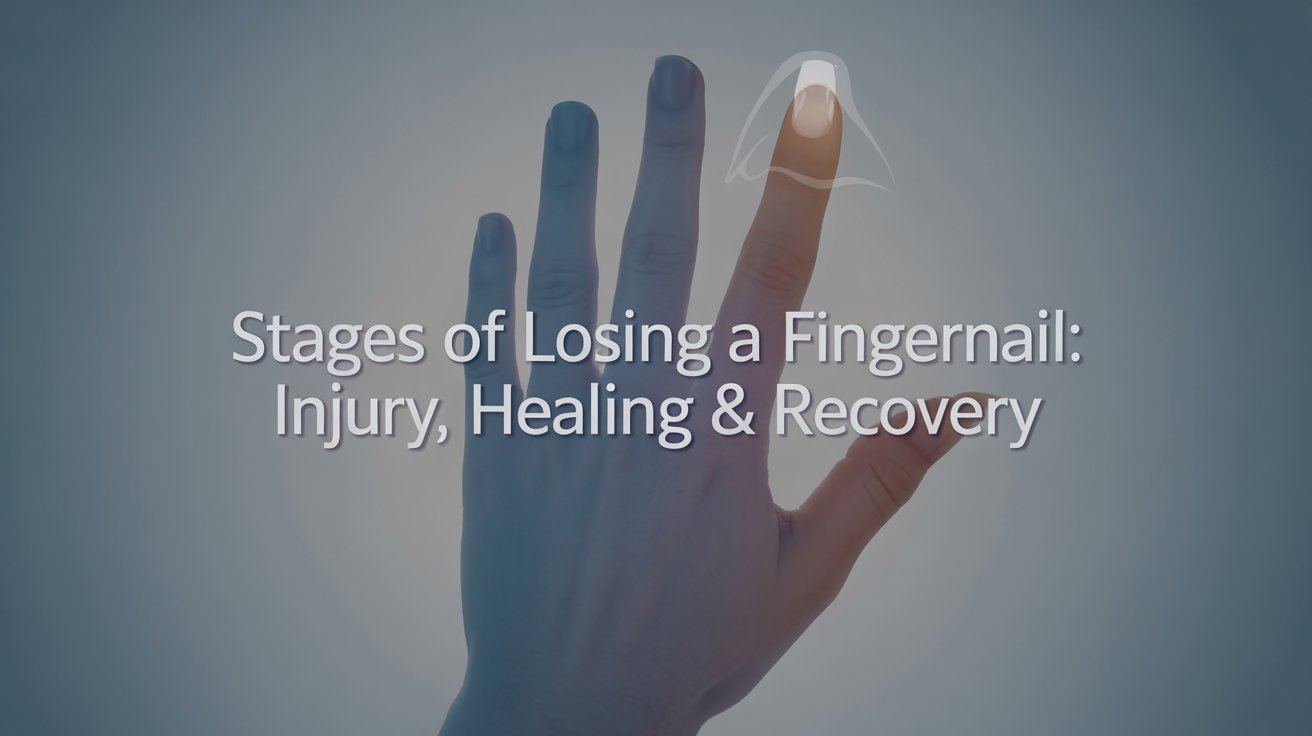
Stages of Losing a Fingernail: Injury, Healing & Recovery

Losing a fingernail can be alarming and painful. I have been through it myself and I understand how terrifying it might feel.
Will the nail grow back? How long will this take? What do I do right now?
In this article, I will talk you through the process from injury to recovery after losing a fingernail; you will learn about all the stages of losing a fingernail, how to care for your hand, and when to see a doctor.
I will discuss the initial injury, color changes, separation, total loss of the visible nail, healing, and regrowth.
My goal is to give you useful, unbiased information to make you feel prepared to deal with this experience.
Understanding Fingernail Loss and Recovery
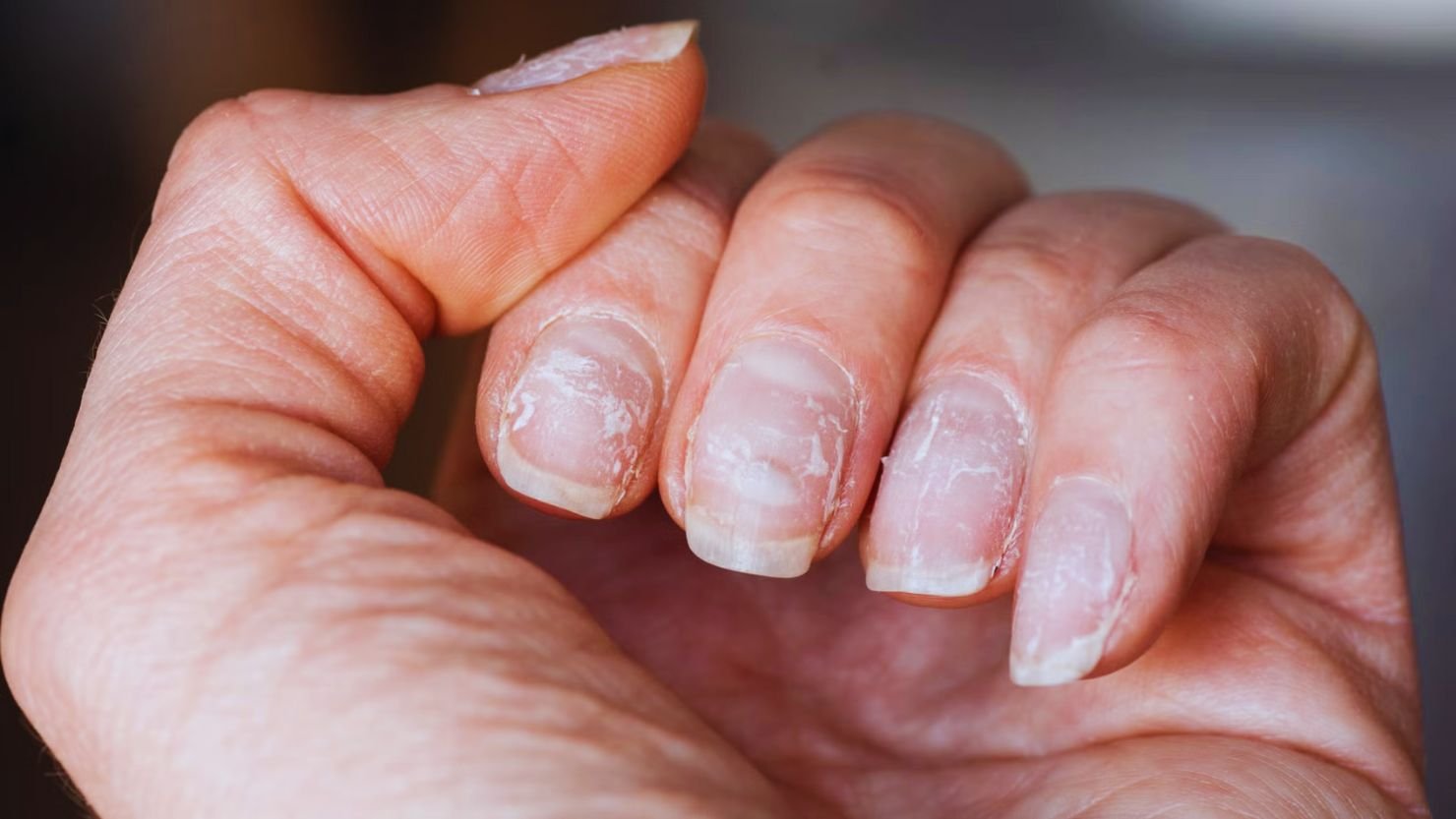
Fingernail loss happens when trauma damages the connection between your nail and the nail bed beneath it.
The process typically unfolds in six distinct stages, from the moment of injury through complete regrowth.
Each stage brings specific symptoms and requires different care approaches. Most people see their nail fully grow back within three to six months, though the timeline varies based on injury severity and individual healing rates.
Knowing what to expect at each stage helps you provide proper care and recognize when professional medical attention is necessary.
The Six Stages of Losing a Fingernail
Fingernail loss progresses through six predictable stages, each with distinct symptoms and care requirements.
Understanding these phases helps you manage your injury effectively and recognize when professional care is needed.
Stage 1: Initial Trauma
After an injury, your fingernail experiences immediate damage that sets the loss process in motion.
Common Causes (Crush Injury, Cuts, Impact, etc.)
Fingernail trauma happens when you slam your finger in a door, drop heavy objects on your hand, or experience sports injuries. Runners lose nails from tight shoes, and musicians face damage from repeated pressure.
Immediate Symptoms: Pain, Swelling, Bleeding
You’ll feel sharp pain right away. Swelling starts immediately, and your finger may feel hot. Blood may pool under the nail, turning it dark.
First-Aid Steps to Minimize Damage
Run cold water over your finger for several minutes. Apply ice wrapped in a cloth for 10 to 15 minutes. Clean with soap and water, apply antibiotic ointment, and wrap loosely. Keep your hand elevated.
When to Seek Medical Attention Right Away
See a doctor if you have exposed bone, deep cuts, a deformed finger, severe pain from blood pooling, or numbness and tingling.
Stage 2: Nail Discoloration
Your nail changes color as blood and bruising develop beneath the surface, signaling deeper damage.
Why Nails Turn Black, Blue, or Purple
Blood vessels break under your nail, and trapped blood darkens from red to purple, then blue, and finally black. This blood clot is called a subungual hematoma.
Subungual Hematoma: Blood Under the Nail
The trapped blood creates constant pressure and throbbing pain. Small hematomas may not hurt much, but large ones can be extremely painful. Pain often worsens in the first 24 hours.
Differentiating Trauma vs. Infection vs. Chemical Staining
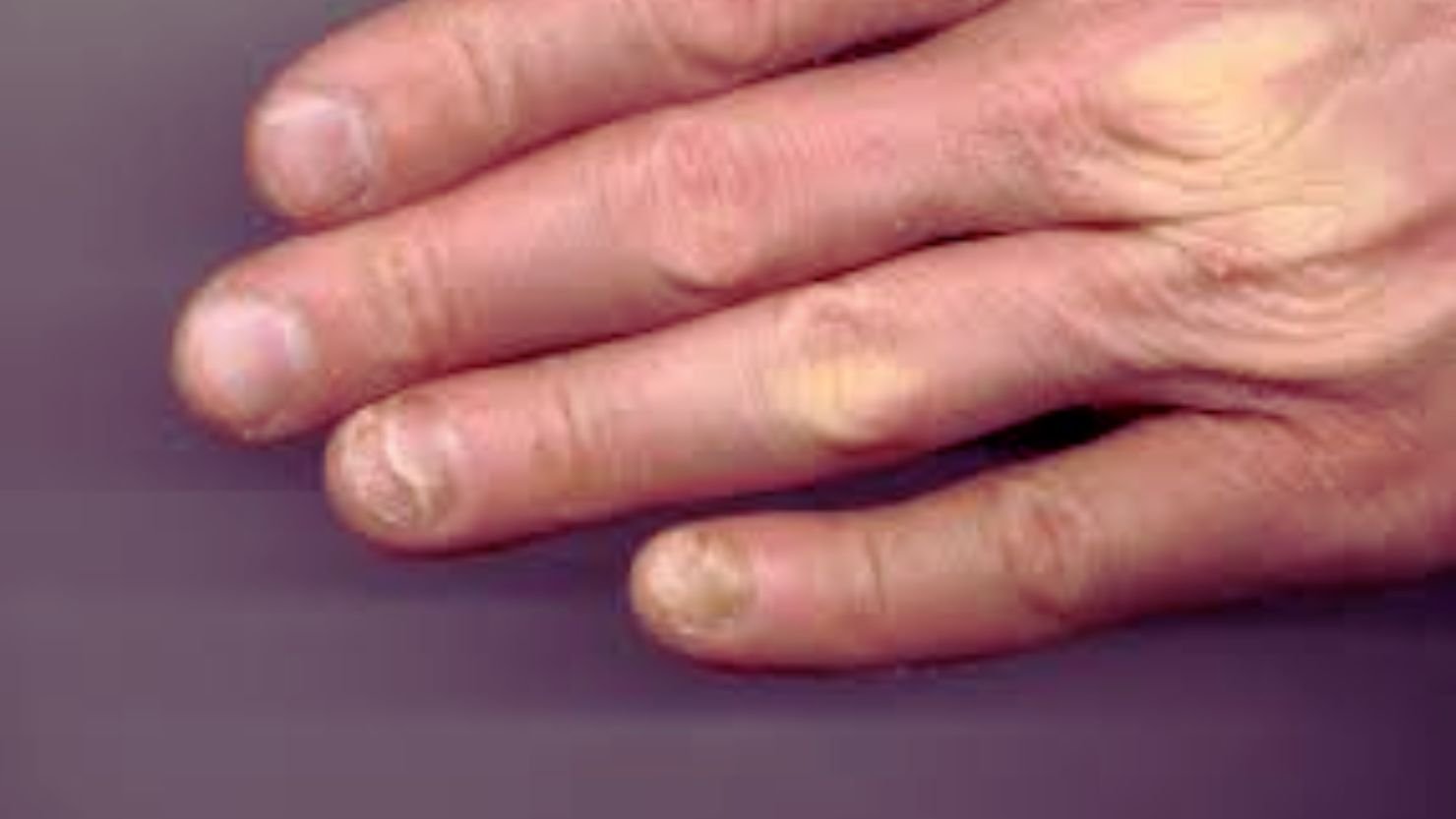
Infections turn nails yellow, green, or brown and develop slowly. Fungal infections create thick, crumbly discoloration. Chemical stains appear uniform and painless. Trauma causes sudden dark bruising.
Treatment Options for Nail Bruising
Small bruises heal on their own. For painful, large hematomas, a doctor can drain the blood through a tiny hole. Pain relievers and ice help manage discomfort.
Stage 3: Nail Separation Begins
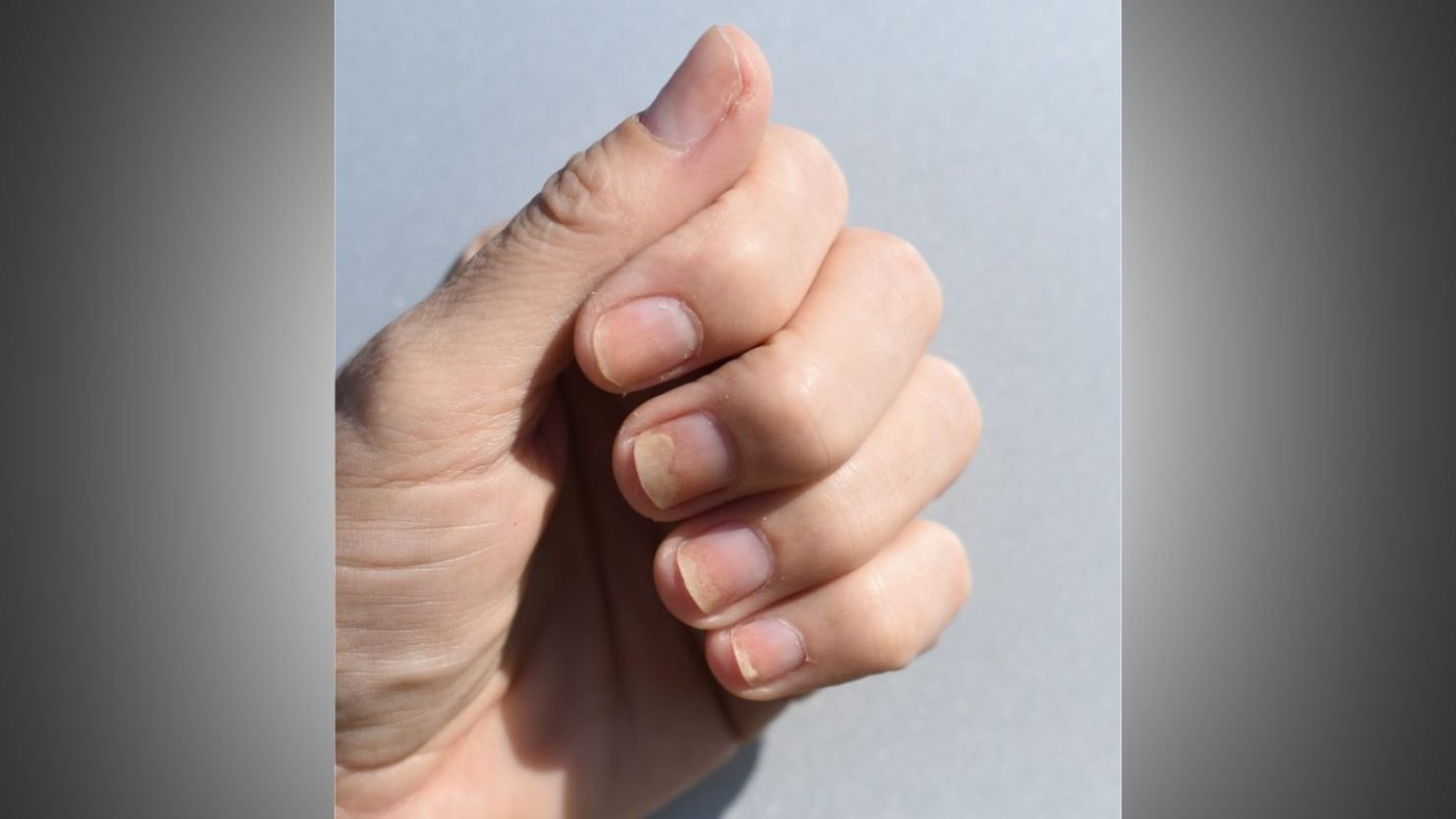
The damaged nail starts pulling away from the nail bed as your body prepares for the old nail to fall off.
How the Nail Lifts from the Nail Bed
Separation starts at the tip or side. A gap forms where the nail no longer attaches. The nail lifts gradually over days or weeks. Air under the loose nail makes it look white or yellow.
Signs of Cuticle or Nail Bed Damage
Look for redness or swelling around your cuticle. The nail bed may appear pink and raw. Check for fluid leaking. Clear fluid is normal, but yellow or green suggests infection.
Infection Risks During Separation
Open areas let bacteria in. Watch for increasing redness, warmth, swelling, hot sensations, pus, unpleasant smell, or red streaks extending from your finger.
How to Protect the Exposed Area
Wash gently twice daily with mild soap and water. Apply antibiotic ointment and cover with a non-stick bandage. Avoid soaking in water. Trim completely detached pieces, but don’t pull on attached parts.
Stage 4: Nail Loss (Partial or Complete Avulsion)
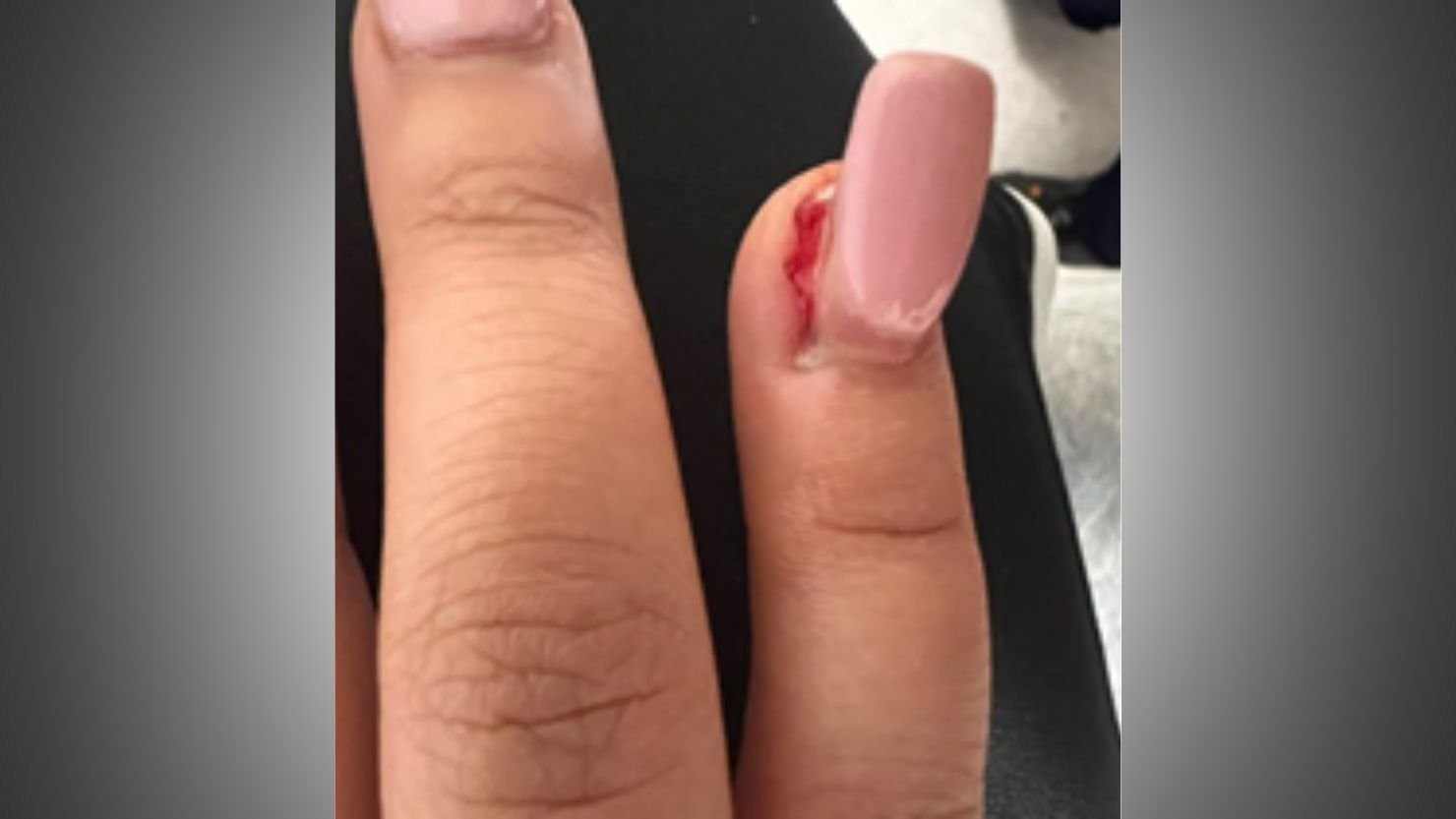
The damaged nail detaches fully or partially, leaving the nail bed exposed and vulnerable.
What the Nail Bed Looks Like After Detachment
The nail bed appears pink or red with a smooth, shiny surface. You might see blood spots or bruises. The bed is extremely sensitive without its protective covering.
Pain, Tenderness, and Sensitivity
Expect significant sensitivity for the first few days. Simple tasks like typing can hurt. Cold air or water causes sharp sensations. Pain typically improves within a week.
When Removal or Medical Repair Is Needed
A partially attached nail may need professional removal. Deep cuts might require stitches. Broken bones or torn tendons need specialized treatment.
Wound Care to Prevent Infection
Clean twice daily with soap and water. Apply antibiotic ointment and cover with a non-stick pad. Change the bandage daily. Keep your hand elevated.
Stage 5: Healing of the Nail Bed
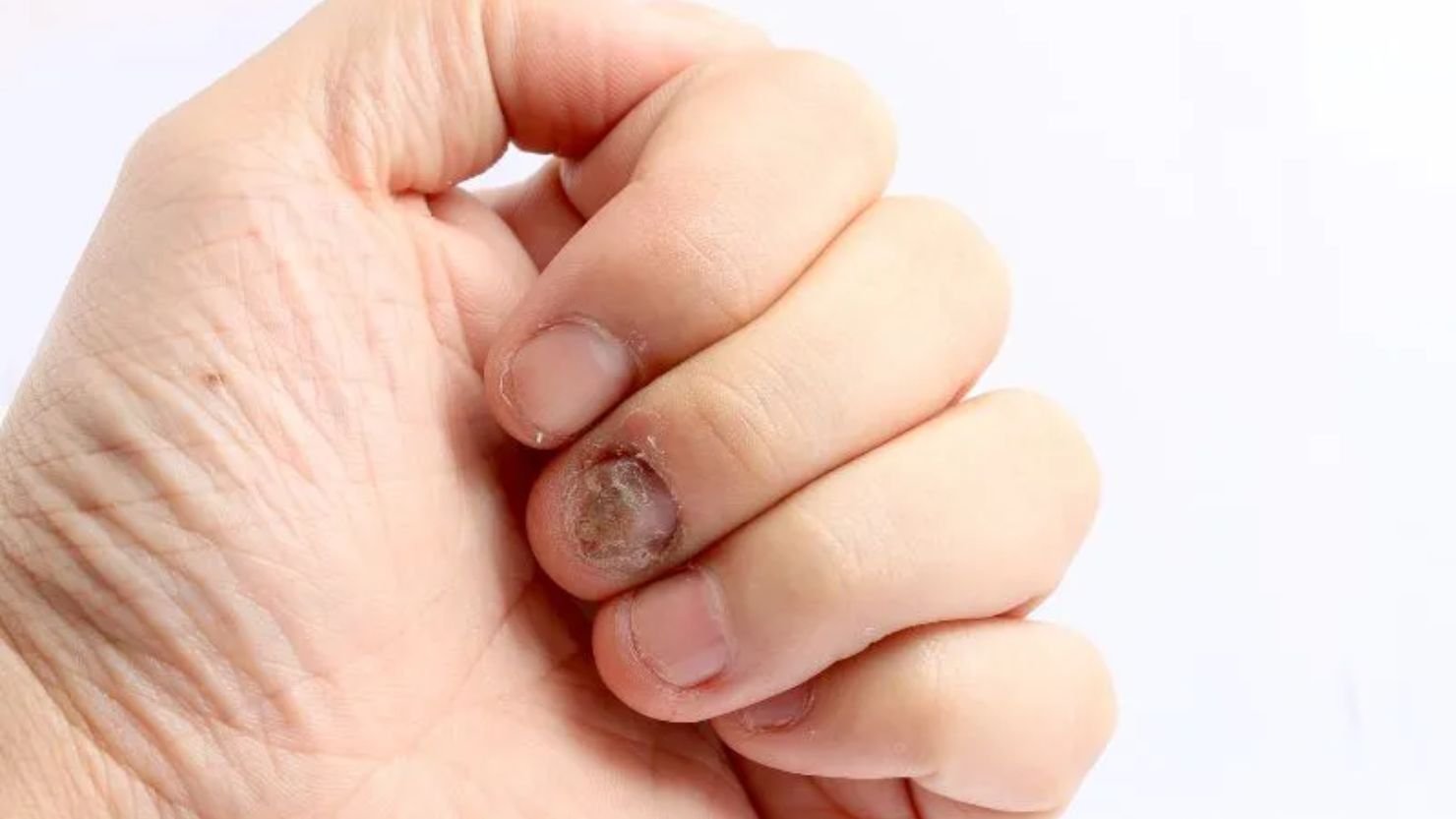
The exposed nail bed repairs itself and prepares a foundation for new nail growth.
How Long the Nail Bed Takes to Heal
The nail bed heals within one to two weeks. Complete healing depends on injury severity. The bed gradually toughens up, and the bright pink color fades.
Bandaging, Cleaning, and Moisturizing Tips
Clean daily with mild soap. Keep moisturized with petroleum jelly or ointment to prevent cracking. Use soft, breathable bandages and change them daily.
Protecting the Area From Friction and Pressure
Avoid activities that pressure your healing finger. Wear protective gloves for chores. Be mindful of how you grip objects.
Stage 6: Nail Regrowth Process
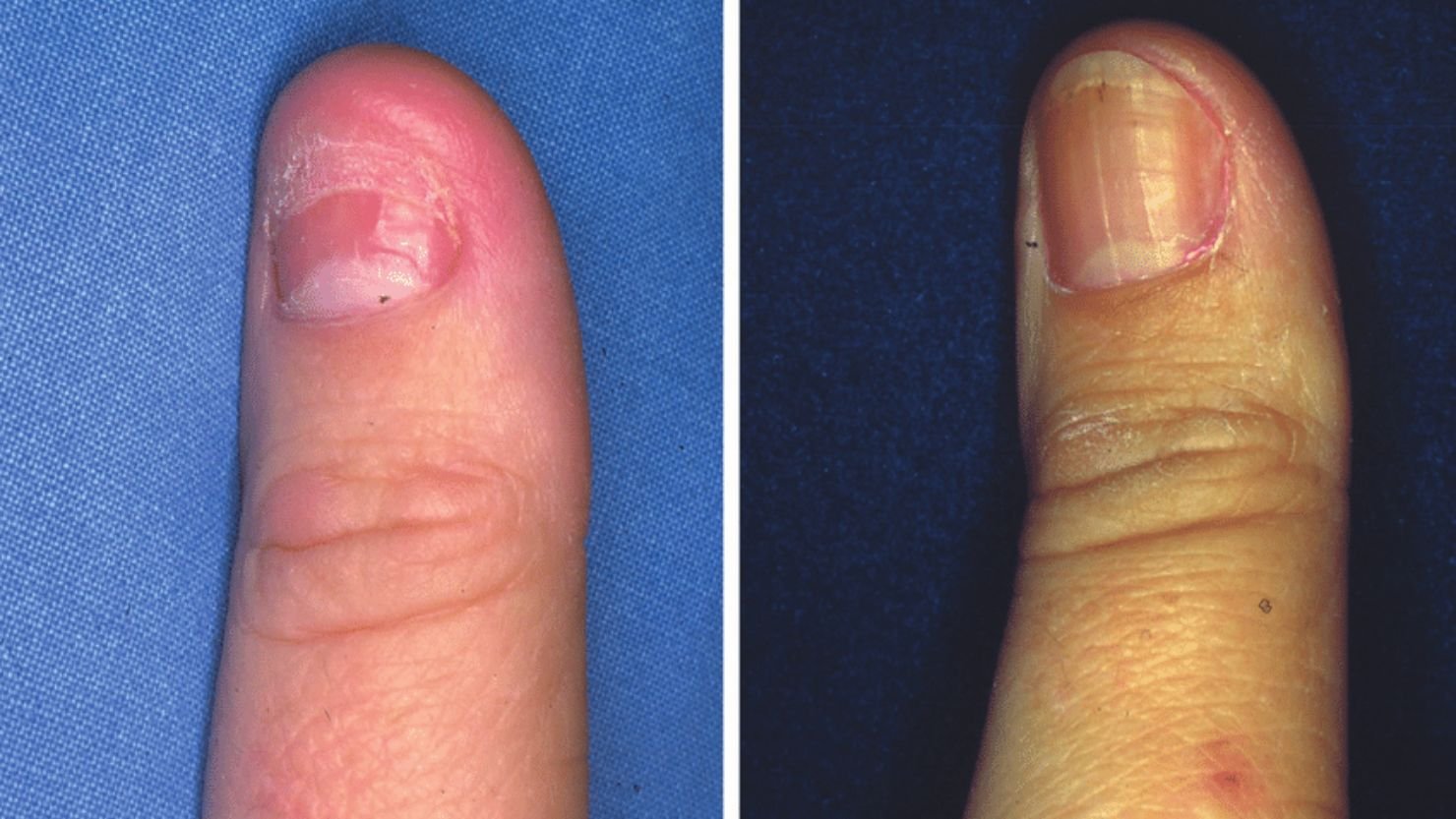
A new nail slowly forms and grows out, eventually replacing the lost nail completely.
What a New Nail Looks Like as It Grows Back
The new nail appears as a thin, white line at the base. It emerges slowly from under the cuticle. At first, it’s very soft and fragile, then gradually hardens.
Expected Timeline: Weeks to Months
Fingernails grow about 3 millimeters per month. Complete regrowth takes three to six months. Thumb nails take longer than pinky nails. Younger people see faster growth.
Common Irregularities (Ridges, Spots, Texture Changes)
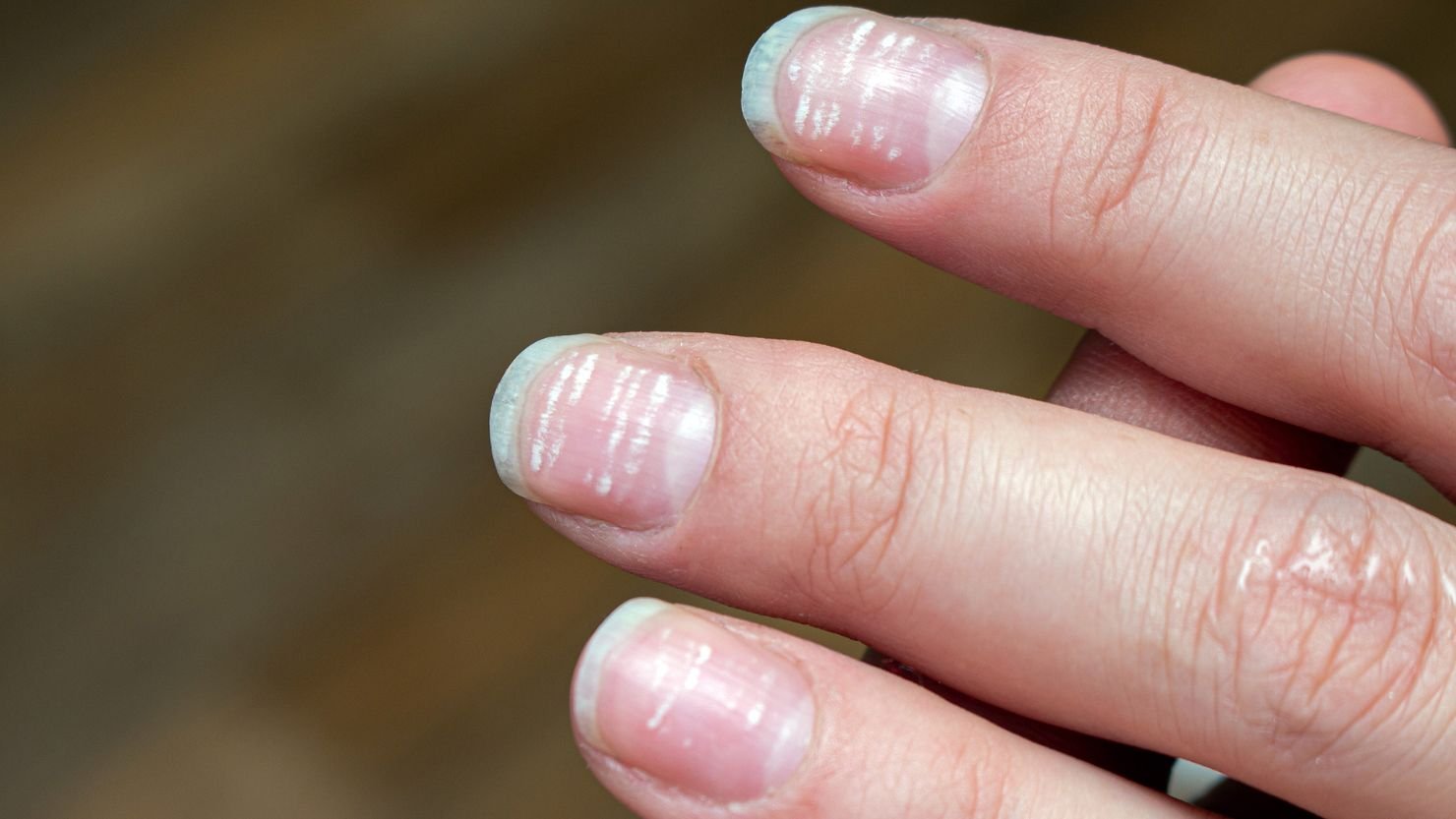
Your new nail may have ridges that smooth out over time. White spots or lines usually grow out naturally. The nail might be thicker or thinner than before.
How to Support Healthy Nail Regrowth
Eat a balanced diet rich in protein and vitamins. Keep your hands moisturized. Avoid biting or picking at the new nail. Protect it from repeated trauma.
When to See a Doctor
Certain symptoms indicate complications that require professional medical evaluation and treatment.
- Pus draining from the nail bed (yellow, green, or brown discharge) indicates infection.
- Fever suggests the infection is spreading and requires prompt medical attention.
- Pain that worsens instead of improving indicates a problem.
- No nail regrowth after six months means the nail matrix may be permanently damaged.
- Severely misshapen nails growing back may need surgical correction.
- Persistent discoloration that doesn’t fade should be checked by a dermatologist.
- Thickening, crumbling, or painful new growth might signal fungal infection or other conditions.
Prevention Tips for Future Nail Injuries
Taking simple precautions helps protect your nails from trauma and reduces the risk of future loss.
- Wear protective gloves when using tools or handling heavy objects.
- Keep your hands clear of closing drawers and doors.
- Wear appropriate protective gear for contact sports.
- Choose properly fitting athletic shoes to prevent runner’s nail damage.
- Keep nails trimmed at a reasonable length to avoid catching and tearing.
- Moisturize your hands and nails daily for flexibility and strength.
- Wear gloves when using harsh chemicals or cleaning products.
- Don’t cut cuticles aggressively as they protect against infection.
- Eat nutritious foods rich in protein, iron, and vitamins for nail health
Conclusion
Knowing about the stages of losing a fingernail helps you manage your injury and understand when to expect healing.
My thumb nail came off in a car accident door and I remember how frightened I felt. Proper wound care made all the difference. It grew back in five months. Your body knows how to heal itself.
You should be patient, keep it clean, and let your doctor know if something does not feel right. Most people have a full recovery within six months. Have you ever lost a fingernail? Please share in the comments below.
Frequently Asked Questions
Does losing a fingernail hurt?
Yes, losing a fingernail is painful, especially in the first few days. The exposed nail bed is very sensitive. Over-the-counter pain relievers and keeping the area protected help manage discomfort until healing progresses.
Will my fingernail grow back normally?
Most fingernails grow back completely within three to six months. The new nail usually looks normal, though minor irregularities are possible. Severe damage to the nail matrix may affect regrowth permanently.
Can I shower with a missing fingernail?
You can shower, but keep the exposed nail bed protected. Cover it with a waterproof bandage or plastic wrap. Pat the area dry gently afterward and apply fresh antibiotic ointment and bandaging.
How do I know if my nail bed is infected?
Watch for increased redness, warmth, swelling, and pain. Pus, foul odor, red streaks, or fever are serious infection signs. Contact your doctor immediately if you notice any of these symptoms.
Should I remove a partially attached nail myself?
Only remove nail pieces that are completely loose. Use clean scissors or clippers. Never pull on nail parts still attached to the bed. If you’re unsure, let a doctor handle the removal safely.