What is a Fill in Nails?


Confused about what fill in nails actually means? You’re not alone. I used to walk into the salon and just nod along when my tech mentioned fills, rebalances, or full sets. But understanding these services changed everything for me.
In this guide, I’ll explain what each service involves and when you need it. You’ll learn the real differences between a fill, rebalance, and full set. I’ll also show you how to save money and keep your nails healthy longer.
Here’s what we’ll cover: the definition of each service, timing, costs, and how to know which one you actually need.
Let’s clear up the confusion together.
Understanding Nail Maintenance Services
Nail fills, rebalances, and full sets aren’t just salon jargon. They’re specific services designed for different stages of nail growth and wear.
Each one addresses your nails at a particular point in time. Knowing the difference helps you get the right service, avoid overpaying, and keep your natural nails healthy.
Let’s break down what each service actually does and when you need it.
What Is a Fill in Nails?
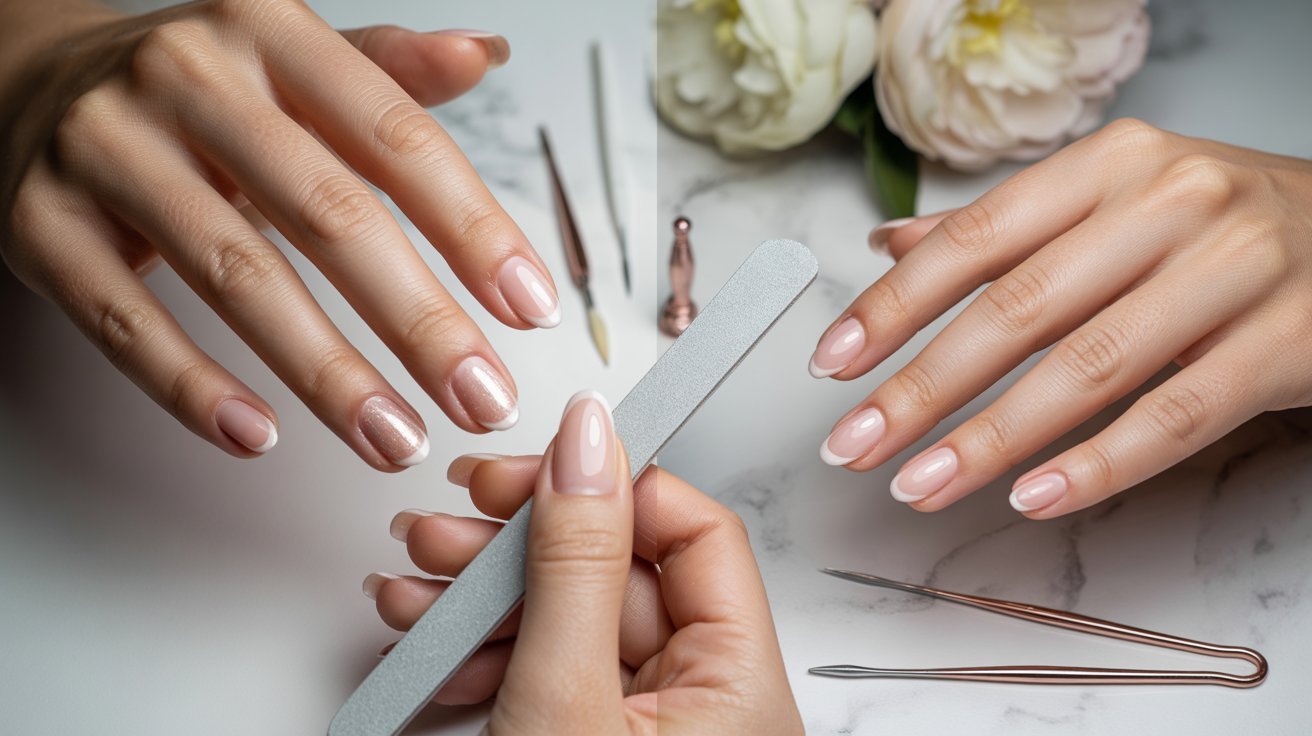
A fill in nails service refreshes your manicure by addressing regrowth and maintaining the original nail structure.
A nail fill is maintenance work on your existing nails. Your tech removes the old polish and files down any lifting or rough spots. Then they add fresh product to fill the gap near your cuticles where your natural nail has grown.
Most people need a fill every 2 to 3 weeks. This timeline works for gel, builder gel, acrylic, and most dip systems. The exact timing depends on how fast your nails grow.
What Happens During a Nail Fill Appointment
First, your tech removes your current color. They might soak it off or file it away, depending on the product.
Next comes filing. They smooth out any lifted areas and thin down the bulk of product that’s grown away from your nail bed.
Then they rebuild the apex. That’s the highest point of your nail that gives it strength. They add fresh products where your nail has grown out.
Finally, they apply your new color or design. Your nails look fresh again.
Why Nail Fills Are Important
Regular fills prevent lifting and cracking. When the product lifts, moisture and bacteria can get trapped underneath. That’s how you get infections.
Fills also maintain the strength and structure of your nails. Without them, your enhancements become weak and prone to breaking.
Most importantly, fills protect your natural nails. They keep the enhancement sealed and prevent damage to the nail bed underneath.
What Is a Rebalance?
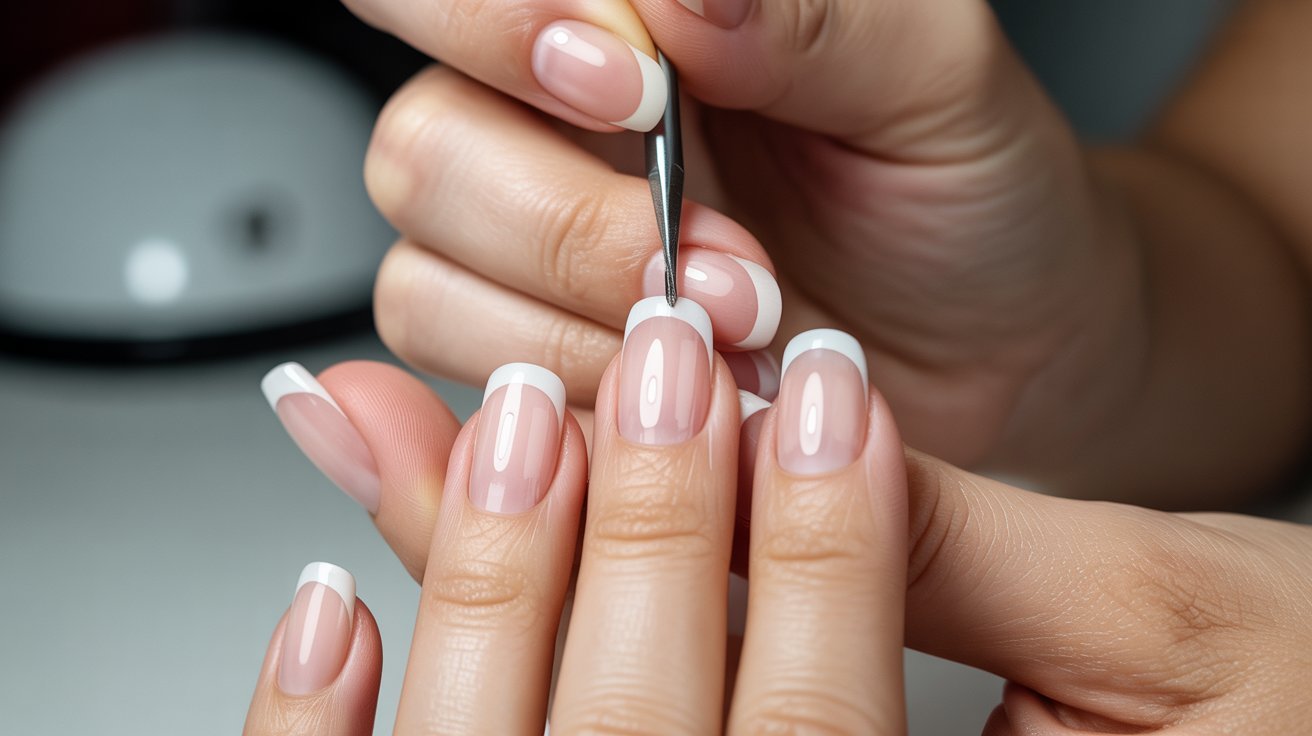
A rebalance restructures your nails when significant regrowth has shifted the apex and overall shape.
After 4 or more weeks of wear, your nails need more than a simple fill. The apex has moved too far forward with your nail growth. The structure becomes unbalanced and weak.
A rebalance involves more reshaping and more product than a fill. Your tech has to rebuild the entire structure, not just fill a gap.
Signs You Need a Rebalance Instead of a Fill
Look at your nails from the side. If the apex has grown way past the center, you need a rebalance.
Are your nails bending or feeling weak? That’s another sign. The structure has lost its integrity.
You might see visible imbalance when looking at your nails. They don’t look symmetrical anymore.
Lifting or cracking at the stress point? Definitely time for a rebalance.
What Happens During a Rebalance
Your tech does more extensive filing than a regular fill. They remove more product to reshape everything correctly.
Then they rebuild the full structure from scratch. They reposition the apex back to the center where it belongs.
This takes longer than a fill. Expect to spend an extra 15 to 30 minutes in the chair. The cost is higher too because of the extra work involved.
What Is a Full Set?
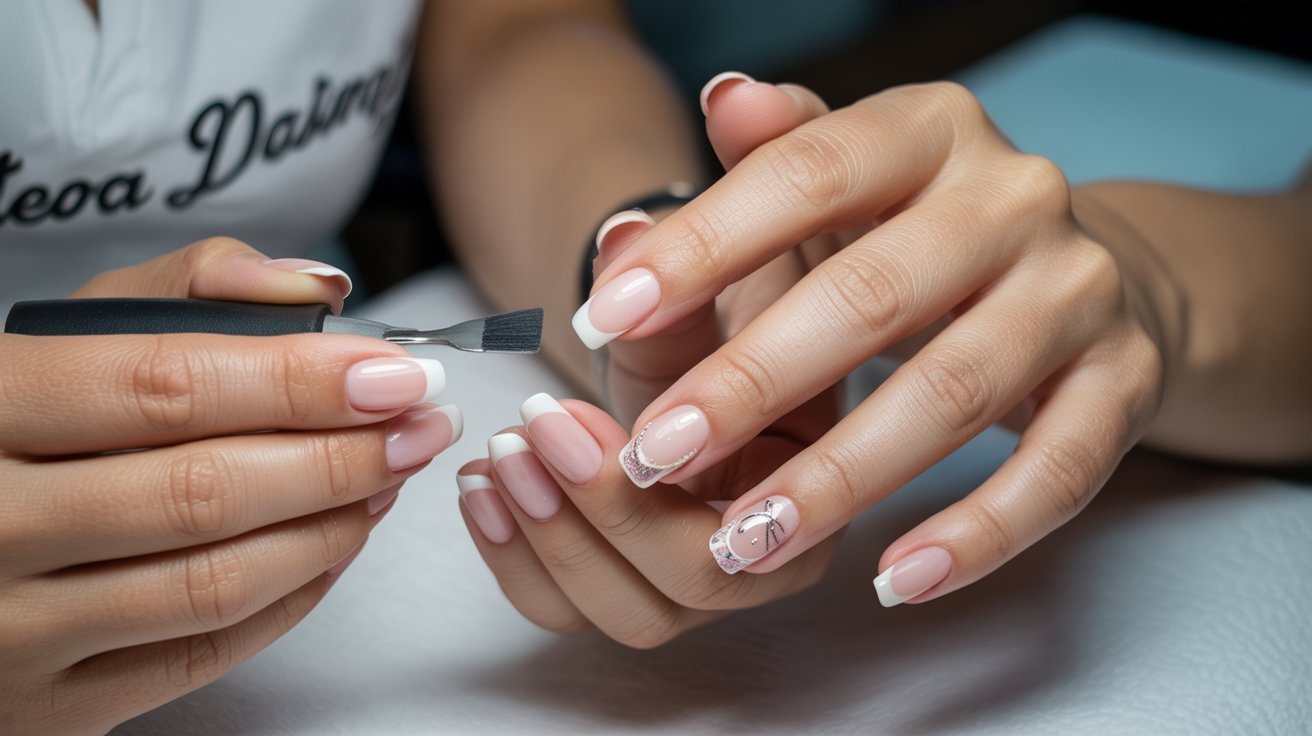
A full set means complete removal of old product and creating a fresh manicure from bare nails.
A full set starts from zero. Your tech removes all the old products completely. Then they create fresh structure or enhancements on your natural nails.
Think of it as hitting the reset button on your manicure.
When a Client Needs a Full Set
If it’s been 6 weeks or longer since your last appointment, you probably need a full set. Too much has changed to just fill or rebalance.
Got multiple broken nails or significant damage? Full set time.
Switching salons and your new tech doesn’t know what product the previous salon used? They’ll want to start fresh with a full set.
Planning a big event like a wedding or vacation? Many people get a full set to make sure everything looks perfect.
If you have severe lifting, green discoloration (greenies), or any sign of infection, your tech will remove everything and start over. Your nail health comes first.
What Happens During a Full Set Appointment
The appointment starts with complete removal. Your tech either soaks off the product or carefully files it away.
Then they prep your natural nails. This includes shaping, buffing, and cleaning the nail plate.
Next comes the application of new extensions or overlays, depending on what you want. They build the structure from the beginning.
Finally, they complete your full design. Color, art, topcoat—everything is brand new.
Fill vs Rebalance vs Full Set: Key Differences
Each service has distinct timing, processes, and costs based on the extent of work required.
Here’s a quick comparison:
| Service | Timing | Product Removed | Time Required | When You Need It |
| Fill | 2-3 weeks | 80-90% color and bulk | 45-60 minutes | Regular maintenance |
| Rebalance | 4+ weeks | Extensive restructuring | 60-90 minutes | Apex has shifted forward |
| Full Set | As needed | Complete removal | 90+ minutes | Starting fresh, damage, or long gaps |
Cost Differences
Each service has different pricing. Fills cost the least because they require minimal work. You’re just maintaining what’s already there.
Rebalances cost more. Your tech spends extra time reshaping and rebuilding structure.
Full sets are the most expensive. Your tech removes everything and starts from scratch. That’s a lot of product and time.
For nail techs: Price your services based on time and product used. Make sure clients understand why rebalances cost more than fills. Clear pricing prevents confusion and builds trust.
Does the System Matter? (Acrylic, Gel, Dip)
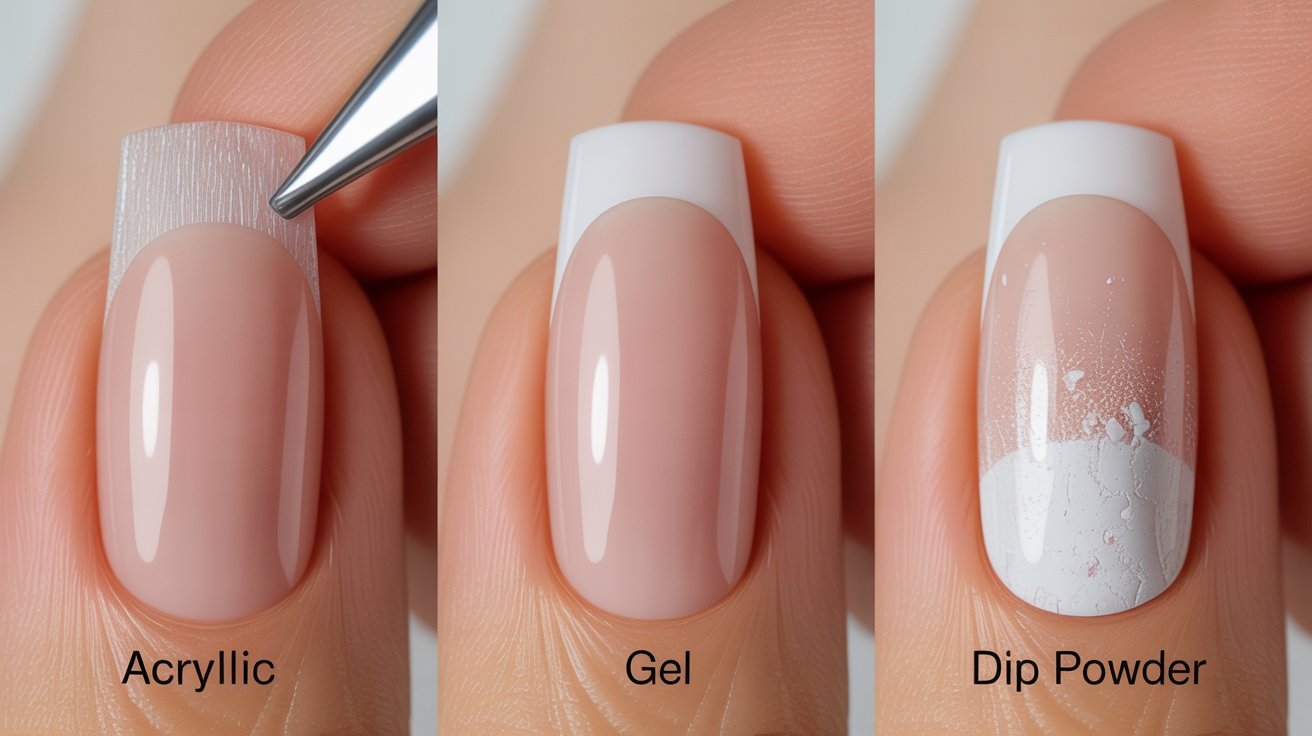
Different nail systems have specific fill processes, but the core concept stays the same across all types.
Acrylic Fills
Acrylic fills follow the standard refill process. Your tech files away the old product at the cuticle area. They apply fresh acrylic monomer and powder to rebuild strength and fill the gap.
The product bonds well to itself, making fills straightforward.
Builder Gel or Hard Gel Fills
Hard gel requires a backfilling technique. Your tech can’t soak this product off, so they file carefully to avoid damaging your natural nail.
They adjust the apex by adding gel where needed. The curing process bonds new gel to old products seamlessly.
Dip Powder Fills
Dip powder fills get tricky. Some techs do a partial soak off of the top layers. Others file down the bulk.
Redipping means soaking everything off and starting fresh. A true dip refill means adding new powder only where the nail has grown. Methods vary by salon and tech preference.
How to Know Which Service You Need
Reading your nails’ condition and considering your habits helps determine the right maintenance schedule.
Visual Signs
- Check your nails carefully. Do you see gaps at the cuticle? That’s normal after 2 to 3 weeks.
- Is the product lifting at the edges? Snagging on things? Time for a fill at minimum.
- Look at the apex from the side. Has it moved way forward? You need a rebalance, not just a fill.
Lifestyle and Wear and Tear Factors
- Nail length matters. Longer nails show regrowth faster and need fills sooner.
- Your nail strength affects how well the product holds. Flexible nails might need more frequent maintenance.
- Think about your daily habits. Do you type all day? Garden? Clean with harsh chemicals? These activities affect how long your manicure lasts.
Be honest with your tech about your lifestyle. They can recommend the right service schedule for you.
Can You Do Nail Fills at Home?
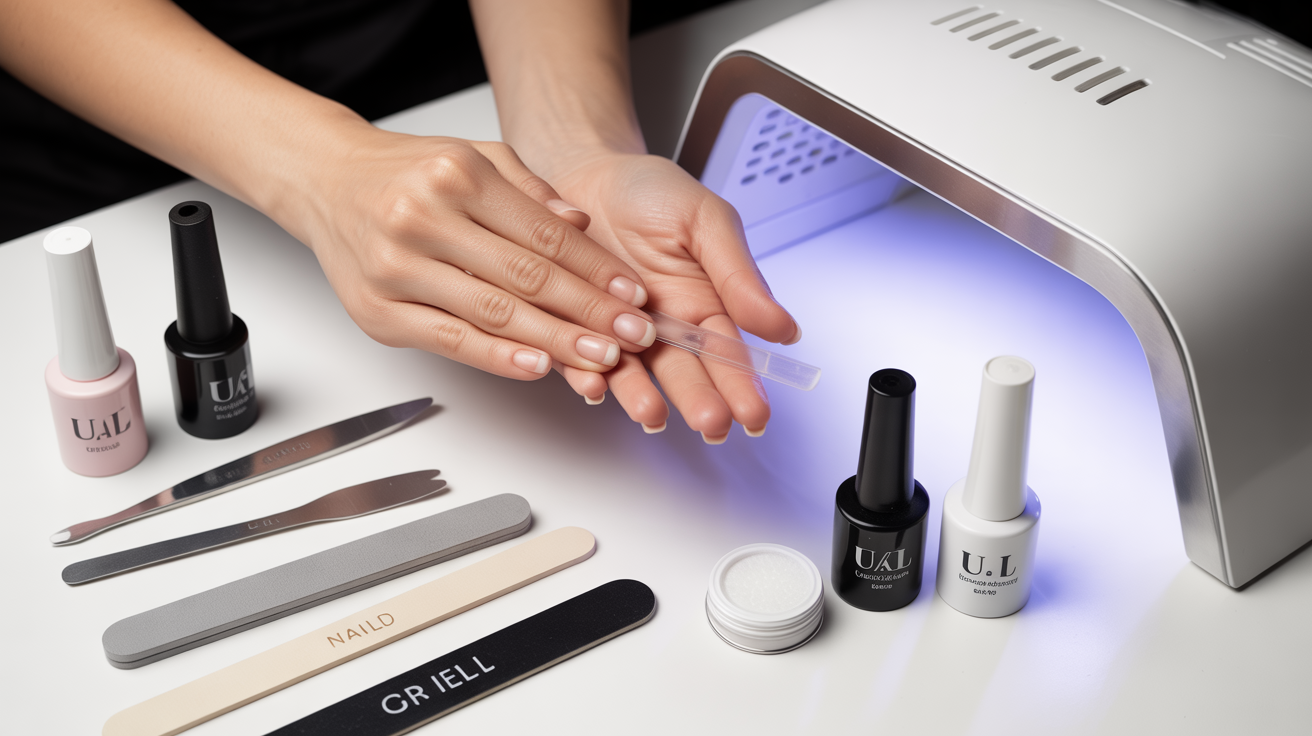
Home fills are possible with the right tools and knowledge, but professional maintenance is often safer.
Tools You Need
You’ll need a nail file (180 grit for natural nails, 100-150 for product), a buffer, cuticle pusher, and your specific nail system (acrylic, gel, or dip).
A good nail lamp is essential for gel systems. Don’t skip this.
Basic Step by Step Process
Start by pushing back your cuticles gently. File away the shine from the old product near your cuticle area.
Apply your product to fill the gap. Follow the specific instructions for your system. Cure gel under a lamp or let acrylic air dry.
Shape and buff to smooth everything out. Apply your topcoat and clean up any excess.
When DIY May Not Be Safe
Skip home fills if you see any green discoloration or signs of infection. See a professional immediately.
If your nails are lifting badly or you’re not sure what product you have, don’t risk it. Improper removal damages natural nails.
New to nails entirely? Get professional work first. Learn the correct techniques before trying fills at home.
Conclusion
Weeks full of typing? Liquid gel it is. A special occasion where I want long nails? Hard gel all the way.
Knowing the difference between liquid gel nails and hard gel nails makes it easy when walking into a salon. You will know exactly what to ask for.
Talk to your nail tech about your lifestyle and preferences, and your tech can help you make the best decision. Comment below and tell me about your favorite gel system!
Frequently Asked Questions
How long can I go between nail fills?
The ideal timeframe is 2 to 3 weeks. Going longer increases the risk of lifting, breakage, and damage to your natural nails.
Is a rebalance more expensive than a fill?
Yes, rebalances cost more because they require more time, product, and skill. Your tech is rebuilding the entire structure, not just filling a gap.
Can I get a fill if I have a broken nail?
It depends on the break. A small chip can usually be fixed during a fill. A major break might require a full set or at least restructuring that specific nail.
Do all nail types need fills?
Most enhancement systems need regular fills: acrylic, builder gel, and hard gel. Dip powder methods vary. Regular polish and soft gel don’t require fills since they’re removed and reapplied completely.
What happens if I never get fills?
Your nails will lift, crack, and potentially break. Bacteria can grow under lifted product, causing infections. Your natural nails can become damaged and weak from the stress.