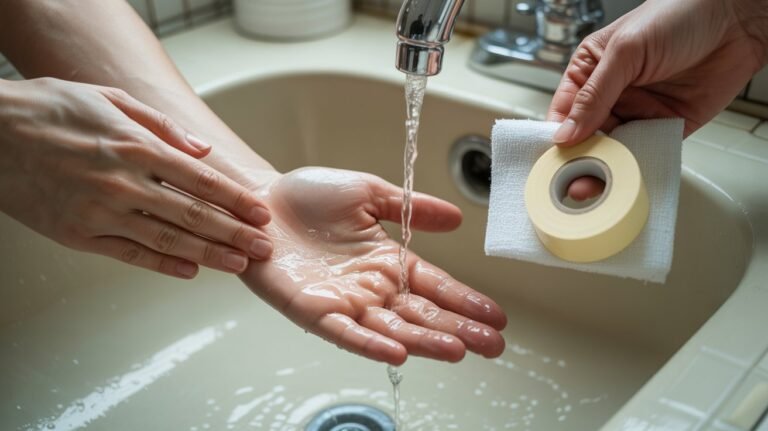
What is the Fastest Way to Heal a Swollen Eyelid?

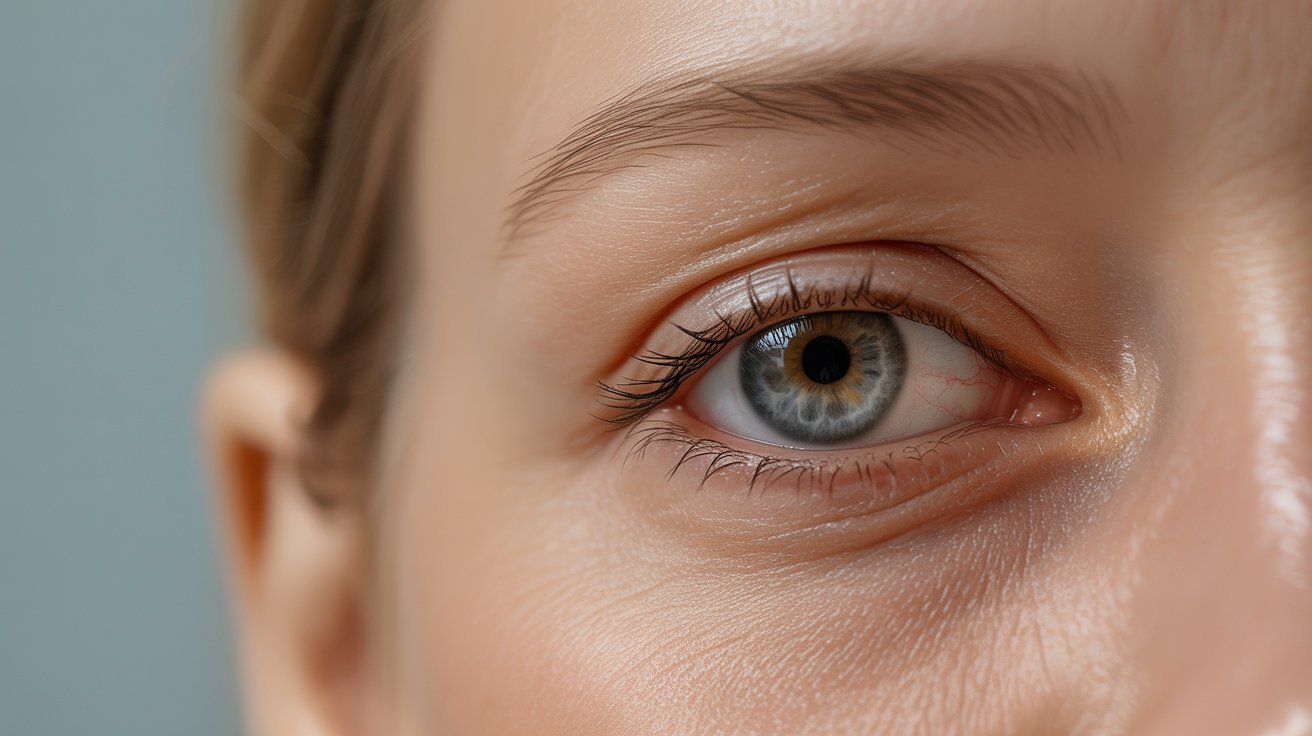
I woke up one morning with a puffy, swollen eyelid, and let me tell you, it was not fun. My eye felt tight, looked red, and hurt every time I blinked. I needed relief fast.
Here’s what I learned: swollen eyelids can happen for so many reasons. Mine was from allergies, but yours might be from an infection, a blocked gland, or even rubbing your eyes too hard. Sometimes an injury causes it, or it could signal something more serious.
I tried everything to make it go away quickly. In this post, I’m sharing what actually worked for me, when you should see a doctor, and how to prevent it from happening again.
Understanding Swollen Eyelids
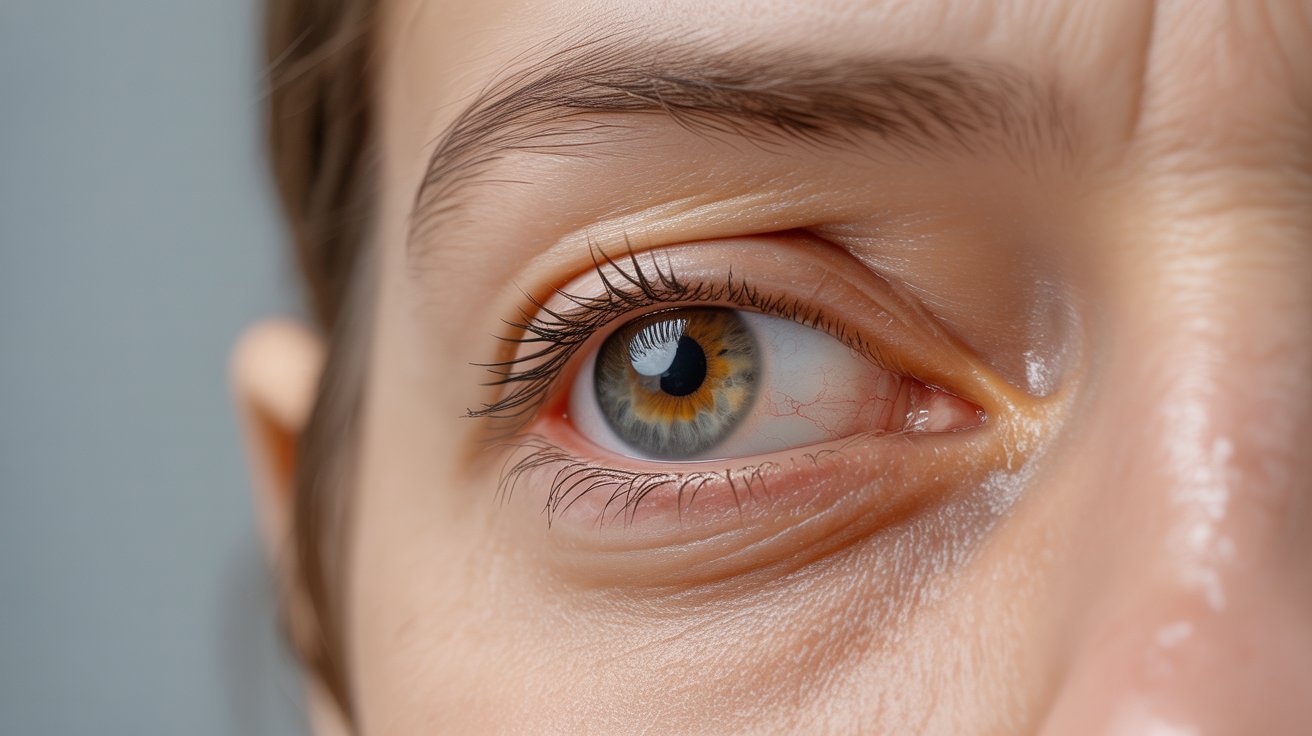
A swollen eyelid occurs when your upper or lower lid puffs up. It can feel tight, look puffy, and sometimes make it hard to see clearly.
The swelling happens when extra fluid builds up in your eyelid. This occurs when something irritates the area. It could be inflammation from allergies or an infection causing the problem.
Most cases are mild and go away in a day or two. But if your eyelid is severely swollen, you can’t see well, or you have a fever, see a doctor immediately. Don’t ignore swelling that lasts more than a few days.
Common Causes of Swollen Eyelids
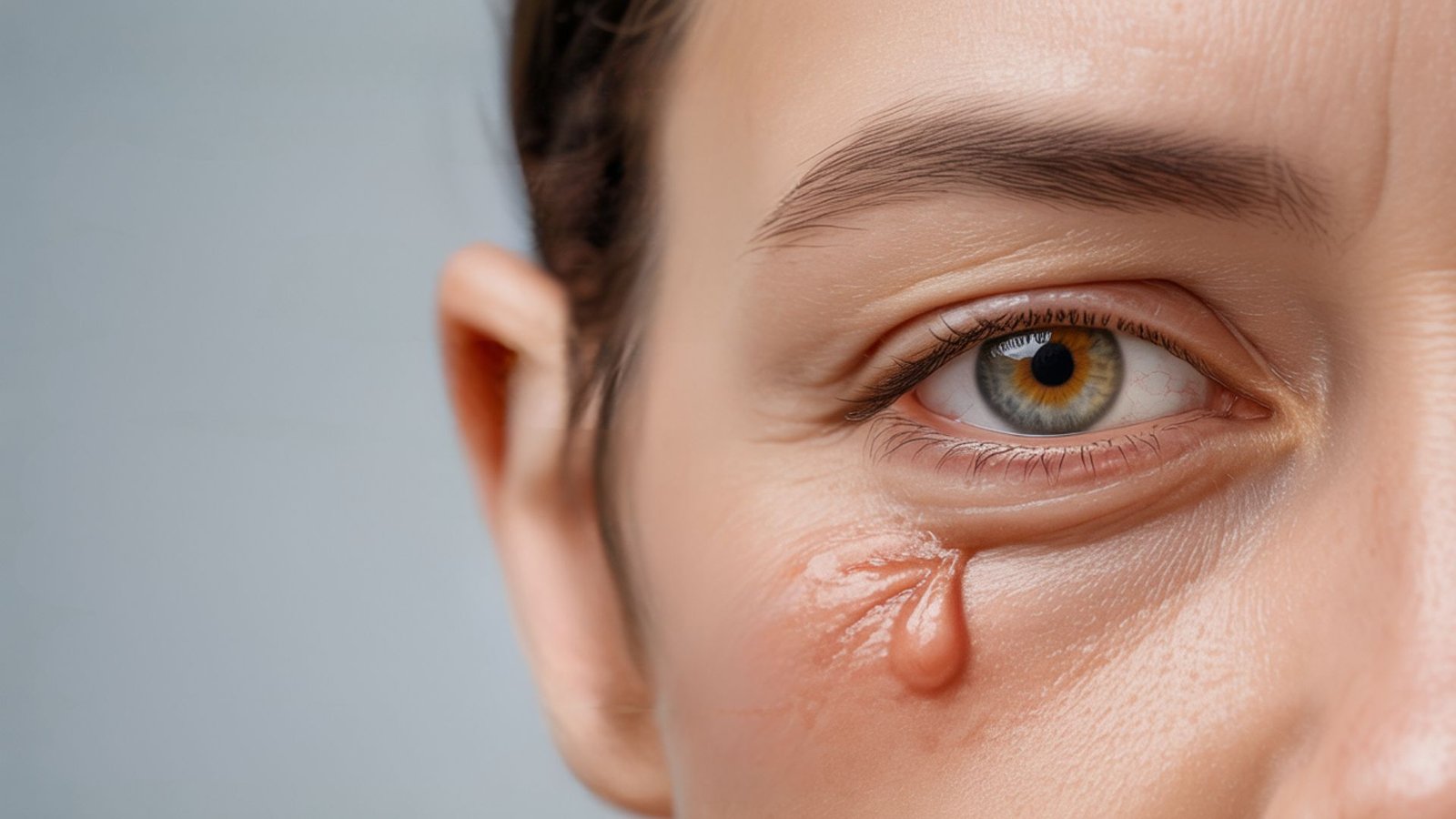
Swollen eyelids can come from many different sources. Here are the most common reasons your eyelids might puff up.
1. Allergies
Your body can react to all sorts of things. Pollen from trees and flowers is a big trigger, especially in spring. Dust around your home, pet hair, or dander can cause problems too.
Sometimes it’s the makeup you’re wearing or a new skincare product you tried. When your immune system doesn’t like something, your eyelids swell up.
2. Infections
Infections are another common culprit. A stye is a painful bump that forms on your eyelid when a gland gets infected.
Pink eyes make your eyes red and crusty. Blepharitis causes inflammation along your eyelid edges. Orbital cellulitis is more serious, it’s an infection around your eye socket that needs immediate medical care.
3. Blocked Oil or Tear Glands
Your eyelids have tiny glands that make oils and tears. When these get clogged, swelling happens.
Meibomian gland dysfunction occurs when oil glands don’t work right. A blocked tear duct stops fluid from draining properly. Both create that puffy look.
4. Trauma or Rubbing
Getting hit in the eye obviously causes swelling. But even rubbing your eyes too hard can irritate them.
When you’re tired and rub your eyes constantly, you’re adding pressure and friction. That leads to puffiness and inflammation.
5. Underlying Medical Conditions
Sometimes swollen eyelids point to bigger health issues. Graves’ disease affects your thyroid and can make your eyes bulge.
Keratoconus changes the shape of your cornea. Chronic dry eye leads to constant irritation and swelling. These conditions need proper medical treatment.
6. Aging and Congenital Factors
As you get older, fat pads around your eyes can shift and cause drooping or swelling. Some people are born with conditions that make their eyelids naturally puffy.
These cases are usually harmless but can bother you cosmetically.
Fast Home Remedies to Reduce Swelling
Want quick relief? These simple home treatments can reduce swelling and help you feel better within hours or days.
1. Cold Compresses
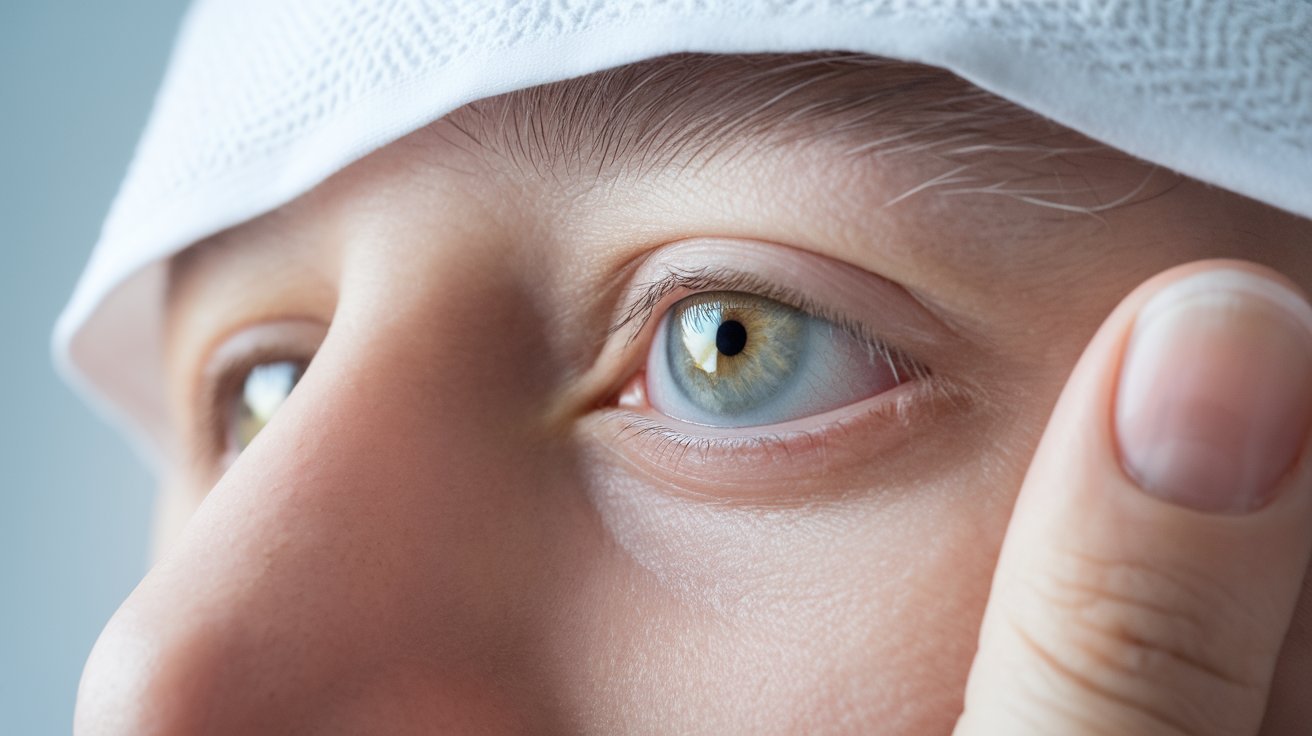
Grab a clean washcloth and soak it in cold water. Wring it out and place it over your closed eyelid for 10 to 15 minutes. Do this every hour for the best results.
You can also use a chilled spoon from the refrigerator. Just make sure it’s clean first. The cold helps reduce inflammation and feels soothing.
Here’s a tip I learned: caffeinated tea bags work great too. Steep two tea bags in hot water, let them cool in the fridge, then place them on your eyelids. The caffeine helps tighten blood vessels and reduces puffiness faster.
2. Warm Compresses for Blocked Glands
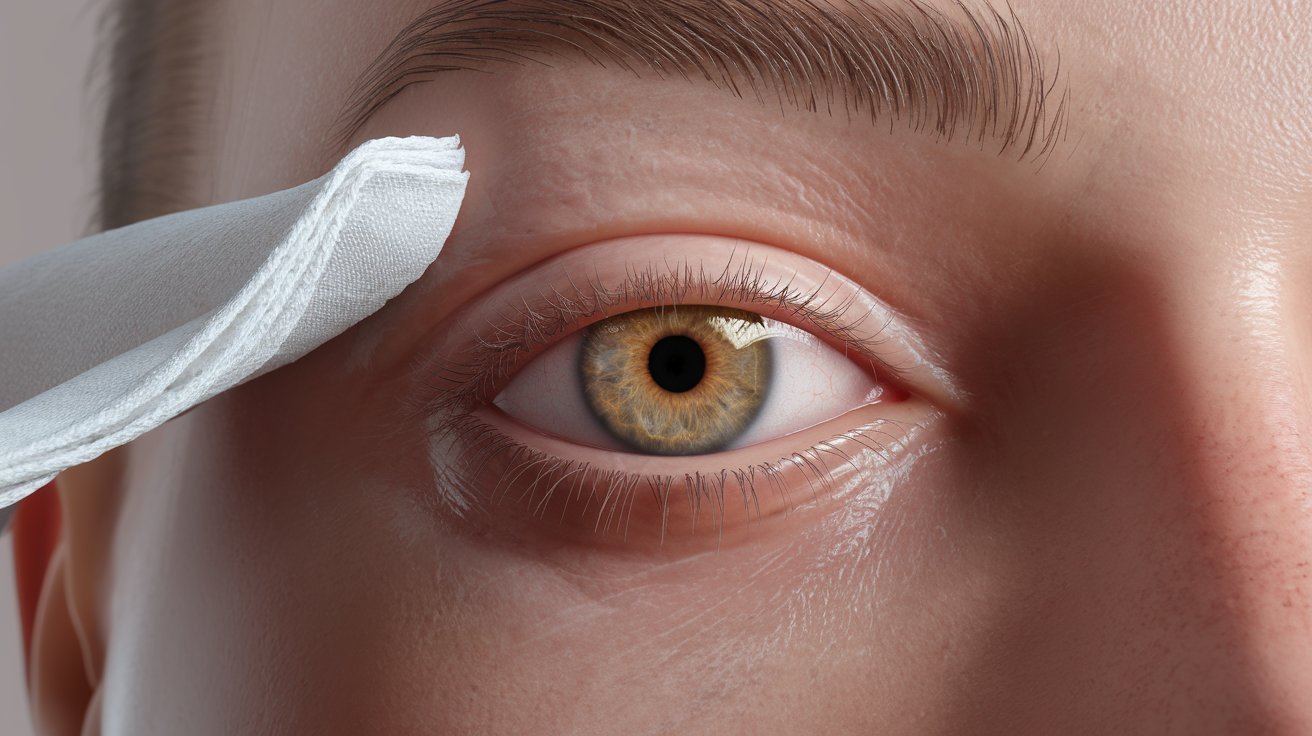
If you have a stye or chalazion, skip the cold and use warmth instead. Soak a clean cloth in warm water and hold it against your eyelid for 10 to 15 minutes. Repeat this three to four times a day.
The heat loosens up debris stuck in your glands. It also helps oil flow better, which clears the blockage. I found this worked wonders when I had a stubborn stye that wouldn’t go away.
3. Hydration and Sleep
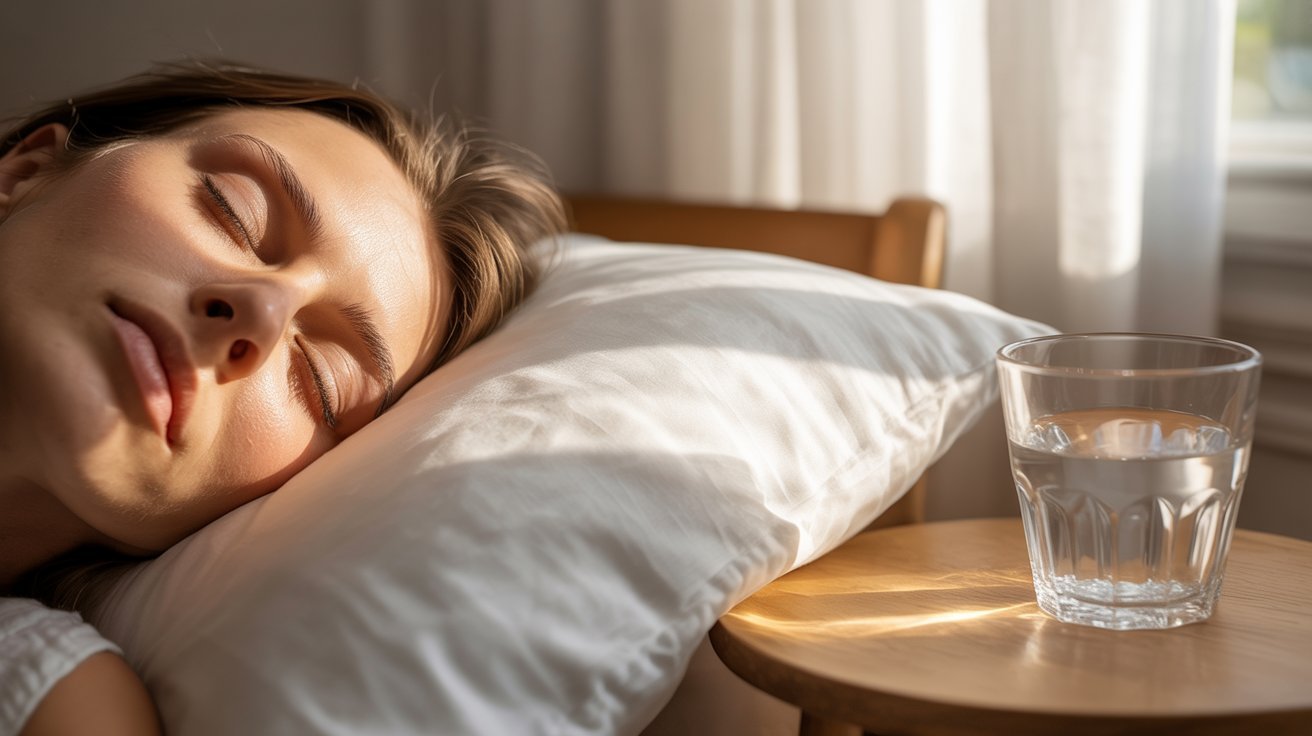
Drink plenty of water throughout the day. When you’re dehydrated, your body holds onto fluid, which can make swelling worse.
Sleep matters too. Try propping up your head with an extra pillow at night. This helps excess fluid drain away from your face instead of pooling around your eyes. I noticed a big difference when I started doing this.
4. Over-the-Counter Medications
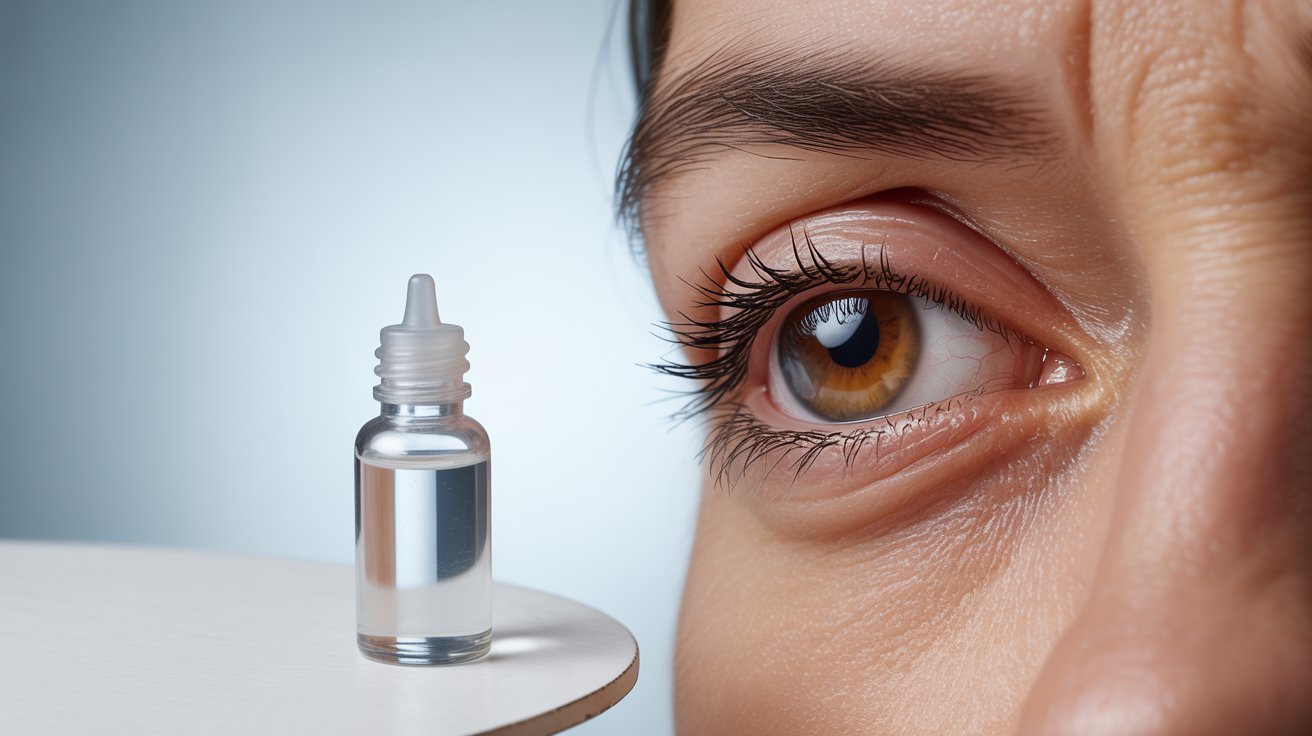
If allergies are causing your swollen eyelid, take a non-drowsy antihistamine. Brands like Claritin or Zyrtec work well and won’t make you sleepy during the day.
Artificial tears are helpful too. They flush out irritants like pollen or dust and keep your eyes moist. Use preservative-free drops if you need them more than four times a day.
Prevention Tips to Avoid Future Swelling
- Stop touching your eyes: Rubbing or touching your eyelids spreads bacteria and causes irritation that leads to swelling.
- Keep your eyelids clean: Wash your face daily and gently clean around your eyes to remove dirt, oil, and debris.
- Take care of your makeup: Remove all makeup before bed and throw out old products that might harbor bacteria or cause reactions.
- Stay away from allergens: Keep your home dust-free, wash bedding regularly, and limit contact with pet dander if you’re sensitive.
- Get regular eye checkups: See your eye doctor once a year to catch any problems early before they cause swelling or other issues.
When to See a Doctor Immediately
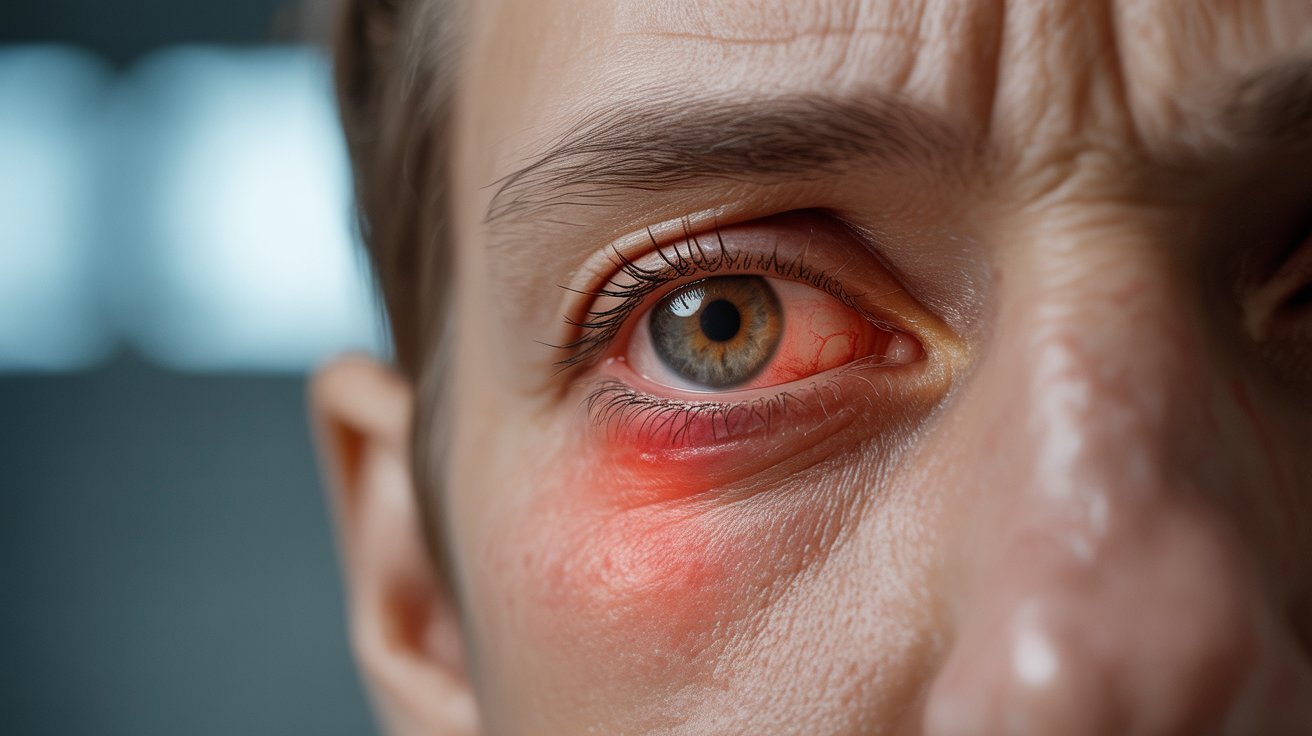
Don’t wait if your swelling gets worse after a day or two. See a doctor right away if you have severe pain, intense redness, or your vision gets blurry.
A fever means the infection might be spreading through your body.
Orbital cellulitis is a serious infection that needs immediate treatment. If you have a stye that’s extremely painful or won’t drain on its own, a doctor may need to help.
These situations aren’t something you can fix at home.
Conclusion
Most of the time, you can handle a swollen eyelid at home. I’ve had success with cold compresses for general puffiness and warm ones for blocked glands.
Drinking more water and keeping my eyelids clean made a real difference too.
But here’s what I learned the hard way: don’t ignore warning signs. If your swelling sticks around for more than two days, hurts badly, or messes with your vision, get to a doctor. I waited too long once and regretted it.
The faster you act, the quicker you’ll heal. Take care of your eyes, and they’ll take care of you.
Frequently Asked Questions
How long does it take for a swollen eyelid to heal?
Most mild cases heal within 24 to 48 hours with home treatment. More serious infections or blockages might take a week or longer to fully resolve.
Can I wear makeup if my eyelid is swollen?
No, skip makeup until the swelling goes away completely. Makeup can irritate your eyelid more and introduce bacteria that slow down healing.
Is a swollen eyelid contagious?
It depends on the cause. Pink eye and some infections spread easily to others. Allergies and blocked glands aren’t contagious at all.
Should I use ice or heat for a swollen eyelid?
Use cold compresses for general swelling from allergies or injuries. Use warm compresses if you have a stye or blocked gland that needs to drain.
Can stress cause swollen eyelids?
Stress doesn’t directly cause swelling, but it can make you rub your eyes more or lose sleep. Both of these habits lead to puffy, swollen eyelids.