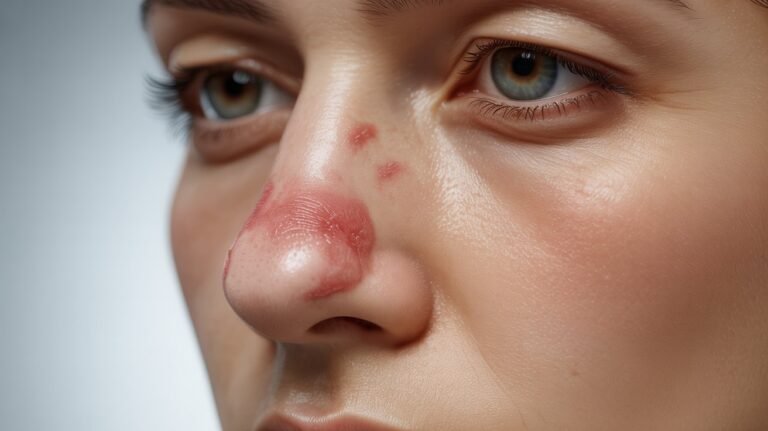
Where Not to Inject Botox Forehead?

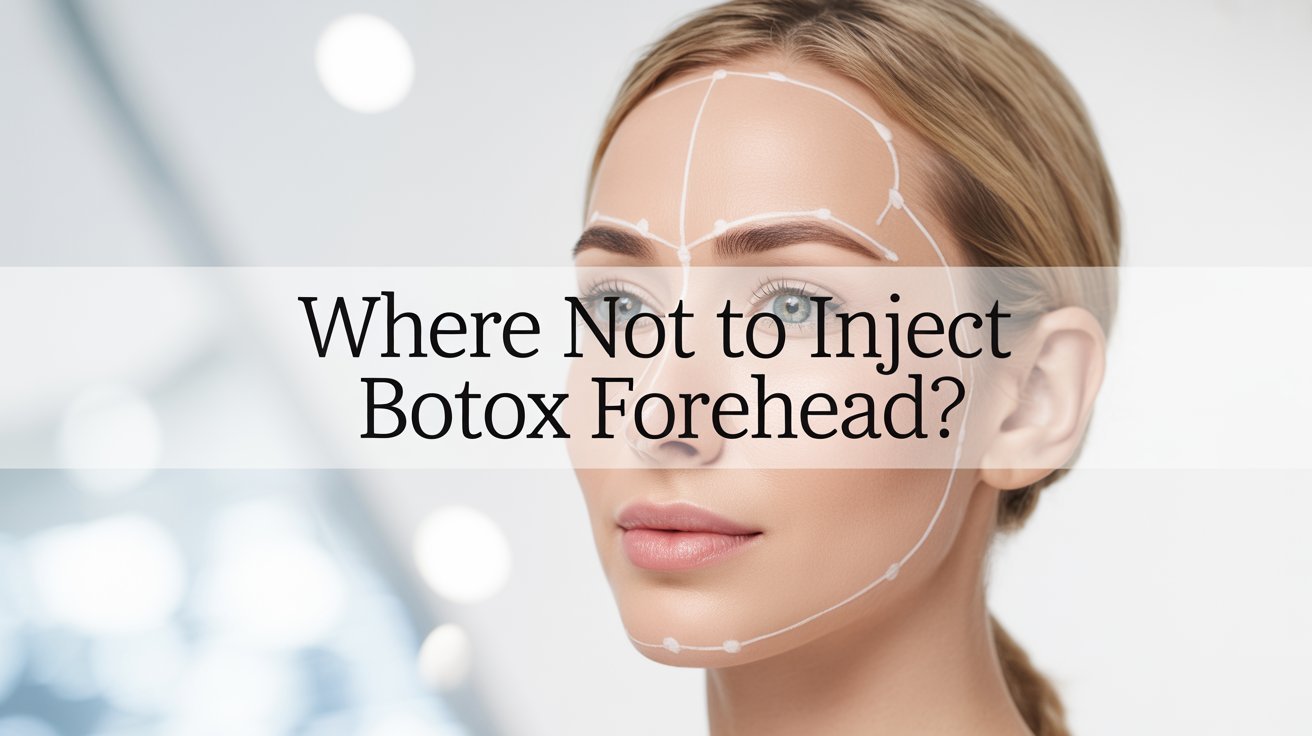
I want to help you understand where not to inject botox forehead so you stay safe. Botox smooths wrinkles, but wrong placement causes droopy brows and frozen faces.
I’ve seen people struggle because their injector missed key danger zones.
I’ll show you the risky areas to avoid and why they matter. You’ll learn about forehead muscles, common mistakes, and how to pick a skilled injector.
This guide covers the central forehead, upper hairline, and side zones where botox should never go.
Trust me on this. Knowing these spots protects your natural look and prevents complications.
Understanding the Forehead Muscles
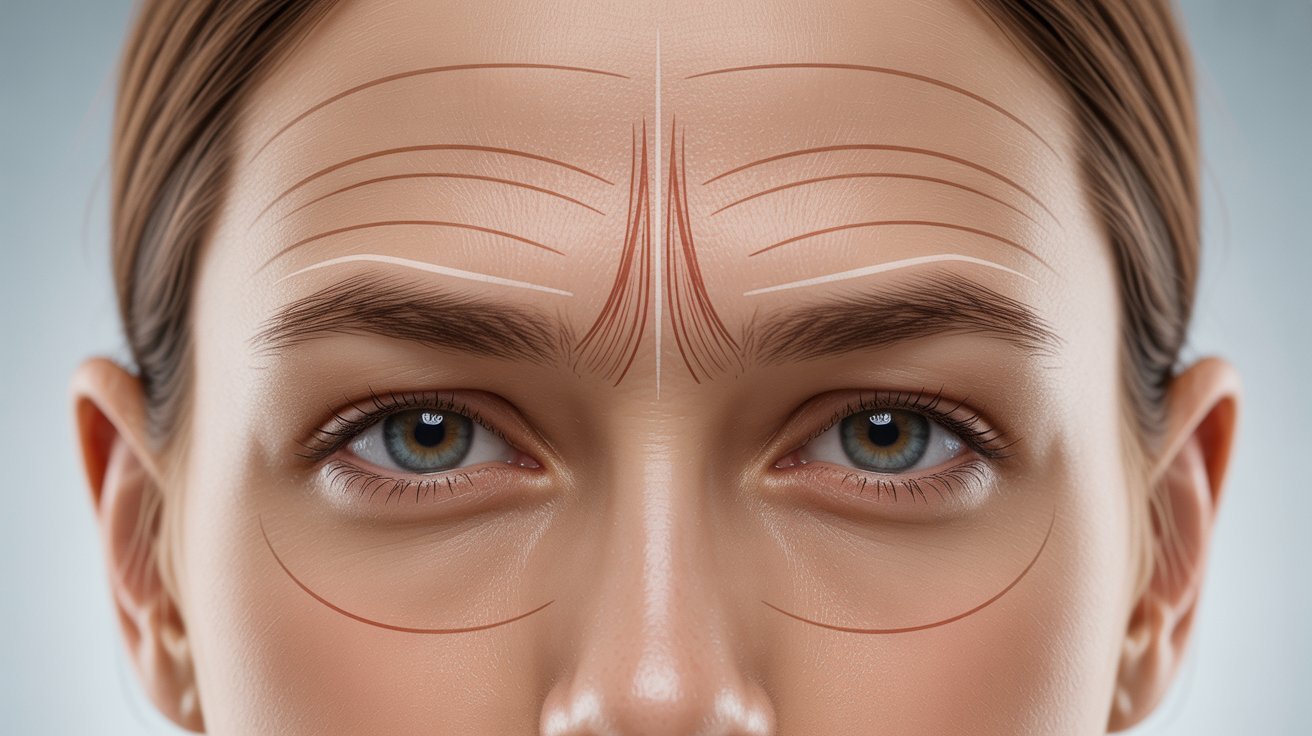
Your forehead muscles control facial expressions and create wrinkles. The frontalis muscle stretches across your entire forehead and lifts your eyebrows.
This muscle creates those horizontal lines you see when you raise your brows.
It connects to muscles around your eyes and between your brows. These connections matter because injecting one area affects nearby zones.
Many injectors make critical mistakes. They inject too close to the brows or put too much product in the center. Over-relaxing muscles is a big problem. When your injector uses too much botox, your forehead loses all movement. Your face looks stiff and frozen.
Some injectors don’t map your unique facial structure. They use the same technique on everyone. But your muscle strength and wrinkle patterns need a custom approach.
Uneven dosing causes one side to relax more than the other. This leads to crooked brows and asymmetric expressions.
Botox Danger Zones on the Forehead
Certain forehead areas carry high risks when injected. These danger zones cause drooping, asymmetry, and unnatural looks that can last for months.
Central Forehead / Midline
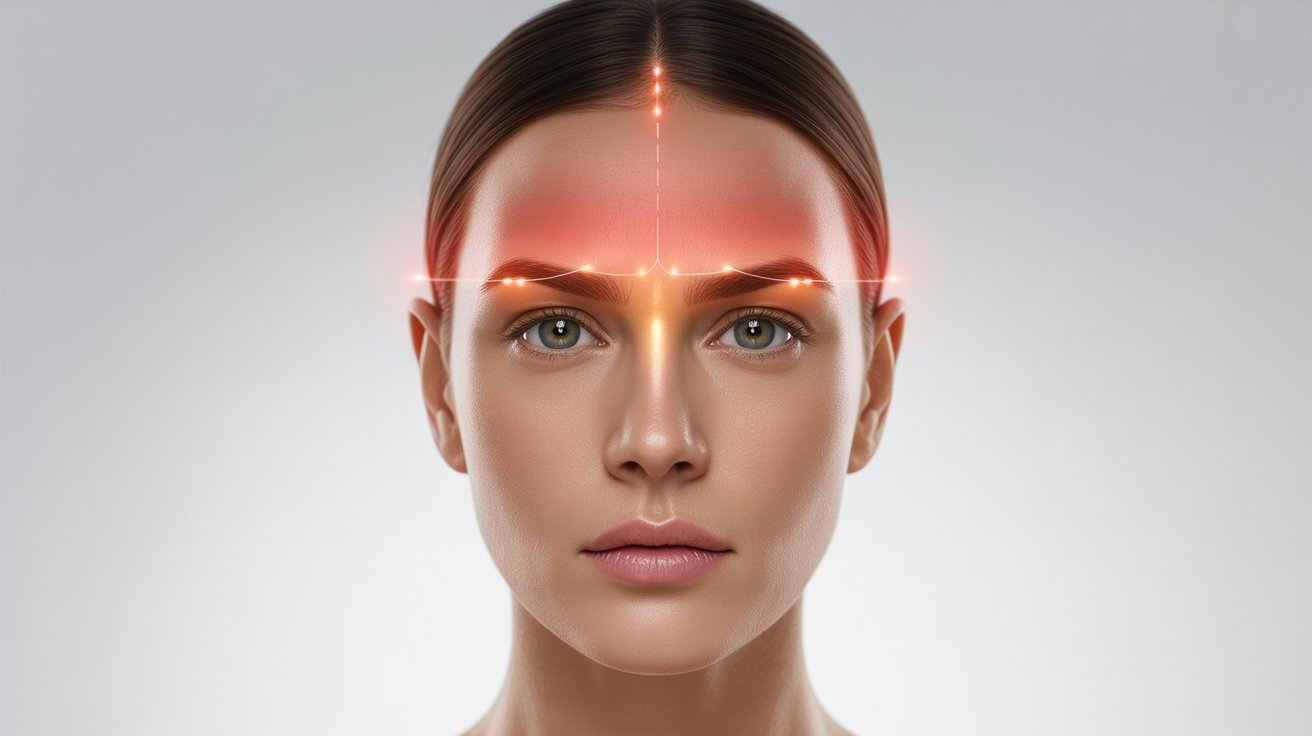
The middle of your forehead is a high-risk zone. Injecting here pulls down your eyebrows and creates a droopy look. Your mid-forehead can appear frozen while the sides still move.
The midline supports your natural brow elevation. When you relax this area too much, gravity takes over. Your brows sink lower and can even hood over your eyes.
Many people want smooth foreheads but end up with a strange appearance. Their eyebrows sit too low. Their upper eyelids look heavy. The whole face loses its natural lift and balance.
Skilled injectors avoid the central forehead completely. They work around the edges where botox can smooth lines without affecting brow position. This keeps your face looking alert and awake.
Upper Forehead / Near Hairline
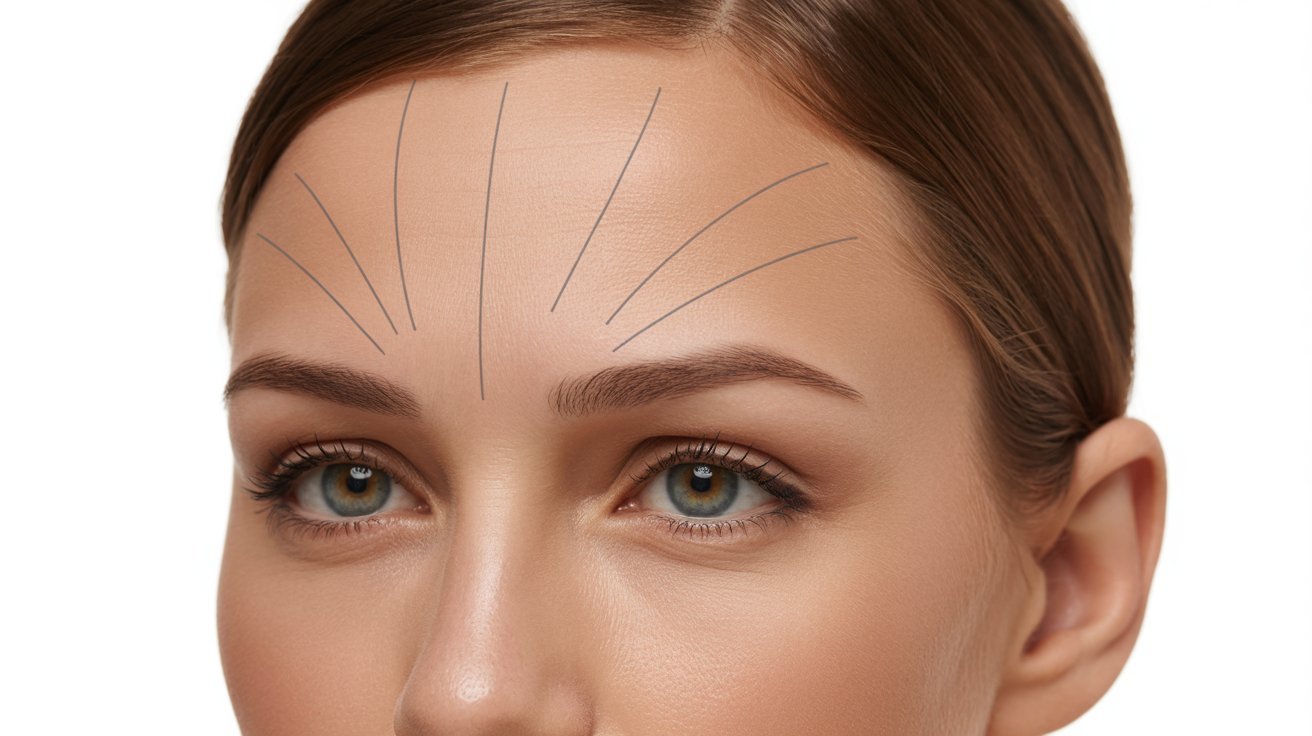
Injecting too close to your hairline creates the Spock Brow effect. Your outer brows arch way too high while the inner parts stay low. You look constantly surprised or skeptical.
The upper forehead muscles help control your entire brow shape. When you paralyze them incorrectly, the remaining active muscles pull unevenly. This makes one part of your brow lift while another part drops.
Your eyelids suffer when the upper forehead is over-treated. The skin above your eyes gets heavy. You might feel like your eyelids are tired or sagging. Some people even struggle to keep their eyes fully open.
The hairline zone needs very careful consideration. Your injector must understand how much muscle movement you need to keep. Too much relaxation here ruins your overall expression and facial harmony.
Lateral Sides of Forehead
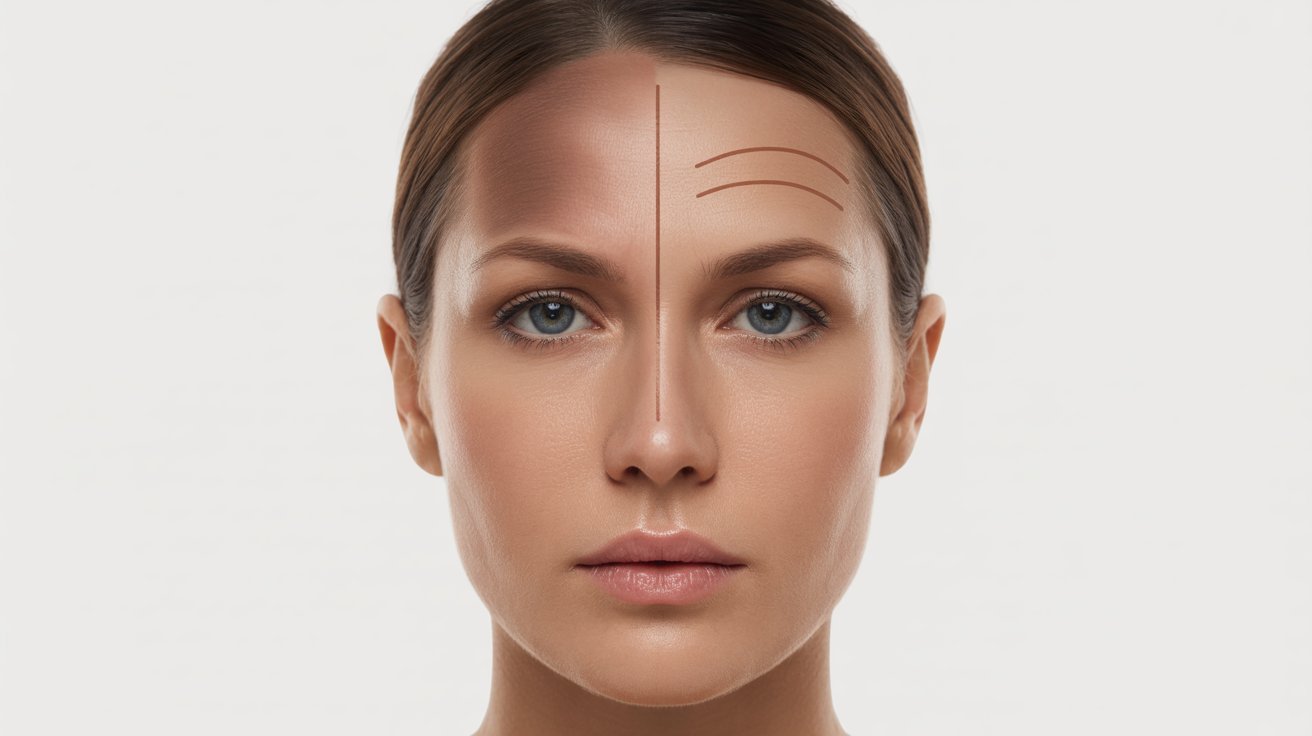
The sides of your forehead require precise dosing. Uneven amounts on the left versus right side create obvious asymmetry. One eyebrow sits higher than the other.
These lateral areas connect to your temple muscles. When the dosage is wrong, the imbalance shows up in photos and mirrors. Your face looks crooked or lopsided.
Balance across the forehead depends on equal treatment. Your injector needs to measure carefully and place the same amount on both sides. Even small differences of one or two units cause noticeable problems.
The outer forehead also affects how your eyes look. Injecting too far to the sides can change your eye shape. Your natural face loses its symmetry and proportions.
Risks of Improper Forehead Injections
Wrong injection techniques cause serious complications. These risks affect your appearance, facial function, and quality of life for several months until botox wears off.
Droopy Eyebrows or Eyelids
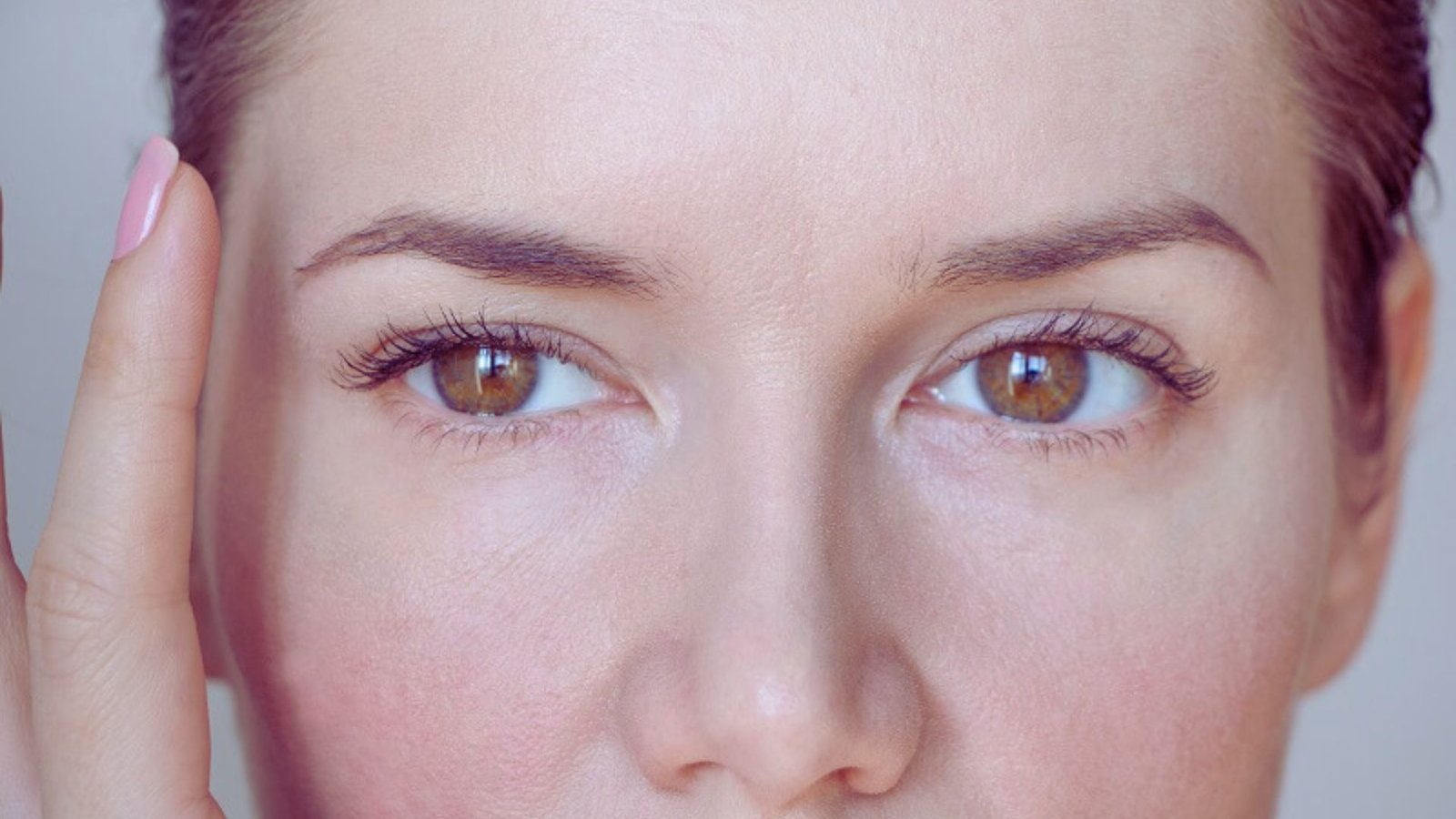
Brow ptosis happens when botox migrates to the wrong muscles. Your eyebrows drop lower than normal and can hang over your upper eyelids, making you look tired or sad.
Eyelid drooping is even worse. The muscle that lifts your upper eyelid gets affected. You struggle to open your eyes fully and your vision can become partially blocked. You might have trouble reading, driving, or applying makeup.
The drooping usually lasts two to three months. There’s no quick fix. You have to wait for the botox to fade naturally.
Frozen or Stiff Forehead

A frozen forehead means you’ve lost all natural movement. You can’t raise your eyebrows when you’re surprised or furrow your brow when you’re thinking. Your face looks blank.
This stiffness makes you seem emotionless. People can’t read your expressions during conversations. Instead of looking refreshed, you look artificial. Your forehead doesn’t match the rest of your face.
Natural movement matters for communication. We use our foreheads to show feelings and reactions. The frozen appearance can last four to six months depending on the dose.
Asymmetry and Unnatural Look
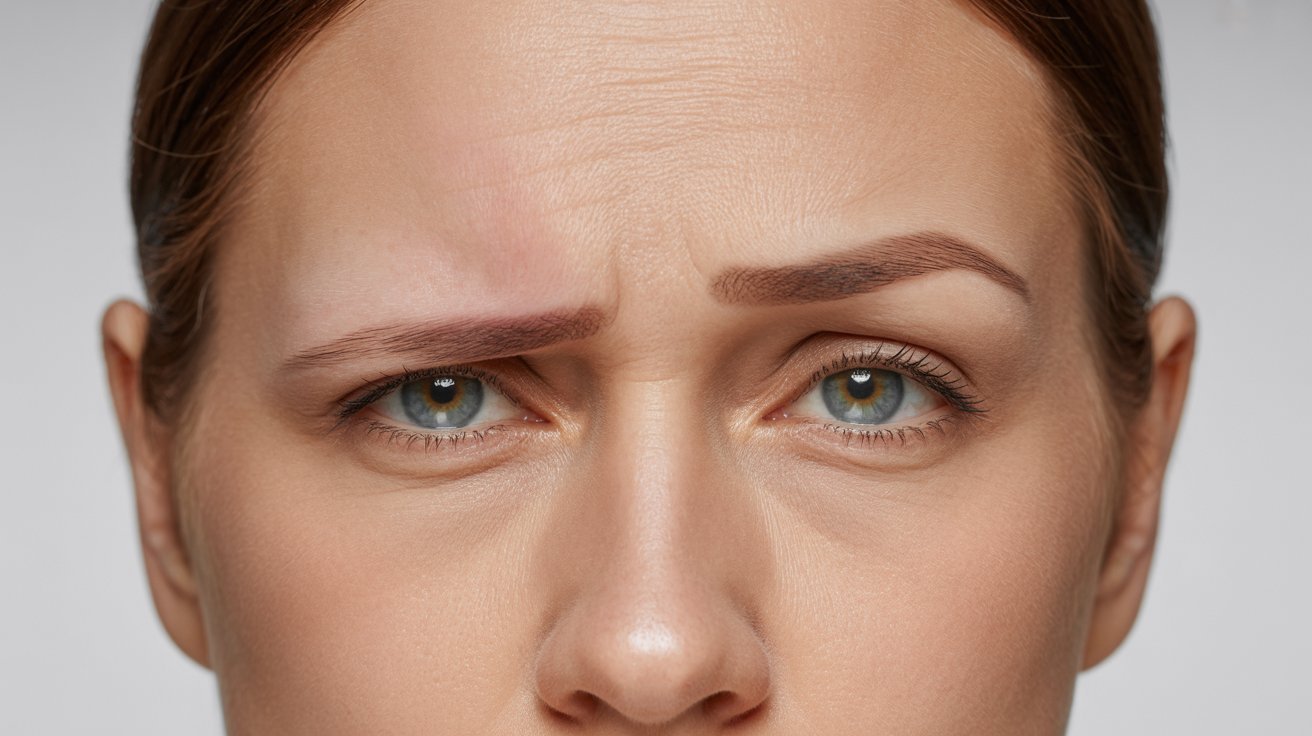
Facial asymmetry from botox stands out immediately. One side of your forehead moves while the other stays still. Your eyebrows sit at different heights. The imbalance is impossible to hide.
This happens when your injector doesn’t map your face properly. They inject by guessing instead of measuring carefully. The unnatural appearance affects your confidence. You notice it every time you look in the mirror.
Precise mapping prevents these problems. Your injector should mark injection points before starting and check symmetry from multiple angles.
Best Practices for Safe Forehead Botox
Proper forehead botox requires expert knowledge and careful technique. These practices protect you from complications and help you achieve natural, beautiful results.
- Choose a qualified injector with proper medical licensing. Look for board-certified dermatologists, plastic surgeons, or trained nurse injectors. Ask about their experience and request before and after photos. Avoid bargain deals and non-medical settings.
- Ensure accurate mapping and conservative dosing. Good injectors mark injection points before starting and focus on the sides of your forehead, not the middle. They stay at least one to two centimeters above your eyebrows to prevent brow drop.
- Start with small doses and adjust later. Most people need ten to twenty units total across four to six injection points. You can always add more in two weeks, but you can’t remove it once injected.
- Expect a thorough consultation. Your injector should watch your facial expressions, ask about your goals, and review your medical history. Every face is different and needs a custom approach.
- Discuss realistic results and risks upfront. Your injector should explain what’s possible with your anatomy and warn you about potential complications specific to your face.
Conclusion
Now you know where not to inject botox forehead and why these zones matter so much. I’ve watched friends regret choosing inexperienced injectors who left them with droopy brows and frozen expressions. It breaks my heart every time.
Your face deserves better than that. Take your time researching qualified injectors who truly understand facial anatomy. Ask tough questions during consultations and trust your gut feelings. If something feels off, walk away.
Share this guide with anyone considering forehead botox. Drop a comment below sharing your experiences or concerns. Let’s keep each other safe and informed.
Frequently Asked Questions
Can botox in the forehead cause permanent damage?
No, botox effects are temporary and last three to four months. Even complications fade completely with time.
How long does it take to see if my forehead botox went wrong?
You’ll notice problems within three to ten days after injection when the botox takes full effect.
Can I fix bad forehead botox before it wears off?
Limited options exist. Eye drops can help mild eyelid drooping slightly, but most issues require waiting two to four months.
How many units of botox are safe for the forehead?
Most foreheads need ten to twenty units total for safe, natural results without looking frozen.
What should I do immediately after getting forehead botox?
Stay upright for four hours and avoid rubbing the injection sites, exercising, or lying down.