Why Are My Acrylic Nails Lifting After a Week?


Nothing feels worse than getting fresh acrylics only to see them lift days later. I’ve been there, and I know how frustrating it is.
Acrylic nail lifting happens when the product separates from your natural nail. When it occurs within the first week, something went wrong during prep or application.
In this article, I’ll explain why your acrylic nails are lifting after a week and show you exactly how to fix it.
You’ll learn the main causes, prevention tips, and when lifting signals a bigger issue.
Let’s get your nails lasting longer.
What Is Acrylic Nail Lifting?
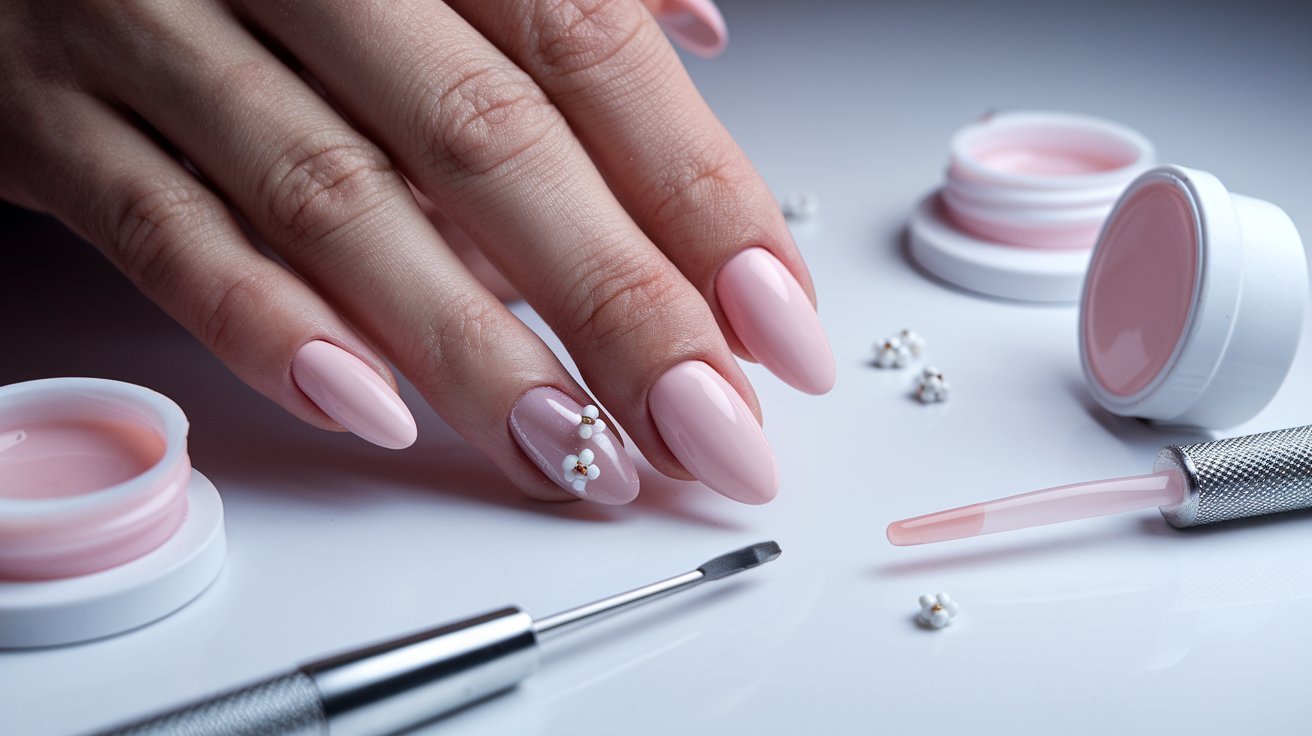
Lifting means your acrylic has pulled away from your natural nail. It creates a gap where air, water, and bacteria can get trapped.
Most lifting starts near the cuticle area. It can also happen along the sidewalls or at the free edge. You’ll notice the acrylic looks raised or feels loose.
Normal wear and tear causes lifting after three to four weeks. But when it happens in the first week, it’s not normal.
Early lifting points to problems with nail prep, application, or aftercare. Catching it fast helps you avoid infection and keeps your nails strong.
The Main Reasons Acrylic Nails Lift After Just a Week
Early lifting usually stems from prep mistakes, moisture issues, poor application, weak aftercare, or skipped maintenance.
1. Poor Nail Preparation
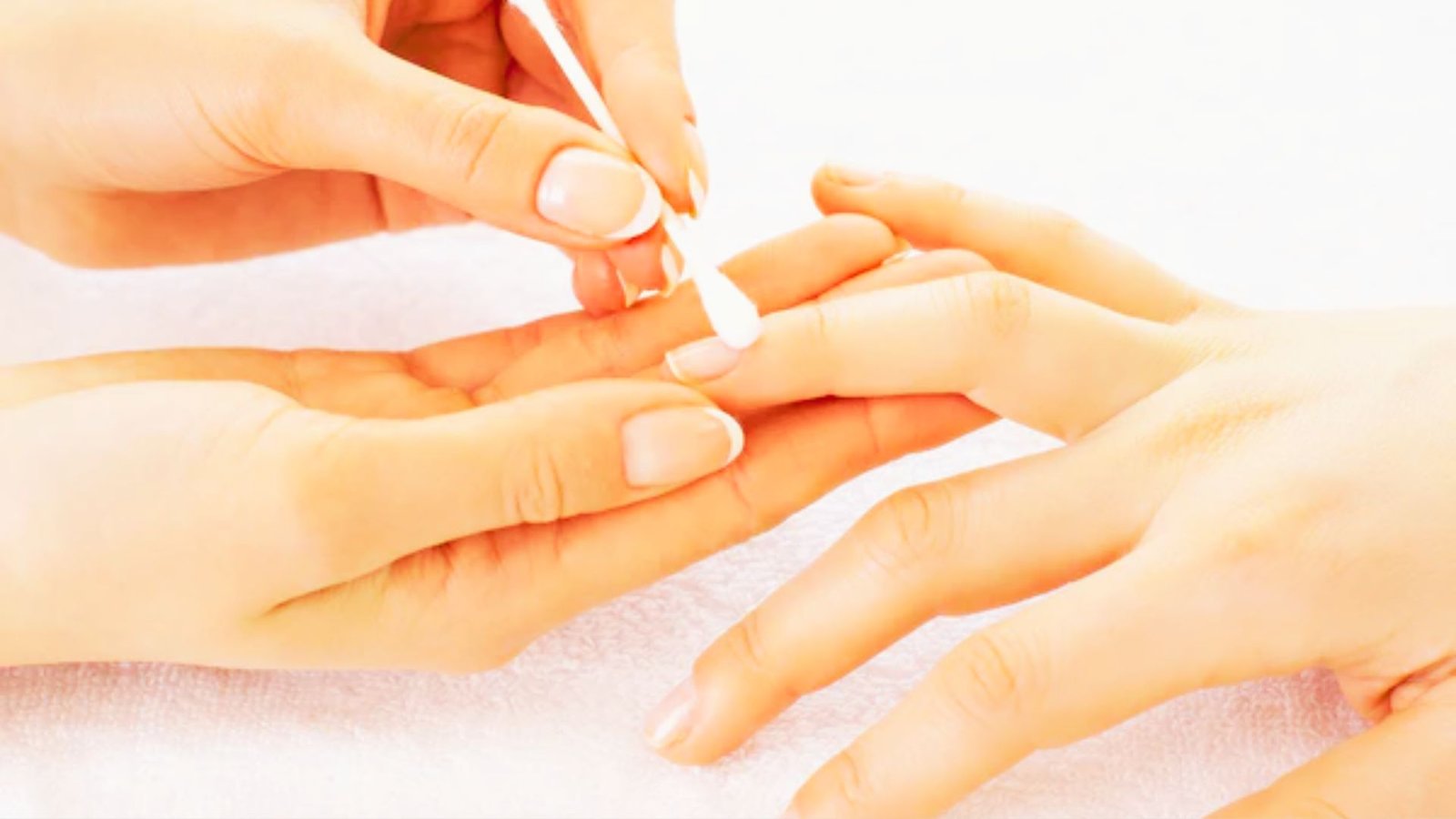
Prep is everything. If your nails aren’t prepped right, acrylic won’t stick.
Push back and remove cuticles completely. Any skin left behind blocks adhesion. Buff the nail surface gently to create texture. Clean away all dust after buffing.
Always use a dehydrator and primer. Dehydrator removes oils and moisture. Primer helps acrylic attach to the nail plate. Skipping these steps causes lifting within days.
2. Moisture on the Natural Nail
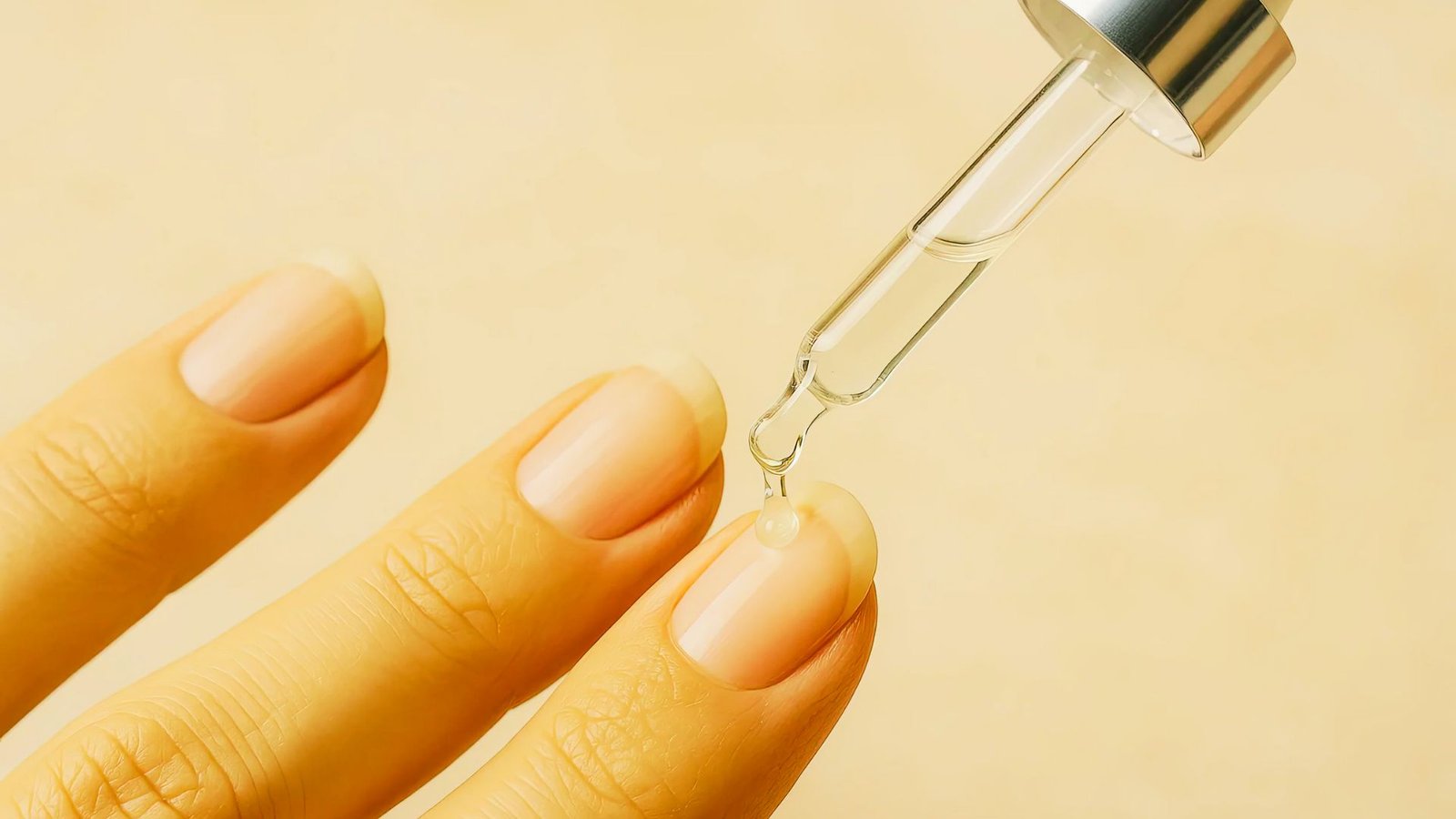
Water is acrylic’s worst enemy.
Moisture trapped under the acrylic weakens the bond instantly. Applying product on damp nails creates the same problem. Natural oils and sweat can also interfere.
Washing dishes, showering, and swimming expose your nails to water constantly. Without proper prep and sealing, moisture creeps under the acrylic and causes it to pop off.
3. Incorrect Acrylic Application
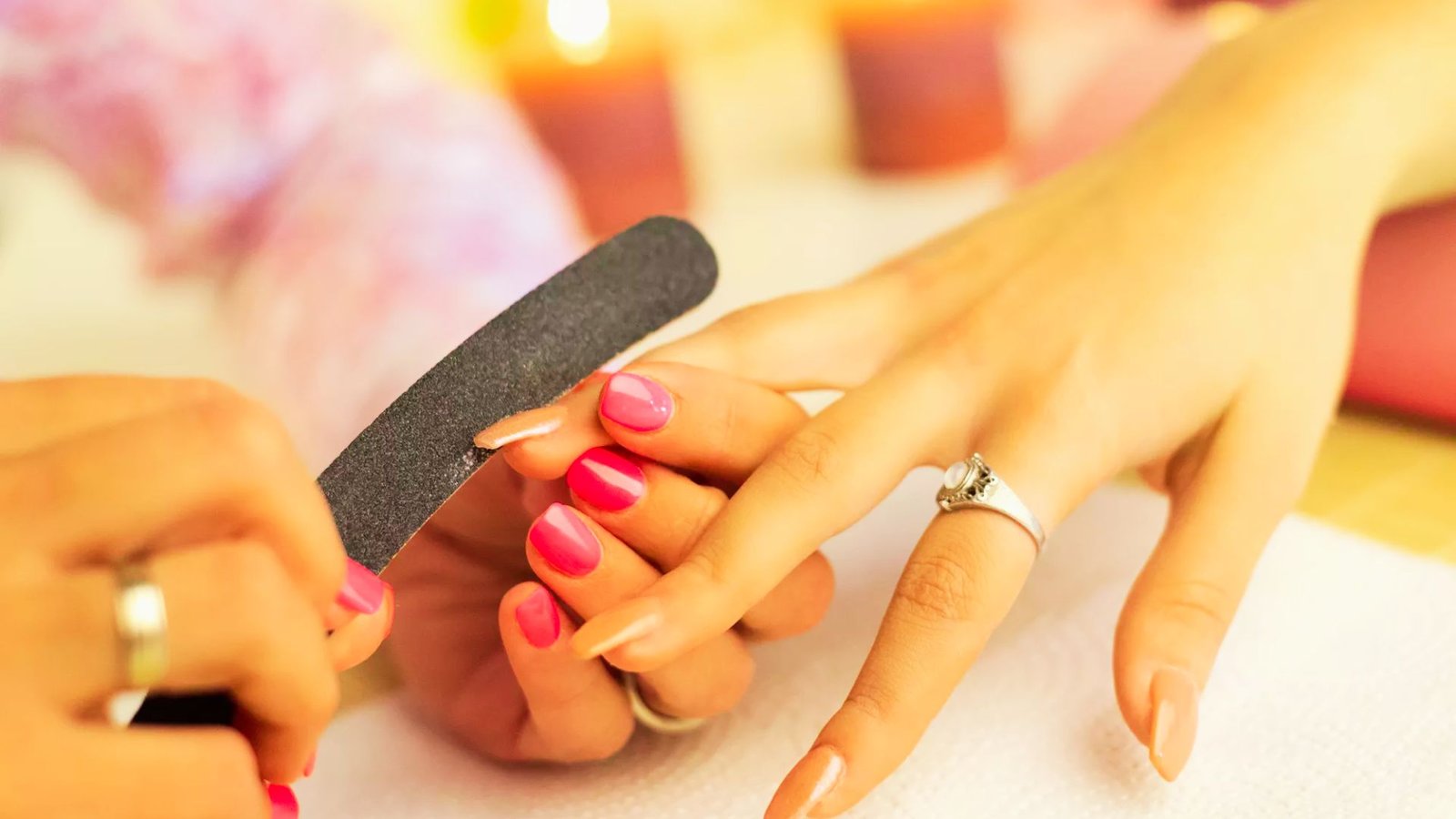
How your tech applies to the product makes all the difference.
Acrylic should never touch your cuticles or skin. Leave a tiny gap to prevent lifting. Don’t flood the sidewalls with too much product. It creates weak spots.
The liquid-to-powder ratio needs to be correct. Too wet or too dry makes the acrylic brittle or sticky. Always use products designed to work together.
4. Improper Aftercare
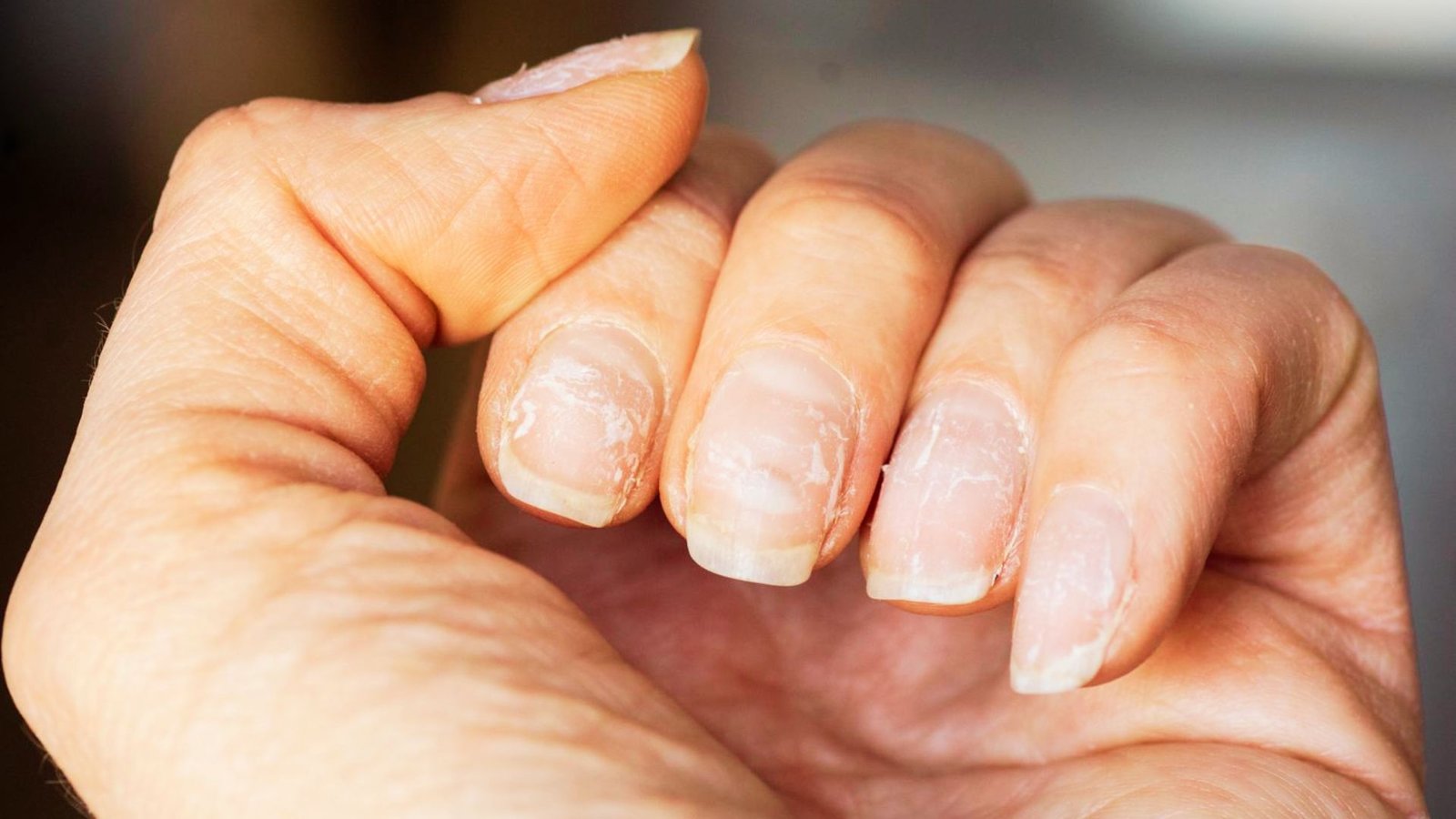
Your habits after getting acrylics matter just as much as the application.
Don’t use your nails as tools. Opening cans or peeling stickers puts stress on the bond. Harsh chemicals and detergents break down acrylic.
Use cuticle oil daily. It keeps your natural nail and surrounding skin healthy. Dry cuticles shrink and pull, which causes gaps.
5. Skipped or Delayed Maintenance
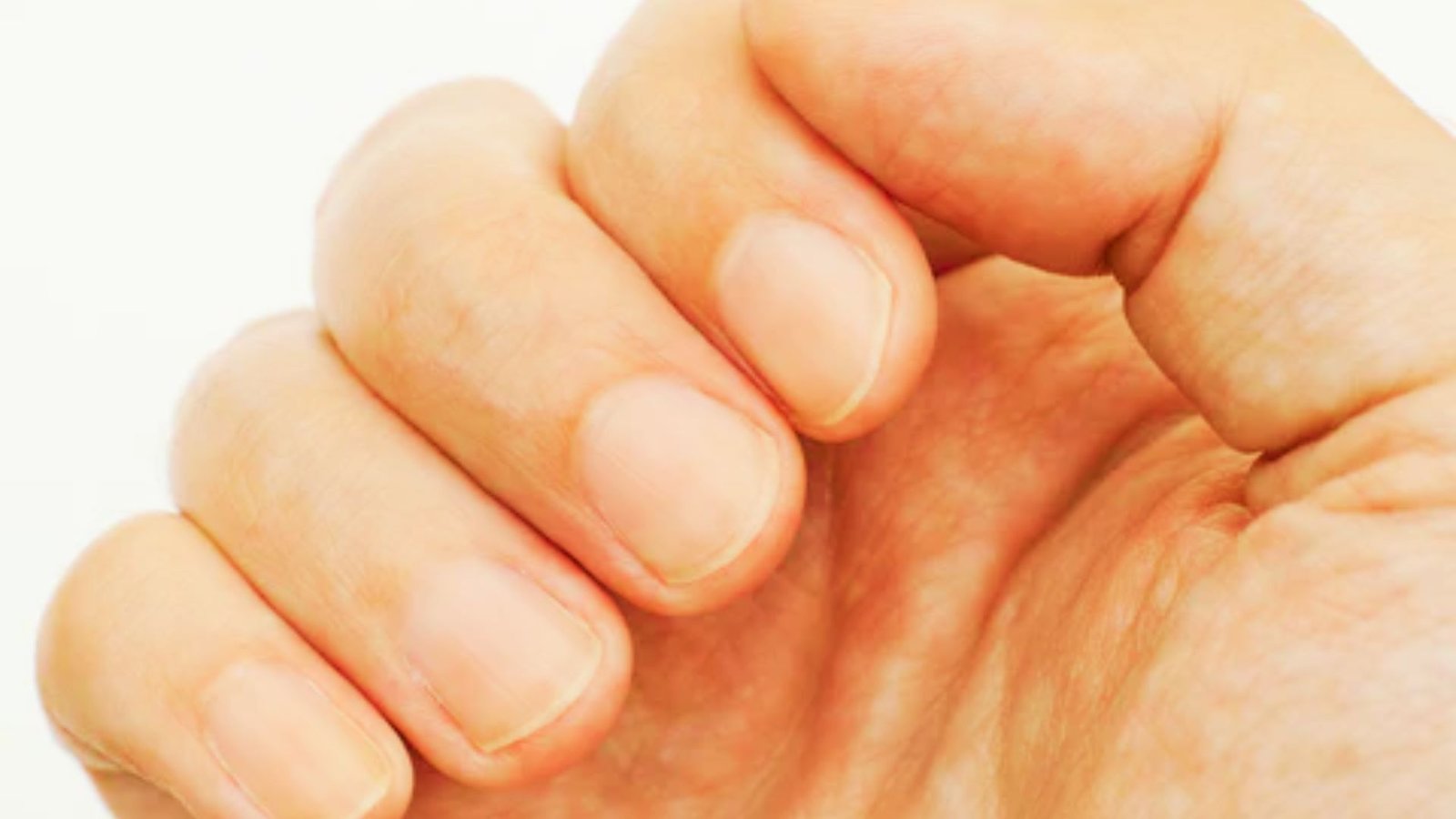
Acrylics need regular fills every two to three weeks.
As your natural nail grows, it pushes the acrylic forward. This creates a gap at the base. Big gaps collect moisture and bacteria. They also put pressure on the remaining bond.
Staying on schedule keeps everything tight and secure.
How to Prevent Acrylic Nails From Lifting Within a Week
Prevention starts with better prep, moisture control, quality products, smart aftercare, and consistent maintenance.
Improve Nail Prep
Push back your cuticles and remove dead skin gently. Buff your nail surface lightly. Wipe away all dust with alcohol.
Apply a dehydrator and finish with primer. Let it dry fully. Good prep creates the foundation for long-lasting nails.
Keep Moisture Under Control
Wash and dry your hands completely before application. Avoid soaking your hands for 24 hours after getting acrylics.
Use cuticle oil daily to keep cuticles soft. Water is the main enemy of acrylic adhesion.
Choose High-Quality Products
Stick with one brand system. Use the same brand’s monomer and polymer powder. Mixing brands weakens adhesion.
Reputable brands last longer. Ask your tech about the products they use.
Practice Proper Aftercare
Wear gloves when washing dishes or using chemicals. Avoid using your nails as tools. Press gently when typing.
Keep your nails at a practical length. Gentle daily habits protect your investment.
Stick to Regular Infills
Book your fill appointment every two to three weeks. Don’t wait for gaps or lifting. Consistent fills keep your nails healthy and strong.
Regular maintenance prevents bigger problems down the road.
When Lifting Could Indicate a Bigger Problem
Sometimes lifting isn’t just a cosmetic issue. It can signal infection or nail damage that needs attention.
Watch for these warning signs.
Redness or swelling around the lifted area means infection might be setting in. A bad smell or greenish patches under the acrylic are serious red flags. This is likely a bacterial or fungal infection.
Remove the acrylic immediately if you see these signs. Don’t try to fix it yourself. Soak off the acrylic gently with acetone.
See a doctor or nail professional right away. Infections can spread and damage your natural nail permanently if left untreated.
Conclusion
I learned the hard way that acrylic nails lifting after a week isn’t bad luck. It’s usually fixable.
Poor prep, moisture, sloppy application, rough aftercare, or skipped fills are almost always to blame. Now that you know the causes, you can prevent lifting before it starts.
Focus on clean prep, keep water away, use quality products, treat your nails gently, and never skip your fill appointments. Your next set will last way longer.
Have questions or tips that worked for you? Drop a comment below and let’s help each other out.
Frequently Asked Questions
Can I fix lifting at home?
Don’t try to glue lifted acrylic back down. It traps bacteria and moisture underneath. Remove the lifted nail safely with acetone or see your nail tech for a proper fix.
How soon after getting acrylics can I wash my hands?
You can wash your hands right away. Just dry them completely and avoid soaking them in water for the first 24 hours to let the bond cure fully.
Why do my acrylics only lift on certain fingers?
Some fingers get more use and moisture exposure than others. Your thumb and pointer finger usually lift first because you use them most. They need extra attention during prep.
Is it normal for acrylics to feel loose after a few days?
No, they should feel solid and secure. Looseness means the bond is failing. See your tech immediately to prevent further damage or infection.
Can nail oil cause lifting?
Applying oil before acrylic application causes lifting. But using cuticle oil daily after your nails are done actually helps prevent lifting by keeping cuticles healthy and flexible.