Why Is Korean Skincare So Good?


You’ve probably heard about Korean skincare. You may have seen the glass skin trend or those colorful sheet masks. But why is Korean skincare so good, and is it worth the hype?
I’ll be honest: I was skeptical too. Then I tried it myself.
In this guide, I’ll break down what makes K-beauty different. You’ll learn about the ingredients, the philosophy, and whether it actually works. I’ll compare it to Western products and help you figure out if it’s right for your skin.
No fluff. Just facts based on real experiences and science.
What Makes Korean Skincare Different?
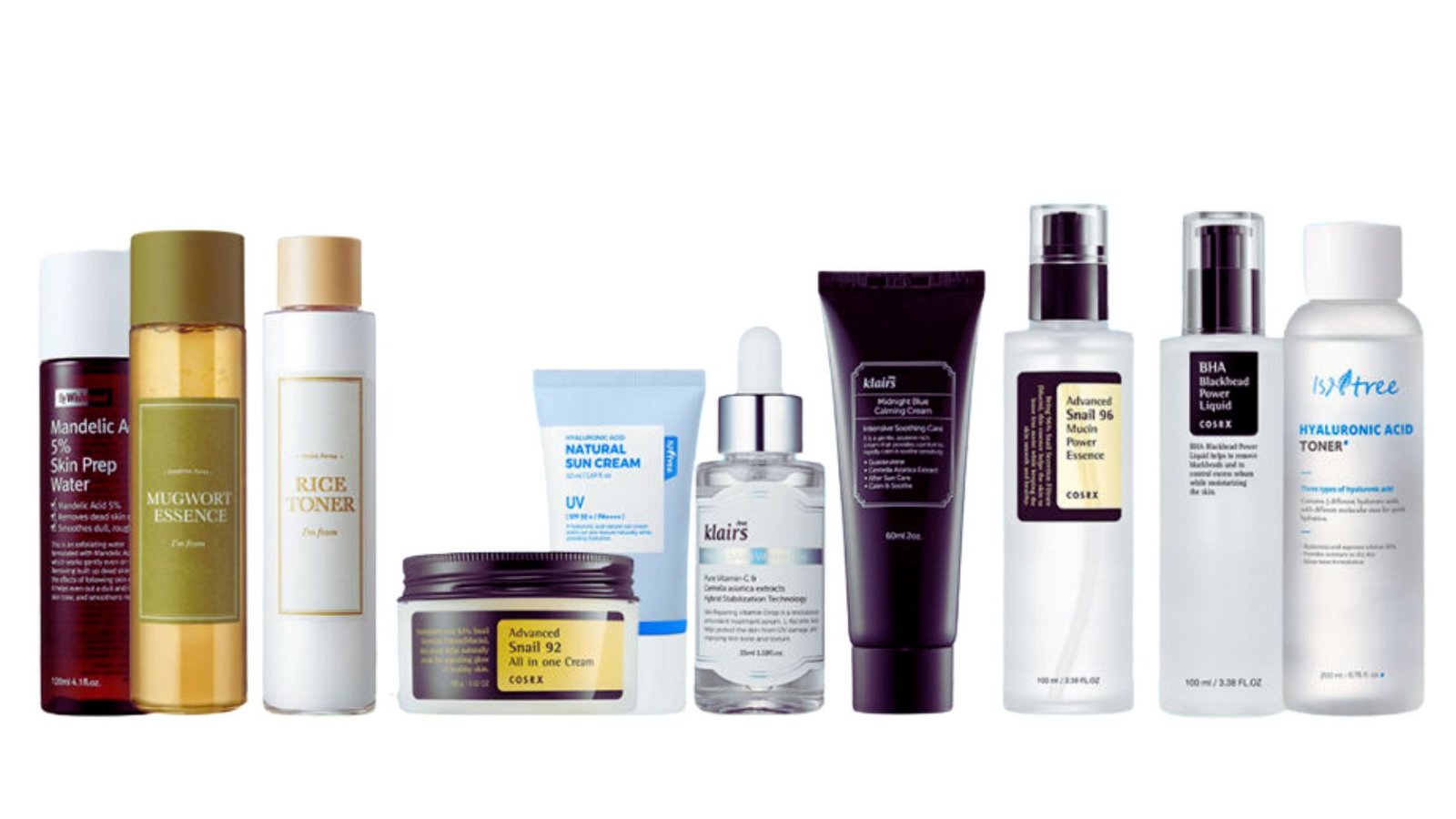
Korean skincare builds healthy skin through gentle care and proven ingredients.
Korean skincare works differently from what most of us grew up using. The philosophy focuses on prevention rather than correction.
Rather than fixing problems after they appear, K-beauty focuses on keeping skin healthy from the start.
Quality comes first. Korean brands test extensively and reformulate based on what actually works. They combine traditional ingredients like ginseng with modern science.
The results speak for themselves. Millions worldwide have switched because they see real changes in their skin.
A Brief Background of Korean Skincare Excellence
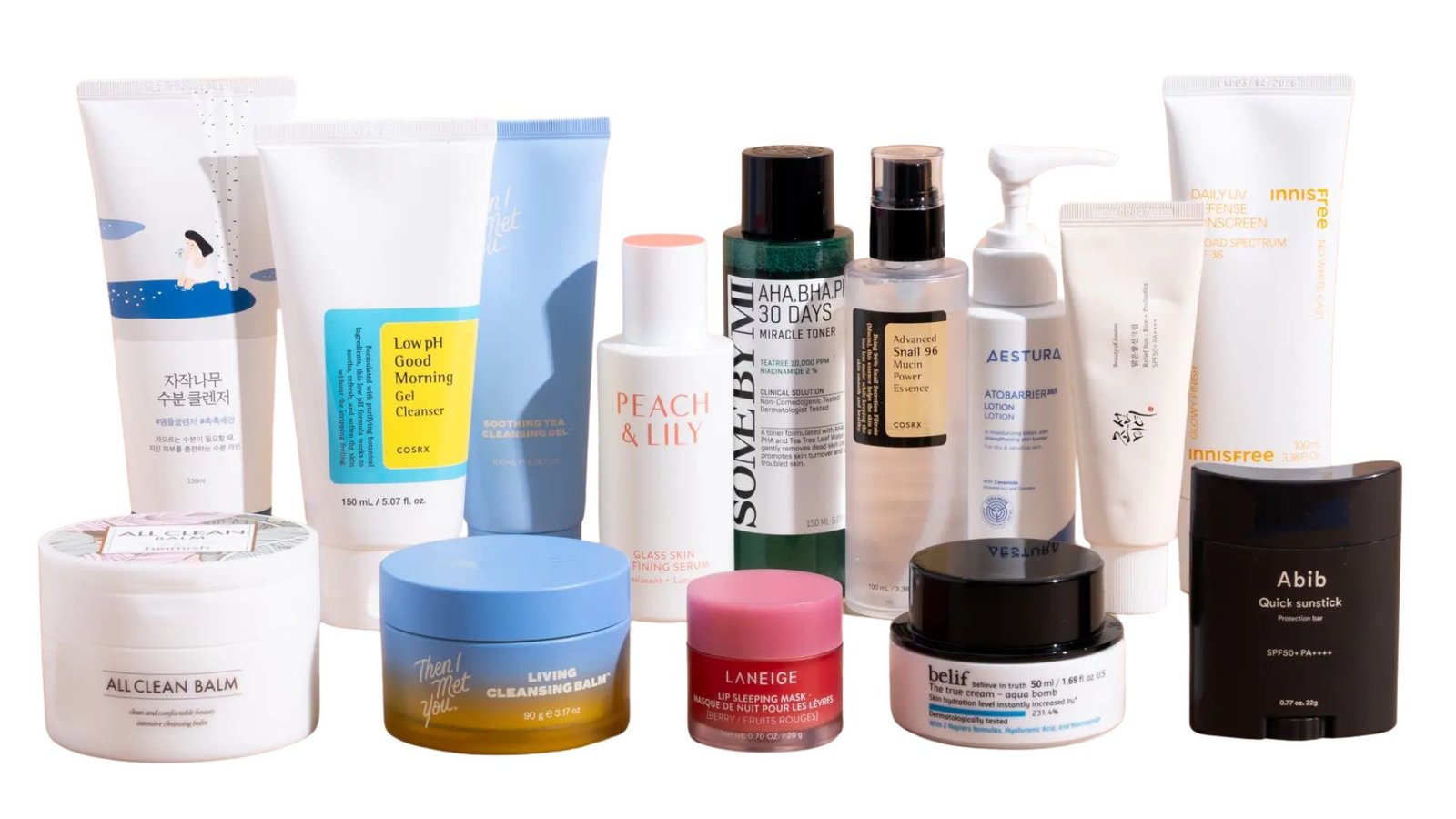
Centuries of tradition meet modern innovation in Korean beauty culture.
Skincare has been part of Korean culture for centuries. Clear, healthy skin was always valued. Not just for looks, but as a sign of overall wellness.
The modern K-beauty boom started in the 2010s. Korean brands began exporting their products, and people noticed they were different. They were gentler, more affordable, and they worked.
Now, Korean skincare dominates global markets. The success isn’t random. It’s built on decades of research, cultural values, and listening to what users actually need.
Key Reasons Why Korean Skincare Is So Good
Six core factors separate Korean skincare from everything else on the market.
High-Quality and Skin-Friendly Ingredients
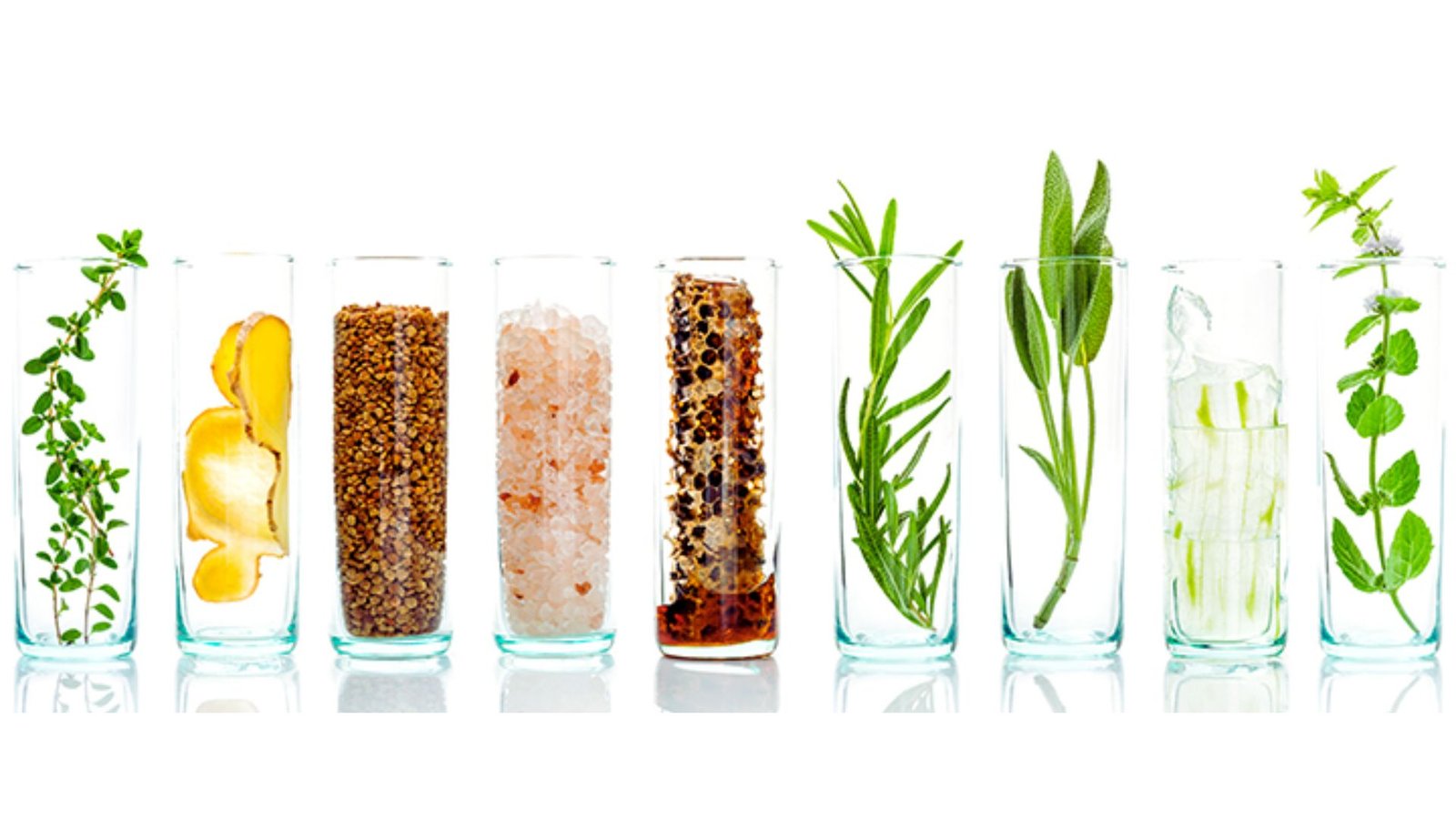
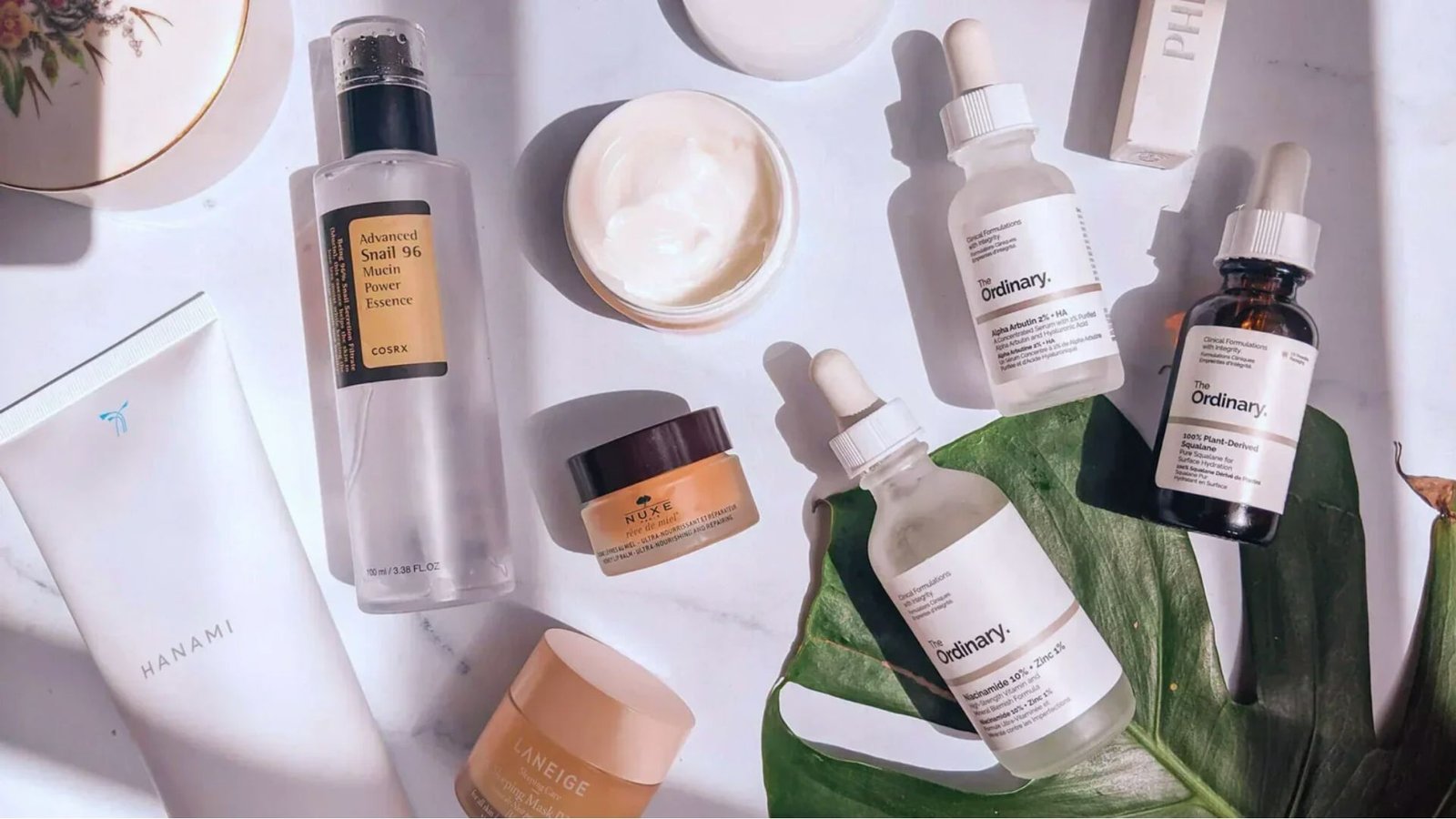
Korean products rely heavily on natural extracts. You’ll find ingredients like snail mucin, green tea, rice water, and centella asiatica. These aren’t just trends. They’re backed by research.
Hydration is central. Almost every product focuses on keeping skin moisturized and balanced. This prevents the most common skin issues before they start.
The formulas are gentle. Even people with sensitive skin can usually use them without irritation. There’s less reliance on harsh chemicals or aggressive actives.
A Holistic Approach to Skin Health
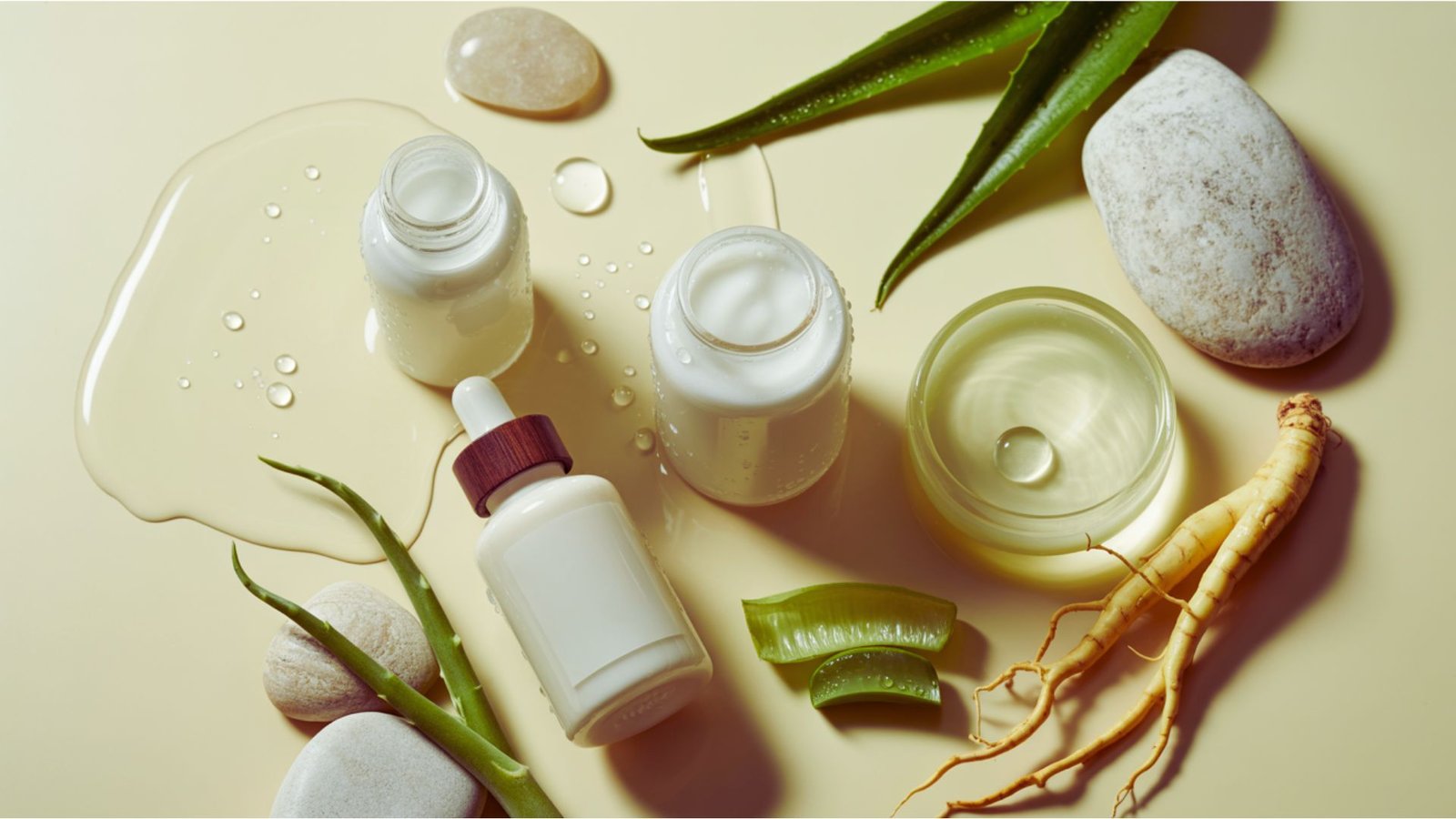
K-beauty treats skincare as long-term care, not a quick fix. The goal is to nourish your skin over time so it stays healthy naturally.
This means focusing on your skin barrier. A strong barrier keeps moisture in and irritants out. When your barrier is healthy, most skin problems improve on their own.
Balance matters more than perfection. Korean skincare doesn’t promise to erase all your pores or make you look 20 years younger. It aims for realistic, sustainable health.
Advanced Innovation and Skincare Technology
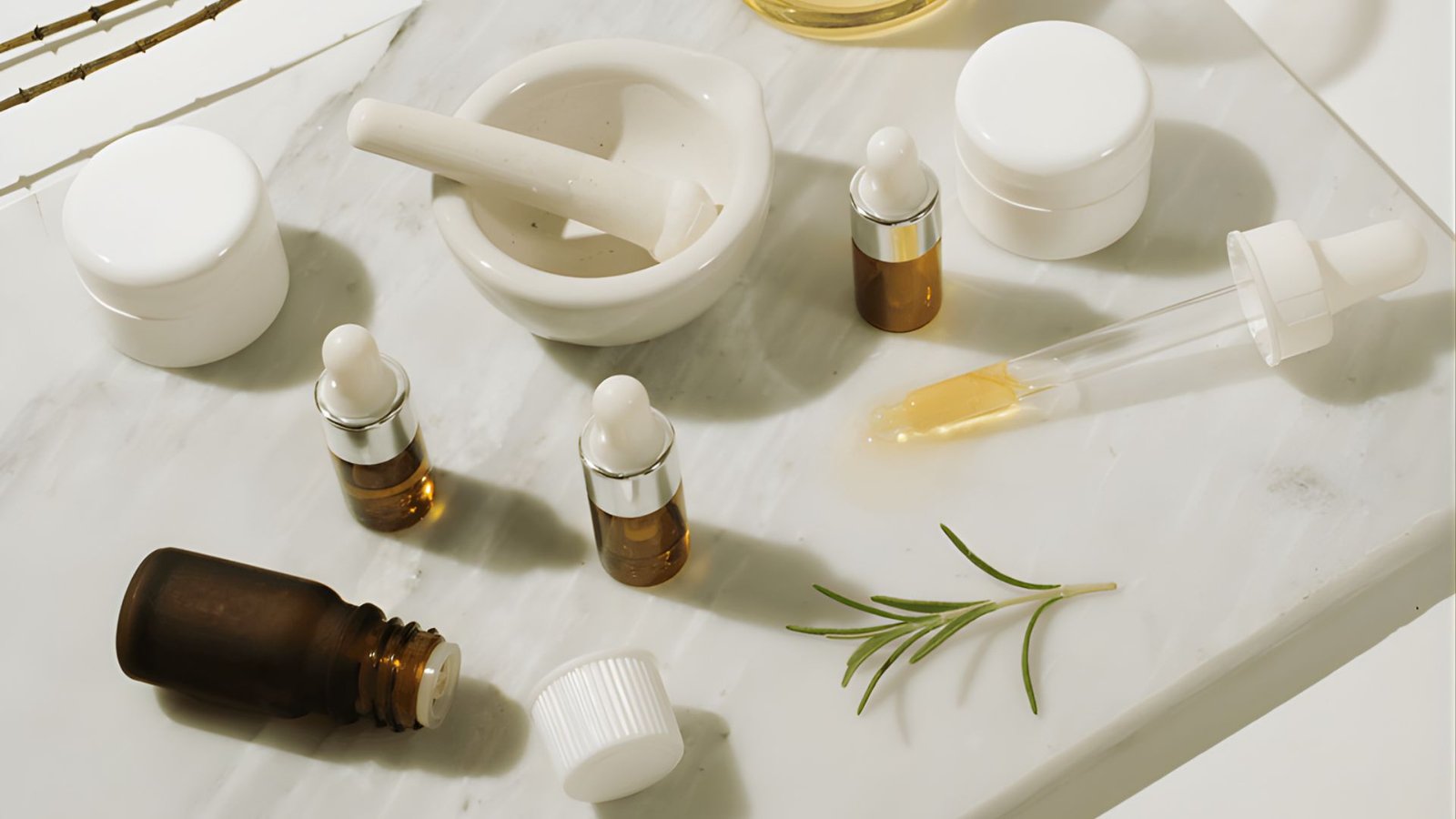
Korean brands release new products constantly. They test trends quickly and keep what works. If something doesn’t deliver results, they move on.
Science meets tradition here. Ancient ingredients get modern formulations. For example, fermented extracts have been used for centuries, but now they’re refined in labs for maximum benefit.
Brands listen to customers. When users say a product needs improvement, companies respond fast. This creates a cycle of constant refinement.
Effective for Multiple Skin Types
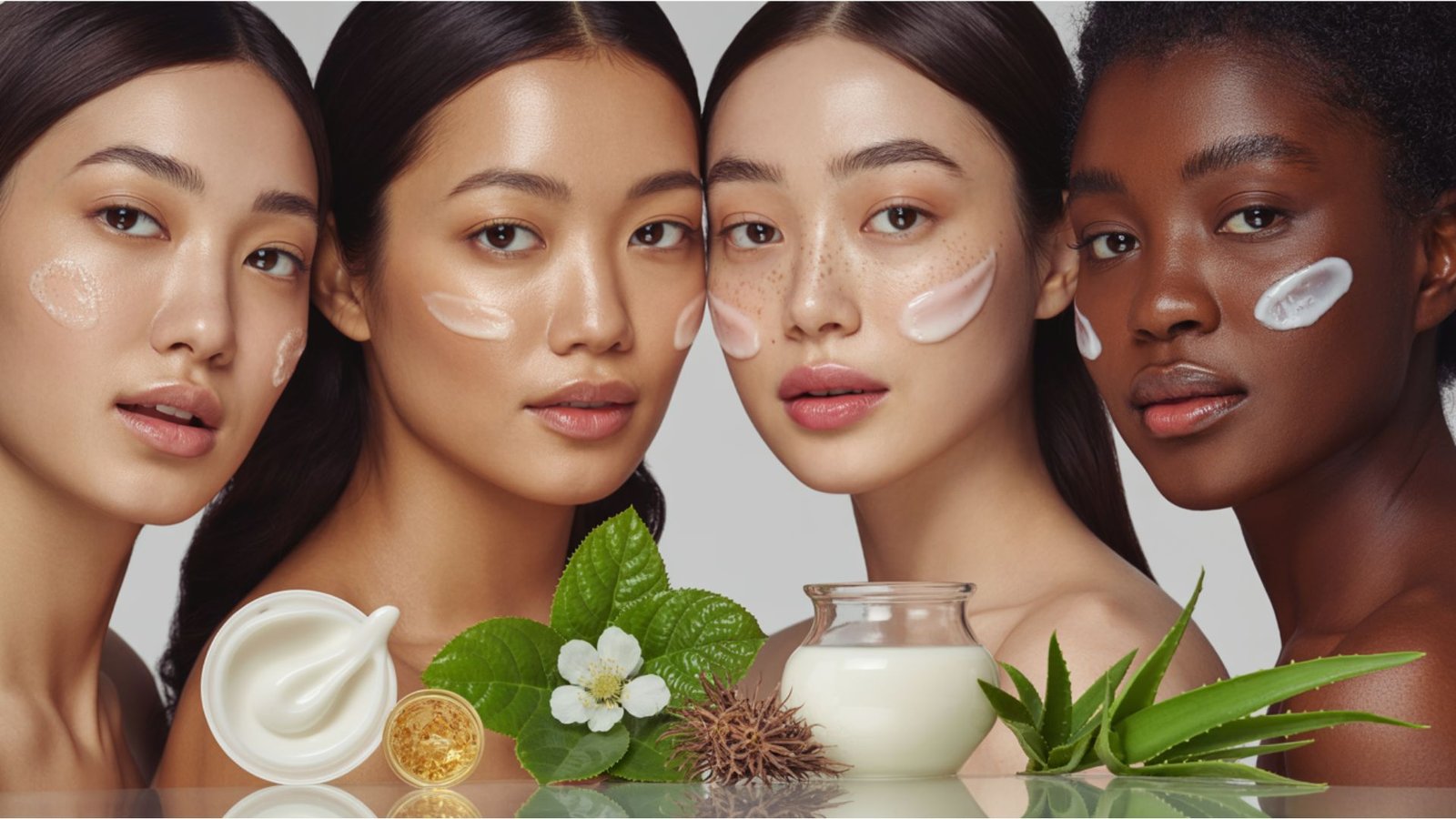
Sensitive skin? There are lines specifically designed for you. The focus on gentle, hydrating ingredients means less risk of reactions.
Oily and acne-prone skin benefits too. Korean products often use lightweight textures that won’t clog pores. Ingredients like tea tree oil and BHA help control breakouts without overdrying.
Dry skin gets serious hydration. Layering multiple light products can hydrate better than one heavy cream. This approach lets you customize based on what your skin needs each day.
Affordable Without Compromising Performance
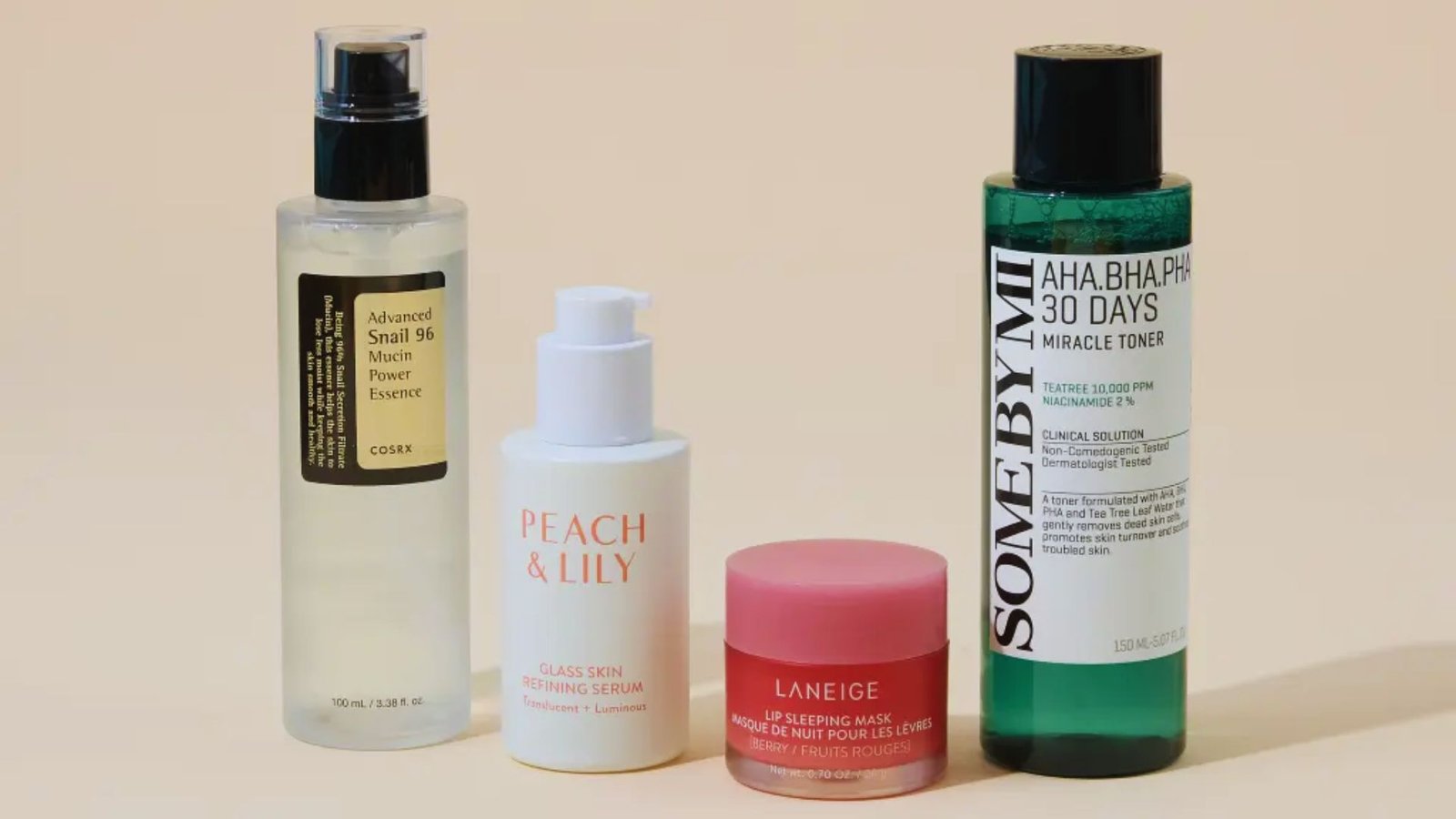
Quality doesn’t require a huge budget with K-beauty. A full routine can cost less than one high-end Western serum.
The products perform well at every price point. Whether you spend $5 or $50, you’re getting tested formulas with effective ingredients.
This accessibility means more people can maintain good skincare habits. You don’t need to choose between rent and retinol.
Focus on Natural, Healthy-Looking Skin
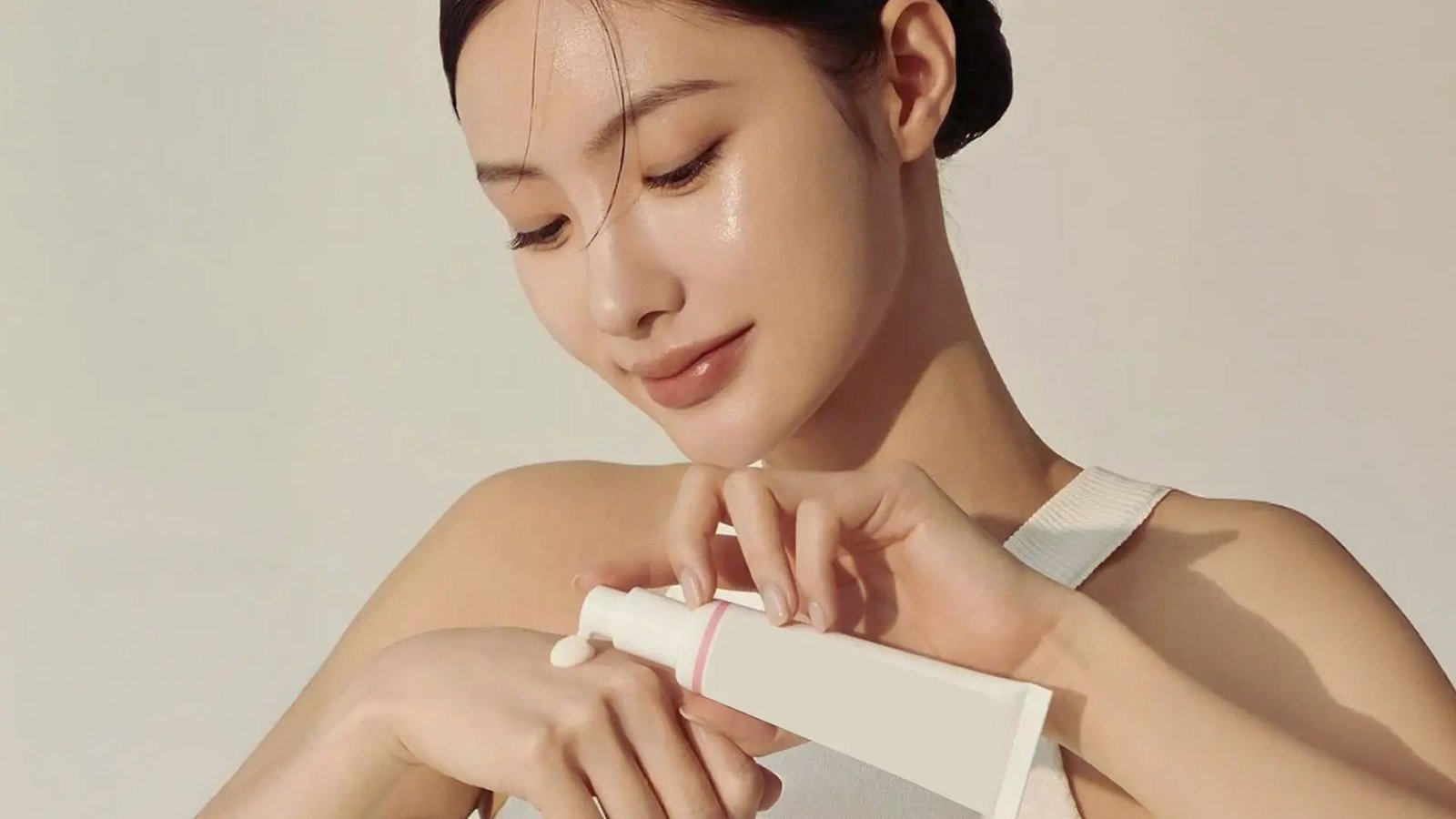
Korean beauty standards emphasize natural glow over heavy makeup. The “glass skin” trend is about healthy, hydrated skin that glows from within.
Products have lightweight textures. You can layer several steps without feeling heavy or greasy. This builds hydration and nourishment gradually.
The approach is skin-first. Instead of covering problems with makeup, you address the underlying health of your skin. This creates lasting results you can see even without products on.
How Korean Skincare Compares to Western Skincare?
Two different philosophies produce different results for your skin.
Western skincare often uses stronger actives. Think retinoids, high-percentage acids, and treatments designed to show fast results. Korean skincare tends to be gentler and more gradual.
Hydration gets different treatment. K-beauty uses multiple light layers. Toner, essence, serum, moisturizer. Western routines typically rely on one or two heavier products.
The philosophy differs fundamentally. Western brands often target specific problems. Acne, wrinkles, and dark spots. Korean brands focus on overall skin health, believing good skin prevents most issues.
Both approaches work. It depends on your skin, your patience level, and what results you want.
Does Korean Skincare Really Work Better?
Real users report consistent improvements when they stick with the routine.
I’ve read hundreds of reviews while researching this. The pattern is clear. People see results, but it takes time.
Most users report smoother texture within weeks. Hydration improves quickly. Issues like redness and dryness calm down.
Bigger changes take longer. Acne scars, deep wrinkles, and hyperpigmentation need months of consistent use. But people stick with it because they see progress.
The trust builds from experience. When your skin feels better and looks healthier, you keep going. That consistency is what makes K-beauty effective.
Who Should Use Korean Skincare?
Almost anyone can benefit, but some skin types respond better than others.
If you have sensitive skin, start here. The gentle formulas are less likely to cause problems than stronger Western products.
Dry skin responds really well. The focus on moisture and layering can change how your skin feels.
People with oily or acne-prone skin need to choose carefully. Light, gel-based formulas work great. Heavy creams might cause breakouts.
If you want instant results, you might get frustrated. Korean skincare rewards patience and consistency. Think months, not days.
Anyone switching from a minimal routine should start slowly. Add one or two products at a time. Your skin needs to adjust.
Common Myths About Korean Skincare
Let’s clear up the confusion around K-beauty’s most common misconceptions.
- The 10-step routine is mandatory: No. It’s a maximum, not a requirement. Most people use 4-6 steps. Adjust based on your skin’s needs and your schedule.
- Korean skincare only works for young skin: False. All ages benefit from K-beauty. Products address aging, wrinkles, and firmness. The gentle approach suits mature skin well.
- It’s only effective on Asian skin types: Not true. The ingredients and methods work across all ethnicities. You may need to adjust products, but the principles apply to everyone.
- All Korean products are the same: Each brand differs. Some focus on hydration, others on brightening or anti-aging. Read labels and choose what fits your concerns.
- Korean skincare is too complicated: It doesn’t have to be. Start with cleanser and moisturizer. Add products slowly as you learn what works for you.
Don’t let these myths stop you from trying what could work for your skin.
Conclusion
Korean skincare focuses on what actually matters, i.e, healthy, balanced skin. The ingredients are tested. The approach is gentle. The results build over time.
I switched to K-beauty two years ago. My skin is calmer, more hydrated, and honestly just better. It took patience, but it was worth it.
You don’t need to overhaul everything at once. Start with one or two products. See how your skin responds. Build from there.
Have you tried Korean skincare? What worked for you? Drop a comment below. I’d love to hear your experience.
Frequently Asked Questions
What makes Korean skincare different from other products?
Korean skincare focuses on prevention and hydration rather than aggressive treatments. The products use gentle, natural ingredients and emphasize long-term skin health over quick fixes.
How long does it take to see results from Korean skincare?
Most people notice improved hydration and texture within 2-4 weeks. Bigger concerns like acne scars or fine lines may take 2-3 months of consistent use to show visible improvement.
Do I need to follow all 10 steps in a Korean skincare routine?
No, the 10-step routine is optional. Most people use 4-6 products based on their needs. You can start with cleanser, moisturizer, and sunscreen, then add more as needed.
Can Korean skincare help with acne and oily skin?
Yes, many Korean products are formulated for acne-prone and oily skin. Look for lightweight, gel-based products with ingredients like tea tree oil, snail mucin, or BHA acids.
Is Korean skincare suitable for all ages and skin types?
Korean skincare works for all ages and skin types. The gentle formulas and variety of products mean you can find options whether you have dry, oily, sensitive, or mature skin.