5 Things Beauty Lovers Should Know About the Growing Wellness Trend


Beauty is no longer limited to what you put on your skin. Nowadays, personal skincare and self-care are merging with wellness routines like good sleep and effective stress management, mindful movement, nutrition, and gut health. Your beauty routine can now extend well beyond your bathroom shelf.
This change in perception is a part of a transition in how you view yourself apart from your attire. Additionally, your habits for healthy living could also be considered, rather than just products. Beauty and wellness are evolving from separate categories and becoming part of our lives.
Here are five things to know about this growing beauty and wellness trend.
1. Wellness Is Becoming Inseparable from Beauty Routines
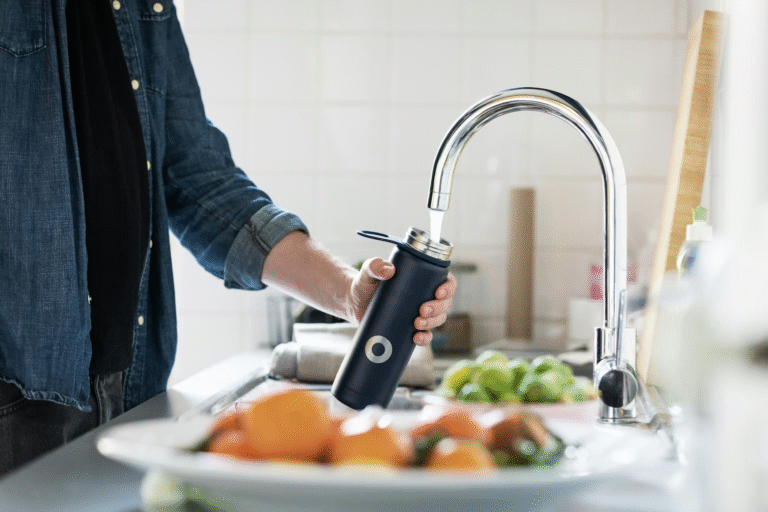
The concept of inner beauty emphasizes the link between inner health and exterior appearance. Nutrition, hydration, sleep, and daily habits are now part of the beauty dialogue, since they affect your overall health, which shows in your skin, hair, and nails.
Additionally, there are new gains in wellness trends like adaptogens, collagen supplements, and the gut-skin connection. The gut-skin axis field has raised curiosity around the link between digestive health and skin health. These trends do not indicate any food or supplement that can drastically change your appearance. Rather, they signify a larger paradigm of the importance of beauty in relation to whole wellness.
Beauty companies are responding by expanding beyond traditional skincare. You can now find supplements, teas, wellness products, and other lifestyle-focused offerings alongside creams and serums. CBD products also fit within this wider wellness landscape. For example, CBDfx CBD capsules offer one convenient format that some consumers may consider as part of a personal wellness routine.
2. Stress Management Is Now Part of the Beauty Conversation
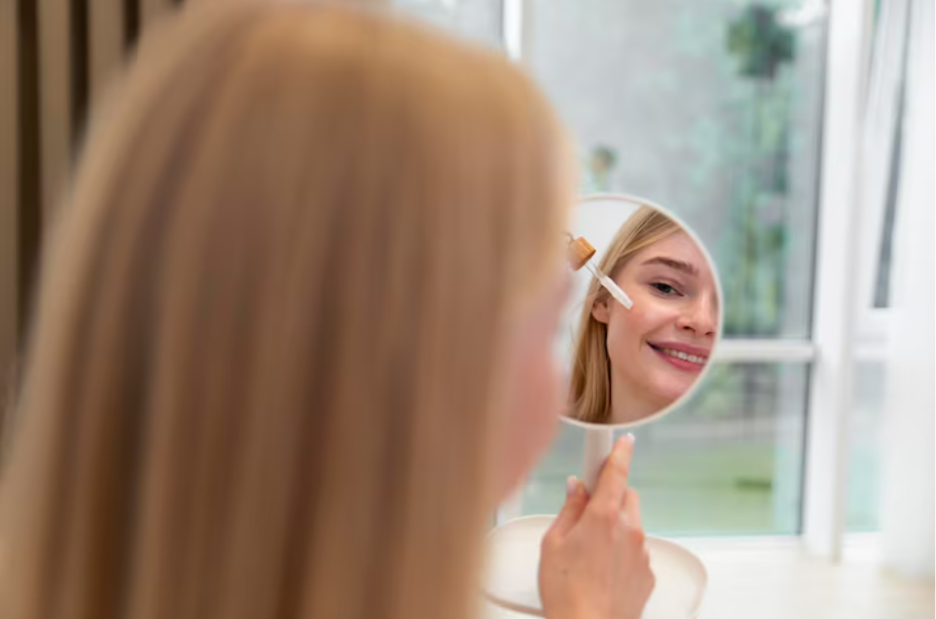
Stress can show up in your beauty routine in several ways. When you are under ongoing pressure, sleep can suffer, and healthy habits can become harder to maintain. Stress-related hormonal changes can also influence skin processes, which may contribute to concerns such as breakouts or a tired-looking complexion.
That connection has made stress management more relevant to modern beauty culture. Facial massage, gua sha, breathwork, meditation, and other calming rituals are often incorporated into skincare routines. These practices can make your routine feel less like another task and more like intentional time for yourself.
The rise of slow beauty reflects the same idea. Instead of rushing through numerous products, you may choose fewer steps and give yourself more time to use them mindfully. A five-minute facial massage or a quiet skincare ritual may offer a more realistic approach than trying to maintain an elaborate routine every day.
3. Clean And Minimalist Ingredients Are Gaining Ground
You may have noticed a growing focus on shorter ingredient lists and greater product transparency. Many beauty consumers now want to understand what they are applying to their skin and why particular ingredients are included. That can make labels and ingredient education an important part of choosing products.
The shift also connects with skin minimalism, which favors simpler routines over lengthy 10-step regimens. Rather than layering several products, you can focus on the essentials that match your skin’s needs. A gentle cleanser, moisturizer, and sunscreen can form a practical foundation before you consider adding targeted treatments.
Minimalism can also support wider wellness and sustainability values. Buying fewer products may reduce unnecessary consumption and make your routine easier to manage. You can still enjoy new ingredients and beauty trends, but a more selective approach encourages you to consider whether each product serves a genuine purpose.
4. Sleep And Recovery Are Being Marketed as Beauty Tools
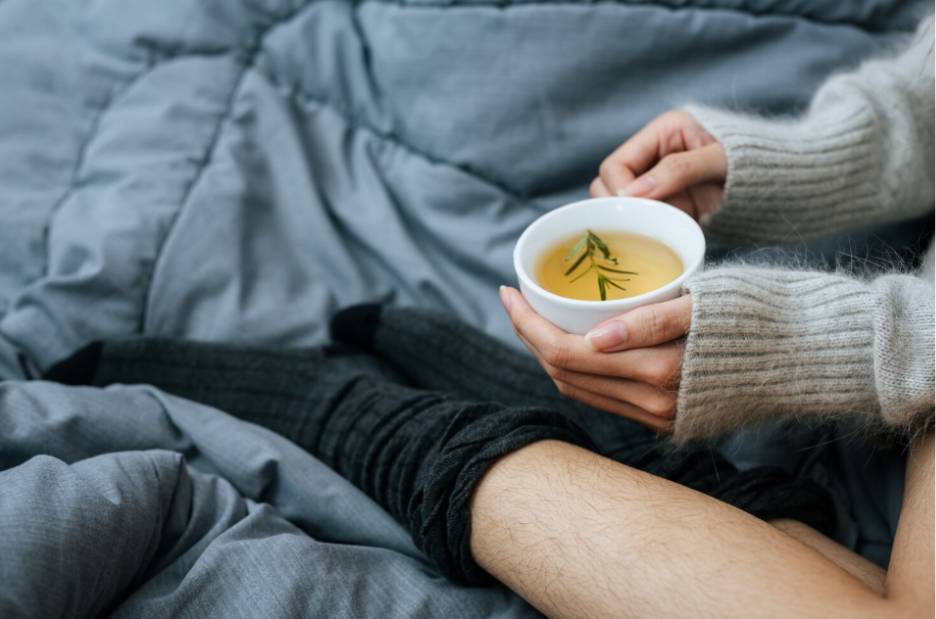
The phrase “beauty sleep” has taken on a broader meaning as beauty companies place more attention on nighttime care and recovery. Overnight masks, rich moisturizers, and sleep-focused skincare products are designed around evening routines. At the same time, red light therapy devices and other beauty technology are becoming part of some consumers’ at-home routines.
Technology is also changing how you understand your own recovery. Wearable devices and smartphone apps can track sleep duration and other measures related to rest. You may use that information to notice patterns in your routine and identify habits that could be improved.
Rest is therefore being reframed as an active part of self-care rather than something you simply do when everything else is finished. You do not need a collection of sleep gadgets to benefit from that idea. A consistent bedtime, a comfortable sleep environment, and fewer distractions before bed can be meaningful places to start.
5. Personalization Is Driving the Wellness-Beauty Overlap
Beauty routines are becoming more personal. Instead of following the same routine as everyone else, you can now find skin analysis tools, tailored product suggestions, and customized wellness plans based on your needs, preferences, and lifestyle.
Technology is helping make that possible. AI-powered skin tools can assess visible concerns and suggest suitable products or routines. DNA-based skincare and personalized nutrition services also use biological information to create more individualized recommendations. As these options grow, check how providers use your data and what evidence supports their approach.
Wearable technology adds another layer of personalization. Sleep trackers can show patterns in your rest, while other devices can monitor activity or glucose levels. You can use these insights to make more informed lifestyle choices that support your beauty and wellness routine, rather than relying on a one-size-fits-all approach.
Conclusion
Beauty and wellness are increasingly becoming part of the same approach to self-care. The shift can be seen in inside-out beauty, stress management, minimalist ingredients, recovery-focused routines, and personalized technology. Together, these trends encourage you to consider your overall lifestyle instead of viewing beauty as a collection of products.
You do not need to change everything at once. Start with one practical adjustment, such as improving your sleep routine, simplifying your skincare shelf, or making more time for stress relief. As beauty and wellness continue to evolve, the focus is likely to move toward routines that are more personalized, intentional, and connected to everyday well-being.